


What is Acadian Redfish?
Acadian redfish is one of the types of redfish found in the cold waters of the North Atlantic.
It goes by several names; you might see it labeled as ocean perch or rosefish at the market. The fish has a bright orange-red color that stands out. It’s a slow-growing species, which means it takes years to reach market size.
This also makes it somewhat special in the world of seafood.
It is interesting that the Acadian fish belongs to the Sebastes family. There are many rockfish species, but this one is distinct.
The flesh is white and firm when cooked. It has a mild, slightly sweet flavor that appeals to most people.
Habitation
Acadian fish call the deep, cold waters of the Atlantic Ocean home. Where these fish live, and what makes their environment so unique:
- Deep Ocean Waters: Acadian fish inhabit depths of 300-1,200 feet, prefer cold waters around 40°F or lower, and thrive in deep environments that shield them from predators and offer stable year-round conditions.
- Rocky Bottom Areas: These fish prefer rocky terrain and underwater structures such as slopes, ledges, and shelves, which provide hiding spots and hunting grounds for prey like shrimp and crustaceans.
- Atlantic Ocean Range: Acadian redfish inhabit cold Atlantic waters from the Gulf of Maine to Greenland, including around Iceland and parts of the Norwegian Sea. They seldom enter more hospitable areas.
- Lifespan: Acadian fish can live for 50 years or more. Some even reach 75 years in the wild. This long lifespan means they grow slowly and reproduce later in life, which affects how fisheries manage their populations
Ecological Characteristics of Acadian Fish
Acadians have unique biological traits that make them vulnerable and slow to recover from overfishing.
Slow Growth and Long Lifespan
Acadian fish grow incredibly slowly and can live 50-75 years. A 15-inch fish might be 20-30 years old. This slow growth makes populations vulnerable since they can’t recover quickly from overfishing.
Late Maturity and Live Birth
Females don’t reproduce until 10-12 years old, males at 7-10 years.
Unlike most fish, they give birth to live young instead of laying eggs. Females release thousands of tiny, fully formed baby fish in spring and summer, but survival rates are low.
Schooling Behavior
Redfish gather in large schools, especially during spawning. This made them easy targets for commercial fishing.
Fishermen could catch massive numbers quickly, causing population crashes in the 1980s and 1990s.
Cold-Water Specialists
They’re adapted to cold, deep environments and can’t survive in warmer waters. This limits their range and makes them sensitive to environmental changes.
Different Ways to Cook Acadian Redfish
Acadian redfish is incredibly adaptable in the kitchen. Each one brings out different flavors and textures.
Here are my favorite ways to prepare this delicious fish.
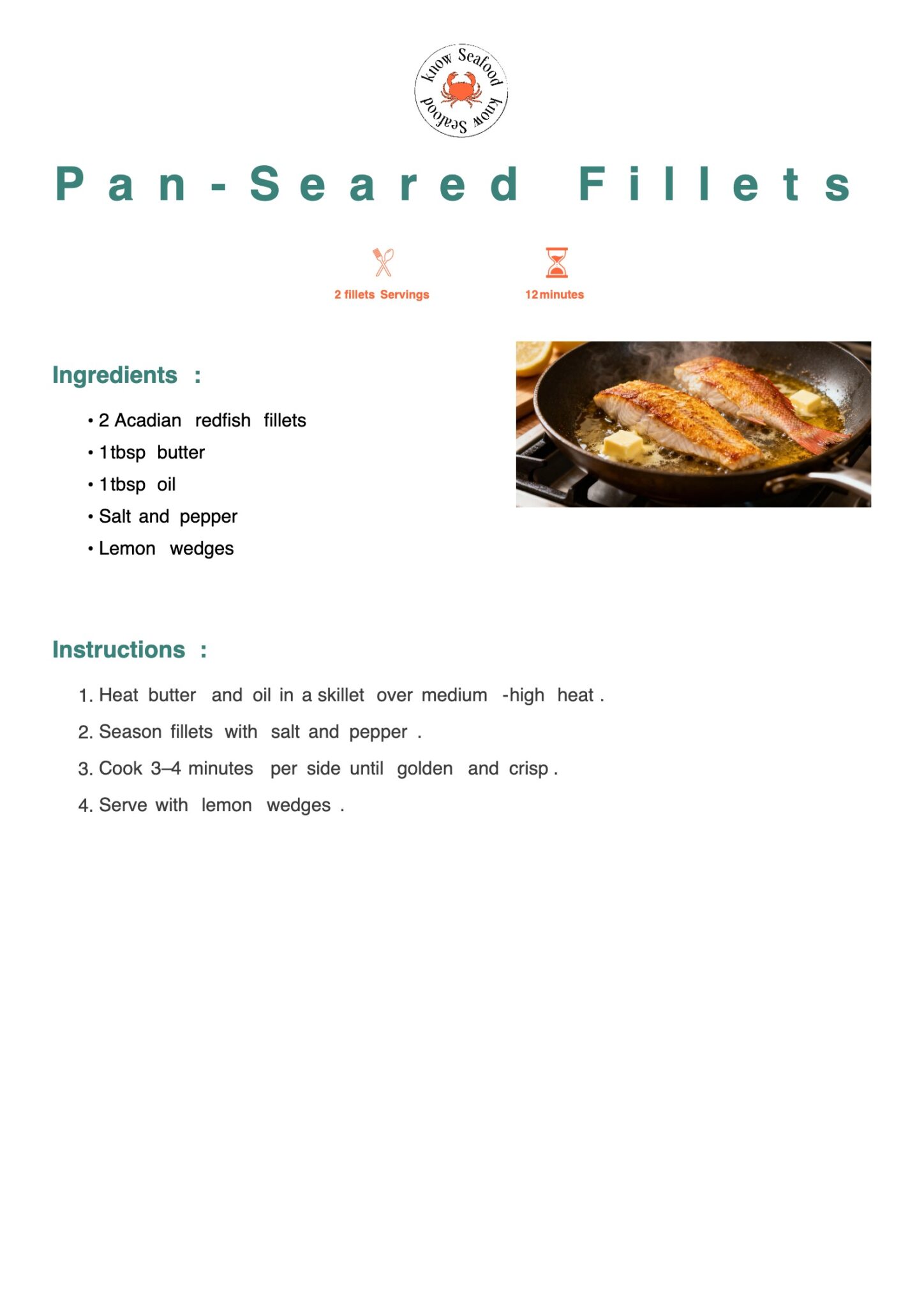
1. Pan-Seared Fillets
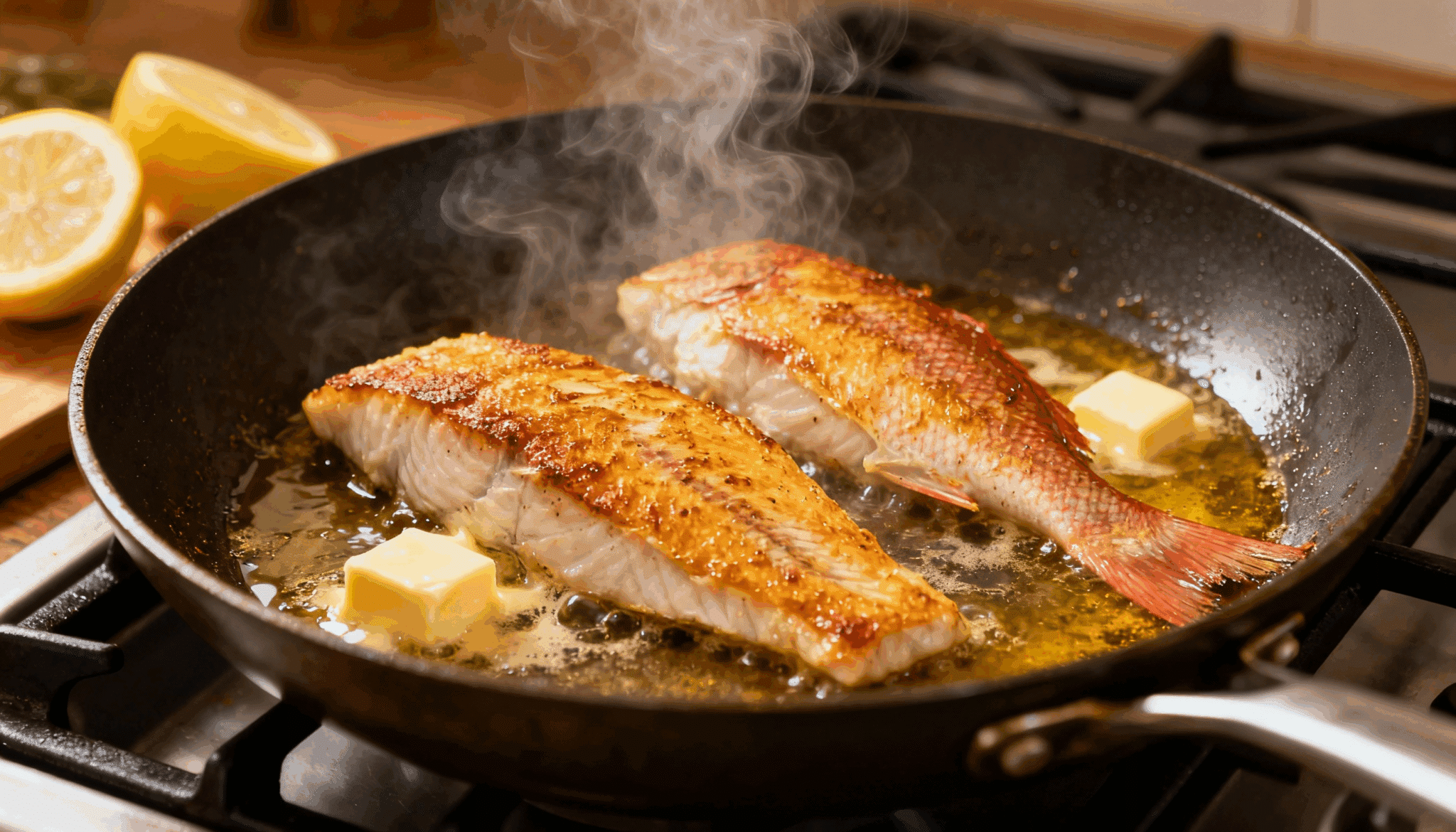
Heat a skillet with butter and oil over medium-high heat. Season the fillets with salt and pepper.
Cook for 3-4 minutes per side until golden and crispy.
The outside gets beautifully caramelized while the inside stays moist. Serve with lemon wedges for a simple, quick meal.
2. Oven-Baked with Herbs
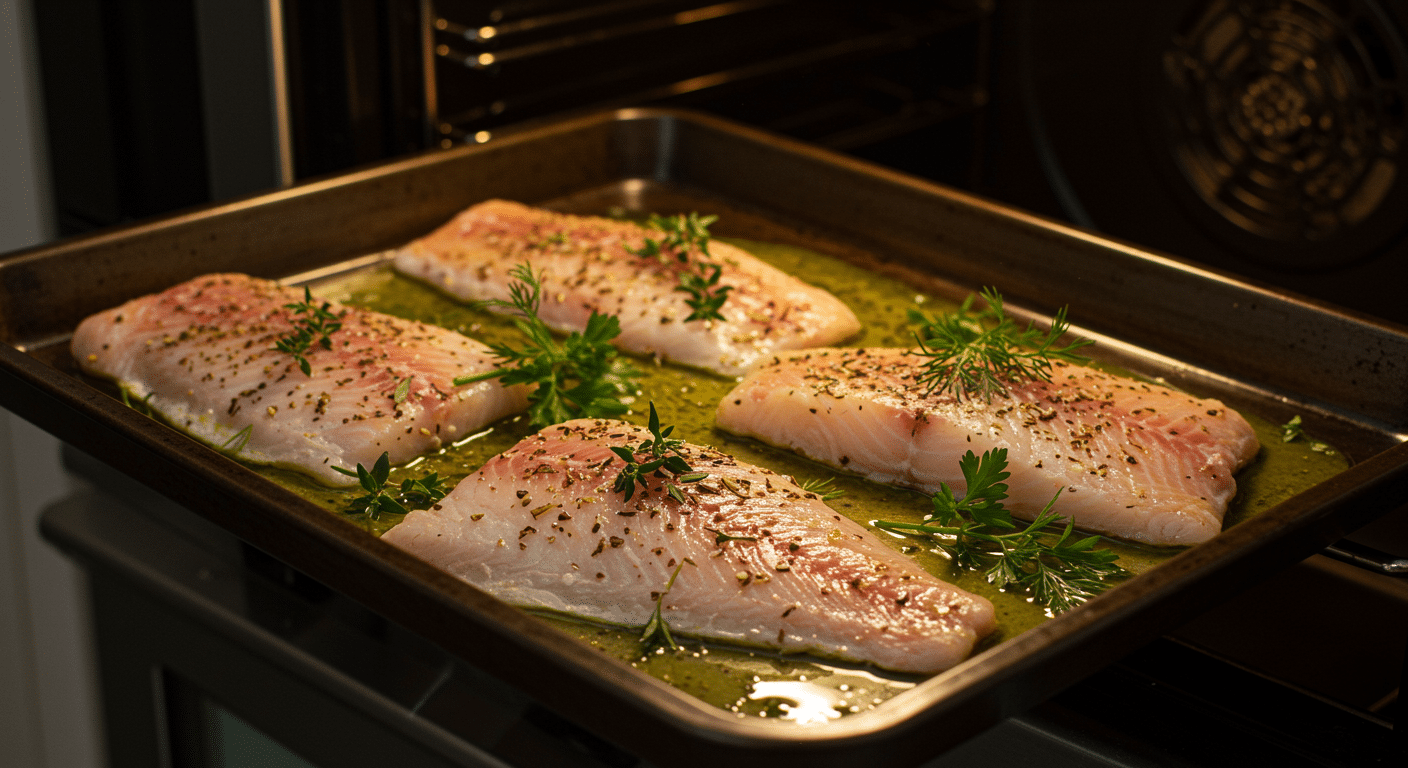
Preheat your oven to 375°F. Place fillets on a baking sheet lined with parchment paper.
Top with fresh herbs like thyme, parsley, and dill. Drizzle olive oil over everything. Bake for 15-18 minutes until the fish flakes easily. This method is foolproof and hands-off.
3. Grilled with Citrus

Fire up your grill to medium heat. Brush fillets with olive oil and season well.
Grill for 4-5 minutes per side, adding lemon or lime slices on top. The smokiness from the grill adds incredible depth.
The citrus cuts through the richness perfectly, creating a bright, summery dish.
4. Broiled with Butter Sauce

Set your broiler to high and position the rack 6 inches from the heat. Place fillets in a broiler-safe dish.
Mix melted butter with garlic and herbs, then pour over the fish.
Broil for 6-8 minutes without flipping. The top caramelizes and bubbles while staying tender underneath.
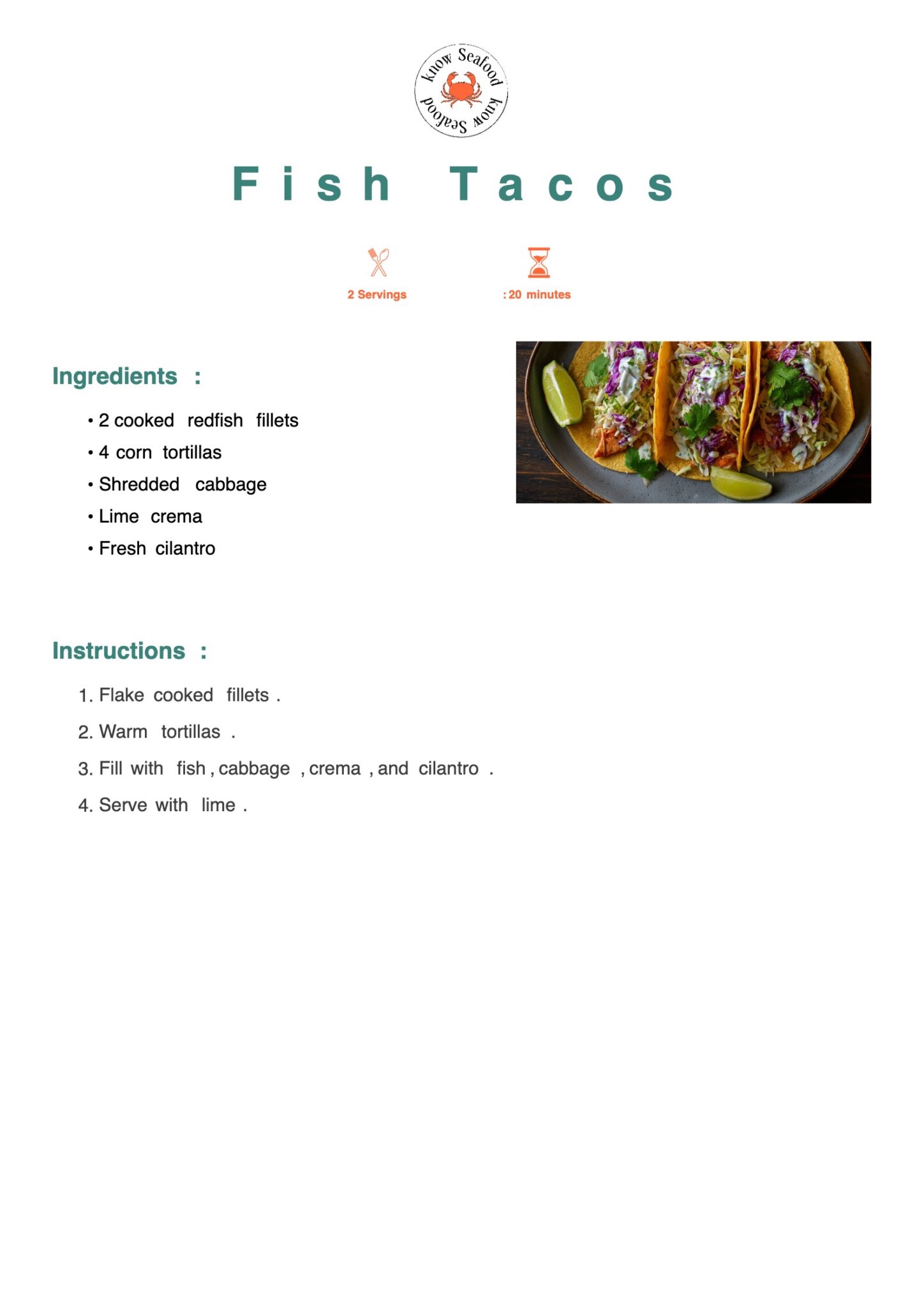
5. Fish Tacos
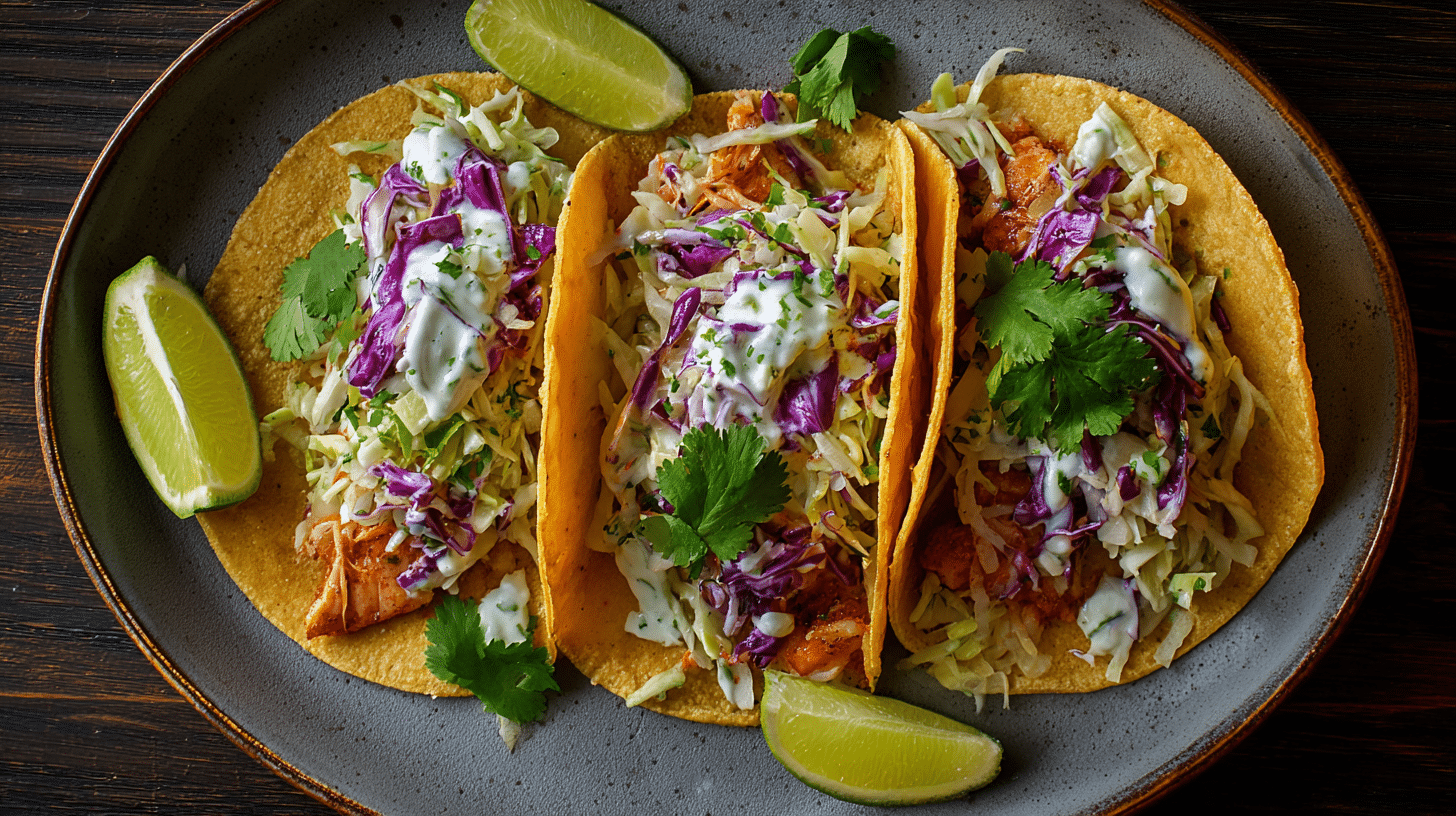
Cook the fish using your preferred method, then flake it into chunks. Warm corn tortillas and fill them with the fish.
Add shredded cabbage, lime crema, and fresh cilantro. These tacos are lighter than traditional versions. The mild fish pairs wonderfully with bold toppings and spicy salsas.
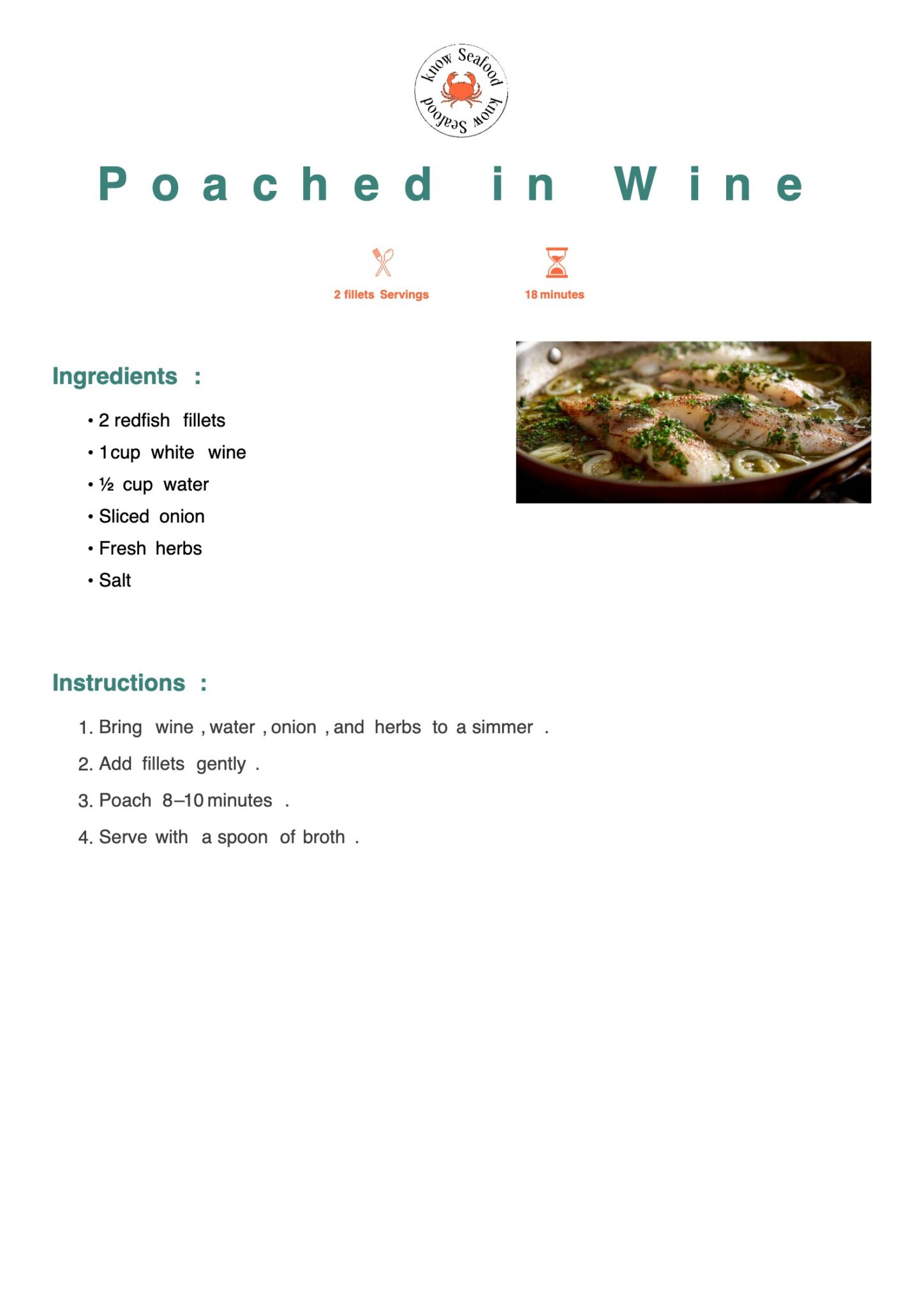
6. Poached in Wine
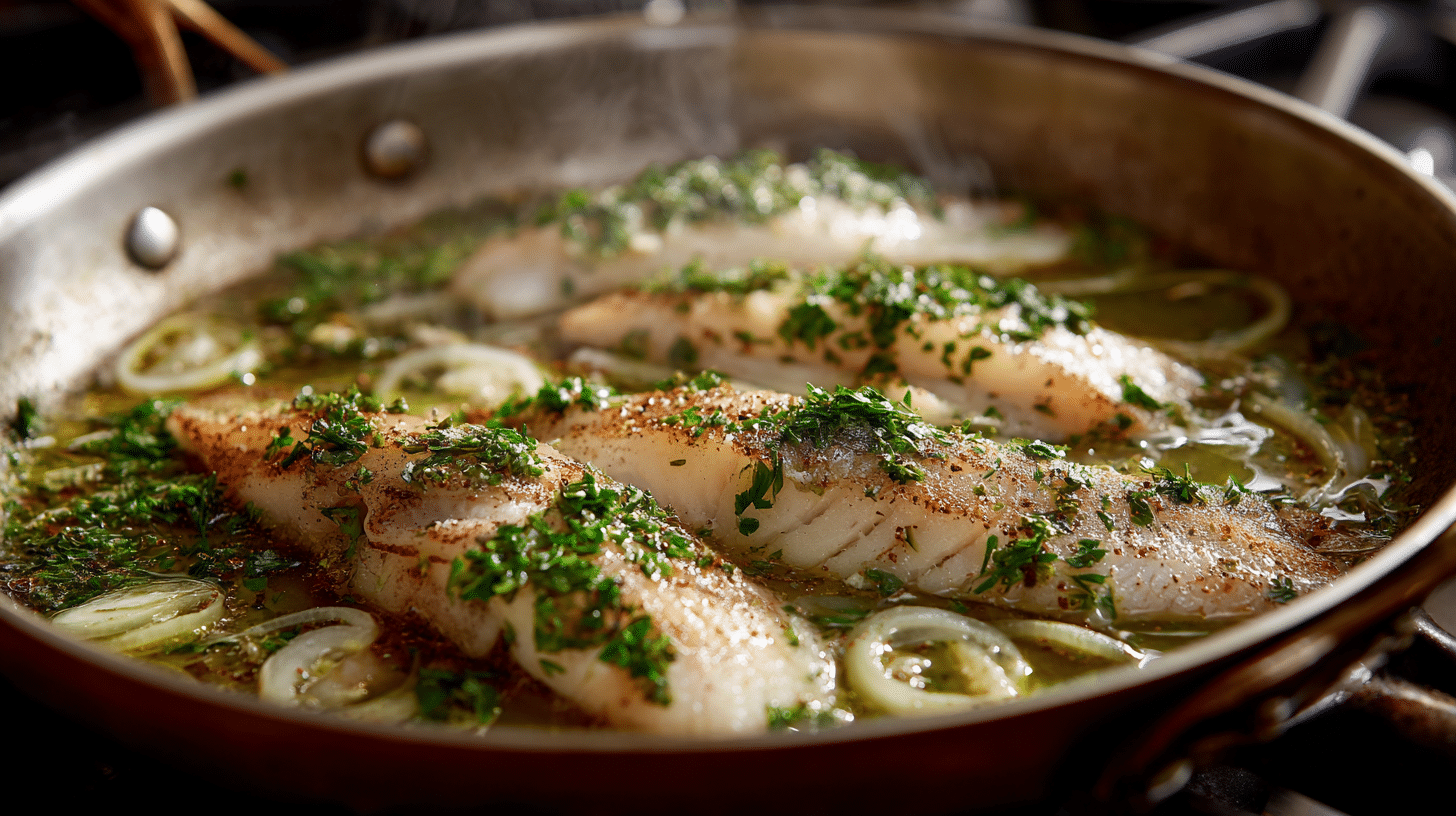
Bring white wine, water, and aromatics to a simmer in a large pan. Gently lower fillets into the liquid.
Poach for 8-10 minutes until cooked through. This gentle cooking method keeps the fish incredibly tender.
The wine adds subtle flavor without overpowering the natural sweetness of the redfish.
7. Breaded and Fried
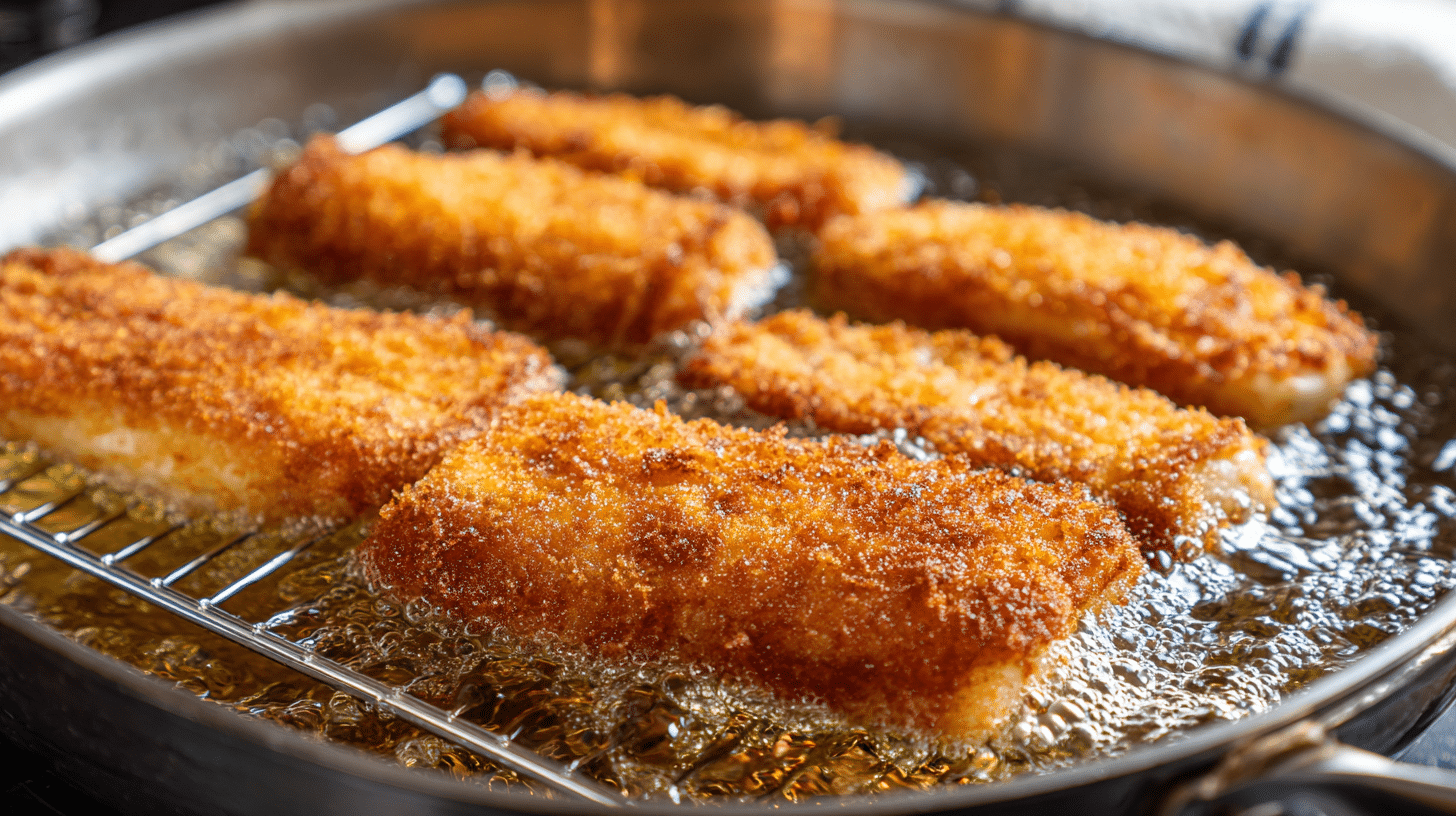
Coat fillets in flour, dip in beaten eggs, then press into breadcrumbs. Heat oil in a deep pan to 350°F. Fry for 3-4 minutes per side until golden brown.
Drain on paper towels. The crispy coating contrasts beautifully with the tender fish inside. Kids especially love this preparation.
8. Steamed with Ginger
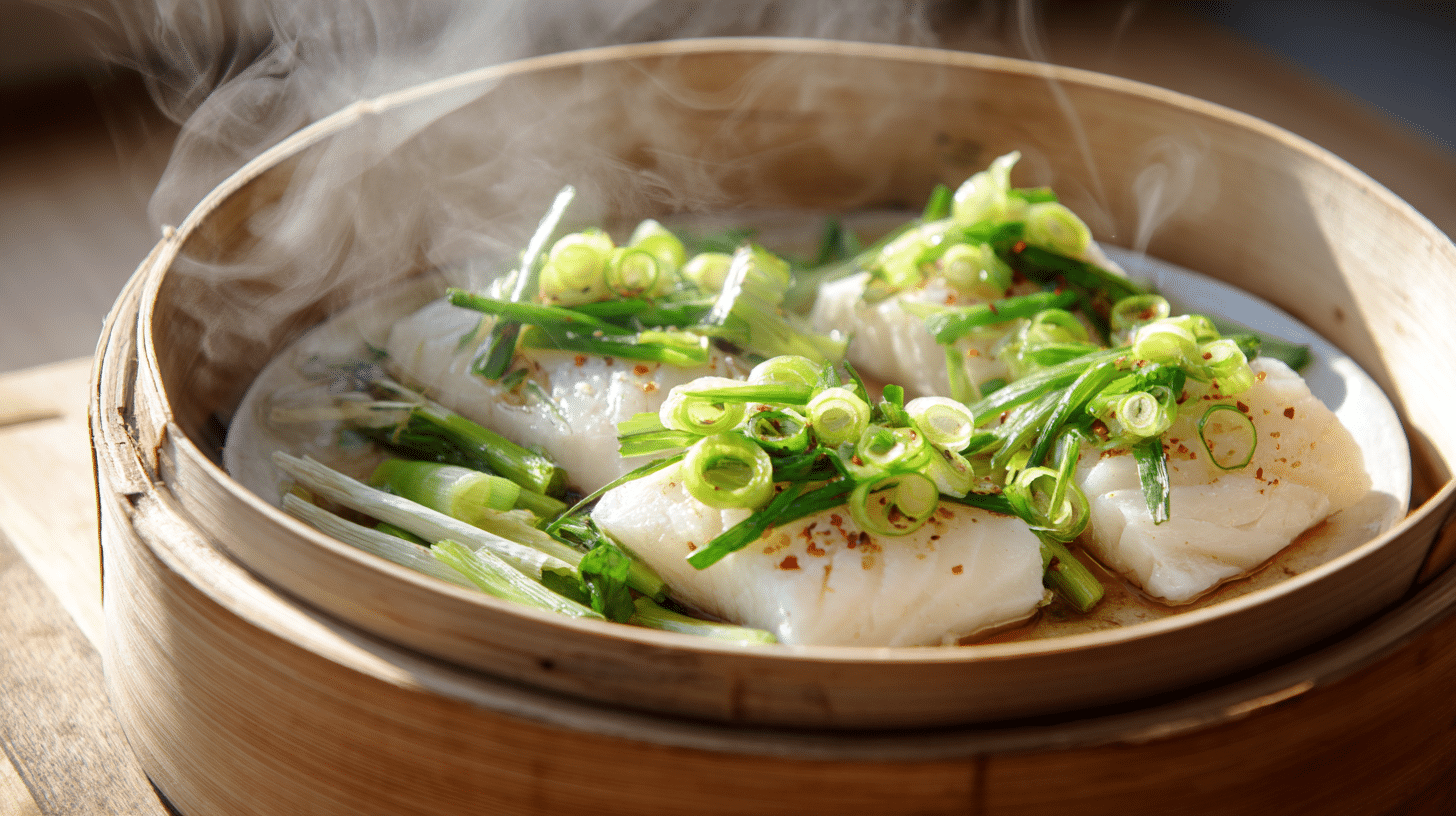
Place fillets in a steamer basket over boiling water. Top with sliced ginger, scallions, and a splash of soy sauce. Steam for 10-12 minutes until opaque.
This Asian-inspired method is light and healthy. The ginger adds heat without masking the fish’s natural flavor.
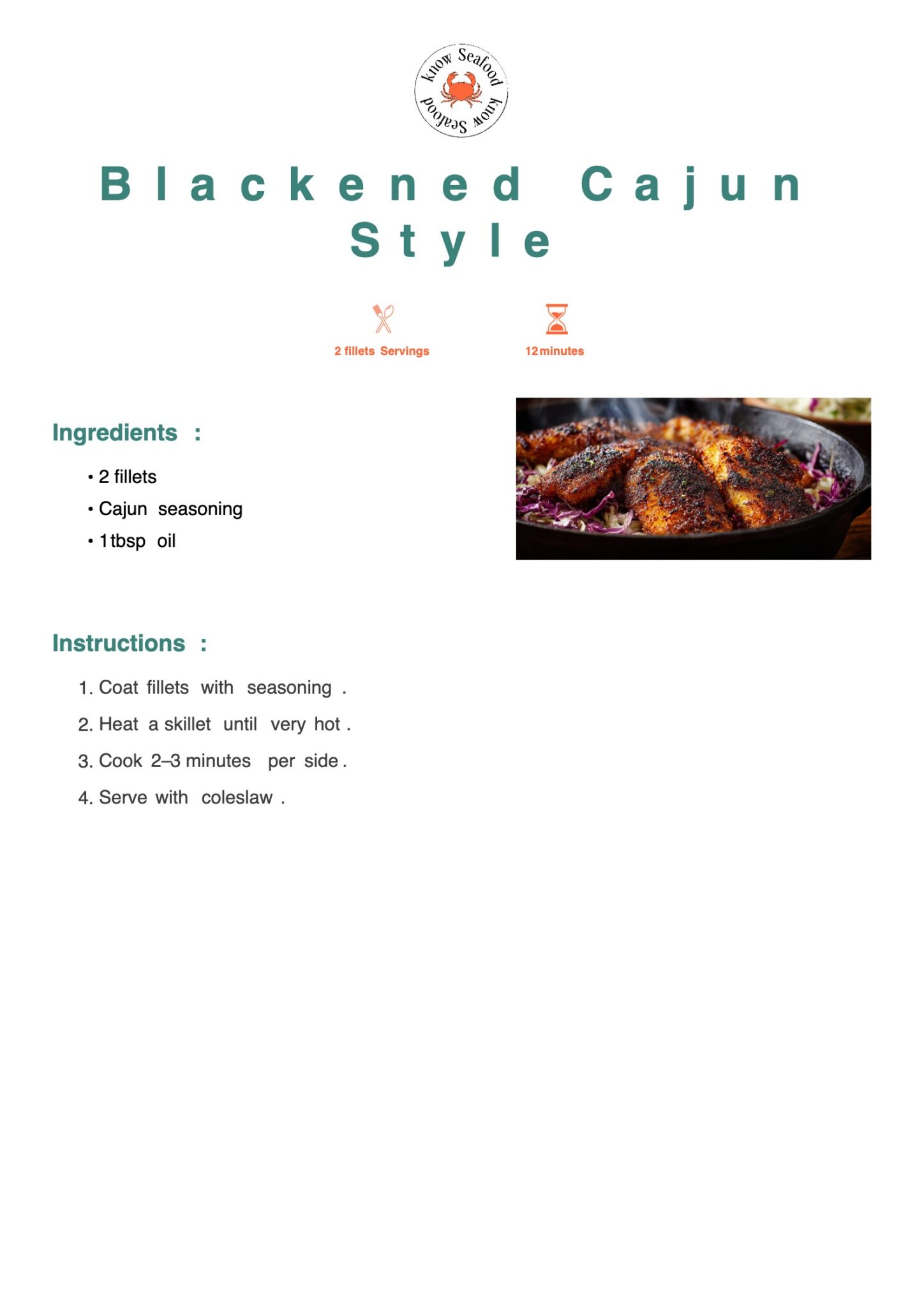
9. Blackened Cajun Style
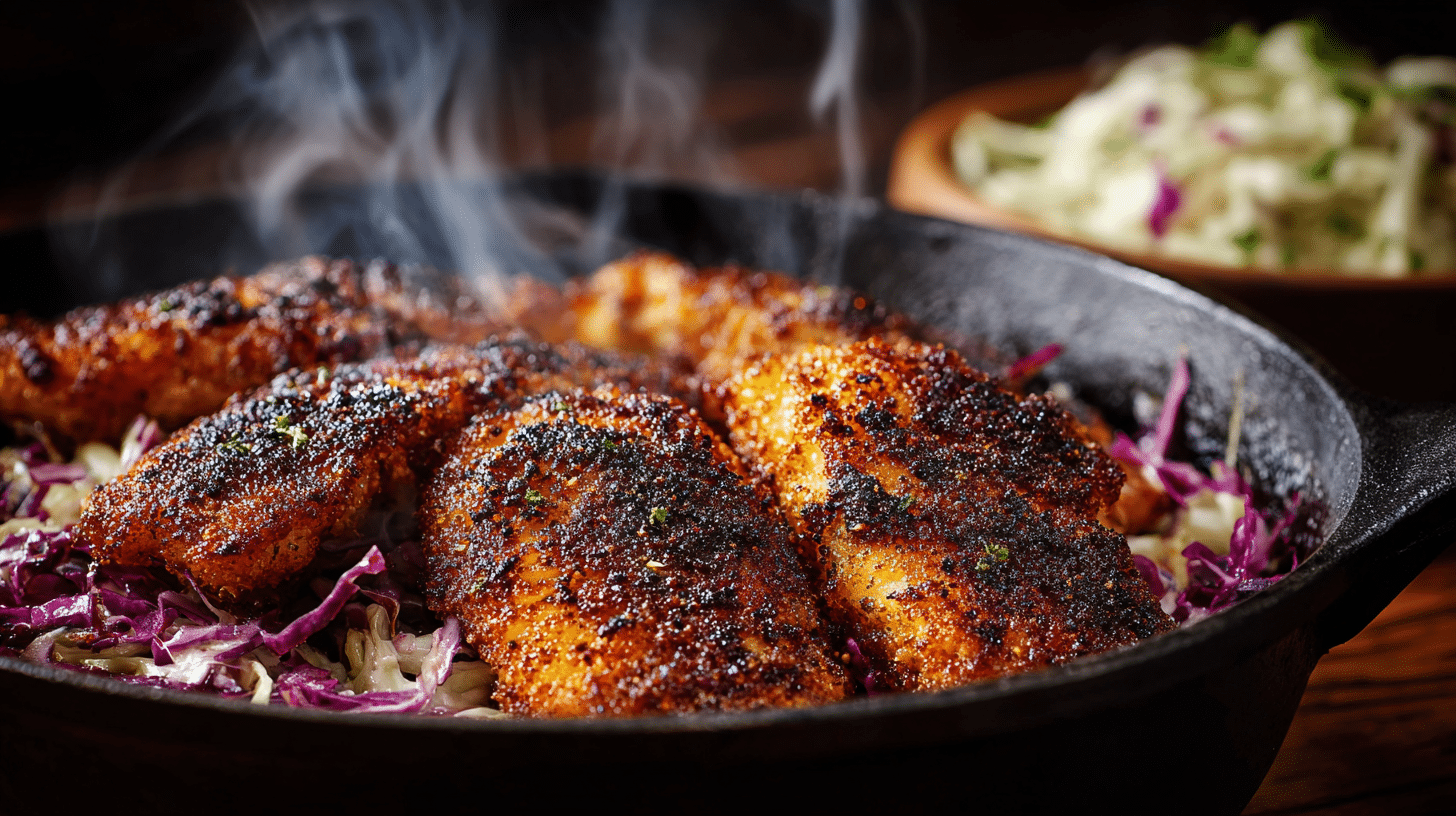
Coat fillets generously with Cajun seasoning. Heat a cast-iron skillet until smoking hot.
Cook for 2-3 minutes per side. The spices form a dark, flavorful crust. This bold preparation works great if you enjoy heat and intense flavors.
Serve with cooling coleslaw to balance the spice.
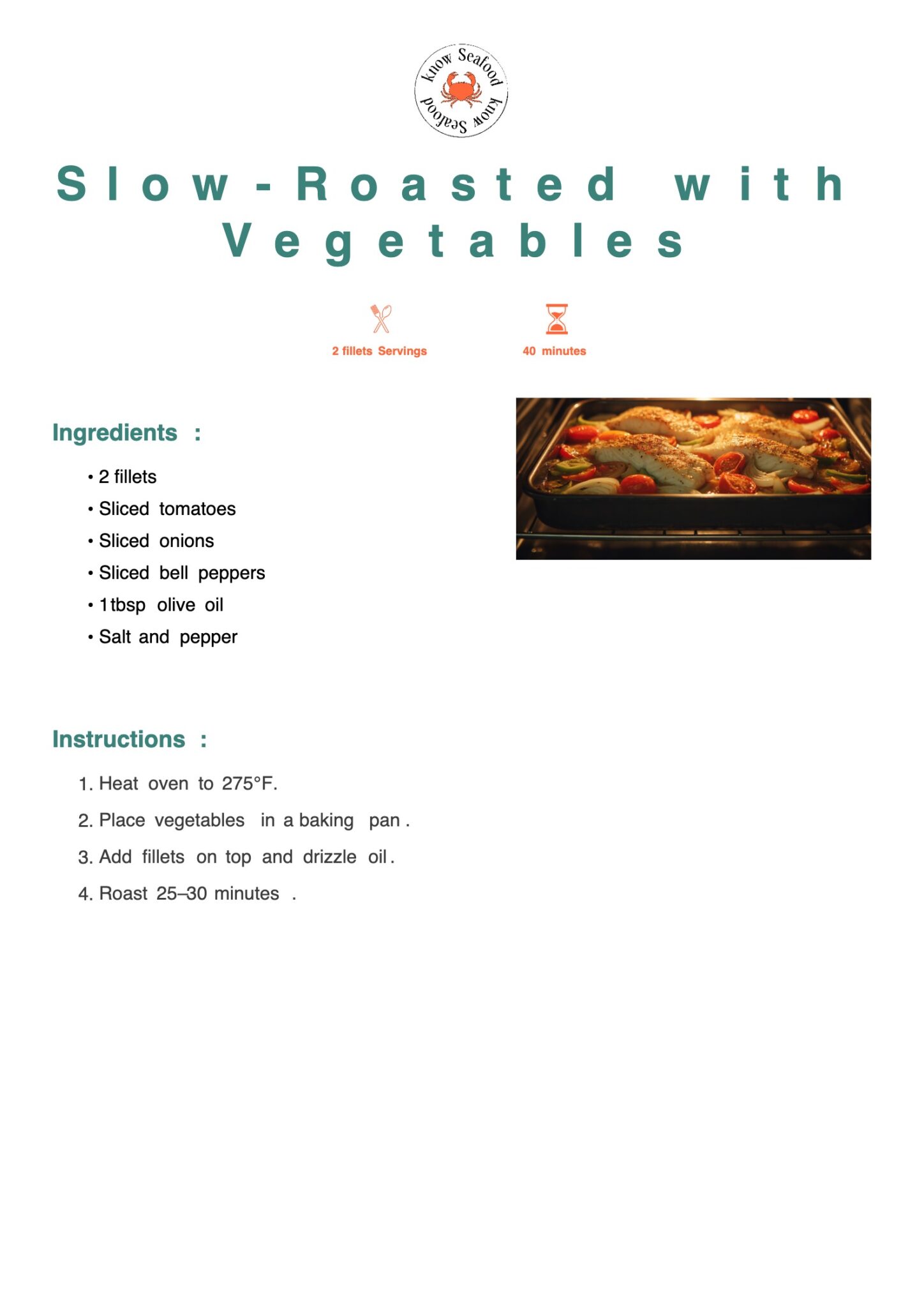
10. Slow-Roasted with Vegetables
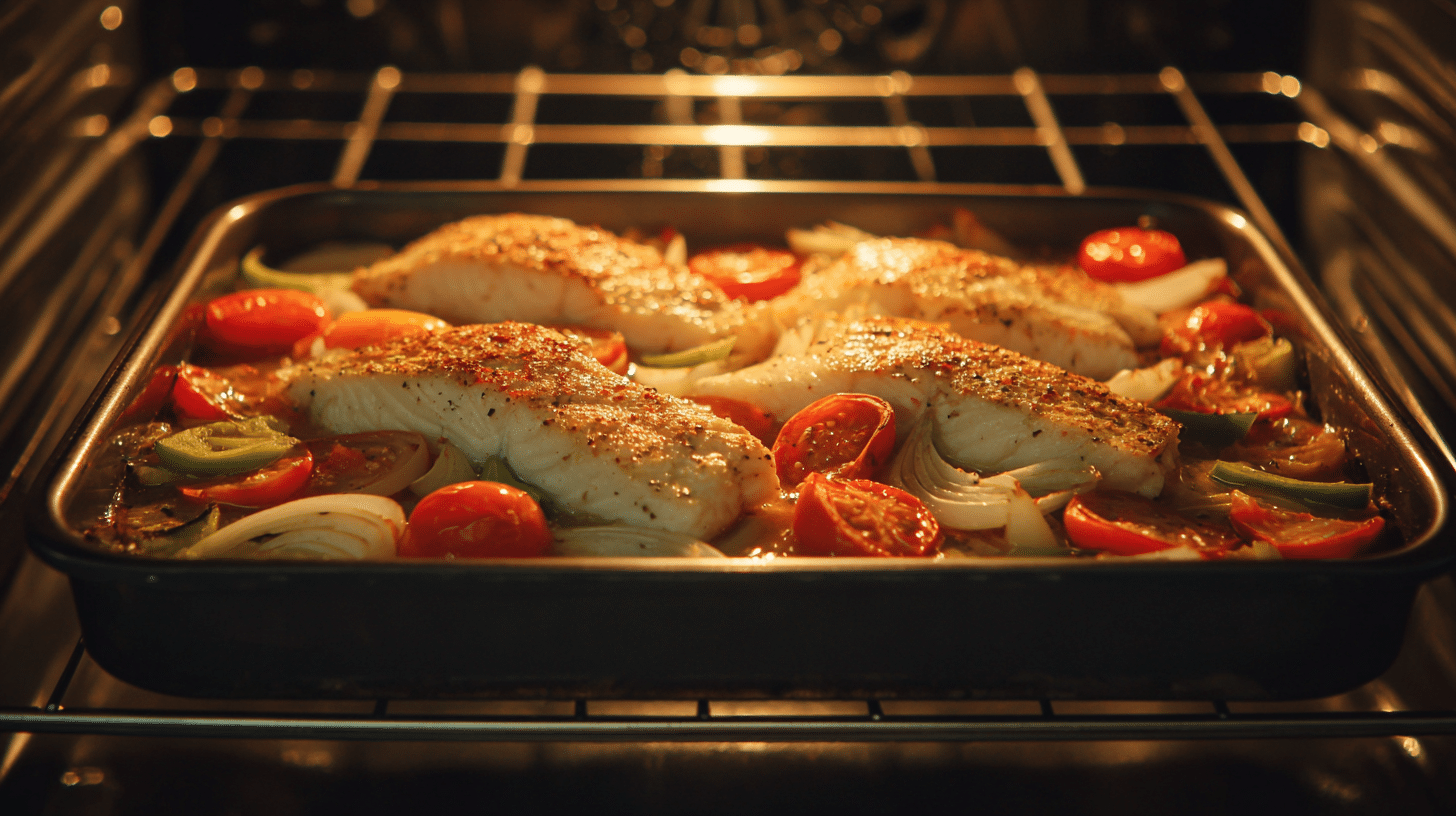
Set your oven to 275°F for low-and-slow cooking. Arrange fillets on a bed of sliced tomatoes, onions, and bell peppers.
Drizzle with olive oil and season everything well. Roast for 25-30 minutes.
The vegetables become tender and sweet, and the fish stays incredibly moist throughout.
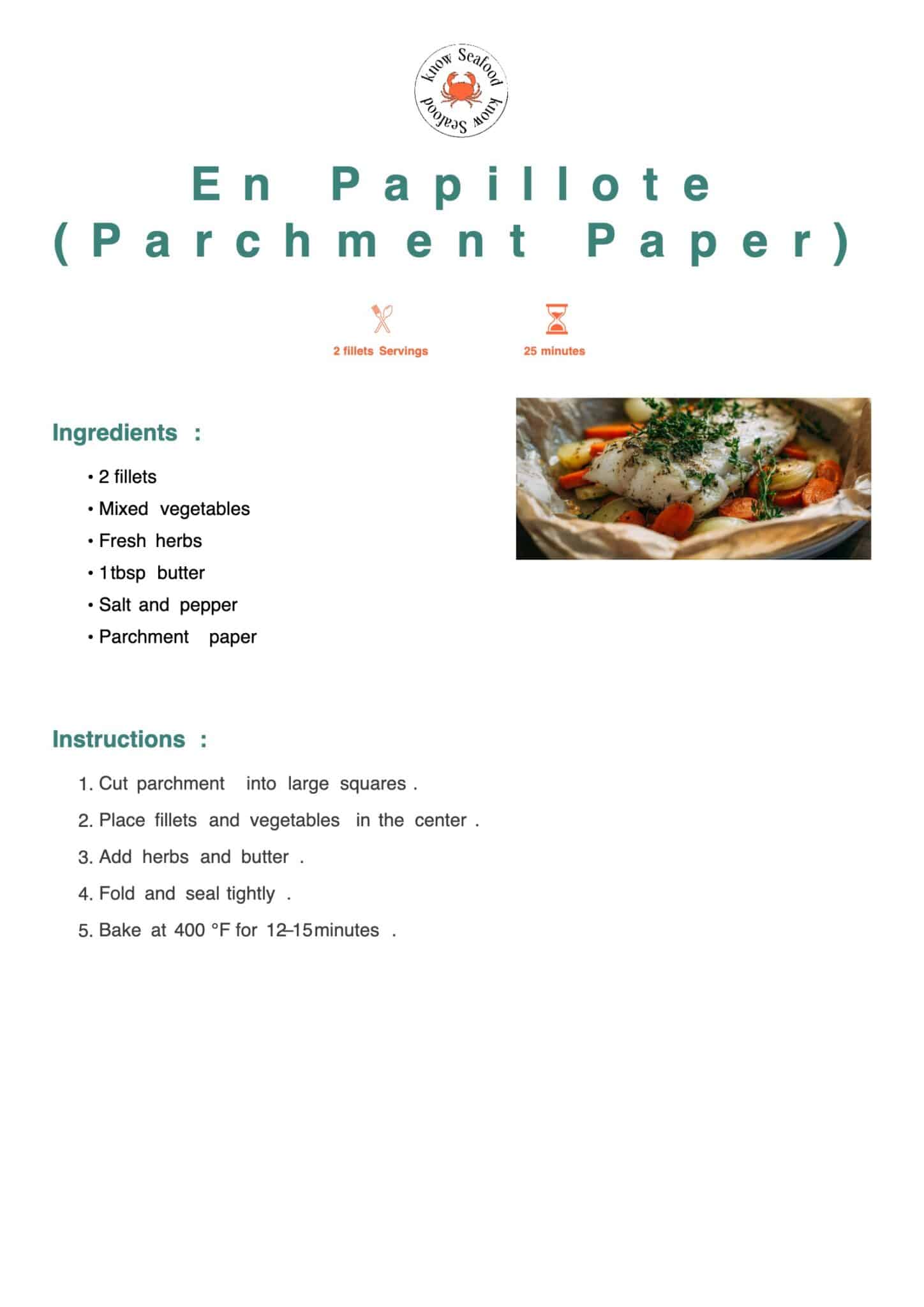
11. En Papillote (Parchment Paper)
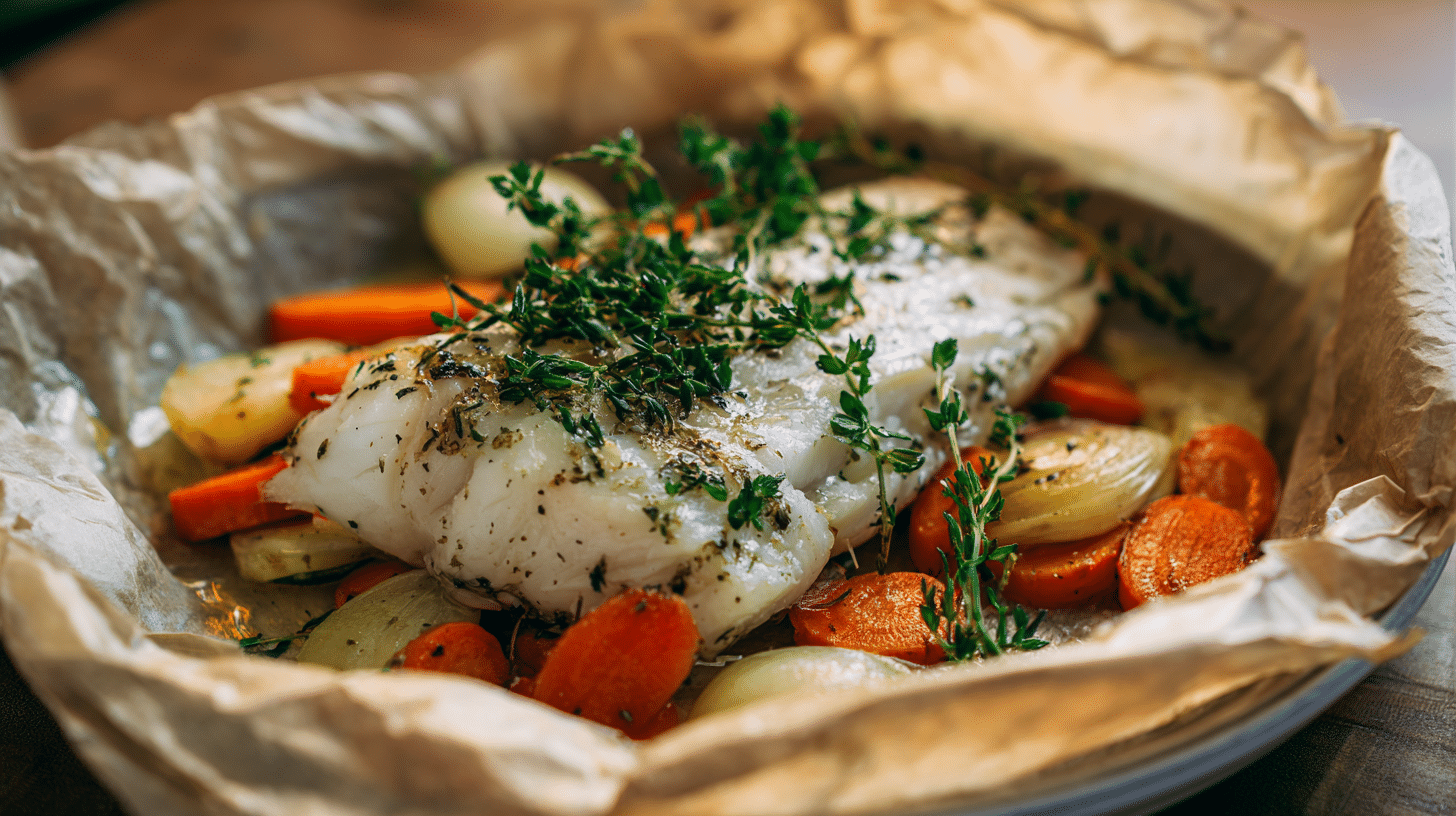
Cut parchment paper into large squares. Place a fillet on each with vegetables, herbs, and a pat of butter. Fold and seal the edges tightly.
Bake at 400°F for 12-15 minutes. The packets steam from within, locking in moisture and flavor.
Conservation Status and Current Concerns
- Acadian fish populations were severely depleted in the 1980s and 1990s due to heavy commercial fishing.
- The species is now listed as threatened in some regions, though recovery efforts have shown positive results.
- Fishing quotas and catch limits were introduced in the early 2000s to allow populations to rebuild.
- Current populations are improving in many areas, but they haven’t yet returned to historical levels.
- Bycatch remains a concern, as redfish are sometimes unintentionally caught in nets targeting other species.
- Climate change is warming Atlantic waters, which could push redfish into even deeper or more northern areas.
- Sustainable fishing certifications now exist to help consumers choose responsibly sourced redfish.
- Consumer demand for sustainable seafood has helped drive better fishing practices in recent years.
Final Thoughts
Acadian redfish deserves more attention than it gets.
You’ve seen what makes this fish special, from its deep-ocean home to the many ways you can cook it. The conservation story matters too.
Try cooking it this week. Start simple with pan-searing or oven-baking.
Share how it goes.