

Raw or Cooked? My One Second Seafood Test (So You’re Not Playing Appetizer Roulette)
Confession: for an embarrassing amount of my adult life, I ordered seafood apps based purely on vibe. Ooh, shiny tuna thing on a cute plate? Yes please. And then surprise halfway through I’d realize I was basically eating a very elegant raw fish situation.
Which is totally fine… if you meant to. But if you’re pregnant, older, immunocompromised, or just not in the mood to roll the dice with your stomach, it helps to know what you’re actually ordering.
So here’s my “one second test,” plus the handful of menu words that are trying to trick you.
The one second look test (works most of the time)
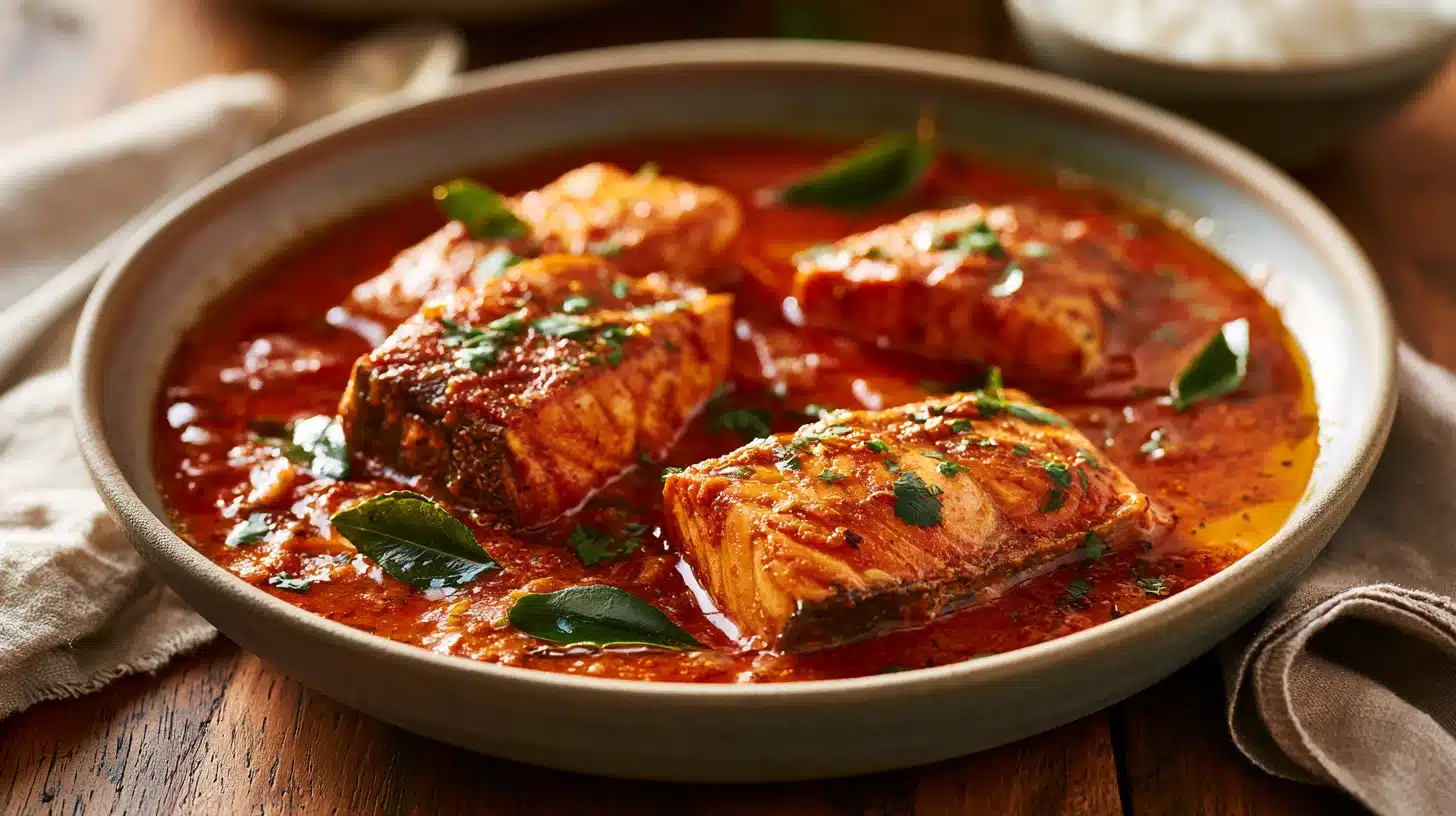
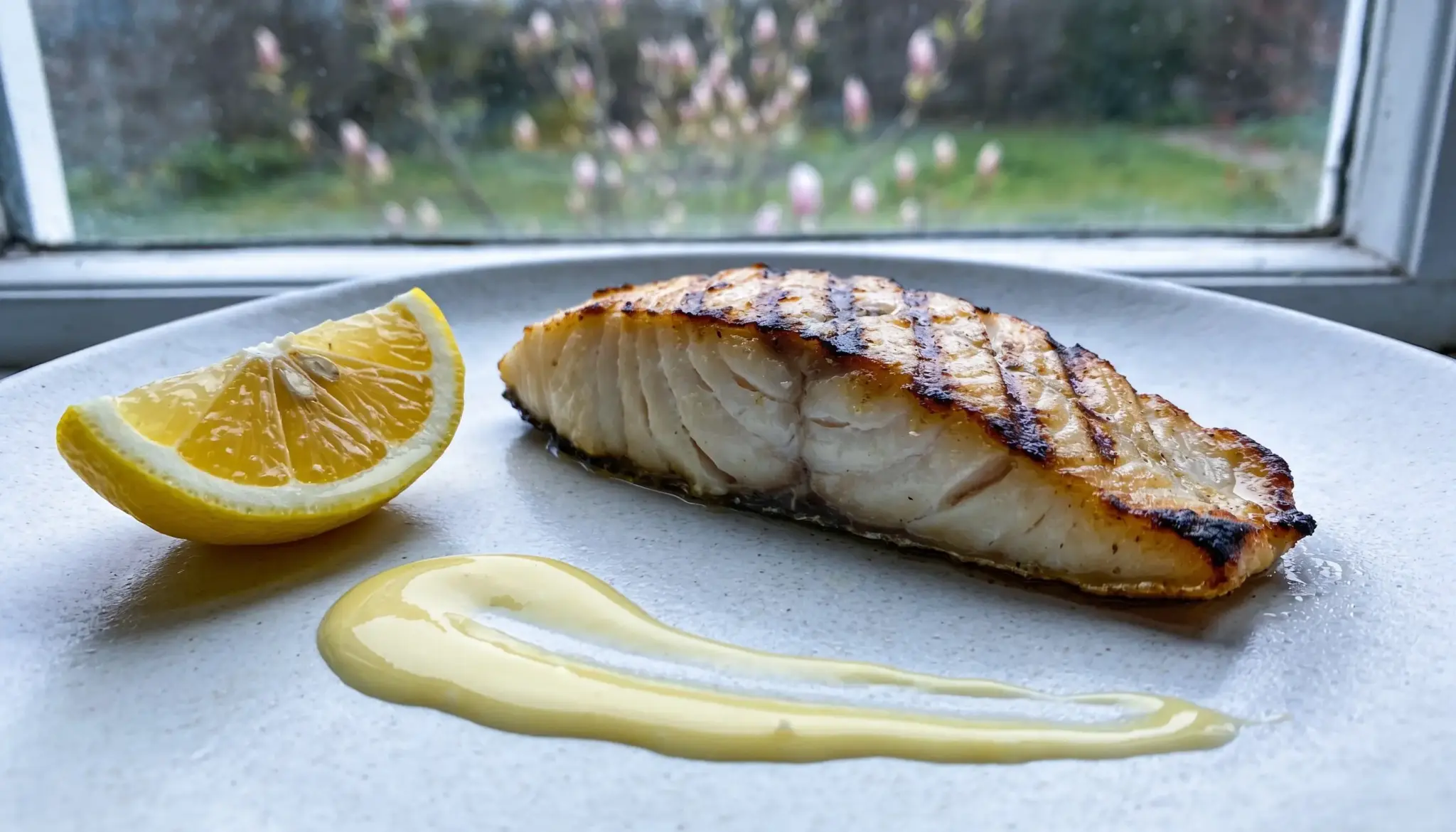
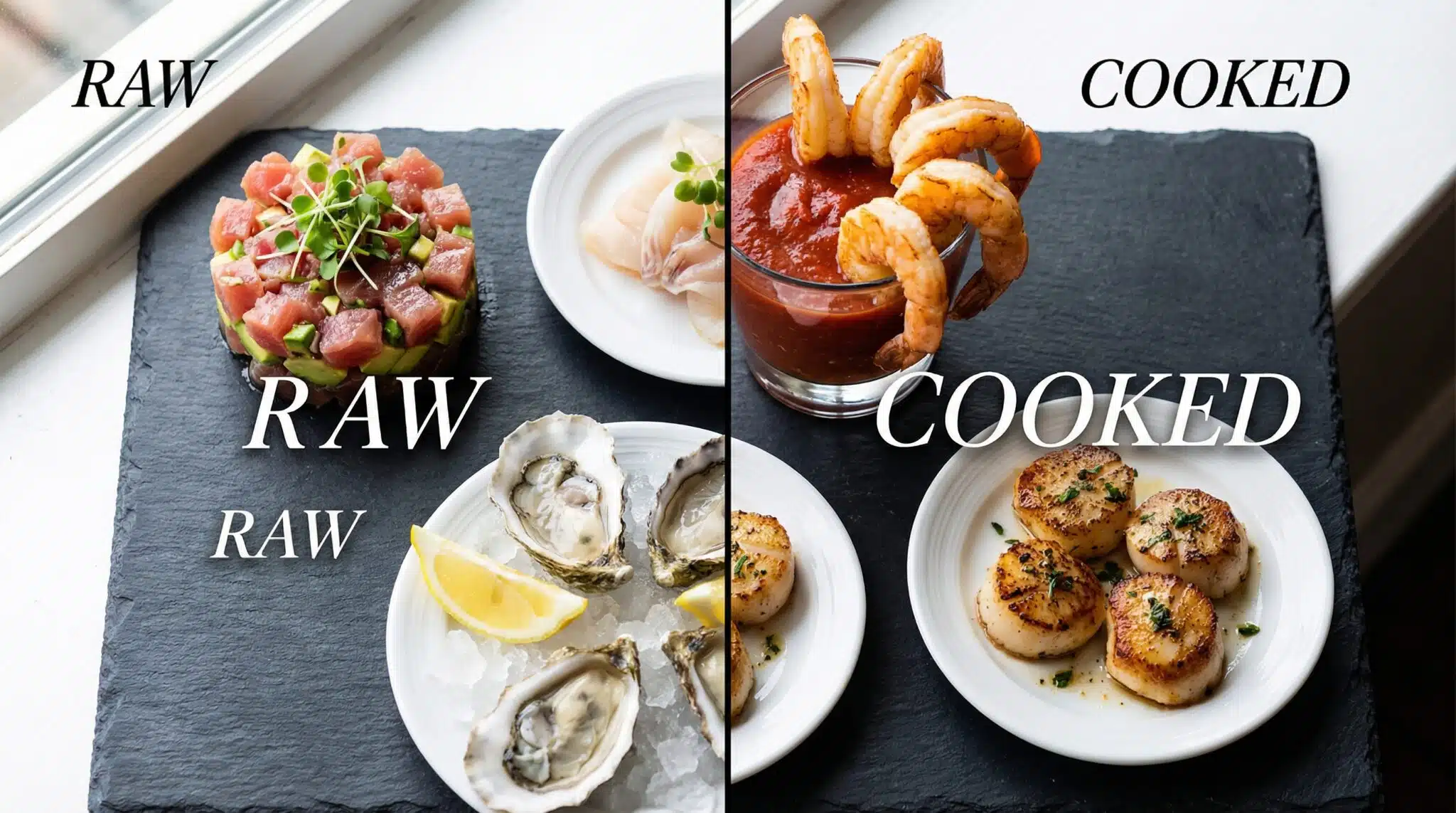
If it looks opaque + firm + kind of “flaky” or springy → it’s cooked. Think: shrimp cocktail, grilled fish, seared scallops.
If it looks translucent + glossy + soft/silky → it’s raw. Think: sashimi, tuna tartare, most “crudo” situations.
That quick glance covers a lot. And then there are the sneaky dishes that look cooked but absolutely are not (hi, ceviche more on that in a second).
The usual raw suspects (aka: don’t act surprised)
Sashimi / Crudo
These are the “here is the fish, in all its raw glory” appetizers.
- Sashimi is the Japanese style sliced raw fish, usually with soy/wasabi.
- Crudo is the Italian leaning version, usually with olive oil and citrus.
They’re both basically: raw fish, dressed up for a night out.
Poke / Tartare
If it’s cubed/chopped and sauced up, you’re usually in raw territory.
- Poke often has soy + sesame vibes.
- Tartare is chopped fish with some kind of dressing (sometimes creamy, sometimes sharp).
Both are delicious when done well. Both are raw.
Oysters (on the half shell)
Oysters on the half shell are served raw and alive when they’re shucked. That briny “ocean punch” flavor? That’s the whole point.
If you’re someone who needs to be cautious, oysters are one of those “don’t mess around” foods either you trust the place or you skip it.
Ceviche (the biggest optical illusion on the menu)
Ceviche is the one that fools people because it turns opaque in citrus and looks “cooked.”
It is not cooked. Citrus changes the texture and appearance, but it doesn’t reliably eliminate the same risks that cooking does. If you’re avoiding raw seafood for health reasons, ceviche counts as raw.
(Yes, I know. It feels like betrayal.)
Cooked appetizers that are usually the safest bet
Nothing is “magically 100% safe” in life (including that questionable office microwave), but if you’re trying to avoid raw seafood, these are the menu items that are typically cooked through:
- Shrimp cocktail (shrimp is usually poached, then chilled)
- Fried calamari / tempura shrimp / coconut shrimp (if it’s battered and fried, it’s cooked)
- Seared scallops, cooked crab dishes (hot pan, browned edges generally cooked)
- Mussels and clams (steamed until shells open if one stays shut after cooking, don’t eat it)
And now for the smoked salmon chaos, because restaurants love to keep things interesting.
“Smoked salmon” is two totally different things (annoying, but true)
If a menu just says smoked salmon, that could mean:
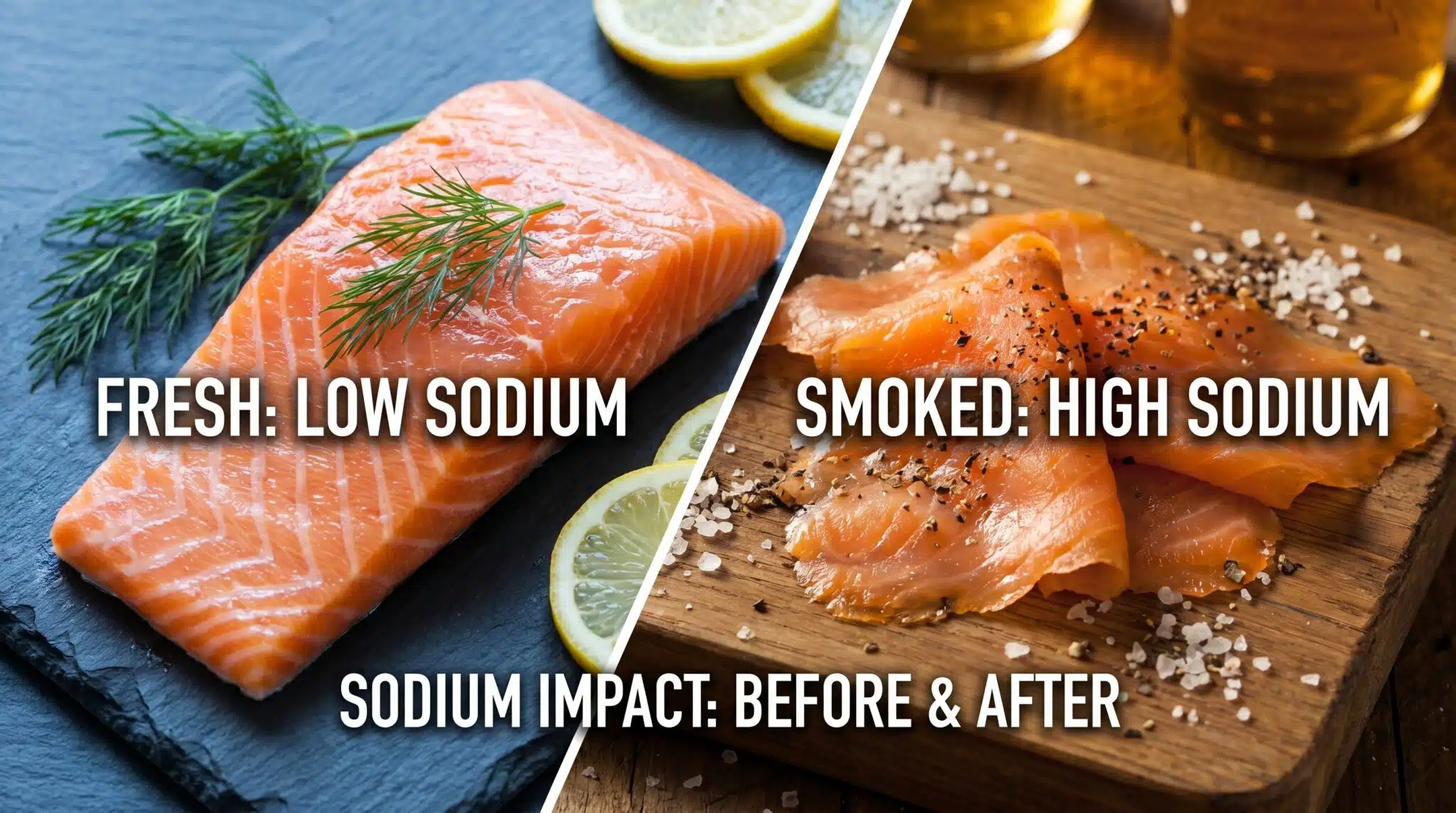
- Cold smoked (like lox): cured/smoked but not cooked through. Still essentially raw inside.
- Hot smoked: actually cooked, flaky, more like roasted salmon with smoke flavor.
If you’re pregnant or immunocompromised, cold smoked salmon can be a bigger concern (listeria risk in particular). So if you’re avoiding raw/undercooked seafood, ask which kind it is. This is not you being high maintenance. This is you being smart.
Who should just skip raw seafood (no guilt, no drama)
If any of these apply to you, it’s generally recommended to stick with fully cooked seafood:
- Pregnant or nursing
- Kids under 5
- Adults over 65
- Anyone immunocompromised
- People with liver disease or diabetes
Foodborne illness hits harder in these groups. You don’t need to “be fun” about it. You need to be fine.
Quick myth buster: “Sushi grade” doesn’t mean what you think it means
“Sushi grade” isn’t an official FDA category. It’s basically a marketing term that usually means, “We think this is suitable to eat raw.” Which… is not the same as a regulated label with magical powers.
The FDA parasite guidance for fish intended to be eaten raw involves commercial freezing practices (for example, -4°F for 7 days or -31°F for 15 hours). Most home freezers don’t reliably hit or maintain those temps the same way.
Also important: freezing helps with parasites, not bacteria. Bacteria can survive freezing, which is why sourcing, handling, storage, and overall cleanliness matter so much.
If you’re going to eat raw, these are generally lower risk choices
Not “risk free,” but commonly considered safer picks compared to others:
- Tuna (lower parasite risk than many fish)
- Farm raised salmon (often lower parasite exposure than wild still depends on sourcing/handling)
- Scallops (often lower parasite concern because the parts most likely to carry parasites aren’t what you’re typically served)
And if you’re wondering what to never eat raw…
Seafood you should not eat raw
- Freshwater fish (higher parasite risk)
- Crab/lobster/crawfish (not typically handled for raw service in most restaurant settings)
(If anyone tries to sell you “raw crawfish” as a trendy moment… please back away slowly.)
Read the menu like you’ve been doing this forever
Words that usually mean cooked
Fried, grilled, baked, roasted, steamed, poached, crispy, seared (“Seared” usually means cooked, but occasionally you’ll see light searing + raw center keep your eyes open.)
Words that basically scream raw
Sashimi, crudo, tartare, poke, carpaccio, raw, on the half shell
Words that should make you ask one follow up question
Smoked, cured, marinated, ceviche
Those are the “could go either way” terms that cause the most accidental raw fish moments.
Two questions that instantly tell you if the restaurant knows what’s up
You don’t need to interrogate your server like you’re filming a true crime documentary. Just ask calmly:
1) For raw fish: “Was this fish previously frozen for raw service?” If they can answer clearly, great. If the response is a vague “It’s sushi grade,” I personally pivot to cooked.
2) For oysters: “Do you know the harvest location/date?” Good raw bars track this with shell stock tags. If they can’t tell you anything, I’d skip or order them cooked.
Want “kind of raw” without going full raw bar?
A few middle ground options if you’re curious but cautious:
- Tataki (quick sear outside, raw-ish center)
- Rolls with mostly cooked ingredients (tempura shrimp, crab, etc.)
- Hot smoked salmon (cooked but still gives you that salmon fix)
Basically: you can tiptoe in. No need to cannonball.
The takeaway (so you can order in peace)
Use the one second look test, remember that ceviche is a liar (sorry), and don’t let “sushi grade” boss you around. When in doubt, ask one question or order the fried calamari or shrimp cocktail serving sizes and sides and live your best crunchy life.
And if you’re in a high risk group? Cooked seafood can still be absolutely delicious with sides to serve with shrimp cocktail. You’re not missing out. You’re just choosing the version of dinner that doesn’t come with a side of regret.