

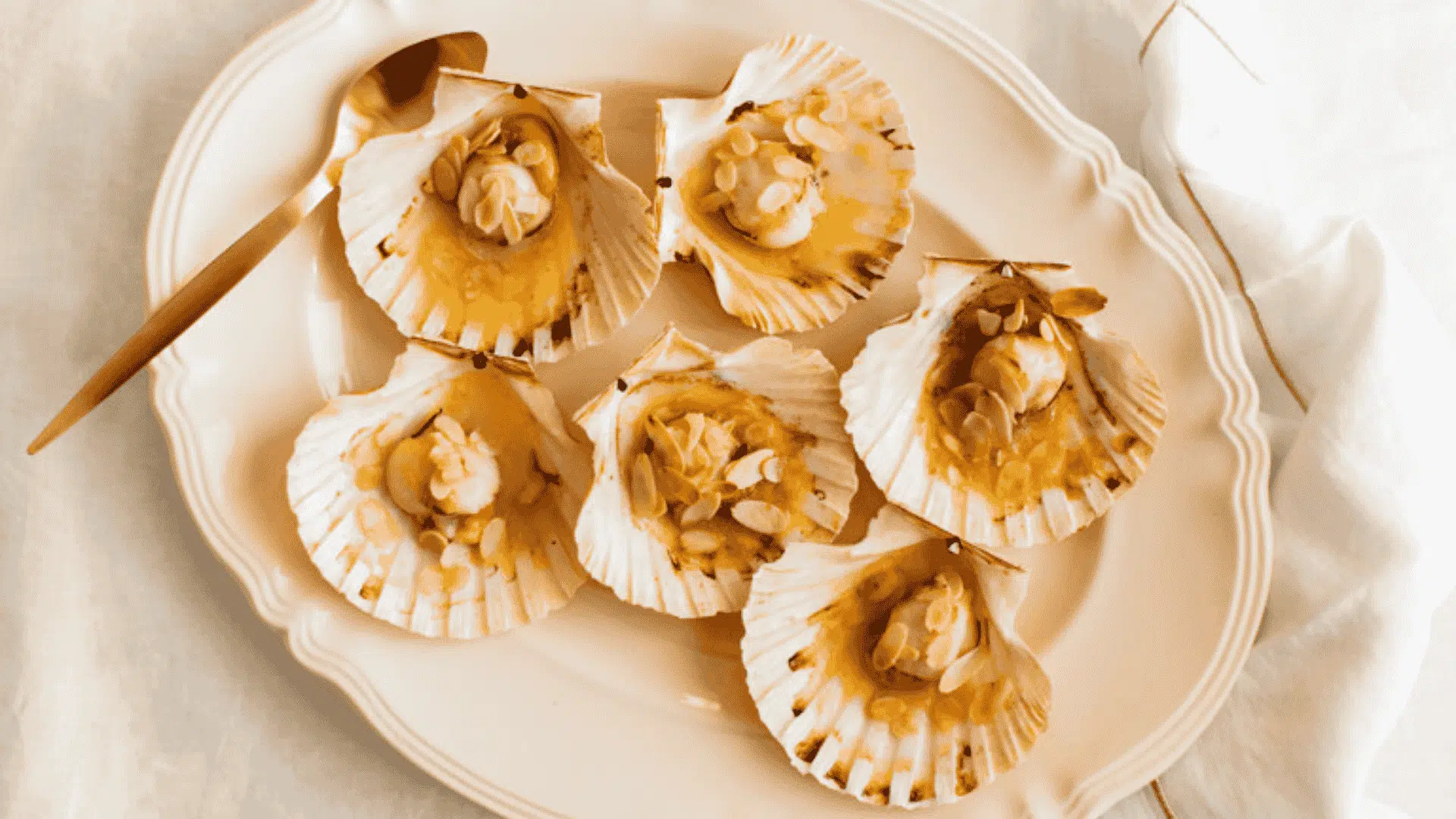
You love scallops. But the moment someone mentions cholesterol, you start second-guessing that plate of seafood.
It’s a fair concern, and you’re not alone in wondering if scallops are actually safe to eat.
Scallops are not the cholesterol trap most people think they are. In fact, they can fit well into a heart-friendly diet when eaten the right way.
In this blog, I’ll walk you through exactly what the numbers say about scallops and cholesterol.
Types of Scallops
Scallops come in a few different types, and each one has its own flavor and nutritional profile.
Knowing the difference helped me make better choices at the store.
Sea Scallops
Sea scallops are the largest type you’ll find. I love how meaty and thick they are.
They’re caught in deep ocean waters and have a mild, slightly sweet flavor.
One serving gives you a solid amount of protein without too much fat.
Bay Scallops
Bay scallops are smaller and sweeter than sea scallops. I find them perfect for pasta or stir-fries.
They’re harvested from shallow coastal waters.
They’re lower in calories, too, which makes them a great option if you’re watching your diet closely.
Calico Scallops
Calico scallops are tiny and budget-friendly. I’ve seen them most often in frozen seafood sections.
They come from warmer Atlantic waters.
Their flavor is milder than that of bay scallops, but they still work well in soups, chowders, and quick weeknight meals.
Queen Scallops
Queen scallops are popular in Europe and are medium-sized.
I think they’re underrated.
They have a delicate, sweet flavor and cook fast. If you spot them at a seafood market, they’re worth trying for a lighter, satisfying meal.
Are Scallops High in Cholesterol?
Scallops are seafood, and seafood often gets a bad reputation for being high in cholesterol numbers.
Scallops are actually pretty reasonable. A 3-ounce serving of scallops contains around 37 milligrams of cholesterol.
That’s not a lot compared to other protein sources.
The daily recommended limit for cholesterol is around 300 milligrams. So scallops sit well within that range.
They’re low in saturated fat, too, which is the real factor that affects your heart health.
So no, scallops are not high in cholesterol.
Full Nutritional Value of Scallops
Scallops are more nutritious than most people think. I was genuinely surprised when I looked at the numbers myself.
| Nutrient | Raw Amount | Cooked Amount |
|---|---|---|
| Calories | 75 kcal | 94 kcal |
| Protein | 15 g | 17 g |
| Total Fat | 0.8 g | 0.9 g |
| Saturated Fat | 0.1 g | 0.2 g |
| Cholesterol | 32 mg | 37 mg |
| Sodium | 280 mg | 450 mg |
| Carbohydrates | 3 g | 4 g |
| Omega-3 Fatty Acids | 0.3 g | 0.3 g |
Why Should You Eat Scallops?
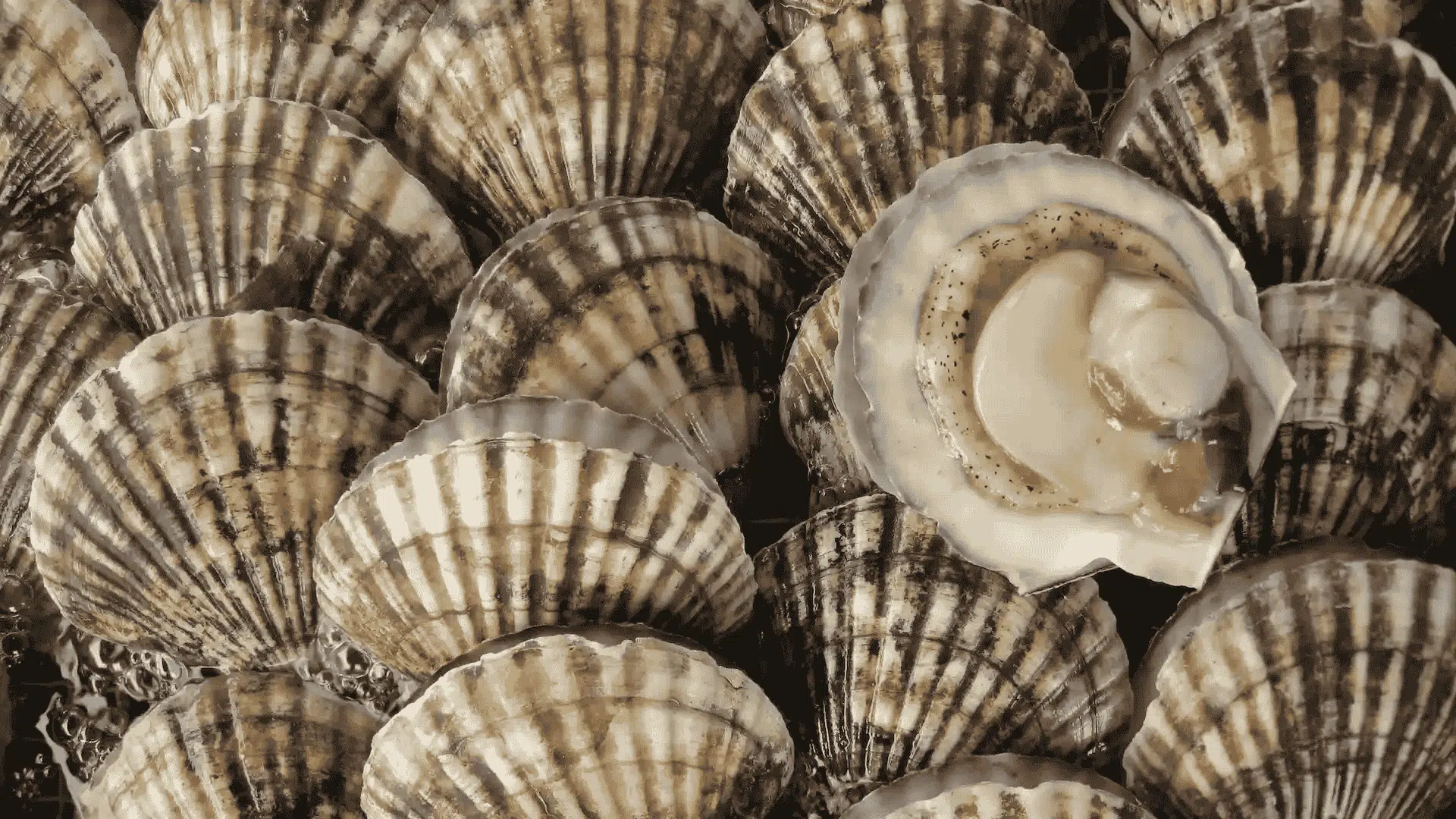
Scallops aren’t just tasty, they’re genuinely good for you. I was surprised to learn how many benefits they pack into one small serving.
High in Protein
Scallops provide about 17 grams of protein per serving. I love that.
Protein keeps you full longer and supports muscle repair. It’s a great option if you’re trying to eat lighter without sacrificing nutrition.
Low in Saturated Fat
Scallops have very little saturated fat. That’s important because saturated fat is what really impacts your heart health.
I always feel good knowing I’m eating something that won’t work against my cholesterol levels over time.
Rich in Omega-3 Fatty Acids
Omega-3s are great for your heart and brain. Scallops contain a decent amount of them.
I think that’s one of the biggest reasons to add scallops to your meals more often.
Good Source of Magnesium
Magnesium supports heart function and helps regulate blood pressure. Scallops are a solid source of it.
I find it reassuring that something so delicious also quietly supports some of the most important functions in my body.
Supports Brain Health
Scallops contain B12 and other nutrients that support brain function.
I think that’s often overlooked. Getting enough B12 supports memory and nerve function, and scallops make it easy to hit that target with little effort.
Helps with Weight Management
Scallops are low in calories but high in protein. That combination is great for managing weight.
I personally find that eating scallops keeps me satisfied without feeling heavy or bloated after a meal, which is always a win.
Cholesterol in Scallops vs Other Seafood
The following is a quick comparison of scallops against other popular seafood options.
I think this will help you see the full picture a lot more clearly
| Seafood (3 oz cooked) | Cholesterol (mg) | Saturated Fat (g) | Calories |
|---|---|---|---|
| Scallops | 65 | 1 | 140 |
| Shrimp | 170 | 1.5 | 100 |
| Salmon (Atlantic) | 70 | 10 | 200 |
| Tuna (general) | 50 | 1.5 | 130 |
| Lobster | 60 | 0.5 | 80 |
| Crab (Blue) | 95 | 1 | 100 |
| Clams | 80 | 1.5 | 110 |
| Oysters | 80 | 4 | 100 |
As you can see, scallops sit near the lower end of the cholesterol range. Compared to shrimp, they have significantly less cholesterol.
That makes them one of the smarter seafood choices if you’re keeping an eye on your heart health.
Risk of Eating Scallops
Scallops are healthy, but they’re not perfect for everyone. I think it’s important to know both sides before adding anything new to your diet.
High in Sodium
Scallops naturally contain a fair amount of sodium. I noticed this when I checked the label carefully.
One serving has around 267 milligrams.
If you’re on a low-sodium diet or managing high blood pressure, you’ll want to watch them closely before eating them often.
Shellfish Allergy
Scallops are shellfish, and shellfish allergies are pretty common. Symptoms can range from mild itching to serious reactions.
If you’ve never eaten scallops before, it’s smart to check with your doctor first.
Heavy Metal Contamination
Like many seafood options, scallops can sometimes contain traces of heavy metals, such as cadmium.
I think this is worth knowing.
Eating them in moderation is fine for most people, but eating large amounts regularly could build up over time in your body.
Foodborne Illness Risk
Raw or undercooked scallops can carry harmful bacteria. I always make sure mine are cooked through properly.
Food poisoning from seafood is no joke.
It can cause nausea, vomiting, and stomach cramps, so always cook scallops to a safe internal temperature before eating.
Environmental Contaminants
Scallops filter water as they feed, which means they can pick up pollutants like mercury.
Pay attention to where my scallops come from.
Buying from trusted, well-regulated sources reduces the risk of consuming contaminated scallops.
Not Ideal for Gout Sufferers
Scallops contain purines, which break down into uric acid in your body.
I know a few people who deal with gout, and seafood often triggers their flare-ups.
If you have gout or high uric acid levels, you may want to limit your intake of scallops.
Scallops Storage and Preparation
I always make sure to store and prepare scallops the right way. It makes a big difference in both taste and safety.
Storage Tips:
- Keep fresh scallops in the coldest part of your fridge
- Use them within 1-2 days of purchase
- Freeze them if you’re not cooking them right away
- Never leave scallops out at room temperature for long
For preparation:
I always pat them dry before cooking. This helps get that nice golden sear.
Remove the small side muscle if it’s still attached. Season the fish simply and cook over high heat for 2-3 minutes per side.
Tips to Buy Shellfish
Buying good-quality scallops makes a huge difference in how they taste and how safe they are to eat.
I’ve learned a few things over time that help me pick the best ones every single time. Here’s my advice for you.
- Buy from a trusted fishmonger or reputable seafood counter
- Fresh scallops should smell like the ocean, not fishy
- Look for a creamy white or slightly pink color
- Avoid scallops sitting in milky liquid; that’s a bad sign
- Check the sell-by date before buying packaged scallops
- Ask if they are “dry packed”; those are higher quality
- Frozen scallops are fine, just make sure there’s no freezer burn
Wrap Up
So, are scallops high in cholesterol? Now you know the answer.
I think scallops get an unfair reputation, and I hope this post helped clear that up for you.
Next time you’re at the scallops counter, don’t walk past them. Pick some up, cook them right, and enjoy.
And if you found this helpful, check out our other posts on heart-healthy eating for more practical food tips.
Frequently Asked Questions (FAQs)
1. What Foods are the Worst for High Cholesterol?
Fried foods, processed meats, full-fat dairy, and baked goods are the worst offenders. They’re loaded with saturated and trans fats.
2. Are Scallops Healthier than Shrimp?
Scallops have far less cholesterol than shrimp. They’re also lower in sodium, making them the better choice for heart health.
3. How Often is it Safe to Eat Scallops?
Most people can safely eat scallops two to three times a week as part of a balanced, healthy diet.
4. What is the Most Unhealthy Fish to Eat?
Tilefish, swordfish, and king mackerel are considered the most unhealthy due to their very high mercury content.