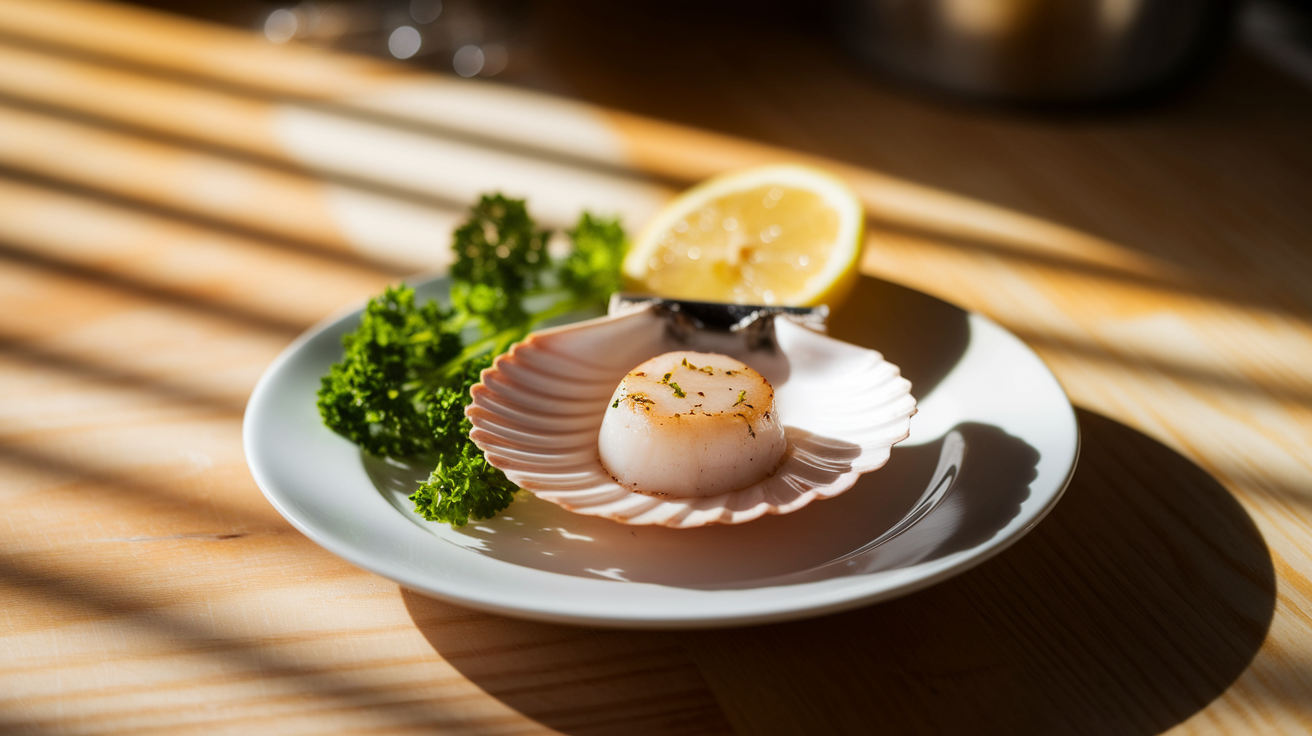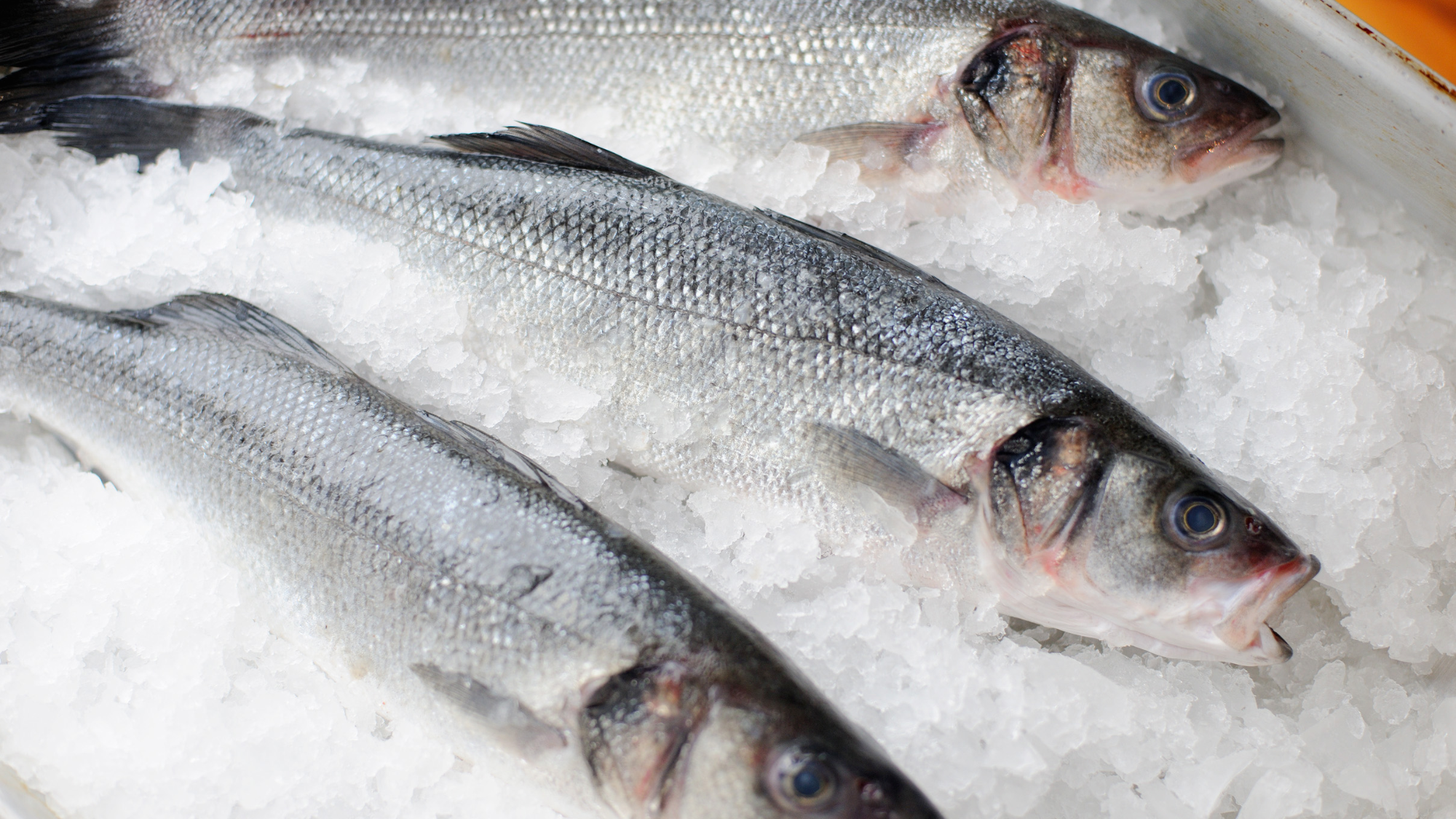



Ahi is a Hawaiian name for two types of tuna. Few might know them as yellowfin or bigeye tuna. Restaurants use this term because it sounds more appealing on menus.
You open your fridge and see that perfect steak from last night staring back at you. Your stomach growls, but you hesitate. What if it turns out dry and tough?
Staring at two identical fillets with different price tags, I wondered what made haddock vs cod so different beyond cost. Turns out, the differences run deep. From taste and texture
If you’ve ever stood over a salmon fillet squinting like you’re trying to read tiny legal print—”Is that raw… or is salmon just… shiny?”—hi. Welcome. You are not alone, and
If you’ve ever sliced into a chicken thigh or burger and seen pink, I know the feeling. Your brain instantly starts narrating a true crime podcast: “Tonight on Dateline: The
Salmon is the most dramatic protein in my kitchen. Chicken will forgive you. Pot roast will basically raise itself. Salmon? Salmon will go from buttery and glorious to sad and
Salmon is a tiny diva. It goes from “silky, juicy, restaurant level magic” to “why does this taste like I baked a flip flop?” in what feels like 30 seconds.
You know that sad, overpriced salmon sitting under the fancy ice mountain at the supermarket? The one that costs the same as a small car payment? There’s a decent chance
You know that moment when you set out a gorgeous platter of oysters or a big buttery lobster situation… and then you take a sip of wine and it’s like
Leftover fish is the ultimate fridge mystery, right? One minute you’re thinking, “Oooh, salmon salad for lunch,” and the next minute you’re staring into the container like it’s a suspicious