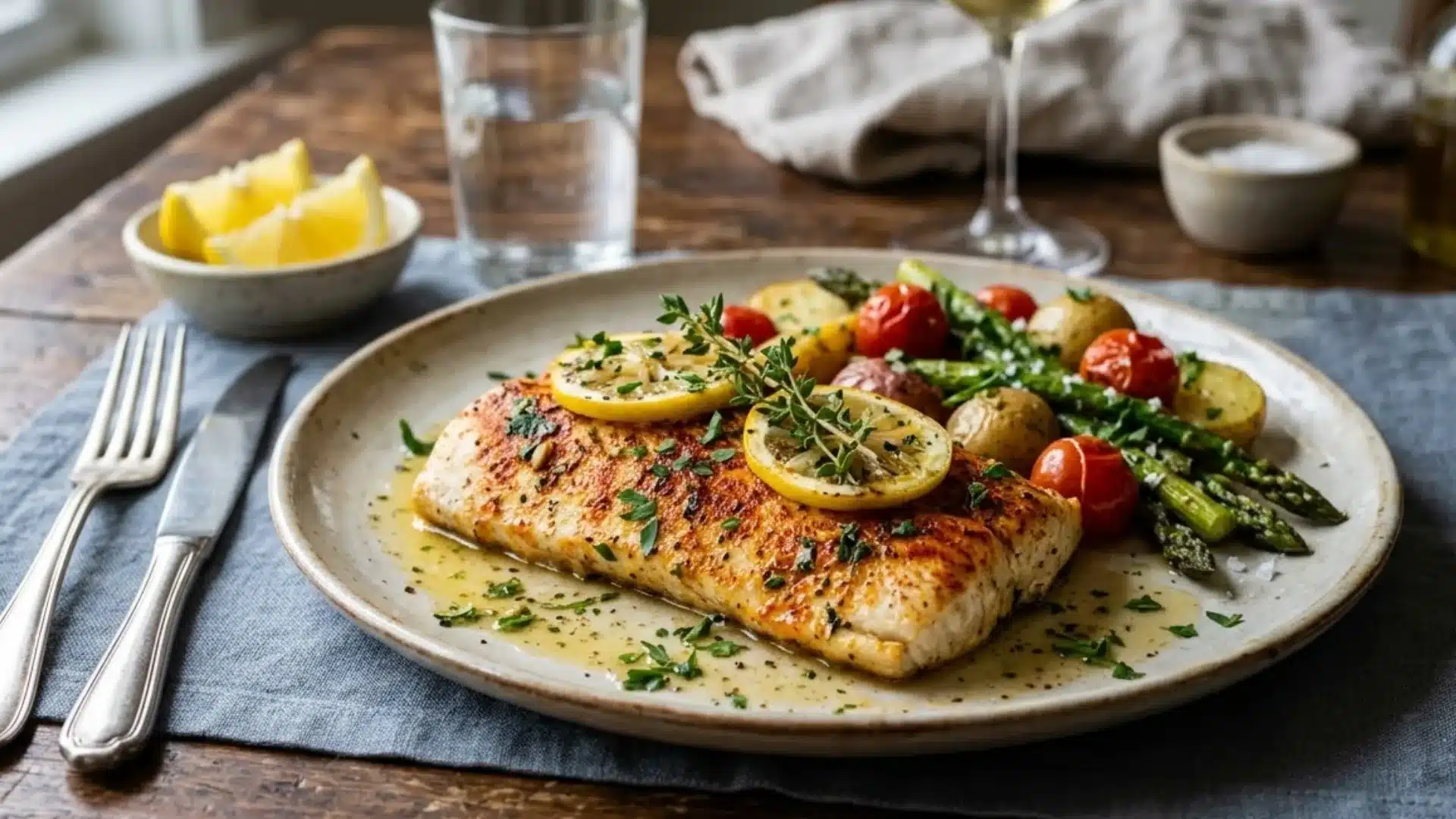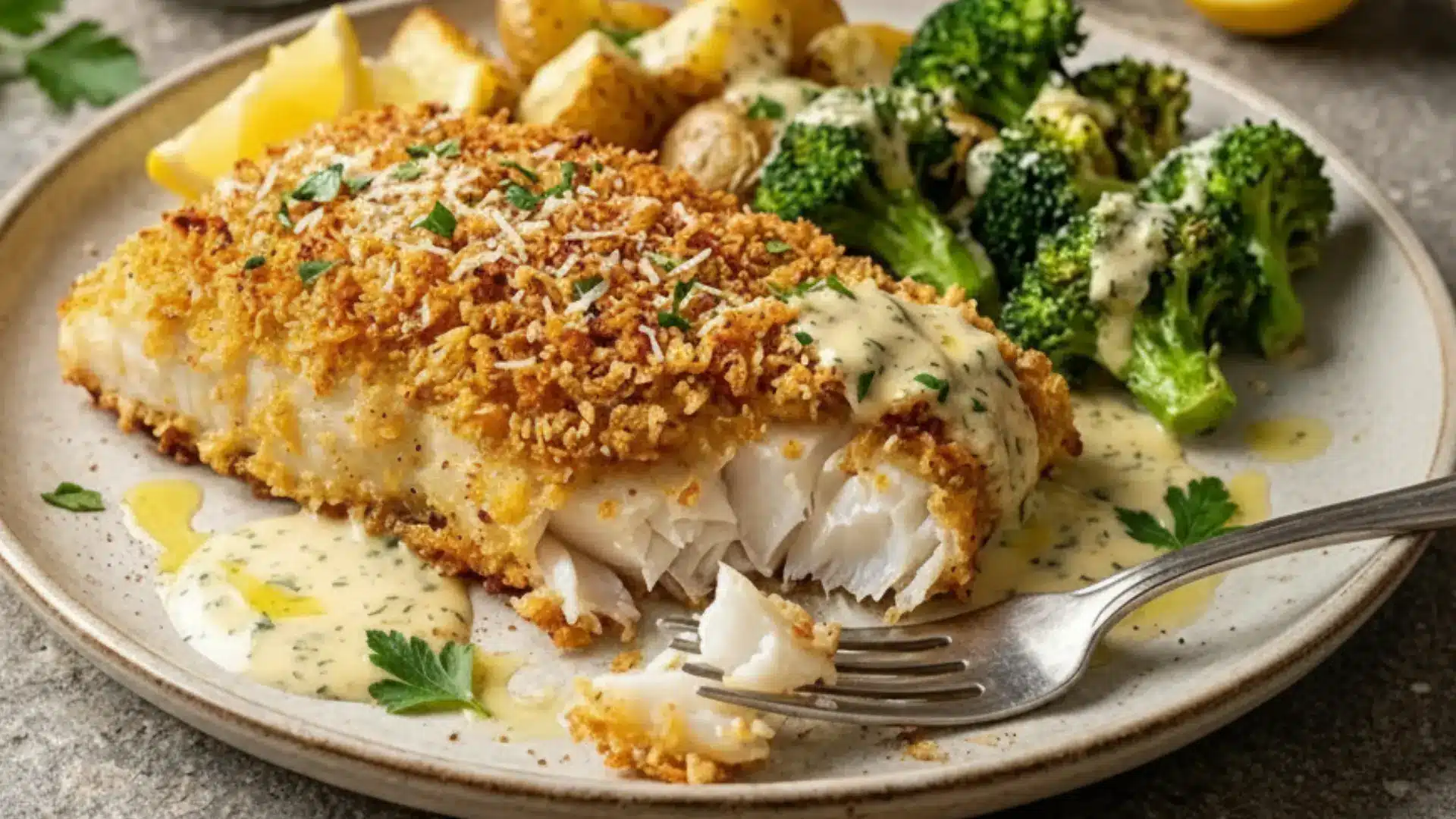


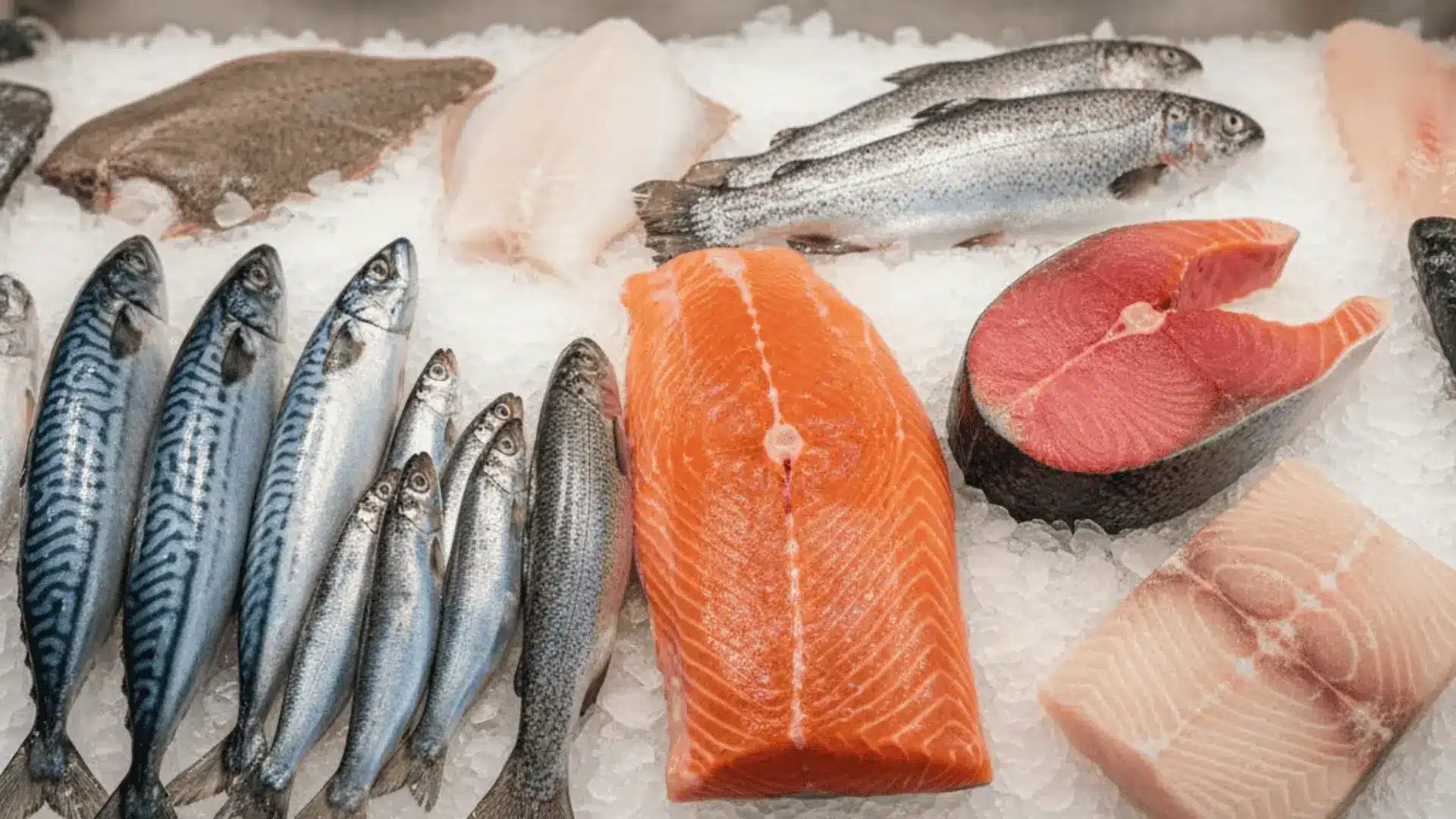
Standing in front of the seafood counter can feel confusing.
There are so many choices, and they all claim to be healthy. But the truth is, not every fish gives your body what it needs.
Some are rich in nutrients, while others carry more risk than reward.
If you’ve ever wondered what the best fish to eat really is, you’re not alone.
Let’s make it simple and clear so you can choose with confidence.
Does Including Fish in Meals Make Any Changes?
Honestly? Yes. More than most people expect.
When you eat fish regularly, your body responds quickly. People who eat fish twice a week often feel more focused and less tired.
The omega-3 fatty acids in fatty fish directly support brain function and help reduce inflammation.
Chronic inflammation is linked to conditions like diabetes and arthritis. So the benefits go beyond just physical health.
Fish also keeps you full without adding too many calories. A 100-gram serving of salmon gives you around 20 grams of protein.
That’s a solid return for a light meal. Small swaps like this add up over time.
Healthiest Fishes Made it to Our List
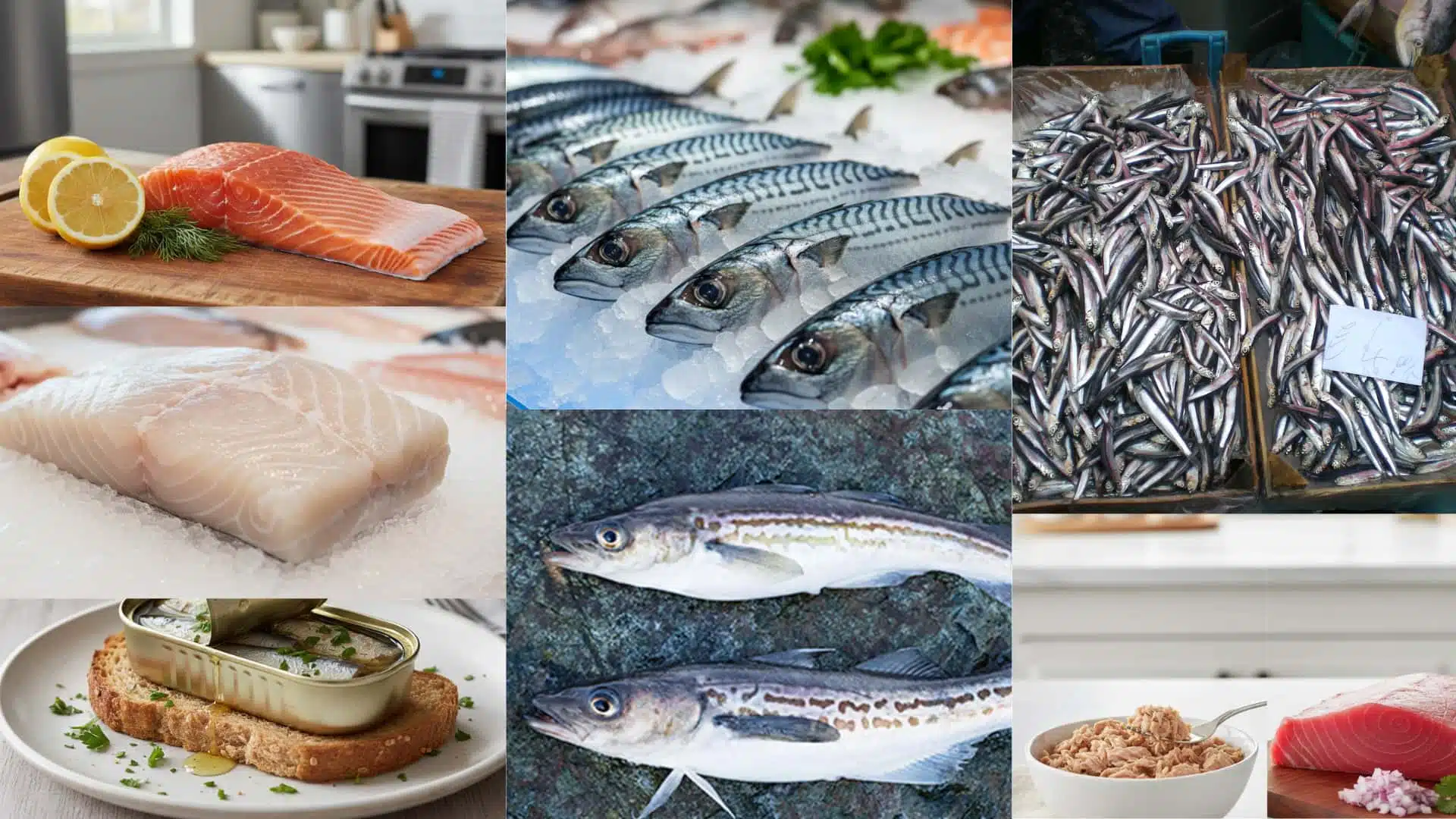
Fresh salmon, mackerel, sardines, tuna, cod, trout, and other healthy fish are displayed on ice.
There are certain tips you should consider before choosing your favorite fish for lunch or dinner, so make sure to read them first.
Best Fish to Eat for a Healthy Lifestyle
Not every fish at the market is worth your money or your health. Some are packed with goodness, and some come with risks.
Here’s my honest rundown of the best fish to eat if you want real health benefits.
1. Salmon
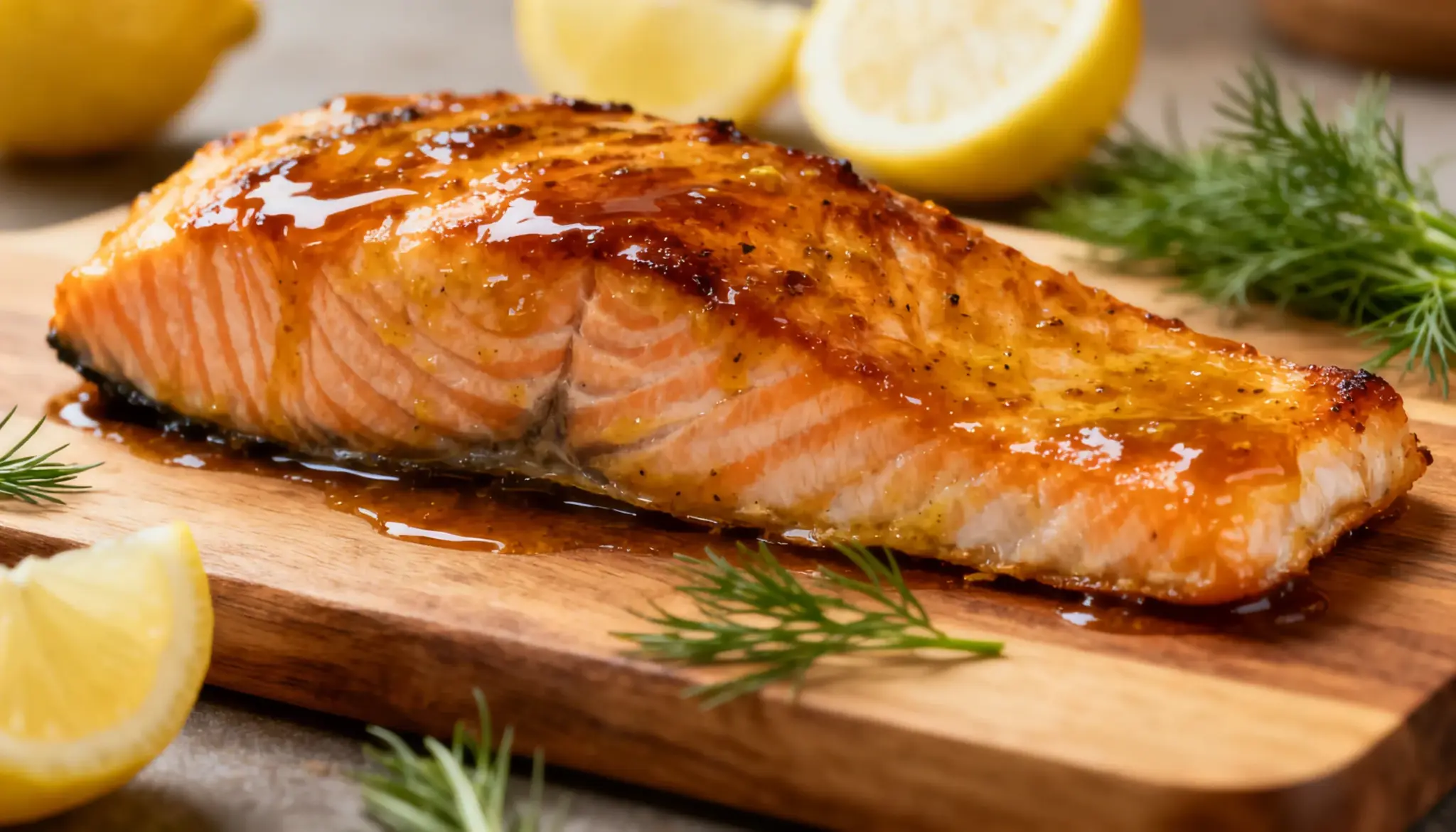
Salmon tops the list for a reason. It’s one of the richest sources of omega-3 fatty acids you can find. A single 3-ounce serving gives you about 1,500 mg of omega-3s. That’s huge.
- High in vitamin D and quality protein
- Supports heart health and brain function
- Wild-caught salmon is the better pick over farmed salmon
2. Mackerel
Mackerel is affordable, widely available, and incredibly nutritious. It’s one of the fattiest fish around, but in the best way possible.
- Rich in omega-3s, vitamin B12, and selenium
- Great for everyday meals without breaking the bank
3. Sardines
Don’t let their small size fool you. Sardines are nutritional powerhouses. They’re high in omega-3s, calcium, and vitamin D.
Since you eat the bones too, they’re among the best natural sources of calcium.
Canned sardines work just as well as fresh ones.
4. Tuna
Tuna is a lunchbox staple for a reason.
It’s high in protein and low in fat. Canned light tuna is a solid, affordable option. However, limit it to 2-3 servings per week because of moderate mercury levels.
Fresh or canned, both work well in everyday meals
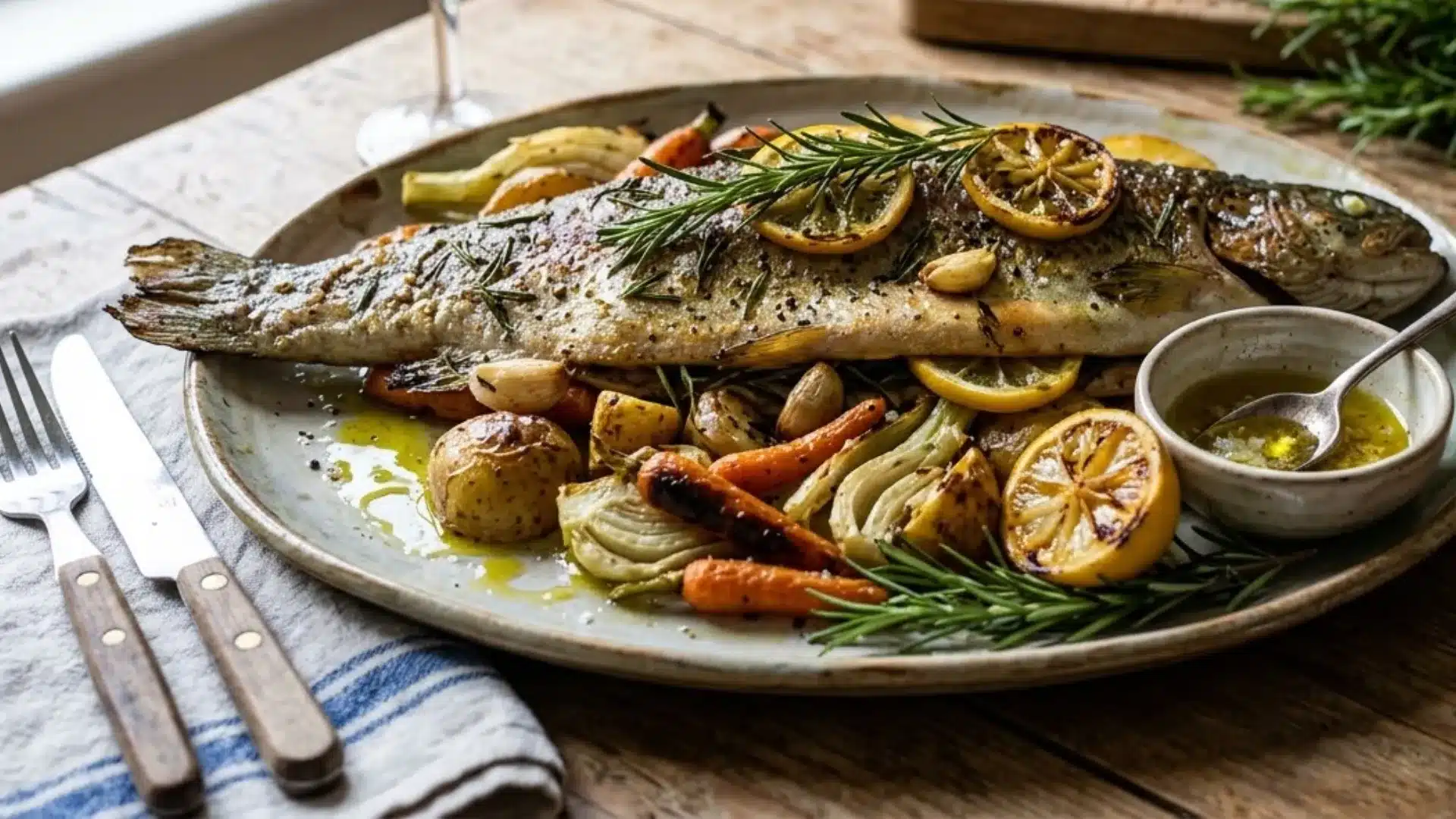
5. Rainbow Trout
Rainbow trout is a freshwater fish that deserves more attention. It has a mild flavour and is rich in omega-3s and B vitamins. It’s also lower in mercury compared to many other fish
- Rich in omega-3s and B vitamins
- Lower in mercury compared to many other fish
6. Herring
Herring is hugely popular in Europe, and for good reason. It’s one of the most omega-3-rich fish you can eat.
- Excellent source of vitamin D and B12
- Available smoked, pickled, or fresh
- Works well as a quick, nutritious snack or meal addition
7. Cod
Cod is a lean white fish that’s low in fat and high in protein. It’s mild in taste, making it easy to cook in many different ways.
It won’t give you as many omega-3s as fatty fish, but it’s still a healthy, light option for regular meals.
8. Anchovies
These tiny fish are often overlooked. But anchovies are rich in omega-3s, calcium, and iron. They add a deep, savoury flavour to pasta, salads, and sauces
- Rich in omega-3s, calcium, and iron
- Adds deep, savoury flavour to pasta, salads, and sauces
9. Halibut
Halibut is a firm, white fish with a clean, mild taste. It’s high in protein, magnesium, and B vitamins.
It’s a leaner option compared to fatty fish, but is still nutritious.
It works well grilled, baked, or pan-seared.
10. Pollock
Pollock is the fish behind most fish sticks and fast-food sandwiches. But on its own, it’s a genuinely healthy choice.
- Low in fat and high in protein
- Mild flavour that works well in many recipes
- One of the most affordable white fish options available
11. Tilapia
Tilapia is everywhere, and it’s easy to see why. It’s budget-friendly, mild, and simple to cook.
- Low in fat with a decent amount of protein
- Fewer omega-3s compared to fatty fish
- Always buy from a reputable source for the best quality
Your Next Step Toward Eating Better Starts Here
Choosing the best fish to eat doesn’t have to be complicated.
Salmon, mackerel, and sardines all bring something good to your plate.
The key is variety and consistency. Even two servings a week can make a real difference to your health over time.
Start small, swap one meal, and see how you feel.
Have a favorite fish you already love? Drop it in the comments below!
Frequently Asked Questions
1. What Is the Best Fish to Eat for Overall Health?
Salmon, mackerel, and sardines are top picks. They’re rich in omega-3s, protein, and essential vitamins your body needs.
2. Can you Eat Seafood While Pregnant?
Yes, but choose low-mercury fish like salmon or sardines. Avoid high-mercury options like swordfish and king mackerel completely.
3. How Many Times a Week Should I Eat Fish?
Eating fish twice a week is ideal. It provides your body with enough omega-3s without exposing you to excessive mercury.
4. Is Canned Fish as Healthy as Fresh Fish?
Yes, canned fish like tuna and sardines retain most nutrients. They’re a convenient and affordable alternative to fresh fish.
5. What Is the Least Healthy Fish to Eat?
King mackerel, swordfish, and tilefish contain high levels of mercury. It’s best to limit or avoid these fish altogether.