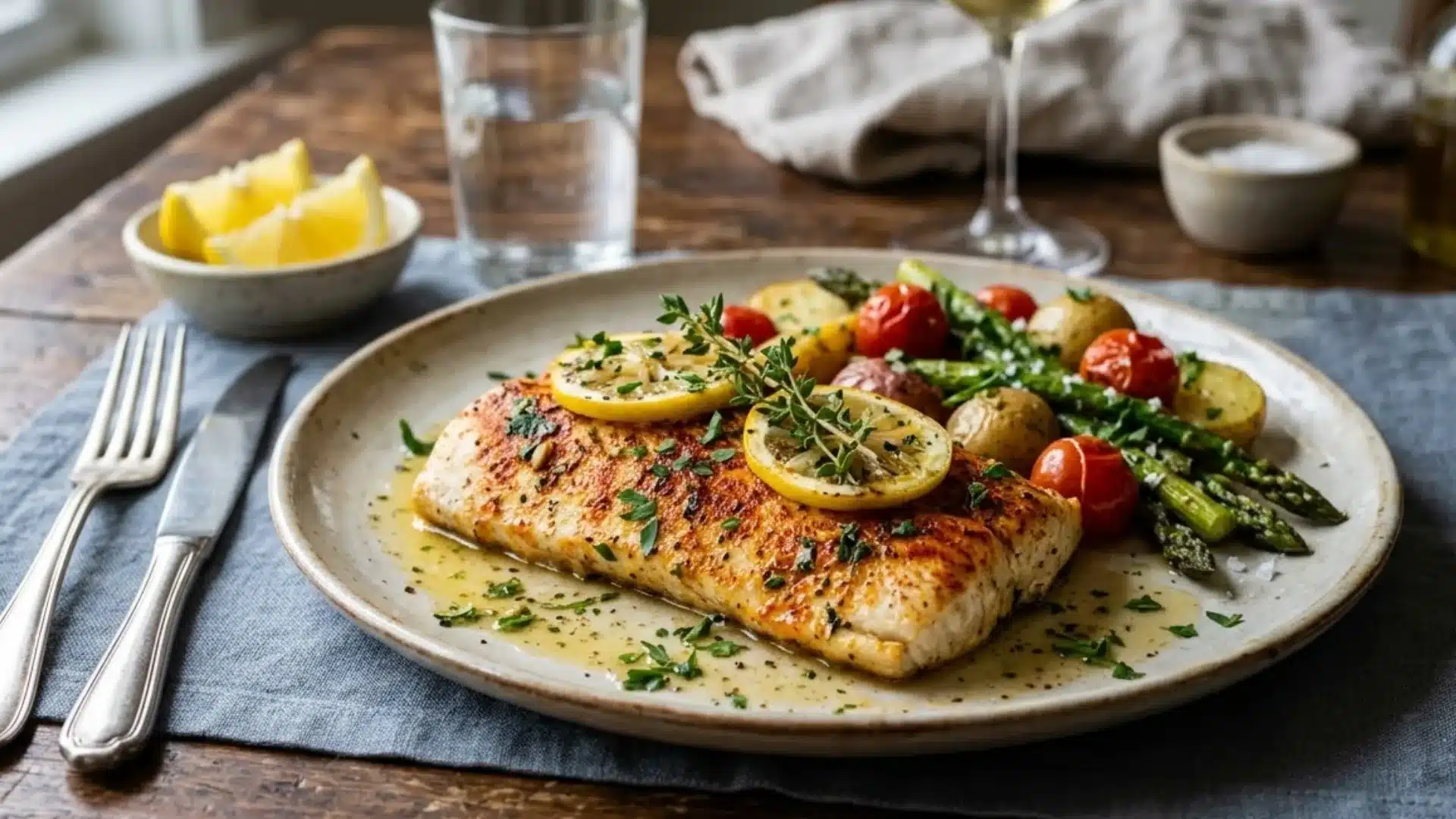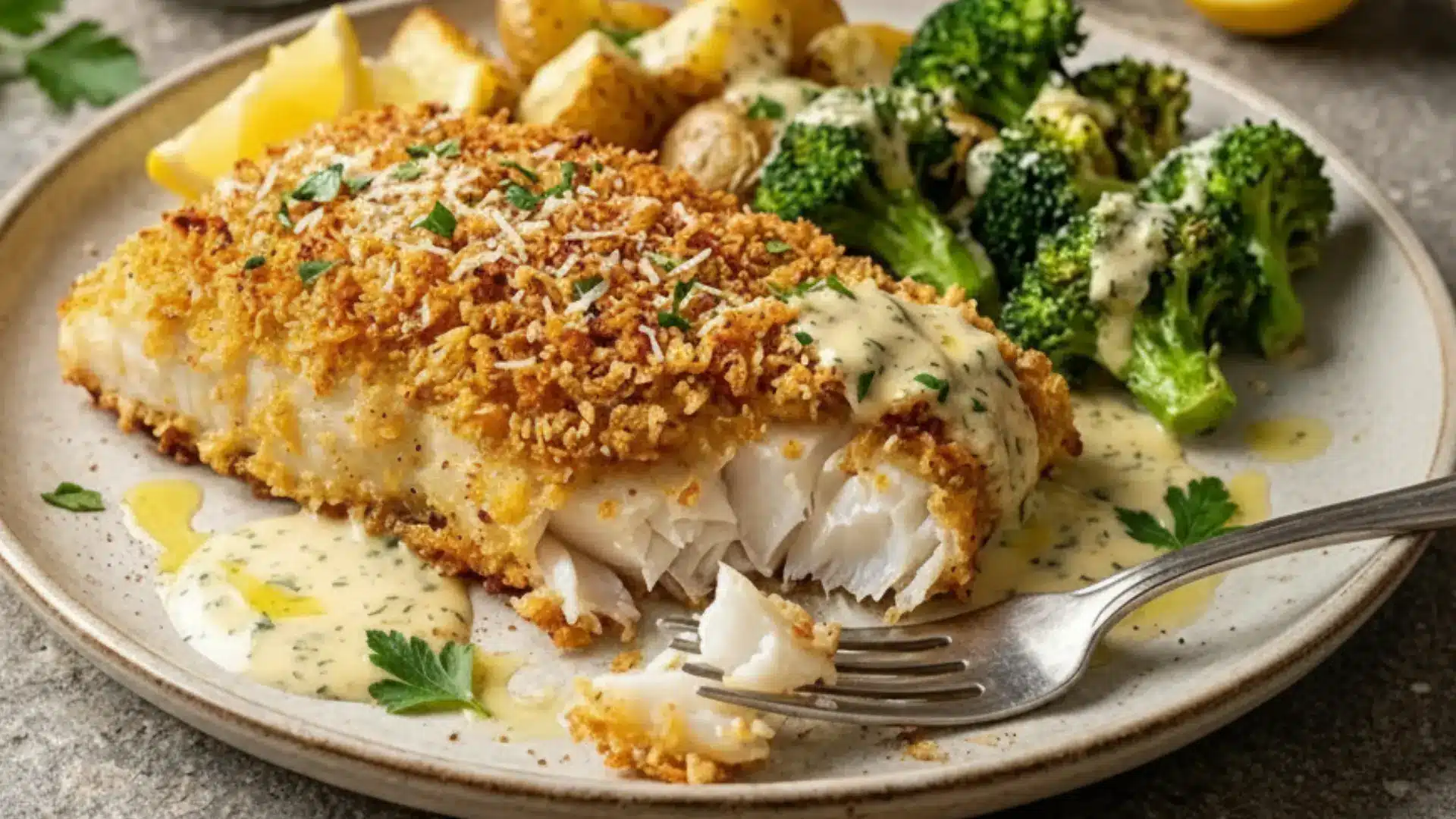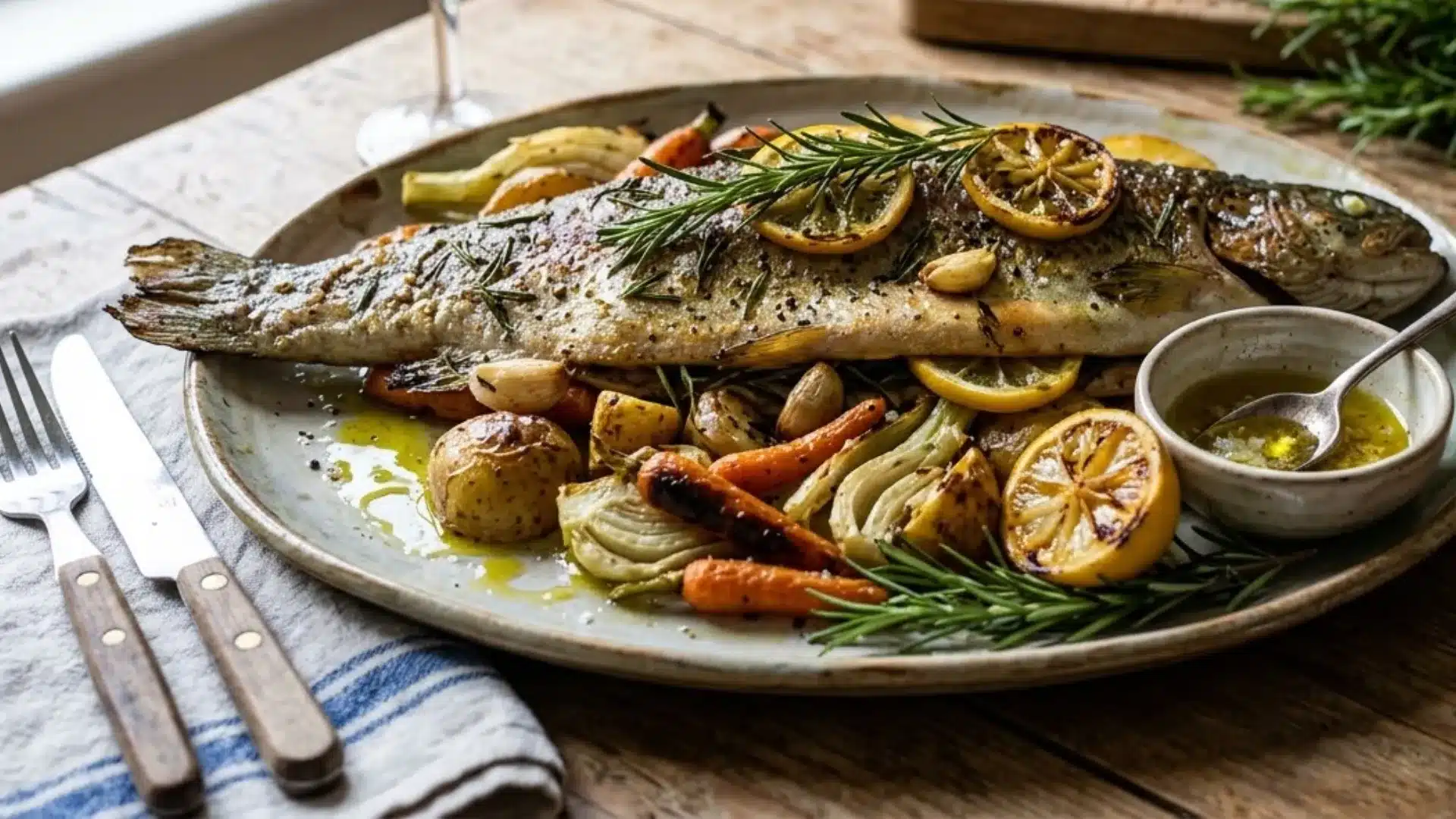


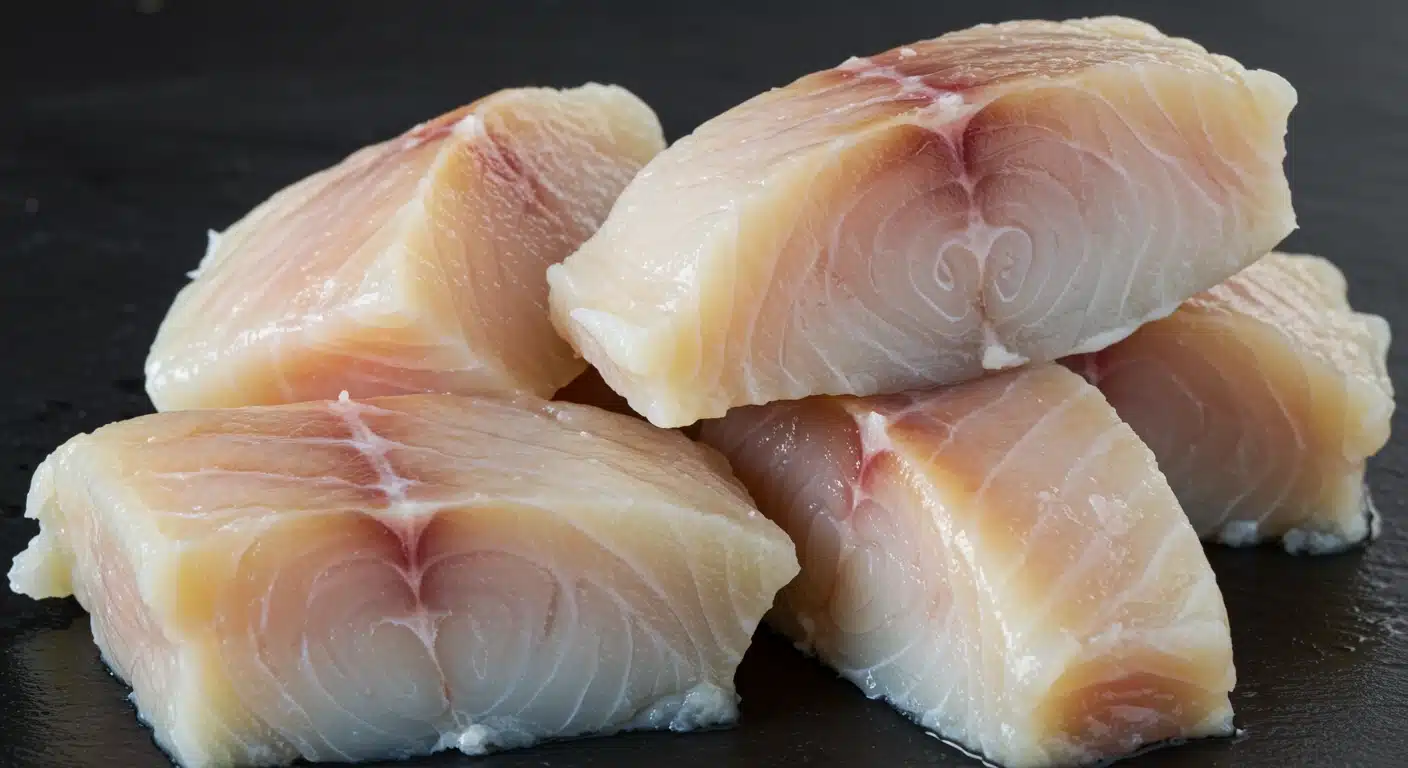
I picked up a pack of cod at the store a few weeks ago, mostly because it was on sale.
I didn’t expect much from it, if I’m being honest. But what I found was pretty eye-opening.
This simple fish is loaded with full of nutrients your body needs every day.
Now, Cod has become a regular part of my meals too. And the more I learned about it, the more I wanted to share it. Let me walk you through the cod nutrition facts I wish I knew sooner.
You might just end up adding it to your grocery list, too.
Is Cod Good for You and Why?
Cod is a saltwater fish found in the cold waters of the Atlantic and Pacific oceans.
It has white, firm flesh and a mild flavor, making it easy to cook in many ways.
And yes, cod is really good for you.
It’s packed with lean protein, low in calories, and rich in vitamins like B12 and B6. It also contains omega-3 fatty acids. Simply, it’s one of the healthiest fish you can eat.
Cod Nutrition Facts
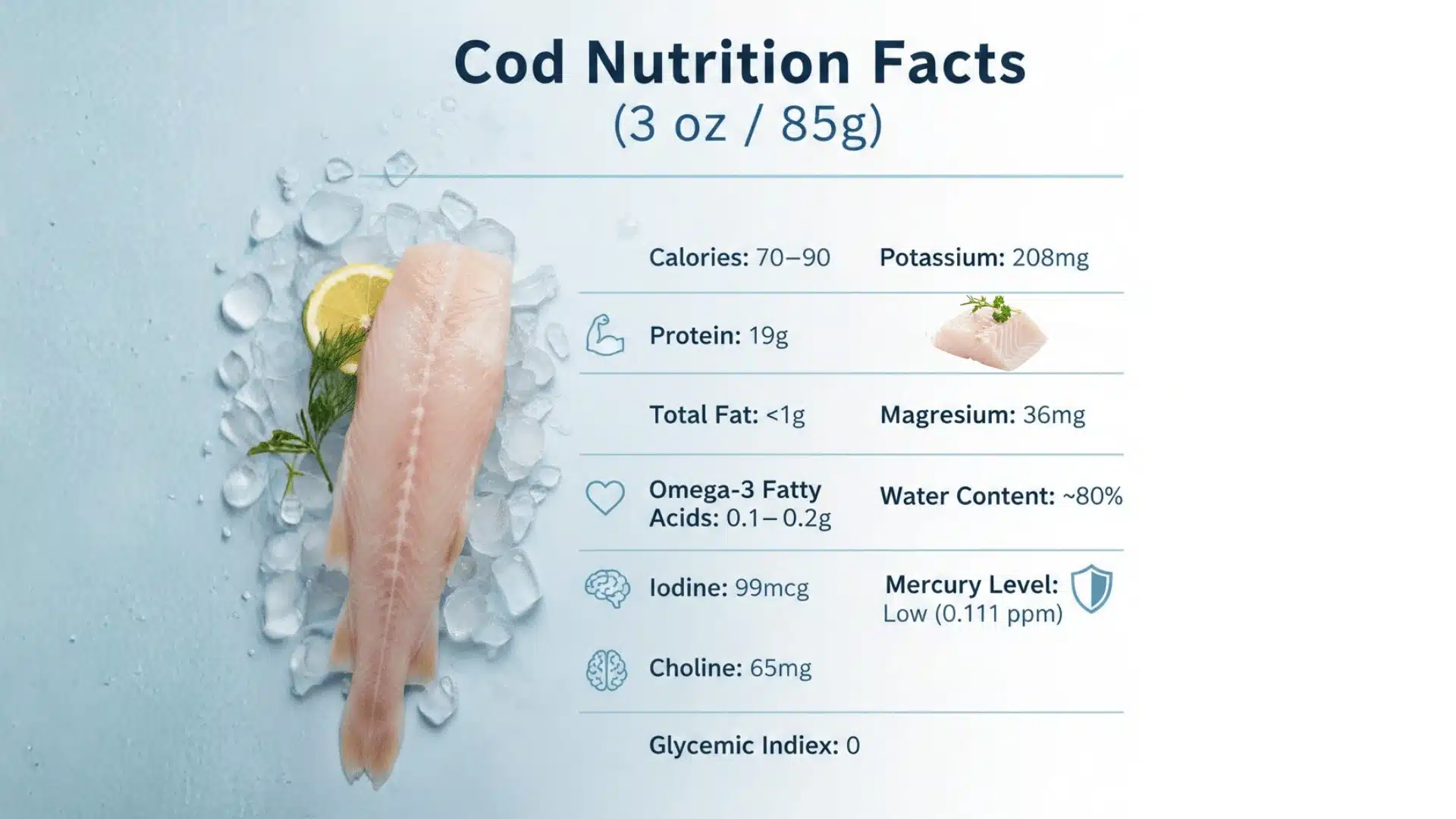
A single 3-ounce serving gives you a solid amount of protein, very few calories, and barely any fat.
Plus, it’s loaded with vitamins and minerals. A simple fish cod delivers a lot of nutrition in a small serving.
Key Nutrients in Cod
Even though it’s a lean fish, it still contains omega-3 fatty acids, the good fats that support your heart and brain.
It’s also rich in iodine, which many people don’t get enough of. Your thyroid depends on iodine to work properly, so this is a big deal.
Cod also provides potassium for healthy blood pressure, magnesium for muscle and nerve function, and choline for brain health. Its water content is very high, making it light and easy to digest.
Mercury levels in cod are relatively low compared to other fish, making it safe to eat regularly.
Since cod has zero carbs, its glycemic index is also zero, good for blood sugar management.
Cod Additional Nutrients (Per 3-Ounce / 85g Serving)
| Nutrient | Amount Per Serving |
|---|---|
| Omega-3 Fatty Acids | 0.1-0.2g |
| Iodine | 99mcg |
| Choline | 65mg |
| Potassium | 208mg |
| Magnesium | 36mg |
| Water Content | ~80% |
| Mercury Level | Low (0.111 ppm) |
| Glycemic Index | 0 |
How Much Protein is in Cod?
Cod is a protein powerhouse. One 3-ounce serving gives you about 19 grams of protein.
Protein helps your muscles recover, keeps you full longer, and supports your overall health. If you’re trying to eat more protein without overeating, cod is a smart choice.
Is it Low-Calorie?
Yes, cod is very low in calories. That same 3-ounce serving has only around 70-90 calories. That’s much less than most other protein sources, so you get a filling, nutritious meal without overdoing it.
It’s a great option if you’re watching your calorie intake but still want something satisfying.
Fat Content in Cod
Cod contains very little fat, less than 1 gram per serving. But the fat it does have includes omega-3 fatty acids.
These are good fats. So while cod isn’t a fatty fish like salmon, the small amount of fat it carries still does your body really well.
Vitamins and Minerals in Cod
Cod is rich in B12, B6, and niacin, which help maintain energy levels and support brain function.
It also contains phosphorus, which strengthens your bones, and selenium, which protects your cells.
Getting all these nutrients from one affordable, easy-to-cook fish? That’s a pretty good deal if you ask me.
Health Benefits of Eating Cod
- Supports muscle growth and repair with its high protein content.
- Helps maintain a healthy weight due to its low calorie count.
- Supports thyroid function with a good dose of iodine.
- Helps regulate blood pressure through its potassium content.
- Keeps your bones strong with phosphorus and magnesium.
- Supports brain function and memory with choline and B vitamins.
- Protects your cells from damage with selenium.
- Safe for regular consumption due to its low mercury levels.
- Ideal for people managing blood sugar since it contains zero carbs.
- Easy to digest because of its high water content and lean flesh.
Cod Allergies and Health Concerns
Cod is generally safe, but there are a few things worth knowing before you eat it regularly.
Fish Allergy: Cod is a common allergen. Symptoms include itching, swelling, or breathing problems after eating.
Cross-Reactivity: If you’re allergic to one fish, you may react to cod too. Always check with your doctor.
Sodium Sensitivity: Processed or salted cod is high in sodium, which can affect people with high blood pressure.
Mercury Levels: Cod has low mercury levels, but pregnant women should still limit their intake.
Histamine Intolerance: Poorly stored cod can build histamine, causing headaches, rashes, or stomach issues.
Thyroid Medication: Cod is high in iodine. Too much iodine can interfere with certain thyroid medications.
Overconsumption Risk: Eating too much lean protein without enough healthy fats can put strain on your kidneys.
Pregnant women should avoid cod, as high fish intake during pregnancy may expose the baby to harmful contaminants.
Kidney disease patients should avoid high-protein foods, such as cod, as they may worsen kidney function.
Cod vs Other Fish: Nutrition Comparison
| Nutrient | Cod | Salmon | Tuna | Tilapia | Haddock |
|---|---|---|---|---|---|
| Calories | 70-90 kcal | 175 kcal | 109 kcal | 96 kcal | 77 kcal |
| Protein | 19g | 19g | 25g | 21g | 17g |
| Total Fat | 11g | 2.5g | 2g | 0.7g | |
| Omega-3s | 0.1-0.2g | 1.8g | 0.2g | 0.1g | 0.2g |
| Sodium | 50mg | 52mg | 40mg | 48mg | 58mg |
| Mercury | Low | Low | Medium | Low | Low |
| Calories Rank | Lowest | Highest | Medium | Medium | Low |
Quick Takeaway:
- Cod is the leanest option with the fewest calories.
- Salmon wins for omega-3 content, but it is much higher in fat.
- Tuna is high in protein but carries a moderate risk of mercury.
- Tilapia and haddock are similar to cod but offer slightly less nutritional value overall.
How I Prepare and Cook Cod to Keep it Nutrition-Packed and Add it to my Diet
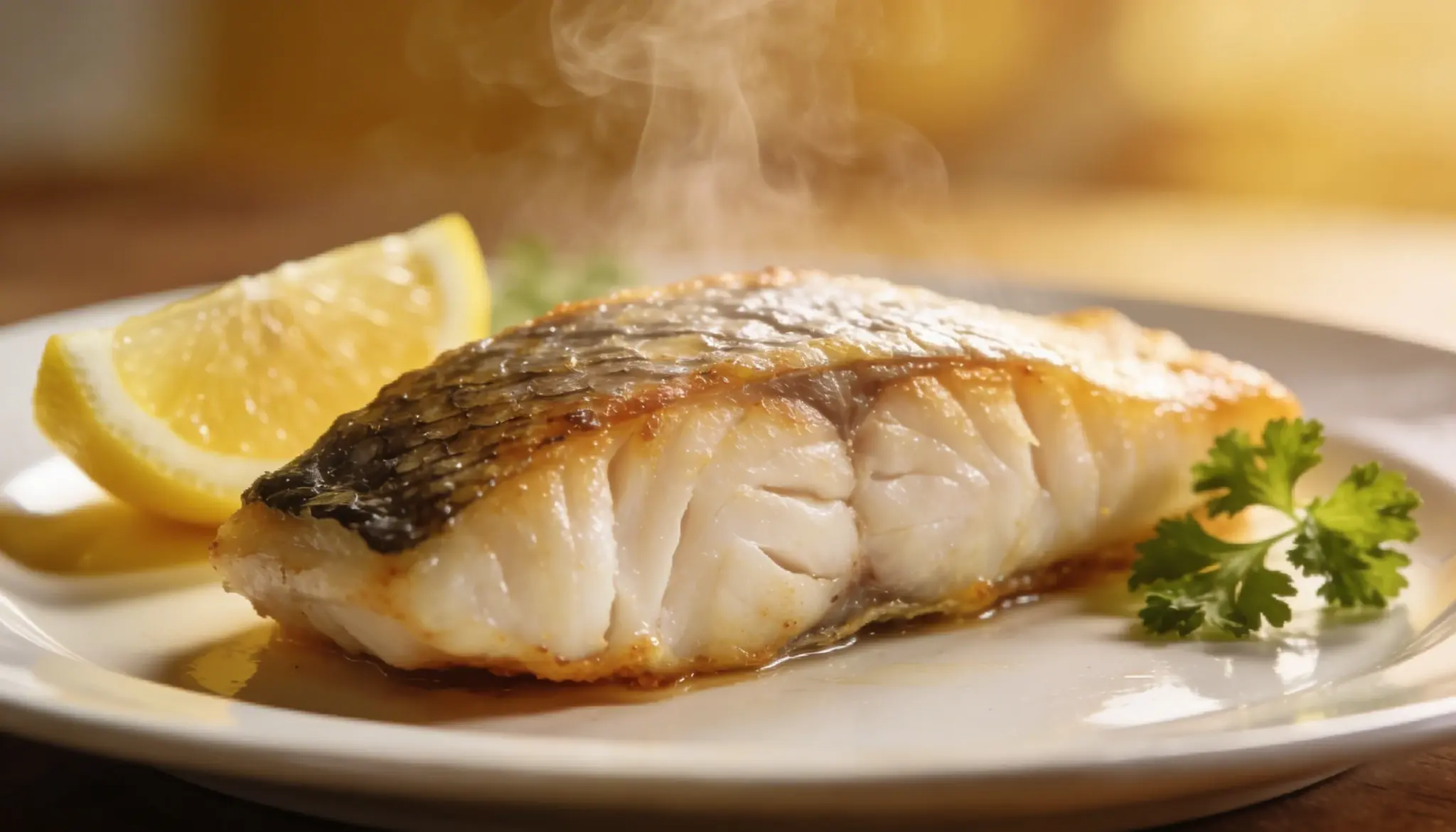
I’ve tried cod in so many ways, and honestly, keeping it simple works best. Here’s what I do to make sure I get the most out of every serving.
Always go for Fresh or Frozen Over Processed
It is loaded with sodium and additives. I stick to fresh or plain frozen fillets to keep things clean and healthy.
Pat It Dry Before Cooking
This one small step makes a big difference.
It helps the fish cook evenly and gives it a nicer texture without needing extra oil or butter.
Grill or Bake It Instead of Frying
Frying adds unnecessary fat and calories.
I usually toss the fillet in the oven at 400°F for about 12-15 minutes, and it comes out perfect every time.
Season It Simply
I use lemon juice, garlic, and a pinch of black pepper.
It keeps the flavor light and fresh without overpowering the natural taste of the fish.
Pair It with Vegetables
I love serving cod with steamed broccoli or sweet potatoes. It improves the meal and maintains balanced nutrition.
Watch the Cooking Time
Overcooking cod makes it dry and tough.
I always check that it flakes easily with a fork; that’s when I know it’s done just right.
My Go to Advice: I cook a few fillets at the start of the week and use them in salads, wraps, or rice bowls. It saves time and keeps my meals on track.
Wrapping It up
Cod is not just another fish sitting in the freezer aisle.
It’s a genuinely solid food choice backed by real nutritional value. From supporting your thyroid with iodine to keeping your heart healthy with omega-3s, this fish does a lot of quiet work for your body.
I started eating it more, and I haven’t had any doubts about it.
It’s affordable, easy to cook, and fits into almost any meal plan.
If you haven’t given cod a real chance, now’s a good time to start. Pick up a fillet this week and see how it fits into your routine. Your body will thank you.
Frequently Asked Questions (FAQ’s)
1. Is Cod Good for Weight Loss?
Yes, cod is low in calories and high in protein, supporting weight loss.
2. Is Cod Safe to Eat Regularly?
Yes, cod has low mercury levels, making it safe for regular consumption.
3. What Is More Healthy Cod or Chicken?
Cod is lower in fat and calories compared to most chicken cuts.
4. What Is the Nutritional Value of 4 Oz of Cod?
Four ounces of cod gives you roughly 21g of protein and 90 calories.
5. What Are the Top 5 Healthiest Fish?
Salmon, cod, sardines, mackerel, and tuna rank among the healthiest fish.