


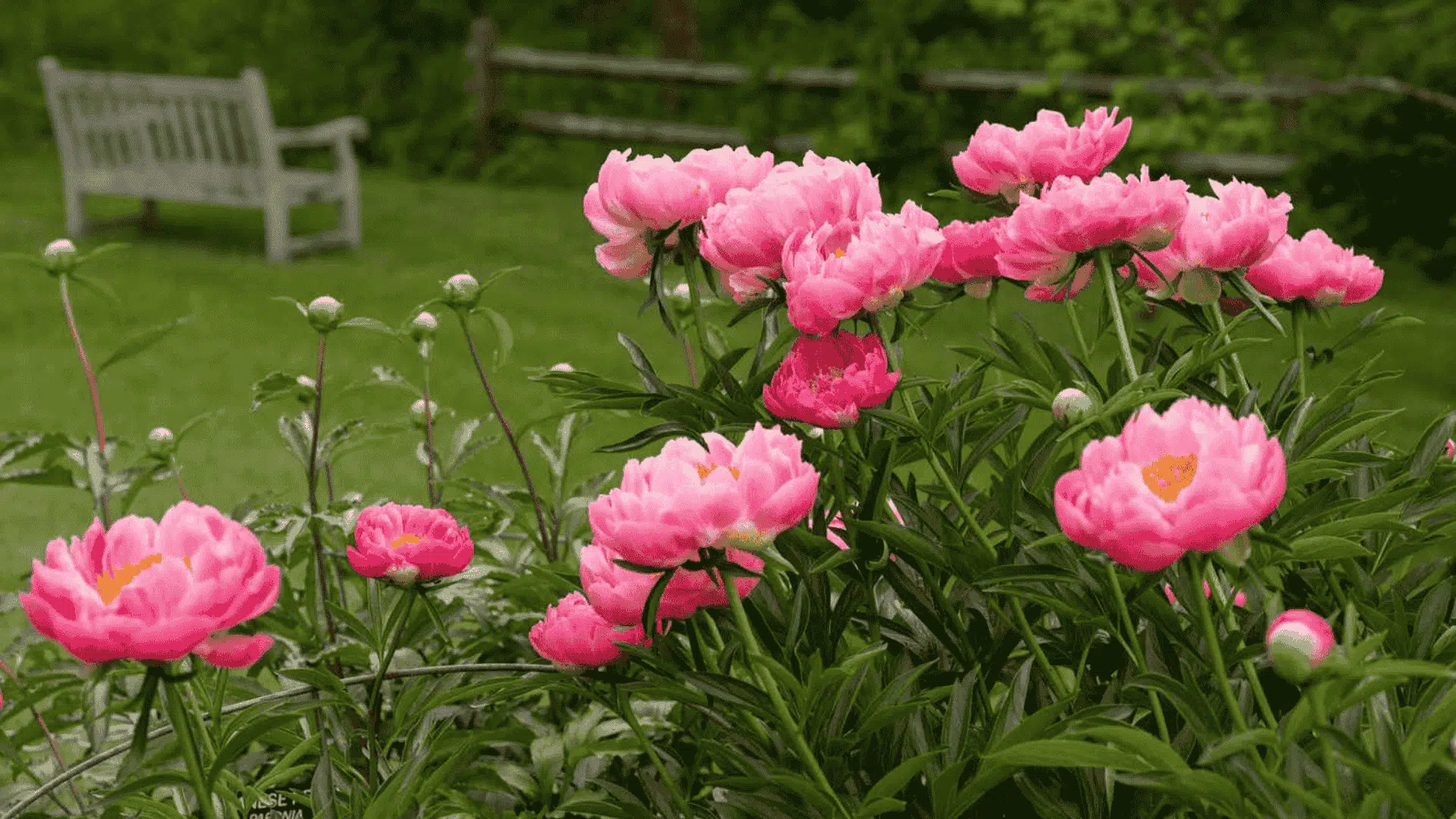
You plant peonies, wait all season, and no bloom. No flowers. Just leaves.
But peonies aren’t as tough to handle as people make them out to be. They just need a few things done right.
And once you know what those things are, you’ll wonder why you ever struggled in the first place.
In this blog, I’m going to walk you through exactly how to grow peonies that come back bigger and better every year.
Types of Peonies
Peonies come in more varieties than most people expect. Knowing which type you’re working with makes a big difference.
Herbaceous Peonies
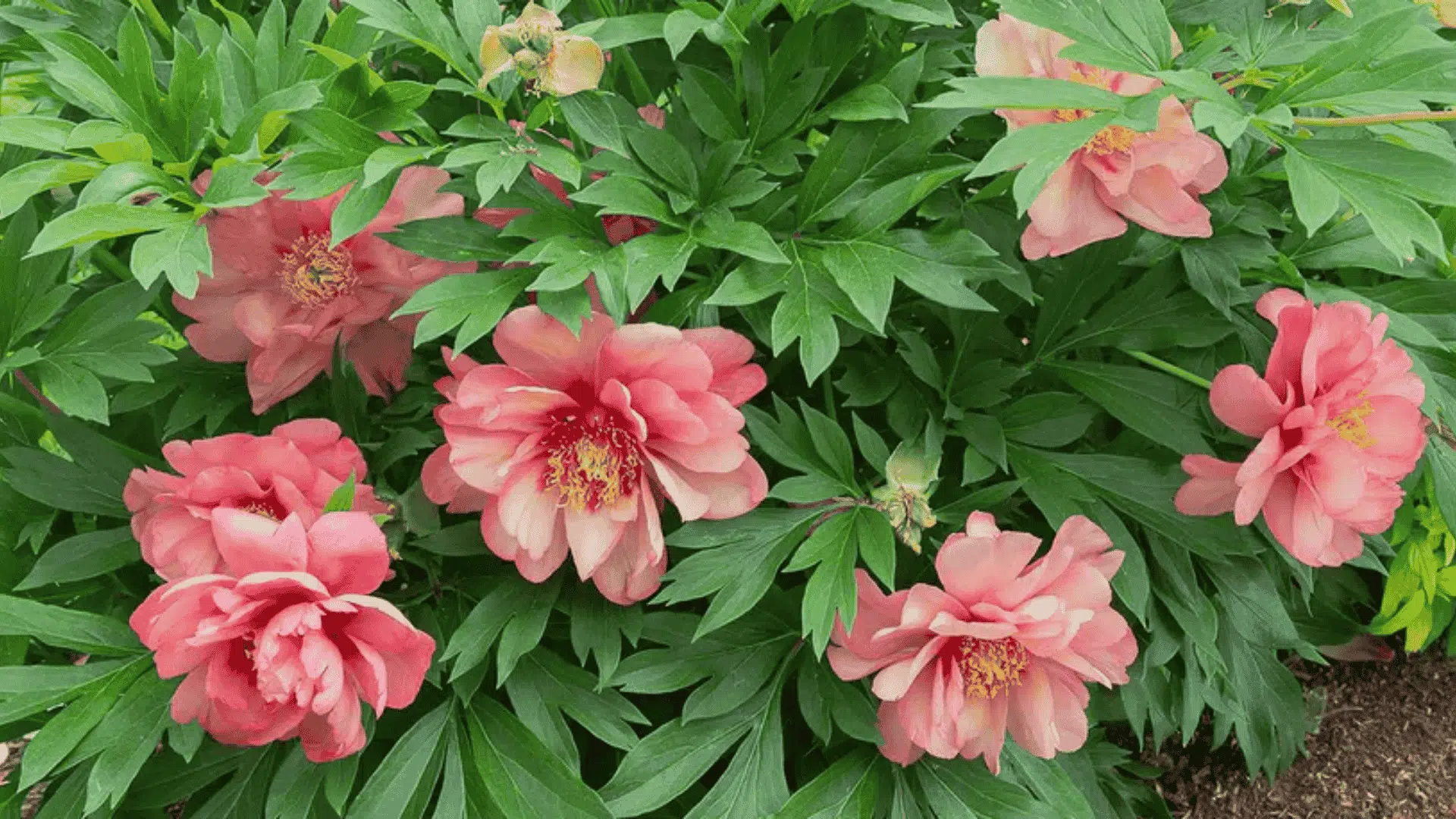
Herbaceous peonies are the most common type you’ll find in home gardens.
They grow in spring, bloom beautifully, and then die back to the ground each winter.
I love them because they come back every year without much effort. They’re easy to grow and work well in most climates.
Tree Peonies
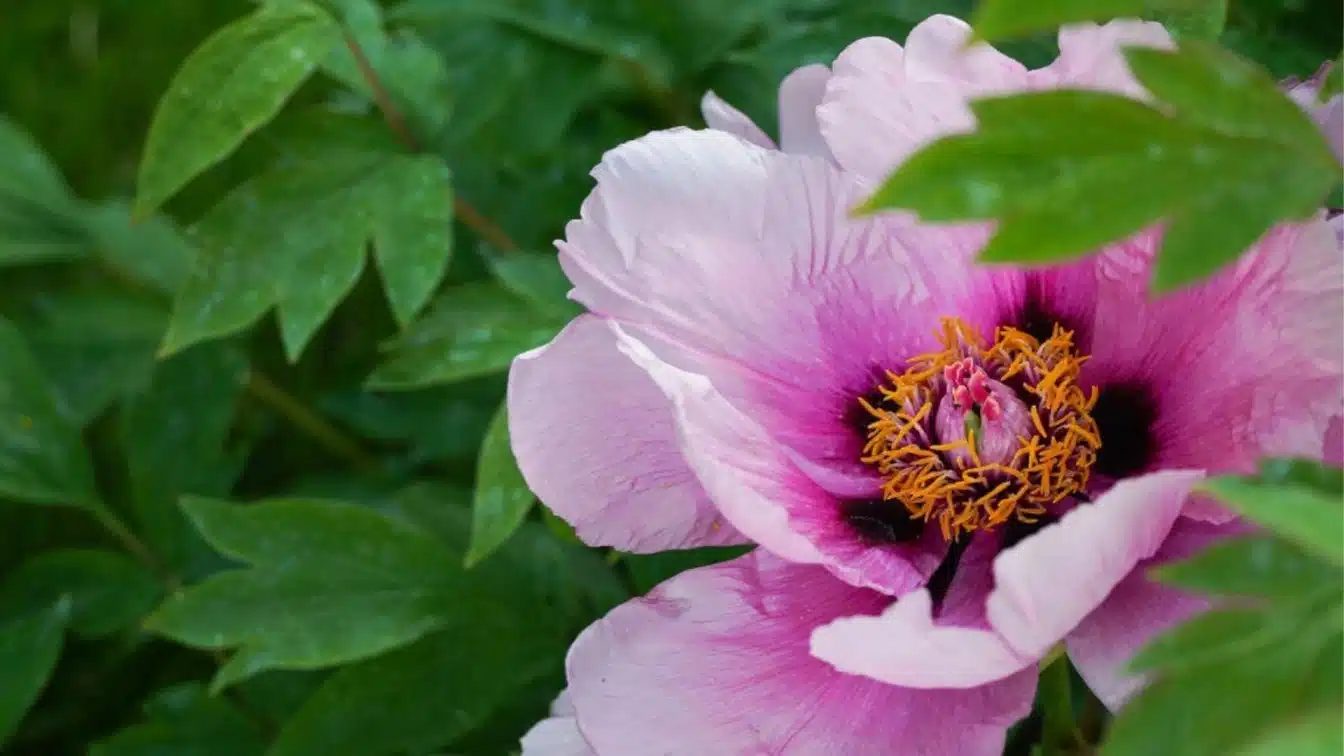
Tree peonies are woody shrubs that stay above ground all year. They don’t die back as herbaceous types do.
They grow slowly but can live for decades. I’ve seen some that are over 100 years old and still blooming.
Their flowers are large and often very fragrant too.
Intersectional (Itoh) Hybrids
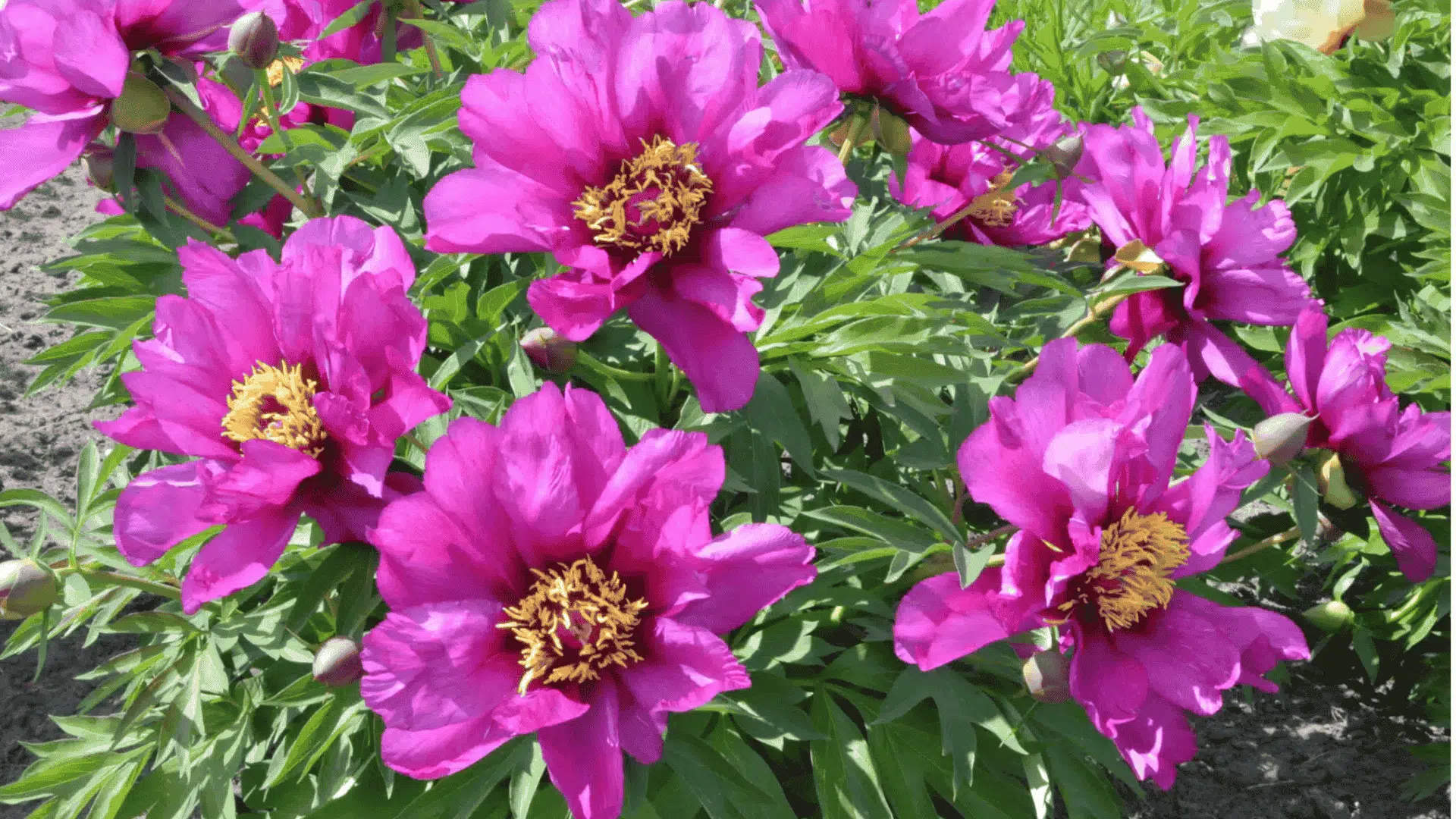
Itoh hybrids are a cross between herbaceous and tree peonies. They give you the best of both worlds.
The foliage stays full and green all season long. Bloom is large and comes in colors you won’t find in other types.
They die back in winter but grow back strong every spring.
Wild Species

Wild species peonies are the original plants from which all modern varieties come.
They look simpler and more natural than garden types. I find them charming in a quiet, understated way.
They’re tough, low-maintenance, and great for gardens that don’t get much attention throughout the year.
Best Place For Growing Peonies
Finding the right spot makes all the difference when growing peonies.
I always look for a place that gets at least six hours of full sun each day. Peonies love sunlight, and without it, you won’t get many blooms.
I also make sure the soil drains well. Soggy roots are a big problem for peonies.
They rot fast in waterlogged ground. Good drainage keeps them healthy and happy.
Pick a spot away from large trees and shrubs, too. Those plants compete for water and nutrients.
Give your peonies their own space, and they’ll reward you with beautiful blooms every single year.
Right Time to Plant Peonies
Timing matters a lot when planting peonies.
I always plant mine in early fall, somewhere between September and October. This gives the roots enough time to settle in before winter hits.
Fall planting works best because the soil is still warm. Warm soil helps roots grow strong before the ground freezes.
And by spring, the plant is ready to put all its energy into growing.
I’ve tried planting in spring before, and honestly, fall gives much better results.
The blooms come in fuller, and the plant establishes itself faster. Don’t rush it; fall is your best bet.
How to Plant Peonies?
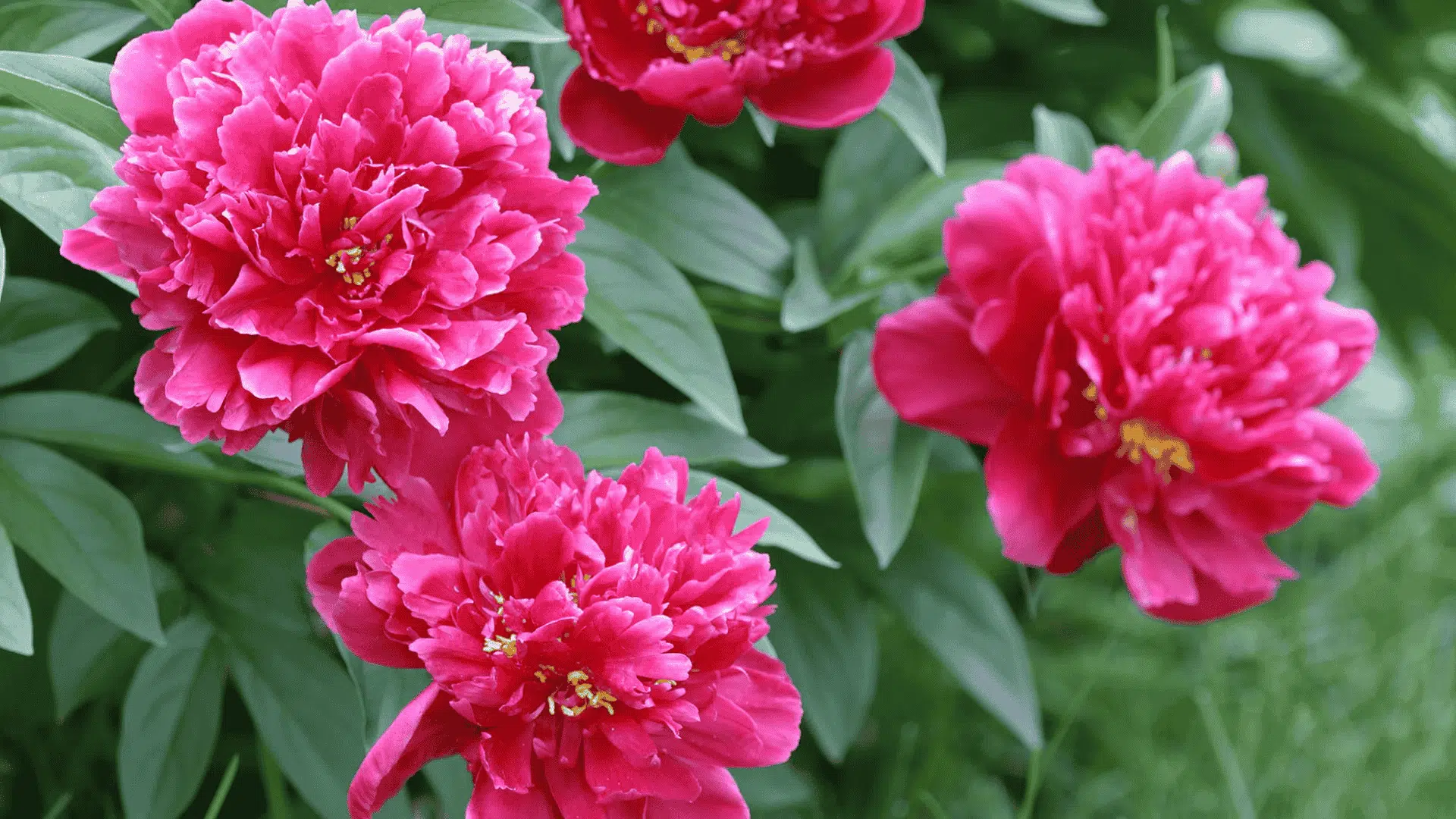
Planting peonies the right way sets them up for years of healthy growth. I’ve learned a lot through trial and error, and these steps have worked really well for me.
Step 1: Choose the Right Location
As I mentioned before, always pick a sunny spot that gets at least six hours of direct sunlight each day.
Good air circulation matters too. It keeps fungal problems away. Make sure the area has well-draining soil before you even think about digging.
Location is everything with peonies.
Step 2: Prepare the Soil
I dig the soil about 12 to 18 inches deep before planting.
Then I mix in compost to improve drainage and add nutrients. Loose, rich soil gives roots room to spread out comfortably.
This step takes some effort, but it pays off when blooms arrive in spring.
Step 3: Dig the Planting Hole
That 12- to 18-inch hole needs to be large enough for roots to sit without bending.
A cramped hole stresses the plant early on and significantly slows growth in the first season.
Digging the hole too narrow and forcing the roots in. I made this mistake once, and the plant barely grew that year.
Give those roots plenty of breathing room right from the start.
Step 4: Set the Root at the Right Depth
I place the root so the eyes, those small pink buds, sit no more than one to two inches below the soil surface. This depth is critical.
Planting too deeply is one of the main reasons peonies fail to bloom for years together.
Burying the roots too deep, thinking it protects them. It actually stops blooming completely. Keep those eyes close to the surface at all times.
Step 5: Water Thoroughly After Planting
Once the root is in place, I water the area deeply and slowly.
This helps the soil settle around the roots without leaving air pockets.
I avoid overwatering after the first soak, though. Too much moisture early on can cause the roots to rot quickly.
Step 6: Add a Light Layer of Mulch
I spread about one to two inches of mulch around the plant after watering.
This keeps moisture in and regulates soil temperature through winter. I make sure the mulch doesn’t touch the crown directly.
Keeping it slightly away from the soil prevents rot and allows the plant to breathe naturally.
Is it Necessary to Divide Peonies?
Honestly, dividing peonies is not something you have to do often. I rarely divide mine unless there’s a good reason.
Peonies actually prefer to stay undisturbed. They bloom better when left alone in one spot for years.
That said, dividing helps when a plant becomes too crowded or stops blooming well. I usually wait for a few years before considering it.
Early fall is the best time to divide if you need to.
Done right, division gives you new plants for free. It’s a great way to spread peonies throughout your garden.
Caring Tips That’ll Help Peonies Bloom Perfectly
Peonies are pretty low-maintenance once they’re settled in. But a few simple habits can make a big difference in how well they bloom.
Here’s what I personally follow every season:
- Water deeply but not too often
- Feed with a low-nitrogen fertiliser each spring
- Remove dead blooms right after they fade
- Stake tall varieties to prevent flopping over
- Cut back stems to ground level every fall
- Watch out for grey mould and treat it early
- Avoid wetting the foliage when watering
These small steps keep my peonies healthy and blooming beautifully year after year.
When to Harvest Peonies?
Harvesting peonies at the right time makes a huge difference in how long they last.
I always cut them when the buds are still soft and squishy, like a marshmallow. At this stage, the flower hasn’t fully opened yet, but it’s just about to.
I usually harvest early in the morning when temperatures are cool. This keeps the stems fresh and firm.
I cut at an angle using clean, sharp scissors or pruning shears.
Avoid waiting until the flower is fully open. By then, it won’t last long in a vase. Cut early and enjoy them longer indoors.
Keep Peonies in a Vase
I always make sure my vase is squeaky clean before adding peonies. A dirty vase shortens their life fast.
- Trim stems at an angle before placing them in water
- Fill the vase with cool, fresh water
- Strip off any leaves below the waterline
- Change the water every two days
- Keep them away from heat and direct sunlight
Wrapping it up
Growing peonies is really not as hard as it seems.
Pick the right spot, plant at the right time, and give them a little care each season. That’s truly all it takes.
Leave them alone once they’re settled. Don’t move them, don’t over-water them, and don’t plant them too deep.
Respect those simple rules, and your peonies will keep coming back stronger every single year.
So go ahead, pick your sunny spot and get planting. Your garden is about to look absolutely beautiful come spring.
Frequently Asked Questions (FAQs)
Do Peonies Require Full Sun or Shade?
Peonies need at least six hours of full sun daily. I always plant mine in the sunniest spot available.
Do Ants Harm Peonies?
Ants don’t harm peonies at all. They’re just after the sweet nectar. I let them do their thing completely.
Why are my Peonies Not Blooming?
Planting too deeply is usually the reason. I always keep the eyes just one to two inches below the soil surface.