


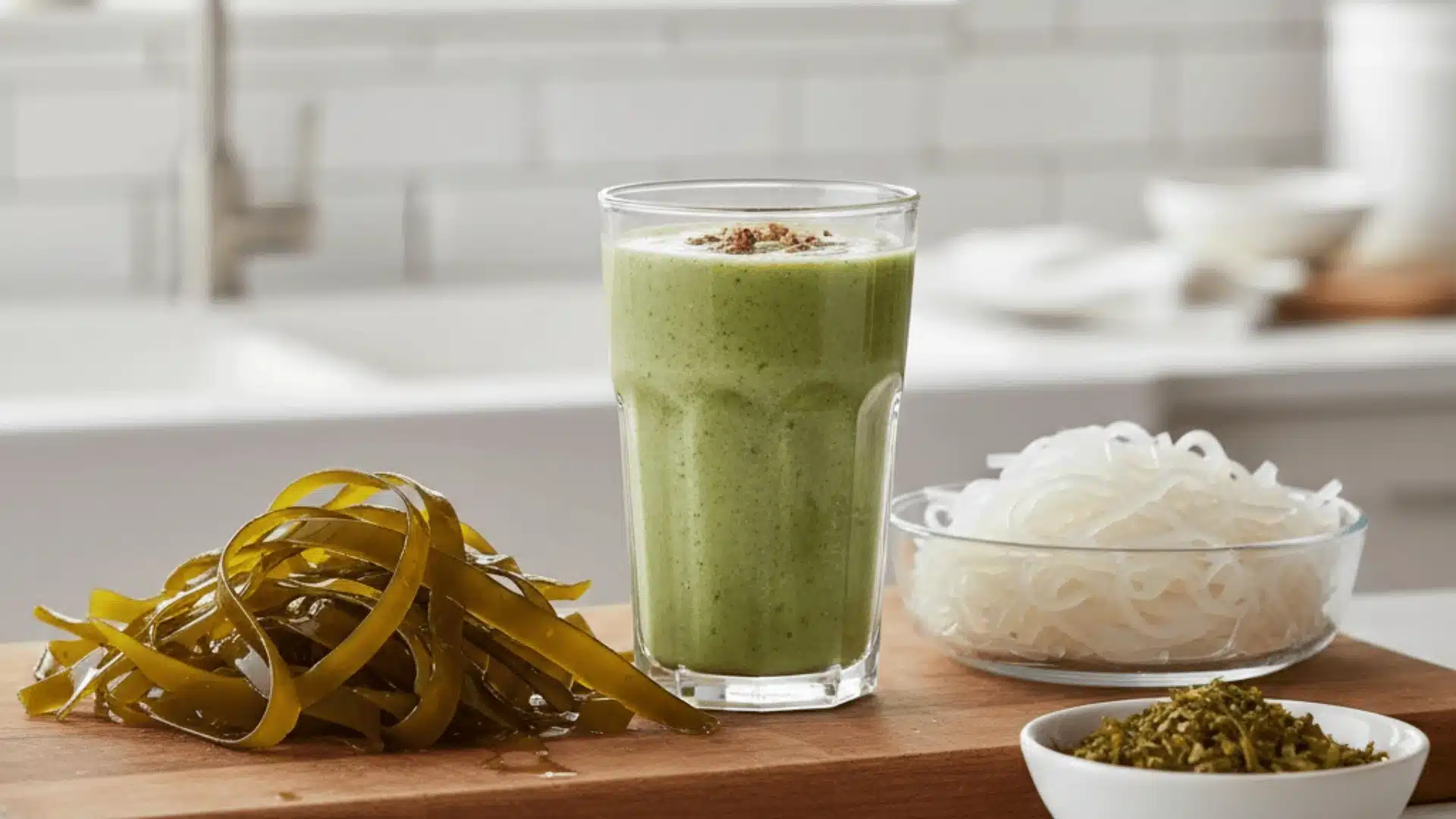
I used to ignore seaweed completely. It never felt like something that belonged in my kitchen.
But once I started reading about kelp benefits, I realized I had been overlooking something powerful.
Kelp is naturally rich in iodine, which supports thyroid function and energy levels.
When I added small amounts to soups, I actually felt the difference.
Curious if it could fit into your routine too?
What is Kelp: Is it Something to Eat or to Use?
Kelp is a type of large brown seaweed. It grows in shallow, nutrient-rich ocean waters.
According to the National Oceanic and Atmospheric Administration, kelp forests are among the most productive and dynamic ecosystems on Earth.
And yes, you can both eat it and use it.
As a food, kelp shows up in soups, salads, noodles, and seasoning powders. In many Asian countries, it has been a kitchen staple for centuries.
But kelp also works its way into skincare products, hair treatments, and supplements.
So it is not just a health food store item. It is genuinely versatile, from your plate to your bathroom shelf.
Nutrition Facts of Kelp
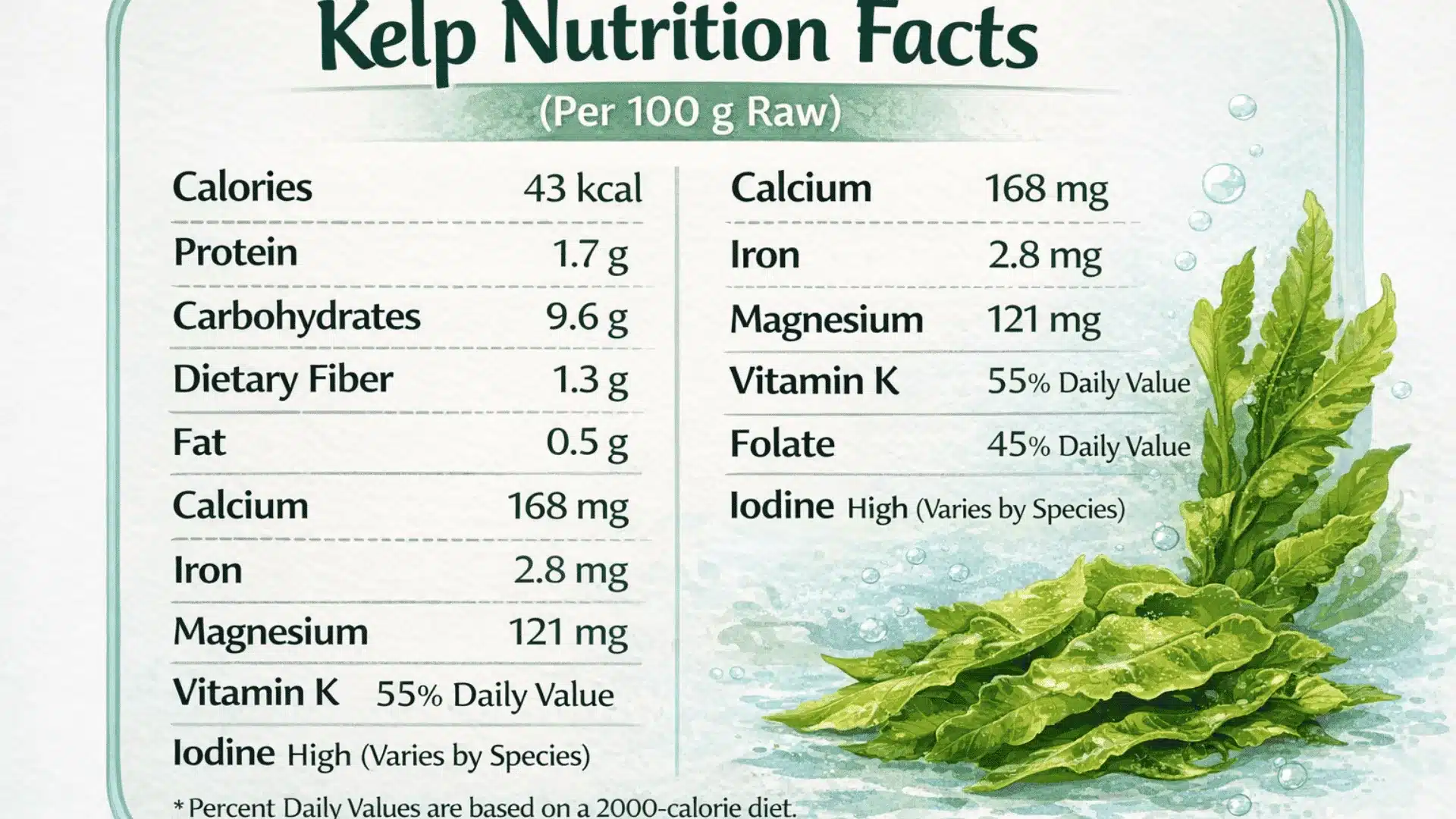
The nutrition values mentioned are supported by data from the University of Rochester Medical Center, which lists raw kelp as a low-calorie food rich in iodine, calcium, iron, magnesium, vitamin K, and folate.
Kelp Benefits (More Than You’d Expect)
Most people hear “seaweed” and think of sushi.
But kelp does a lot more than sit on a plate. It supports your health from the inside out.
Your hair, skin, hormones, and overall well-being can all feel the difference.
Let’s look at each one up close.
Health Benefits of Having Kelp
Kelp has been studied for good reason. The nutrients in it work together to support some key body functions.
Here’s what regular kelp intake may do for your health:
- Thyroid support: Kelp is one of the best natural sources of iodine. Your thyroid needs iodine to make hormones that control metabolism and energy.
- Blood sugar balance: Some research suggests kelp may help slow sugar absorption. This can help manage energy levels throughout the day.
- Gut health: Kelp contains a natural fiber called alginate. It supports digestion and helps keep your gut moving smoothly.
- Anti-inflammatory properties: Kelp contains fucoidan, a compound that may help reduce inflammation in the body.
- Heart health: The fiber and antioxidants in kelp may support healthy cholesterol levels and blood pressure.
One thing to keep in mind, though. Too much iodine can negatively affect thyroid health. So moderation is key with kelp.
Kelp Benefits for Hair
If your hair feels thin, dry, or just not growing as fast as you’d like, kelp might be worth looking into.
Here’s how kelp may support your hair:
- Promotes hair growth: Iodine in kelp supports thyroid function. And a healthy thyroid is directly linked to healthy hair growth.
- Reduces hair loss: Low iodine levels are often connected to hair thinning and shedding. Getting enough iodine through kelp may help slow that down.
- Adds strength: Kelp is rich in iron and zinc. Both nutrients play a big role in keeping hair strands strong and less prone to breakage.
- Nourishes the scalp: The vitamins and minerals in kelp help feed the scalp. A well-nourished scalp creates better conditions for hair to grow.
- Adds shine: Some people use kelp-based hair products to add moisture and natural shine to dull hair.
So if you have been spending a lot on hair serums and not seeing results, the problem might actually start from within. And kelp could be a simple, natural place to start.
Kelp Benefits for Women
Kelp has some specific benefits that are especially relevant for women. A lot of it comes down to hormones, bone health, and energy.
Have look on what kelp may do for women:
- Supports hormonal balance: Iodine in kelp plays a key role in thyroid health. The thyroid controls many hormonal activities in the body. When it works well, many women notice better energy, mood, and cycle regularity.
- Bone strength: Kelp contains calcium and vitamin K, both of which are important for maintaining strong bones. This becomes especially important as women age and their bone density starts to drop.
- Iron support: Many women experience low iron levels, especially during their menstrual cycle. Kelp provides a plant-based source of iron that can help keep energy levels steady.
- Folate for reproductive health: Kelp contains folate, which is important for cell growth and reproductive health. It is especially useful for women who are planning a pregnancy.
- Weight management: Some early research suggests kelp may support a healthy metabolism. This can be useful for women looking to manage their weight naturally.
Kelp Benefits for Men
Kelp is not just for women. Men can get a lot out of it too. From energy to muscle function, the nutrients in kelp line up well with what many men need daily.
Here is what kelp may offer men specifically:
- Energy and stamina: Iron and magnesium in kelp help the body produce and use energy more efficiently. This can make a real difference for men who are physically active or have demanding daily routines.
- Muscle function: Magnesium supports proper muscle contraction and recovery. Men who work out regularly may find kelp a useful addition to their diet.
- Heart health: Men are statistically at a higher risk of heart disease. The antioxidants and fiber in kelp may support healthy cholesterol and blood pressure levels over time.
- Thyroid and metabolism: The iodine in kelp helps keep the thyroid functioning properly. A healthy thyroid means a steadier metabolism, which helps with weight and energy management.
- Bone health: Calcium and vitamin K in kelp support strong bones. This matters for men too, especially as they get older.
- Reducing inflammation: Fucoidan, a compound found in kelp, has shown potential in reducing inflammation. This can support recovery and overall physical health.
Kelp is not a magic fix. But as part of a balanced diet, it provides men with a solid nutritional boost with minimal effort.
Kelp Benefits for Skin
Your skin reflects what’s going on inside your body. Kelp contains nutrients that directly support healthy, clear skin.
Here is what kelp may do for your skin:
- Fights free radical damage: Kelp is rich in antioxidants like vitamin C and carotenoids. These help protect skin cells from damage caused by pollution, sun exposure, and stress.
- Supports skin hydration: Kelp contains natural minerals that help the skin retain moisture. This can leave skin feeling softer and more supple over time.
- May reduce inflammation: The fucoidan in kelp has anti-inflammatory properties. This may help calm irritated or red skin, making it useful for people with sensitive skin.
- Supports collagen production: Vitamin C in kelp plays a role in collagen production. More collagen means firmer, more youthful-looking skin.
- Helps with acne: Some studies suggest that the antibacterial properties of kelp may help reduce acne-causing bacteria on the skin.
- Brightens skin tone: The vitamins and minerals in kelp may support an even skin tone over time with regular use.
You will find kelp as an ingredient in many face masks, serums, and moisturisers today.
But eating it regularly may give your skin just as much benefit from the inside out.
Here’s How I Use Kelp
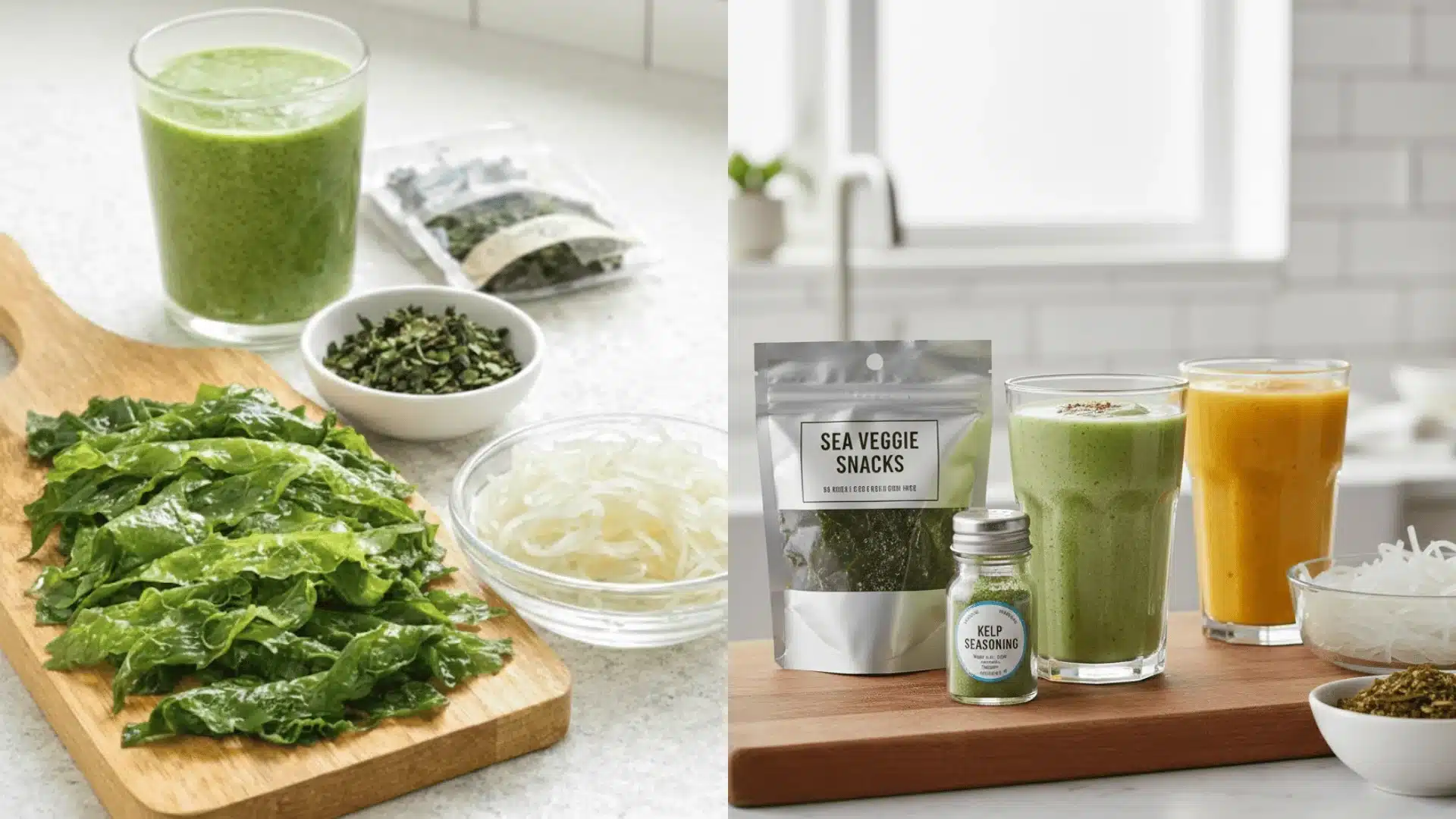
I was a little unsure about kelp at first. It sounded like something only health fanatics would eat.
But once I started looking into it, I realised it was a lot simpler to use than I thought.
Kelp Powder in Smoothies
I usually add a small pinch of kelp powder to my morning banana almond milk smoothie.
The banana’s natural sweetness hides the ocean taste so well that I hardly notice it at all.
Now I am thinking of mixing it into a mango smoothie next to see if the tropical flavor blends even better.
Kelp Noodles
I swapped my regular rice noodles for kelp noodles in a miso soup. They were lighter and lacked much flavour on their own, which I actually liked.
They soaked up the broth really well.
I plan to use them next in a peanut stir-fry sauce to see how they hold up.
Dried Kelp as a Snack
I keep a small pack at my desk and snack on it between meals.
It is salty and crunchy, but the sea-like taste is quite strong on its own. It took me a few tries to get used to it. Next, I want to pair it with hummus to balance the flavour out.
Kelp Seasoning
I sprinkle kelp flakes over scrambled eggs, and it adds a mild, savoury depth that I genuinely enjoy. It does not overpower the dish at all.
It actually made plain eggs taste more interesting.
I am planning to try it over roasted vegetables next to see how the flavour develops with heat.
Kelp Supplements
On days when I skip cooking altogether, I take a kelp capsule with my breakfast. There is no taste at all, which makes it the easiest option for me.
I liked how simple it was to stay consistent. I plan to stick with this on weekdays and use food-based kelp only on weekends
I would suggest starting small. A little kelp goes a long way, especially because of its iodine content.
Too much too soon can upset the balance. So ease into it and see how your body responds.
Side Effects of Kelp You Should Know About
Kelp is natural, but that does not mean it works the same way for everyone. Get a quick look at the possible side effects and who should be careful:
| Side Effect | Why It Happens | Who Should Be Careful |
|---|---|---|
| Thyroid disruption | Kelp is very high in iodine. Too much iodine can overwork or slow down the thyroid | People with existing thyroid conditions |
| Digestive discomfort | High fiber content in kelp can cause bloating or an upset stomach | People with sensitive digestive systems |
| Heavy metal exposure | Kelp absorbs minerals from the ocean, including heavy metals like arsenic and lead | Pregnant women and young children |
| Medication interference | Kelp may interact with blood thinners and thyroid medications | People on prescription medications |
| Allergic reactions | Some people may be allergic to seaweed or iodine | People with known seaweed or iodine allergies |
| Too much iodine | Eating kelp in large amounts daily can push iodine levels too high | Anyone consuming kelp in excess |
Kelp is safe for most people when eaten in reasonable amounts.
However, medical guidance from Johns Hopkins Medicine advises caution with high iodine intake, especially for those with thyroid conditions or on medication
Final Thoughts
Kelp is simple, natural, and genuinely good for you. The kelp benefits go far beyond what most people expect, from stronger hair and clearer skin to better energy and heart health.
Start small, stay consistent, and see what works for your body.
And if you found this helpful, share it with someone who might need it.
Got questions or personal experiences with kelp? Drop them in the comments below!
Frequently Asked Questions
What are the Side Effects of Taking Kelp?
Too much kelp can disrupt thyroid function, cause digestive issues, and expose you to heavy metals.
Does Kelp Detox the Body?
Kelp contains antioxidants and fiber that may support the body’s natural ability to clear waste out.
Is it Safe to Take Kelp Every Day?
Yes, in small amounts. But eating too much daily can raise iodine levels above your body’s needs.
What Does Kelp do for the Female Body?
Kelp supports hormonal balance, bone strength, iron levels, and reproductive health in women when consumed in moderation.