

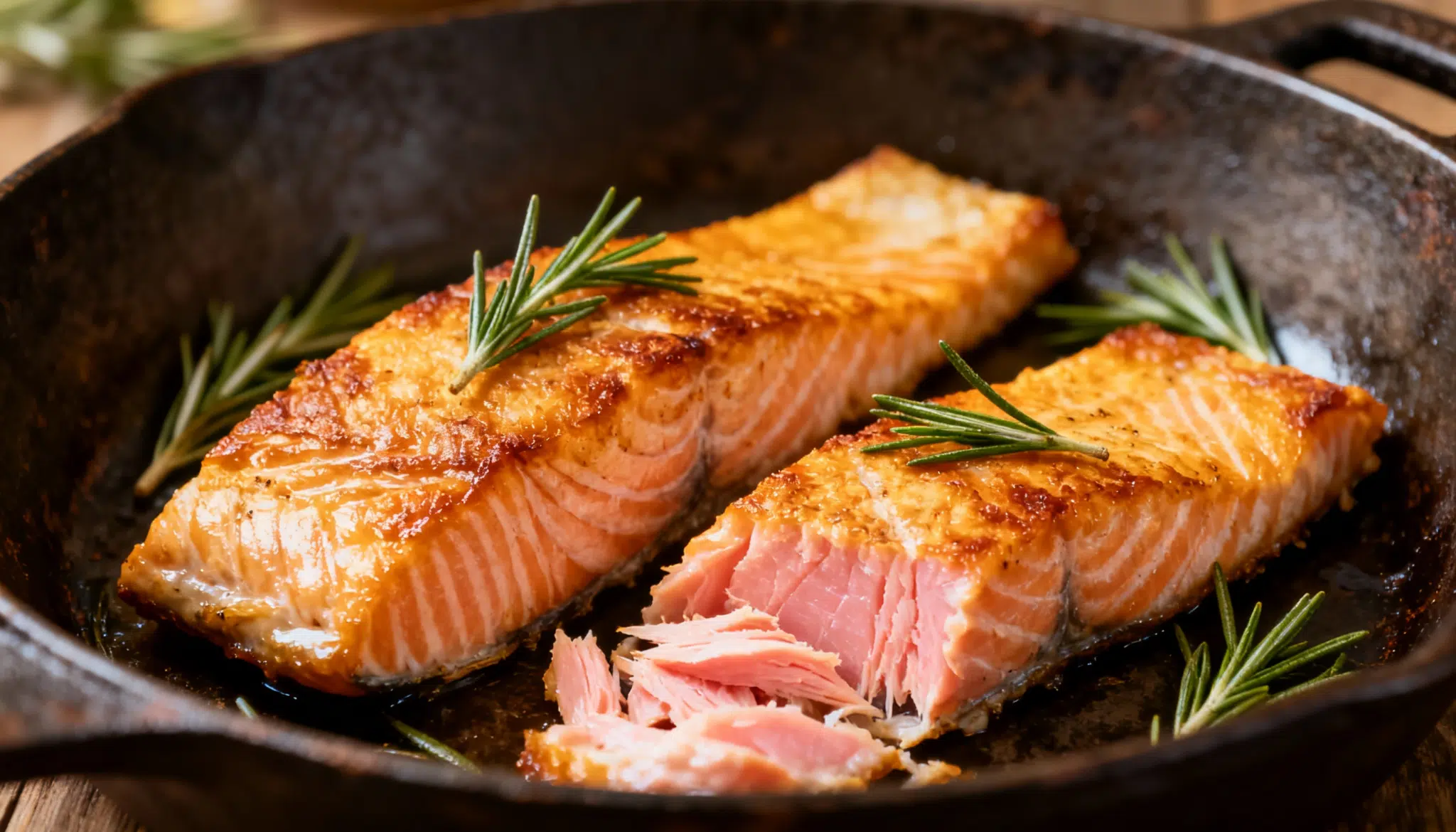
Most people think cooking fish at home means dealing with complicated steps or expensive tools.
It doesn’t.
Pan-fried fish takes about ten minutes from start to finish, and you probably already have everything you need in your kitchen.
A hot pan, some oil, and basic seasoning are really all it takes.
Once you get the technique down, you’ll skip the takeout line every time.
Best Fish for Stovetop Pan Cooking
Not all fish work equally well in a pan. Some fall apart too easily, while others turn dry before they brown.
Tilapia, cod, haddock, and snapper are solid choices because they have firm flesh that holds together during cooking. They cook through quickly and evenly, which means less time watching the pan.
What to Look For
Fillets that are about the same thickness cook at the same rate. Flesh that looks moist but not slimy is a good sign of freshness. A mild smell, not fishy or strong, tells you the fish is fresh.
Thicker cuts like salmon or tuna need a different approach since they take longer to cook through.
Stick with thinner white fish when you’re starting.
Delicate options like sole or flounder tear easily and need a gentler touch, so skip them if you’re just starting out.
Ingredients You Need
White fish such as tilapia, cod, haddock, or snapper work best for this recipe.
These varieties have a mild flavor and hold up well in the pan without falling apart. Pick fillets that are about the same thickness so they cook evenly.
This recipe serves 2.
| Ingredient | Quantity | Notes |
|---|---|---|
| White fish (tilapia, cod, haddock, or snapper) | 2 fillets | About 6 oz each |
| Salt and pepper | To taste | Season both sides |
| Mild spice (paprika, garlic powder) | Optional | Use sparingly |
| Oil (canola, sunflower, or light olive oil) | 2 tablespoons | High smoke point |
| Butter | 1 tablespoon | Optional, for richness |
| Lemon wedges | 2-3 pieces | For serving |
| Fresh herbs (parsley, dill) | Small handful | Optional finish |
The oil is essential because it can handle the heat without smoking up your kitchen. Butter adds richness, but you’ll want to add it toward the end since it burns faster than oil.
How to Pan Fry Fish Step by Step
Getting the technique right makes all the difference between fish that sticks to the pan and fish that slides right off with a golden crust.
Follow these steps in order, and you’ll have a perfectly cooked pan-fried fish recipe every time.
Step 1: Pat the Fish Dry
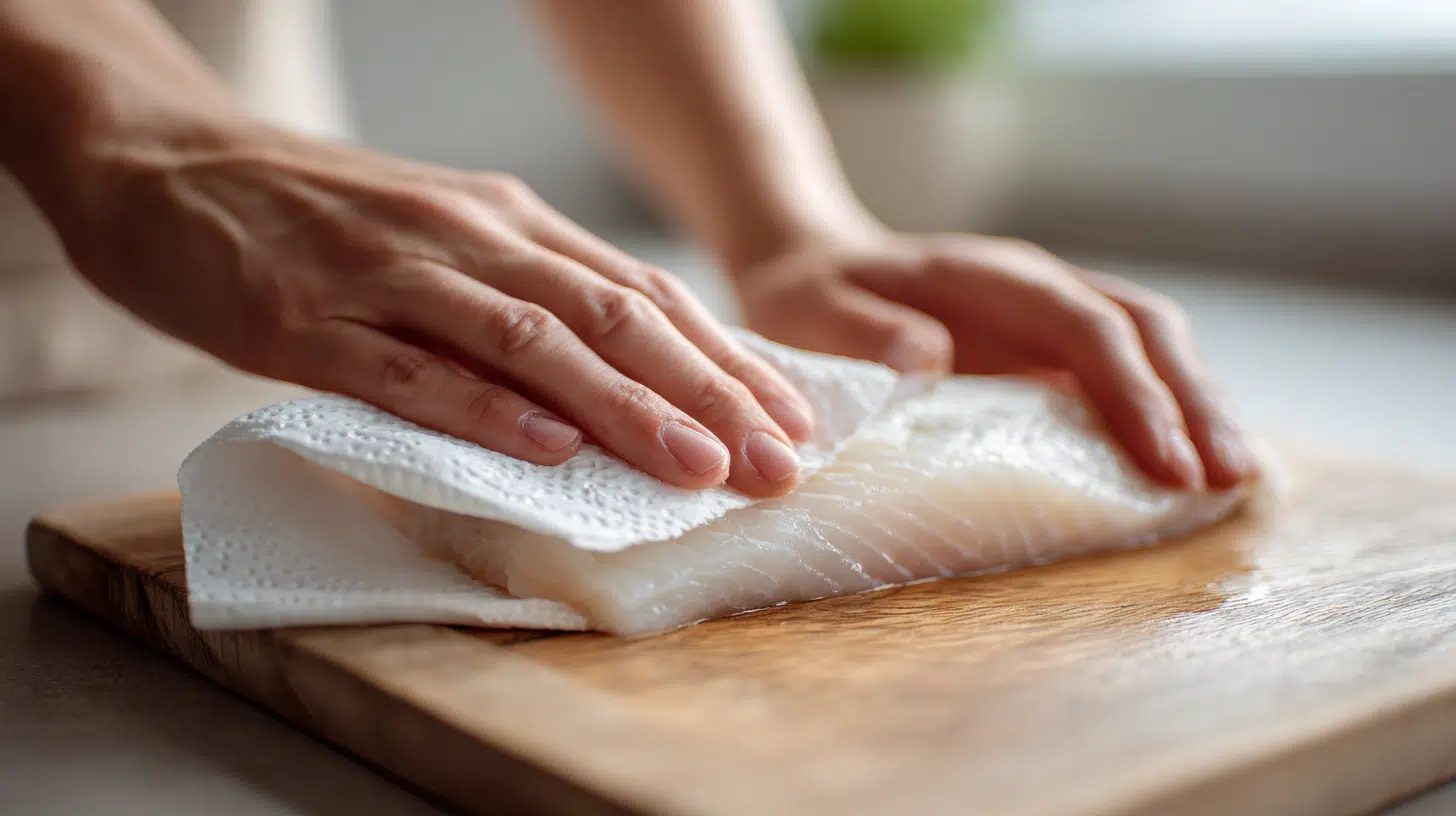
Use paper towels to remove all surface moisture. This step matters more than most people think.
Dry fish browns better and does not steam in the pan, which is what creates that crispy texture you’re after. Make sure both sides feel dry before seasoning.
If there’s still dampness, grab another paper towel and press gently.
Step 2: Season the Fish Well
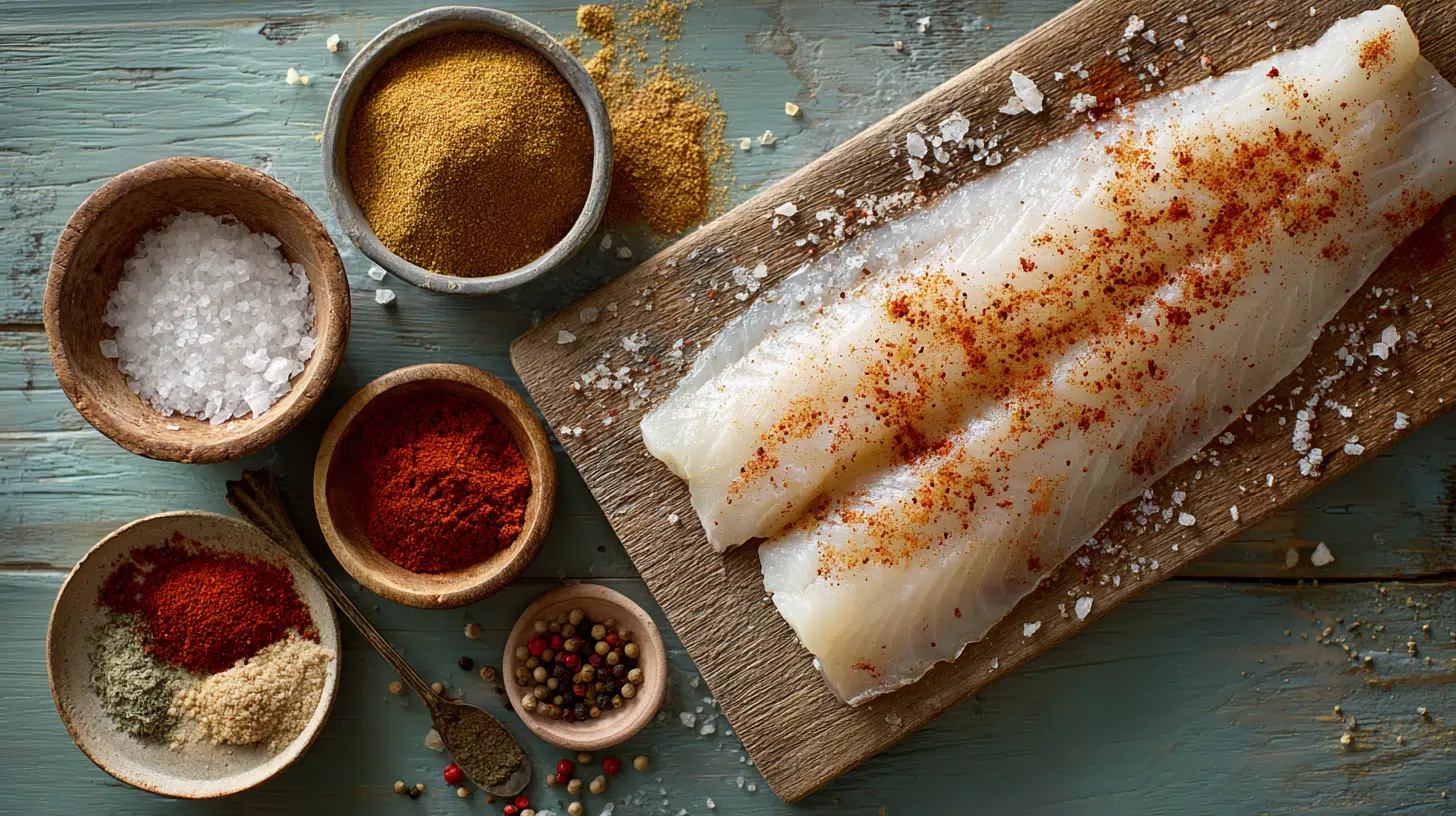
- Sprinkle salt and pepper evenly on both sides.
- Add paprika or garlic powder if you want more flavor.
- Do not over-season, as fish has a gentle taste.
- Let the fish rest for 5 minutes so the salt can settle.
The resting time helps the seasoning stick and lets the salt start working into the flesh. You’re not curing it, just giving it a head start.
Step 3: Warm Your Pan
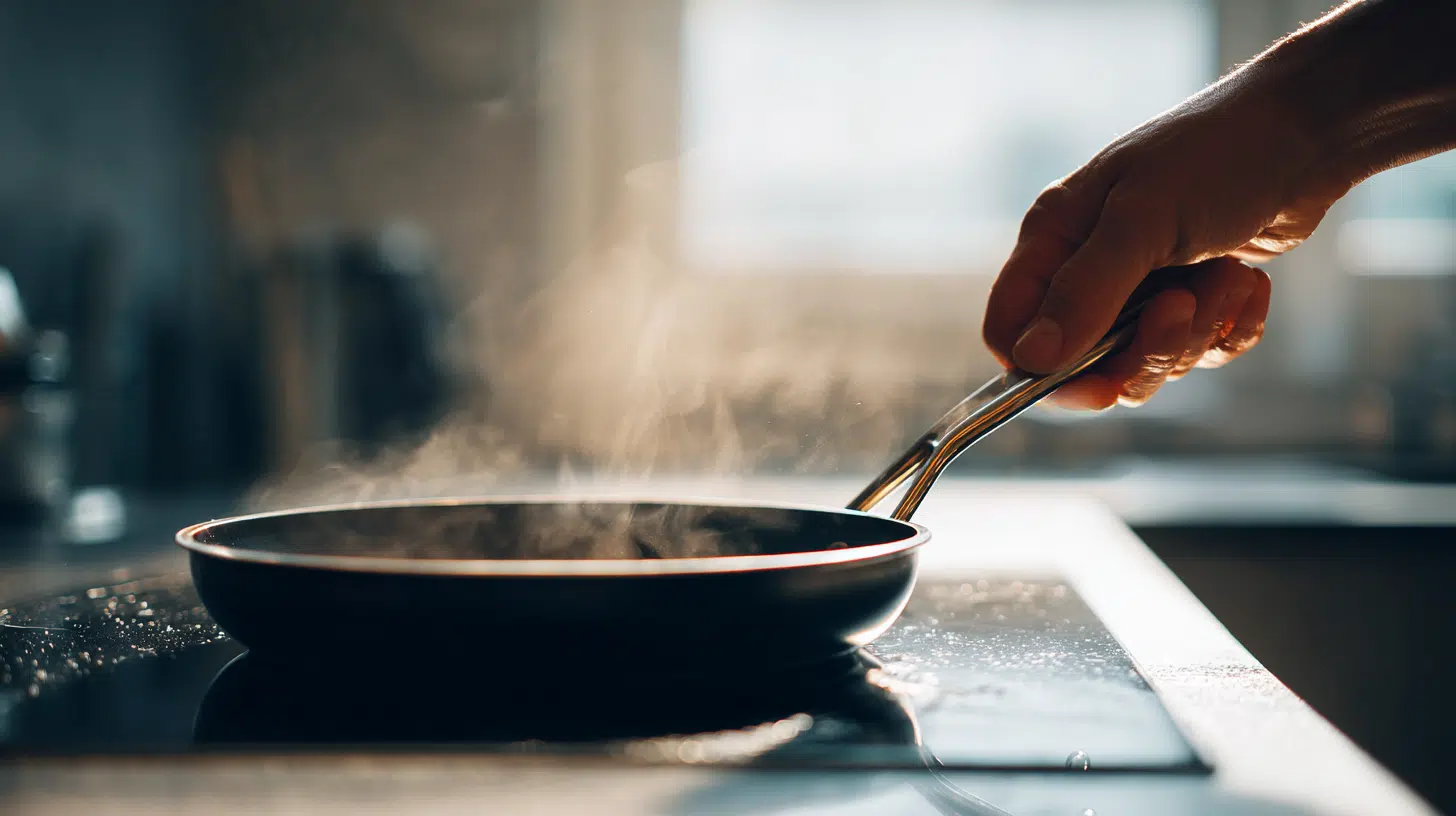
Set your pan on medium heat. Let it warm for at least 2 minutes.
A warm pan helps prevent sticking and allows the fish to brown properly instead of soaking up oil. You can test it by flicking a drop of water onto the surface.
If it sizzles and evaporates quickly, you’re ready.
Step 4: Add Oil and Place the Fish
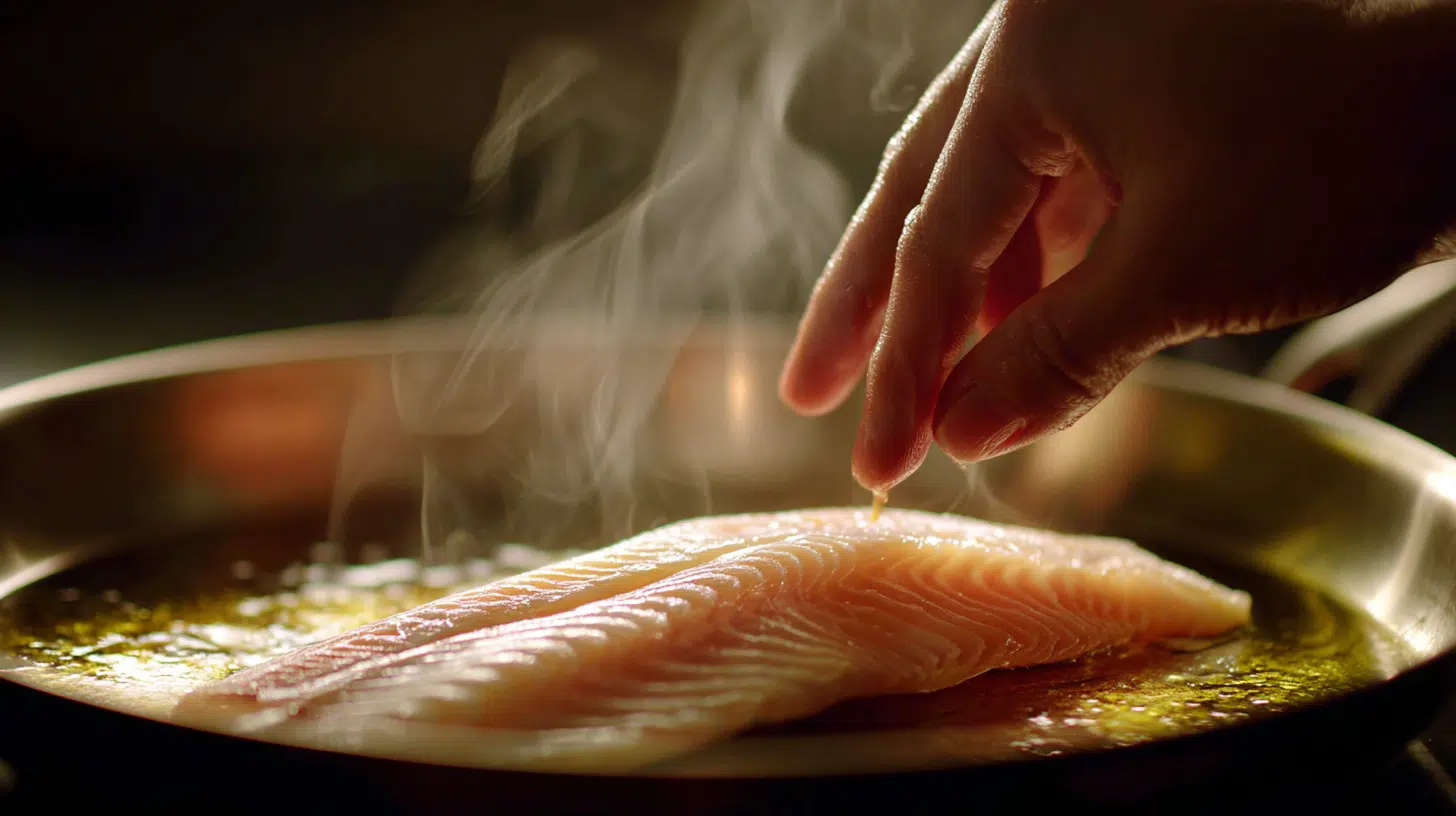
Pour in enough oil to coat the bottom lightly. Wait until the oil shimmers, which tells you it’s hot enough to sear.
Place the fish in the pan with the skin or smooth side down first. Lay it away from you so the oil does not splash back toward your hand or face.
Step 5: Cook the First Side
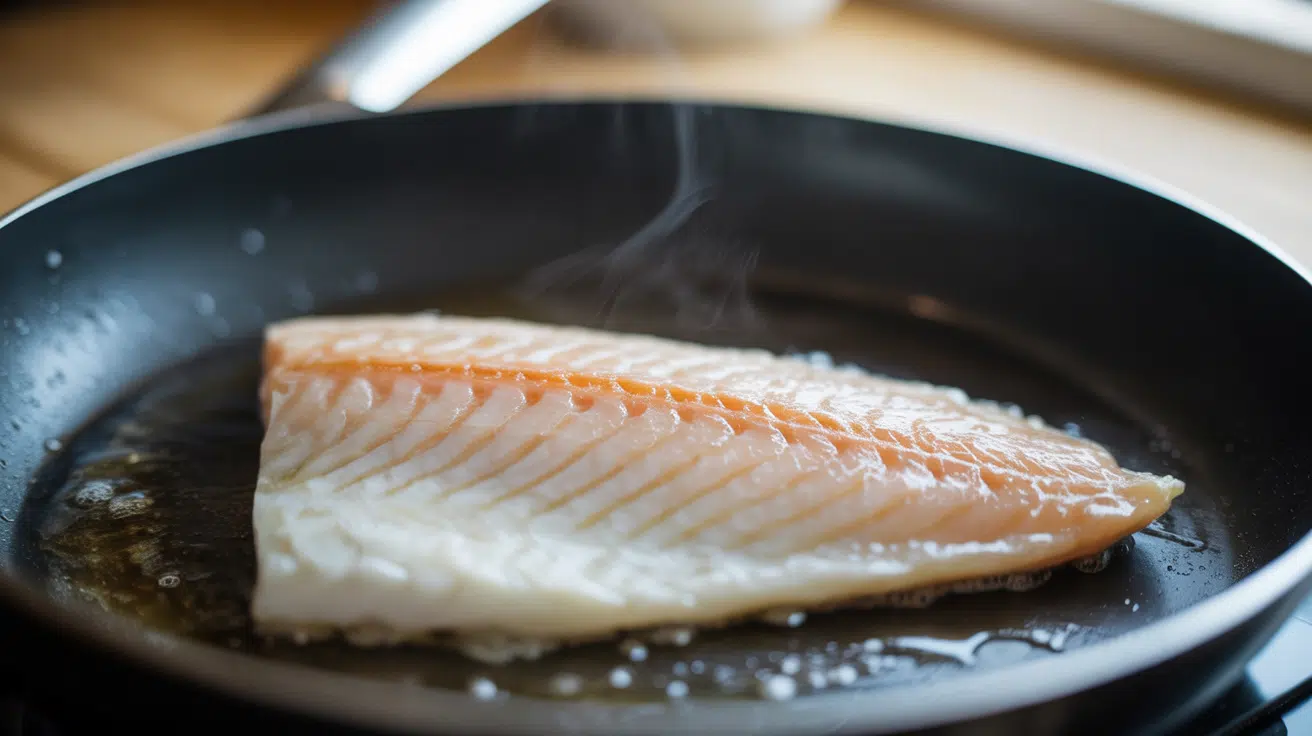
- Do not move the fish once it is in the pan.
- Let the underside cook until the edges turn golden.
- This usually takes 3 to 4 minutes for a thin fillet.
- When the fish releases from the pan with little effort, it is ready to flip.
Patience here pays off. Moving it too soon will tear the skin or coating.
Step 6: Cook the Second Side
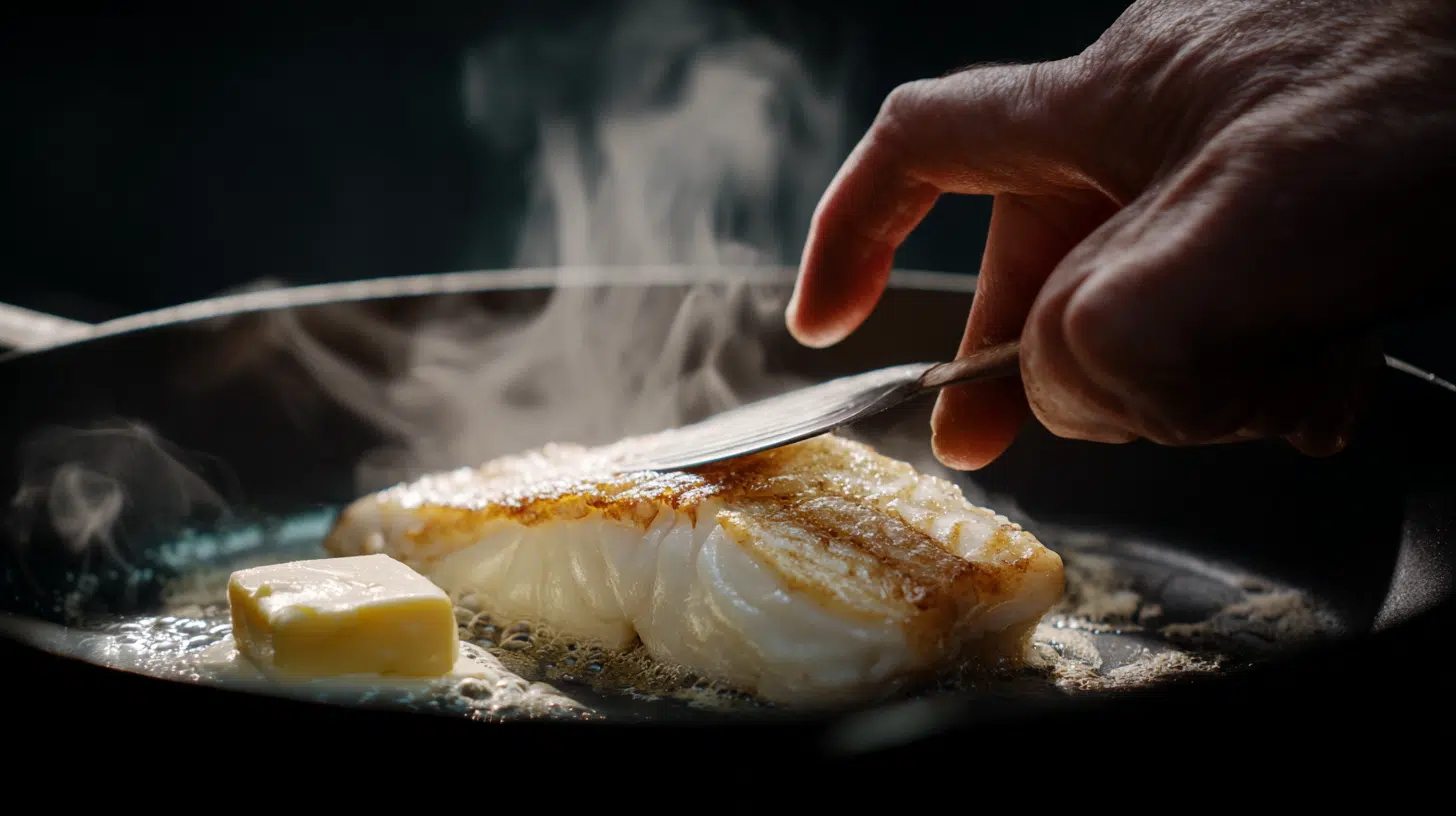
Flip gently using a spatula.
Add a small amount of butter at this stage if you like a richer taste.
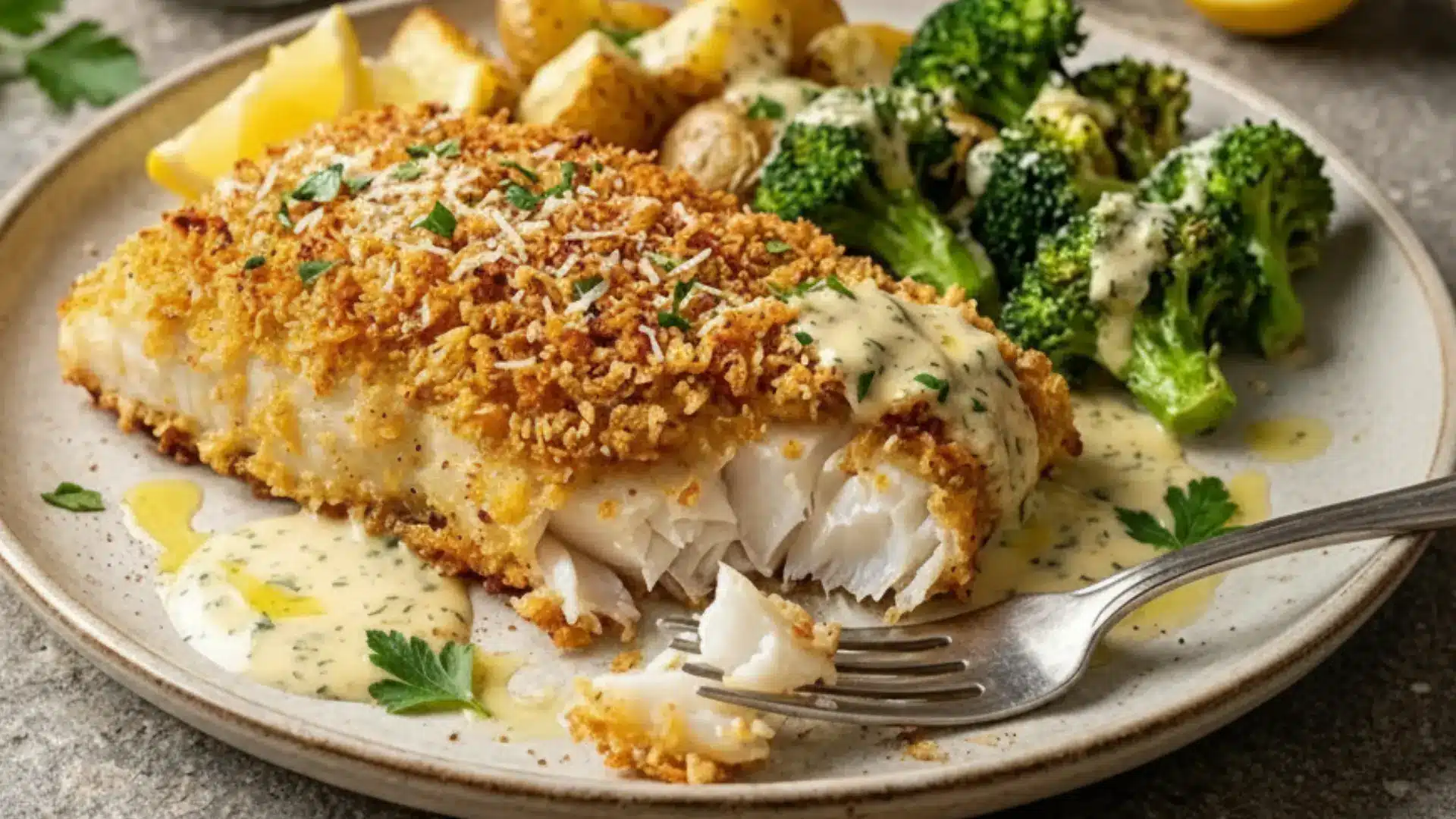
Cook for 2 to 3 minutes until the fish flakes easily with a fork. The second side cooks faster because the fillet is already heated through.
Remove from the pan as soon as it is done to avoid dryness.
Tips That Help You Get a Crisp Outside and Soft Inside
Getting that perfect texture comes down to a few key moves that make a real difference.
- Keep the heat steady; too high will burn the outside before the inside cooks through.
- Avoid overcrowding the pan, as fillets touching each other trap steam and prevent browning.
- Do not press down on the fish while it cooks, since that squeezes out moisture.
- Let the heat do the work without interference.
- Let the fish rest for a minute after cooking to settle the juices.
Cook in batches if you’re making more than two pieces. It takes a few extra minutes, but the results are worth it. If you’re cooking multiple fillets, keep the finished ones on a warm plate loosely covered while you finish the rest.
Pan-Fried Fish Recipes
Once you’ve got the basic technique down, you can switch up the flavors pretty easily.
Here are four variations that use the same pan-frying method with different seasonings and toppings.
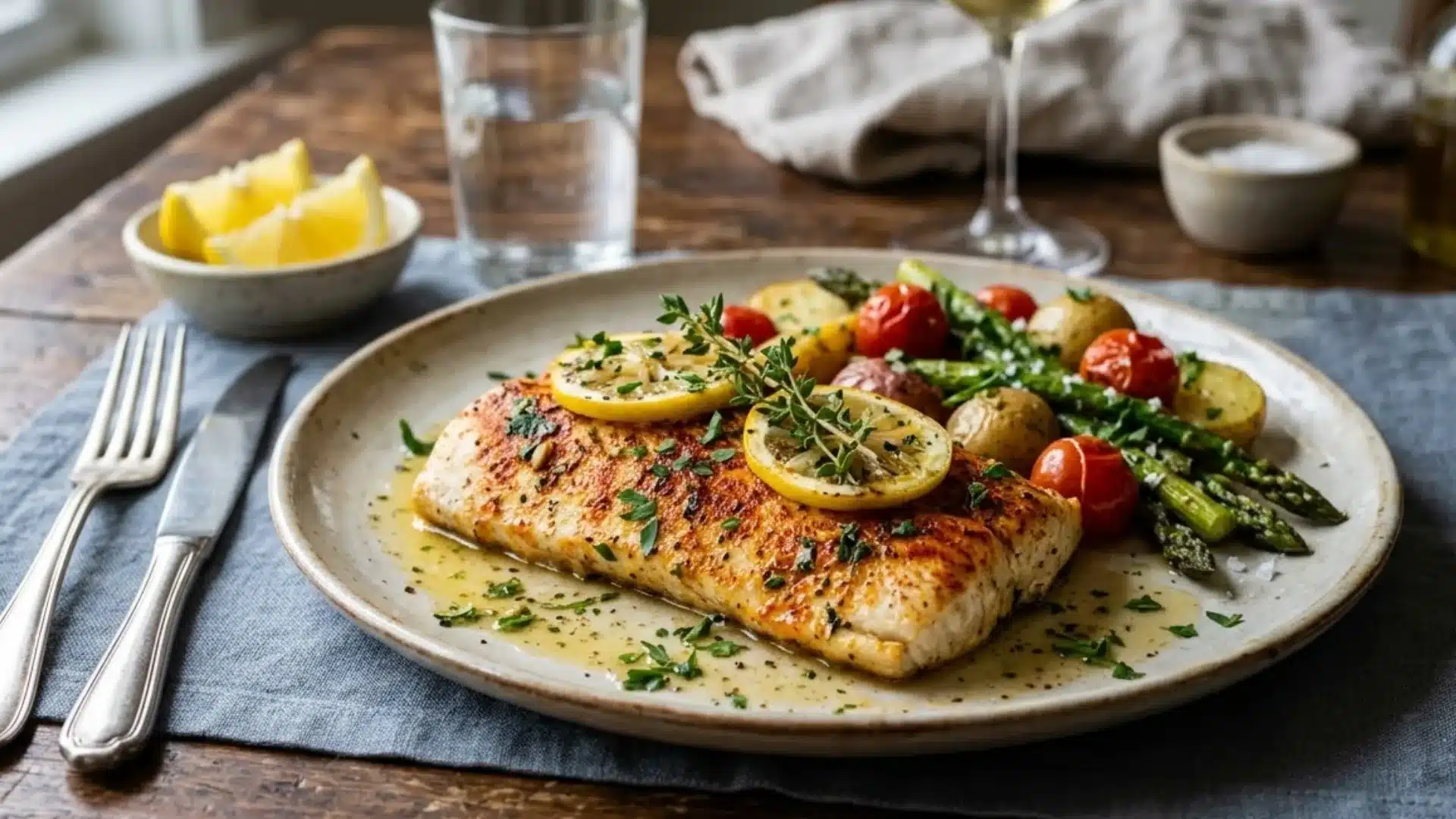
1. Lemon Herb Pan-Fried Fish
Servings: 2
Ingredients:
- 2 white fish fillets (cod or tilapia)
- 2 tablespoons olive oil
- 1 tablespoon butter
- 2 garlic cloves, minced
- Fresh parsley and dill
- Lemon juice and zest
- Salt and pepper
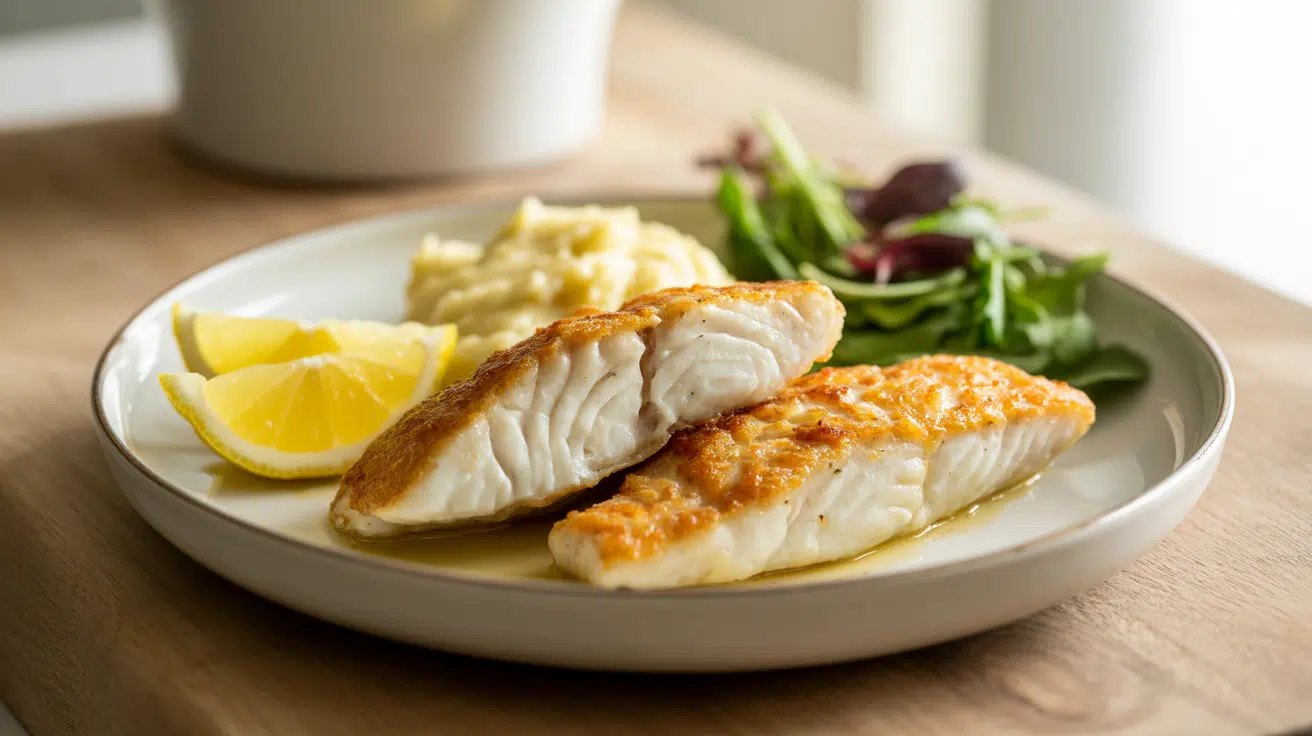
Cook the fish as described in the main recipe. In the last minute, add butter, garlic, and herbs to the pan. Squeeze fresh lemon juice over the top before serving.
Serve with steamed asparagus and rice pilaf.
2. Cajun Spiced Pan-Fried Fish
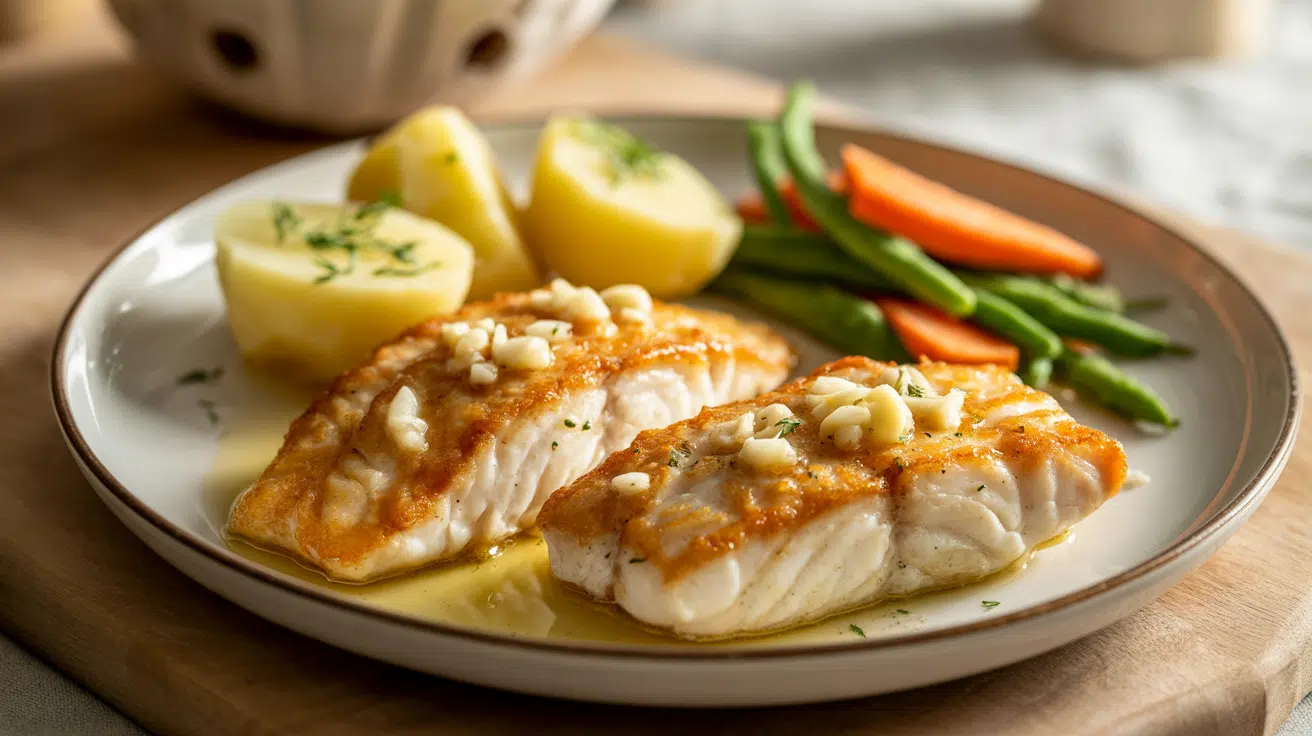
Servings: 2
Ingredients:
- 2 white fish fillets (snapper or haddock)
- 2 tablespoons canola oil
- 1 teaspoon paprika
- 1/2 teaspoon garlic powder
- 1/2 teaspoon onion powder
- 1/4 teaspoon cayenne pepper
- Salt and pepper
Mix the spices and coat both sides of the fish before cooking. The spice blend creates a flavorful crust.
Serve with coleslaw and cornbread for a Southern-style meal.
3. Garlic Butter Pan-Fried Fish
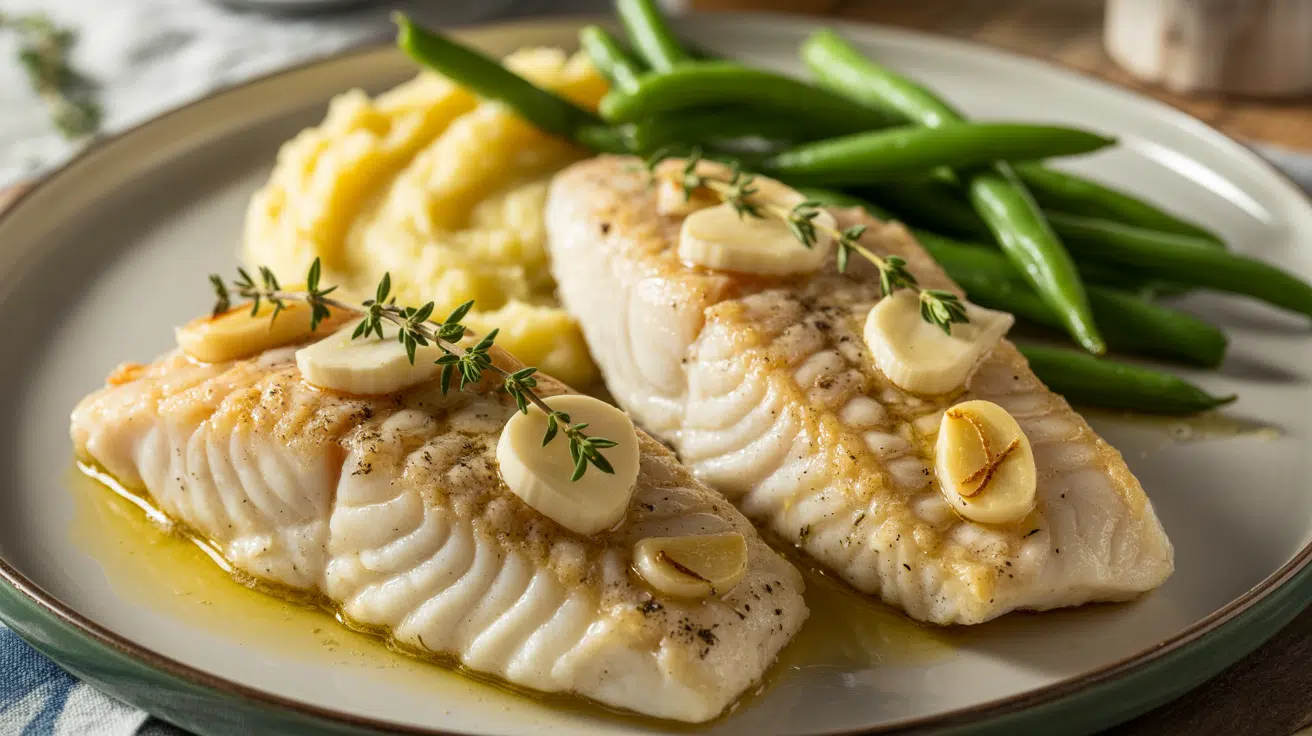
Servings: 2
Ingredients:
- 2 white fish fillets (cod or tilapia)
- 2 tablespoons sunflower oil
- 3 tablespoons butter
- 4 garlic cloves, sliced thin
- Fresh thyme
- Salt and pepper
Pan fry the fish following the primary method. Remove the fish and add butter and garlic to the same pan. Cook until the garlic turns golden, then pour over the fish.
Serve with mashed potatoes and green beans.
4. Mediterranean Pan-Fried Fish
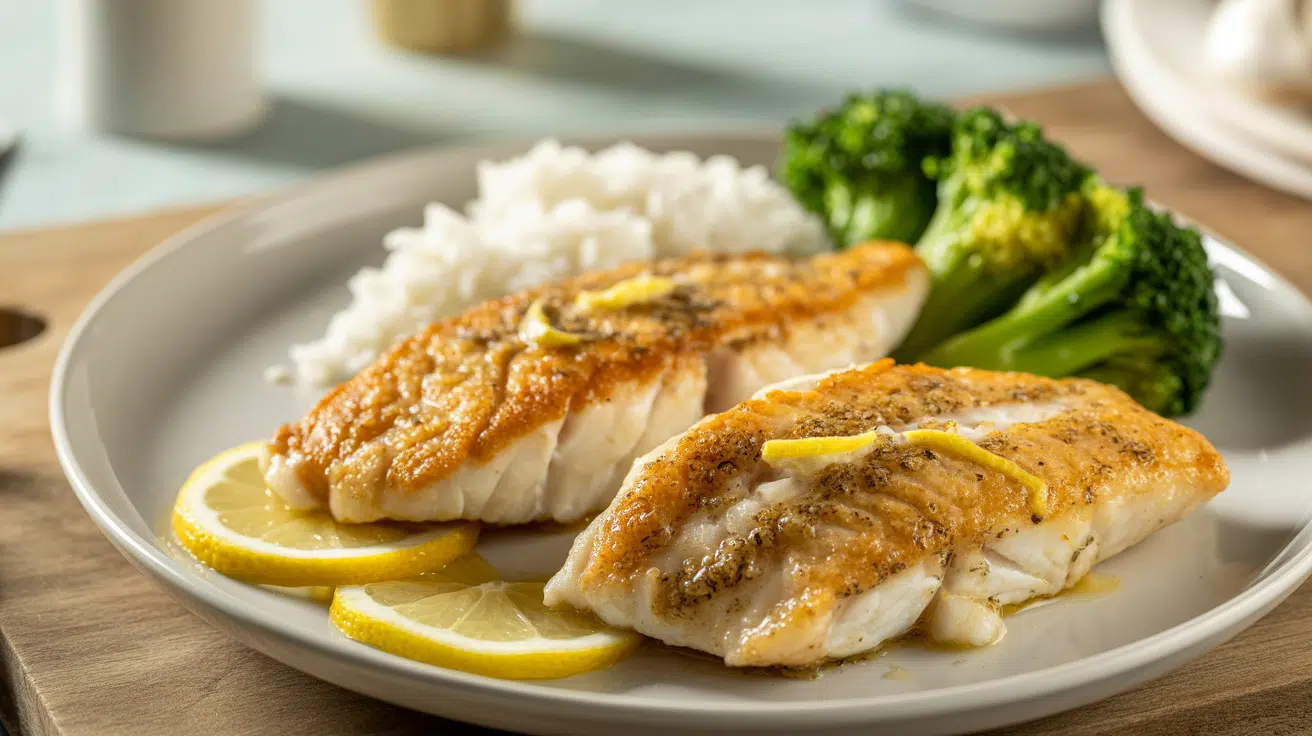
Servings: 2
Ingredients:
- 2 white fish fillets (snapper or haddock)
- 2 tablespoons olive oil
- Cherry tomatoes, halved
- Kalamata olives, sliced
- Capers
- Fresh basil
- Salt and pepper
Cook the fish as usual. In a separate pan, warm the tomatoes, olives, and capers with a bit of olive oil. Spoon the mixture over the cooked fish and top with fresh basil.
Serve with orzo pasta or a Greek salad.
Simple Sides That Go With Pan-Fried Fish
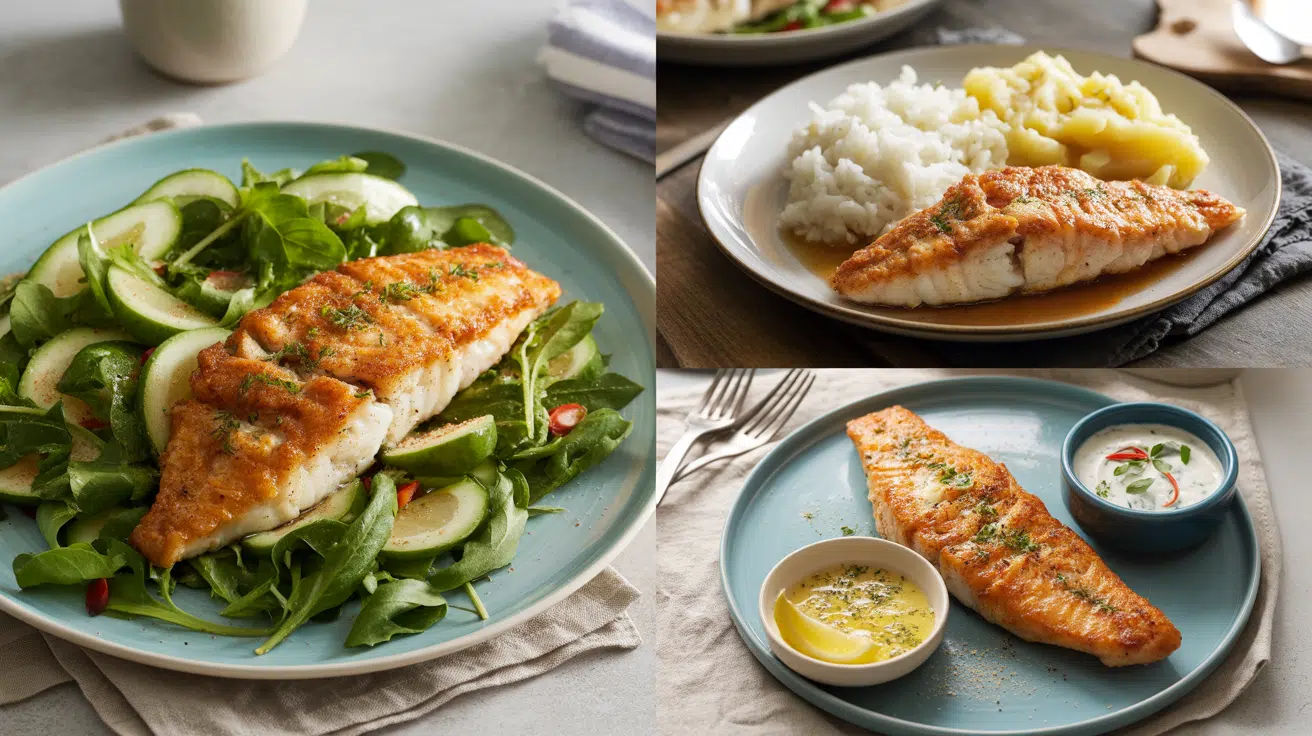
You don’t need anything complicated to round out the meal. Fish is light, so the sides should complement it without weighing everything down.
A slight green salad:
The crispness contrasts with the warm, tender fish. Toss it with a simple vinaigrette, and you’re done.
Steamed rice or mashed potatoes:
Both give you something filling if you want more substance on the plate.
They soak up any juices or sauces nicely.
Lemon garlic sauce or a light yogurt dip:
These add flavor without overpowering the fish.
The yogurt dip works exceptionally well if you’ve used spices like paprika or cumin in your seasoning. Mix in some dill, a squeeze of lemon, and a pinch of salt for a quick homemade version.
Mistakes to Avoid
Minor errors can turn a good piece of fish into something soggy or dry. Here’s what to watch out for.
1. Using wet fish: Moisture on the surface creates steam instead of a sear. Always pat it dry with paper towels before you season.
2. Starting with a cold pan: The fish will stick and absorb too much oil. Give your pan at least 2 minutes to heat up properly before adding oil.
3. Flipping too early: If the fish resists when you try to lift it, leave it alone. It will release naturally when the bottom is ready.
4. Cooking far past the point where it flakes: Overcooked fish turns rubbery and loses its flavor. As soon as a fork slides through easily, take it off the heat.
These are easy fixes that make a noticeable difference in how your fish turns out.
Storage and Reheating
Store in an airtight box for up to 2 days. Fish doesn’t last as long as other leftovers, so plan to eat it soon.
Reheat on low heat in a pan so the fish does not dry out. Add a tiny bit of oil or butter to the pan and warm it gently for a couple of minutes on each side.
Avoid the microwave if possible, as it can make the fish tough and rubbery.
The texture changes fast under that kind of heat. If you absolutely have to use it, cover the fish with a damp paper towel and use short bursts at low power.
Leftover fish also works cold in salads or on top of rice bowls if you don’t feel like reheating.
Final Thoughts
Pan frying fish at home is one of those skills that feels fancy but really isn’t.
You’ve got the steps, the tips, and everything you need to get it right on your first try. The crispy crust and tender center are just a hot pan away.
Start with a basic white fish, follow the timing, and you’ll have restaurant-quality results in your own kitchen.
Which pan-fried fish recipe are you trying first?