


Most people overcomplicate seafood.
They assume it needs fancy techniques, expensive equipment, or years of kitchen experience. It doesn’t.
I used to think the same thing, until I threw together a simple seafood medley one evening with whatever I had in the fridge. No plan. No recipe. Just shrimp, a few scallops, some garlic, and butter.
It’s forgiving, fast, and genuinely hard to mess up when you follow a few basic steps.
You don’t need to be a great cook. You just need the right recipe.
In this blog, I will share the trending recipes of seafood medley with all the new culinary trends.
What is a Seafood Medley?
A seafood medley is simply a mix of different types of seafood cooked together in one dish.
Most cooks combine shrimp with scallops. Or mix clams with mussels and fish. There’s no strict rule here.
Each seafood cooks at its own pace but finishes around the same time. Cooks can choose based on what’s fresh at the local market. Some people prefer shellfish only. Others add firm white fish to the mix.
The key is variety. Different textures. Different flavors. They all come together in one pan or pot.
Most medleys include at least three types of seafood. But starting with just two works fine.
Why You Love Seafood Medley Recipes
There’s something about a seafood medley that just feels special, and honestly.
It’s not hard to see why people keep coming back to it. A good seafood medley hits all the right notes.
It’s filling, full of flavour, and works for a quiet weeknight dinner or a table full of guests.
- It’s universal: You can mix shrimp, scallops, fish, or mussels, whatever you have on hand.
- It cooks fast: Most seafood medley recipes are ready in under 30 minutes.
- It feels like a treat: The flavours are rich, and it always looks impressive on the plate.
- It’s genuinely good for you: Seafood is packed with protein and healthy fats your body actually needs.
How to Use Frozen Seafood Medley Mix?
Frozen seafood is cheap, always available, and works just as well as fresh when handled properly.
Thaw it the Right Way
I made the mistake of dumping frozen seafood straight into a hot pan once. Big mistake. The texture was all wrong.
Now I always move the frozen mix to the fridge the night before I cook. That slow thaw keeps the shrimp, scallops, and fish firm.
It’s worth the wait.
Pat it Completely Dry Before Cooking
Once your seafood is thawed, press it gently with a paper towel. Get as much water out as you can.
Wet seafood doesn’t sear properly.
It steams in the pan instead, and you end up with something soft and rubbery rather than golden and tasty.
Season it Before it Hits the Pan
I always season my seafood mix at least five minutes before cooking.
Just a little salt, black pepper, and garlic powder. It sounds simple, but that short resting time lets the seasoning actually sink in. The difference in taste is something you’ll notice straight away.
Use a Hot Pan, Not a Warm One
My few attempts came out pale and chewy because I wasn’t patient enough with the pan.
Let it heat up properly before adding any oil or seafood. A hot pan gives you that light golden colour on the outside.
A warm pan just slowly cooks everything through, and you lose all the good texture.
Seafood Medley Recipes
Current trends show that these recipes reflect what’s hot in kitchens across the country.
1. Korean Gochujang Seafood Bowl
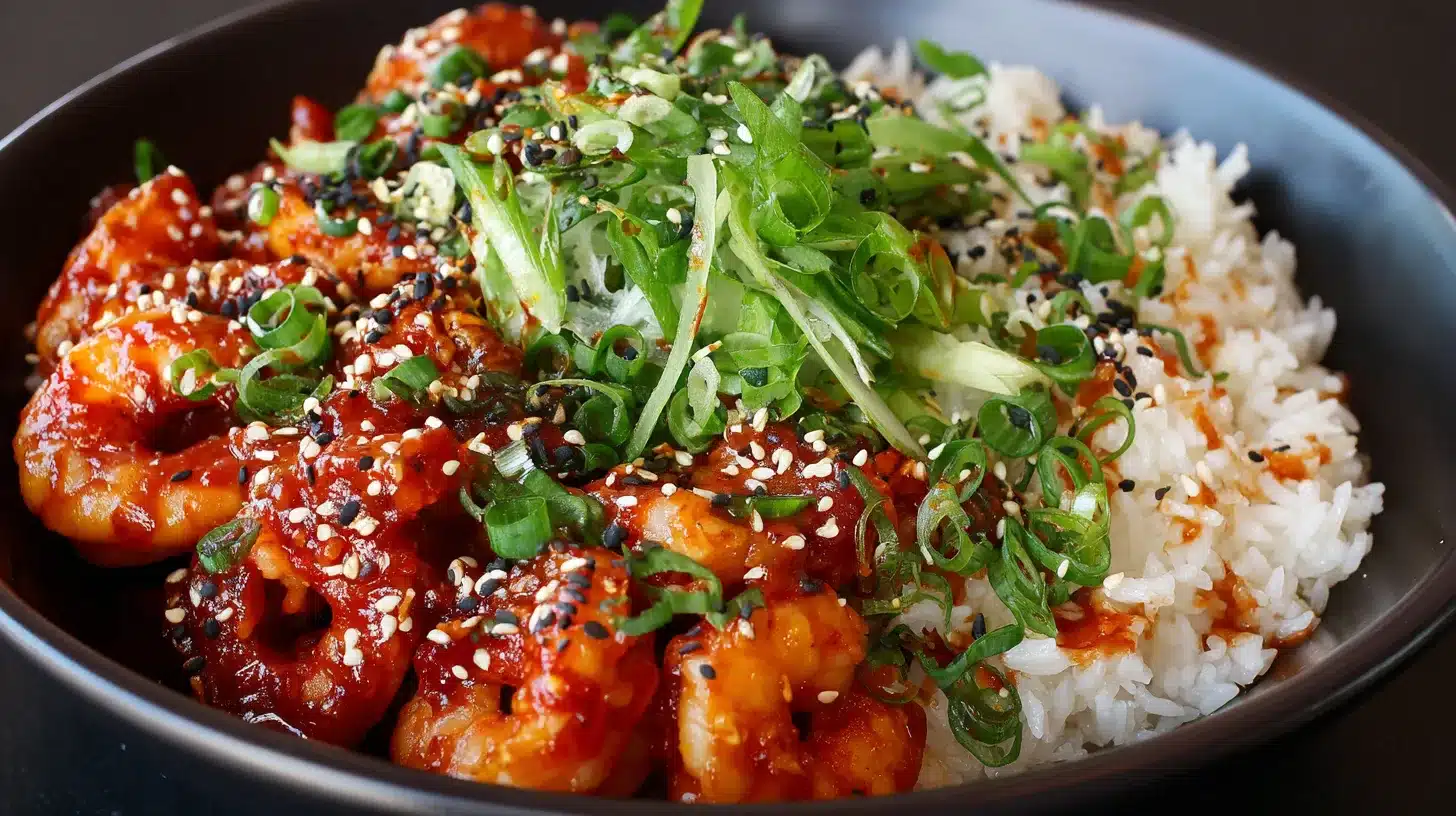
I tried this for the first time after seeing it everywhere; I was skeptical, but one bite made me understand the hype.
Gochujang paste does something really clever. It brings heat, but also a deep, slightly sweet flavour that you just can’t get from regular chilli sauce.
You don’t need a long list of ingredients to make this work.
What you’ll need:
- 400g frozen seafood medley, thawed and dried
- 2 tbsp gochujang paste
- 1 tbsp soy sauce
- 1 tsp sesame oil
- 2 garlic cloves, minced
- Steamed white rice, to serve
- Spring onions and sesame seeds, to garnish
How to make it:
- Heat a pan on high until it’s properly hot, then add a drizzle of oil.
- Add the thawed, dried seafood and cook for 2–3 minutes without moving it, let it get a little colour.
- While it cooks, mix gochujang, soy sauce, sesame oil, and minced garlic in a small bowl.
- Pour the sauce over the seafood and toss everything together for about 1 minute until well coated.
- Spoon over steamed rice and finish with spring onions and a sprinkle of sesame seeds
Ingredient swap: No gochujang? Use sriracha mixed with a teaspoon of miso paste. It’s not identical, but it gets you close.
Store leftovers in an airtight container in the fridge for up to 2 days. Reheat in a pan on low heat, the microwave makes the seafood rubbery.
2. Seafood Medley Lettuce Wraps
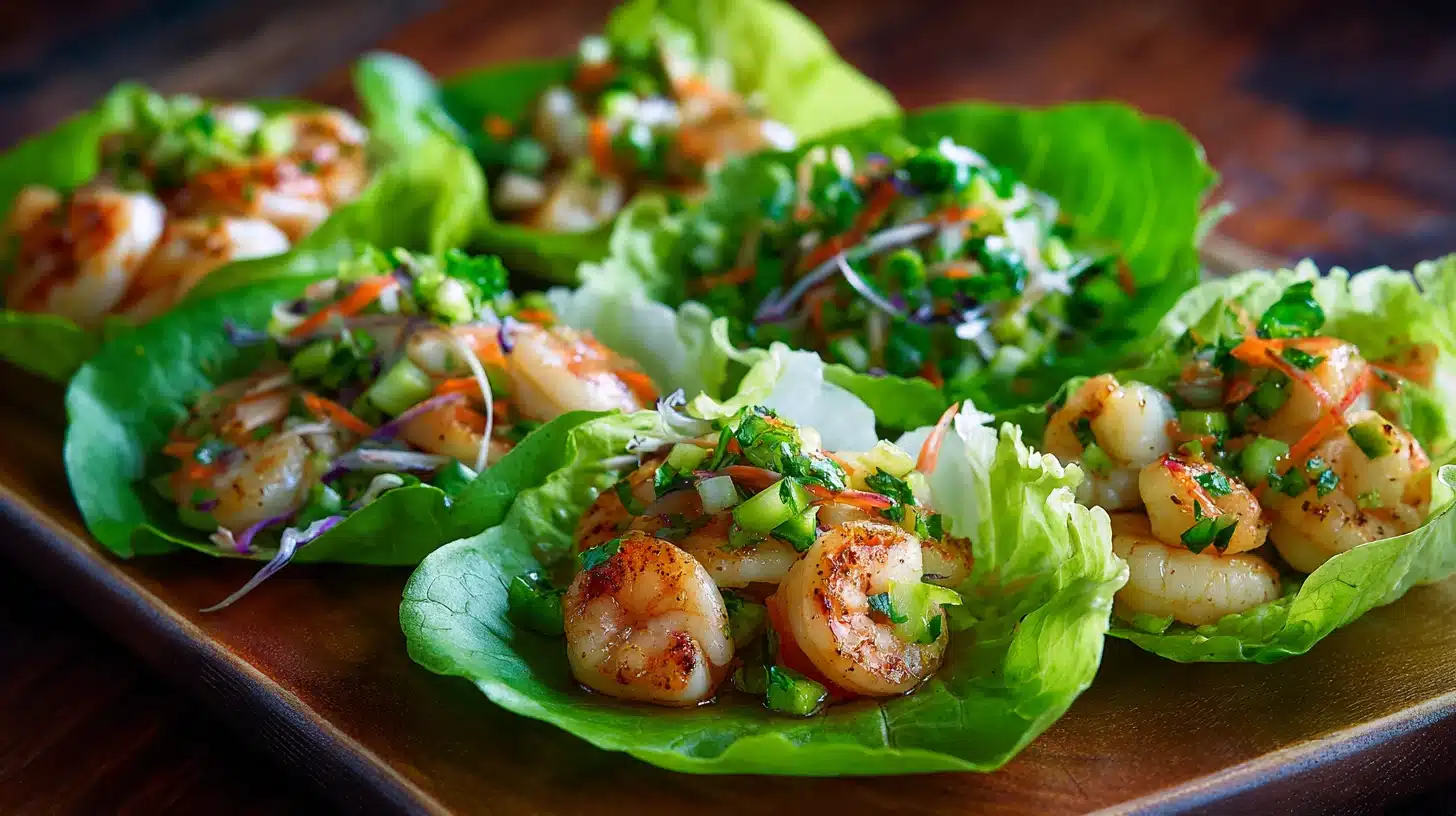
I tried it for a casual lunch, and I honestly didn’t expect much. Then I had two in a row without stopping.
The lettuce keeps things light, but the filling is punchy enough that you don’t miss the bread at all. Fresh herbs and lime do a lot of the heavy lifting here.
What you’ll need:
- 400g frozen seafood medley, thawed and dried
- 1 tbsp fish sauce
- Juice of 1 lime
- 1 tsp chilli flakes
- A handful of fresh coriander and mint
- 1 small cucumber, thinly sliced
- Butter lettuce leaves, to serve
How to make it:
- Heat a pan on high and cook the seafood for 2–3 minutes until just done. Set aside to cool slightly.
- In a bowl, mix the fish sauce, lime juice, and chilli flakes.
- Toss the cooked seafood in the dressing until every piece is coated.
- Spoon the filling into lettuce leaves and top with cucumber slices, fresh coriander, and mint.
Ingredient swap: Use a mix of soy sauce and a small squeeze of lime instead. It keeps the same salty, tangy balance.
3. Steamed Seafood Medley with Ginger
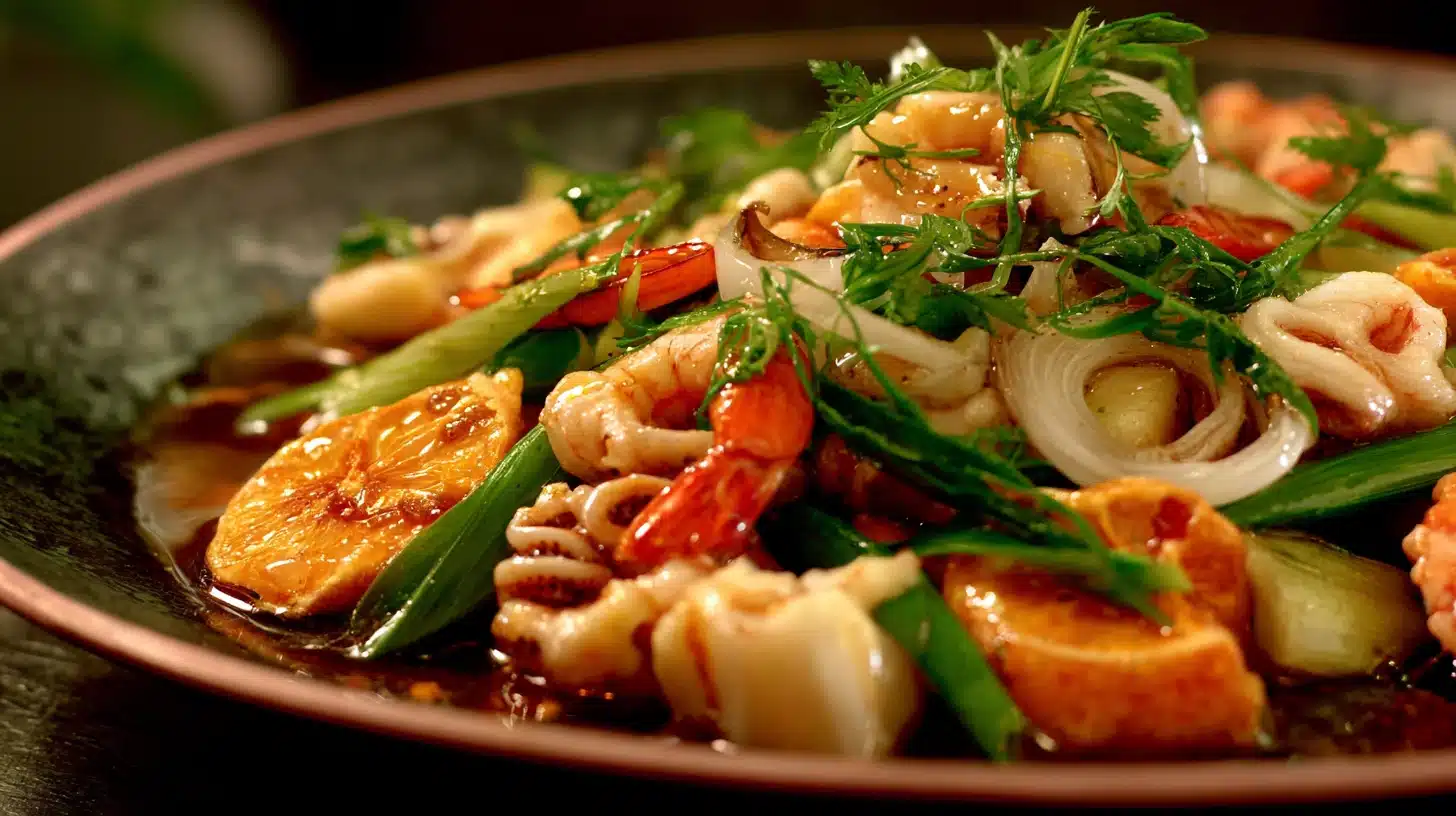
I make this on a night when I want something clean and simple, and it always turns out to be one of the most satisfying meals I’ve had in weeks. Steaming keeps everything tender.
The ginger cuts through the natural sweetness of the seafood without overpowering it.
And because there’s no added fat, the flavours stay really clean.
What you’ll need:
- 400g frozen seafood medley, thawed and dried
- A 2-inch piece of fresh ginger, sliced thin
- 2 garlic cloves, sliced
- 2 tbsp soy sauce
- 1 tsp rice vinegar
- Spring onions, to garnish
How to make it:
- Fill a pot with water and bring it to a rolling boil.
- Place the thawed seafood in a steamer basket, then lay the ginger and garlic slices flat on top.
- Set the basket over the boiling water, cover, and steam for 6–8 minutes.
- Check that the seafood is cooked through; it should look opaque and firm.
- Mix soy sauce and rice vinegar in a small bowl, drizzle over the seafood, and finish with spring onions.
Ingredient swap: Half a teaspoon of ground ginger works well. The flavour is a little less sharp but still very good.
4. Tomato Basil Seafood Stew
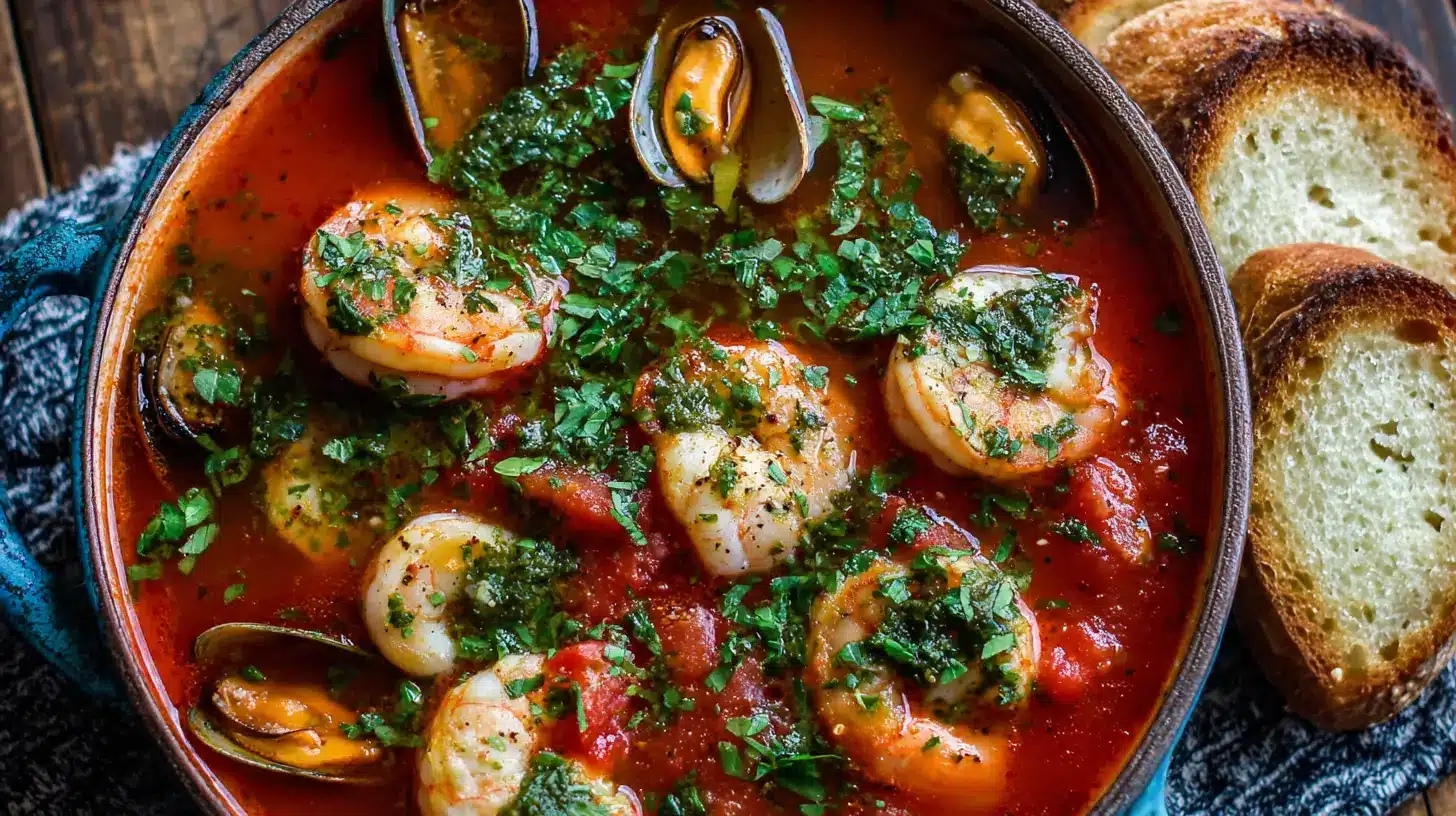
It feels like the most comforting thing I’d eaten all winter. The best part? It’s nearly impossible to get wrong.
Canned tomatoes form a solid base that’s both forgiving and full of flavour.
The longer you let it simmer, the richer it gets. Serve it with crusty bread, and you’ve got a full meal that feels far more effort than it actually was.
What you’ll need:
- 400g frozen seafood medley, thawed and dried
- 1 can (400g) crushed tomatoes
- 3 garlic cloves, minced
- 1 small onion, diced
- 1 tsp dried oregano
- A handful of fresh basil leaves
- Salt and pepper to taste
- Crusty bread, to serve
How to make it:
- Heat oil in a deep pan and sauté diced onion for 3–4 minutes until soft and translucent.
- Add minced garlic and cook for 1 more minute; you’ll smell it straightaway.
- Pour in the crushed tomatoes, add dried oregano, and let the whole thing simmer on low heat for 15 minutes.
- Add the thawed seafood and cook for another 5 minutes until everything is heated through.
- Tear fresh basil leaves and stir them in right at the end, don’t add them too early or they lose their flavour.
- Serve hot with thick slices of crusty bread on the side.
Ingredient swap: A teaspoon of basil pesto stirred in at the end gives you a similar depth of flavour.
5. Cajun Seafood Boil
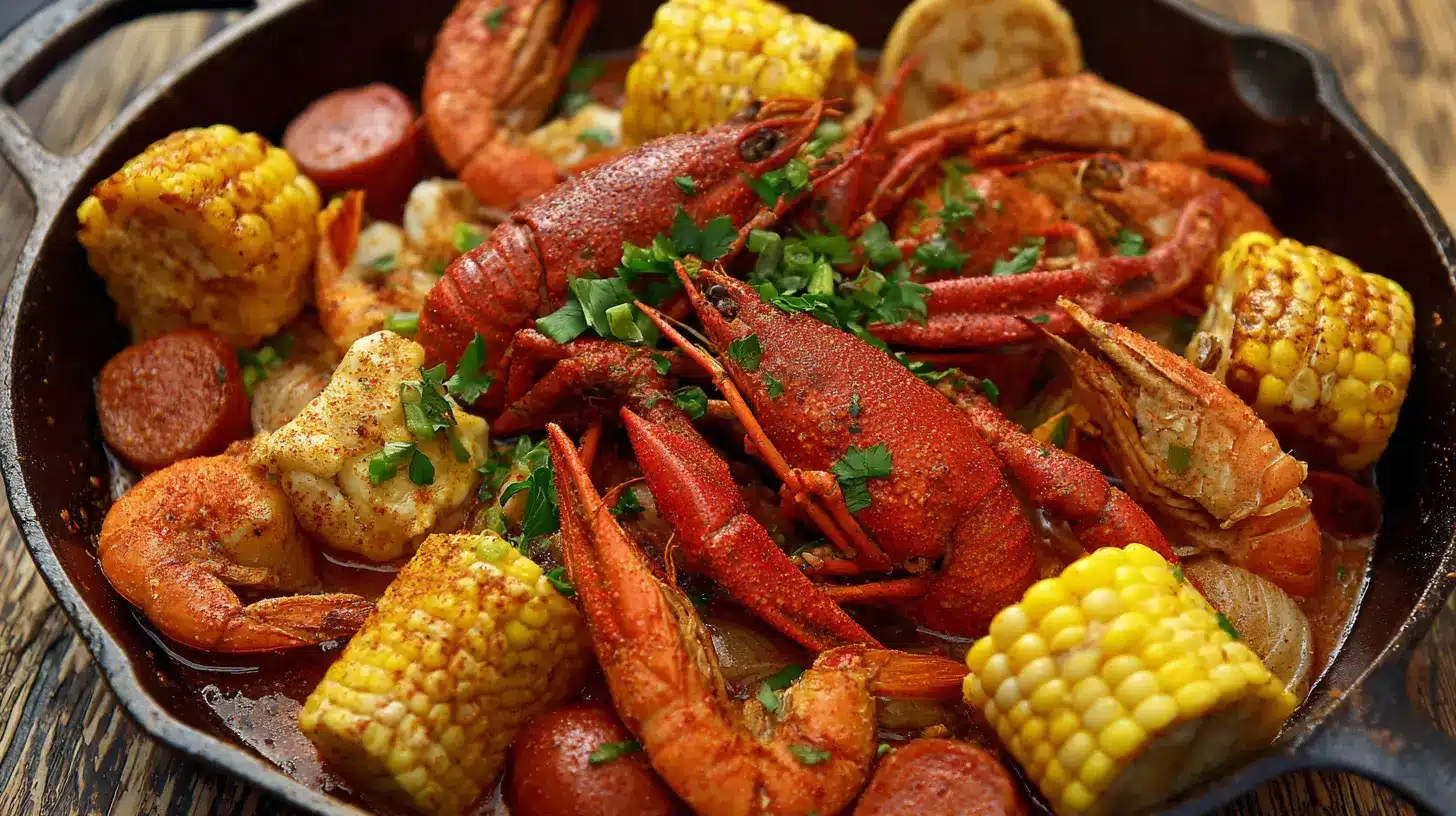
This one is less of a recipe and more of an experience. I made it for a group of friends one evening, and everyone just gathered around the pot.
Eating this way, with no plates and just paper on the table, makes the entire meal feel enjoyable.
All ingredients go into one pot. Cajun seasoning and the corn and potatoes create a filling, complete meal.
What you’ll need:
- 400g frozen seafood medley, thawed
- 2 corn cobs, cut into thirds
- 3 medium potatoes, quartered
- 3 tbsp Cajun seasoning
- 4 garlic cloves, crushed
- 1 lemon, halved
- 1 litre of water or seafood stock
How to make it:
- Pour water or stock into a large pot and bring to a full boil.
- Add the potatoes first and cook for 10 minutes; they take the longest.
- Drop in the corn pieces and cook for another 5 minutes.
- Add the seafood, Cajun seasoning, crushed garlic, and a good squeeze of lemon all at once.
- Cook for 5 more minutes, then drain and tip everything straight onto the table lined with paper.
Ingredient swap: Mix smoked paprika, garlic powder, onion powder, cayenne, and dried thyme in equal parts. It works just as well as Cajun seasoning.
6. Creamy Garlic Parmesan Seafood
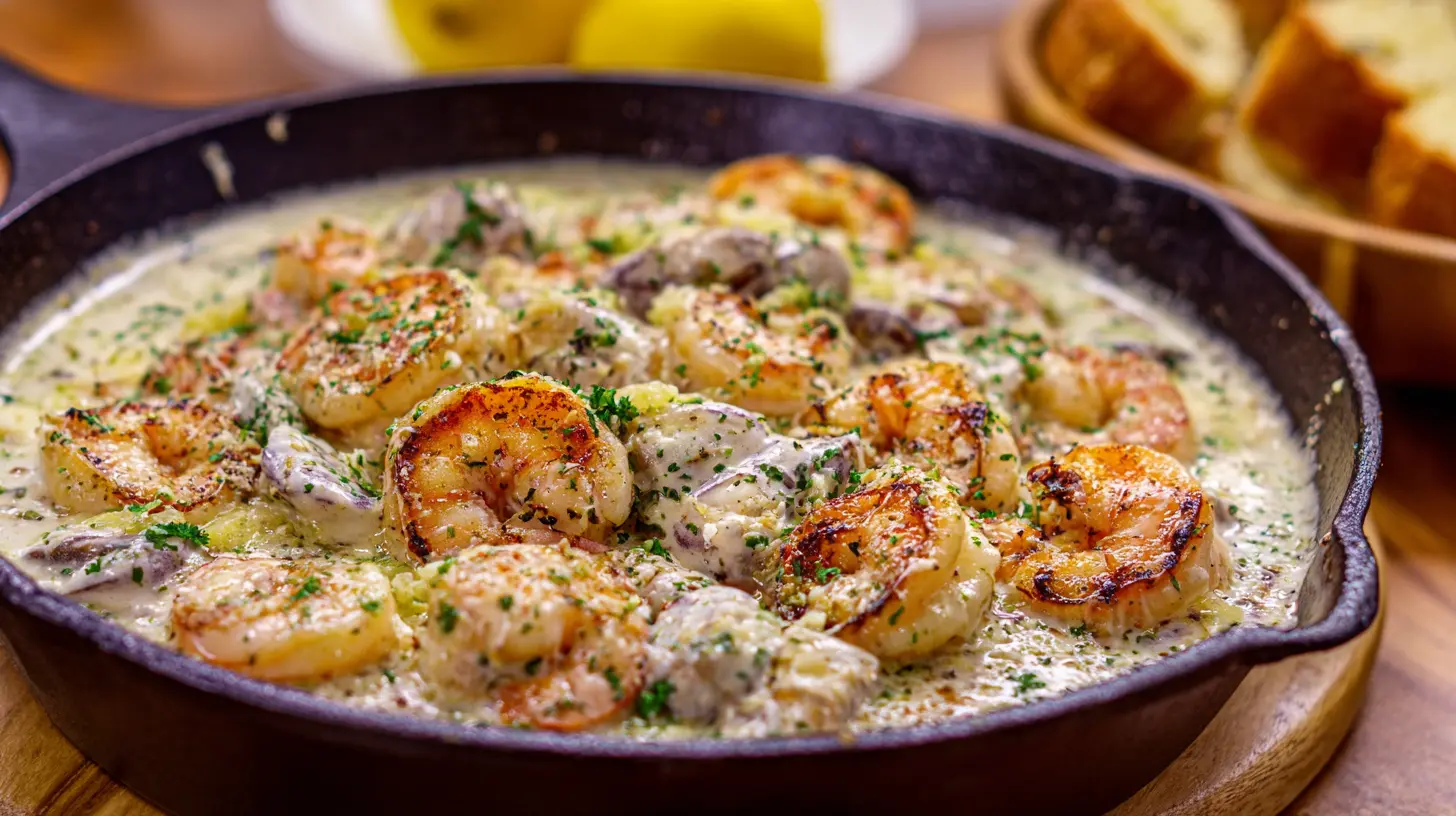
This is my go-to when I want something rich and comforting without spending hours in the kitchen.
The sauce quickly comes together, and the parmesan melts, making it feel like you’ve been cooking all day.
Garlic ties every element together. It’s the kind of dish that makes people ask for the recipe before they’ve even finished their plate.
What you’ll need:
- 400g frozen seafood medley, thawed and dried
- 3 garlic cloves, minced
- 200ml heavy cream
- 50g grated parmesan
- 1 tbsp butter
- Salt, pepper, and parsley to finish
- Pasta or crusty bread, to serve
How to make it:
- Melt butter in a wide pan over medium heat, then add minced garlic and stir for about 1 minute.
- Add the thawed, dried seafood and cook for 2–3 minutes, turning once, until just done.
- Pour in the cream and let it simmer gently for 3 minutes; don’t rush this part, or the sauce won’t thicken.
- Stir in grated Parmesan a little at a time until it fully melts into the sauce.
- Season with salt and pepper, scatter fresh parsley on top, and serve immediately over pasta or with bread.
Want a lighter version? Swap heavy cream for half-and-half or evaporated milk. The sauce won’t be as thick, but the flavour stays great.
Storage Tips for all Recipes
Most of these dishes store well. Here’s a simple guide:
In the fridge: Store any leftover seafood dish in an airtight container for up to 2 days.
Seafood doesn’t keep as long as meat, so don’t push it to day three.
Reheating: Always reheat on the stove over low heat. The microwave tends to overcook seafood quickly and changes the texture.
Freezing cooked seafood: It’s possible, but not ideal. The texture softens after freezing once more.
If you do freeze, use within 1 month and thaw overnight in the fridge.
Serving Suggestions with Seafood Medley Recipes
The right sides and accompaniments make seafood medleys shine even brighter.
Crusty bread works perfectly for soaking up flavorful sauces. French baguettes or sourdough both do the job well.
Rice is another solid choice: white rice, brown rice, or even cauliflower rice pairs nicely with saucy preparations.
A simple green salad with vinaigrette cuts through rich, buttery dishes.
Roasted vegetables add color and nutrition to the plate.
Wine complements seafood beautifully. Dry white wines like Sauvignon Blanc or Pinot Grigio work with most recipes. For richer, cream-based dishes, Chardonnay makes sense. Lemon wedges should always sit on the side.
Some prefer to garnish with hot sauce or red pepper flakes, and herbs like parsley or cilantro for a finishing touch.
Mistakes to Avoid when Cooking a Seafood Medley
- Overcooking the seafood until it becomes rubbery and tough.
- Adding all seafood types at once instead of timing each properly.
- Using seafood straight from the freezer without thawing first.
- Overcrowding the pan, which causes steaming instead of searing.
- Forgetting to pat seafood dry before cooking can lead to excess water.
- Seasoning only at the end instead of building layers of flavor.
- Cooking on low heat when high heat would create a better texture.
- Skipping the rest period after cooking, serving immediately while still releasing moisture.
- Reheating seafood multiple times ruins the texture.
- Mixing incompatible seafood that cook at vastly different rates.
Key Takeaway
Seafood medley recipes aren’t as complicated as they seem. You can start with what’s available at your local store.
You’ve seen the basics, learned about current trends, and found recipes that fit your skill level.
Pick one recipe that sounds good.
Don’t stress about getting everything perfect the first time. Your next grocery trip just got more interesting.
Grab a few types of seafood and give it a shot. Start simple. Build confidence. Then try the bolder flavors.
Frequently Asked Questions (FAQ’s)
1. What Are Some Quick Seafood Dinners?
Garlic butter shrimp, creamy seafood pasta, and stir-fried medley bowls are all ready in under 30 minutes.
2. Which Frozen Seafood Is the Best?
Shrimp, scallops, and mixed seafood bags are reliable, widely available, and hold up well after thawing.
3. What Vegetables Complement Seafood Medley?
Zucchini, cherry tomatoes, spinach, and bell peppers all pair naturally with seafood without swamping the flavour.
4. What Foods Not to Eat with Shrimp?
Avoid heavy dairy sauces, strong spices like cinnamon, and acidic fruits; they clash with shrimp’s natural taste.
5. What is the Best Side Dish for Seafood?
Steamed rice, crusty bread, roasted potatoes, or a green salad all work brilliantly alongside any seafood dish.