


Nobody warned me that creeping thyme had opinions. Plant it when it’s not ready, and it simply doesn’t grow.
I remember staring at my front yard, thinking, did I just pay money for this?
It looked like I’d planted nothing at all. My gardening buddy shook his head when he saw it.
You planted in August, didn’t you? He didn’t even ask; he already knew. Turns out, creeping thyme is picky about one thing only, timing. Nail that, and everything else falls into place.
So, before you buy that plant and stick it in the ground.
Let’s walk through when to plant creeping thyme, and everything you need to know about it and its planting.
Creeping Thyme – What is it?
Creeping thyme is a low-growing plant that spreads wide rather than tall.
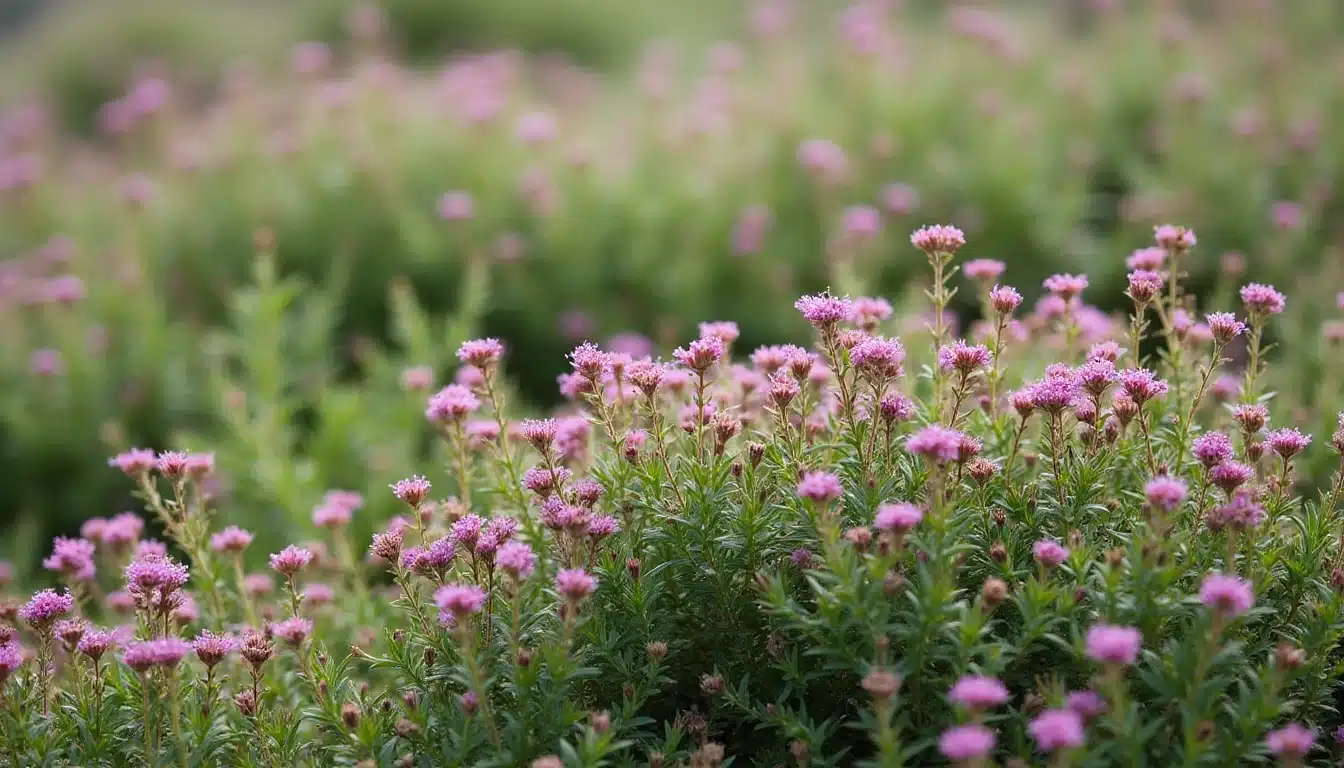
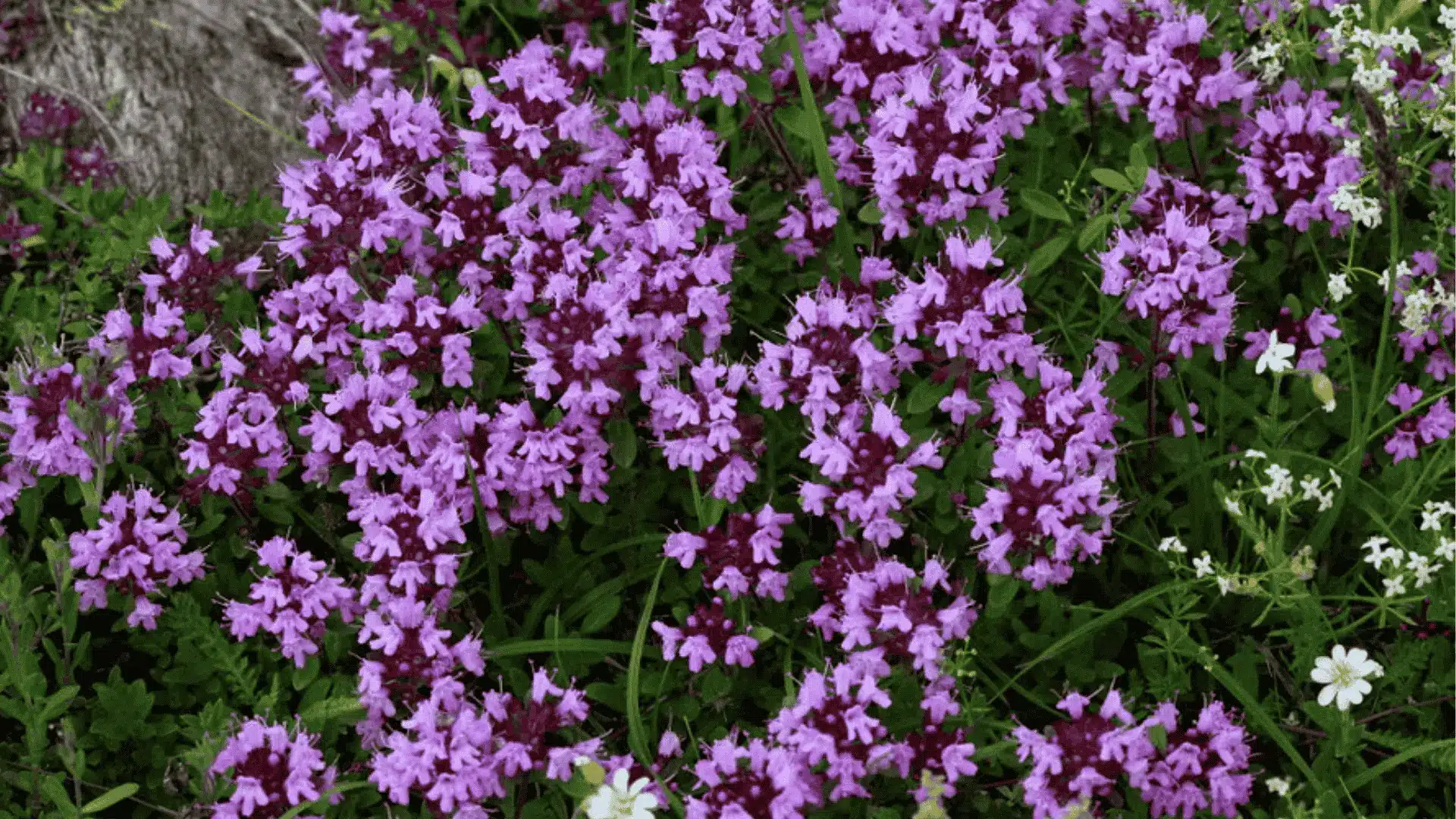
It hugs the ground, filling gaps between stones, pathways, and garden beds beautifully. The plant produces tiny pink, purple, or white flowers that bloom in summer, and they’re hard to ignore.
What makes it popular isn’t just the looks.
It handles foot traffic better than most ground covers.
It needs very little water once settled in. Bees love it, which makes it great for pollinator-friendly gardens.
It stays green even in tough conditions, such as dry summers, poor soil, and steep slopes, where other plants fail.
That’s exactly why so many gardeners keep reaching for it season after season.
Best Seasons and Times: When to Plant Creeping Thyme
It grows best when planted at the right time of year. Here are the best windows to get it in the ground:
- Spring (March to May): Spring is the best time to plant creeping thyme. The soil heats up, and roots settle in before summer heat arrives.
- Early Fall (September to October): Early fall works well, too. Cooler temperatures help the plant establish roots without the stress of summer heat.
- Avoid Midsummer Planting: Planting during peak summer heat can put too much stress on young plants. They struggle to establish roots in dry, hot conditions.
- Avoid Late Frost Periods: Planting too early in spring can lead to frost damage. Wait until the last frost date passes before putting creeping thyme in the ground.
Understanding Climate Zone to Know When to Plant Creeping Thyme
Knowing your zone simply helps you pick the right planting window and avoid unnecessary losses.
In hotter zones, early spring planting works perfectly. In cooler zones, waiting until late spring gives the soil enough time to warm up.
Creeping thyme grows well in zones 4 through 9.
I checked my zone before planting my second batch, and it made a real difference.
Here’s a quick summary table:
| Climate Zone | Planting Time | Key Tip |
|---|---|---|
| Zone 4 | Late spring (May) | Wait for the frost to fully clear |
| Zone 5 | Mid spring (April-May) | Soil must be warm before planting |
| Zone 6 | Early spring (March-April) | Good conditions for strong root growth |
| Zone 7 | March or early fall | Avoid peak summer heat |
| Zone 8 | February or September | Fall planting works better here |
| Zone 9 | February or October | Stick to fall for the best results |
Pros and Cons of Growing Creeping Thyme
Like any plant, creeping thyme has its strengths and its limitations. Here’s a quick look at both sides:
Pros of When to Plant Creeping Thyme
Creeping thyme needs very little maintenance once established. It handles drought well and covers ground surprisingly fast.
Bees and other pollinators are drawn to its small flowers, making it a great choice for wildlife-friendly gardens.
It survives foot traffic better than most ground covers and is a practical choice for slopes, pathways, and borders.
Cons: Planting Creeping Thyme
Creeping thyme struggles badly in wet, poorly drained soil.
It spreads quickly, which can become a problem in smaller garden spaces. In very cold zones, harsh winters may cause it to die back completely.
You might find yourself replanting sections come spring, which adds extra work.
What Will You Need when Planting Creeping Thyme
Before you start planting, get these basics ready:
- Well-draining soil: Creeping thyme hates sitting in wet, soggy ground.
- Full sun spot: Pick a location that gets at least 6 hours of sunlight daily.
- Garden trowel: For digging small, clean planting holes.
- Creeping thyme seedlings or seeds: Seedlings establish faster than seeds.
- Gravel or sand: Mix into heavy soil to improve drainage.
- Watering can: For gentle watering right after planting.
- Mulch: Helps retain moisture during the first few weeks.
Soil and Location Requirements
This plant is not too particular about soil quality, but it does have two firm rules.
- First, the soil must drain well. Waterlogged ground will kill it faster than anything else.
- Second, it needs plenty of sunlight. A spot with at least 6 hours of direct sun daily works best.
Sandy or rocky soil suits it well. If your soil feels heavy and compact, mix in some sand or gravel before planting.
Good drainage and full sun are the two right things, and you’re set.
How to Plant Creeping Thyme: Step-By-Step
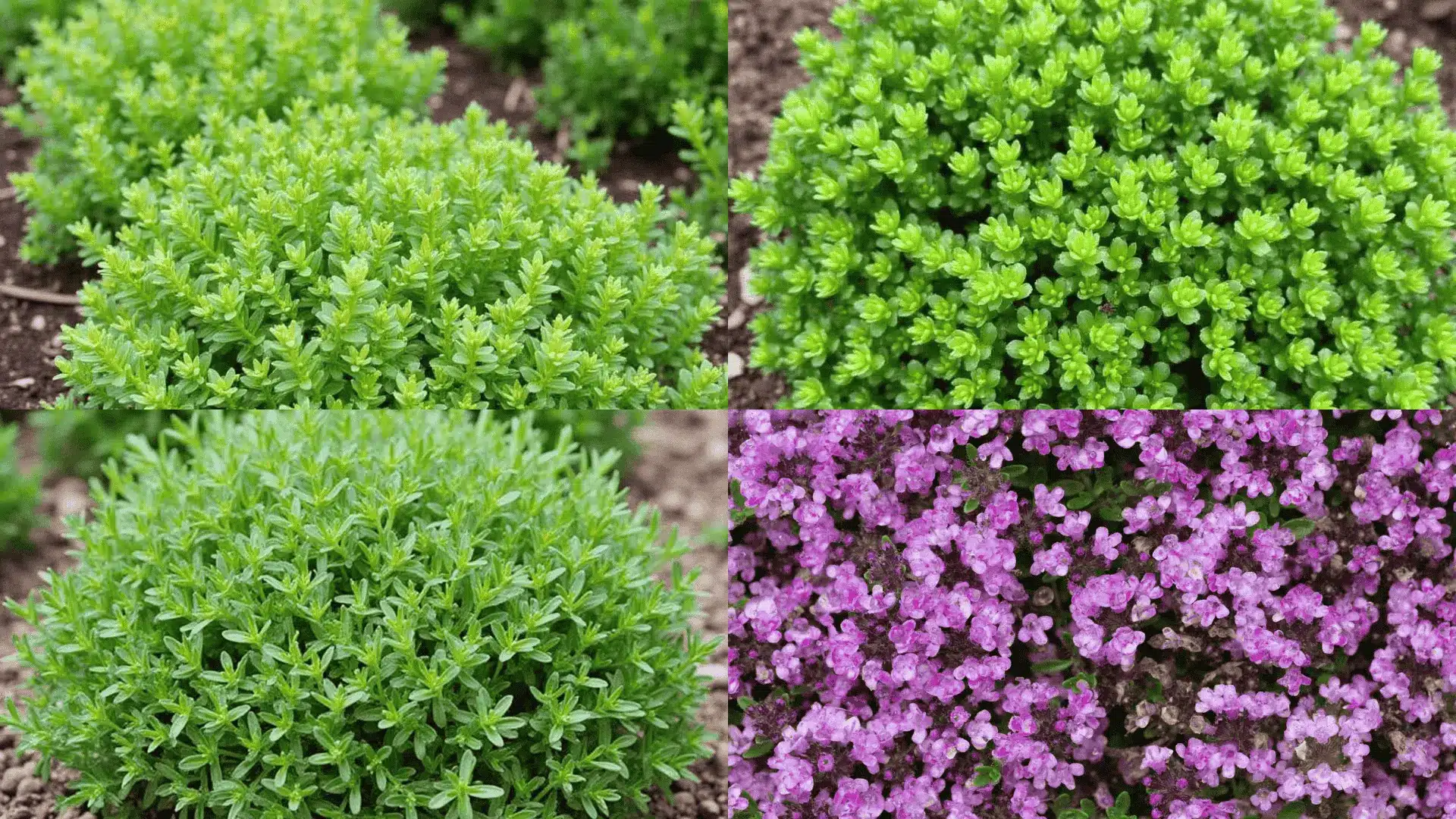
Planting this is very easy and clear. Follow these simple steps, and you’ll give your plant the best possible start.
Step 1: Pick the Right Spot
Choose a location with full sun and good drainage. Avoid shaded or damp areas. Creeping thyme thrives where sunlight hits directly for at least 6 hours each day.
Getting this step right makes everything else much easier going forward.
Step 2: Prepare the Soil
Loosen the soil with a garden trowel before planting. If the ground feels heavy or compact, mix in sand or gravel.
This improves drainage, especially, and gives the roots enough room to spread out comfortably from the start.
Step 3: Dig Your Planting Holes
Dig small holes about 12 to 18 inches apart from each other.
This spacing gives every plant enough room to spread naturally. Crowding them too closely together early on can significantly slow healthy growth.
Step 4: Place Your Seedlings
Set each seedling into its hole at the same depth it sat in its original pot.
Press soil gently around the base after placing it. This removes air pockets and helps roots make proper contact with the surrounding soil.
Step 5: Water Gently
Give each plant a slow, gentle watering straight after planting. Avoid soaking the soil completely.
You want roots to settle in comfortably without excess moisture, which can cause early problems.
Step 6: Add a Light Mulch Layer
Spread a thin layer of mulch around each plant after watering.
This retains just enough moisture during the first few weeks. It also protects young roots as they establish themselves firmly in the ground.
Growing Creeping Thyme from Seeds vs. Transplants
| Factor | Seeds | Transplants |
|---|---|---|
| Cost | Cheaper to buy | Costs more upfront |
| Time to Establish | Takes longer to grow | Establishes much faster |
| Effort Required | Needs more attention early on | Easier to manage from day one |
| Best Planting Time | Start indoors 6-8 weeks before spring | Plant directly after the last frost |
| Germination | Takes 14-28 days to sprout | No germination waiting period |
| Success Rate | Lower, needs careful monitoring | Higher, more reliable results |
| Ideal For | Patient gardeners with extra time | Beginners wanting faster results |
| Root Strength | Roots develop slowly over time | Roots are already well developed |
How Fast Creeping Thyme Grows
This plant is not the fastest grower out there, but it’s steady and reliable. In the first year, it focuses mostly on building strong roots rather than spreading widely.
By the second year, you’ll notice it filling in gaps and spreading noticeably across the ground.
On average, it spreads about 12 to 18 inches per year once fully established.
Planting in good soil with plenty of sunlight speeds things up. Patience really pays off with this plant
After Care Tips
Once planted, creeping thyme needs very little attention, but these simple tips keep it growing well:
- Water sparingly, only when the soil feels completely dry.
- Trim lightly after flowering to keep the plant neat and compact.
- Avoid overwatering at all costs, as wet soil causes root rot quickly.
- Skip heavy fertilizing; too many nutrients actually weaken the plant.
- Pull out weeds regularly before they compete with young plants.
- Divide overcrowded patches every few years to keep growth healthy.
- Leave it alone during winter, and it comes back stronger in spring.
Pests and Other Concerns
Creeping thyme is a tough plant, but a few things can catch you off guard.
Spider mites appear during hot, dry spells. A simple water spray usually takes care of them.
Aphids occasionally target young plants, clustering under leaves and slowing growth down. Catching them early makes a big difference. Root rot is honestly the biggest concern.
Overwatering or poor drainage creates soggy soil, and that kills roots faster than any pest.
Fungal issues can develop, too, especially when plants sit too close together. Trim regularly and space them properly to keep air moving through. Stay on top of these few things, and your creeping thyme will stay healthy.
Commonly Grown Varieties of Creeping Thyme
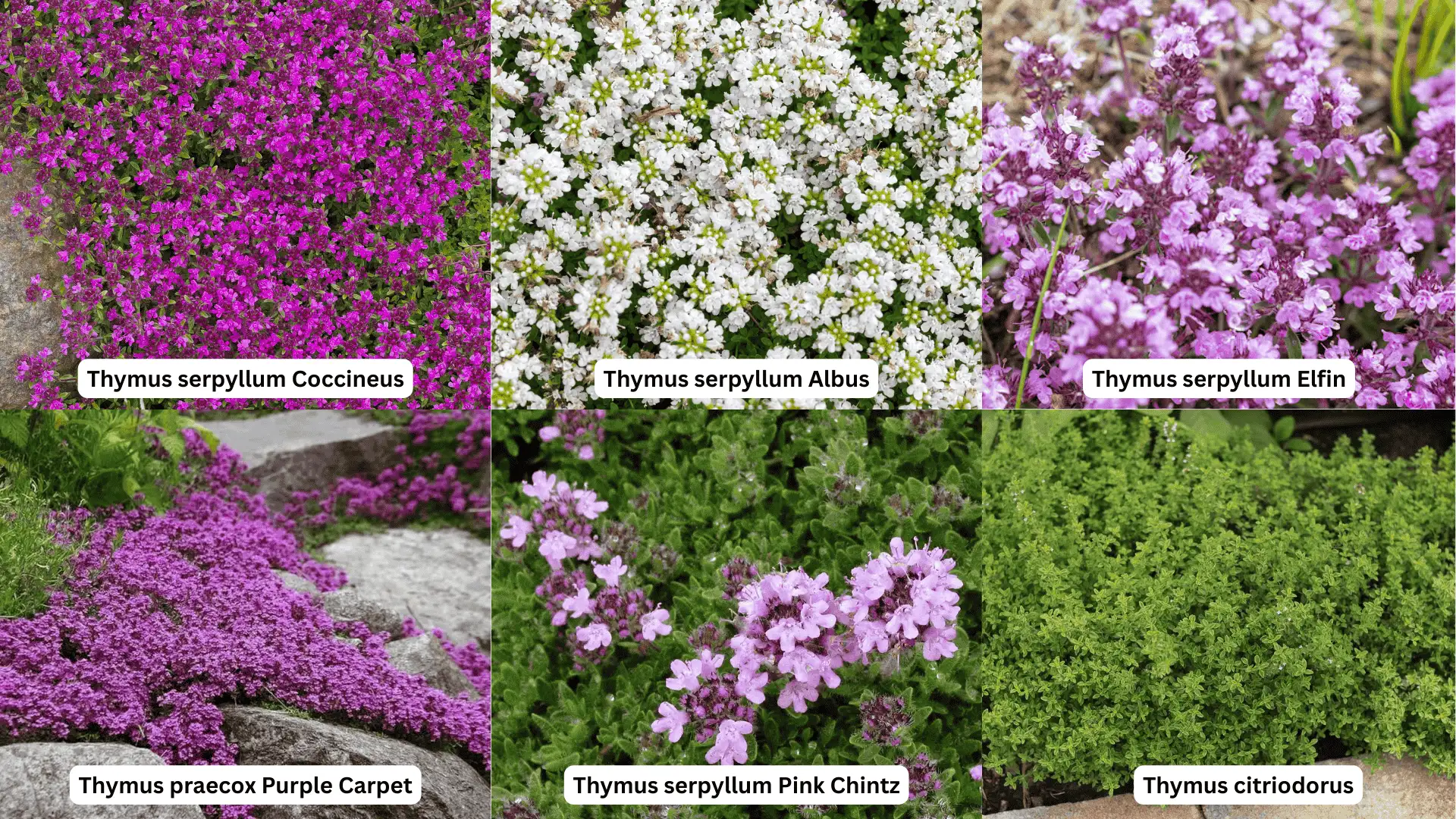
Not all creeping thyme looks the same. Here are the most popular varieties gardeners reach for:
Deep red-pink flowers. Handles foot traffic well and spreads reliably across open ground.
Grows white flowers instead of pink. Works beautifully between stepping stones and pathways.
Very compact and slow-growing. Perfect for small spaces, rock gardens, and tight corners.
Rich purple flowers that cover the ground fast. Great choice for larger, open garden areas.
Soft pink flowers with a gentle fragrance. One of the most widely grown varieties around.
Known as lemon thyme. Carries a mild citrus scent and works well in herb gardens, too.
Tips from Gardeners
Gardeners who have grown creeping thyme for years share some pretty useful advice.
Most agree that less watering is always better than more.
Overwatering is the most common mistake beginners make. Many gardeners also suggest planting in clusters rather than single plants. It fills in faster and looks much better early on.
One tip that keeps coming up is to avoid disturbing the roots once settled.
Creeping thyme really dislikes being moved around after establishment.
Leave it alone, and it rewards you generously.
Key Takeaway
I planted creeping thyme three times before I got it right.
Not because it’s difficult, but because I kept ignoring the one thing that actually mattered: timing.
Now that you know when to plan creeping thyme, get that right, pick a sunny spot, sort out your drainage, and this plant will surprise you every single season.
My advice? Check your climate zone first.
Then decide between seeds or transplants based on how much patience you have.
I personally always go for transplants now.
Frequently Asked Questions (FAQ’s)
1. Can I Plant Creeping Thyme Directly in the Ground?
Yes, plant directly in well-drained, sunny soil after the last frost.
2. How Fast Will Creeping Thyme Spread?
It spreads roughly 12 to 18 inches per year once fully established.
3. Will it Push Out Weeds?
Yes, dense creeping thyme naturally suppresses most weeds over time.
4. What is the Lifespan of Creeping Thyme?
Creeping thyme lives for several years, returning stronger each spring season.
5. Is Creeping Thyme Toxic to Dogs?
No, creeping thyme is completely safe and non-toxic for dogs.