

Spotted swai fish at the grocery store and not sure if it’s worth grabbing? Go for it.
This affordable white fish is one of the easiest proteins to cook at home, even if you’ve never touched a fillet in your life.
It’s mild enough to pair with whatever seasonings you’ve got, but flavorful enough for a weeknight plate.
What is Swai Fish?
Swai is a freshwater fish native to Southeast Asia, farmed in Vietnam.
It’s mild, white, and flaky with a subtle, slightly sweet flavor. It’s beginner-friendly.
Unlike other fish that fall apart if you look at them wrong, it won’t completely fall apart with a few extra minutes of cooking time. It won’t completely fall apart with a few extra minutes of cooking time, and it goes well with almost any seasoning.
Swai fillets are also thin, which means they cook fast. Fillets are done in 12- 15 minutes in the oven or 6- 8 minutes in a pan.
- Protein: 18–20g per 100g fillet
- Calories: 90–110 per 100g fillet
- Fat: Low
- Carbs: 0g or very low
- Omega-3: Present, but lower than salmon or mackerel
Swai Has a Muddy Taste, Here’s How to Fix It…..
Some batches of swai have an earthy, muddy taste. It doesn’t mean the fish is unsafe; it’s just a flavor issue
The muddy flavor comes from geosmin, a compound produced in farm-raised freshwater conditions.
1. Try a 15–30 minute soak in salted water before cooking. Use about 1 tablespoon of salt per quart of water. This draws out some of the earthy compounds.
2. Cook it with bold flavors that mask muddy tastes. A generous coating of garlic, paprika, and lemon goes a long way.
3. Pan-searing with butter rather than baking creates more flavor development. Asian preparations with soy, ginger, and sesame oil completely cover any muddy notes.
Easy Methods to Cook Swai Fish
There’s a method that fits your skill level and kitchen mood. Each approach delivers different results- crispy exteriors, tender centers, or bold flavors, but all are equally simple.
Pick the one that sounds right for tonight, and you’ll have dinner ready in under 20 minutes.
Method 1: Oven-Baked Swai (Easiest for Beginners)
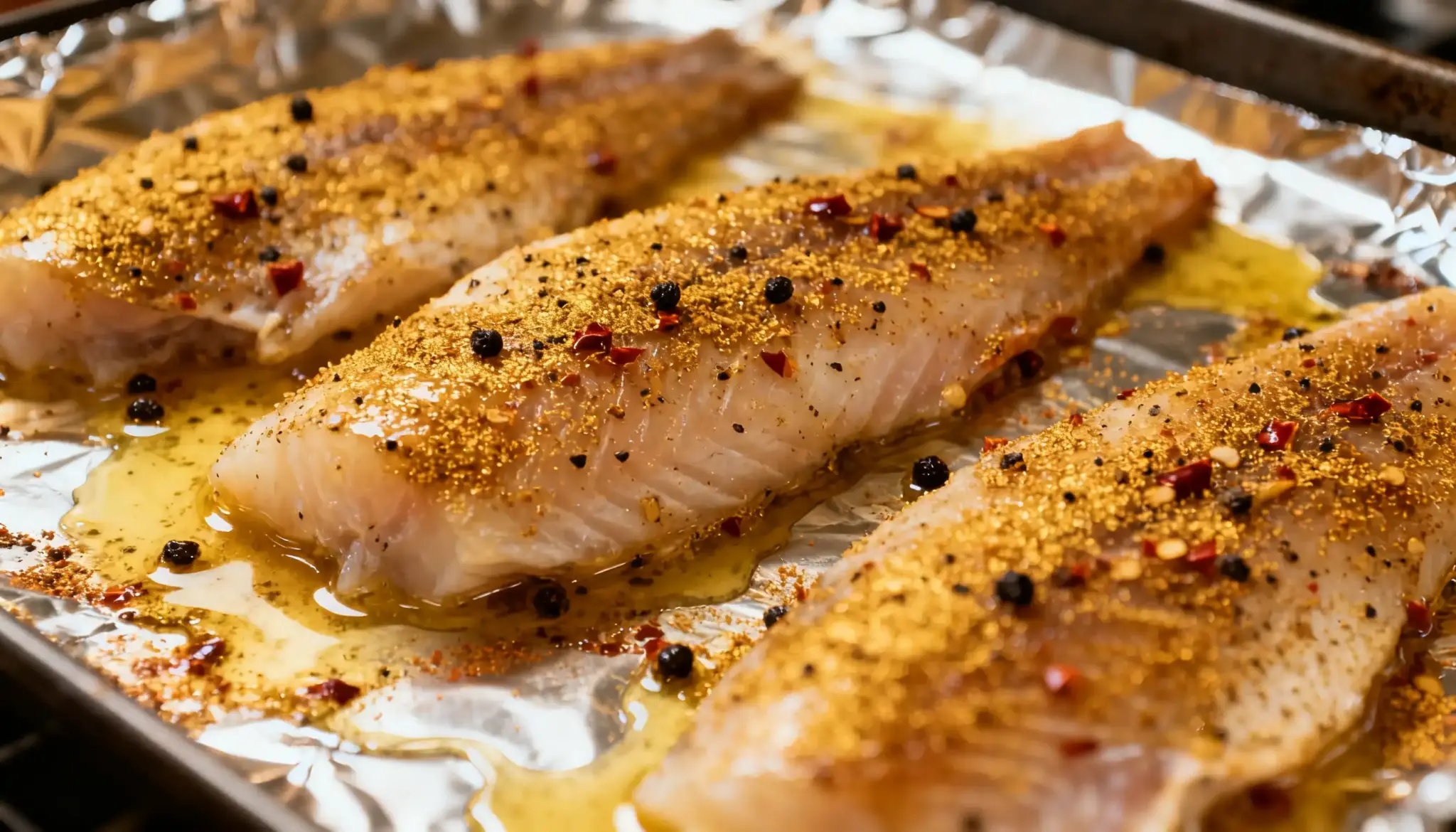
The simplest way to cook swai fish is just to season and bake.
This hands-off method works whether you’re cooking one fillet or four. Done in 12–15 minutes with minimal cleanup.
- Preheat your oven to 400°F. Line a sheet pan with parchment or foil.
- Lay your swai fish fillets in a single layer, season with salt, pepper, and garlic powder, then add a pat of butter or a drizzle of olive oil on top.
- Bake for 12–15 minutes. The fish is done when the flesh flakes easily with a fork and looks opaque white throughout.
- You can add paprika, oregano, red pepper flakes, or fresh herbs.
Method 2: Pan-Seared Swai Fillet
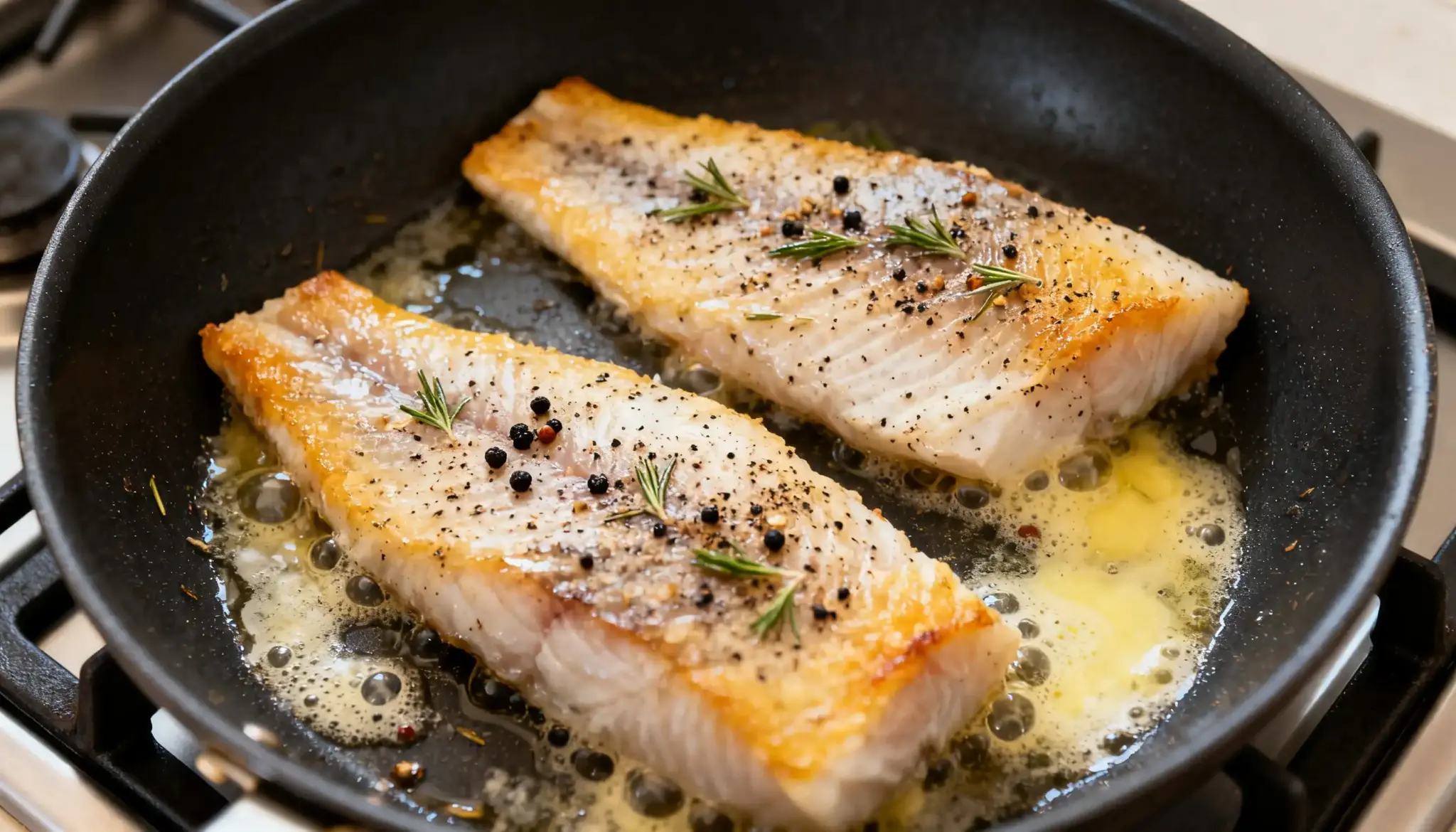
Pan-searing creates a golden, crispy crust while keeping the inside tender and done in under 10 minutes.
- Heat a skillet over medium-high heat with a mix of butter and oil.
- Pat your swai fish fillets dry. Season both sides with salt and pepper.
- Place the fillets in the pan. Let them sit for 3-4 minutes until the bottom develops a golden crust. Flip once and cook another 2-3 minutes. Serve hot.
Keep medium-high heat, not blazing hot. For crispier texture and softness intact inside
Method 3: Lemon-Butter Pan Sauce Swai
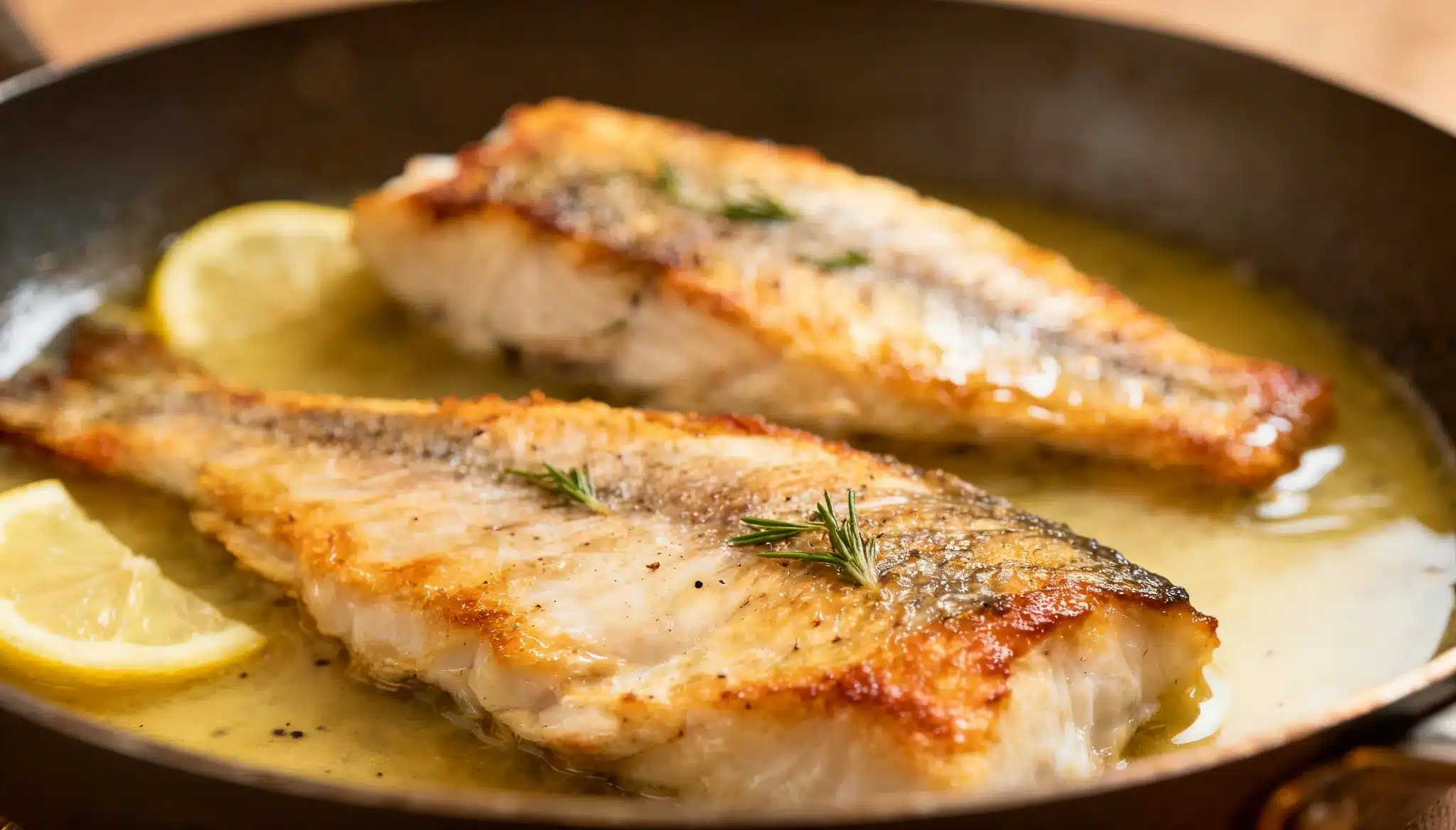
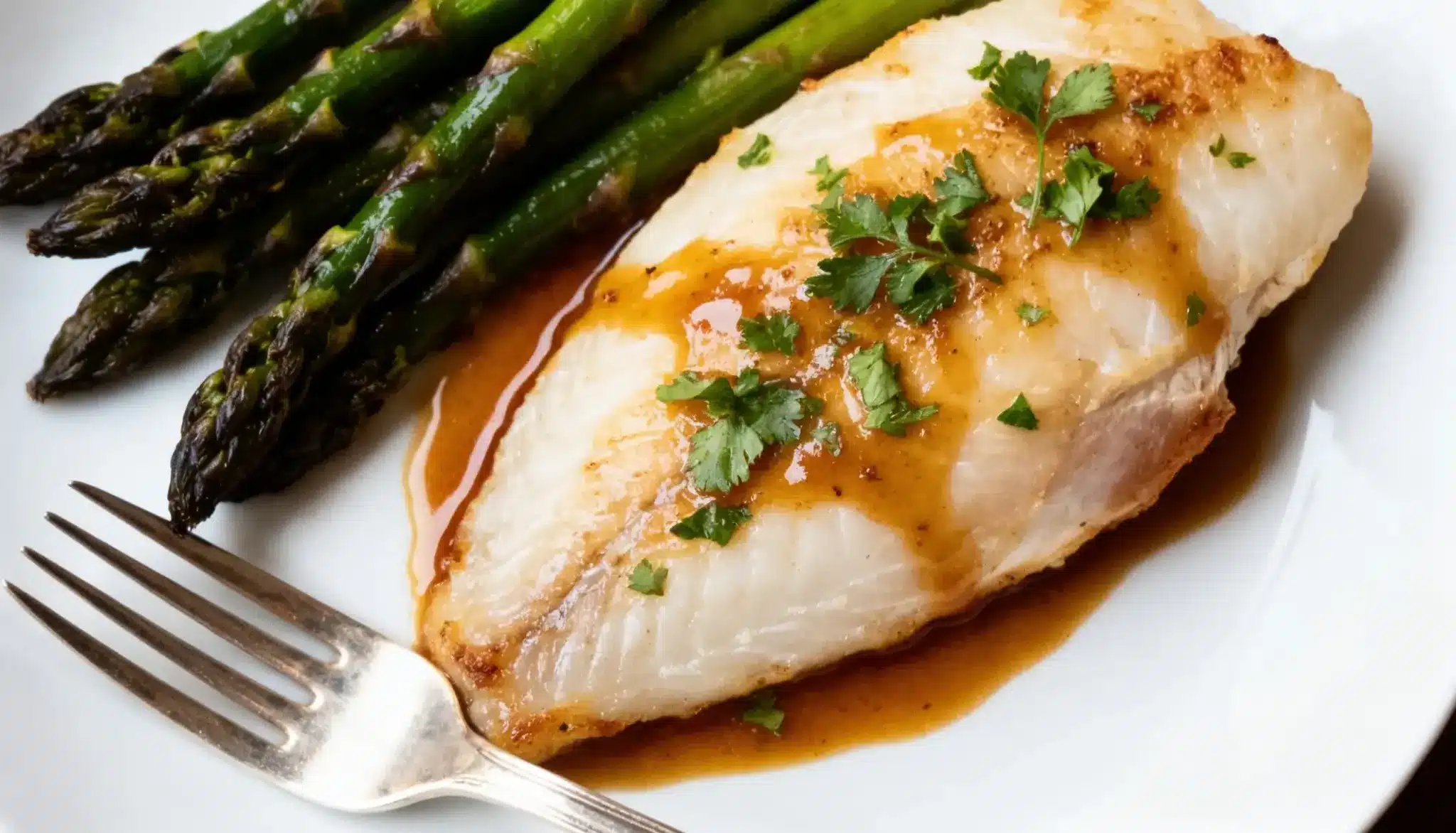
That pan sauce makes the difference in this dish; it takes one extra minute but transforms the dish from normal to restaurant quality.
- Cook the fillets using Method 2 above, then set them aside on a plate.
- In the same pan, add minced garlic to the remaining butter and oil. Let it cook for 30 seconds until fragrant.
- Add a squeeze of fresh lemon juice, a splash of white wine if you have it (or skip it not necessary), and let it bubble for 1 minute. Pour this over the cooked fillets.
Always add butter or oil to keep it tender. Let fillets rest 2–3 minutes after cooking so heat distributes evenly.
Method 4: Fried Swai Fish
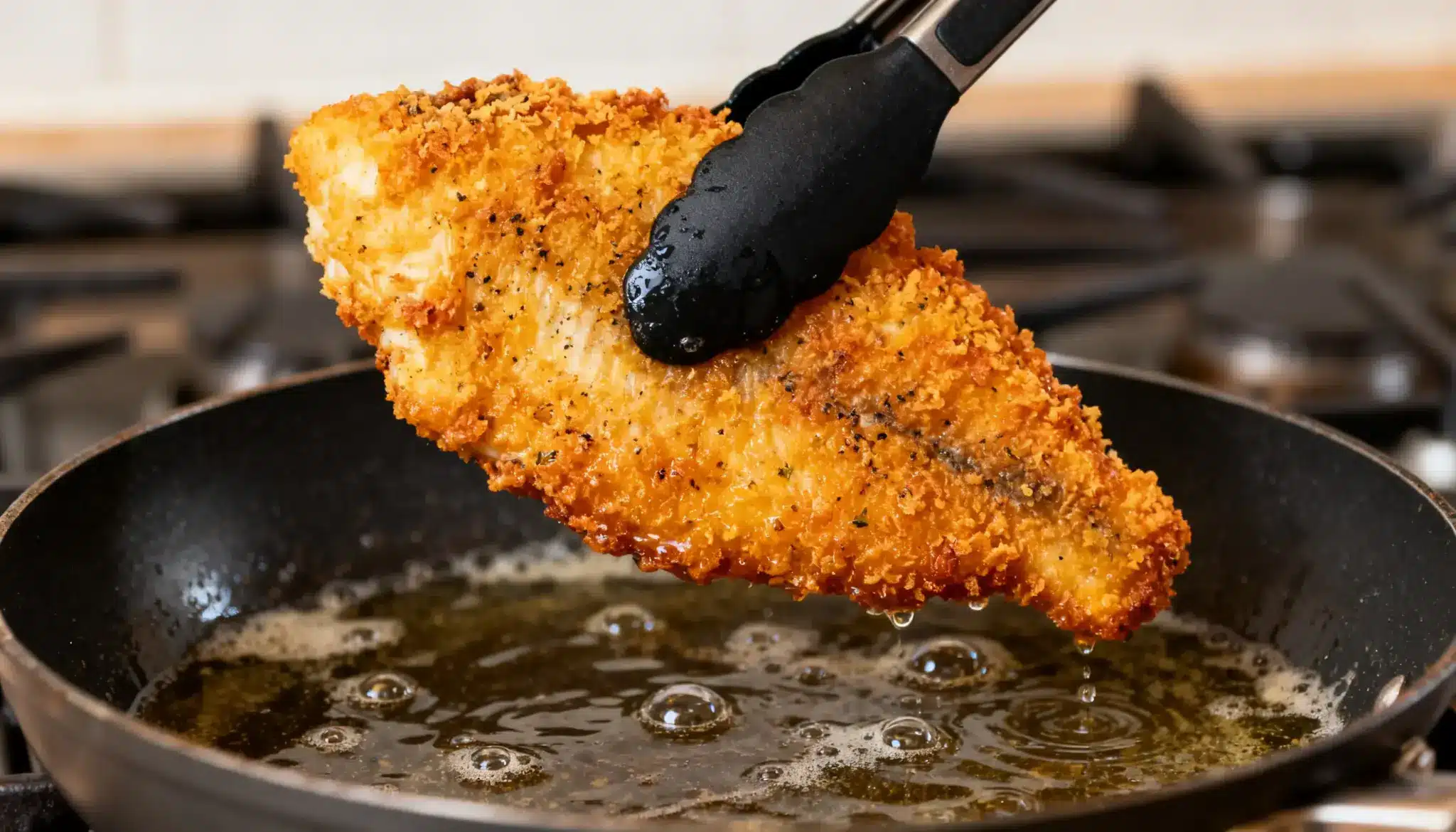
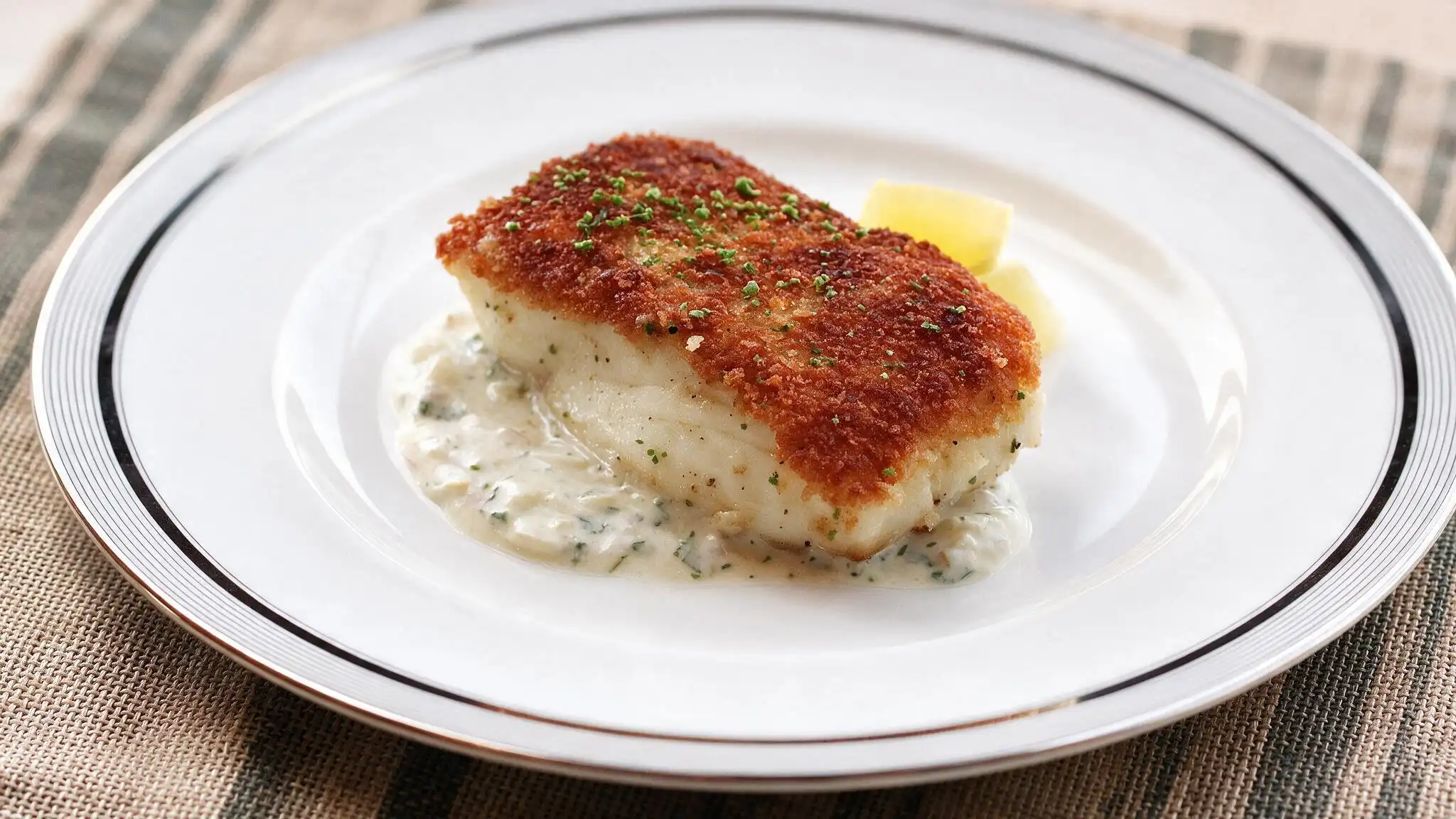
Want crispy, golden-brown swai fish with a crunchy exterior and tender inside?
Pan-frying or deep-frying gets the job done fast. Families and kids go crazy for it.
- Set up three shallow bowls. One with beaten egg, one with seasoned flour (salt, pepper, garlic powder, paprika), and one with panko breadcrumbs mixed with a bit of grated Parmesan.
- Pat fillets dry. Dip in egg, then flour, then breadcrumbs.
- Heat a generous amount of oil in a skillet over medium-high heat.
- Fry the fish on both sides for 3-4 minutes, until the breading is deeply golden brown.
Method 5: Steamed Swai
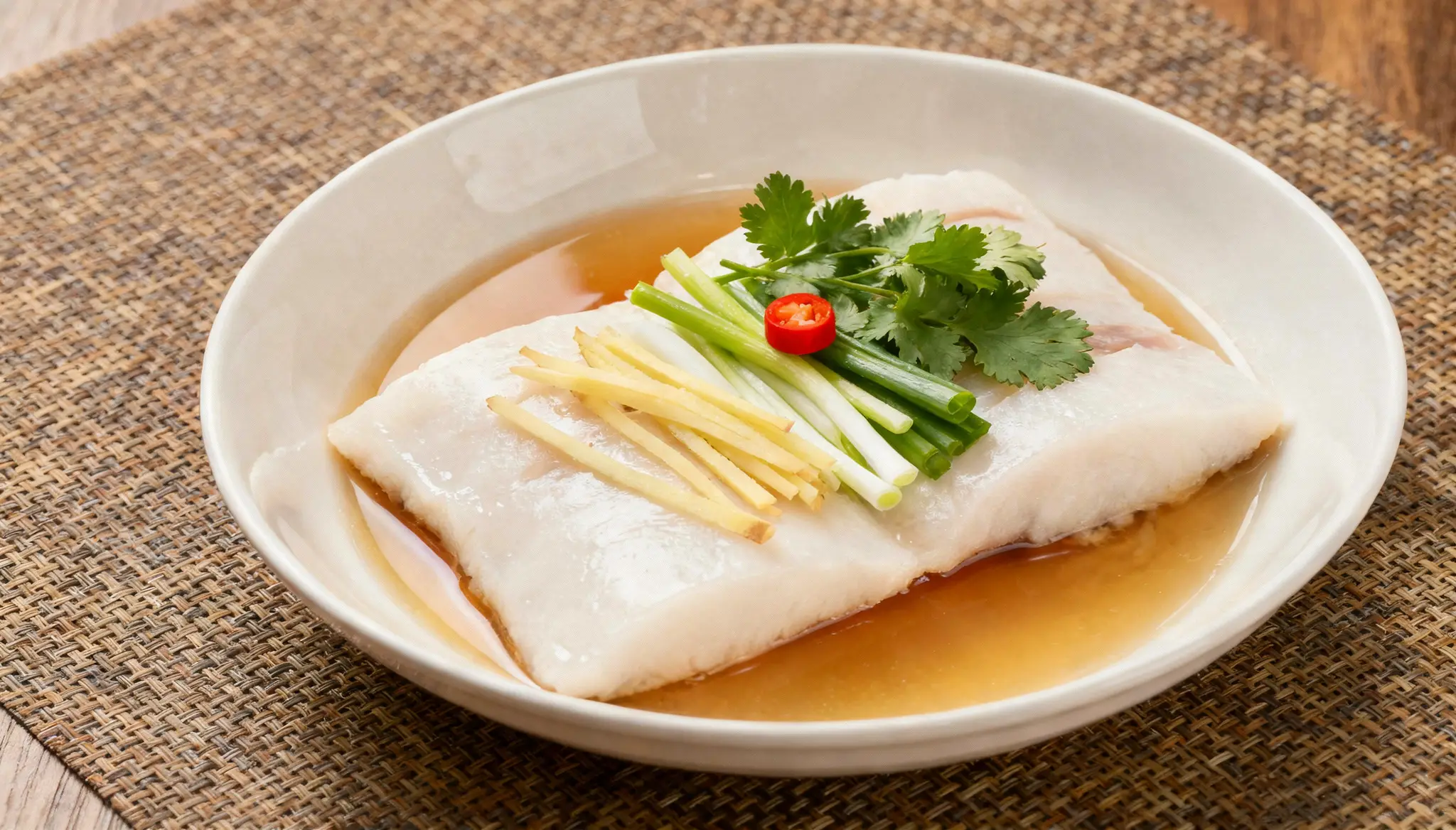
- Light, gentle, and incredibly moist. Perfect for meal prep, low-fat cooking, or when you want pure, uncomplicated fish without added fat.
- Tear off two pieces of parchment paper and place a fillet on each.
- Top with thin slices of fresh ginger, a drizzle of sesame oil, low-sodium soy sauce, and sliced green onions. Fold the parchment into a packet, sealing the edges.
- Place packets on a sheet pan and bake at 375°F for 12–14 minutes. The fish steams in its own moisture, staying incredibly tender.
Try lemon + garlic + oregano, or go bold with soy + ginger + sesame. Cajun spices (cayenne, paprika, garlic powder, thyme) if you want heat
How to Select & Store Swai Fish Fillets?
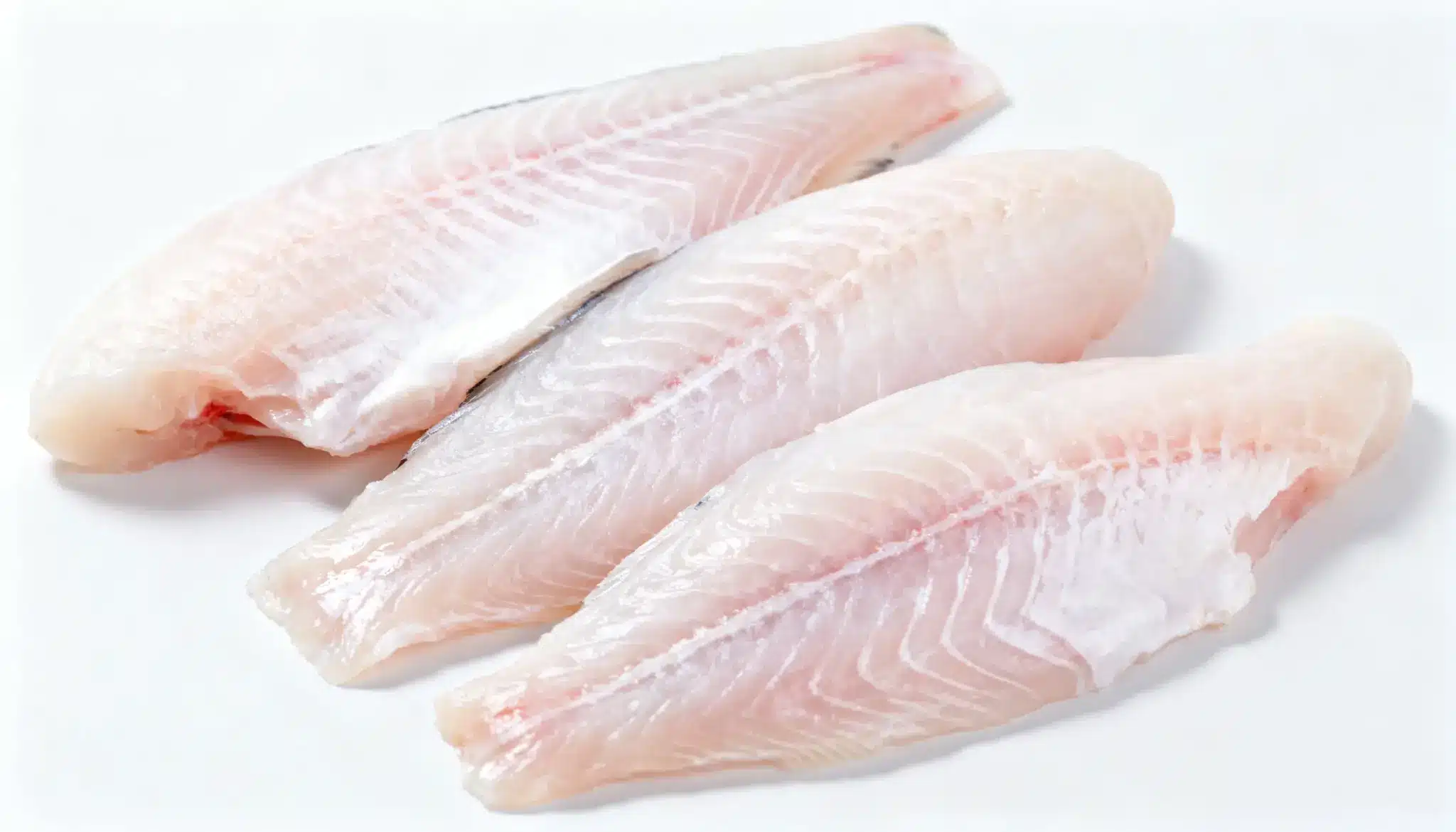
The quality of your meal starts at the grocery store and continues in your kitchen.
Knowing what to look for when buying, how to properly thaw, and where to store your fillets makes the difference.
1. What to Look for When Buying Swai Fillets
Frozen swai fillets are typically fresher and safer than “fresh” options because they’re frozen immediately after harvest.
Look for vacuum-sealed packages with minimal freezer burn. The fillets should be pale white or slightly pink, not gray or brown.
2. The Thawing You Need to Avoid
Never thaw swai at room temperature.
Your safest bet is to move the package to the refrigerator the night before. If you’re in a hurry, seal the fillets in a bag and submerge them in cold water for 30-45 minutes.
3. Storage Timeline
Once thawed, cook swai within 1–2 days. Frozen fillets last 3–4 months in your freezer.
Cooked swai keeps in the fridge for up to 3 days and reheats best at 350°F for 10 minutes in the oven (not the microwave, which dries it further).
Final Thoughts
Swai fish is one of the easiest proteins to cook at home, and that simplicity is its biggest strength.
Start with the oven-baked method if you’re nervous.
Try the Asian ginger version if muddy taste has turned you off before. The goal is to cook swai regularly enough that it becomes part of your weeknight rotation.
At under $10 per pound in most grocery stores, it’s an affordable way to eat more seafood.
Frequently Asked Questions (FAQs)
1. Can You Cook Swai Fish From Frozen?
Yes. You don’t need to thaw first, though thawing gives you better browning in a skillet.
2. How Do You Know When Swai is Done Cooking?
The flesh flakes easily with a fork, the color is opaque white (not translucent or pale), and there are no visible raw spots. If you use a thermometer, aim for 145°F.
3. What’s the Difference Between Swai and Tilapia?
Both are mild, affordable white fish with similar price points. Tilapia is slightly firmer and holds up better to bold flavors.