


There are over 3,000 seafood restaurant businesses nationwide, and each one can streamline beverage service by simplifying preparation, organizing workstations and matching equipment to demand. The aim is to remove delays that add little value while protecting the details guests notice, from a chilled glass to a balanced espresso.
That matters when drinks and dishes need to arrive together. A crisp white wine should reach the table before the oysters, while after-dinner coffee should arrive while dessert is still worth lingering over.
Build a Beverage Menu Around Your Seafood
A lot makes a seafood restaurant worth visiting, and a focused drinks menu gives guests useful choices without making every order a separate production. Start with beverages that complement your best-selling dishes, then examine how much preparation each one requires.
Keep a balanced selection of wines, beers, cocktails and alcohol-free drinks rather than offering several similar options. A citrus-based nonalcoholic drink, for example, can provide a refreshing pairing for grilled fish without requiring its own collection of rarely used ingredients.
Review sales alongside preparation time and ingredient waste. A popular drink that takes longer to make may deserve its place, while a slow seller with several unique ingredients may need adjusting or removing.
Give servers straightforward pairing notes they can use at the table. Descriptions such as “bright and dry with oysters” are more useful during a busy shift than lengthy tasting scripts.
Arrange Stations Around the Order of Work
Watch a few busy services before changing the bar layout. Look for repeated trips, crossed paths and moments when staff wait for the same tool or refrigerator.
Group supplies in the sequence staff use them, while keeping clean glassware away from dirty returns. Servers collecting finished drinks should not need to reach across someone preparing a cocktail.
Start with these three practical changes:
- Keep frequently used glasses within easy reach
- Store garnishes beside the preparation area
- Create a clearly marked drink collection point
Assign responsibility for restocking before service and during quieter periods. A station checklist can cover ice, clean tools, milk, coffee beans and backup glassware without leaving every employee to discover shortages independently.
Where space is tight, prioritize the busiest tasks rather than trying to fit every possible function into one station. Test the layout during service and adjust it based on staff feedback.
Make Coffee Quality Easier to Repeat
Coffee deserves a place in beverage planning, not just a corner near the dessert station. According to the National Coffee Association, 46% of American adults drank specialty coffee on the previous day in its 2025 research.
For a seafood restaurant, that finding supports giving coffee deliberate attention, although it does not predict what your guests will order. Review your own espresso, cappuccino and decaf sales before deciding how much equipment capacity you need.
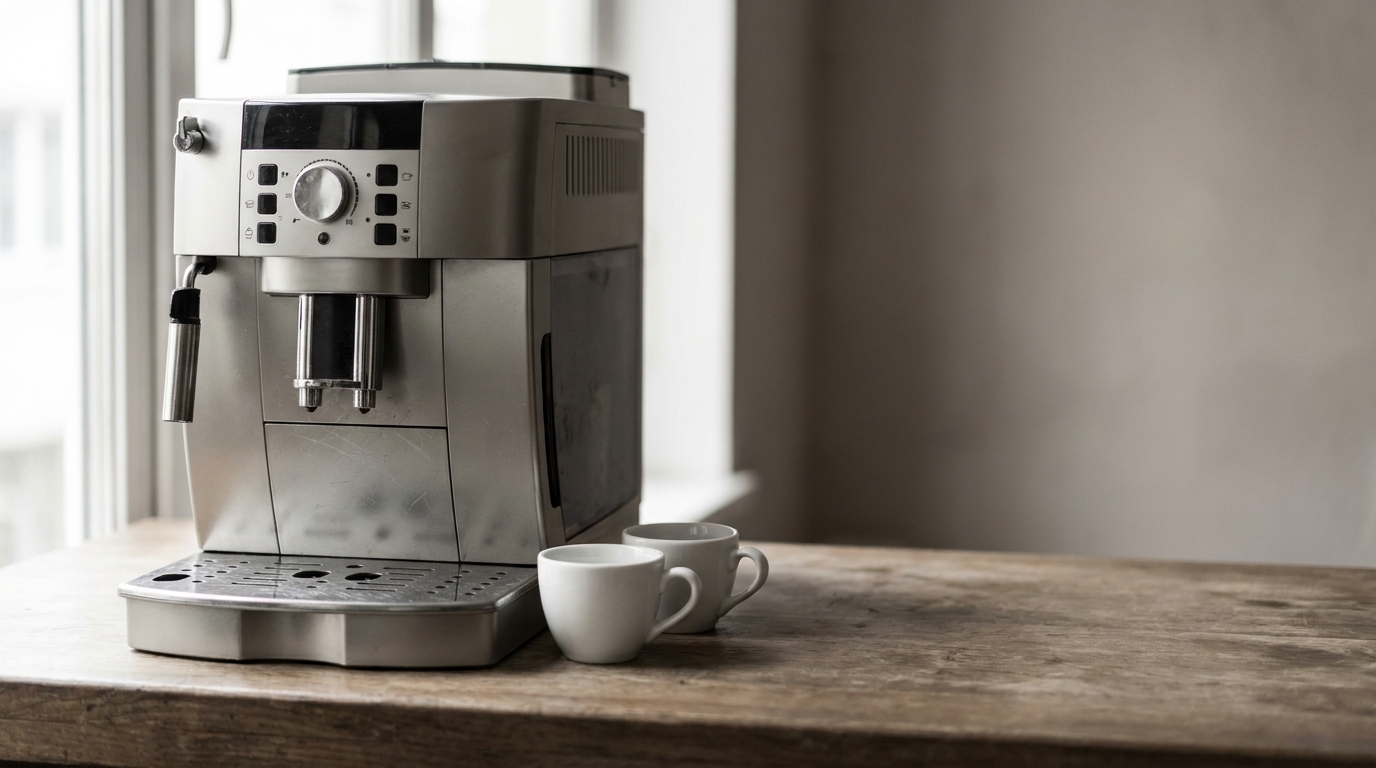
When comparing equipment, an automatic coffee machine with grinder can be worth evaluating for its ability to combine grinding and brewing tasks. Super-automatic options that automate grinding, dosing, tamping and extraction are especially effective, with milk automation available on some models.
Automation still needs clear operating standards. Set recipes, check drinks regularly and assign cleaning duties, including milk-system care where relevant.
Match the machine to your busiest coffee period rather than average daily demand alone. Pro Coffee Gear offers consultations on model trade-offs and service volumes, which can help frame that comparison.
Train Staff for Decisions as Well as Recipes
Written recipes help establish consistency, but staff also need to know how to respond when service becomes crowded. Define who prepares drinks, who delivers them and who handles questions about substitutions or unavailable ingredients.
The National Restaurant Association reported that 77% of operators considered recruitment and retention a significant challenge in 2025. For managers, that makes clear, repeatable training particularly relevant when onboarding people with different experience levels.
Use short practice sessions that cover real situations, such as several tables ordering coffee together or a guest requesting an alcohol-free pairing. Include glass selection, portion sizes, presentation and the point at which staff should ask for help.
Avoid making speed the only measure of success. An accurately prepared drink delivered at the right moment is a better training target than a fast drink that needs remaking.
Measure Timing Without Losing Sight of Quality
Track a few useful measures rather than building a reporting system nobody maintains. Order-to-delivery time, remakes and recurring stock shortages can help identify where to investigate.
Separate results by drink category and service period. A delayed espresso after dinner may have a different cause from a wine order waiting during the lunch rush.
Pair those observations with brief taste and presentation checks. Ask staff where they encounter friction, then test one change at a time so you can judge whether it helps.
Keep Beverage Service Aligned With the Meal

Better beverage service comes from coordinated choices about menus, workspace, equipment and training. Each improvement should make preparation more manageable while preserving the experience guests expect alongside their seafood.
Start with one recurring delay, make a measured adjustment and review the result with your team. Discover more about seafood restaurants and the dishes they serve by reading more of our articles and guides.