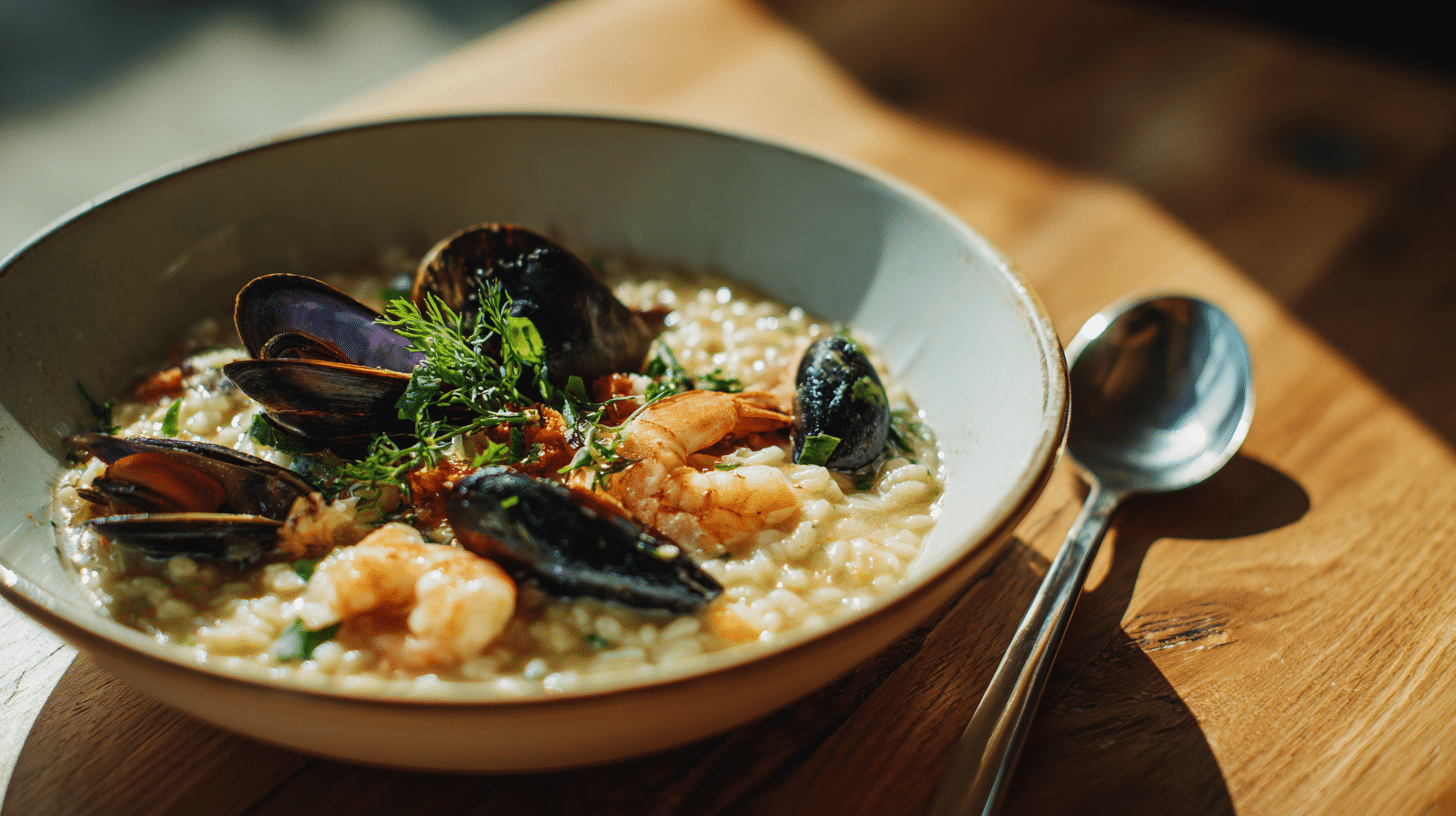


A platter of seafood can feel like too much work for four or six people. Make the pieces small and the cooking becomes manageable. Serve a basket of crisp shrimp first, then bring out a tray of white fish bites with a different topping. Both can share a bowl of lemony sauce.
You can do the cutting and measuring ahead, and leave the last few minutes before serving for the work that actually makes a difference, browning the crumbs and checking the centers.
Buy Pieces You Can Cook in Batches
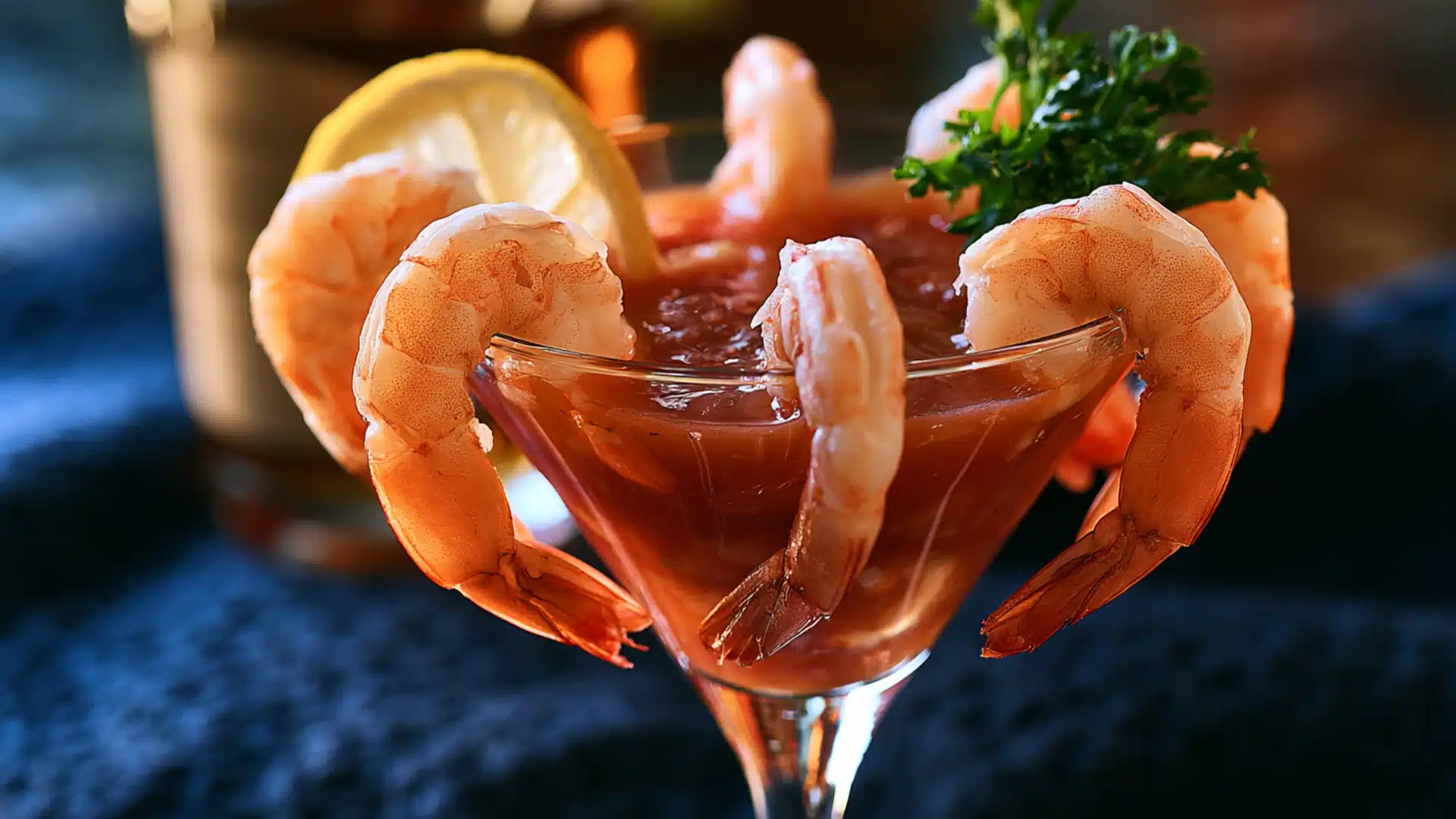
Choose peeled shrimp of a similar size. If the tails are still on, keep them as little handles only if you have a bowl for people to set them in. Tail-off shrimp are easier to put on a plate beside other snacks. Firm white fish such as cod works for the second batch. Cut the thick pieces into small portions and set any slender tips apart so you can check them sooner. A very thin piece can cook before the crumbs around a thick piece have had a chance to brown.
Thaw frozen seafood in the refrigerator and blot it dry before coating. Excess water makes dry crumbs cling unevenly and can make the breading lift off on the rack. Keep the seafood chilled until you are ready to work on it. Set out another clean tray for the cooked pieces and keep the utensils for raw seafood apart from what you plan to put on the table. This is easier if you clear one side of your counter before you start.
Give Shrimp a Thin Coating
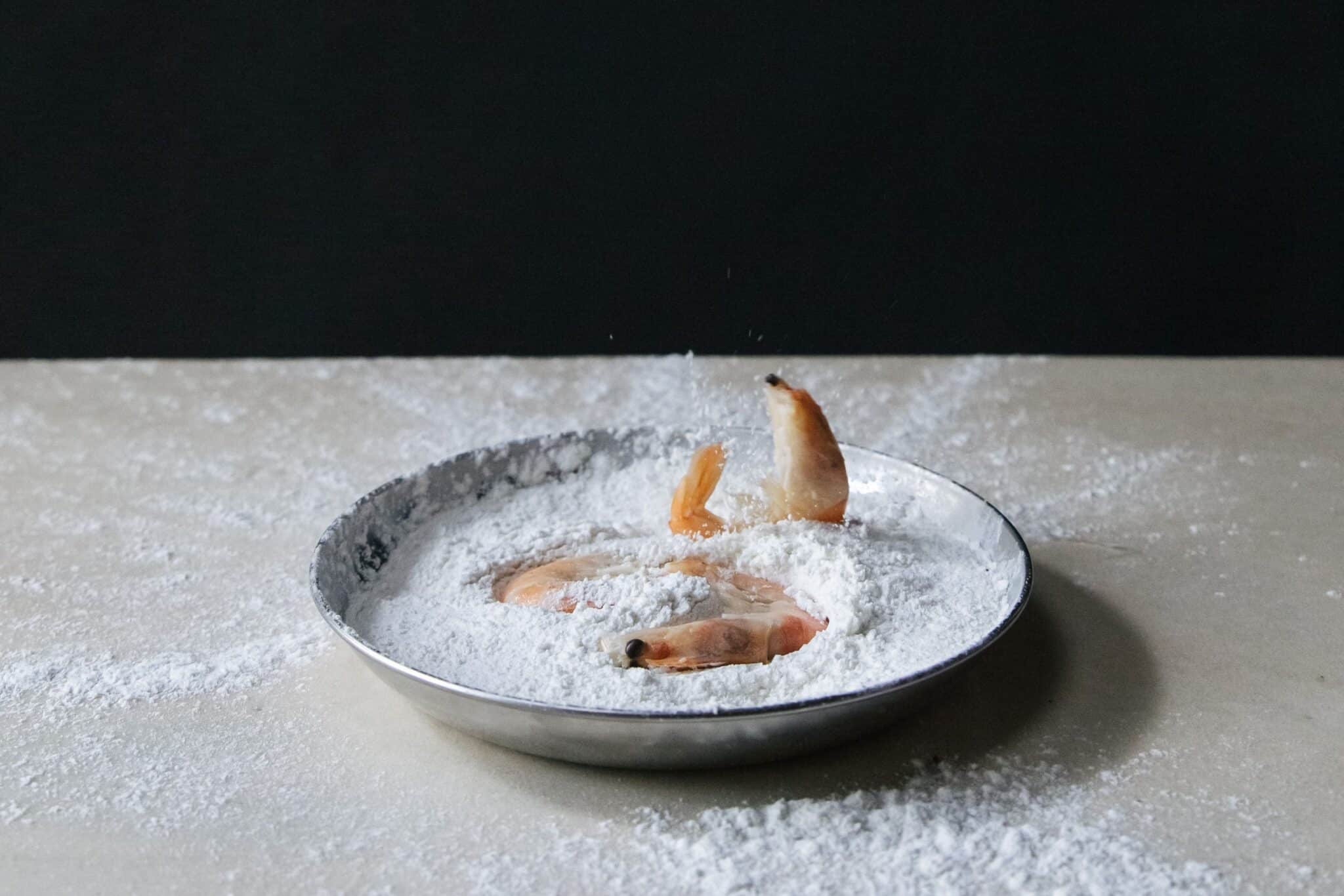
Place a little flour, beaten egg and panko in separate bowls. Season the flour with salt and pepper or a pinch of paprika, then dredge the shrimp one at a time. Shake excess flour back into the bowl, dip the shrimp in egg and press it lightly into the crumbs. If the crumbs start coating your fingers more than the shrimp, keep one hand for the dry steps and one for the wet bowl.
A COSORI Iconic stainless steel air fryer gives you a basket for a small batch. Leave open space between pieces so air can reach the edges. Use a little oil if your recipe and appliance allow it and check the smallest pieces first. The FDA lists 145°F as the safe internal temperature for most seafood. Shrimp should be firm and opaque. Check carefully with a suitable thermometer where practical, and take the cooked shrimp off the hot basket as soon as they are ready.
Let the first batch stand on a clean wire rack while you see how many people want a piece. If they are still working their way through a plate of crackers, you have time to wait before starting another batch. A rack keeps the bottom from sitting in its own steam. Serve the shrimp with a little sauce on the side instead of dressing every piece as it comes out.
Give the Fish Room on a Flat Tray
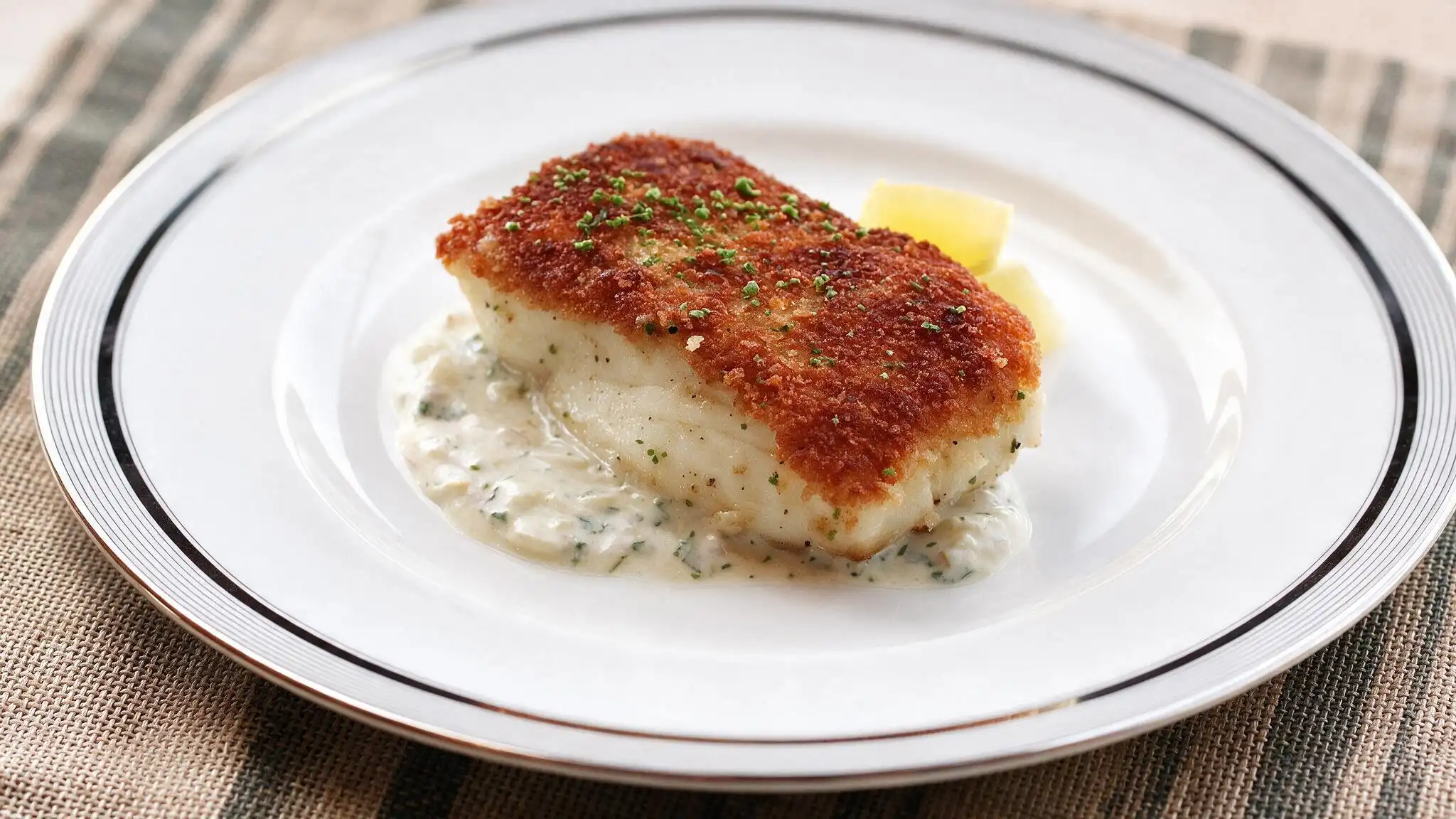
Season the fish lightly and use a mixture of panko, finely grated lemon zest and a little oil. You can toast the crumbs briefly before putting them on the fish if you want more color without baking the fish for longer. Let the crumbs cool enough to handle. Press a small amount onto the top and sides of each piece, or use flour and egg first if you want thicker breading all the way around. A more delicate topping works well when people will use forks.
Countertop air fryer ovens can brown a shallow tray of fish bites if the pieces have room around them. Use a pan that fits the rack, and position the thick pieces where you can check one without rearranging the whole tray. Follow the oven and recipe guidance and check the center of a thick piece with a thermometer. Aim for 145°F. If you have small tapering pieces, take them out as soon as they’re ready. They can go on the same serving plate once the rest finishes.
Use the Same Dip to Tie the Two Plates Together
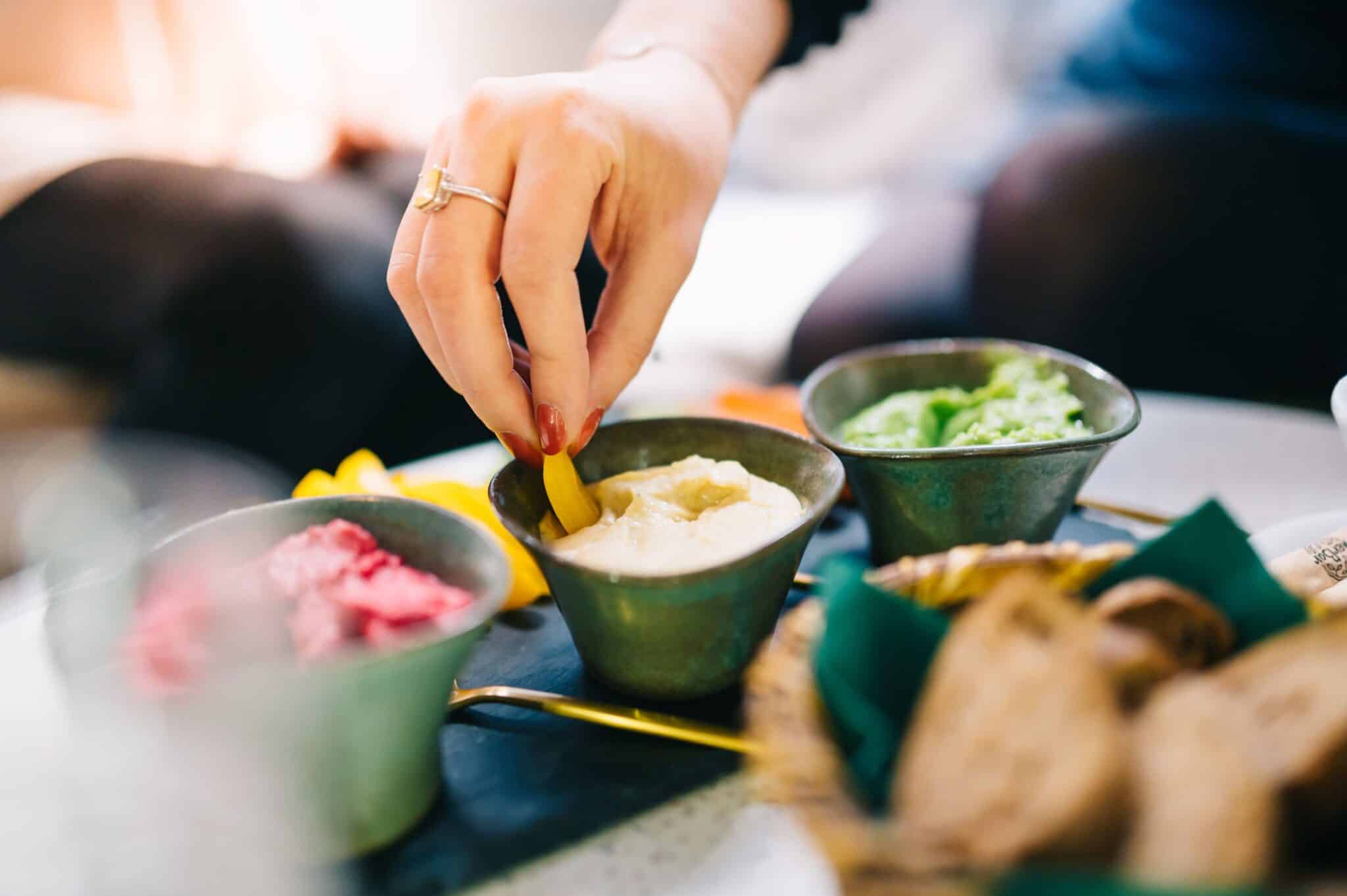
Stir a little lemon juice and chopped dill into plain yogurt, or make tartar sauce and chill it until serving. You only need one bowl for a small group. Put the spoon on the side, along with lemon wedges, because the first few pieces will stay crisp longer if people add sauce or juice right before eating. If the party will last a while, set out a small portion and refill it from the refrigerator.
Choose the serving order based on how much attention you can give each batch. If you’re using one appliance, set out the shrimp, then cook the fish while people are eating. If you have two, start with the fish and add the shrimp when the fish has a few minutes left, following the timing of your recipes. Leave each batch on its own plate. When the shrimp and fish come to the table apart, you can give everyone a chance to taste each while the edges still crackle.