

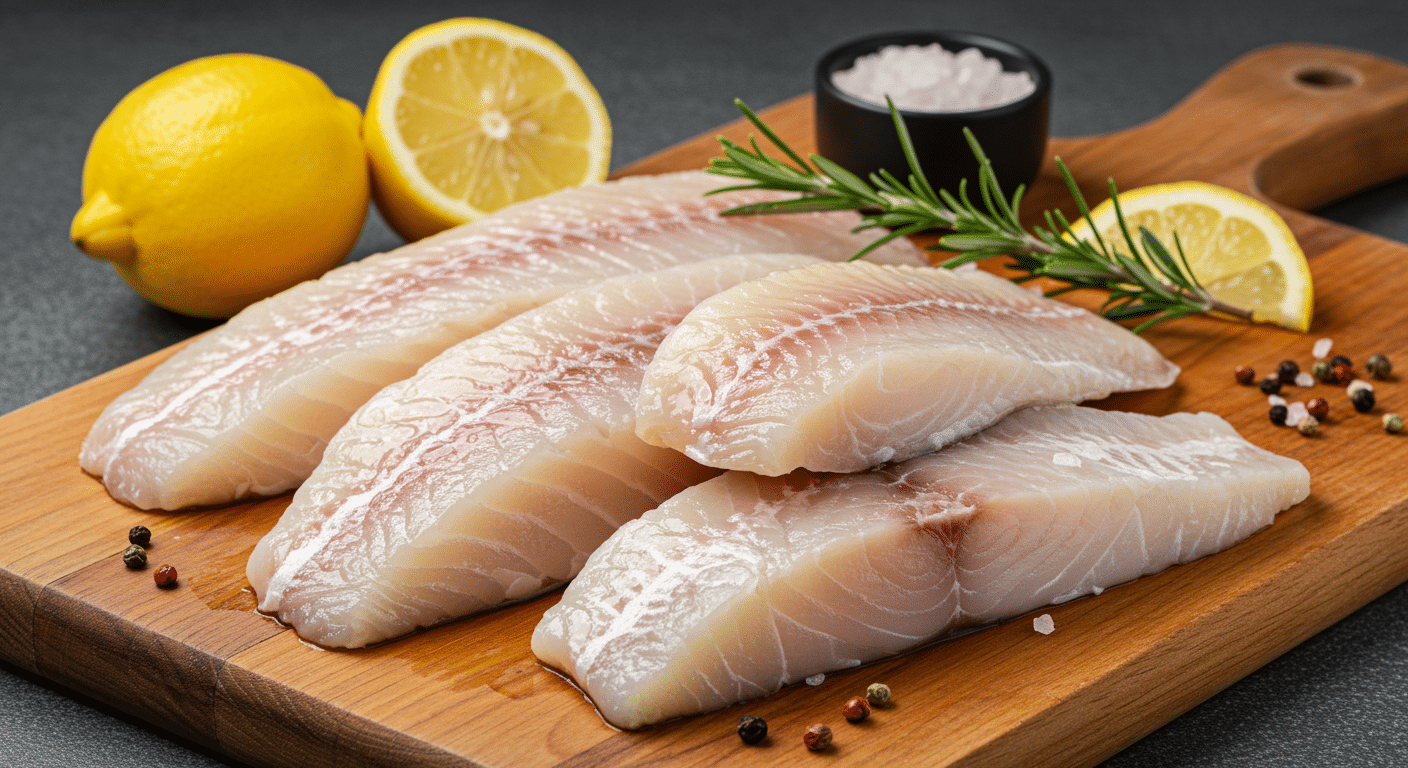
What’s the best white fish to eat?
Most people grab whatever’s on sale at the grocery store. They cook it. It tastes bland or falls apart in the pan. Then they wonder why fish get such a bad rap.
The truth is, not all white fish are the same.
Some are firm and hold up on the grill. Others are delicate and buttery.
Knowing which type to buy and how to cook it makes all the difference between a disappointing dinner and something worth making again.
What is a White Fish?
White fish isn’t just about color. It’s a term for fish with light-colored flesh and a mild flavor. These are different from oily fish like salmon or tuna.
Most white fish live near the ocean floor. They don’t swim long distances. This makes their meat lean and low in fat. The flesh stays white or pale even after cooking.
Common traits:
- Light, flaky texture
- Mild taste that’s not “fishy.”
- Low fat content
- High in protein
- Quick cooking time
The low-fat content is key. While oily fish store fat throughout their flesh, white fish store it mainly in their liver. That’s why white fish feels lighter and tastes less intense.
Benefits of Eating White Fish
White fish offers more than just a mild taste. It brings real health perks and practical advantages that make it worth adding to any meal plan.
Packed With Protein
White fish delivers plenty of protein without extra calories. A single serving can provide 20-25 grams, which helps build muscle and keeps you full longer.
Easy on the Stomach
The lean nature makes white fish gentle to digest. People with sensitive stomachs often tolerate it better than red meat or oily fish.
Supports Heart Health
White fish contains omega-3 fatty acids in smaller amounts than oily fish. But it’s still good for the heart and has almost no saturated fat.
Cooks in Minutes
Most white fish fillets cook in under 15 minutes. This makes weeknight dinners quick and stress-free for busy families.
Budget-Friendly Option
Many white fish varieties cost less than salmon or other premium seafood. You can eat healthy without spending a fortune at the grocery store.
Types of White Fish
Not all white fish taste the same or cook the same way. Some are firm and meaty, while others flake apart easily.
Here’s a breakdown of the best white fish to eat, what makes each one special, and how to use them in the kitchen.
1. Cod
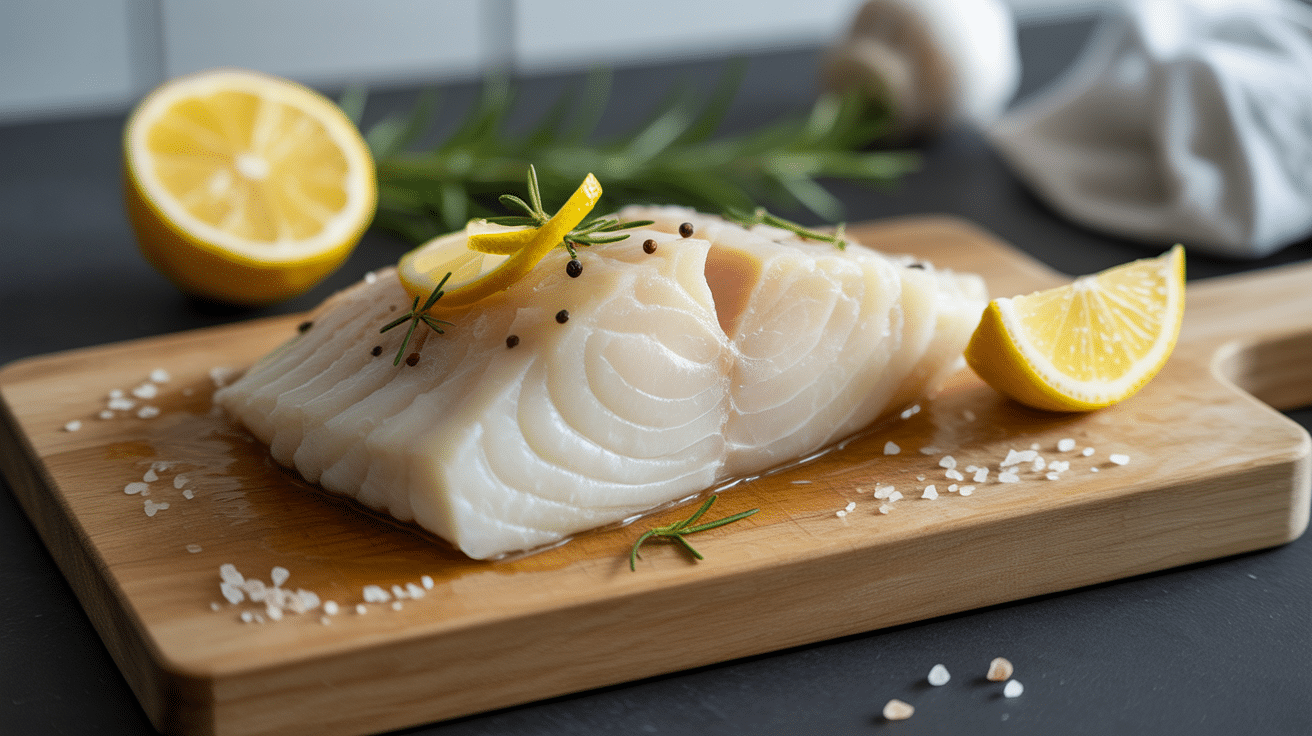
Cod is one of the most popular white fish worldwide.
Its thick, flaky flesh works well in soups, fish and chips, or baked dishes. The taste? Very mild. People who claim they don’t like fish often change their minds after trying cod.
It’s widely available and usually affordable at most grocery stores.
2. Halibut
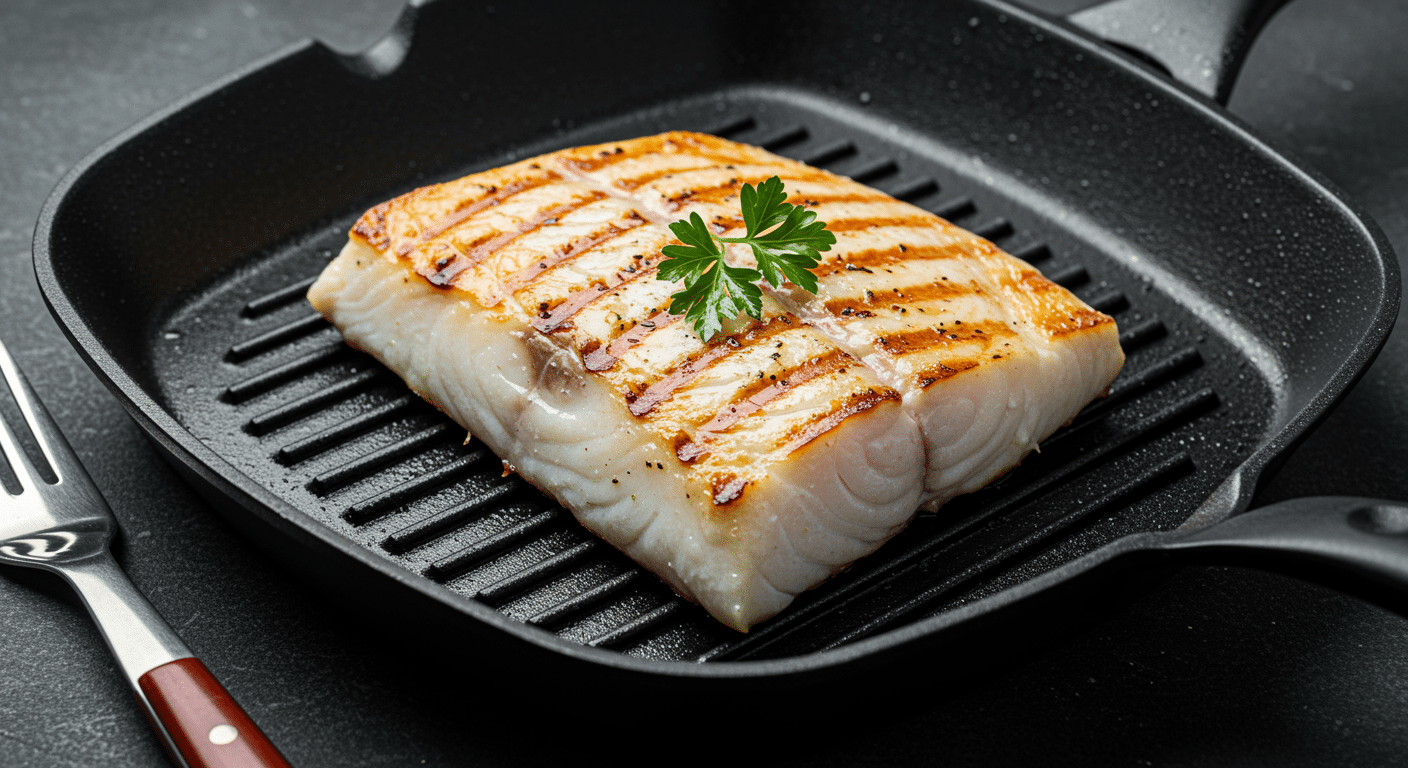
Halibut offers a firm, meaty texture that won’t crumble on the grill. The flavor leans slightly sweet, making it stand out from blander options.
This fish handles high heat beautifully. It’s pricier than many white fish, but the quality shows in every bite.
Halibut is one of the largest flatfish and can weigh over 500 pounds in the wild.
3. Tilapia
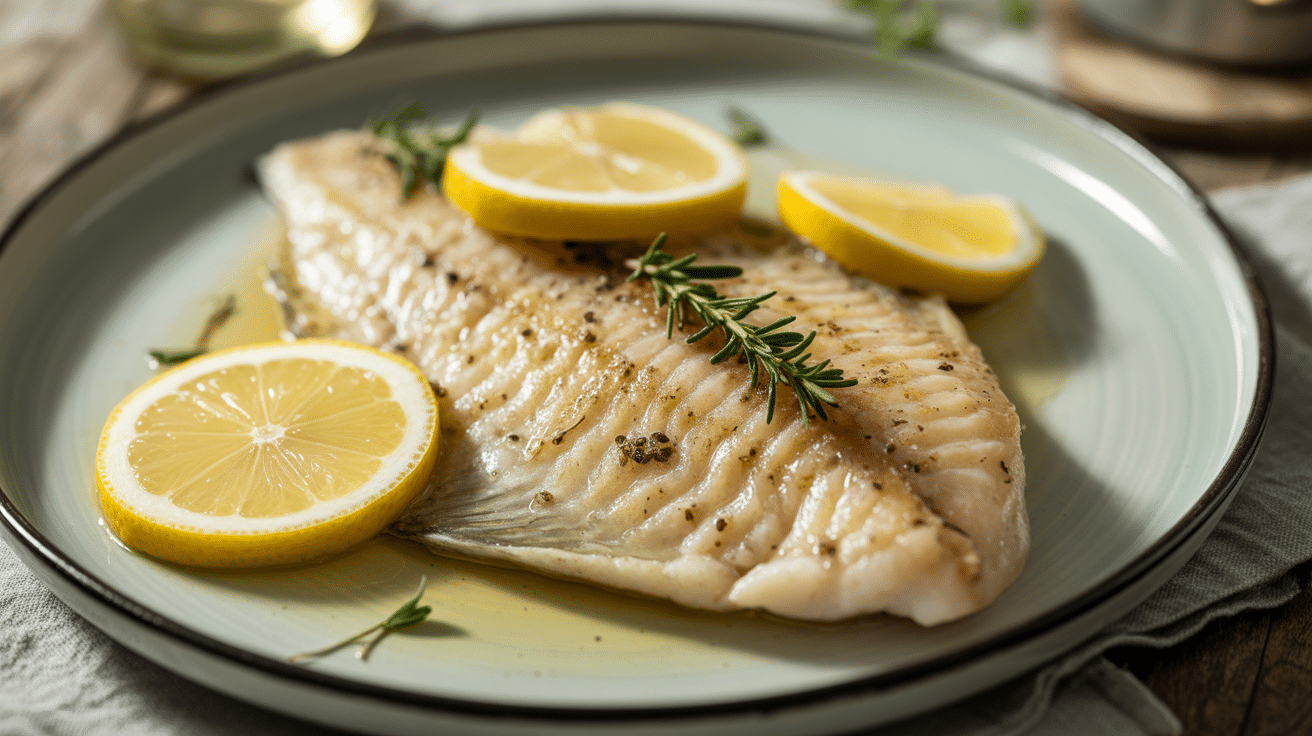
Tilapia cooks in just minutes. The taste is almost neutral, which makes it perfect for beginners.
It soaks up whatever seasonings you throw at it: garlic, lemon, chili, or herbs.
It’s available year-round. Choose U.S. or Canadian farm-raised tilapia for better quality and farming practices.
4. Haddock
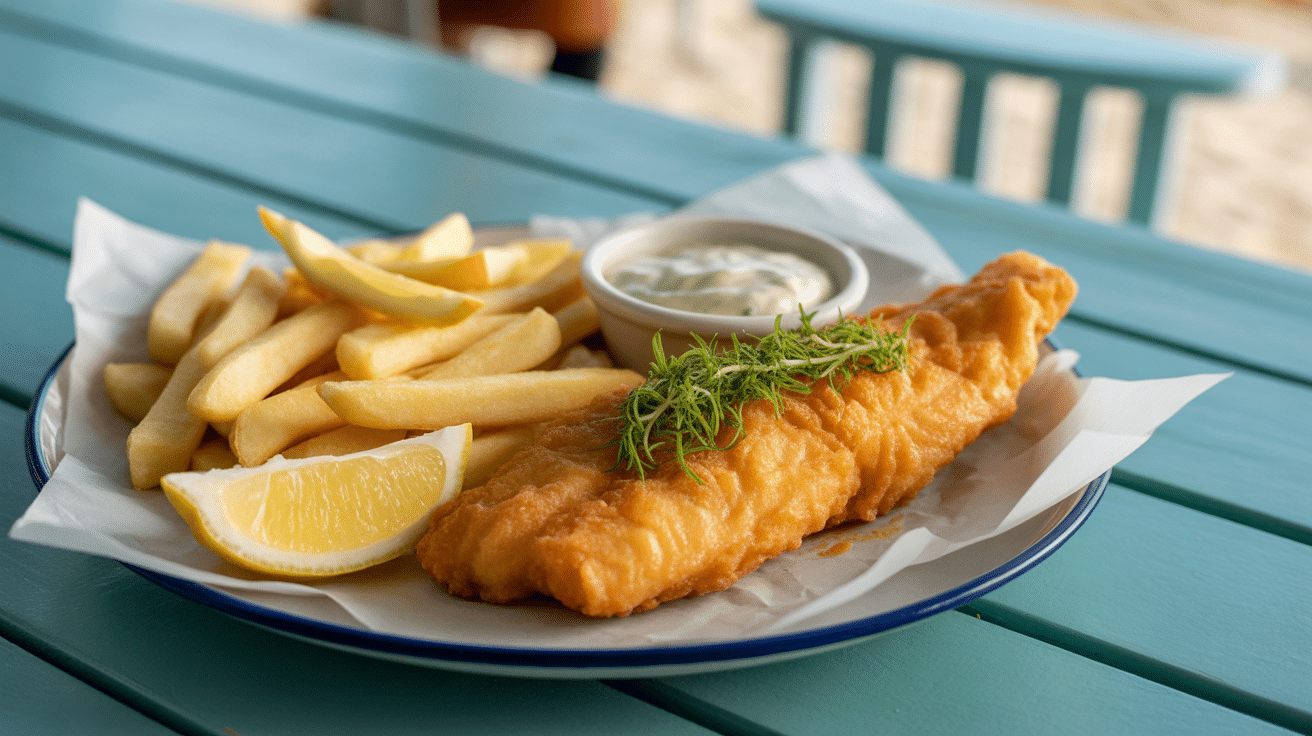
Haddock tastes like cod’s sweeter cousin. The texture is tender and breaks into clean flakes when cooked properly.
It’s a favorite for fish and chips in coastal towns. Smoked haddock brings a whole different level of flavor to breakfast dishes and chowders.
5. Pollock
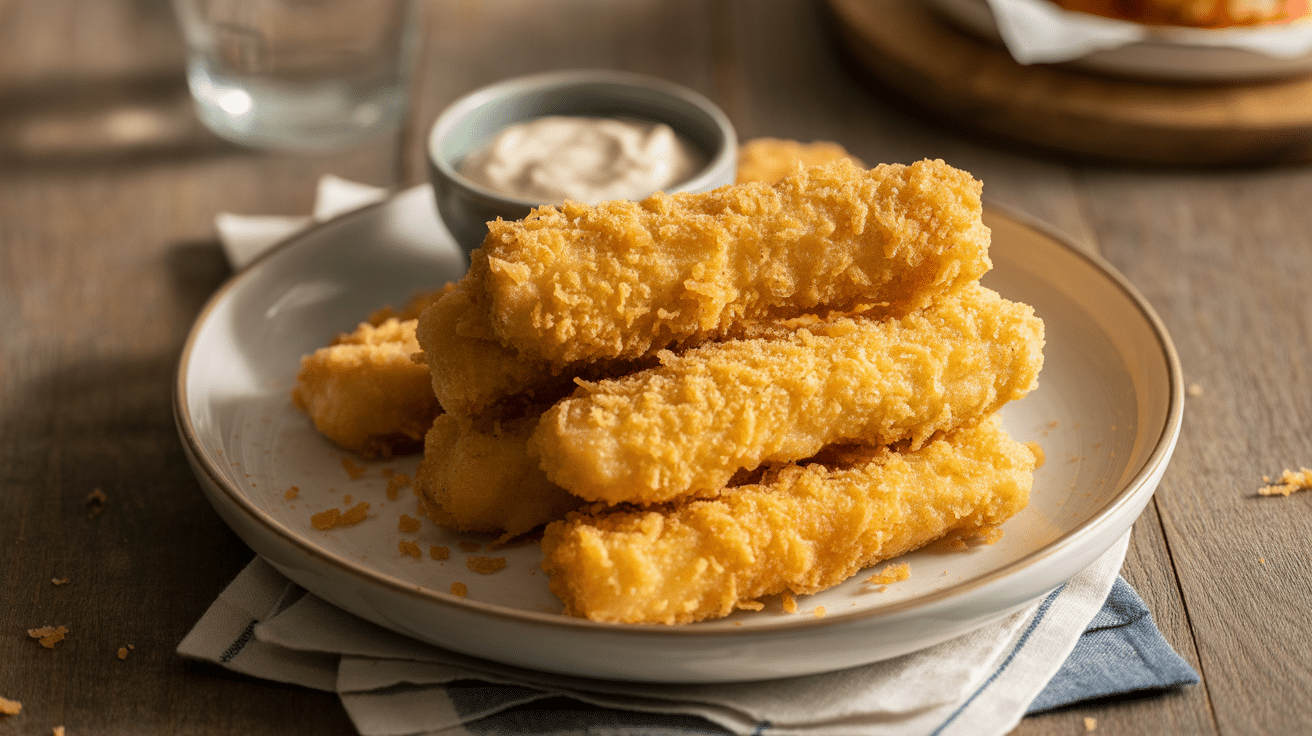
Pollock shows up in most fish sticks and fast-food sandwiches. It’s affordable and easy to find frozen. The texture is soft, and the flavor stays clean without being fishy.
This makes it great for breaded recipes, fish cakes, or simple family meals.
Alaskan pollock is one of the most sustainably managed fisheries in the world.
6. Mahi-Mahi
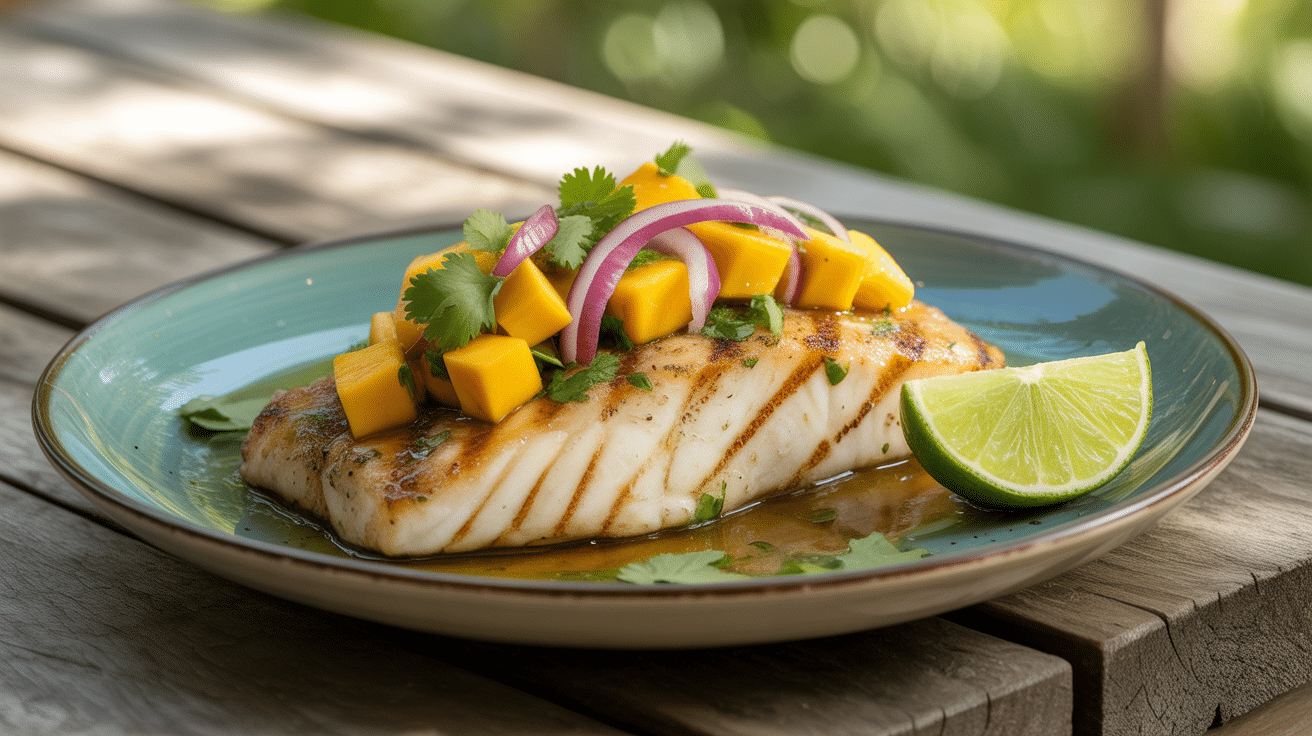
Mahi-mahi has firmer flesh than most options here.
The taste is mild but carries a hint of sweetness. It won’t fall apart on the grill or in a hot pan.
This fish shines in fish tacos, grilled with lime, or paired with tropical salsas that match its richer flavor.
7. Flounder
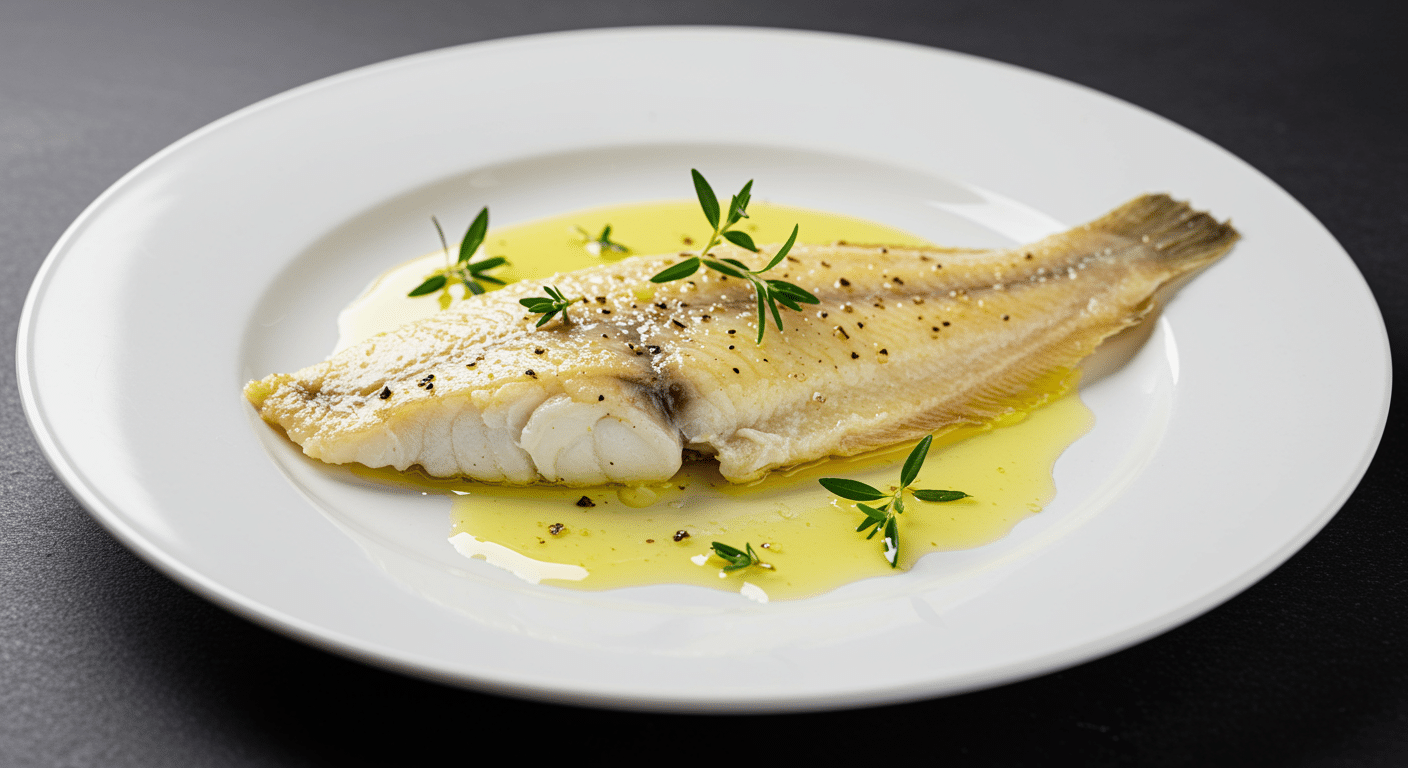
Flounder is thin and delicate with soft, flaky meat. It cooks fast, sometimes in under five minutes, so watch it carefully.
People who want zero “fishy” taste love flounder with just butter and herbs.
Flounder is a flatfish with both eyes on one side of its head.
8. Sea Bass
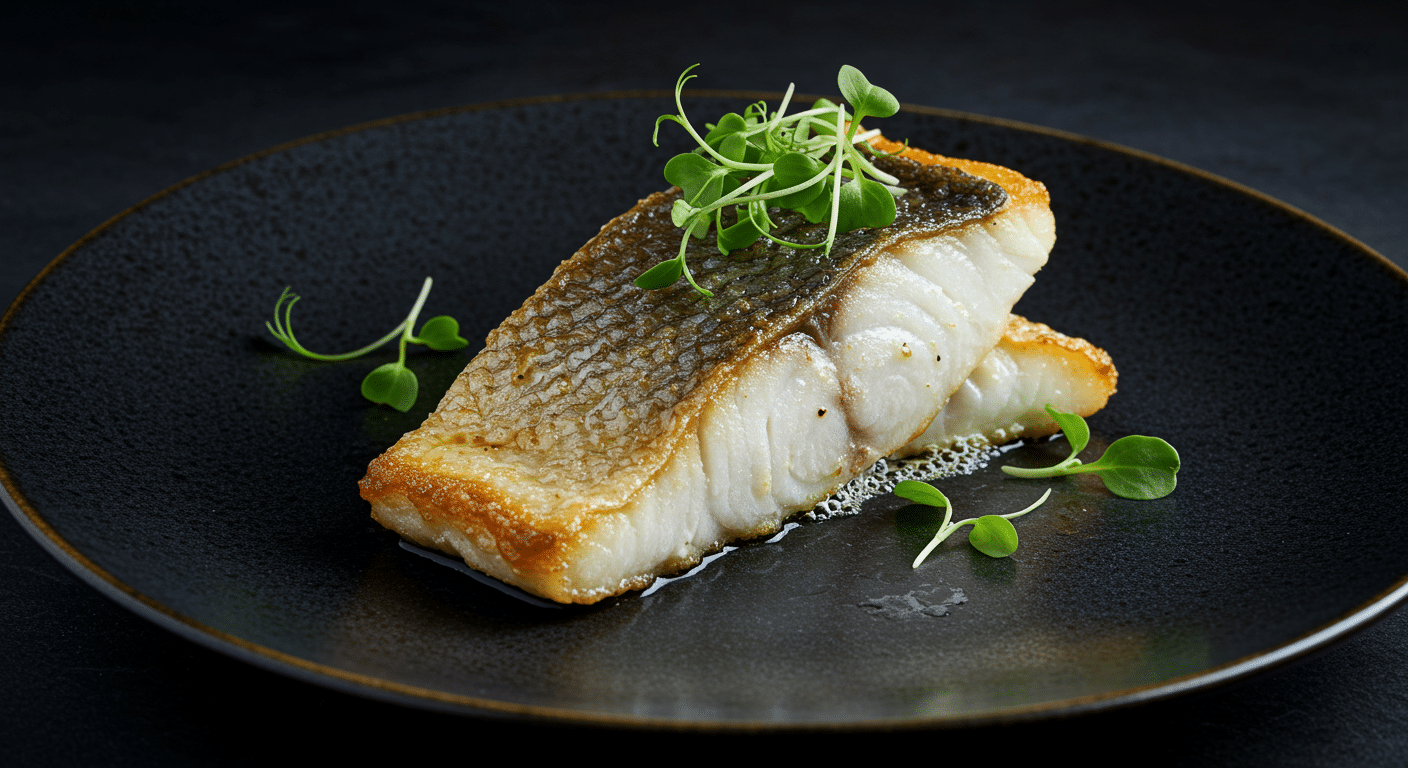
Sea bass has a rich, buttery flavor that melts in your mouth. The flesh stays moist and tender during cooking.
It’s expensive, yes, but there’s a reason restaurants charge premium prices for it. Simple seasonings like lemon, garlic, and olive oil are all it needs to shine.
9. Snapper
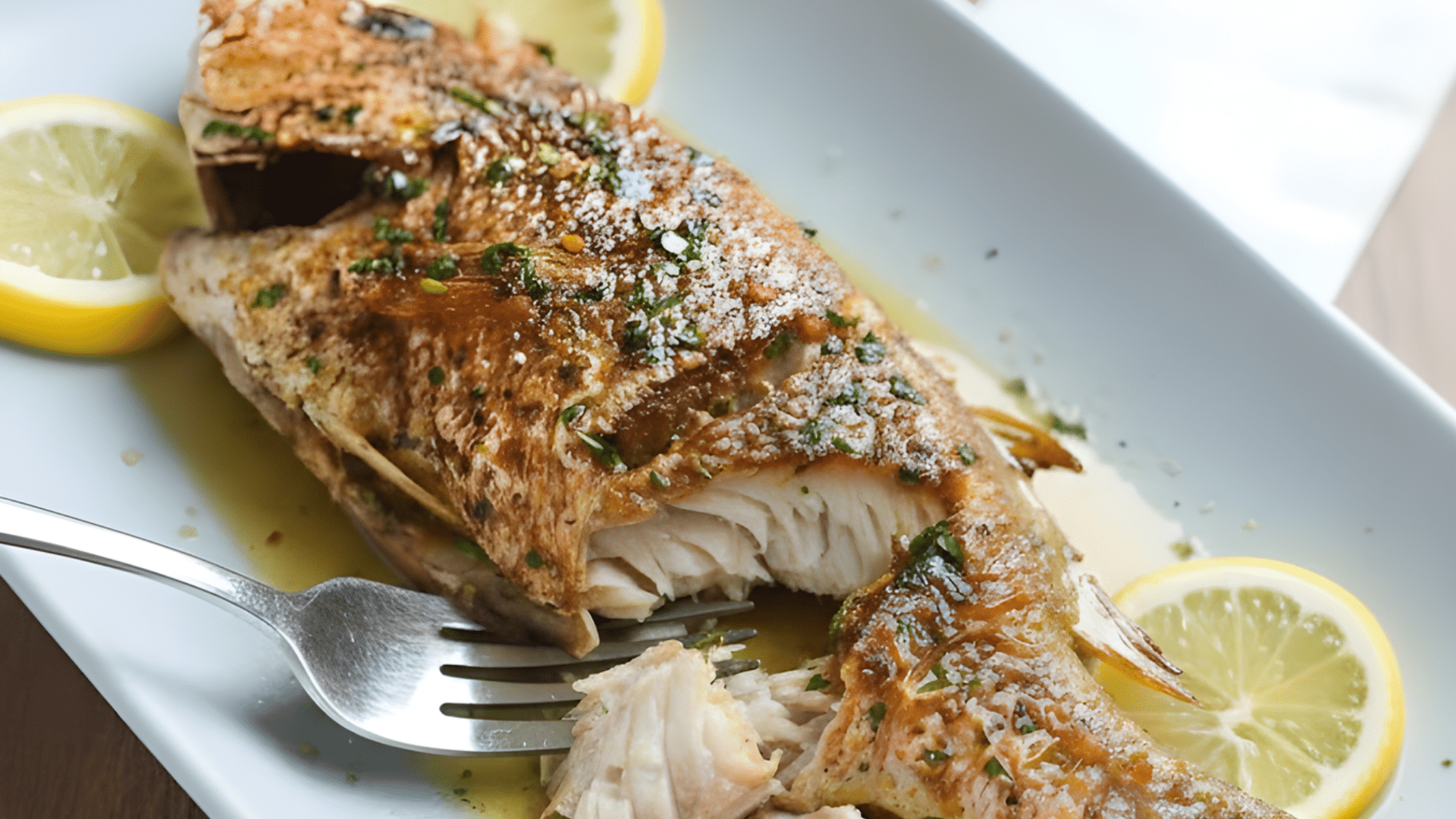
Snapper offers firm texture and a slightly sweet, nutty taste. The meat stays moist and doesn’t dry out when grilled or baked.
It’s popular in Caribbean, Latin American, and Asian dishes. You can bake it whole with spices, grill fillets, or add it to curry.
Red snapper is the most popular variety, but there are over 100 species of snapper.
10. Grouper
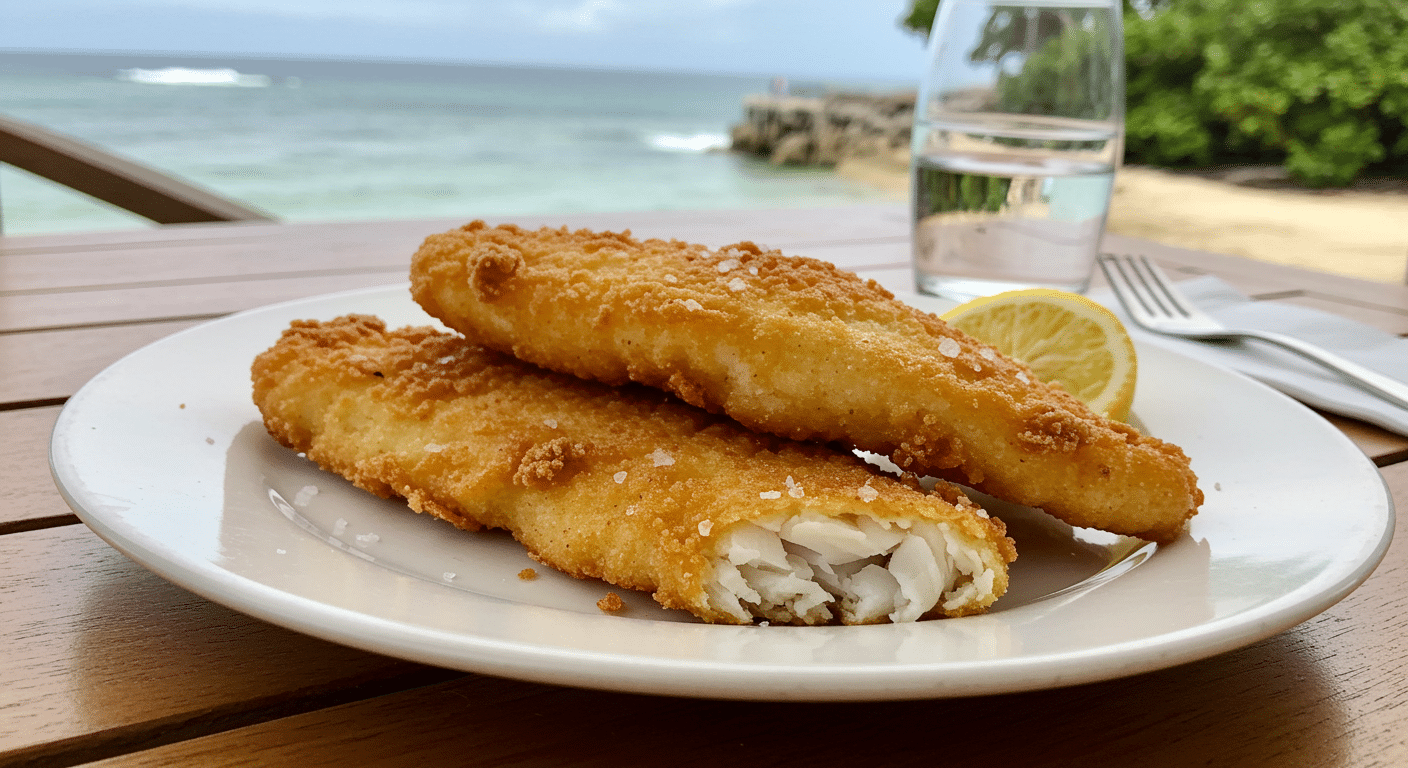
Grouper has thick fillets that hold their shape beautifully on the grill. The flavor is stronger than cod but still considered mild.
A bit pricey? Sure. But it’s worth it when you want fish that won’t fall apart during cooking or flipping.
11. Sole
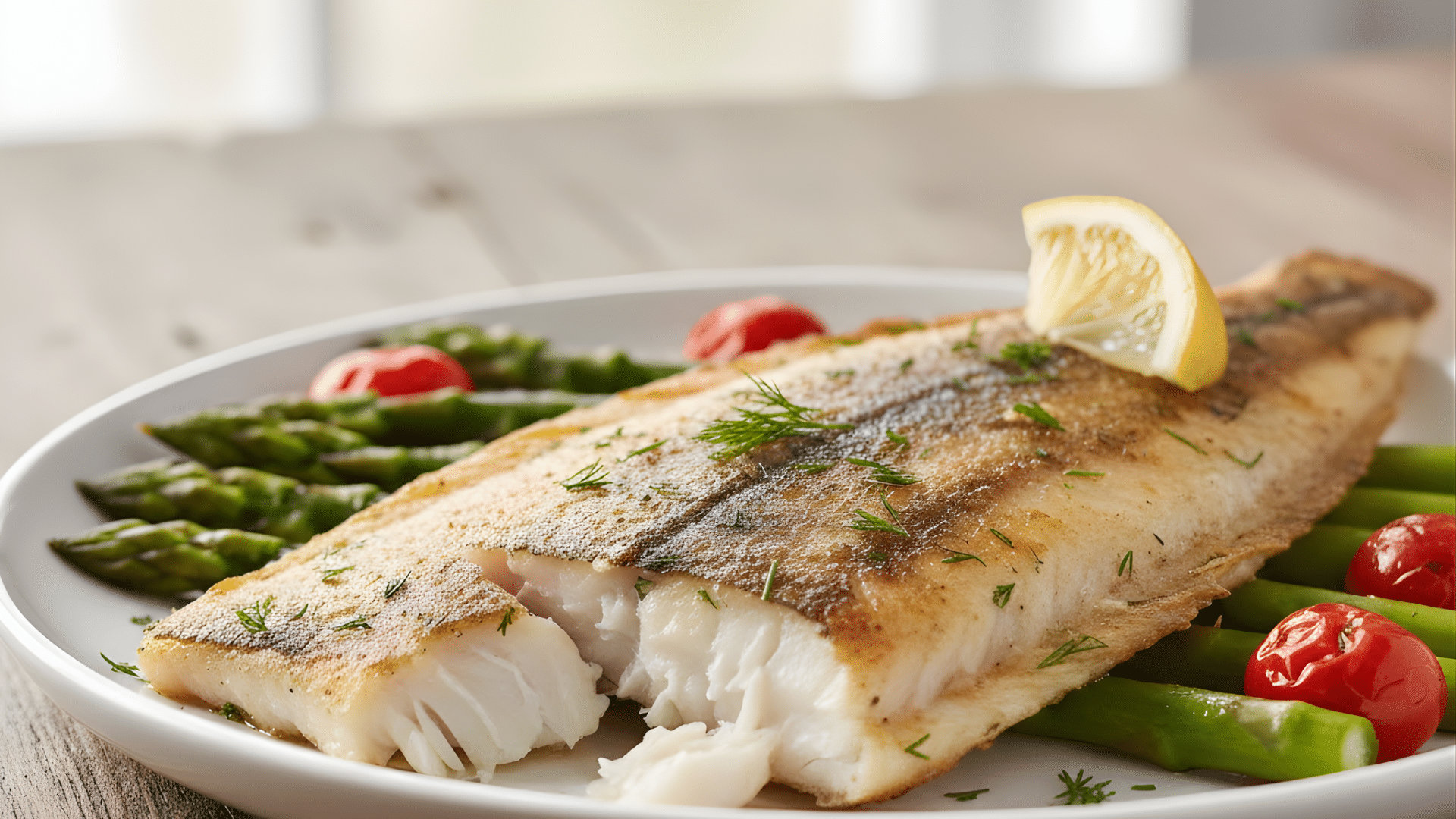
Sole is delicate and thin with a sweet, gentle flavor. This fish is best for quick pan-frying with butter or light baking.
French chefs have used it for centuries in classic dishes. It works well when you want something light and refined.
12. Catfish
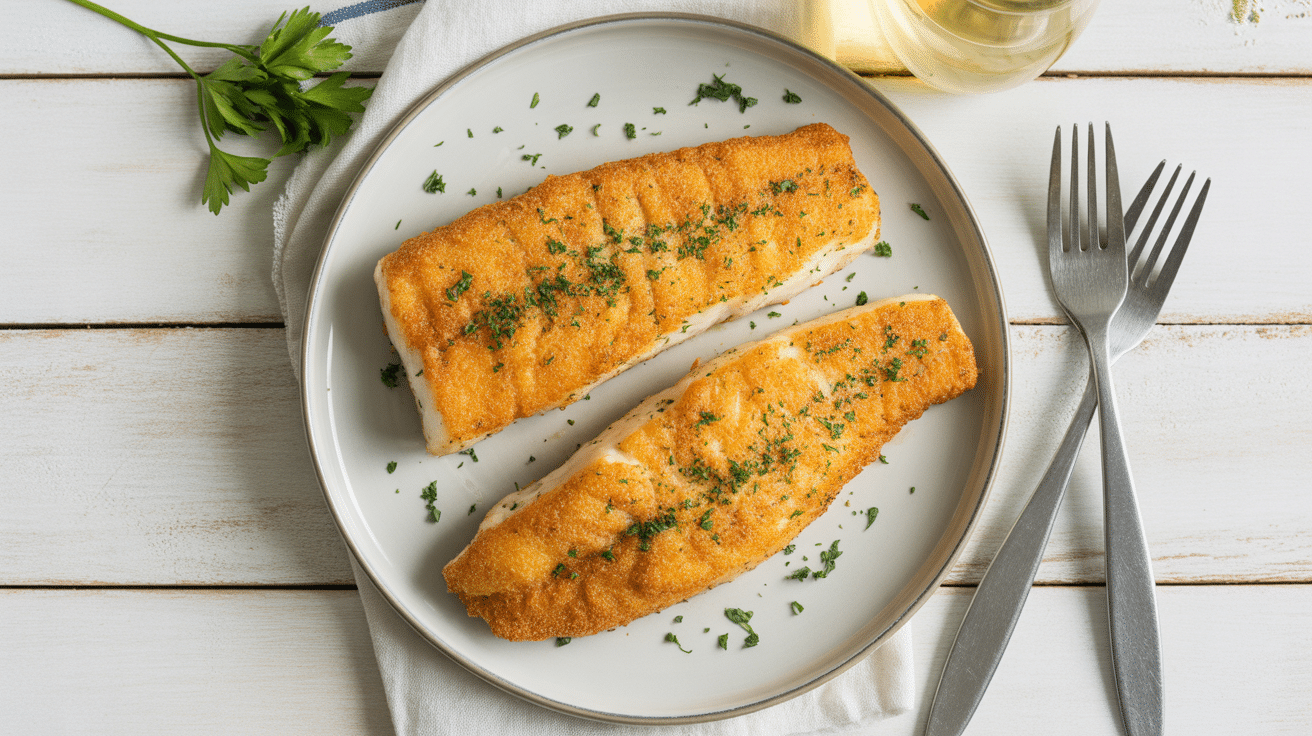
Catfish has a firmer texture than most delicate ocean white fish.
The taste is mild but carries an earthier quality compared to saltwater varieties. Southern cooks fry it with cornmeal coating until golden and crispy.
U.S. farm-raised catfish is a good, sustainable choice and tastes cleaner than wild catfish.
13. Swai
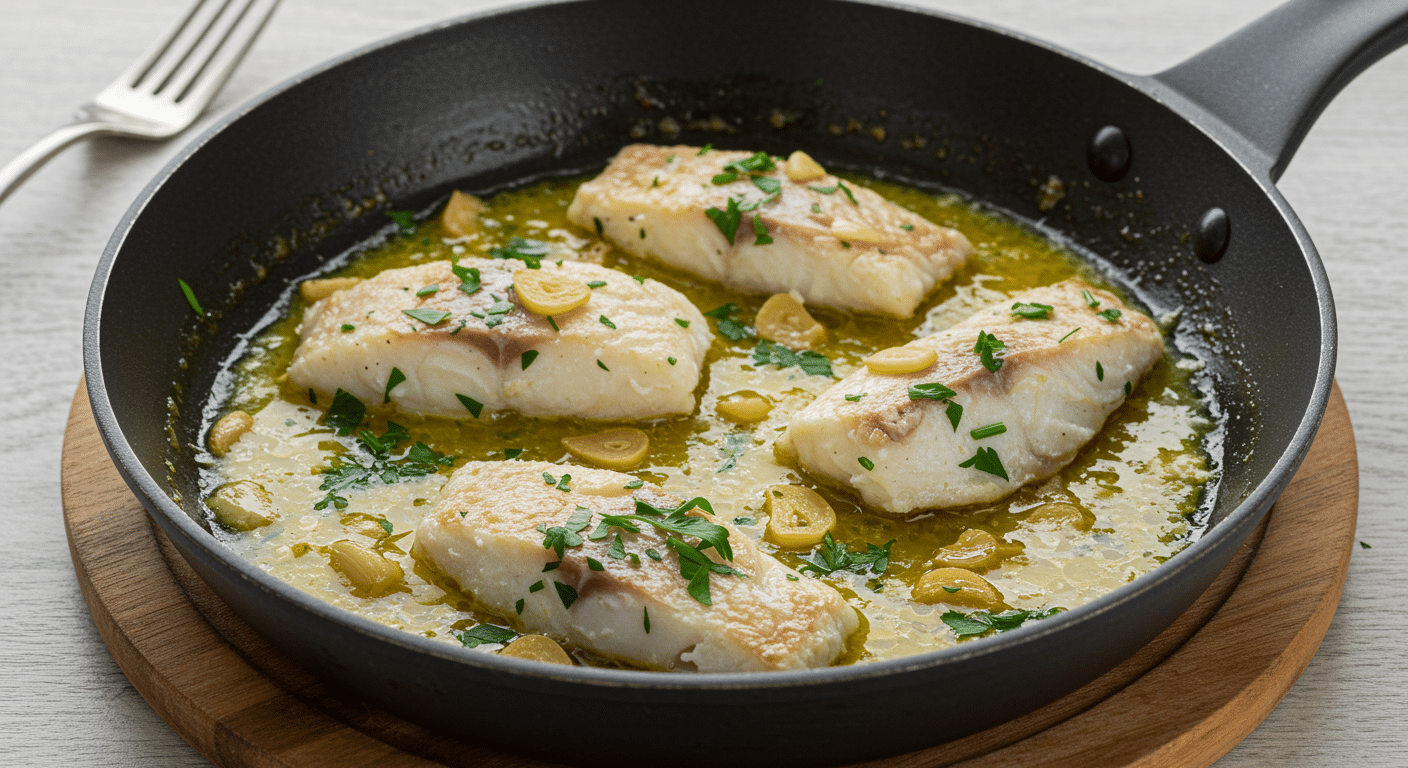
Swai is even milder than tilapia. Very affordable and cooks fast, making it popular for quick weeknight meals. The texture is soft and breaks into flakes easily.
It works well when you want the fish to take on the flavor of your sauce, marinade, or bold seasonings.
Swai is also called basa and comes mainly from Vietnam’s Mekong River farms.
14. Hake
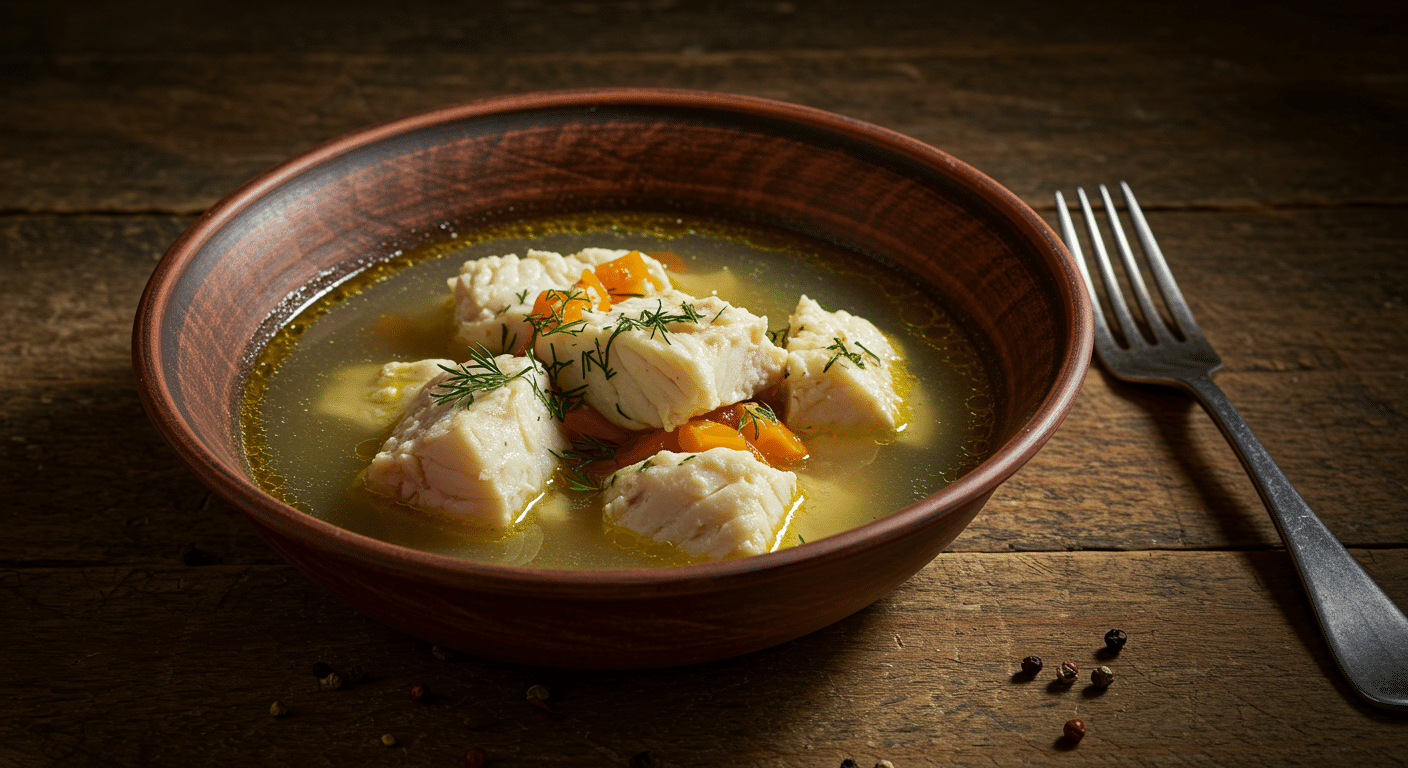
Hake is cod’s less expensive relative with similar qualities. The flavor is mild with a touch of sweetness.
It has that same flaky texture people love in cod. European cooks have been using hake for centuries in traditional fish stews, baked dishes, and fried preparations.
15. Barramundi
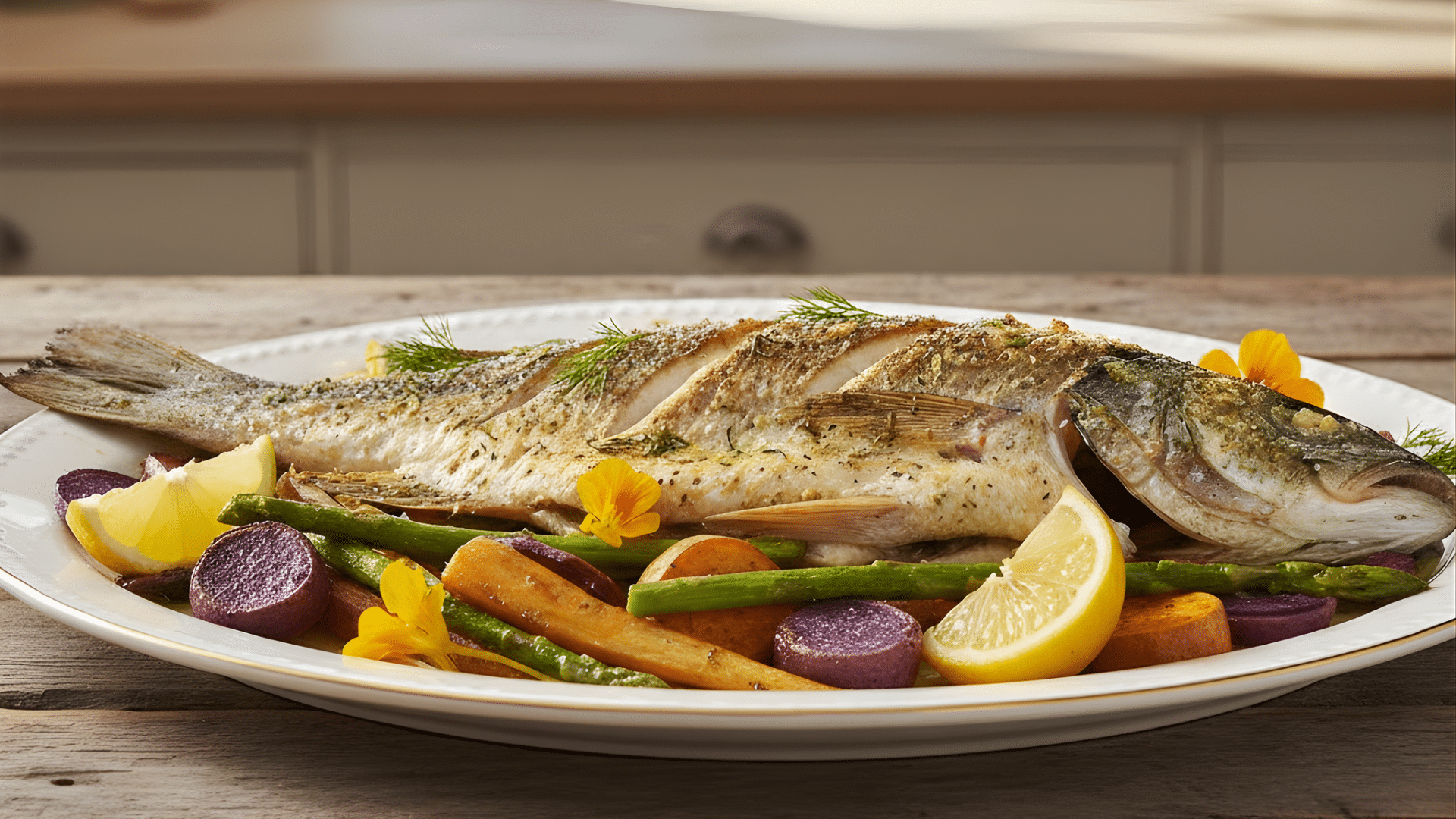
Barramundi has a buttery flavor with firm flesh that doesn’t fall apart. It’s big in Australia and catching on fast in the U.S. market. The fish holds up to high heat without drying out or becoming rubbery.
Many farms raise it sustainably with good environmental practices, which is a bonus for conscious buyers.
Barramundi is rich in omega-3s compared to other white fish varieties.
16. Rockfish
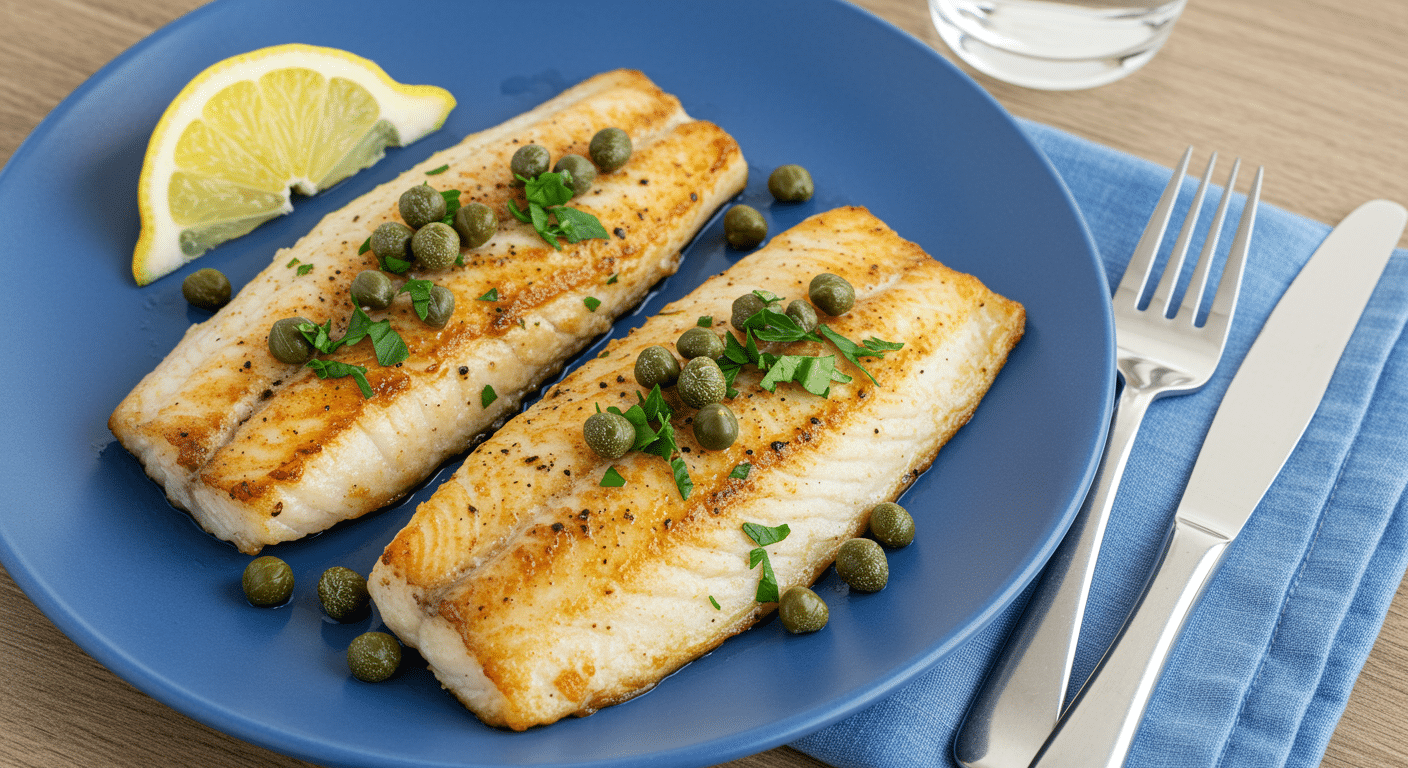
Rockfish has a mild, slightly nutty flavor with a medium-firm texture. Stores sometimes sell it as Pacific snapper.
The flesh stays moist during cooking and doesn’t dry out easily. You can use rockfish in place of nearly any white fish recipe without adjusting your cooking method.
17. Lingcod
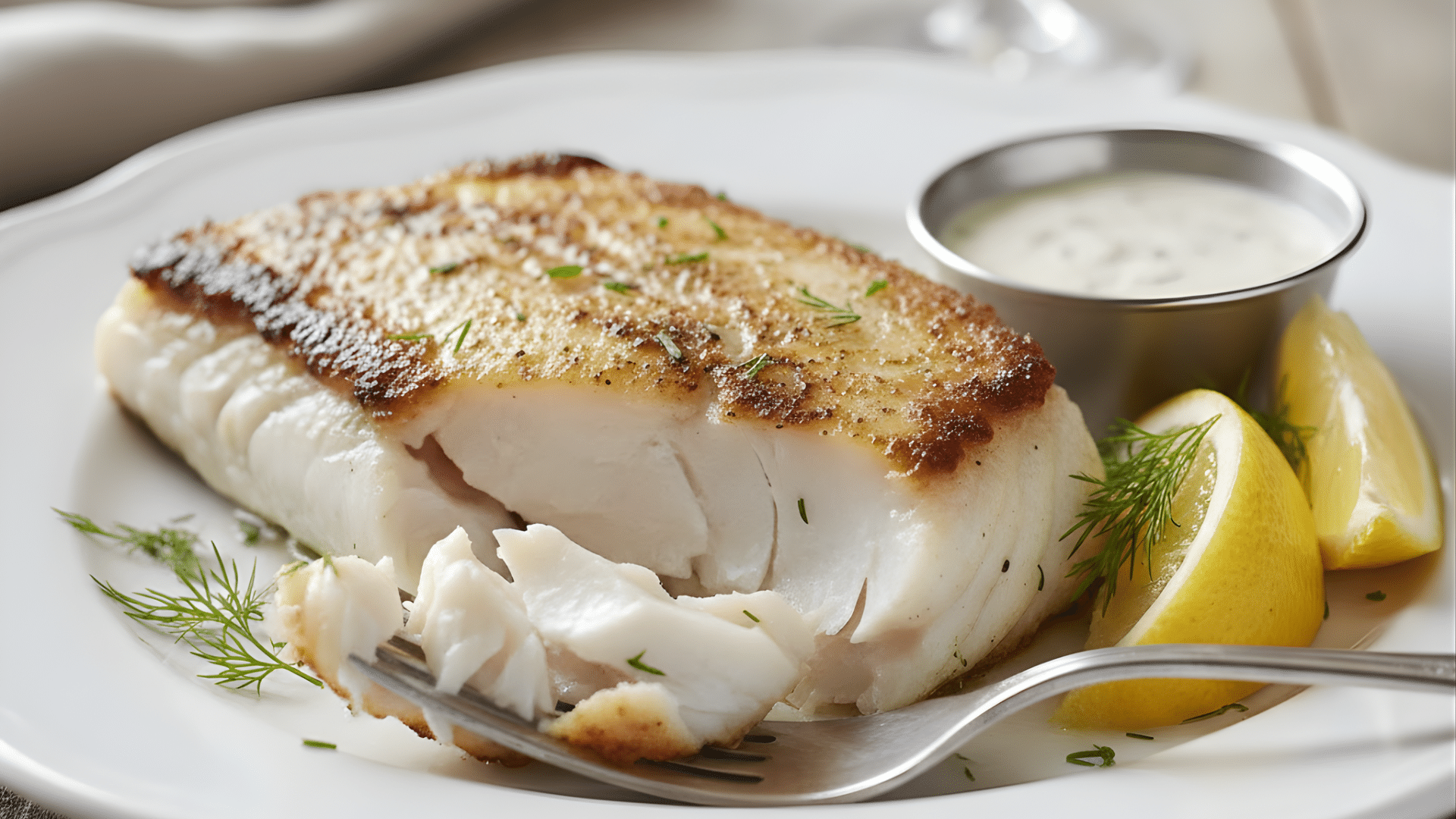
Lingcod isn’t actually cod despite the misleading name. It has firm, lean meat with a mild, clean flavor. Popular on the West Coast of the U.S. and Canada.
The raw flesh can look blue or green, but it turns white when cooked and tastes perfectly normal.
Raw lingcod flesh can be blue or green, but it turns white when cooked.
Best White Fish to Eat
When it comes to choosing white fish, some options stand out.
- Cod tops the list for its mild, flaky texture that works in almost any recipe.
- Halibut follows with firm, meaty flesh that’s perfect for grilling.
- Mahi-mahi offers a slightly sweet flavor and holds up well to high heat.
- Sea bass brings buttery richness worth the higher price.
- Snapper and haddock are sweet, moist, and hard to mess up.
How to Choose & Cook White Fish?
Picking the right fish at the store and cooking it properly makes all the difference. Here is what to look for and how to handle white fish in the kitchen.
Choosing Fresh White Fish
- Fresh fish shouldn’t smell fishy. It should smell like the ocean or have almost no smell at all.
- The flesh should look moist and spring back when you press it gently.
- Avoid fish with dry edges, brown spots, or a strong odor.
If buying whole fish, check the eyes. They should be clear and bright, not cloudy. The gills should be red or pink, not brown or gray.
Frozen vs. Fresh
Frozen white fish is often just as good as fresh. Many fish are frozen right on the boat after being caught. This locks in freshness. Just make sure there’s no ice crystals or freezer burn on the package.
Thaw frozen fish in the fridge overnight. Never leave it out on the counter.
Basic Cooking Methods
These are the most common cooking methods for white fish.
Baking
Baking is one of the easiest ways to cook white fish without much effort. It keeps the fish moist and lets you add flavors like butter, herbs, or citrus.
This method works well for thicker cuts that need even heat all around.
Best Baking Recipe: Lemon butter baked white fish
Pan-Frying
Pan-frying gives white fish a crispy, golden crust on the outside.
It cooks fast, usually in under 10 minutes total. This method is perfect when you want texture and a bit of richness from the oil or butter.
Popular Recipe for Pan-Frying: Crispy pan-fried white fish
Grilling
Grilling adds a smoky flavor that works well with firmer white fish.
The high heat creates nice char marks and keeps the inside tender. Best for fish that won’t fall apart through the grates.
Easy Grilled Recipe: Simple grilled white fish
Poaching
Poaching is the gentlest cooking method and keeps fish incredibly moist. It doesn’t add extra fat, making it a lighter option.
This works best for delicate fish that might dry out with high heat.
Poaching Recipe: Gentle Poached White Fish
Conclusion
White fish offers a simple way to add lean protein to meals without breaking the bank.
Each type brings its own texture and flavor, so there’s always something new to try. Some are firm and meaty. Others are soft and delicate.
The key? Buy fresh, season well, and don’t overcook.
Start with something mild like cod or tilapia. Then work your way up to richer options like sea bass or grouper when you’re ready.