

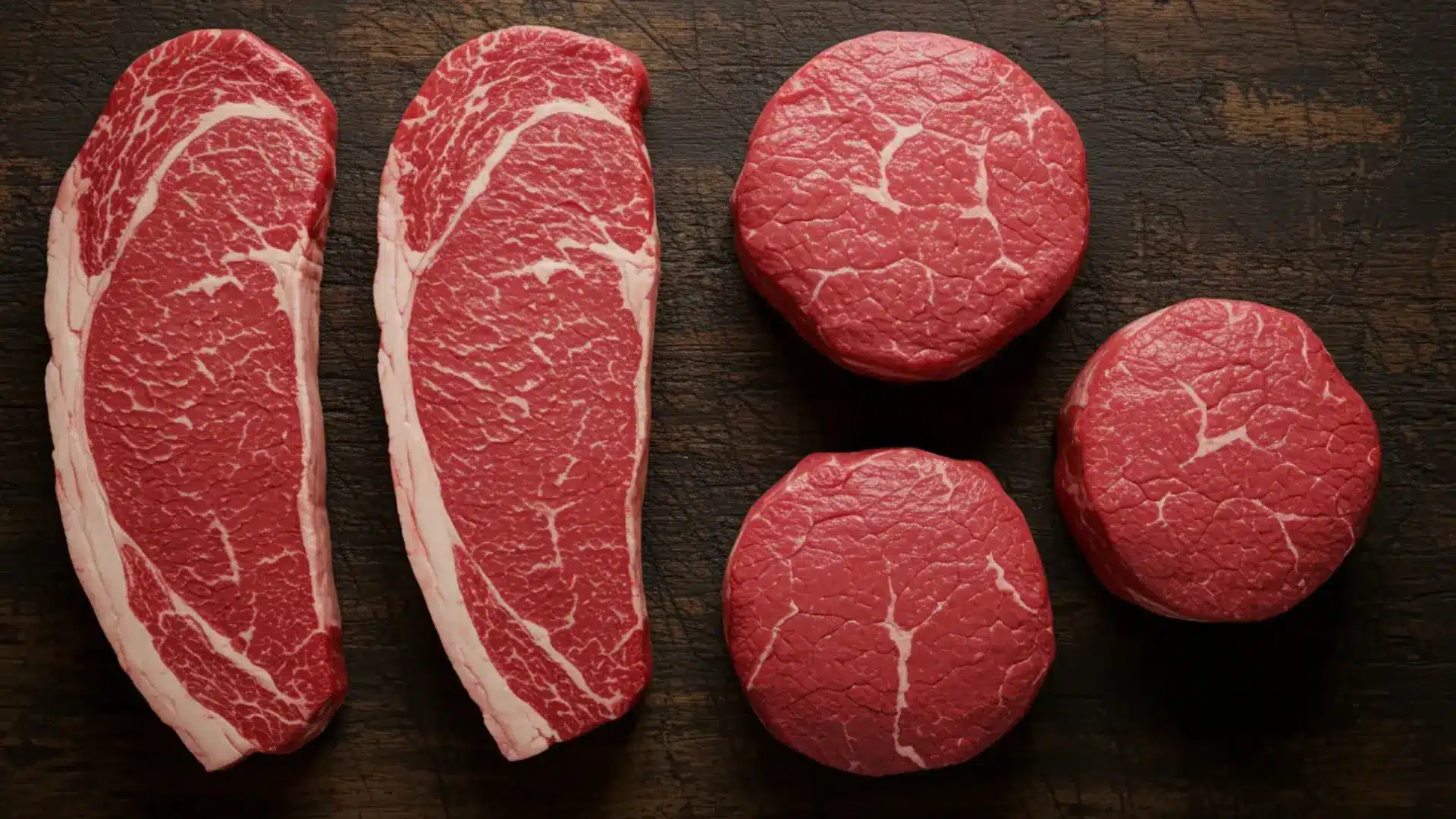
Two cuts. Same butcher counter. Completely different prices.
Sirloin sits there looking bold and generous.
Filet sits right next to it, smaller, pricier, and somehow more intimidating.
A bold, beefy flavour? Or a soft, buttery bite?
When comparing sirloin vs filet mignon, most people are deciding between bold flavor and extreme tenderness.
Sirloin and Filet: Know Your Cut
Knowing where each cut comes from makes the choice a lot clearer.
Sirloin sits toward the back of the cow, behind the ribs.
That muscle gets regular use, which means firmer texture, deep beefy flavor, and a more affordable price tag.
Filet mignon comes from the tenderloin along the spine. Barely used, which is exactly why it’s so tender and buttery.
It’s smaller, cut thicker, and often wrapped in bacon at steakhouses. Bold flavor and value, or pure tenderness.
That’s really what this decision comes down to!
Filet Mignon vs Top Sirloin: Key Differences
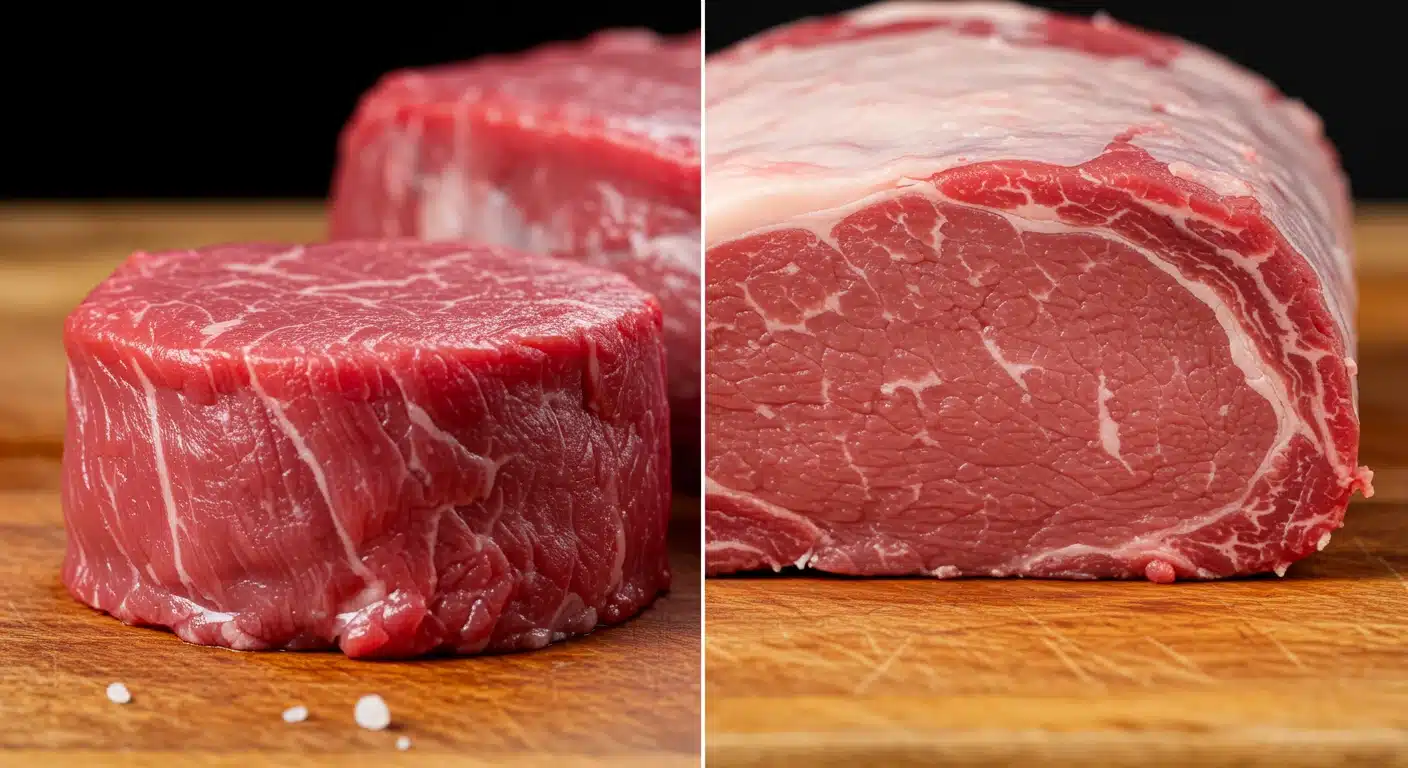
What is Top Sirloin?
Top sirloin comes from the upper hip area, a part of the cow that sees regular muscle activity.
That gives it a firm texture and a rich, meaty flavor that holds up well to high heat.
It is also one of the more wallet-friendly cuts, which makes it a solid choice when the goal is a satisfying steak without the premium price tag.
What is Filet Mignon?
Filet mignon comes from the tenderloin, a muscle that does very little work.
The result is a butter soft texture that is hard to match.
The flavor is mild and subtle compared to sirloin, but the tenderness more than makes up for it.
It is a premium cut, and the price reflects that.
How Sirloin and Filet Mignon Actually Feel on the Plate
The right choice depends on what matters most on the plate.
1. Texture and Thickness Differences
Sirloin has a firmer bite because the muscle sees regular movement.
For anyone who prefers a steak that feels substantial when chewing, sirloin is the more satisfying option.
Filet mignon has very fine muscle fibers, making it soft and buttery with almost no chew.
2. Cut Size and Thickness
Sirloin is typically cut wider and thinner, which makes it well suited for high heat cooking.
Filet mignon is smaller but noticeably thicker because the tenderloin muscle is narrow by nature.
That thickness is why filet does better with a pan sear followed by an oven finish.
Quick Comparison
| Feature | Sirloin | Filet Mignon |
|---|---|---|
| Price | Budget-friendly | Premium |
| Tenderness | Moderate, requires chewing | Butter-soft |
| Flavor | Bold, beefy, rich | Mild, subtle |
| Cooking Versatility | Grilling, searing, stir-frying | Pan sear, oven finish |
| Forgiving to Cook | Yes, handles longer cooking | No, overcooks quickly |
| Marinade Needed | Benefits from marinades | Not necessary |
| Overcooking Risk | Can turn tough | Dries out fast |
| Best For | Everyday meals, meal prep | Special occasions |
| Overall Value | High value for the price | Low value, high cost |
Nutrition Breakdown
The filet mignon vs top sirloin nutrition gap is smaller than most people expect!
1. Calories
Top sirloin comes in at around 160 calories per 3 oz serving, making it one of the leaner red meat options available.
Filet mignon sits slightly higher at around 185 calories for the same portion size.
The gap is not dramatic, but it adds up over the course of regular meals.
Personal Take: For anyone keeping a close eye on daily calorie intake, sirloin is the more practical choice.
2. Protein
Top sirloin delivers around 26 grams of protein per 3 oz serving, which is a strong return for the calorie count.
Filet mignon comes in at around 23 grams for the same portion.
Both cuts are excellent sources of protein that support muscle repair and overall health.
That said, sirloin has a consistent edge when protein per calorie is the priority.
3. Fat Content
The white streaks running through raw steak are known as marbling.
Top sirloin has slightly more marbling than filet mignon, and that fat melts during cooking, giving it a bold, beefy flavor.
Filet mignon runs lean, and that shows up in the flavor too. Less fat, milder taste, slight edge for lower fat diets.
For a full breakdown of micronutrients like iron and zinc found in both cuts, the USDA FoodData Central is the most reliable reference to check.
Cooking Methods for Each Cut
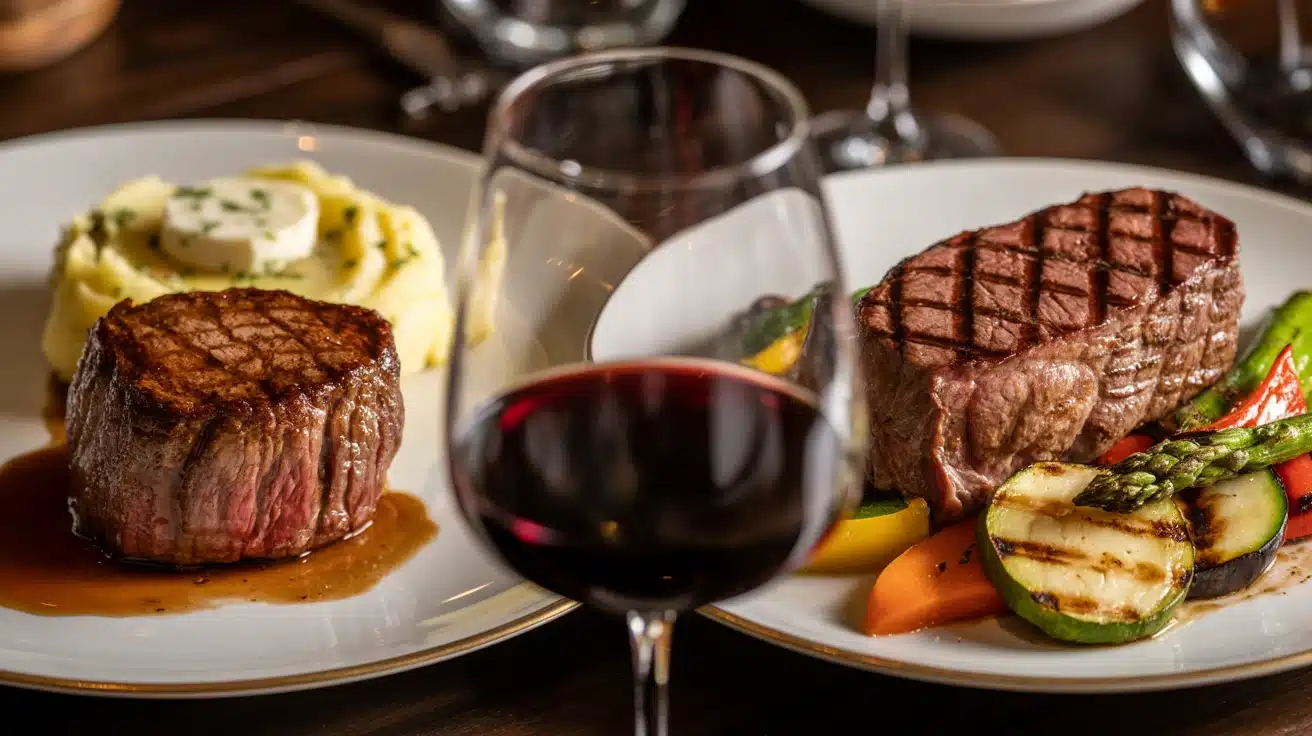
Cooking filet mignon vs top sirloin the right way comes down to understanding how each cut responds to heat.
1. Grilling and Searing Sirloin
High heat is where sirloin performs best.
A hot cast iron pan with a little oil gives it a deep, caramelized crust that locks in all that beefy flavor.
Sirloin handles medium or even medium-well without losing much texture, making it a forgiving cut for home cooks.
Pro tip: Get the pan fully hot before the steak goes on. A proper sear in the first 60 seconds makes the biggest difference.
2. The Gentle Approach for Filet Mignon
Pan sear filet in butter first, then finish it in the oven at a lower temperature.
This keeps the outside crusted while the inside stays tender and juicy.
Do not cook it past medium. It dries out fast and loses everything that makes it worth the price.
3. Reverse Sear for Thick Cuts
Start the steak low and slow in the oven at around 250°F, then finish with a hard sear in a hot pan.
This gives even cooking from edge to edge with a perfectly crusted outside.
Pro tip: Pull it out of the oven 10 degrees below the target temperature. Carryover heat does the rest.
How They Compare to Ribeye and NY Strip?
Every cut has its own personality.
Ribeye brings the richness, filet brings the tenderness, NY strip sits right in the middle, and sirloin delivers solid flavor without the premium price tag.
| Cut | Flavor | Tenderness | Price | Best Cooked | Protein (3oz) |
|---|---|---|---|---|---|
| Top Sirloin | Bold, beefy | Moderate | Budget-friendly | Grill, pan sear | 26g |
| Filet Mignon | Mild, subtle | Very high | Premium | Pan sear, oven finish | 23g |
| Ribeye | Rich, buttery | High | Mid to high | Grill, pan sear | 22g |
| NY Strip | Strong, beefy | Medium-high | Mid-range | Grill, broil | 25g |
Storage Tips for Sirloin vs Filet
Top Sirloin:
- Fridge for up to 2 days in original packaging
- Wrap tightly and freeze for up to 6 months
- Always store on the bottom shelf
Filet Mignon:
- Raw filet stays fresh in the fridge for 1 to 2 days
- Vacuum seal before freezing to preserve texture
- Keep away from strong smelling foods in the fridge
Final Thoughts
The sirloin vs filet debate does not really have a wrong answer. Bold flavor and value?
Sirloin delivers every single time. Pure tenderness without compromise? Filet mignon is the clear pick.
Both cuts have been put through their paces, and neither one disappoints.
They just serve different needs on different occasions.
Pick the cut that matches the moment, get the pan hot, and cook it with confidence.
Got a favorite method or a tip that works? Drop it in the comments.
Frequently Asked Questions
1. Which is Better, Filet or Sirloin?
It depends on preference. Filet is softer, sirloin is more flavourful and budget-friendly.
2. Why is Sirloin Cheaper than Filet Mignon?
Sirloin is more available on the cow. Filet comes from a smaller, less accessible muscle.
3. Why Don’t Chefs Like Filet Mignon?
Many chefs find it too mild. It lacks the deep, beefy flavour other cuts naturally have.
4. Which One is Healthier?
Filet mignon is leaner with less fat. Sirloin has slightly more fat but offers more protein.