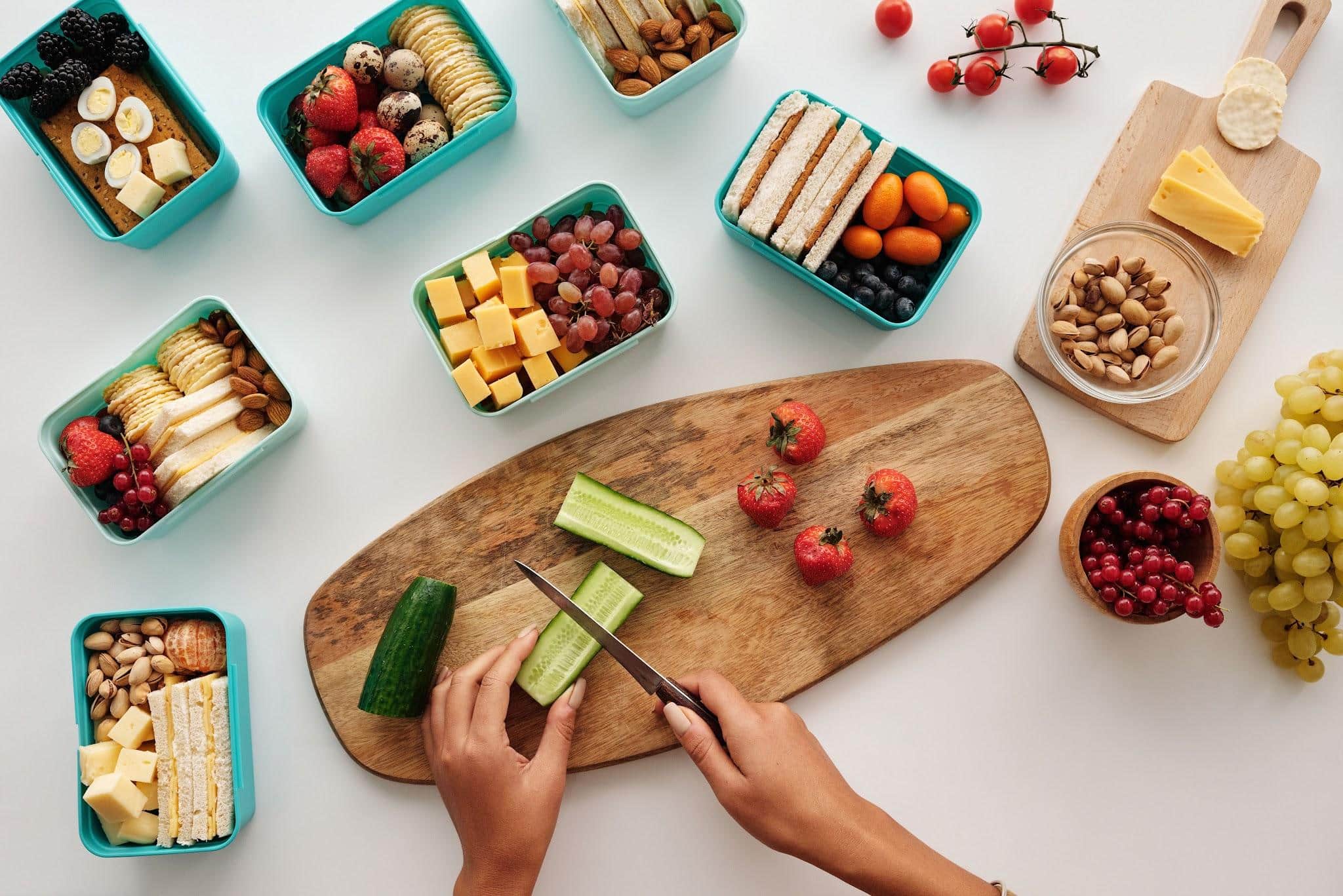



Eating gluten-free on a student budget feels like a contradiction in terms. The free-from aisle is pricey, and when you’re splitting costs with flatmates who don’t share your dietary needs, things can easily get awkward. But gluten-free eating doesn’t have to drain your bank account; it just requires a slightly different approach to shopping, cooking, and planning.
Skip the “Free-From” Aisle (Mostly)
The biggest mistake gluten-free shoppers make is heading straight for the dedicated free-from section. Those products- the specialty breads, pasta alternatives, and snack bars- carry a significant markup for the convenience of being labelled safe. Instead, focus on foods that are naturally gluten-free and don’t need a special label.
Rice, potatoes, lentils, beans, eggs, meat, fish, and most dairy are all naturally gluten-free and form the backbone of affordable home cooking. Oats are naturally gluten-free too, though cross-contamination is a concern for some. Look for certified gluten-free oats if you’re coeliac; they are available at most supermarkets and only marginally more expensive than standard oats.
Building your meals around these whole-food staples rather than gluten-free substitutes will cut your weekly spend considerably.
Buy in Bulk and Split with Flatmates
Shared living has a financial upside, so buying in bulk is more practical. Rice, chickpeas, lentils, and gluten-free pasta all store well and are significantly cheaper per unit when bought in larger quantities. If your flatmates are on board, pooling a grocery run once a week can stretch everyone’s budget further.
It helps to have an honest conversation early about how shared costs will work, especially if only one or two people in the flat are eating gluten-free. Some households split staples communally and keep speciality items separate; choose whatever works for you.
Finding the right people to live with makes these arrangements much easier. Platforms like www.spareroom.com,are worth exploring if you’re looking for a flatshare. The platform lets you filter searches by what matters to you, so you’re more likely to find flatmates whose habits and lifestyles are compatible with yours.
Supermarket Own-Brands and Freezer Staples
Most major supermarkets now carry their own-brand gluten-free products at lower price points than name brands. Frozen gluten-free bread, for instance, keeps well and costs less than the fresh equivalent. Frozen vegetables, tinned tomatoes, and dried pulses are all budget-friendly, naturally gluten-free, and nutritionally solid.
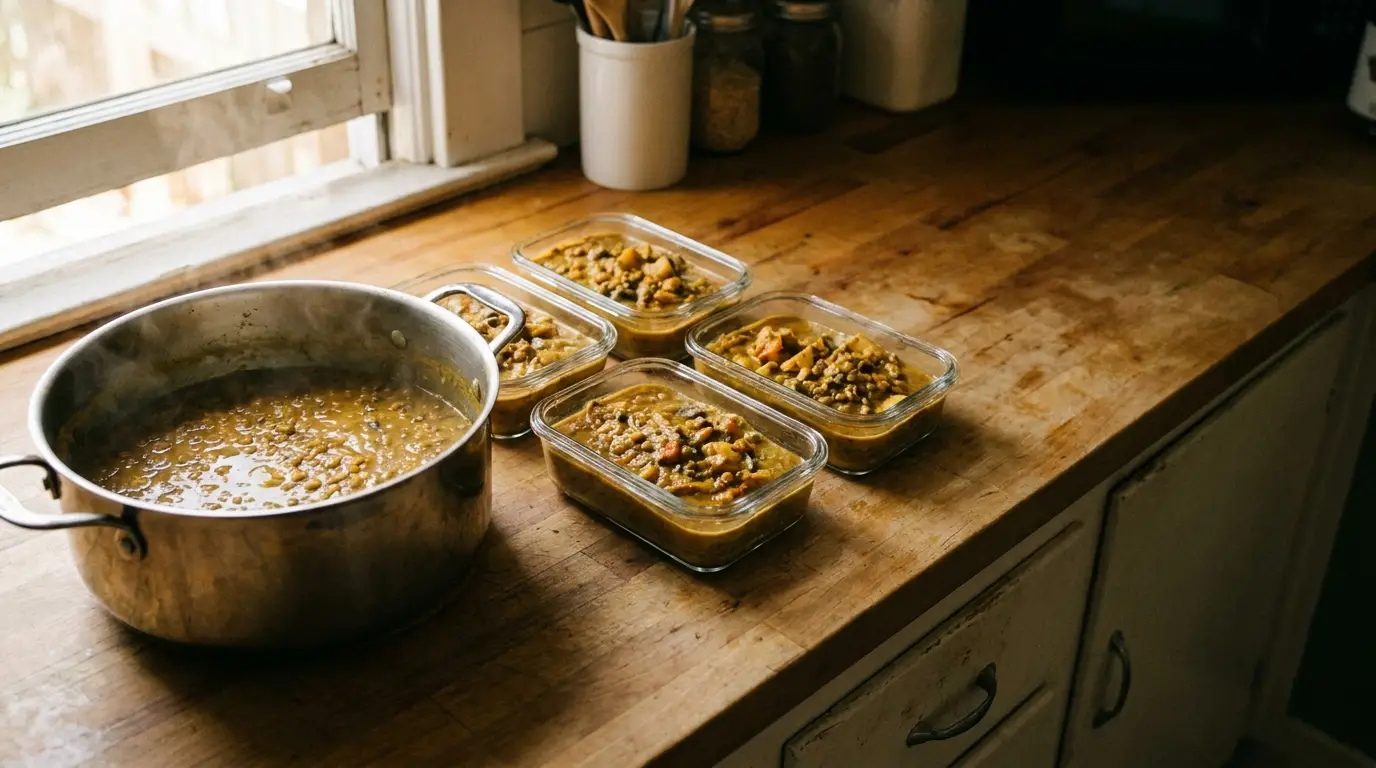
Batch cooking is your best friend here. Make a big pot of rice and lentil dal, a chickpea curry, or a potato and vegetable soup at the start of the week and portion it out. Not only does this cut the per-meal cost dramatically, but it also reduces the daily mental load of figuring out what’s safe to eat.
Read Labels Without Overthinking It
Cross-contamination labelling can be confusing. “May contain gluten” warnings are precautionary, so manufacturers use them inconsistently. If you have coeliac disease, these warnings matter. If you’re gluten-sensitive but not coeliac, you may be able to tolerate many “may contain” products. It’s worth discussing with a doctor or dietitian if you’re unsure.
Learning to read ingredient lists quickly becomes second nature. Watch for hidden gluten in soy sauce, stock cubes, some spice blends, and processed meats. Many of these have gluten-free alternatives at comparable prices. Tamari, instead of soy sauce, is widely available and often not much more expensive.
Meal Planning Makes the Real Difference
The biggest savings come from planning. When you know what you’re cooking for the week, you shop with purpose and waste less. Gluten-free food waste is particularly costly because specialty items don’t come cheaply.
Try building your weekly plan around two or three versatile base ingredients- rice or potatoes, a protein source, and whatever vegetables are on offer that week. From there, you can rotate sauces and seasonings to keep things varied without buying a mountain of different products.
Apps and shared grocery lists make coordination easy in a flatshare. Agreeing on a few communal dinners a week also helps everyone spend less and eat better.
Making It Work Long-Term
Eating gluten-free in a shared house is entirely manageable with some upfront organisation. Keep a dedicated shelf or section of the fridge for your gluten-free items to avoid cross-contamination, label things clearly, and have a low-key chat with flatmates about not double-dipping into shared condiments with bread.
The financial side gets easier once you stop expecting gluten-free eating to look like regular eating with expensive swaps. The most affordable approach is also, in many ways, the most nutritious: whole foods, cooked simply, bought in bulk.
Living arrangements play a bigger role in food costs than people often realise. A flatshare with a well-equipped kitchen, a supportive group of housemates, and a sensible approach to shared groceries can make the gluten-free lifestyle feel far less expensive and far more sustainable.