


There is something unusually honest about a school cafeteria during lunch. It is noisy, rushed, slightly chaotic, and full of choices that adults often underestimate. One student picks fries because the line moves faster. Another buys a soda because it feels easier than eating a full meal. Someone else opens a lunchbox from home, eats half of it, then trades the rest for chips.
By the time the next class begins, teachers are expected to turn that messy lunch period into attention, patience, memory, and test performance. That is a lot to ask from students who may be hungry, over-sugared, tired, or simply not interested in what was served.
This is why junk food bans in schools are more complicated than they first appear. On paper, the idea sounds simple: remove sugary drinks, candy, chips, and low-nutrition snacks, and students should become healthier and more focused. In real life, food policy does not work that neatly. A ban can help, but it cannot fix every condition that affects how students learn.
The better question is not only whether schools should ban junk food. It is whether they understand what students actually need instead.
Why Schools Started Paying Attention to Junk Food
For a long time, junk food was treated as a normal part of school life. Vending machines helped raise money. Candy sales supported clubs and class trips. Pizza days were convenient. Few people wanted to be the adult who questioned something students enjoyed and schools depended on.
Then student health became harder to ignore. Childhood obesity, diabetes risk, poor eating habits, and low energy in class became part of a larger public conversation. In the United States, the Healthy, Hunger-Free Kids Act of 2010 pushed schools toward stronger nutrition standards. Later, the USDA’s Smart Snacks in School standards placed limits on foods sold during the school day, including items in vending machines, school stores, and cafeteria snack lines.
The logic is clear. Students spend a large part of their lives at school, so the school food environment matters. A child can learn about balanced eating in health class, but if soda and candy are the easiest options in the hallway, the lesson becomes weaker.
Academic pressure adds another layer. KingEssays paper writers support students who face heavy writing workloads, which reflects a broader reality: school performance is shaped by many pressures at once. Food is one of them, even if it is not always discussed with the same seriousness as grades, homework, or exams.
Food Choices and Academic Pressure
Schools often talk about achievement as if it happens only inside the classroom. But students bring their bodies into that room. They bring hunger, sleep habits, stress, family routines, and whatever they ate before class.
This is why school nutrition and student performance should be discussed together. A student who eats a balanced lunch will not automatically become excellent at math. A student who eats candy will not automatically fail a test. Still, teachers often notice patterns. Some students become restless after a sugary snack. Others lose focus when they skip lunch. Some appear physically present but mentally foggy after eating very little.
There is no single food choice that explains academic success. But there are daily conditions that make learning easier or harder. Nutrition belongs in that category.
In the same academic environment, students look for essay writers for hire when pressure becomes difficult to manage. That does not mean food and academic support are the same issue. It means student performance is rarely caused by one factor. Schools often measure results, but the invisible conditions behind those results deserve more attention.
A junk food ban may seem small compared with curriculum reform or teacher training. Yet small changes in the school day can matter. If students have steadier energy, fewer sugar crashes, and better access to real meals, classrooms may become a little easier to manage. Not perfect. Just better.
What Junk Food Bans Can Actually Change
The strongest argument for junk food bans is that they change the default choice.
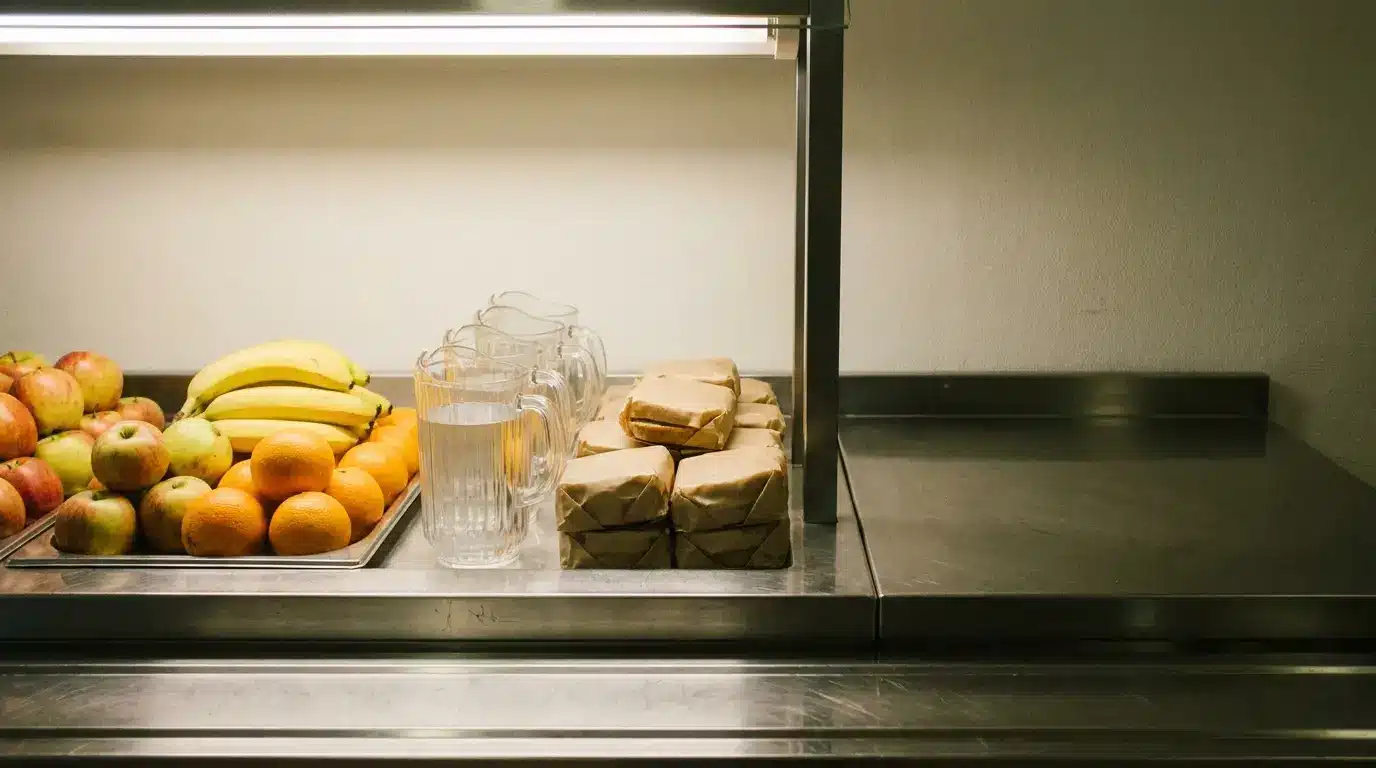
Most students do not approach lunch with a nutrition plan. They choose what is visible, affordable, quick, and socially normal. If the easiest option is a sugary drink, many students will take it. If the easiest option is water, fruit, yogurt, or a decent sandwich, more students may choose that instead.
This does not mean every student will suddenly eat well. Some will bring snacks from home. Some will buy food outside school. Some will skip lunch entirely if the alternatives are unappealing. But defaults still influence behavior.
A school cafeteria sends a message. If the school sells soda, candy, and fried snacks every day, it quietly tells students those foods are ordinary daily choices. If healthier food is available, affordable, and not embarrassing to eat, the message changes.
Here is a simple way to view the issue:
| School food condition | Likely effect on students |
|---|---|
| Soda and candy are easy to buy | Quick energy spike, possible crash, lower nutrient intake |
| Healthy snacks exist but cost more | Better choices are available, but not equally accessible |
| Junk food is removed without good replacements | Students may skip food or buy snacks elsewhere |
| Balanced meals are tasty and affordable | Better chance of steady energy and participation |
| Nutrition is taught without shame | Students may understand food choices more clearly |
The key point is that a ban works best when it is not only a ban. It must be a replacement strategy.
A dry granola bar that nobody wants is not a serious nutrition policy. A bruised apple sitting untouched near the register does not transform eating habits. Students are not wrong for wanting food that tastes good. Schools need to respect that.
Does Better Nutrition Lead to Better Grades?
The honest answer is: sometimes, but usually indirectly.
The effects of junk food on students can show up in behavior before they show up in grades. Teachers may notice more restlessness, lower patience, reduced attention, or a post-lunch energy crash. These things do not always appear neatly in academic data, but they affect the classroom.
Research on school food policy and academic achievement suggests that healthier meals and stronger nutrition standards can support better outcomes, especially when students have real access to nutritious food. Still, the evidence is not always simple. Academic performance is influenced by sleep, income, family support, teacher quality, mental health, attendance, and school safety.
Food is one part of the puzzle. It is not the whole picture.
A principal may want a clear answer: “Did test scores rise because chips were banned?” That is difficult to prove. A student’s score on a science exam depends on many things that happened long before lunch. But if better food helps students stay alert, reduces hunger, and supports mood stability, then it can support learning conditions.
That may sound modest, but classrooms run on modest things. A student who listens for ten more minutes than usual may understand the assignment. A student who does not crash after lunch may participate instead of zoning out. A student who eats a real meal may visit the nurse less often.
Those small differences are not glamorous. They are still real.
The Problem With Poorly Designed Bans
A junk food ban can fail when it ignores student reality.
If the school removes chips but offers nothing students want, the policy becomes a daily irritation. If healthier meals cost more, low-income students may be left with fewer real choices. If the cafeteria food is bland, rushed, or culturally disconnected from students’ lives, students will not magically become grateful.
There is also the problem of access outside school. If students can buy soda and candy at a nearby shop, the ban becomes limited. If parents pack the same foods in lunchboxes, the school rule reaches only part of the day. If students feel controlled instead of respected, they may treat the policy as another adult rule to work around.
This is where healthy eating in schools should be framed carefully. It should not become a moral lecture. Students should not be shamed for liking snacks or eating what their families can afford. Food habits are shaped by advertising, money, time, culture, stress, and availability.
Schools should be serious about nutrition, but they should not become cruel about it.
A strong policy asks practical questions. Is lunch long enough? Is water easy to access? Are healthy meals filling? Do students actually eat what is served? Are families included in the conversation? Are school staff modeling the same standards they enforce?
Without those questions, a ban may look good in a policy document and fail in the cafeteria.
What Schools Should Do Instead of Only Removing Junk Food
The best approach is not just to take something away. Schools need to build a better food environment.
A reasonable plan could include:
- Remove the least nutritious items first, especially sugary drinks and oversized candy.
- Offer replacements students actually enjoy.
- Keep healthier options affordable.
- Give students enough time to eat.
- Include students in menu feedback.
- Teach nutrition without body shaming or guilt.
- Make water easy and normal to choose.
Student involvement matters more than adults sometimes admit. If students help choose meals, taste-test options, or design cafeteria campaigns, the policy feels less imposed. They may still complain. Students complain. That does not mean they are not listening.
Schools also need to avoid pretending that one rule can solve a social problem. A junk food ban can improve the school environment, but it cannot replace family support, food security, quality teaching, or mental health care.
A More Honest Way to Look at the Issue
Do junk food bans improve student performance?
They can, but not in a dramatic or automatic way.
A ban can reduce low-nutrition choices during the school day. It can make healthier options more visible. It can support steadier energy and better classroom conditions. Over time, those changes may help students learn better.
But a ban alone is not enough. If schools remove junk food without improving meals, students may resist, skip food, or find snacks elsewhere. If healthier eating is presented as punishment, the policy may create resentment instead of better habits.
The real goal should not be to create perfect eaters. That is unrealistic. The goal should be to make the school day less damaging to attention, health, and learning.
A school cannot control everything a student eats. It cannot guarantee that every child arrives rested, calm, fed, and ready to learn. But it can decide not to sell students a sugar crash before math class. That sounds small, but in a real classroom, small things can carry surprising weight.