

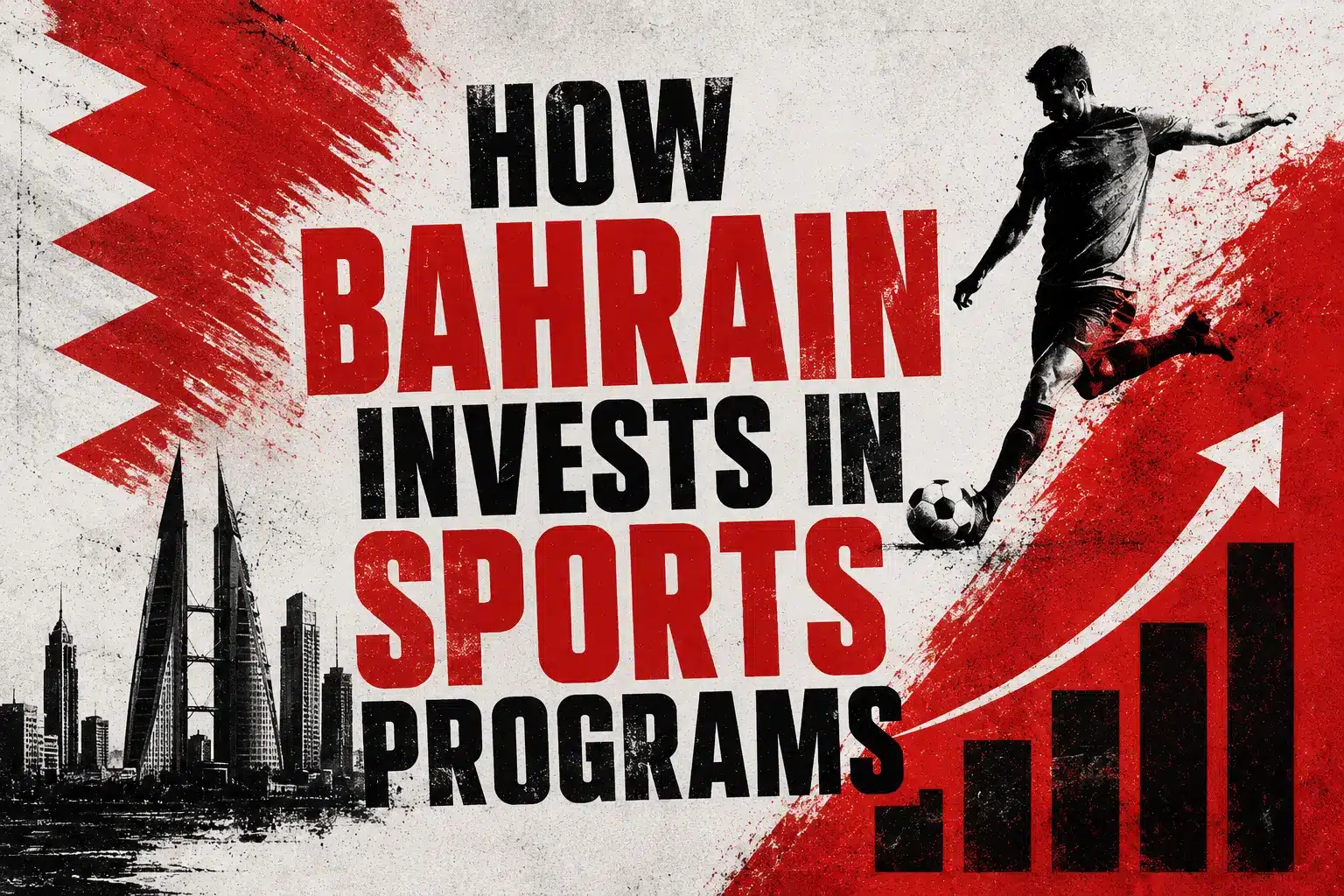
Bahrain’s not exactly the first name that comes to mind when people talk about global sports. But lately, that’s quietly been shifting. No big announcements, no flashy slogans — just steady money going into stadiums, training facilities, and hosting international events.
While Bahrain methodically builds a foundation for future champions, fans increasingly prefer following sports through digital platforms. Some watch tournaments via streaming services, others spend time in sports communities online, while many use most trusted betting site (Arabic: معتبر ترین سایت شرط بندی جهان) to keep up with major events and live matches.
Bahrain Is Betting on More Than Just Major Tournaments
Look from the outside, and you’d swear Bahrain’s whole sports obsession is just Formula 1. But scratch the surface. What’s actually happening is that the authorities have quietly started pouring money into kids — youth sports, academies, development programs. This isn’t about one good moment for Bahrain. It’s about building something that lasts decades.
In 2026, local sports institutions cranked up the funding, especially for Olympic sports. Athletics, swimming, combat sports — those got the extra push. Officials figure these are the tickets to seeing Bahrain’s name pop up more often on the global sports stage.
But the real story isn’t headline-grabbing. It’s a slow-burn investment in infrastructure, grassroots outreach, and homegrown talent. And the numbers back it up. Below is a hard look at where the money’s actually going — no fluff, just facts.
Focus Area | Key Initiatives | Real Figures & Facts |
🏟️ Venues & Infrastructure | New youth sports hubs; revamps of existing complexes like Muharraq’s facilities. | A BD 1.978 million Youth Centre in Muharraq now features a semi-Olympic pool and a football pitch. Over $265 million has been earmarked for the two‑phase International Sports City. Club Manama secured BD 374,000 solely for a basketball academy. |
👟 Grassroots & Community | «Neighbourhood Courts» and «100 Playgrounds» projects to embed sport in residential blocks. | The «Neighbourhood Courts» scheme builds small football pitches inside housing clusters — scouting meets social glue. A deal with the Bahrain Fitness Academy will roll out 100 playgrounds nationwide. |
🌟 Talent ID & Youth Academies | National academies, school-based early detection, and partnerships with global federations. | Al Salam Bank backs «Project Dream«, grooming footballers for the 2030 and 2034 World Cups. The «Sport per School Year» project locks each school into one dedicated sport. Lamea — launched in 2021 — remains the flagship national talent pipeline. |
🌍 International Hubs | Regional training centres of excellence, co‑managed with world governing bodies. | Bahrain now hosts the Middle East’s first World Aquatics Centre of Excellence, plus the federation’s regional office. Year one plans: train over 50 World Aquatics scholarship athletes while they study at Bahrain Polytechnic. |
🏅 Olympic Disciplines | Prioritised funding for track & field, swimming, judo, wrestling — high‑medal potential. | In 2025 the government dropped BD 1.5 million to clear debts for 545 athletes and coaches. World Athletics’ reform plan demands Bahrain pump $7.3 million into a home‑grown talent academy. |
♀️ Women’s Sport | Equal access; inspiring girls to compete outside traditional roles. | Academy investments now explicitly back female participation in athletics, swimming, and combat sports — chipping away at old‑school gender barriers. |
📜 Long‑Term Policy | «Sporting Vision 2030«; a shift away from naturalised stars toward local development. | A naturalisation ban from World Athletics runs 2024‑2027 (doping‑related). No more buying ready‑made medalists. The Vision 2030 target: grow sport’s GDP contribution to 20 billion Bahraini dinars (~$54.8 billion) by 2030. |
That’s the quiet overhaul. It won’t trend on social media every Sunday. But decade from now, when Bahraini names show up on Olympic start lists — not just as outsiders, but as products of this system — you’ll remember where it started
Formula 1 Has Become a National Brand
The Bahrain Grand Prix is no longer just another weekend of fast cars for the country. During race days, the Kingdom becomes the center of attention for media outlets, tourists, and major investors alike. Reaching Formula 1 standards required serious work:
- roads near the circuit were modernized;
- new high-end hotels were constructed;
- the entire transportation system was redesigned.
As a result, the races gave a powerful boost to many other sectors. Sport acted like an engine pulling business and the service industry along behind it.
In 2026, Bahrain continues investing aggressively across several directions at once:
- sports academies and youth programs;
- international competitions;
- modern training facilities;
- tourism infrastructure;
- grassroots sports within the country.
It is becoming increasingly obvious that sport is gradually turning into part of Bahrain’s economic model rather than remaining purely an entertainment industry.
Sport as Part of Everyday Culture
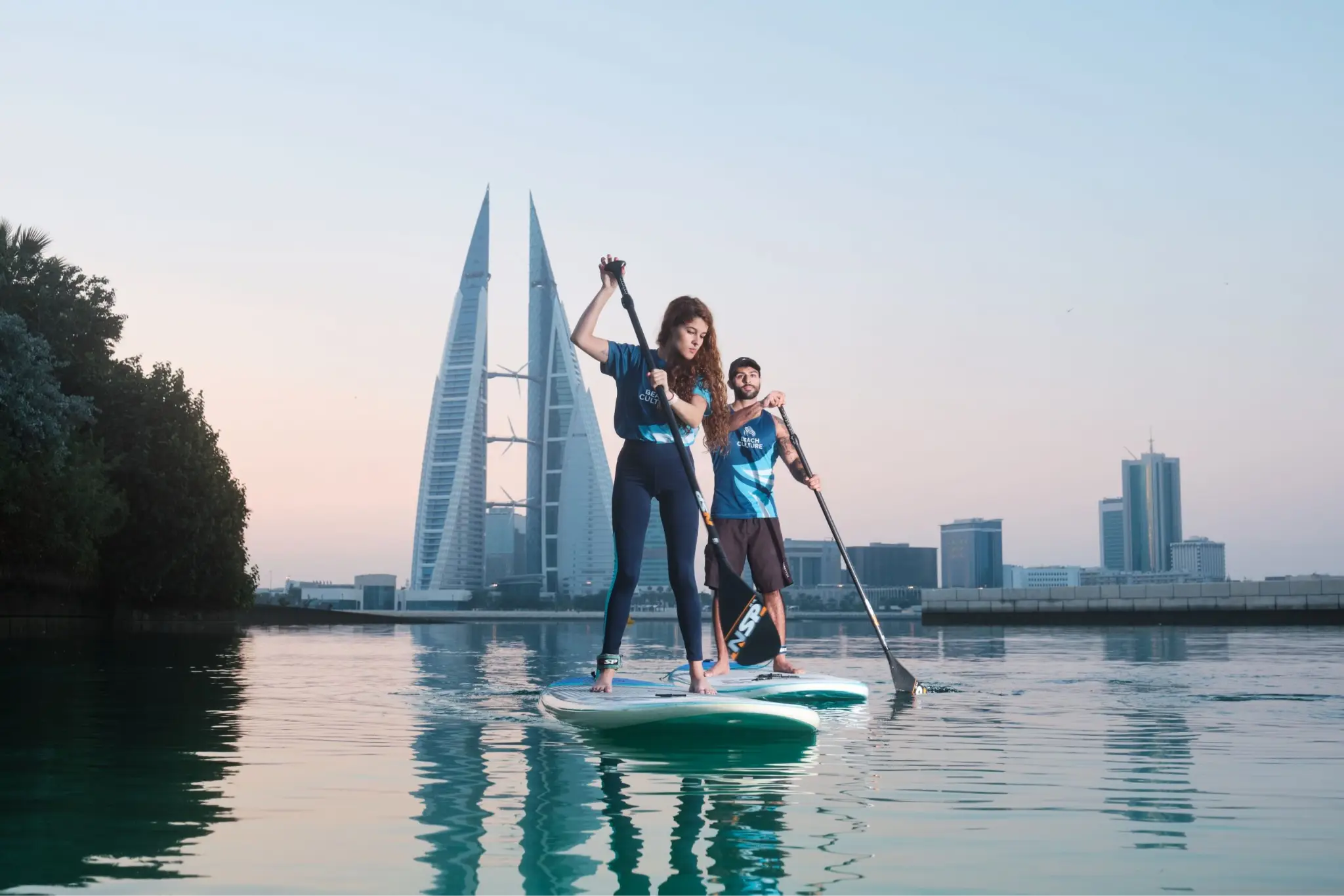
What makes the situation particularly interesting is that Bahrain is not focused solely on professional sport. The country is also paying far more attention to everyday physical activity. New facilities continue appearing, local tournaments are expanding, and additional programs for young people are being introduced. Authorities clearly want sport to be associated not only with elite competitions, but with lifestyle itself.
The internet plays a major role here as well. Younger audiences consume content very differently compared to ten years ago. Match discussions, short-form videos, analysis, and news have long since migrated to social media. Meanwhile, MelBet Farsi (Persian: MelBet فارسی) has become one of the platforms where users follow international tournaments, motorsport races, and sporting events from across the Middle East.
Bahrain Is Playing the Long Game
Perhaps the clearest sign of Bahrain’s intent is the total absence of one-off flash-in-the-pan thinking. No single mega-event. No chasing a fleeting headline. The country has quietly etched out a systematic, decades-long blueprint that runs on policy, not hype.
In 2024, the Supreme Council for Youth and Sports greenlit a three‑year strategic roadmap (2024-2026) with a deceptively simple goal: turn sport into a lifestyle, not a sideshow. The pillars are textbook — education‑first champion building, long‑haul talent management, and infrastructure that pulls private capital into the game. That last bit is key. A separate proposal now floating through the Shura Council would launch a state‑backed, self‑sustaining sports fund — one empowered to take equity in private ventures, plow returns back into facilities and national teams, and slowly wean the sector off government cheques. It’s a quiet financial revolution, and it points to an economy betting that sports can eventually help offset its oil dependence.
On the ground, the machinery is already whirring. Consider the «I Am Talented» programme, which started in late 2024: over 200 girls and boys aged 6 to 14 are being funneled into seven sports — football, basketball, volleyball, handball, fencing, sailing, and karate — for year‑round technical and physical training. The Bahrain Olympic Academy, meanwhile, has become the region’s first educational programme laser‑focused on Olympic preparation, churning out graduates in advanced sports management and Olympic studies. And in a move that blends scale with grassroots reach, the Bahrain Olympic Committee and Swimming Association signed a pact in April 2026 to train 10,000 youngsters — both boys and girls — in swimming over just one year. That’s not an elite pathway for a handful; it’s a national water‑literacy campaign disguised as talent identification.
Then there’s the «Qadha» programme, now in its second edition — a military‑style leadership boot camp for youth that channels discipline, teamwork, and psychological grit. It’s deliberately unglamorous, but officials call it a «unique platform to discover young talents» in a high‑pressure, real‑world simulation. On the other side of the spectrum, the «Neighbourhood Courts» initiative — signed in May 2026 — sprinkles football pitches across residential blocks. The stated aim: «channel youth energy, strengthen social cohesion, and support the discovery of sporting talent for clubs and national teams«. These aren’t vanity projects. They’re the capillaries of a system designed to catch talent early and nurture it locally.
None of this is cheap, but the numbers line up. The government’s Strategic Projects Plan funnels over $30 billion into national infrastructure, and right at the heart of it sits a new «Sports City» — a complex anchored by a 50,000‑seat stadium, multi‑purpose indoor arena, and enough training facilities to make Bahrain a regional events hub. The target for Bahrain’s Economic Vision 2030 is equally ambitious: grow the sports sector’s economic contribution to 20 billion Bahraini dinars by the end of the decade. That’s not fluff — it’s a financial anchor tying every pitch, pool, and academy back to a broader economic reality.
Let’s Draw Conclusions
Bottom line: Bahrain has stopped renting glory. It’s building a self‑sustaining sports ecosystem where talent grows locally, private money circulates freely, and infrastructure serves both the elite and the amateur. The world may still see F1 lights and headline tournaments. But beneath the dazzle, a quiet, patient engine is being assembled. And it’s designed to run for generations, not just a season.