

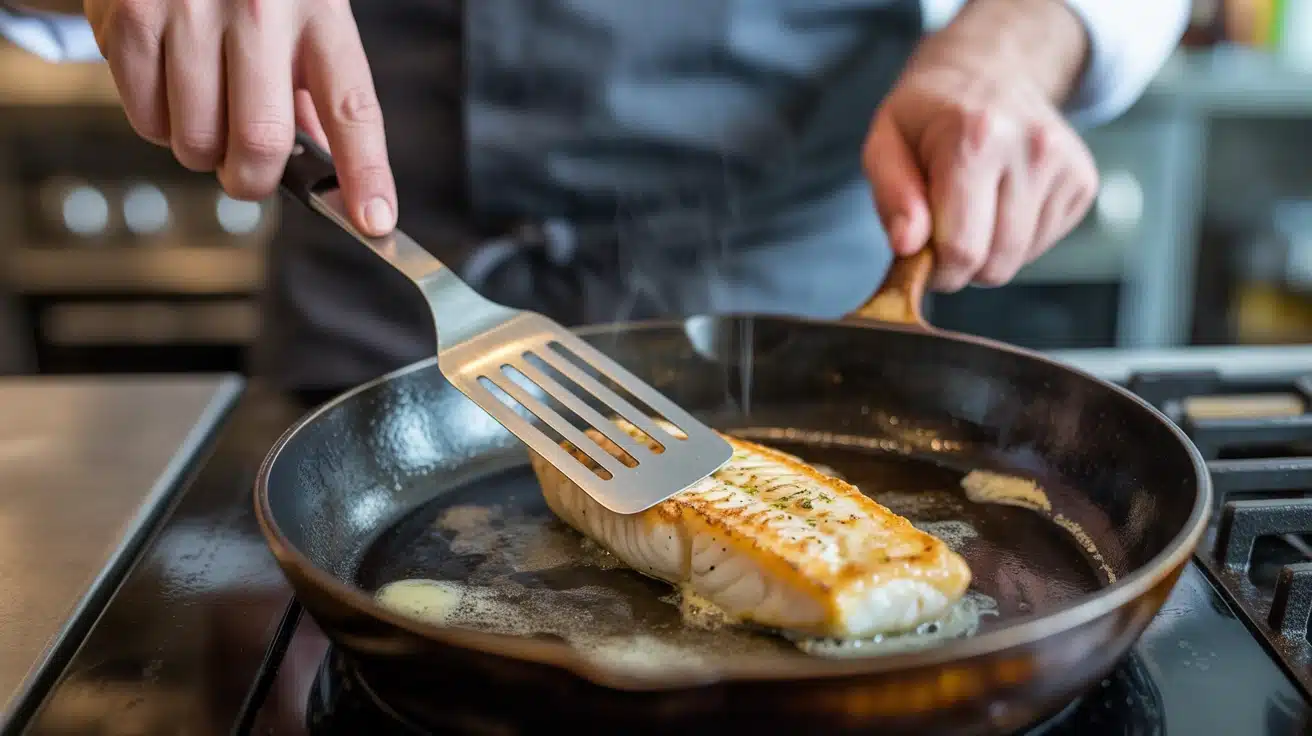
I used to walk past the fish section at the grocery store without a second glance.
The idea of cooking fish at home felt difficult, and I wasn’t sure where to even start. Then I tried mild fish.
No strong smell. No complicated prep. Just clean, light flavour that works with almost anything in the kitchen.
What surprised me most is that this fish is actually one of the most forgiving things you can cook. Once you know which ones to pick, you’ll keep coming back to them.
In this blog, I’ll show you the best varieties of this fish and exactly how to cook them well every time.
What is Mild Fish?
It is a simple fish with a subtle flavour. They don’t have that strong, fishy taste that puts many people off. This fish, like tilapia, cod, or flounder, is clean on the palate and easy to season however you like.
After cooking fish at home for over six years, mild fish is still the one I come back to most.
Most varieties have a delicate, flaky quality when cooked right.
They break apart into tender pieces that practically melt on your tongue.
That neutral flavor profile means these fish soak up whatever seasonings you add.
Want garlic butter? They’ll taste like garlic butter. Prefer lemon and herbs? That’s what you’ll get. Most of these fish also have a low fat content, which makes them a popular choice for anyone eating light.
If you’re just getting started with cooking fish at home, mild fish is honestly the best place to start.
What Makes a Fish Taste Mild?
This fish has low levels of fat and a natural compound called TMAO. Less fat means less intense flavour.
That’s what gives them that clean, light taste most people find easy to enjoy.
- White-fleshed fish tend to have lower oil content, which keeps the flavour light and clean.
- Less fat in the flesh means fewer strong-smelling compounds released during cooking.
- This fish lives in cooler, cleaner waters, which directly affects their flavor.
- Their firm yet flaky texture holds seasoning well without overpowering the natural flavour.
What Does Swordfish Taste Like?
Swordfish has a mild, slightly sweet flavour that doesn’t taste fishy at all.
Unlike flaky white fish, it has a firm, steak-like texture that holds together well during cooking. It’s thick, meaty, and satisfying in a way that feels more like grilling a steak than cooking seafood.
That’s why it works so well for beginners.
People who normally shy away from seafood find swordfish surprisingly easy to enjoy.
It’s specific to cook, hard to overcook, and takes on any seasoning you throw at it really well.
Fresh Water vs. Salt Water: Why it Matters?
Fish from colder, deeper saltwater tend to have a cleaner, lighter taste. That’s why cod from the North Atlantic tastes noticeably milder than wide warm-water varieties.
Cold water slows the fish’s metabolism, which means less fat buildup in the flesh.
As a result, a much gentler flavour on the plate.
Best Mild Fish Options to Try
Not sure which fish to start with? Here are five great options, each one easy to cook and even easier to enjoy.
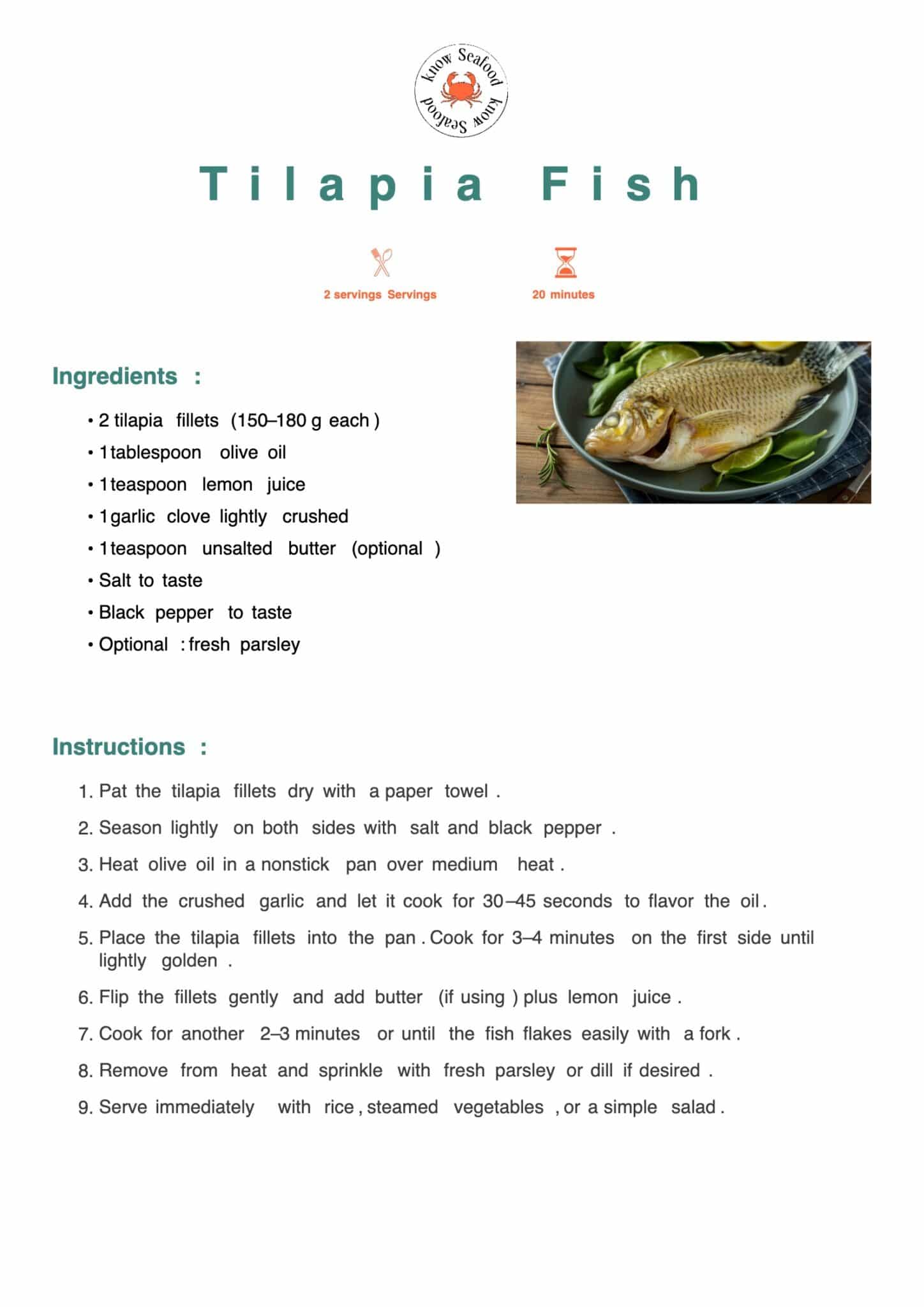
1. Tilapia
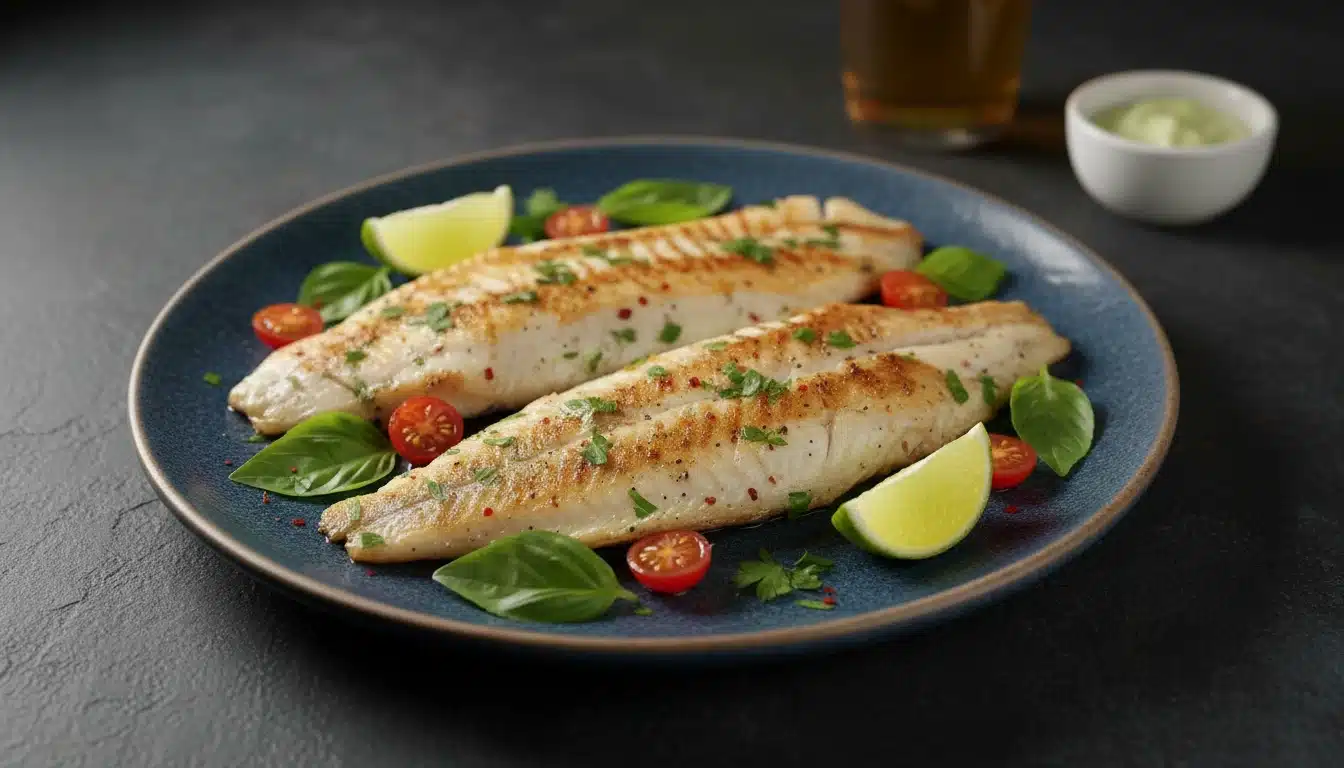
Tilapia is my go-to when I want something quick, light, and fuss-free on a busy weeknight.
| Ingredient | Substitute |
|---|---|
| Tilapia fillets | Sole, flounder |
| Olive oil | Butter |
| Garlic powder | Fresh minced garlic |
| Lemon juice | Lime juice |
| Salt & black pepper | Sea salt, white pepper |
| Paprika | Cumin |
How to Cook:
Step 1: Pat your tilapia fillets completely dry with a paper towel. Dry fish cooks much better, giving you a nicer crust on the outside.
Step 2: Season both sides generously with salt, black pepper, garlic powder, and paprika.
Tilapia has a neutral taste, so don’t hold back on the seasoning.
Step 3: Heat olive oil in a pan over medium-high heat. Wait until the oil shimmers, then carefully place the fillets in.
Step 4: Cook for 2–3 minutes on the first side without touching them.
Flip carefully and cook the other side for another 2–3 minutes until the fish flakes easily with a fork.
Step 5: Squeeze fresh lemon juice generously over the top and serve immediately while still hot.
My tip: I always double the seasoning when cooking tilapia for the first time. It sounds like a lot, but trust me, the fish soaks it all up and tastes so much better for it.
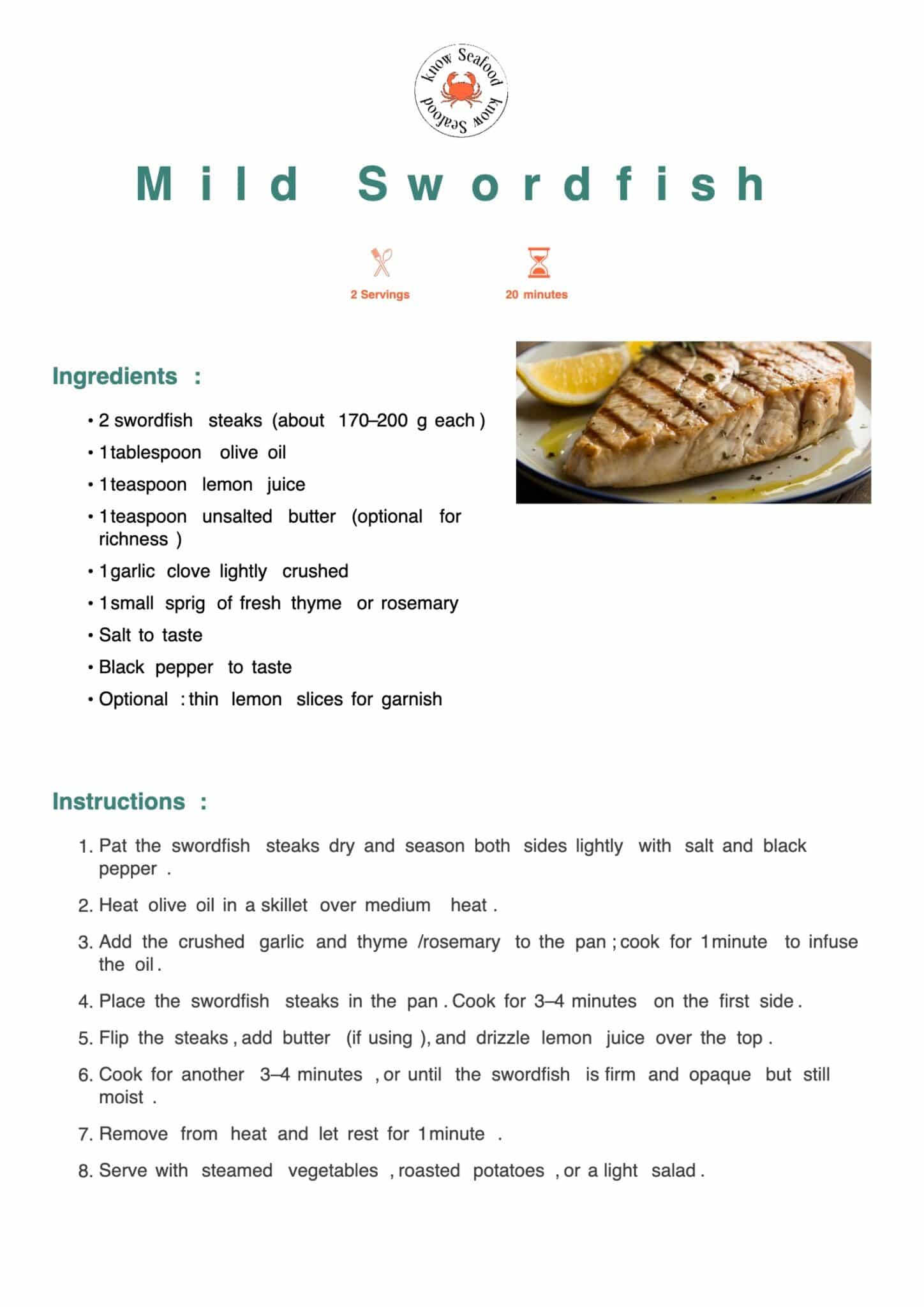
2. Swordfish
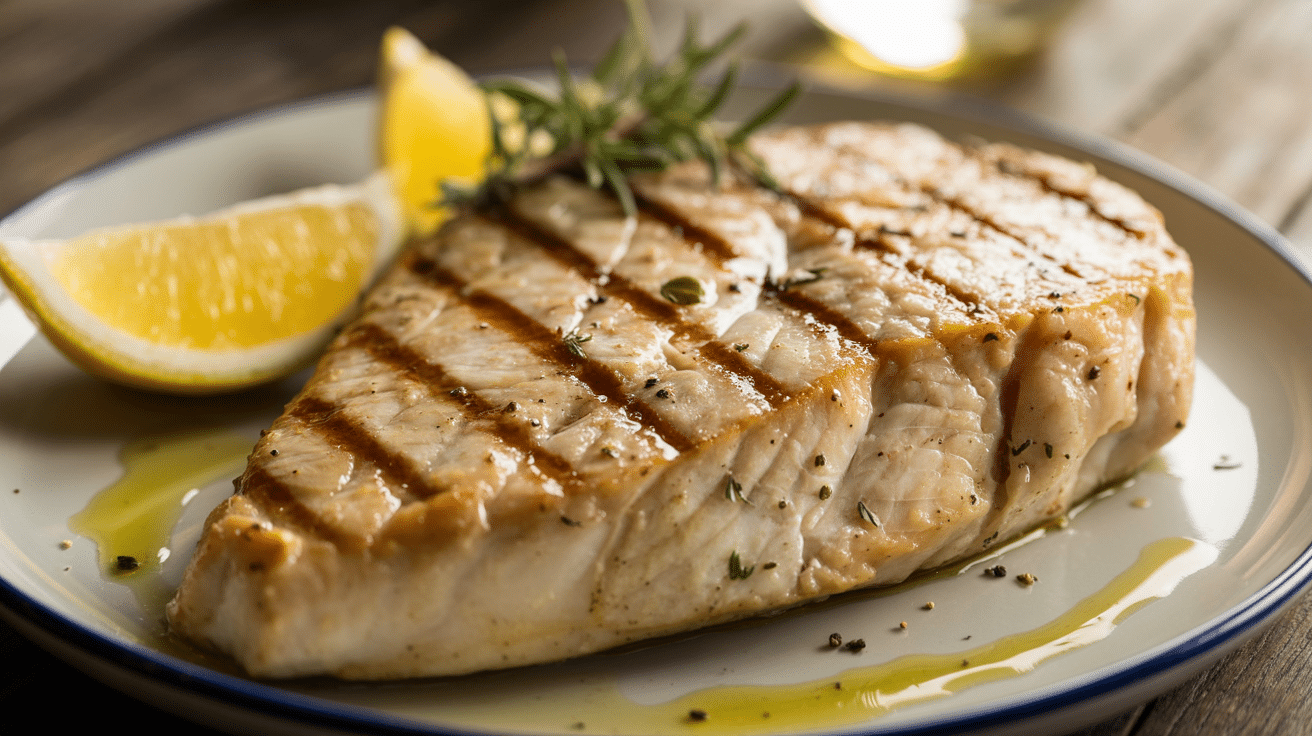
Swordfish changed how I think about seafood. It’s meaty, satisfying, and feels nothing like typical mild fish flavour.
| Ingredient | Substitute |
|---|---|
| Swordfish steak | Mahi-mahi, tuna steak |
| Olive oil | Avocado oil |
| Fresh garlic | Garlic powder |
| Lemon zest | Orange zest |
| Fresh herbs (thyme) | Dried thyme, rosemary |
| Salt & pepper | Sea salt, white pepper |
One thing I’ve noticed is that swordfish cooked in a cast-iron pan keeps its crust much better than in a non-stick pan. Small difference, big result.
How to Cook:
Step 1: Take the swordfish steak out of the fridge 10 minutes before cooking. Bringing it to room temperature helps it cook all the way evenly through.
Step 2: Brush both sides generously with olive oil.
This prevents sticking and helps build a good sear on the outside.
Step 3: Season with salt, pepper, minced garlic, lemon zest, and fresh thyme. Press to let it stick well.
Step 4: Heat your cast-iron pan or grill to high heat.
You want it really hot before the fish goes in. This is what creates that firm crust.
Step 5: Place the steak in the pan and cook 4–5 minutes undisturbed. Moving it early tears the crust.
Step 6: Flip once and cook 4–5 more minutes. The inside should be opaque and firm.
Step 7: Remove from heat and rest for 2 minutes before cutting in. This keeps all the juices locked inside the steak
Note: The first time I cooked swordfish, I pulled it off the heat too early because I thought it was overcooking. Don’t make that mistake, give it the full time on each side, and that resting time really does make a difference.
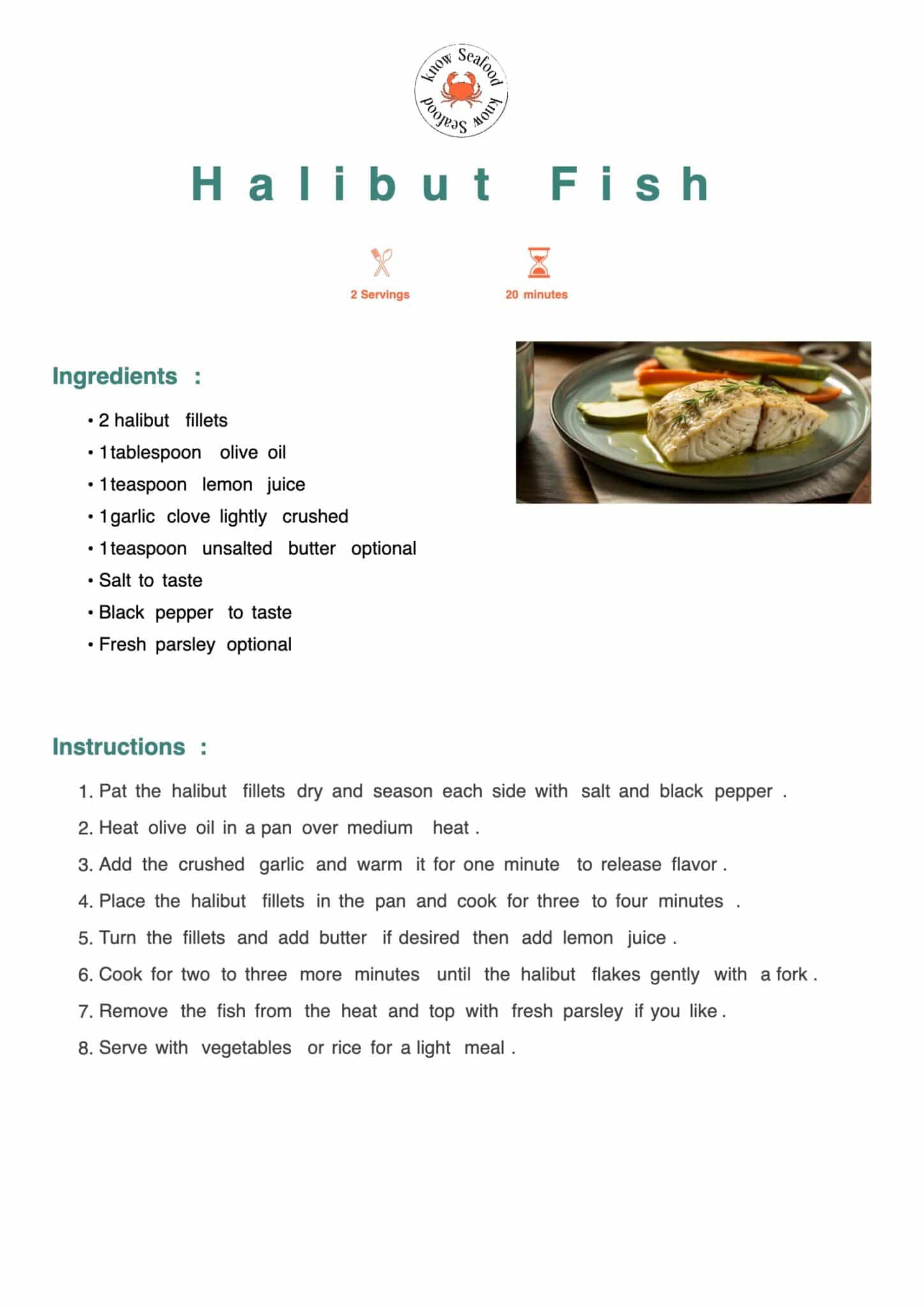
3. Halibut
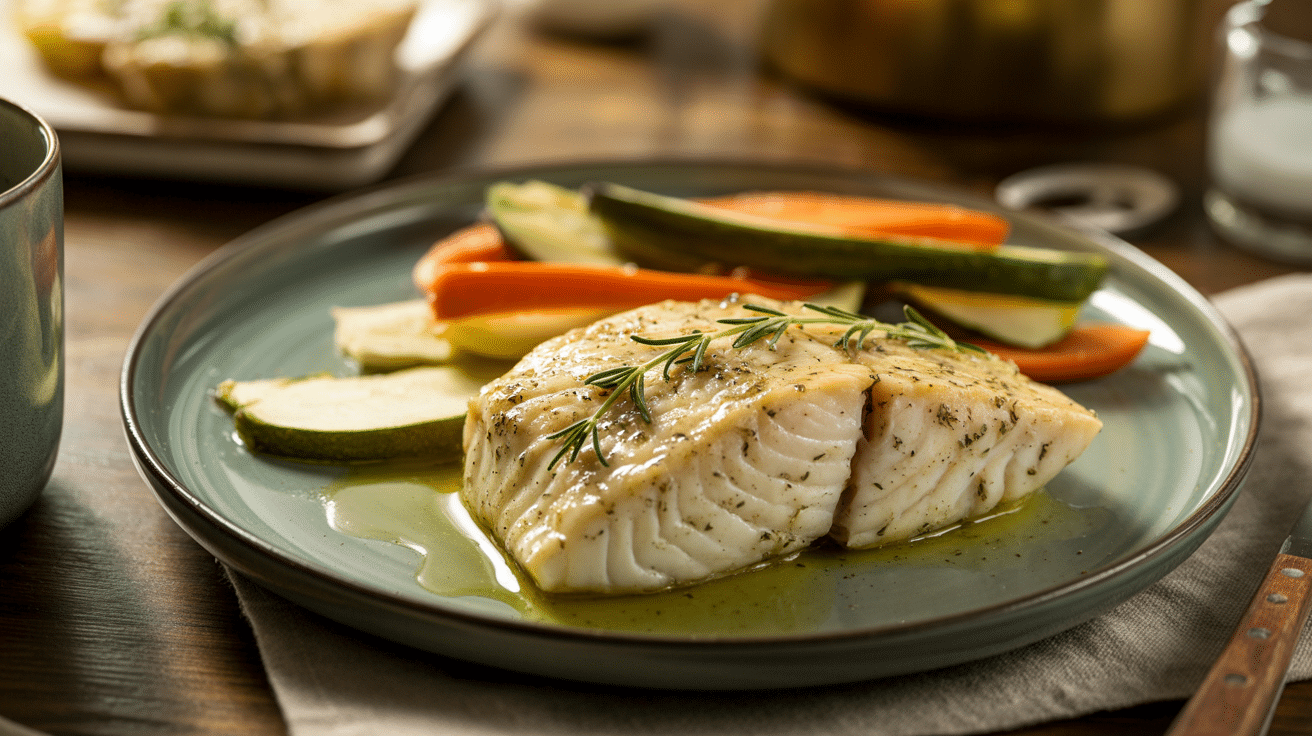
Halibut feels like a treat every time I cook this fish, firm, slightly sweet, and worth every penny.
| Ingredient | Substitute |
|---|---|
| Halibut steak | Cod, haddock |
| Butter | Olive oil |
| Fresh lemon | White wine vinegar |
| Capers | Green olives (chopped) |
| Fresh dill | Dried dill, parsley |
| Salt & pepper | Kosher salt, white pepper |
How to Cook:
Step 1: Pat the halibut steak dry, then season both sides with salt, pepper, and fresh dill.
The dill works really well with halibut’s natural sweetness.
Step 2: Melt butter in a pan over medium heat until it foams slightly. Lay the halibut gently and cook for 4 minutes on the first side, without moving it.
Step 3: Flip carefully with a wide spatula and cook for another 4 minutes.
In the last minute, add capers and a good squeeze of fresh lemon juice. Let everything bubble together briefly.
Step 4: Plate immediately and spoon all the pan juices and capers directly over the fish before serving.
The thick steaks hold up beautifully on the grill and are nearly impossible to mess up, making them perfect for beginners who want something substantial.
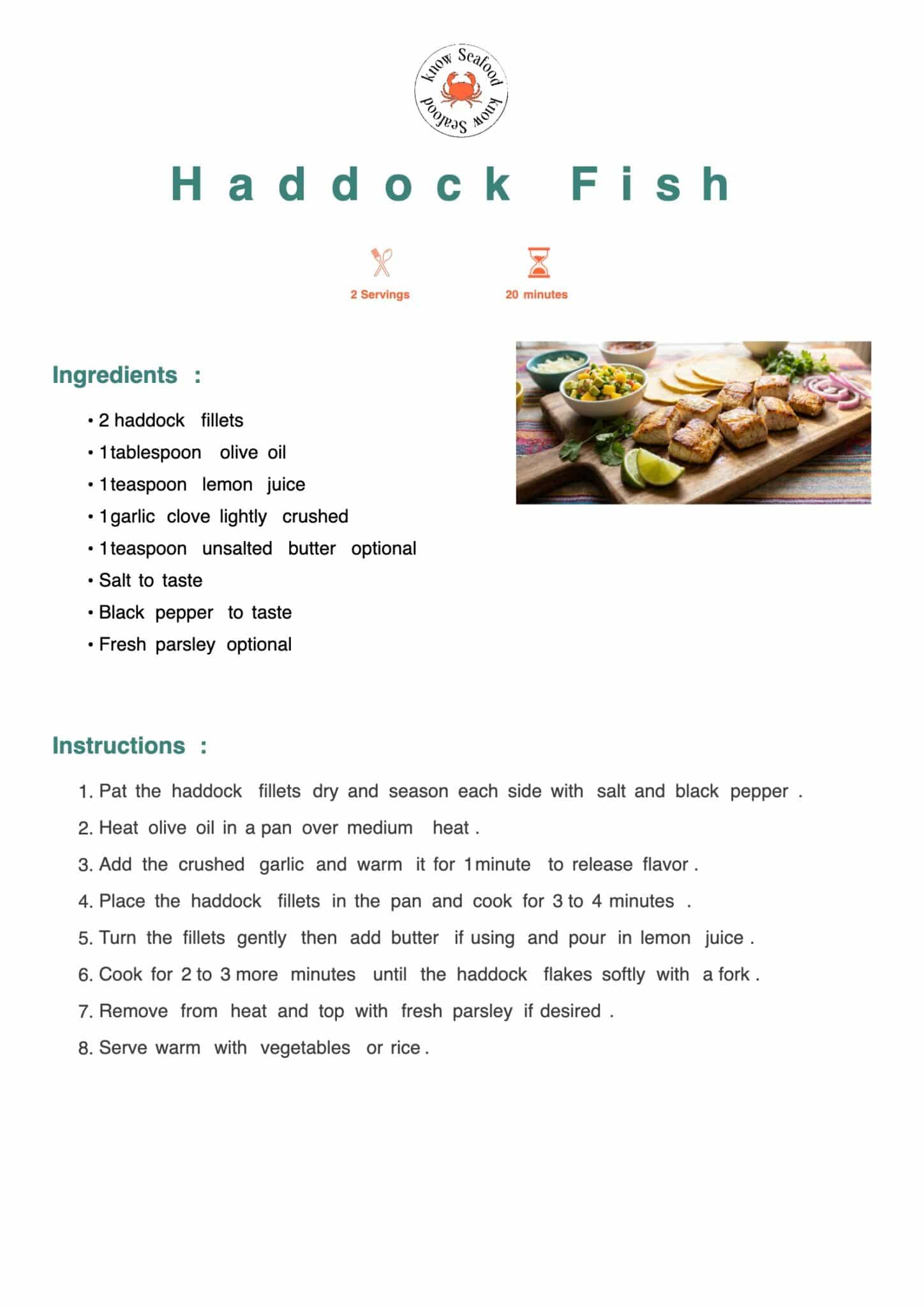
4. Haddock
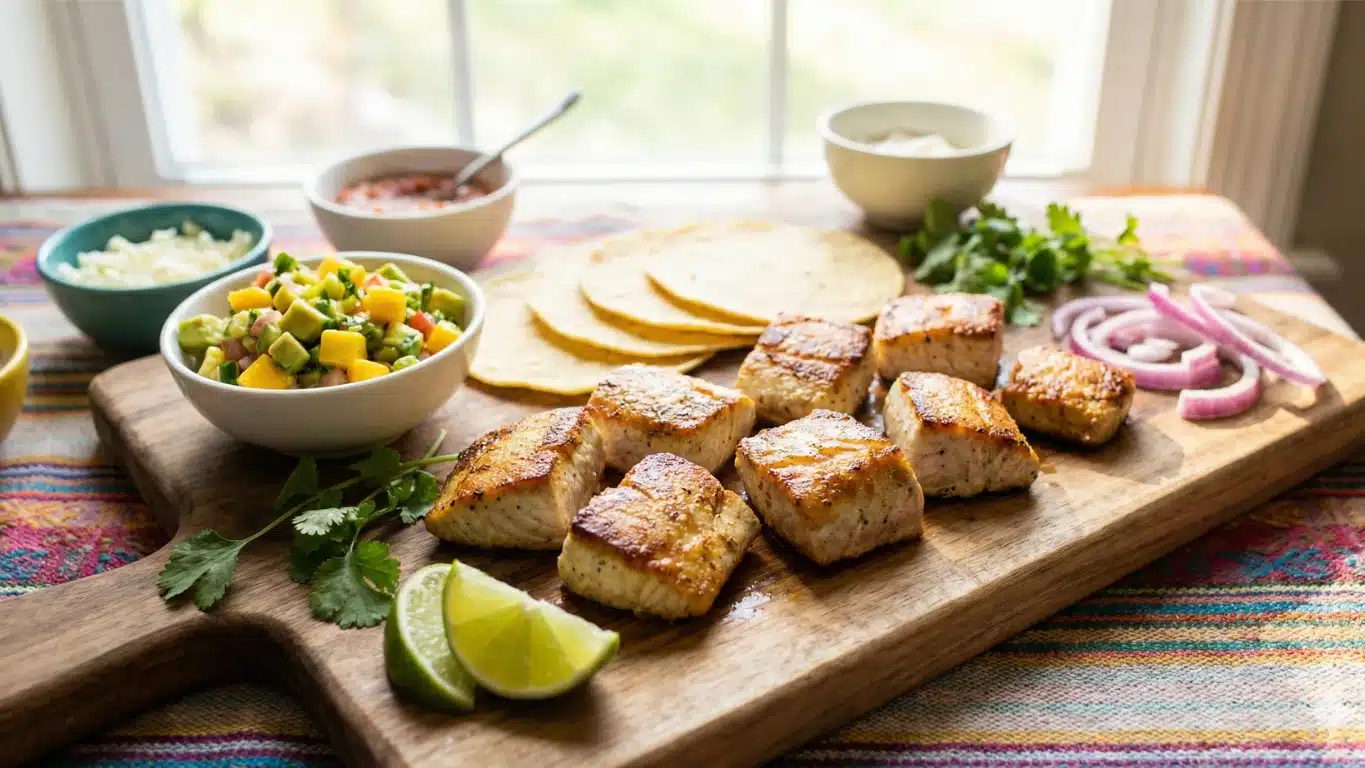
Haddock is the kind of fish that works for everyone at the table, flaky, mild, and totally reliable.
| Ingredient | Substitute |
|---|---|
| Haddock fillets | Cod, pollock |
| Breadcrumbs | Panko, crushed crackers |
| Egg (for coating) | Buttermilk |
| Garlic powder | Onion powder |
| Olive oil | Vegetable oil |
| Salt & pepper | Sea salt, cayenne |
How to Cook:
Step 1: Crack an egg into a shallow bowl and beat it lightly.
In a separate bowl, mix breadcrumbs with garlic powder, salt, and pepper.
Step 2: Dip each haddock fillet into the beaten egg first. Make sure the entire fillet is evenly coated so the breadcrumbs stick well.
Step 3: Press the fillet into the breadcrumb mixture on both sides. Give it a gentle press so the coating holds firmly.
Step 4: Heat olive oil in a pan over medium heat.
You need enough oil to generously cover the bottom of the pan.
Step 5: Place the coated fillets in the pan and fry for 3–4 minutes on each side. Don’t flip too early; wait until the bottom is golden and crispy.
Step 6: Once done, transfer to a plate lined with paper towels. This removes any extra oil. Serve with lemon wedges on the side.
It’s the traditional choice for fish and chips in my home, and the mild fish taste makes it a crowd-pleaser for my friends.
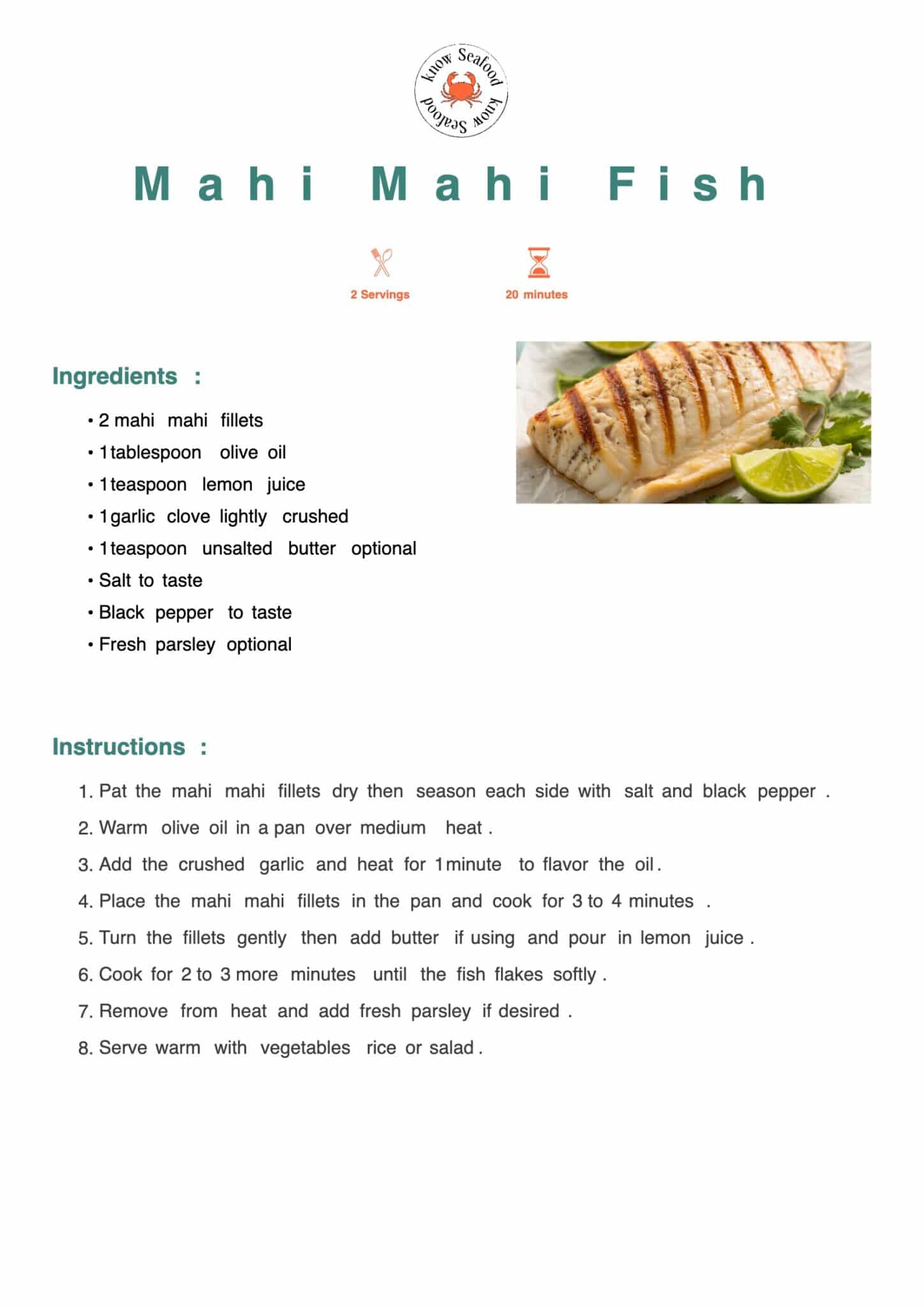
5. Mahi-Mahi
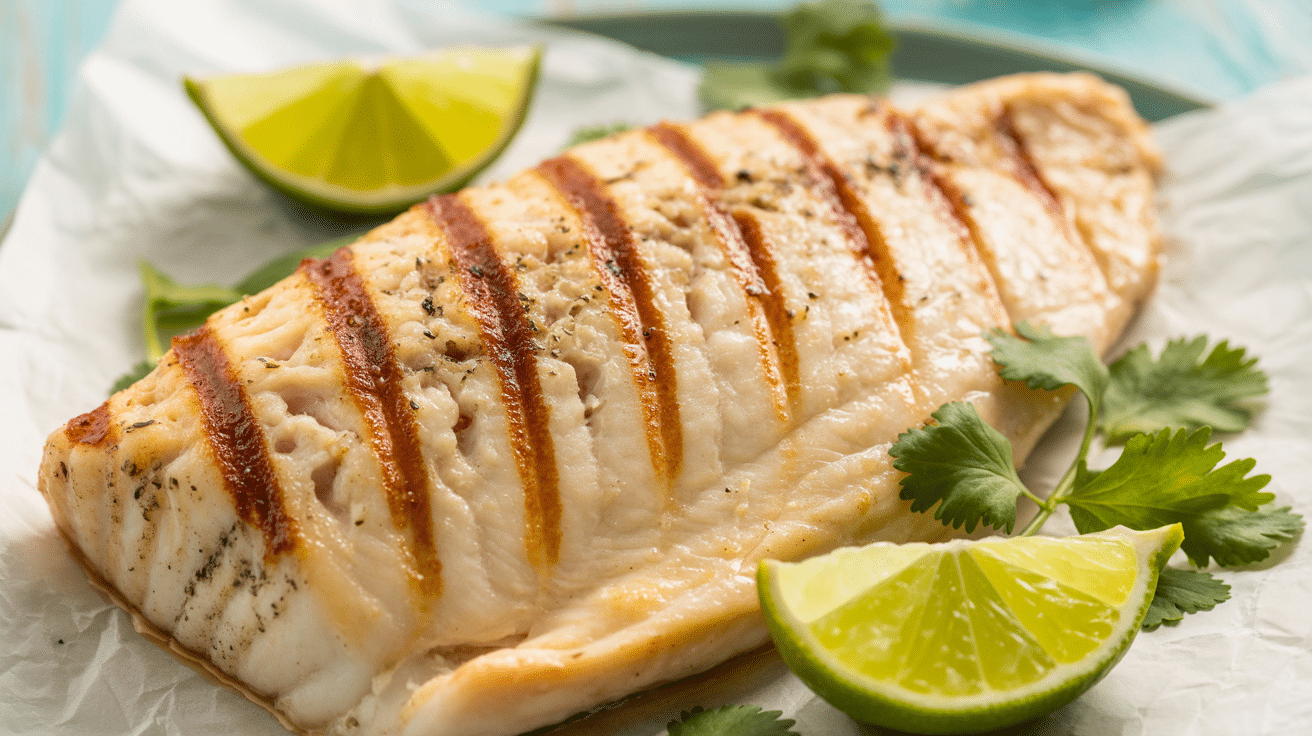
Mahi-mahi has a mild, slightly sweet flavor with a firm texture that’s perfect for grilling or making fish tacos. It is my top pick for fish tacos, firm, flavourful, and ready in minutes.
| Ingredient | Substitute |
|---|---|
| Mahi-mahi fillets | Tilapia, cod |
| Olive oil | Coconut oil |
| Cumin | Coriander powder |
| Chilli powder | Smoked paprika |
| Lime juice | Lemon juice |
| Salt & pepper | Sea salt, black pepper |
How to Cook:
Step 1: Pat the mahi-mahi fillets dry. Then drizzle olive oil over both sides and rub it in so the seasoning has something to stick to.
Step 2: Mix cumin, chilli powder, salt, and pepper together in a small bowl.
Rub this spice mix evenly on both sides of the fillets. Heat a grill or pan over medium-high heat. Let it heat up before adding fish.
Step 3: Place the fillets on the grill or pan and cook for 3–4 minutes on the first side. The fish should release naturally from the surface when it’s ready to flip.
Step 4: Flip once and cook for another 3–4 minutes.
The fish is done when it’s opaque all the way through and flakes apart easily.
Step 5: Squeeze fresh lime juice generously over the top right before serving.
Works great in tacos, over rice, or alongside a simple green salad.
Mild Fish Compared Side by Side
If you’re trying to pick the right fish but feel stuck, this quick comparison will make the decision a lot easier.
| Fish | Flavour | Texture | Best Cooking Method | Good For |
|---|---|---|---|---|
| Tilapia | Very mild, neutral | Soft, thin | Pan-frying, baking | Beginners, picky eaters |
| Swordfish | Mild, slightly sweet | Firm, steak-like | Grilling, searing | Seafood skeptics |
| Halibut | Mild, slightly sweet | Firm, meaty | Pan-searing, grilling | Special occasions |
| Haddock | Mild, slightly sweet | Flaky, firm | Frying, baking | Family meals |
| Mahi-Mahi | Mild, light | Firm, lean | Grilling, tacos | Quick weeknight meals |
How to Cook Mild Fish Without Making it Fishy?
Whatever seasonings you add become the star of the show.
1. Start with the Golden Trio
Every great fish dish needs three elements. Fat, acid, and aromatics.
Fat adds richness
Butter is classic for good reason.
Olive oil works great for Mediterranean vibes. Even sesame oil at the end transforms plain cod.
Acid brings brightness
Lemon juice cuts through richness, making everything taste fresher. Lime works with swordfish or fish tacos.
A splash of white wine? Even better.
Aromatics build depth
Garlic sautéed in butter makes an incredible base flavor. Shallots are more refined. Fresh ginger takes things Asian.
Mix all three, and you’ve got a foundation that works with any cooking method.
2. Quick Flavor Combos that Never Fail
- Mediterranean style: fresh basil, oregano, lemon, and olive oil. Add cherry tomatoes when baking.
- Classic French: Parsley, tarragon, white wine, butter, and capers. Takes three minutes to put together.
- Cajun spice: Paprika, garlic powder, a bit of cayenne, and thyme. Great on swordfish.
- Asian-inspired: Ginger, scallions, soy sauce, and sesame oil with lime at the end.
3. The Simple Butter Sauce Formula
After cooking your mild fish, add two tablespoons of butter and minced garlic to the pan.
Let it sizzle for thirty seconds. Squeeze in lemon juice and add fresh herbs. Swirl until melted and pour over your fish.
4. Timing Your Seasonings
Season with salt and pepper fifteen minutes before cooking.
This lets the salt penetrate rather than just sit on the surface. Fresh herbs go on at the end. Dried herbs can handle heat, so add those before cooking. Lemon juice is always a finishing touch.
Tips for Buying Mild-Tasting Fish
- Always buy fish that smells clean and fresh, not strong or sour.
- Look for firm flesh that springs back when you press it lightly.
- Choose fillets with a moist surface, not dry or discoloured edges.
- Frozen fish is perfectly fine; just make sure the packaging doesn’t contain any ice crystals.
- For the mildest flavour, go for white-fleshed fish over darker options.
- Check the eyes when buying whole fish; they should be clear, not cloudy.
- Buy from a busy fish counter; high turnover means fresher stock.
What I Actually Look for at the Fish Counter?
I always ask the fishmonger when the next delivery arrives.
Most shops restock on Tuesdays and Fridays. Timing your visit around that one small detail gets you the freshest fish every single time.
Wrapping it up
Mild fish is one of those ingredients that makes cooking at home feel genuinely easy.
If you start with tilapia on a weeknight or treat yourself to halibut on the weekend, there’s an option here for every mood and budget.
Keep it simple.
Good seasoning, the right heat, and a squeeze of lemon go a long way.
Now it’s your turn to pick one fish from this list and try it this week.
Once you cook it that first time, you’ll realise it was never as complicated as you thought.
Frequently Asked Questions (FAQ’s)
1. What is the Healthiest Non-Fishy-Tasting Fish?
Tilapia and cod are light, low in fat, and packed with protein.
2. What Fish is Good for Kidney Disease?
Low-phosphorus fish like tilapia and cod are generally the safest options.
3. Can You Eat Fish with Diabetes?
Yes, mild fish like tilapia and mahi-mahi are low in carbs and great choices.
4. What are the 4 Fish to Avoid?
Shark, swordfish, king mackerel, and tilefish have high mercury levels limit their consumption.
5. What is the Best Fish for Picky Eaters?
Tilapia is the top pick; it’s neutral, soft, and practically flavourless.