

Tuna is one of the most widely consumed seafood options across the world, because it’s easy to work into different types of meals and fits into a range of diets without much adjustment. But while demand has increased, supply has stayed stagnant for too long, so what once felt widely available now depends more on how well it is managed across regions.
That shift has changed how people look at tuna. It’s no longer only about taste or convenience. There is more attention on sourcing, supply, and how long these systems can sustain the demand for tuna. And in 2026, there is good news; things are shifting towards sustainability to ensure that supply can continue meeting demand without seriously damaging the tuna population.
Why Tuna Is One of the Most Popular Protein Sources Worldwide
Tuna is in high demand because it fits into everyday eating habits with minimal effort. It’s high in protein and is a great source of iron, Vitamin B6, potassium, selenium, and iodine. Whether it’s served as an addition to pasta or in a unique way like tuna jerky, tuna offers significant benefits. Fresh, frozen, and canned tuna are widely available, which means that tuna is widely accessible in most markets.
Tuna is also easy and convenient to store and tends to last longer than many other seafood options. Processed forms of tuna have also gained attention because they offer a portable option for people looking for protein that is easy to carry and does not need refrigeration. This level of demand, however, puts pressure on how tuna is sourced and managed over time.
Types of Tuna You’ll Find on the Market
Tuna is not a single type of fish. It’s a species with many subtypes. Each species varies in texture, flavor, and sourcing, so you need to consider these when trying to choose the perfect product for you.
Yellowfin Tuna
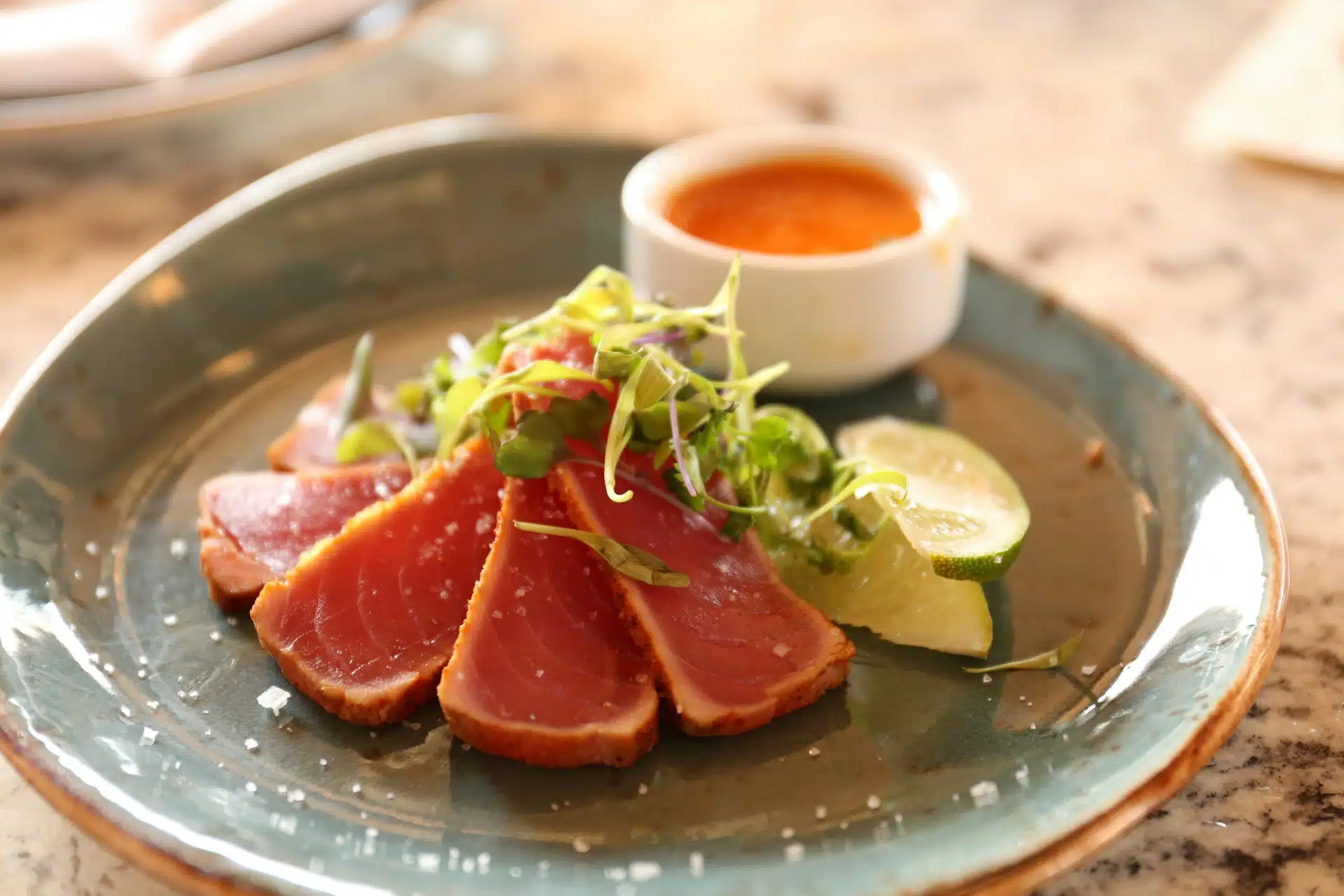
Yellowfin tuna is one of the most commonly used varieties in fresh seafood. It has a firm texture and mild flavor, so it’s an ideal choice for grilling, searing, and even serving raw in specific dishes. It holds its shape well, too, so it’s often used in dishes where presentation matters. It is also widely distributed, so it’s available in many markets and widely accessible for both commercial and household use.
From a sourcing perspective, yellowfin is caught in large volumes. That scale makes consistent management important. Without it, even a widely available species like yellowfin tuna can come under pressure over time, and that could lead to population decline.
Skipjack Tuna
Skipjack tuna is commonly found in canned tuna products. It is smaller than other species and is known to have a stronger, more distinct flavor. Because it reproduces faster, its population can recover more quickly under proper management, which is why it’s often seen as more of a staple option.
However, that does not automatically make it sustainable in every case. From a sustainability perspective, the fishing option is important. Large-scale operations can still affect populations if they are not properly controlled, so how the fish is sourced remains just as important as the species itself.
Bluefin Tuna
Bluefin tuna is known for its size and fat content. This tuna is used in premium dishes and commands a higher market value than other types of tuna. But the increased demand has created long-term pressure on wild populations of bluefin tuna.
In response to this problem, some parts of the industry have shifted towards controlled ranching systems. Instead of relying entirely on wild populations and captures, these systems manage growth in more controlled conditions. With companies like Baja Aqua Farms focusing on ranching bluefin tuna in controlled environments, there is now less reliance on wild stocks—but a continuous supply still reaching the markets.
This approach does not remove all challenges. However, it does show how sourcing methods are starting to change in response to pressure on natural populations.
Why Tuna Faces Sustainability Challenges
Tuna is harder to manage than other food sources. It moves across a large ocean region, often crossing multiple jurisdictions with their own specific rules. That makes it difficult to regulate consistently. Even when regulation is in place, it’s not applied uniformly across regions, and that’s now created a gap in the control of fishing activity.
The scale of the fishing adds to this issue. Industrial fishing methods can capture large quantities of tuna in short periods. Without proper limits, this can easily affect long-term population stability. There is also an issue of bycatch, as some fishing methods unintentionally capture other marine species. This then affects the broader food chain and ecosystem.
None of these problems exist in isolation. They overlap, which makes long-term management more complex. That’s why sustainability is so critical.
The State of Tuna Sustainability in 2026
There has been a gradual shift in how the sustainability of tuna is managed in the past few years. More companies are not just looking for short-term supply, but they are also focusing on longer-term systems. This includes changes in fishing practices and the use of more controlled tuna farming methods.
Tracking systems have improved as well. Now, monitoring fishing activities is easier than ever. Consumer behavior has even improved, and people are now asking questions about sourcing. That’s now influencing how companies operate. While it’s not uniform across all regions, there is a clearer effort towards better management than in the past.
What Sustainable Tuna Farming Looks Like
Sustainable tuna farming prioritizes control over volume. Instead of only relying on wild capture, tuna farming systems can manage how tuna are raised and supplied. The main goal is to reduce pressure on wild populations while still keeping tuna available, and that’s why tuna farming has become such a popular choice.
With tuna farming, feeding, growth, and harvesting can be monitored and controlled more closely than before. It also allows producers to plan supply more consistently rather than relying entirely on fishing conditions. At the same time, this approach comes with its own challenges. It needs to be managed carefully to make sure that it does not create new environmental issues.
It’s not a complete replacement for wild fishing, but it offers a different way to approach supply when it is managed properly.
What to Look for When Choosing Sustainable Tuna
Sustainability isn’t always clear when buying tuna. Source transparency is one of the most useful indicators. Clear information about where the tuna comes from helps in understanding how it was sourced. The method used also matters. Whether it is wild-caught or farm-raised, tuna is handled in ways that impact long-term sustainability. Certifications may offer some kind of guidance about these aspects, but they’re not always consistent in all regions.
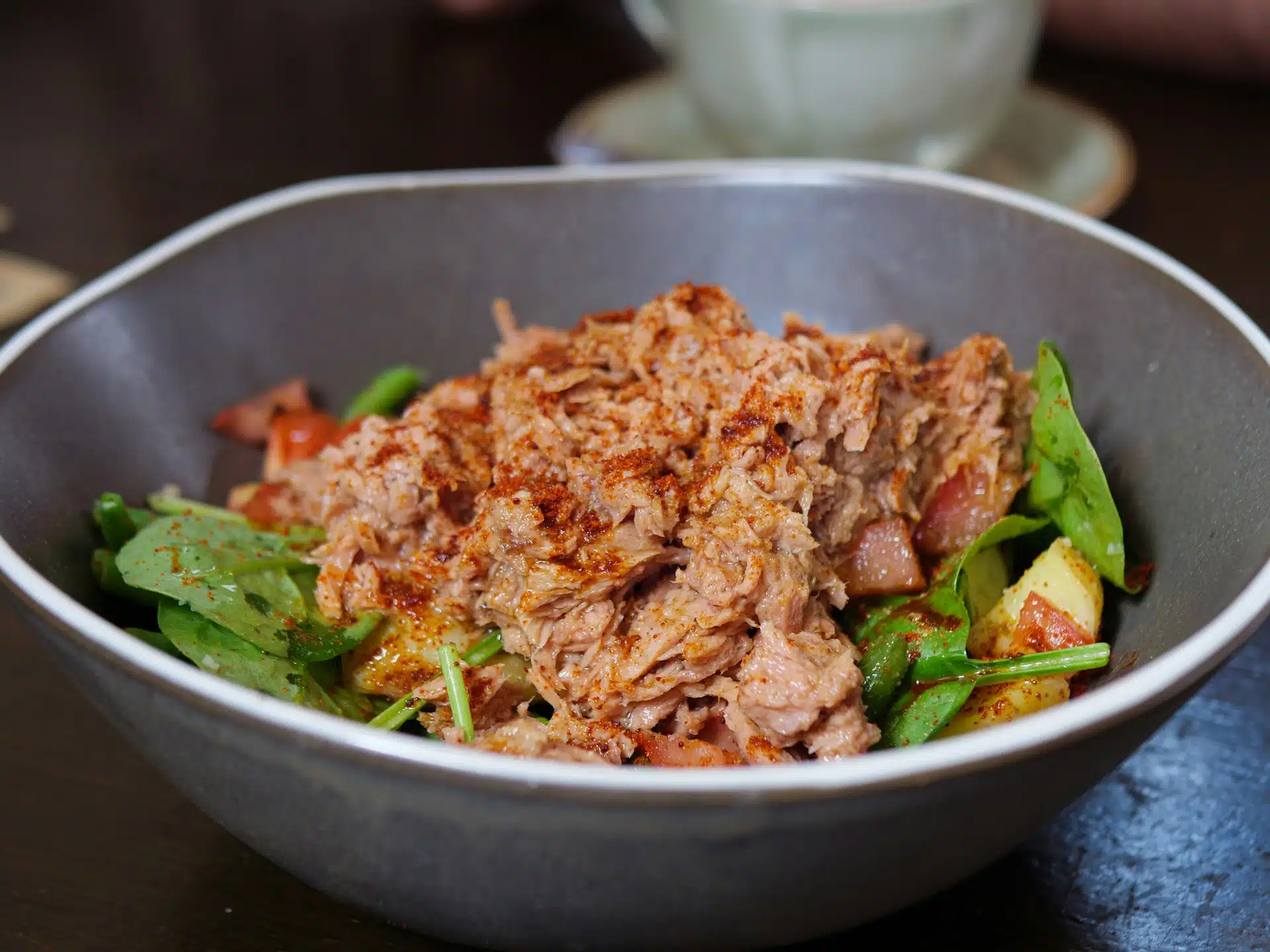
The type of tuna can also reflect different sourcing systems. Now, options like tuna jerky or canned tuna may come from supply chains that differ from those for fresh-cut fish. When you’re thinking about trying new types of tuna, don’t focus so much on finding the perfect option; instead, just try to make more informed choices based on what is available.
Conclusion
Tuna continues to be in demand, but the way it is produced is changing. The demand and popularity of tuna make responsible sourcing more important than before. Efforts to improve sustainability are becoming more structured, even if challenges still exist.
For consumers, the shift is towards awareness, and that’s why sustainability is becoming more and more of a priority for companies across the globe. This isn’t a temporary shift; it’s going to influence how tuna is sourced and consumed in the years to come.