

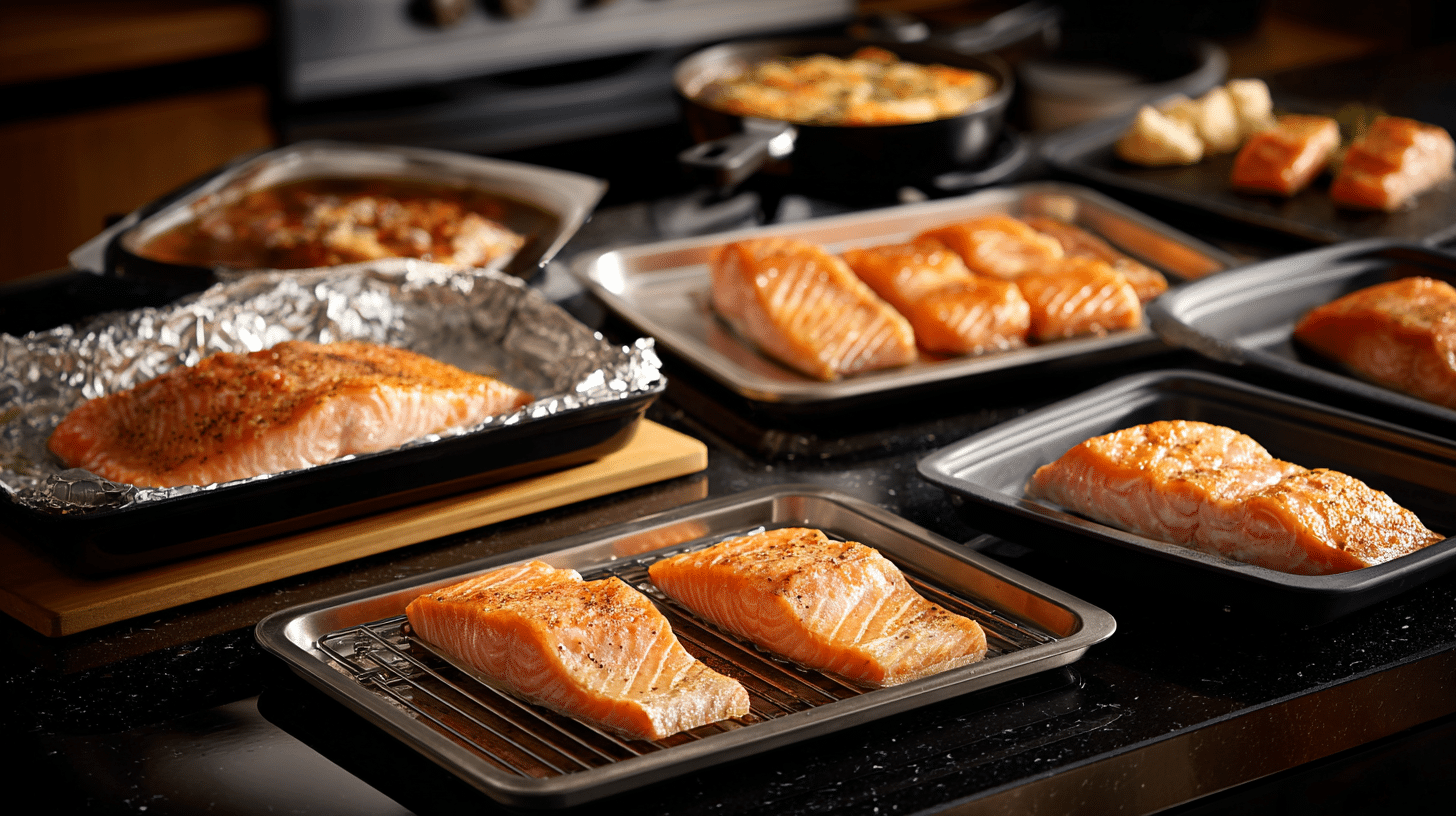
During my years working in restaurant kitchens, I watched countless salmon dishes come back barely touched. The reheated portions for staff meals? Always a gamble.
One night, a perfectly seared salmon fillet sat in the walk-in. I reheated it at full blast, thinking speed was key. Three minutes later, I had expensive rubber.
That failure taught me everything. Salmon demands patience and low heat. Rush it, and you waste good fish.
After testing every method at home and comparing results, I found what actually works. Let me show you techniques that keep your salmon tender and flavorful.
Why Reheating Salmon Can Be Tricky
Reheating salmon can be tricky because it cooks quickly. Salmon has a soft, flaky texture, which can easily turn dry or rubbery if overheated.
When you reheat it too fast or at a high temperature, the moisture inside evaporates, leaving the fish tough and dry.
Additionally, salmon is often cooked to a perfect doneness the first time, so reheating it can cause it to cook further, which can affect its flavor and texture.
That is why it is important to use the right methods and not rush the process to keep your salmon tasting fresh and tender.
Reheating Salmon in an Air Fryer: My Go-To Method
This is the method I use most often to reheat salmon.
The air fryer works quickly and keeps the fish from drying out when the heat is controlled.
I preheat the air fryer to 350°F and place the salmon in the basket with space around each piece. Reheating usually takes 4 to 5 minutes.
I check at the 3-minute mark since thinner pieces warm faster than thicker ones.
A light brush of olive oil helps prevent the surface from drying.
This method works well for both baked and fried salmon when a lightly crisp outside is preferred.
Important Notes:
- Don’t overcrowd the basket. Leave space between pieces for even heating.
- Skip the oil if your salmon is already very fatty.
- Let the salmon rest for 1 minute after cooking before serving.
- Check the internal temperature if unsure. It should reach 145°F for food safety
Some Other Methods to Reheat Salmon
Below are some of the best methods to reheat salmon without compromising its quality.
I’ve tried all these techniques multiple times. Each delivers good results when done correctly.
When people ask, can you reheat salmon, the answer depends on choosing the right method for the type of salmon and the time available.
| Method | Temperature | Time | Best For | Difficulty Level |
|---|---|---|---|---|
| Oven | 275°F | 10-15 minutes | Baked salmon, thick fillets | Easy |
| Stovetop | Low to medium heat | 3-5 minutes | Baked or fried salmon | Easy |
| Microwave | Medium power | 20-30 second bursts | Baked salmon, small portions | Very Easy |
| Steaming | Medium heat (steamer) | 3-5 minutes | Baked salmon, delicate pieces | Moderate |
| Air Fryer | 350°F (175°C) | 4-5 minutes | Fried or crispy salmon | Eas |
1. Oven Method
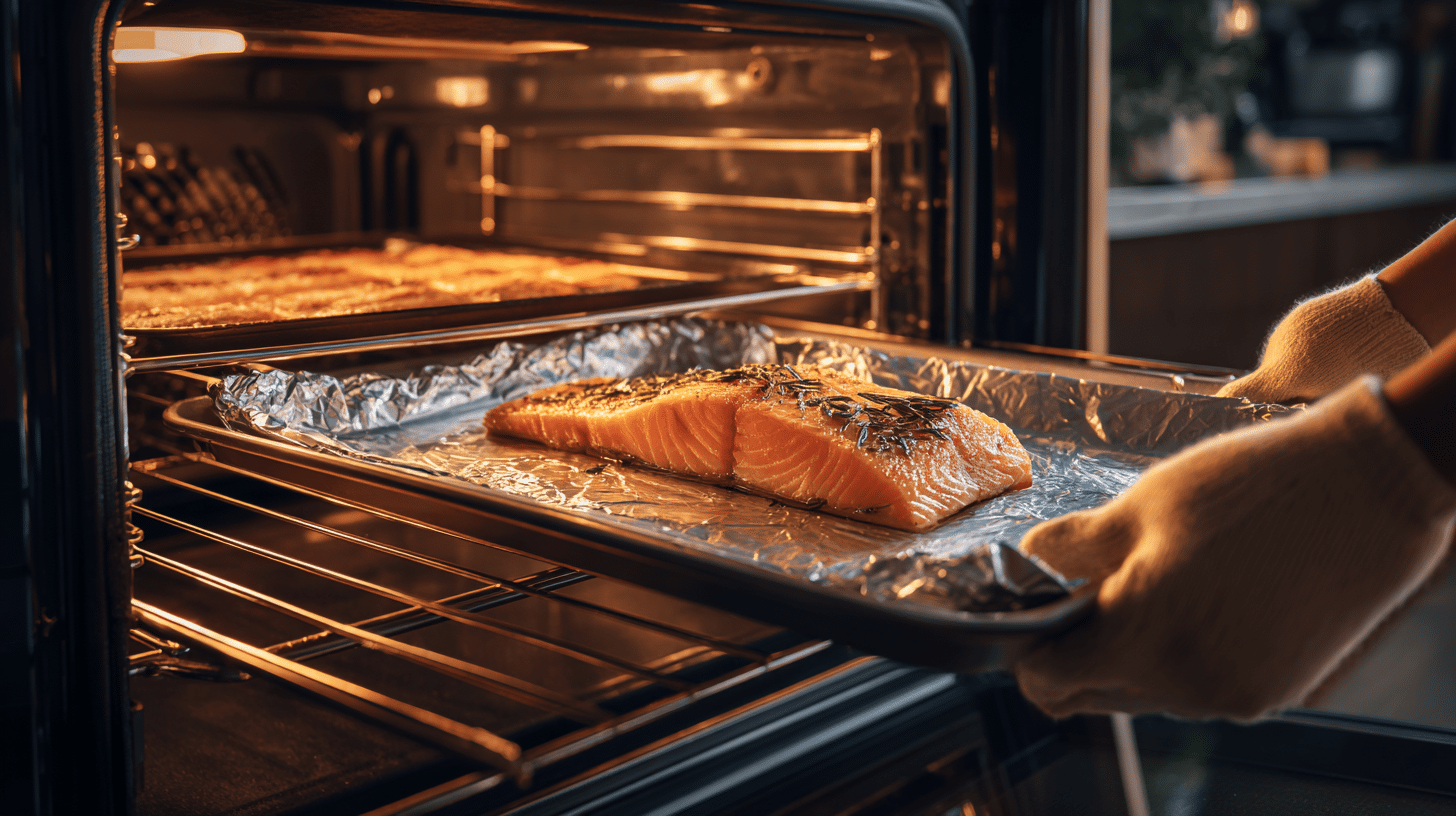
The oven is one of the best ways to reheat salmon without drying it out. Preheat your oven to a low temperature, around 275°F.
Place your salmon on a baking sheet and cover it loosely with aluminium foil. This helps keep the moisture in. Heat it for about 10-15 minutes.
Make sure to check the salmon halfway through to avoid overcooking. This method will keep the fish tender and juicy.
What I’ve learned
This method gives the most consistent results across different salmon pieces. The downside is the 10-15 minute wait.
Plus, turning on your oven for one piece of fish heats up the whole kitchen. When you’re short on time, the stovetop method works just as well in half the time.
2. Stovetop Method
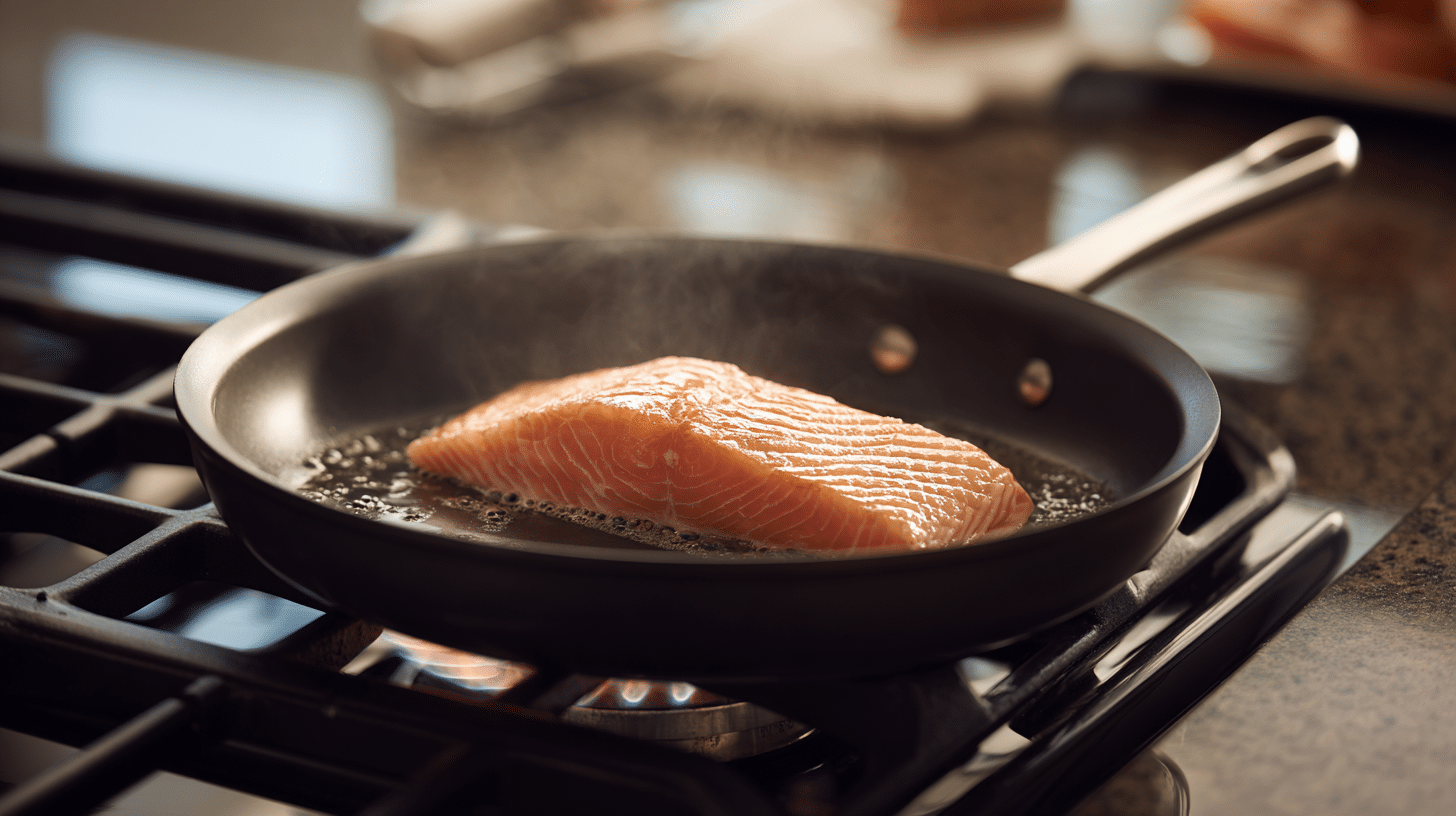
If you prefer using the stove, the stovetop method works well too. Heat a non-stick pan over low to medium heat. Place the salmon in the pan and cover it with a lid.
This will trap the moisture and heat the fish evenly. Reheat for 3-5 minutes, checking to make sure it does not overcook.
This method is quick and keeps the salmon soft.
What I’ve learned
This method is much faster and keeps the salmon moist when covered properly.
The challenge is you can’t walk away from it. The bottom can brown or burn if you get distracted. Heat doesn’t distribute as evenly as the oven.
For a hands-off approach, the oven works better.
3. Microwave Method
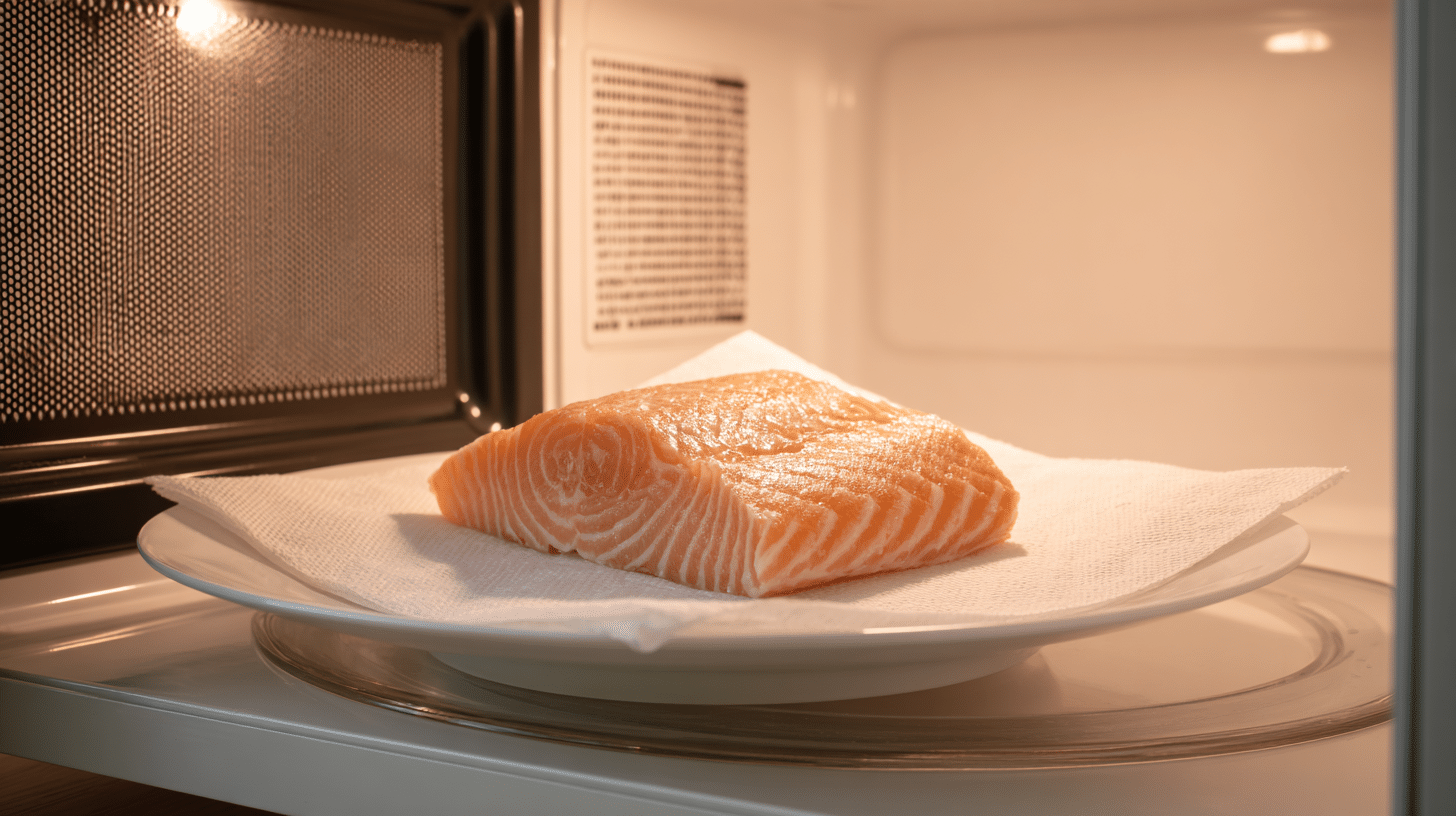
The microwave is the quickest way to reheat salmon, but it can dry out the fish if not done carefully. Place the salmon on a microwave-safe plate with a damp paper towel below.
This helps to keep moisture in. Heat the salmon in short 20-30 second bursts, checking each time to see if it is warm.
Be careful not to overcook the fish, as the microwave can cook it unevenly.
What I’ve learned
This is the fastest option when you’re truly rushed. But results are unpredictable with rubbery spots and cold patches.
The texture never matches other methods.
Use this only when you have no other choice. If you have 5 extra minutes, the stovetop delivers much better results.
4. Steaming Method
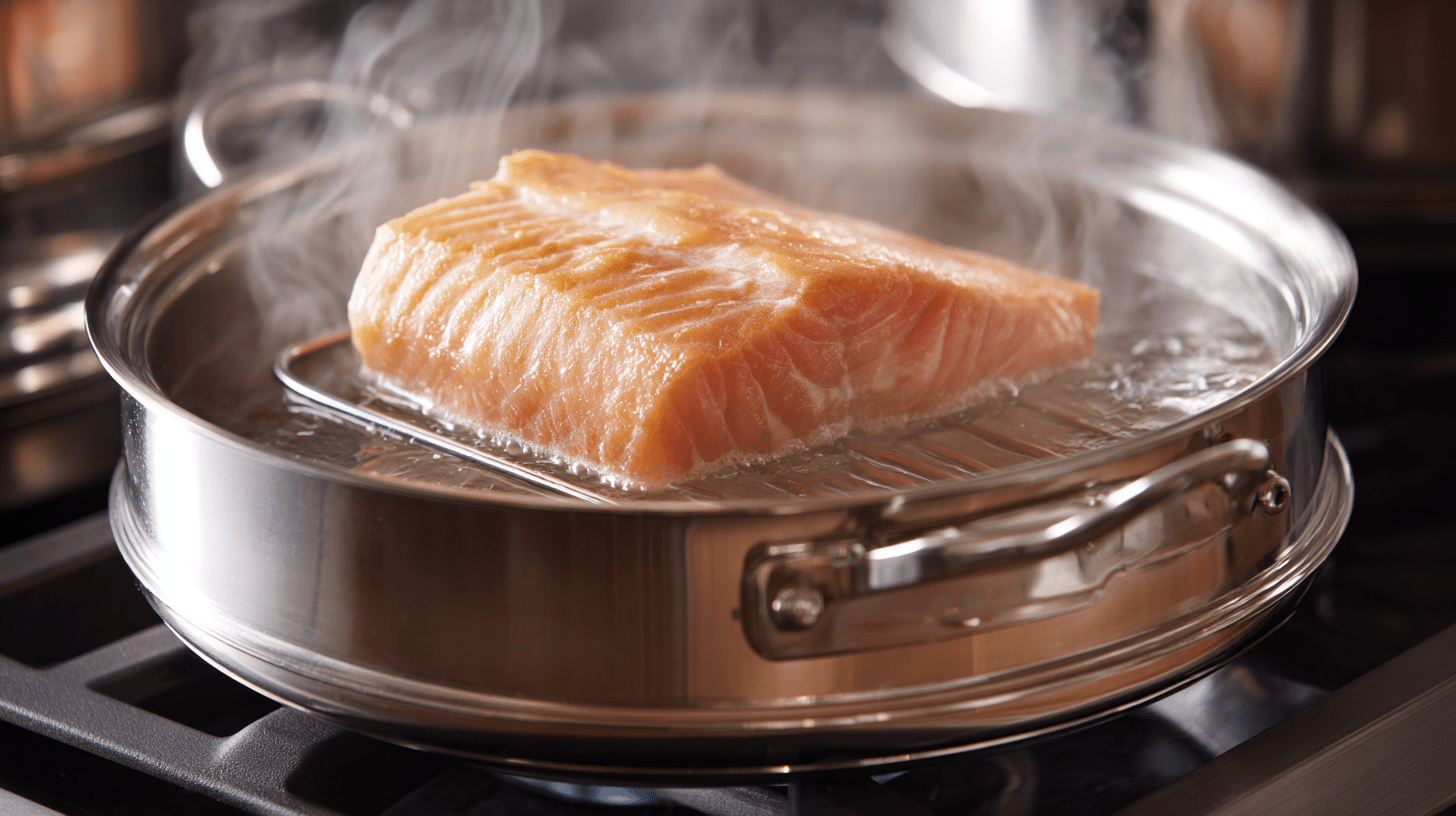
Steaming is a gentle way to reheat salmon and keeps it moist. If you have a steamer, place the salmon in it and steam for about 3-5 minutes.
If you do not have a steamer, you can use a pot with a steaming rack. Steaming keeps the salmon soft and helps retain its original flavor.
It is a great method if you want a fresh-tasting, juicy piece of salmon.
What I’ve learned
Steaming produces the most moist salmon and the one that tastes closest to freshly cooked salmon. The problem is that most people don’t have a steamer readily available.
Setting one up takes extra effort and dishes. For everyday reheating, the oven or stovetop is a more practical choice.
5. Grill Method
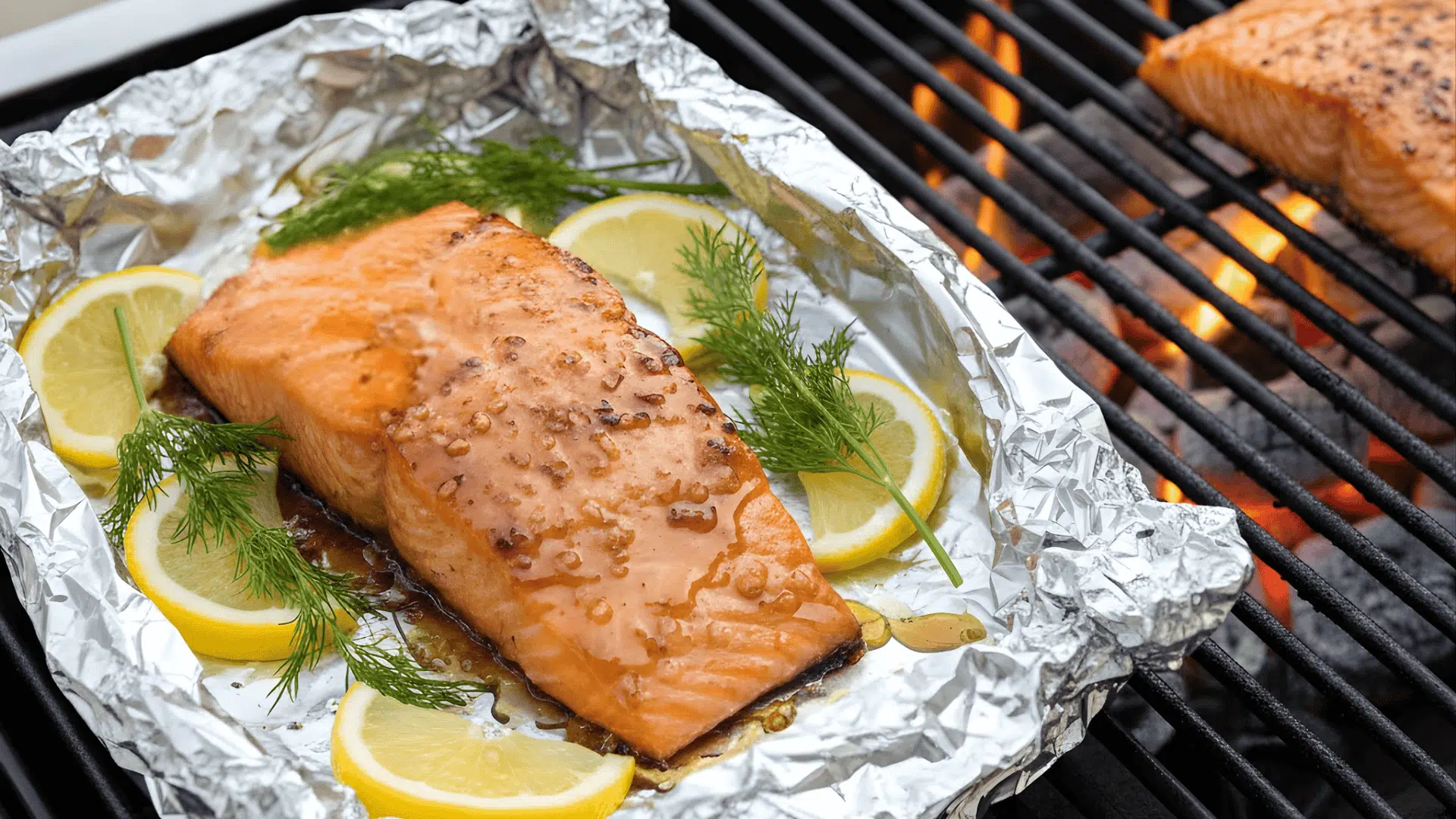
If you have a grill already fired up or prefer outdoor cooking, this method works well.
I came across this method unexpectedly during a summer cookout when I had some leftover salmon in the fridge, and the results were surprisingly good.
Preheat your grill to medium-low heat, around 300°F. Place the salmon on a piece of aluminum foil or directly on the grates if it has skin. Close the lid and heat for 3-4 minutes.
The indirect heat warms the salmon gently. This method works especially well for thicker, skin-on pieces.
Restaurant-Level Tips for Grilling:
- Oil the grates, not the fish. This prevents sticking without adding excess fat to the salmon.
- Use the two-zone method. Warm on the cool side, then crisp skin on the hot side for 30 seconds.
- Create a foil packet with aromatics. Add lemon slices, dill, and white wine. The steam refreshes the flavor.
- Brush with glaze in the last minute. Honey-soy or teriyaki caramelizes beautifully and tastes freshly prepared.
- Test with the toothpick method. Insert into the thickest part, touch your wrist. Warm means ready.
How Salmon Type Affects Reheating
Not all salmon reheats the same way. The type you’re working with changes how you should approach it.
Wild vs Farmed Salmon
| Salmon Type | Fat Content | Reheating Behavior | Best Methods | Extra Care Needed |
|---|---|---|---|---|
| Wild Salmon | Lower fat | Dries out faster | Steaming, low oven heat | Add extra butter or oil |
| Farmed Salmon | Higher fat, more marbling | Stays moister, more forgiving | Stovetop, air fryer | Less additional fat needed |
Skin-On vs Skinless
| Salmon Type | Protection Level | Moisture Retention | Reheating Position | Key Requirement |
|---|---|---|---|---|
| Skin-On | Skin acts as heat barrier | Better moisture retention | Skin side down | Can handle higher heat |
| Skinless | No protective layer | Dries out quickly | Any position | Must cover while reheating |
When Eating Cold Salmon Can Be a Better Option
Sometimes, the best option is not reheating at all.
Cold salmon works well in many meals, and the texture often holds up better this way.
Cold salmon is great in salads. Flake it over greens with tomatoes and cucumber, then add a light dressing. It also works well in grain bowls with rice or quinoa and roasted vegetables.
For a quick meal, mix cold salmon with a little mayo and herbs for sandwiches or wraps.
It also pairs perfectly with pasta salad made with olive oil and vegetables.
Bonus tip: Let the salmon sit at room temperature for 10–15 minutes before serving. This improves flavor and removes the overly chilled taste straight from the fridge.
Restaurant-Level Professional Tips
These are techniques I picked up from professional kitchens that make a real difference at home.
The finger test for doneness.Press the thickest part gently. It should feel warm but still give slightly. If it feels firm, you’ve gone too far.
Create a water bath for the oven.Place a small oven-safe dish of water on the rack below your salmon. The steam keeps the oven environment humid.
Use compound butter.Mix softened butter with herbs, lemon zest, or garlic. Spread this on before reheating. It adds moisture and refreshes the flavor.
The fold test for thin pieces.If your salmon fillet is thin, fold it in half before reheating. This creates a thicker piece that’s harder to overcook.
Refresh with acid.After reheating, squeeze fresh lemon or lime over the salmon. This brightens the flavor and makes it taste less like leftovers.
What Doesn’t Work: Common Mistakes
These tips have helped me serve leftover salmon at home better than some restaurants serve fresh salmon.
Apply them consistently for better results.
Using high heat.This is the fastest way to ruin salmon. High temperatures squeeze out moisture and create a tough texture. Always choose low to medium heat.
Reheating multiple times.Each reheating cycle removes more moisture. Only warm what you’ll eat immediately. Divide large pieces before the first reheat.
Leaving it uncovered.Exposed salmon dries out quickly. Always use some form of covering unless you’re specifically trying to crisp the skin.
Microwaving in long bursts.One minute straight in the microwave creates rubbery spots. Use 20-30-second intervals, with checks between them.
Forgetting the moisture element.Dry reheating always fails. I always add butter, oil, or create steam somehow. This single step prevents most problems.
Not accounting for carryover cooking.Salmon continues cooking after you remove it from the heat. Stop reheating when it’s slightly cooler than your target temperature.
How Long Does Cooked Salmon Last in the Fridge?
From my experience, cooked salmon stays fresh for 3 to 4 days when stored properly. That’s my safe window for eating leftovers.
I always store my salmon within 2 hours of cooking. Leaving it out longer gives bacteria time to grow.
This Is how I Store It. Correctly:
- Use an airtight container. Glass containers work best because they seal tightly and don’t absorb odors.
- Wrap tightly if needed. If I don’t have a container, I use plastic wrap or aluminum foil. Keep air out to prevent drying and spoilage.
- Label with the date. It’s easy to forget when you cooked something. This habit prevents me from eating salmon that’s too old.
Watch for these warning signs: If your salmon smells sour or fishy, throw it out. Check the texture too. Slimy or sticky salmon is a red flag. Dull or grayish color also means it’s gone bad.
Freezer tip: If I won’t eat my salmon within 3 days, I freeze it instead. Frozen cooked salmon lasts 2 to 3 months. When in doubt, throw it out. No leftover is worth getting sick over
Bonus: Salmon Rice Bowl Recipe Using Leftover Salmon
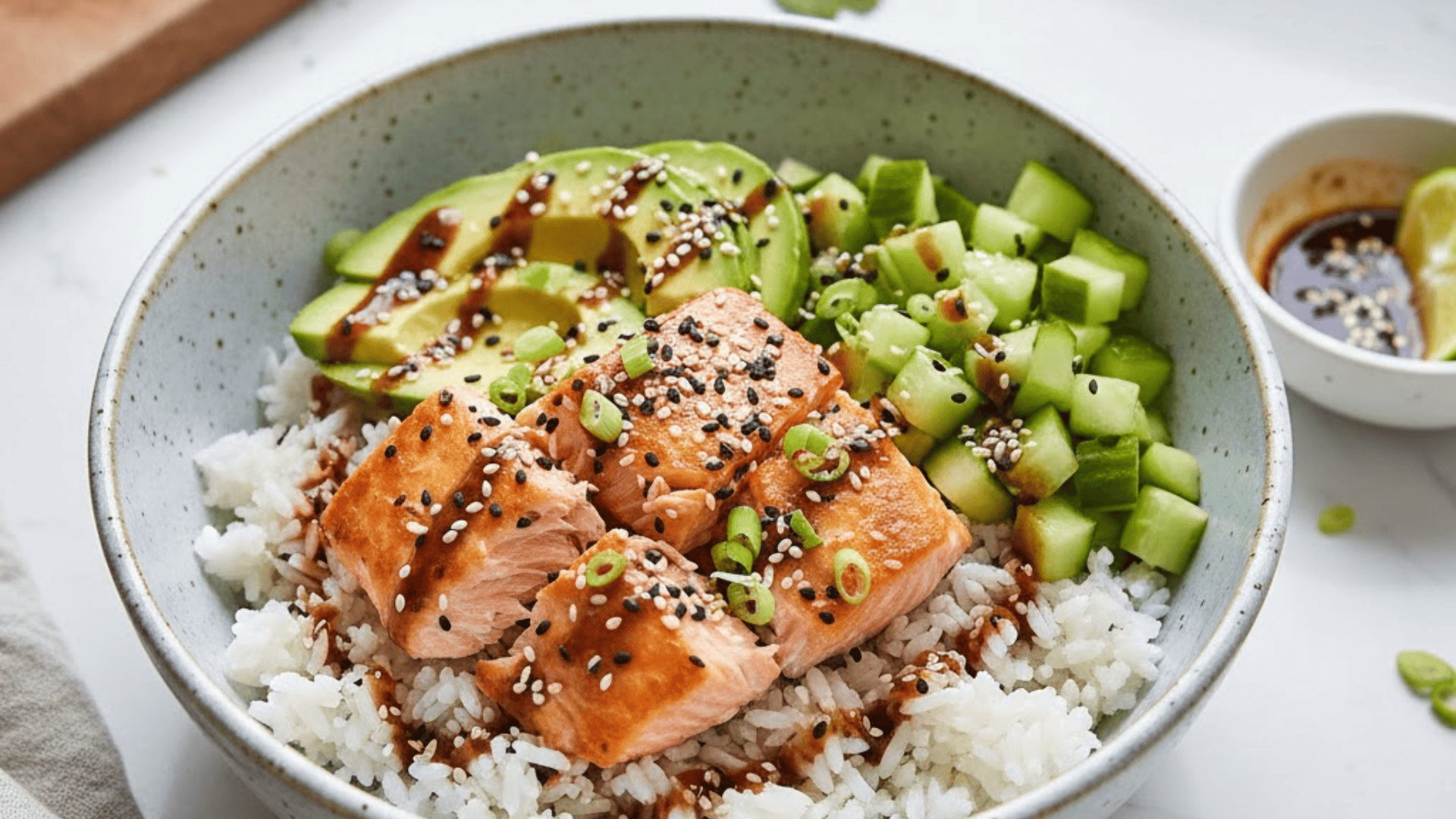
Let me share one of my favorite ways to use leftover salmon. This rice bowl has become a regular in my kitchen.
After getting tired of eating reheated salmon the same way every time, this recipe changed everything. Now it’s something to actually look forward to.
And my favourite part is that it takes less than 15 minutes to put together.
What you’ll need:
- 1 cup cooked rice (white or brown works fine)
- Leftover salmon (about 4-6 ounces, flaked)
- Half an avocado, sliced
- 1 cucumber, diced
- 2 tablespoons soy sauce
- 1 teaspoon sesame oil
- A sprinkle of sesame seeds
- Optional: sliced green onions, edamame, or seaweed
Follow the Simple Process:
Start by warming up the rice in the microwave for about 1 minute. You want it warm, not hot.
While the rice heats, gently reheat the salmon using the air fryer method from earlier. About 3-4 minutes does the trick.
Then flake the warm salmon into bite-sized pieces with a fork. Don’t worry about making them perfect. Rustic chunks work great.
Place the warm rice in a bowl. Then arrange the flaked salmon, avocado slices, and diced cucumber on top. Keeping ingredients separate lets each bite be different.
For the dressing, mix soy sauce with sesame oil in a small bowl. A squeeze of lime juice works great if you have one handy.
Drizzle this mixture over the entire bowl. Then sprinkle sesame seeds on top for a little crunch.
Summing It Up
What changed the results for me was slowing down and paying attention to heat. Rushing always led to dry salmon.
Once low temperatures and added moisture became part of the process, leftovers started turning out much better.
Each method shared here has been used repeatedly in my own kitchen. The oven remains the most reliable option when even warming is needed.
Early mistakes are normal and part of learning.
With these steps, leftover salmon can stay soft and retain the original meal’s flavor.
Frequently Asked Questions
Can You Reheat Salmon More than Once?
It is best not to reheat salmon more than once, as it can become dry and tough. Try to only reheat the amount you plan to eat.
How do I Know When Salmon is Fully Reheated?
Salmon is reheated when it is warm throughout. You can check by gently flaking the fish with a fork. If it flakes easily and feels warm, it is ready.
Is It Safe to Eat Leftover Salmon?
Yes, it is safe to eat leftover salmon if it has been stored properly in the fridge. Make sure to reheat it to an internal temperature of 145°F (63°C).
Can you Microwave Salmon to Reheat?
Yes, you can microwave salmon. Use 20-30 second bursts with a damp paper towel to prevent drying out.
Is It Okay to Eat the Leftover Salmon Next Day?
Yes, leftover salmon is safe to eat the next day if stored properly in the fridge within two hours.
How to Store Leftover Salmon?
Cool salmon completely, then store in an airtight container in the fridge within two hours. Use within 3-4 days for best quality.