

You’ve got a beautiful piece of salmon ready to cook, but there’s one nagging question.
How do you know when it’s actually done?
Overcook it, and you’re left with dry, chalky fish. Undercook it and, well, that’s not ideal either. Getting the salmon’s internal temperature right makes all the difference between a restaurant-quality meal and a disappointing dinner.
Let’s break down exactly what you need to know to nail it every single time.
Why Salmon Temperature Matters?
Temperature is the difference between salmon that melts in your mouth and salmon that tastes like cardboard.
It’s really that simple. When you cook fish at the right heat level, the proteins set just enough to give you that tender, flaky texture everyone loves.
Go too far, and those same proteins squeeze out all the moisture, leaving you with something challenging and dry.
There’s also the safety angle to consider.
Salmon needs to reach a specific temperature to kill off any potential bacteria or parasites. But here’s the thing. You don’t need to cook it to death to make it safe.
Whether you’re aiming for a medium center or pushing it to well-done salmon temp, finding that sweet spot keeps your fish both delicious and perfectly safe to eat.
The Ideal Salmon Internal Temp
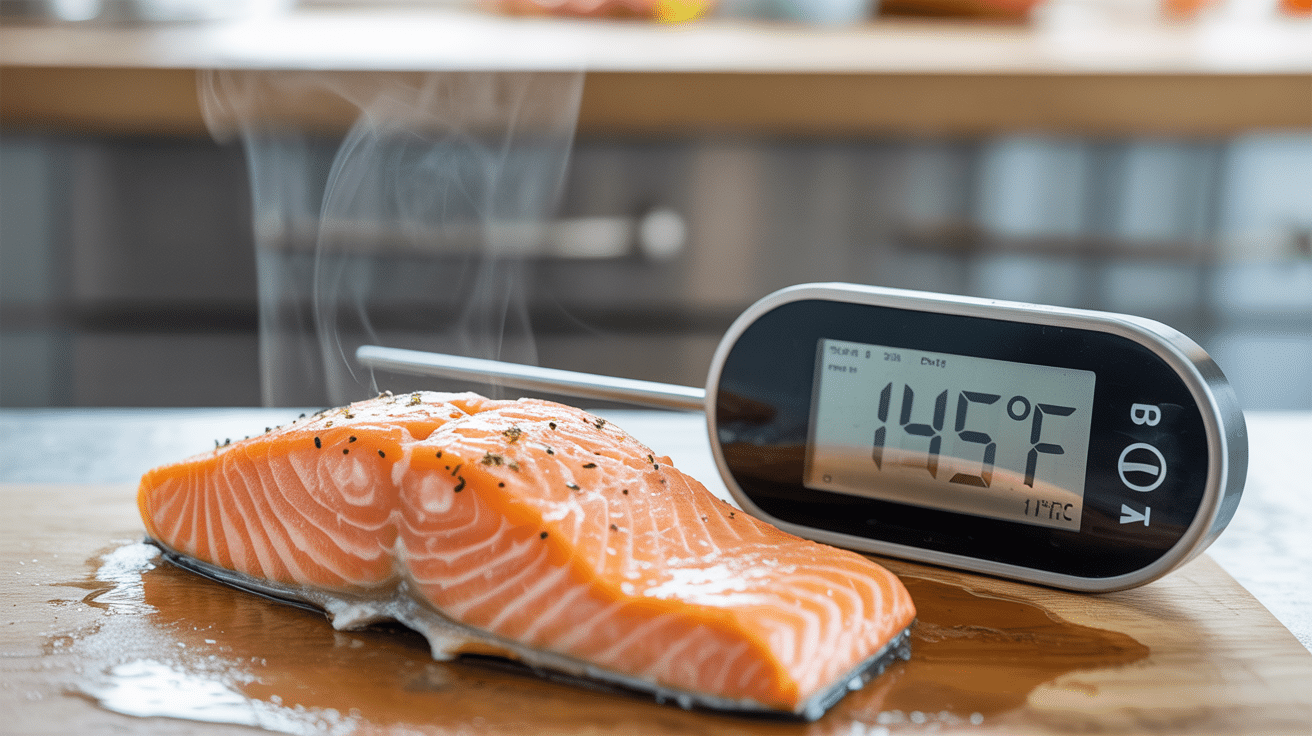
The USDA recommends cooking salmon to 145°F, and that’s the temperature that guarantees safety.
But here’s where things get interesting.
Most chefs actually pull their salmon off the heat between 120°F and 130°F because it stays moister and has a better texture.
The fish continues cooking even after you remove it from the pan or oven, so it’ll climb a few degrees while it rests.
Temperature options based on your preference:
- 145°F (Well Done): Fully opaque with no translucent center, flakes easily with a fork
- 135°F (Medium): Slightly pink center, still cooked but incredibly juicy
- 120-130°F (Medium-Rare): Preferred by most chefs for maximum moisture
Your preference really depends on how you like your fish. Both options work fine as long as you’re using fresh, high-quality salmon.
Now let’s talk about actually measuring that temperature correctly.
How to Check Salmon Temperature the Right Way
Using a meat thermometer is the only reliable way to know if your salmon is done. Here’s how to do it properly.
Step 1: Get the Right Thermometer
An instant-read digital thermometer works best for checking fish.
The thin probe won’t leave huge holes in your fillet, and you’ll get an accurate reading in just a few seconds. Avoid old-school dial thermometers since they take longer and can damage delicate fish.
Step 2: Find the Thickest Part
Insert the thermometer into the thickest part of the fillet, usually the center or near the head end.
This spot takes the longest to cook, so if it’s done here, the rest is ready.
Thinner areas cook faster, so measuring there will give you inaccurate results.
Step 3: Go Sideways, Not Straight Down
Slide the probe in horizontally from the side rather than straight down through the top.
Going in from the side prevents you from pushing through to the pan, which gives a false reading.
Plus, a horizontal entry looks cleaner and keeps your presentation intact.
Step 4: Read and Remove
Wait for the number to stabilize before pulling it out, usually just a few seconds.
Most digital thermometers beep or show when they’re ready. Remember, the fish keeps cooking after you remove it from the heat, so factor in that carryover.
Quick Temperature Guide for Different Styles
Not everyone likes their salmon cooked the same way. Here’s a breakdown of each doneness level.
| Style | Internal Temp | What to Expect |
|---|---|---|
| Rare | 110°F | Very soft, almost raw center, deep pink throughout |
| Medium-Rare | 120-125°F | Slightly translucent center, buttery texture, bright pink |
| Medium | 130-135°F | Just a hint of pink in the middle, moist and tender |
| Medium-Well | 140°F | Barely pink, firmer texture, but still juicy |
| Well Done | 145°F+ | Fully opaque, flakes easily, no pink remaining |
Remember that carryover cooking adds about 5 degrees after you pull the fish. If you want it fully cooked, that well done salmon temp of 145°F does the job.
Cooking Methods and Their Temperature Needs
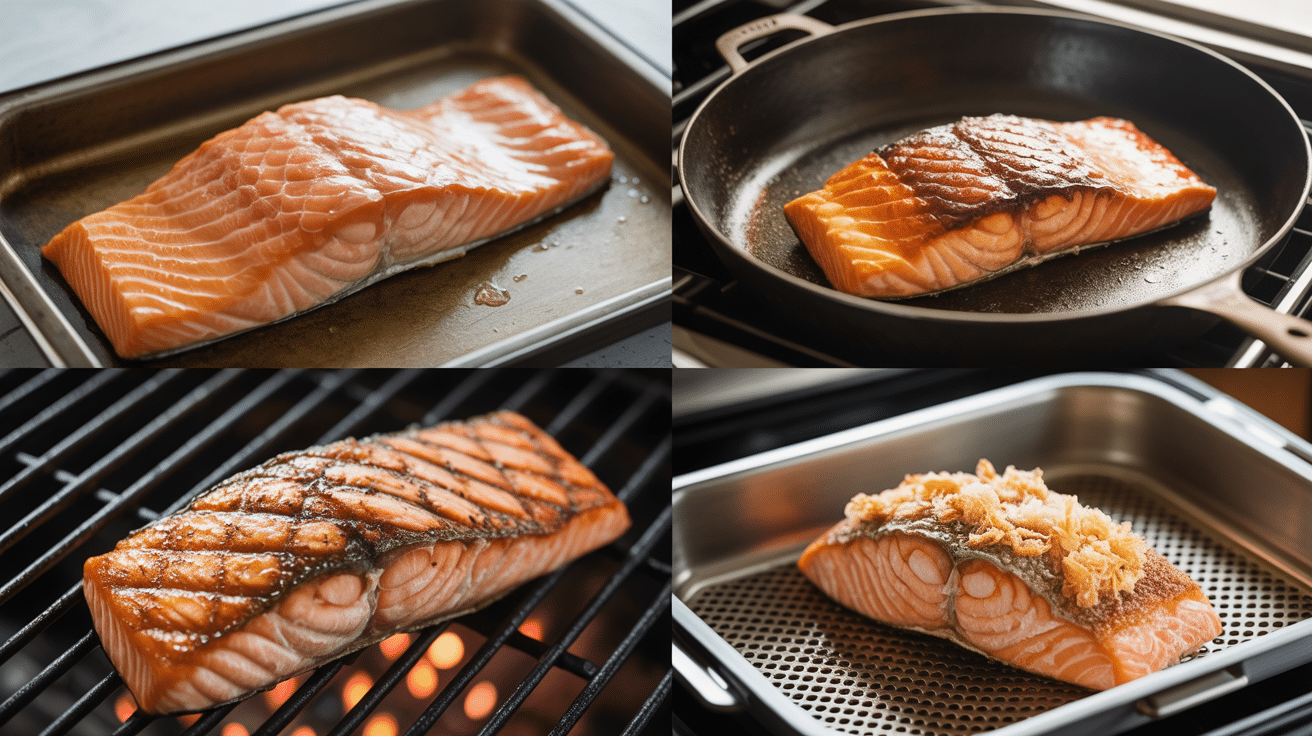
Different cooking methods heat salmon at different rates, so you’ll need to adjust your approach depending on what you’re using.
Baking
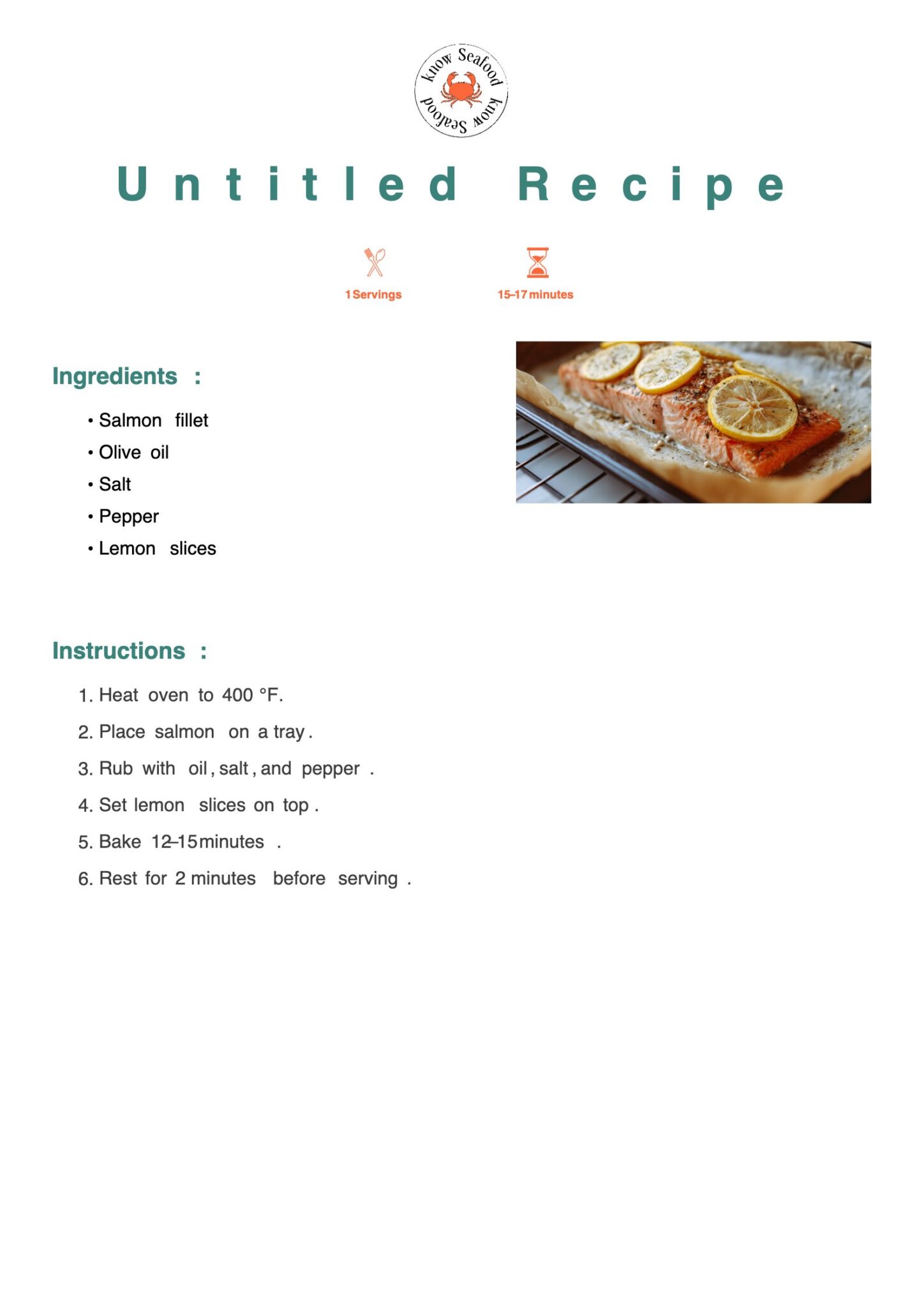
Set your oven to 400°F to 425°F and expect about 12 to 15 minutes for a standard fillet.
The gentle, all-around warmth makes it harder to overcook, which is why this method is pretty forgiving for beginners.
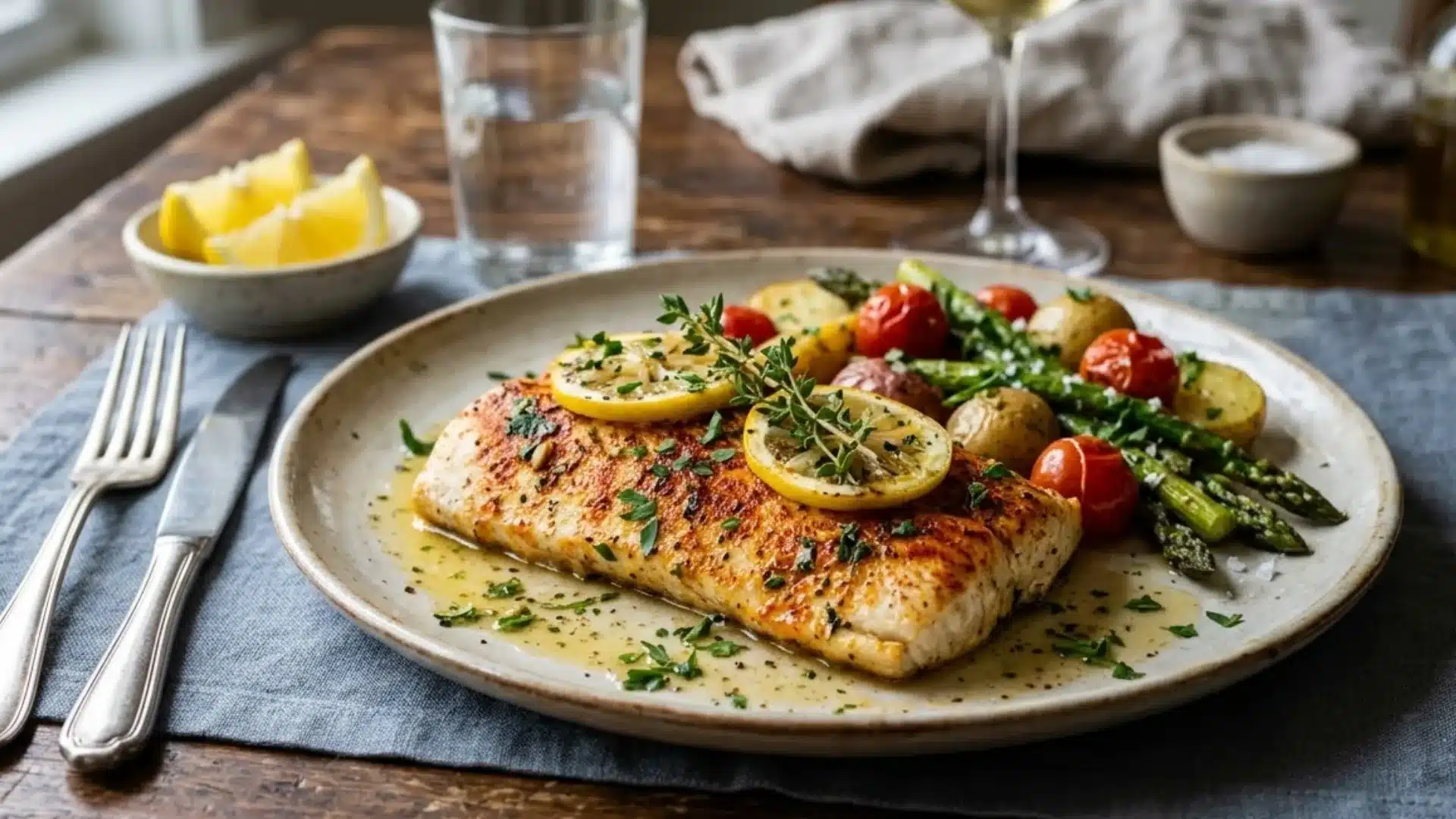
Best Recipe: Baked Lemon Salt Salmon
Pan-Searing
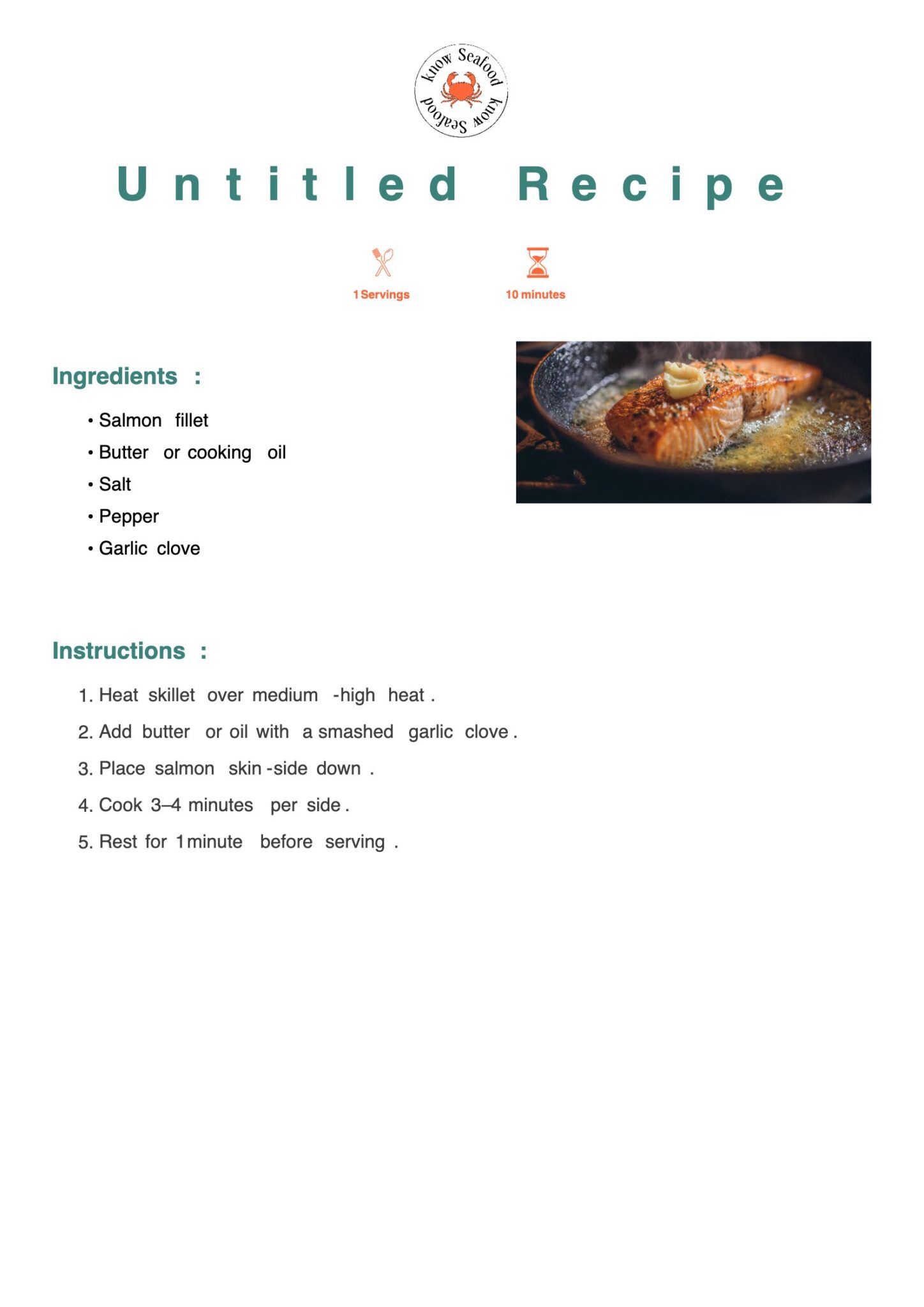
High heat on the stovetop means your salmon cooks fast. You’re looking at about 3 to 4 minutes per side over medium-high heat.
The outside gets a nice crust while the inside stays tender, but you need to watch it closely.
Best Recipe: Skillet Garlic Butter Salmon
Grilling
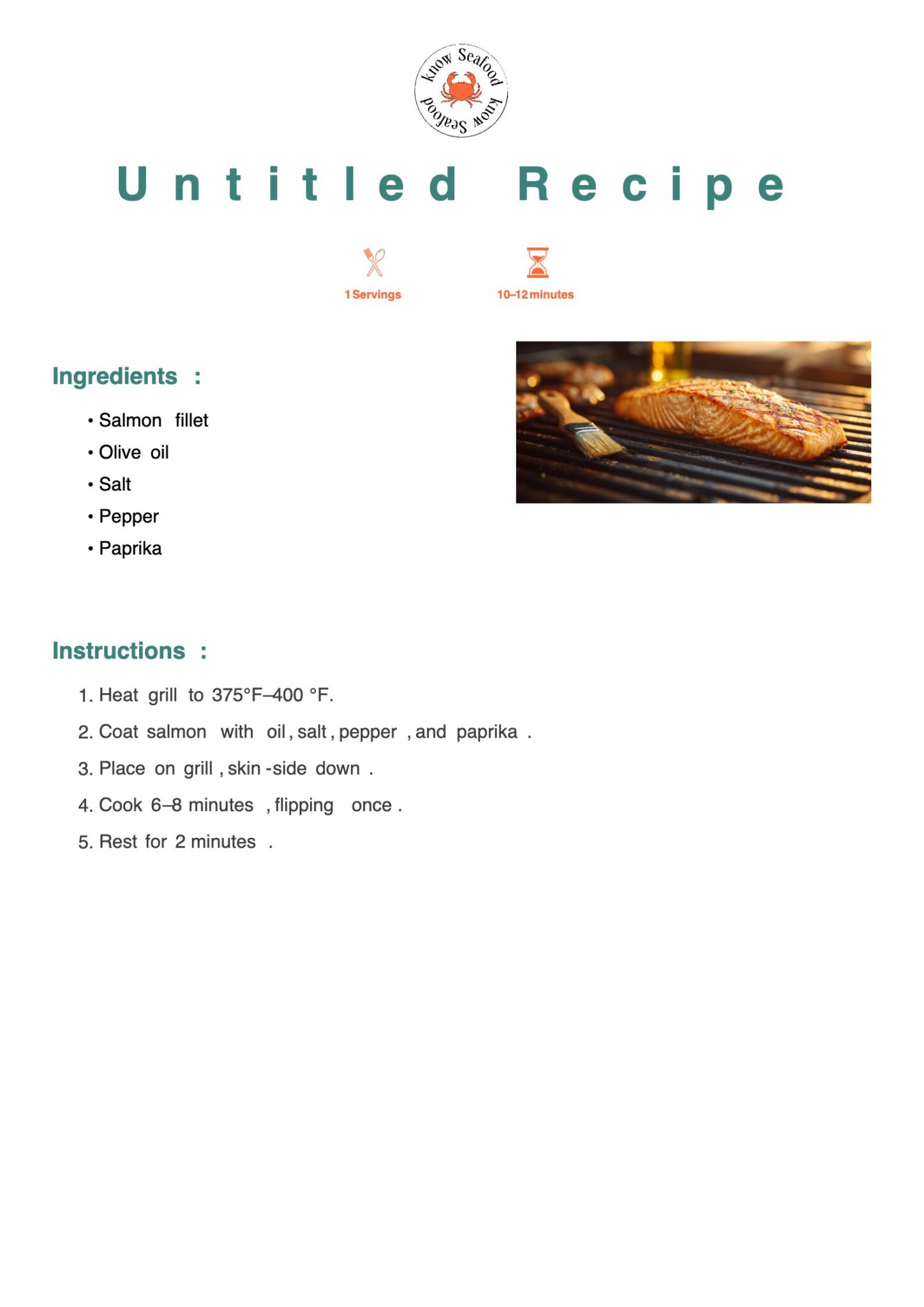
Direct heat from below can dry out the top if you’re not careful.
Keep your grill around 375°F to 400°F and use a fish basket or foil to prevent sticking. Flip once and check the temp after about 6 to 8 minutes total.
Best Recipe: Simple Grill-Seasoned Salmon
Air-Frying
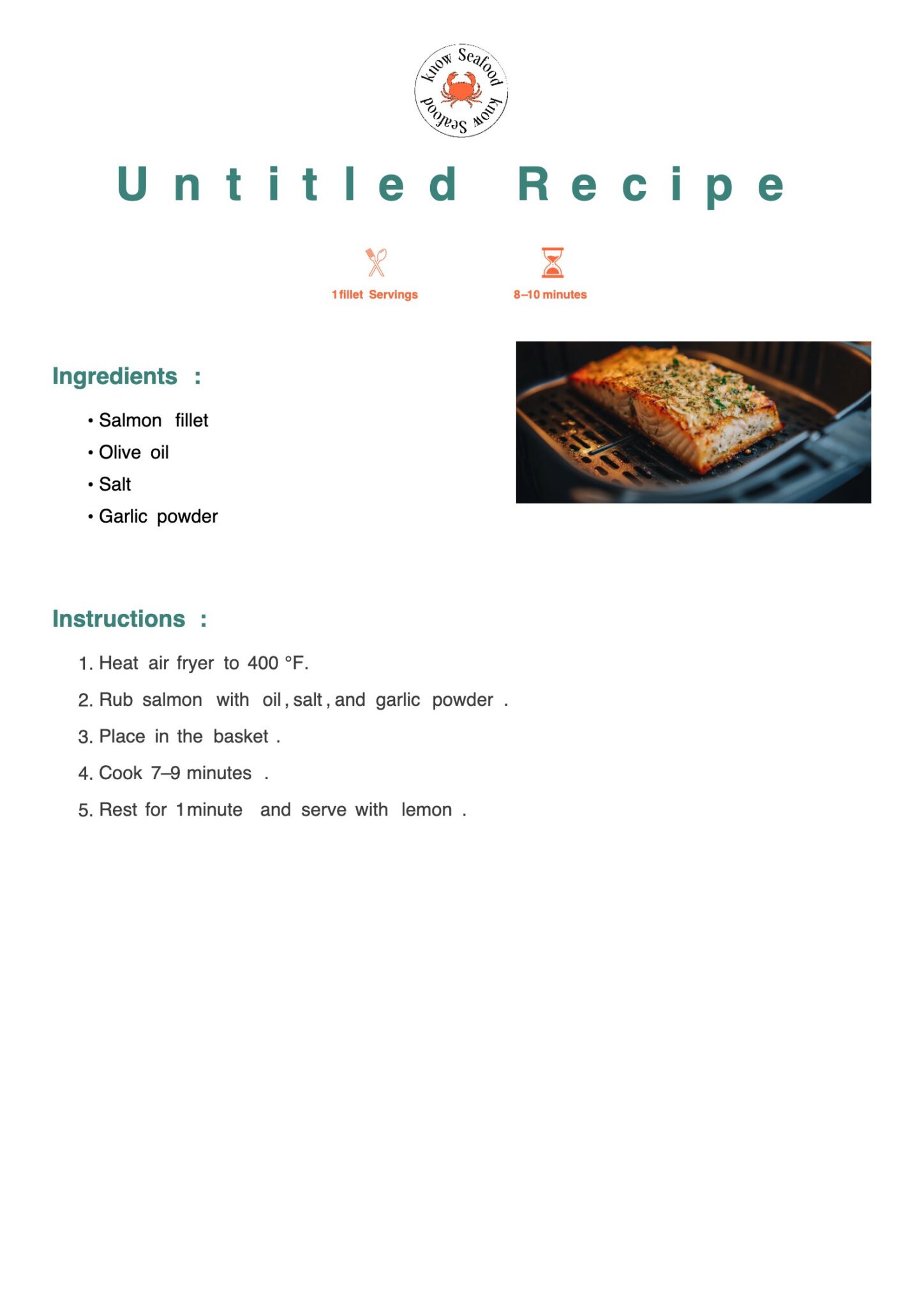
This method works similarly to ovens but circulates hot air faster. Set it to 400°F, and you’ll be done in about 7 to 9 minutes, no flipping required.
Best Recipe: Crisp Top Air-Fryer Salmon
Pan-searing wins the speed race, hitting target temps in under 10 minutes. Air-frying comes in second, followed by grilling. Baking takes the longest but gives you the most control.
Knowing these differences helps, but avoiding inevitable mistakes matters even more.
Things that Lead to Dry Salmon
Getting salmon wrong usually comes down to a few common errors. Here’s what to avoid.
1. Cooking straight from the fridge: Cold fish cooks unevenly. Let it sit at room temperature for 15 minutes before cooking.
2. Using too high heat: Cranking up the temperature doesn’t cook it faster; it just dries out the outside while leaving the inside raw.
3. Skipping the thermometer: Guessing by looks alone is a gamble. The color can be deceiving.
4. Overcooking for safety: You don’t need to hit 160°F to kill bacteria. Sticking to the right temp keeps it safe and juicy.
5. Not letting it rest: Pulling it off the heat and cutting right away releases all those juices. Give it 3 to 5 minutes.
6. Cooking uneven pieces: Thick and thin parts cook at different speeds. Trim or fold thinner ends under for consistency.
Simple Tips for Juicy Salmon Every Time
A few simple tricks can make all the difference between dry fish and perfectly moist salmon.
- Pat it dry: Moisture on the surface creates steam instead of a good sear. Dry fish browns better.
- Add fat: A light brush of oil or butter keeps things from drying out and adds flavor.
- Cook skin-side down first: The skin acts as a barrier against direct heat, protecting the flesh from overcooking.
- Season right before cooking: Salt draws out moisture if it sits too long on raw fish.
- Let it rest: Give it 3 to 5 minutes after cooking so the juices redistribute instead of running out when you cut.
- Don’t flip constantly: Let each side cook undisturbed for better texture and browning.
Getting your fish right comes down to watching the temperature.
A thermometer takes the guesswork out, and once you try it, you’ll never go back to guessing.
Conclusion
Cooking salmon doesn’t have to be complicated or stressful anymore.
With a simple thermometer and these temperature guidelines, you can stop second-guessing yourself and start serving fish that actually tastes good.
The difference between dry, overcooked salmon and perfectly moist fillets is just a few degrees. Try these methods next time you’re in the kitchen and see how much easier it gets.
Your taste buds will thank you, and so will anyone lucky enough to sit at your table.