

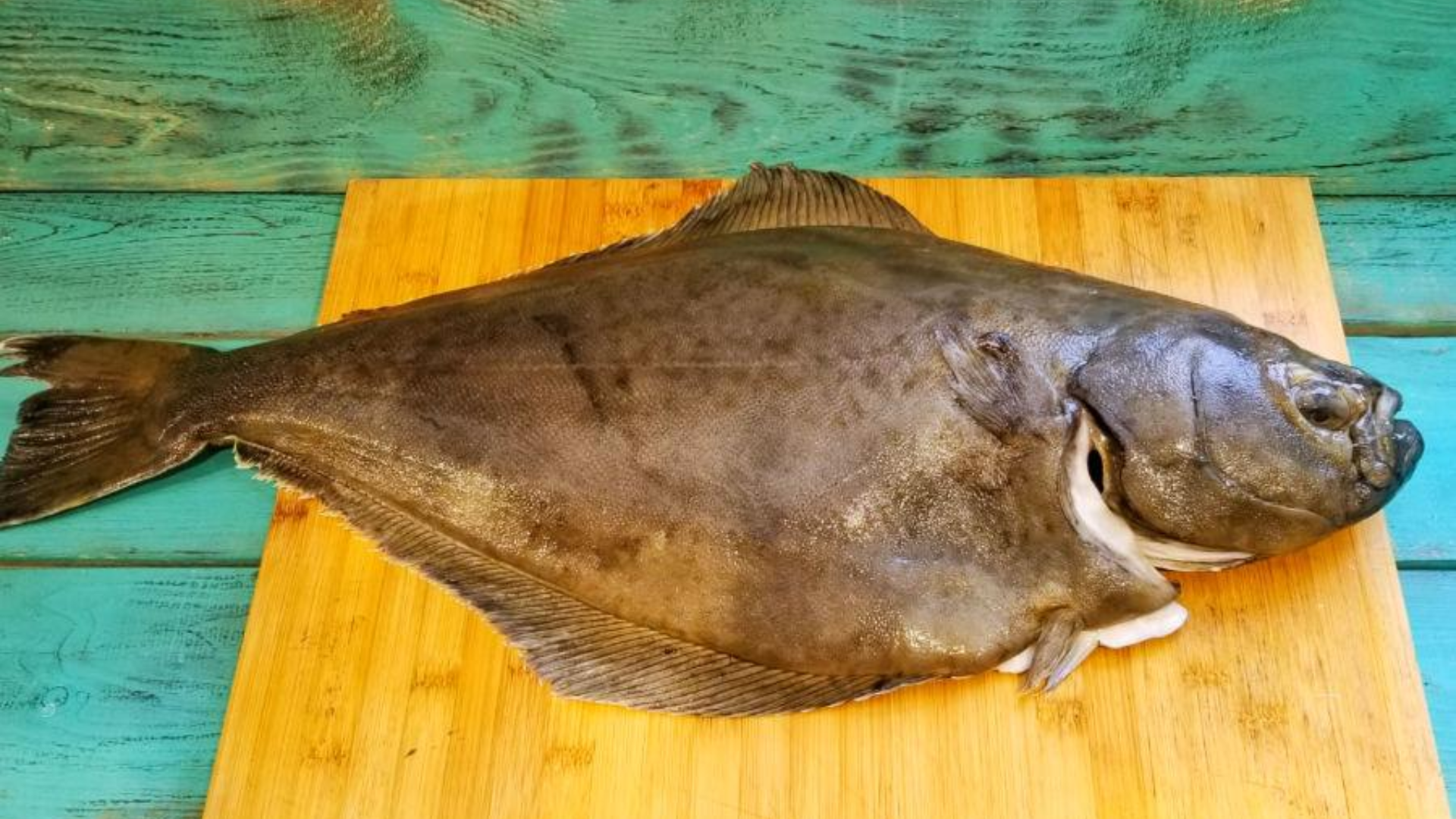
Knowing the correct halibut internal temperature takes all the guesswork out of cooking this delicious fish. This blog reveals the exact temperature needed for perfectly cooked halibut.
You will learn how to check doneness, what tools work best, and why temperature matters more than cooking time.
Say no to overcooked fish dinners.
Factors That Affect Halibut Cooking Temperature
Getting halibut right depends on more than just hitting a target temperature. Several factors come into play.
1. Thickness of the Fillet
Thicker fillets take longer to reach the right internal temperature. A one-inch piece cooks faster than a two-inch cut.
Uneven thickness means some parts finish before others. Always measure at the thickest point for accuracy.
2. Starting Temperature
Room-temperature fish cooks more evenly than cold fish straight from the fridge. Cold halibut needs extra time to reach the centre.
This can lead to overcooked edges. Let the fish sit out for 15 minutes before cooking.
3. Cooking Method Used
Grilling, baking, and pan-searing all affect how heat reaches the fish. High-heat methods cook the outside faster.
Gentle methods like poaching distribute heat more evenly. Each method requires different timing and attention to prevent overcooking or undercooking.
4. Oven or Grill Temperature
Higher cooking temperatures speed up the process but increase the risk of drying out the fish. Lower temperatures take longer but offer more control.
The external heat source directly impacts how quickly the internal temperature rises throughout the fillet.
5. Carryover Cooking
Halibut continues cooking after being removed from the heat. The internal temperature can rise by 5 to 10 degrees.
This is called carryover cooking. Remove the fish slightly before it reaches the target temperature to account for this effect.
What Temperature Should Halibut Be Cooked To?
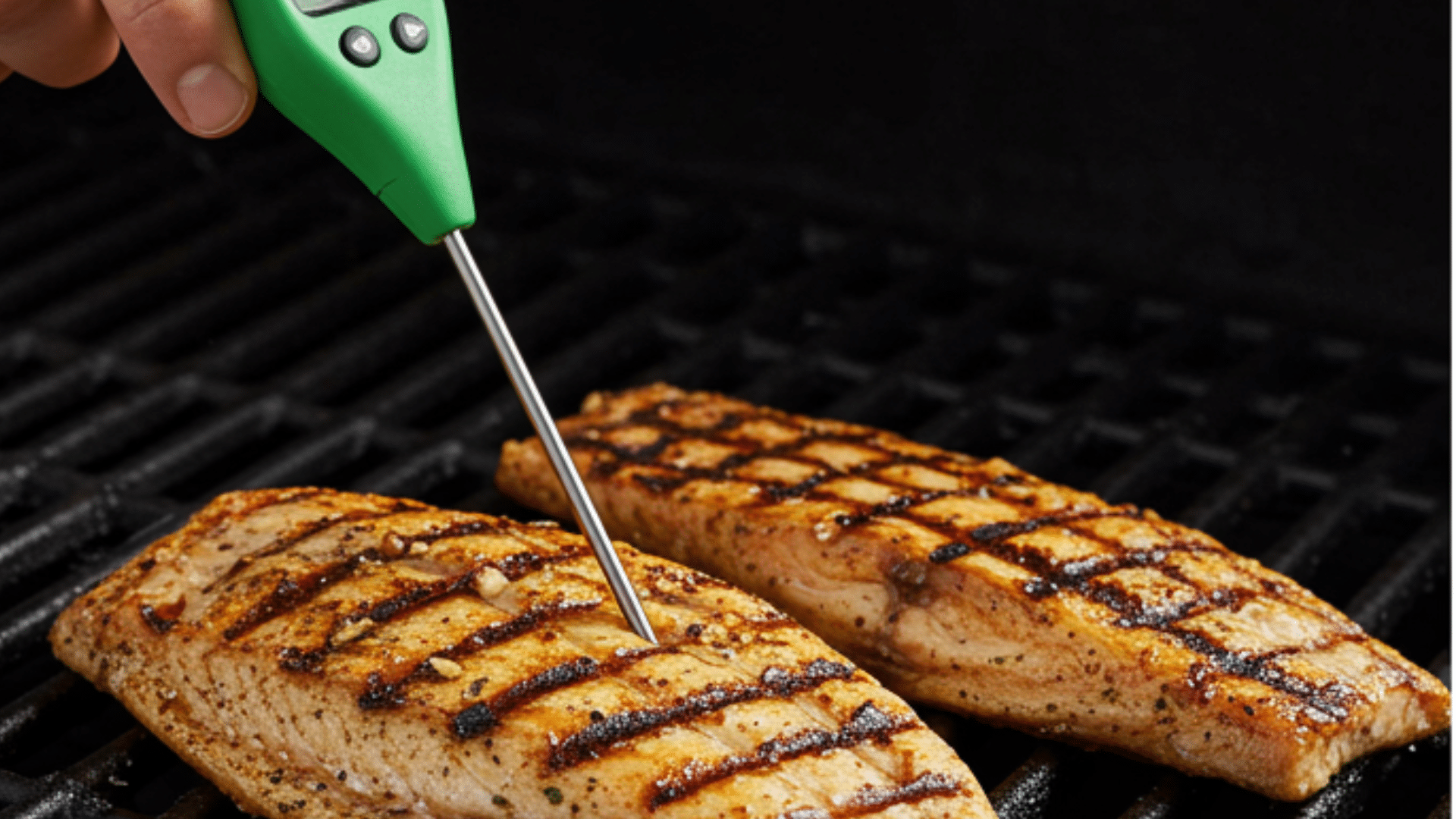
Halibut internal temperature refers to the heat level at the center of the fish.
This measurement tells cooks when the fish is safe to eat and properly done.
The FDA recommends cooking halibut to 145°F for food safety. At this temperature, harmful bacteria are killed. The flesh becomes opaque and flakes easily with a fork.
Many chefs prefer pulling halibut off the heat at 130-135°F. The fish continues cooking from residual heat and reaches the safe zone.
Using a meat thermometer gives the most accurate reading. Insert it into the thickest part of the fillet for best results.
Halibut Temperature Guide by Doneness Table
Knowing the right temperature for each doneness level helps cooks serve halibut exactly how they want it.
Different temperatures create different textures and moisture levels.
Here’s a quick reference guide.
| Doneness Level | Internal Temperature | Texture | Appearance |
|---|---|---|---|
| Rare | 120-125°F | Very soft and translucent | Mostly translucent center |
| Medium-Rare | 130-135°F | Moist and tender | Slightly opaque, some translucence |
| Medium | 135-140°F | Firm but juicy | Opaque throughout |
| Medium-Well | 140-145°F | Firm texture | Fully opaque, flakes easily |
| Well-Done | 145-150°F | Very firm | Completely opaque, dry flakes |
| Overcooked | Above 150°F | Dry and tough | Chalky falls apart |
Best Methods to Cook Halibut
Halibut works well with various cooking methods. Each technique offers different flavors and textures.
The right method depends on personal preference and the equipment available in the kitchen.
1. Pan-Searing
Heat oil in a skillet over medium-high heat until it shimmers. Place the halibut skin-side down and let it cook without moving.
Flip once the bottom turns golden brown. This method creates a crispy exterior while keeping the inside moist and tender.
2. Baking
Preheat the oven to 400°F and place halibut on a lined baking sheet. Brush with oil or butter and add seasonings. Bake for 10-15 minutes, depending on thickness.
This gentle method cooks the fish evenly and requires minimal attention or skill.
3. Grilling
Oil the grill grates and heat to medium-high temperature. Place halibut directly on the grates or use a fish basket.
Grill for 4-5 minutes per side without moving too much. The smoky flavor adds extra depth to the mild fish taste.
4. Broiling
Position the oven rack about 6 inches from the broiler element. Place halibut in a pan and brush with oil.
Broil for 6-8 minutes, watching closely to prevent burning. The high heat creates a nice crust on top while cooking through quickly.
5. Poaching
Bring water or broth to a gentle simmer in a wide pan. Add halibut and maintain low heat without boiling.
Cook for 8-10 minutes until the fish turns opaque. This method keeps the halibut incredibly moist and works well for meal prep.
How not to Overcook Halibut
Halibut overcooks quickly because it’s a lean fish with little fat. Once it goes past the ideal temperature, the texture turns dry and rubbery.
Following a few simple tips helps prevent this common mistake.
- Remove fish early: Take halibut off the heat at 130-135°F to account for carryover cooking
- Use a thermometer: Guessing doneness by time alone often leads to overcooking
- Don’t flip repeatedly: Turn the fish only once to maintain even cooking
- Pat fish dry: Moisture on the surface creates steam and uneven heat distribution
- Choose thicker cuts: Thin fillets overcook faster and offer less margin for error
- Lower the heat: Medium heat works better than high heat for controlled cooking
- Test early: Start checking the temperature a few minutes before the estimated finish time
Wrapping It Up
Mastering halibut internal temperature changes this delicate fish from a kitchen challenge into a reliable weeknight option.
The key lies in understanding the 135-145°F range and respecting carryover cooking. A simple instant-read thermometer removes all the guesswork.
Start checking the temperature early. Pull the fish off the heat before it seems done.
Let it rest for a few minutes. These small adjustments lead to consistently better results.