

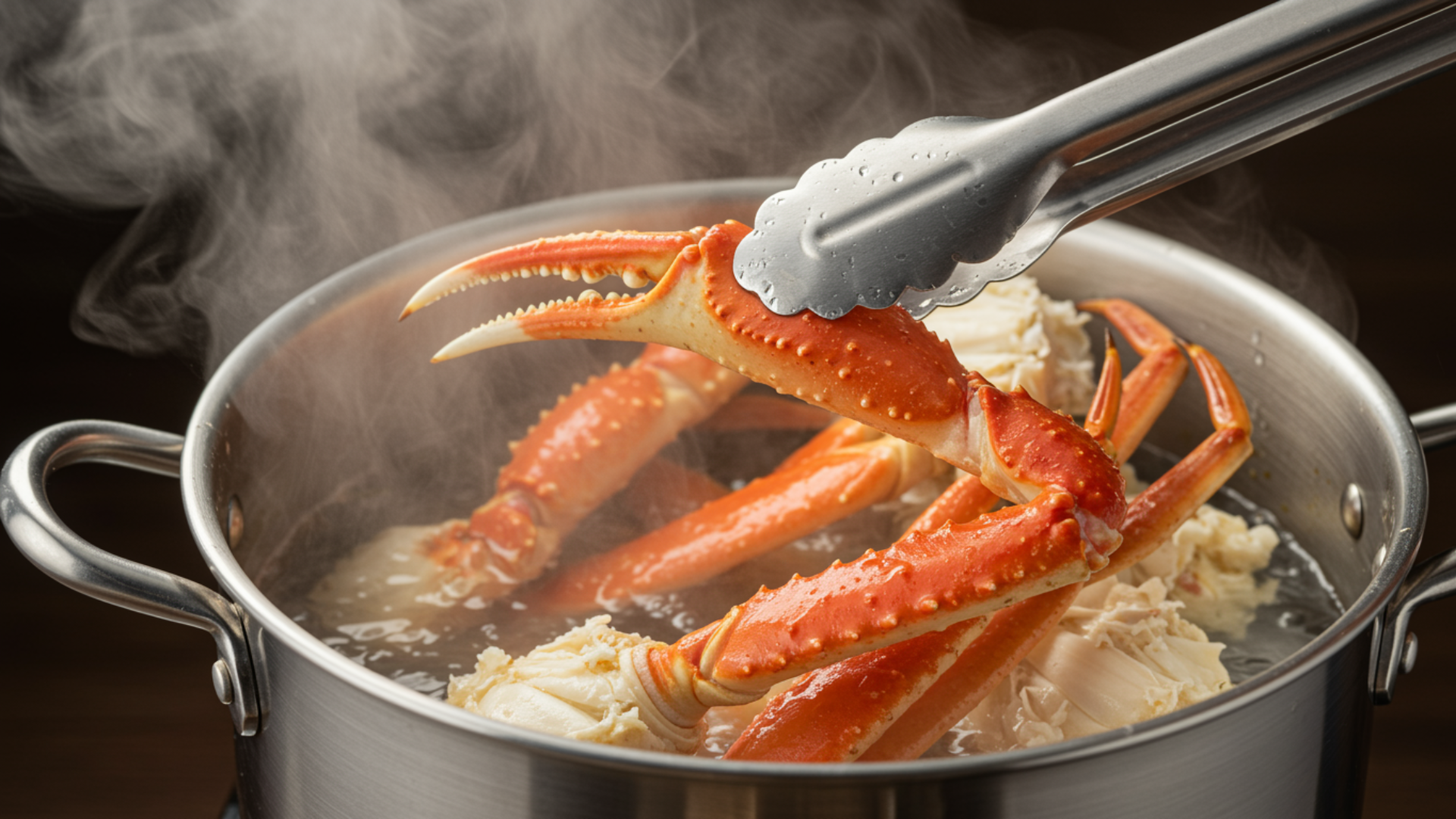
Wondering how long to boil frozen crab legs for?
Getting it wrong wastes money and ruins dinner. Undercook them, and the meat stays frozen in spots. Overcook them, and they turn tough and chewy.
It’s real damn frustrating when a special meal goes bad.
The method to boil frozen crab is simpler than it might look, and it only takes one number to remember for each crab type.
Different Types of Crab Legs
Frozen crab legs are a treat. But timing the boil makes all the difference. Get it right, and the meat comes out tender and sweet.
1. King Crab Legs
King crab legs are the largest and meatiest option available. They have thick shells and sweet, rich flesh inside.
These legs come from cold Alaskan waters. The meat is firm and has a buttery taste that seafood lovers crave.
2. Snow Crab Legs
Snow crab legs are thinner than king crab but still pack great flavor. They have a delicate, slightly salty taste.
The shells break easily, making them simple to eat. Many restaurants serve these because they’re affordable and delicious for most diners.
3. Dungeness Crab Legs
Dungeness crab legs offer a sweet, nutty flavor profile. They’re smaller than king crab but bigger than snow crab.
The meat is tender and moist. These crabs come from the Pacific coast and are popular in seafood boils and feasts.
Don’t miss out on 15 Dungeness Crab Recipes for finger-licking crab that will become your staple every weekend and your family’s favourite on holidays.
How to Buy the Best Crab Legs?
Look for crab legs with a fresh ocean smell.
Avoid any that smell fishy or sour. The shells should be intact without cracks or breaks.
Check the color too. Good crab legs have bright shells. Red or orange colors indicate quality.
Buy from trusted suppliers or grocery stores with high turnover. Frozen crab legs should be solid, not soft or thawed. Check the packaging date if available. The younger the better for taste and texture.
Weight matters as well. Heavier legs contain more meat inside.
Ask the seller about the source and harvest date. Wild-caught crab usually tastes better than farmed.
Price can indicate quality, but compare options before deciding.
Thaw Crab Legs Properly Before Cooking
Thawing crab legs the right way keeps them safe and tasty. Many people skip this step, but it helps the meat cook evenly.
The best methods include:
- Refrigerator thawing: Place frozen legs in the fridge overnight. This takes 8-12 hours but preserves flavor and texture best.
- Cold water method: Seal legs in a plastic bag. Submerge them in cold water for 30-60 minutes. Change the water every 20 minutes to keep it cold.
- Quick rinse: Run cold water over the legs for 5-10 minutes if time is short.
Never thaw at room temperature. Bacteria can grow fast and make the meat unsafe to eat.
Boiling Frozen Snow Crab Legs – Estimated Time
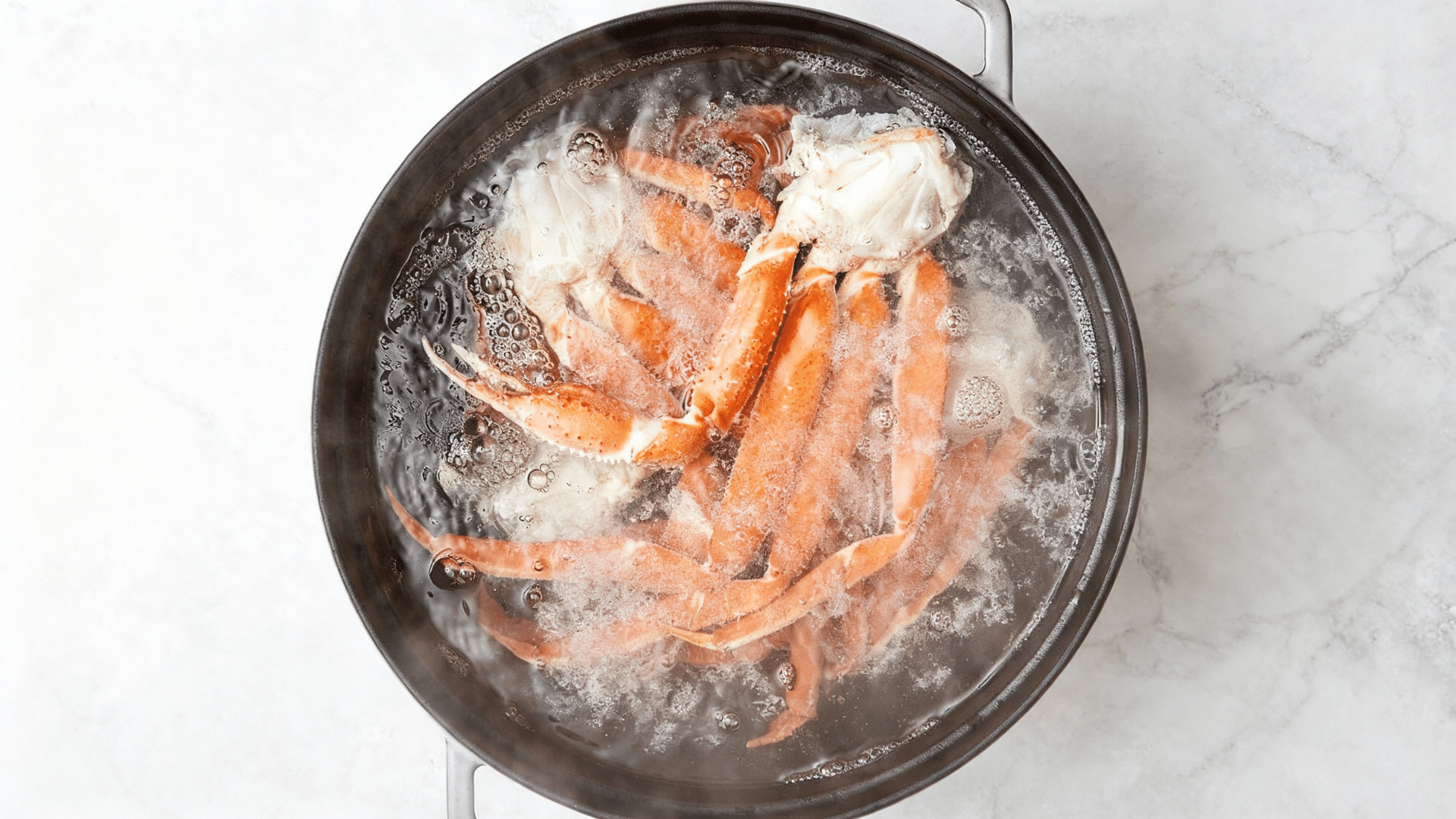
Boiling frozen crab legs takes 4-6 minutes for most varieties. The exact time depends on the type and size of the legs.
King crab legs need about 6-8 minutes in boiling water. They’re thick and require more time to heat through.
Frozen snow crab legs cook faster, around 4-5 minutes. Dungeness crab legs fall in between at 5-6 minutes.
Start timing once the water returns to a full boil after adding the legs. Don’t overcook them. The meat is already cooked when frozen, so you’re just reheating it.
Watch for visual cues too. The shells turn bright red or orange when ready.
Steam rises from the legs. The meat should be hot all the way through when you test one piece before serving.
Other Ways to Cook Frozen Crab Legs
Boiling isn’t the only way to cook frozen crab legs. Several other methods work just as well.
Each technique brings out different flavors and textures in the meat and works for frozen snow crab legs and all other types as well.
Steaming
Steaming keeps crab legs moist and tender. Fill a pot with two inches of water and bring it to a boil. Place legs in a steamer basket above the water.
Cover and steam for 5-7 minutes until heated through completely.
Baking
Baking in the oven is simple and hands-off. Preheat the oven to 375°F. Arrange the legs on a baking sheet with a bit of water.
Cover with foil and bake for 15-18 minutes. The meat stays juicy this way.
Grilling
Grilling adds a smoky flavor to crab legs. Brush them with butter or oil first. Place on medium-high heat for 4-5 minutes per side.
The shells get slightly charred. This method works great for outdoor gatherings and summer meals.
Microwaving
Microwaving is the fastest cooking method available. Wrap legs in damp paper towels. Microwave on high for 2-3 minutes per half pound.
Let them rest for one minute before serving. This works well when time is tight and quick.
How to Prevent Drying Out Crab Legs?
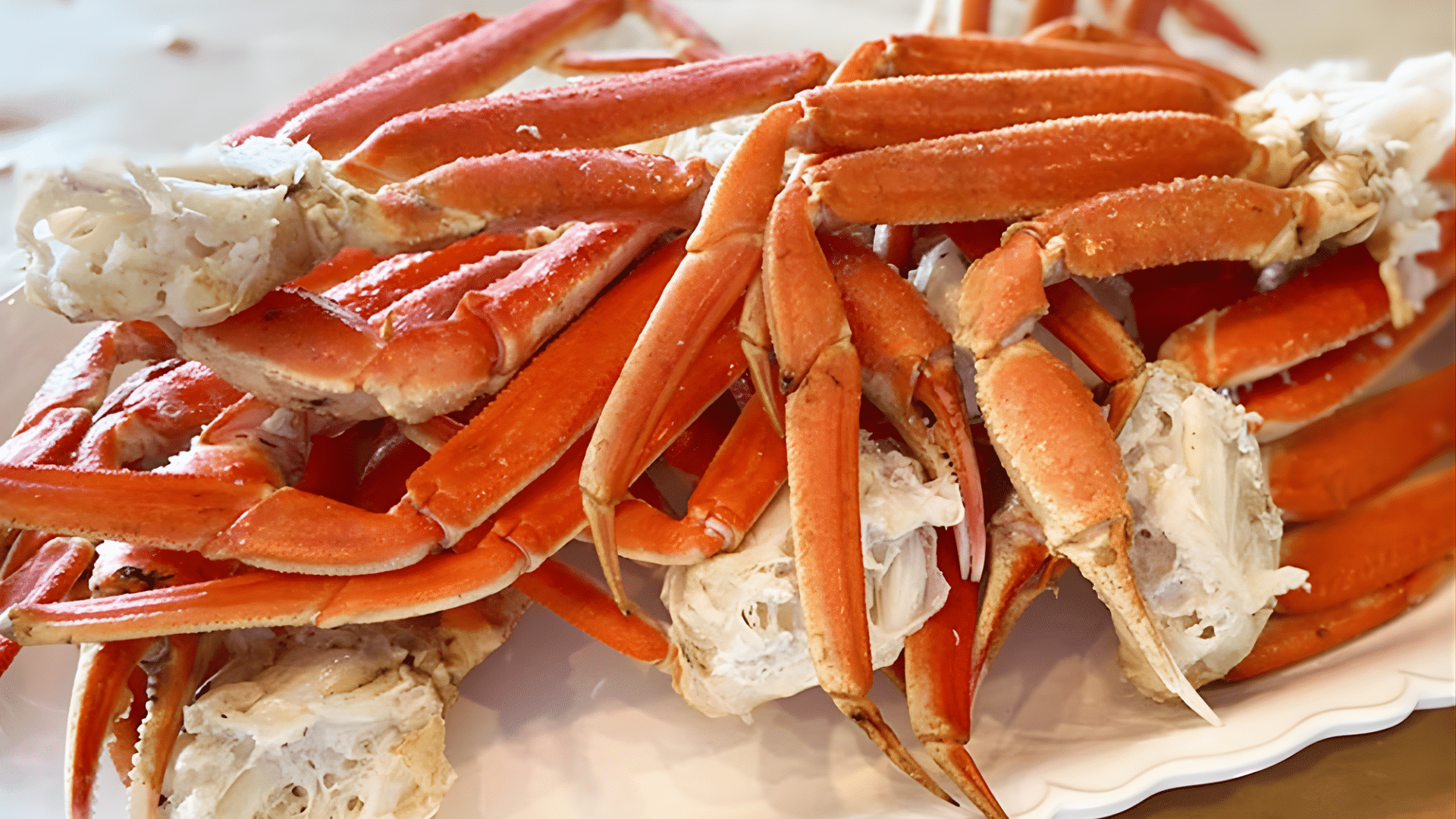
Don’t overcook the legs. That’s the main cause of dry, tough meat. Stick to the recommended cooking times and check them early.
Add moisture during cooking. Use butter, lemon juice, or seasoned water to keep legs moist. Cover them with foil when baking to trap steam inside.
Serve immediately after cooking. The longer crab legs sit, the drier they become.
If storing leftovers, wrap them tightly in plastic wrap. Reheat gently with a little water or butter to restore moisture and tenderness.
How to Eat Crab Legs Properly?
Eating crab legs can feel tricky at first. But with the right technique, it becomes easy.
Crack the Shell
Use crab crackers or kitchen shears to break the shell open. Apply gentle pressure to avoid crushing the meat inside.
Start at the thickest part of the leg. Work your way down to thinner sections. The shell should split cleanly along natural seams.
Pull Out the Meat
Slide a small fork into the cracked shell opening. Gently pull the meat out in one piece if possible. Sometimes it comes out whole.
Other times it breaks into chunks. Either way works fine. Just be patient and avoid rushing the process here.
Use Butter and Lemon
Dip the meat in melted butter for extra flavor. Add a squeeze of fresh lemon juice too. The acid cuts through the richness nicely.
Some people prefer cocktail sauce instead. Choose whatever tastes best. This step makes every bite more enjoyable and satisfying overall.
Don’t Waste the Joints
The joints between leg sections contain sweet meat too. Twist them apart and suck out the flesh inside. Many people skip this part.
But it’s worth the effort for extra bites. Use your teeth to scrape out every bit of goodness from these smaller pieces.
Conclusion
Know that the key is getting the timing right and choosing a method that works for the cook’s schedule. Boiling takes just minutes.
Remember to watch the clock closely.
Overcooked crab turns rubbery fast. But when done right, those legs deliver sweet, tender meat that’s worth every bit of effort.
What’s the favorite way to cook crab legs? Drop a comment below and share tips with other readers.