

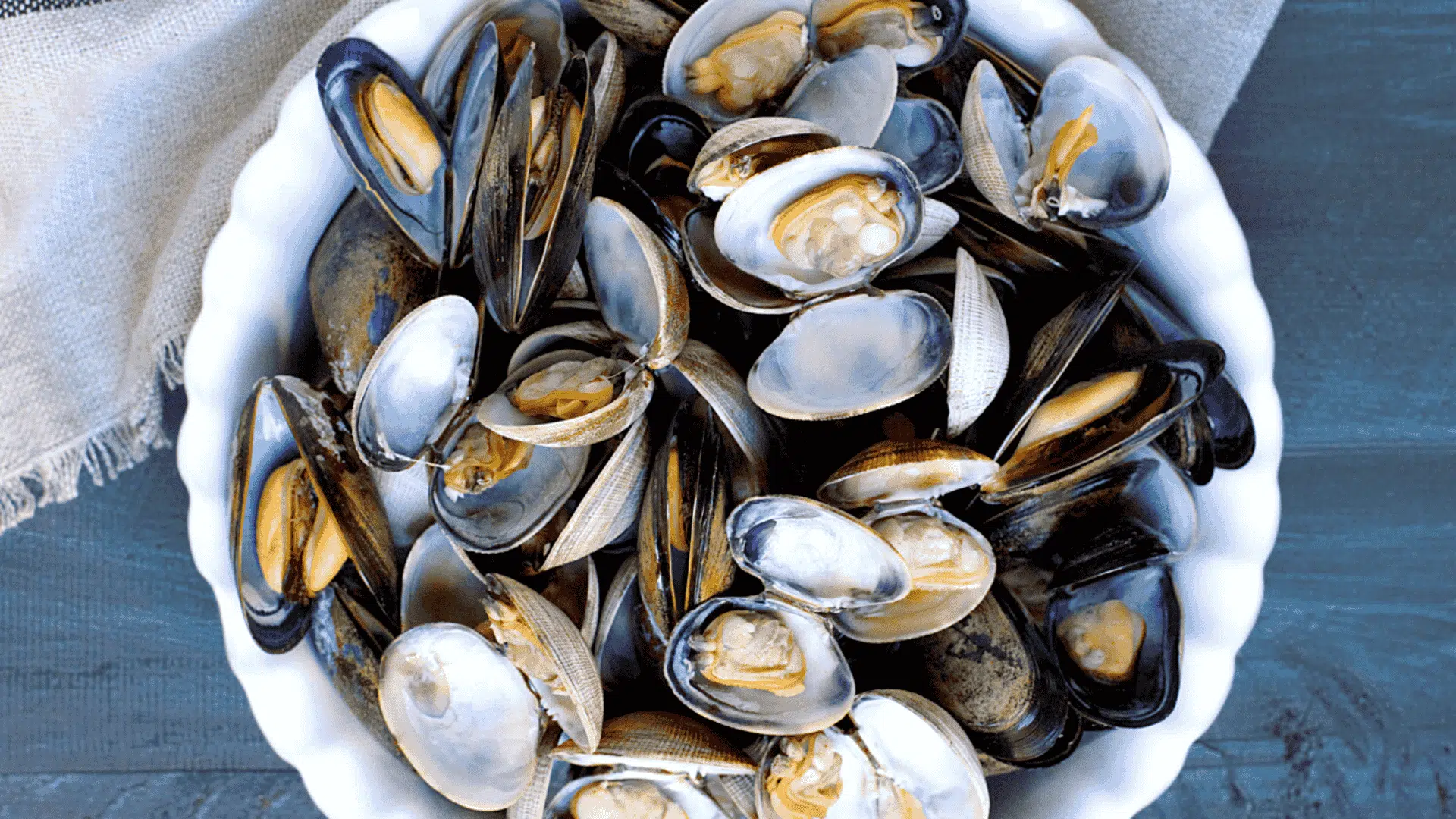
I’ve been eating mussels for years, and yet most people I know walk right past them at the seafood counter.
Mussels are one of the most nutrient-packed foods you can eat. We’re talking protein, omega-3s, iron, and vitamins, all in one small shell.
And no, you don’t need to be a fancy chef to enjoy them.
In this blog, I’ll walk you through exactly what makes mussels so good for you. By the end, you’ll probably want to add them to your plate a lot more often.
Ready? Let’s get into it.
Types of Mussels
I’ve tried quite a few mussel varieties over the years. Some I loved right away, and some took a little getting used to.
But honestly, each type brings something different to the table.
1. Marine Mussels
Marine mussels are the most widely eaten type around the world. You’ll find them in oceans, coastlines, and on most restaurant menus.
| Subtype | Scientific Name |
|---|---|
| Blue Mussel | Mytilus edulis |
| Mediterranean Mussel | Mytilus galloprovincialis |
| Green-lipped Mussel | Perna canaliculus |
| Asian Green Mussel | Perna viridis |
| Pacific Blue Mussel | Mytilus trossulus |
- Blue Mussel is the most commonly eaten mussel in North America and Europe.
- Mediterranean Mussel is widely farmed across Southern Europe and Asia.
- Green-lipped Mussel comes from New Zealand and is known for joint health benefits.
- Asian Green Mussel is popular across Southeast Asian cuisines.
- Pacific Blue Mussel thrives in colder waters along the North Pacific coast.
2. Freshwater Mussels
Freshwater mussels live in rivers and lakes. They are less commonly eaten but still worth knowing about.
| Subtype | Scientific Name |
|---|---|
| Zebra Mussel | Dreissena polymorpha |
| Rabbitsfoot Mussel | Quadrula cylindrica |
- Zebra mussels are invasive and not recommended for eating.
- Rabbitsfoot Mussel is a rare freshwater species found in North American rivers.
3. Other Notable Types
These types are less mainstream but still part of the mussel family.
| Subtype | Scientific Name |
|---|---|
| Horse Mussel | Modiolus modiolus |
| California Mussel | Mytilus californianus |
- Horse Mussel is a large, deep-water species found in the North Atlantic.
- California Mussel is found along the Pacific Coast and is popular in local seafood dishes.
Mussels Nutrition
I’ve always been curious about what’s actually inside a mussel.
So I looked into it, and the numbers are pretty solid.
| Nutrient | Marine Mussels | Freshwater Mussels | Other Notable Types |
|---|---|---|---|
| Protein (g) | 24 | 12-15 | 20 |
| Omega-3 (mg) | 500-1100 | 300 | |
| Iron (mg) | 6.7 | 4-5 | 5 |
| B12 (μg) | 18 | 10-12 | 14 |
| Zinc (mg) | 2.7 | 3-4 | 2.5 |
| Selenium (μg) | 89 | 40-50 | 60 |
| Vitamin C (mg) | Trace | 1-2 | Trace |
| Calories (kcal) | 172 | 90-110 | 140 |
Why are Mussels Considered Superfoods?
Mussels pack an impressive amount of nutrition into a very small package.
High protein, omega-3s, iron, zinc, Vitamin B12, and iodine, all in one shellfish.
That’s honestly hard to beat, and I say that as someone who has eaten them for years without even realizing how nutritious they were.
They’re also low in calories and fat, which makes them even better. Few foods offer this much nutrition at such a low cost.
That’s exactly why mussels have earned their superfood reputation.
More Reasons to Eat Mussels
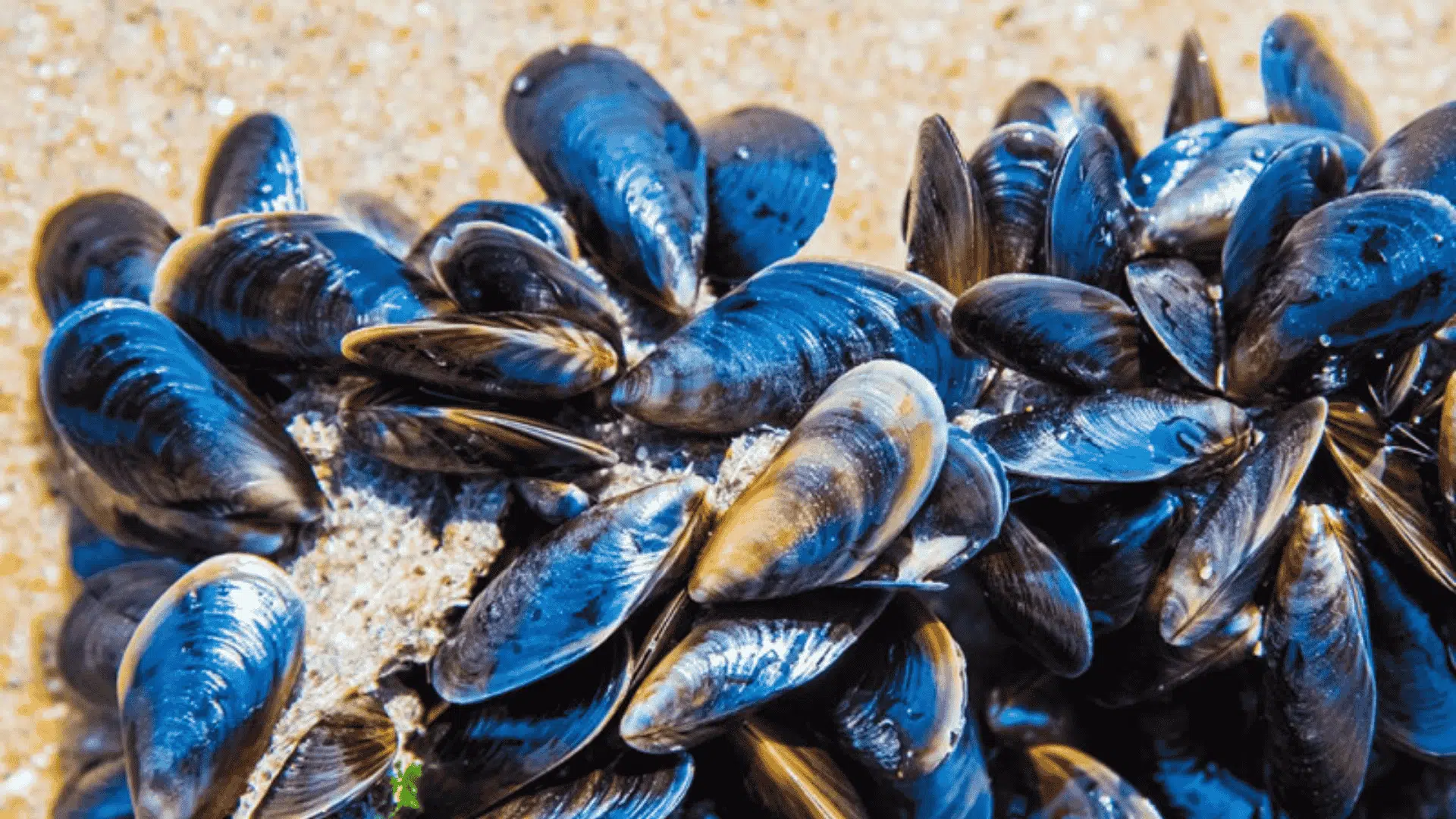
I didn’t start eating mussels because of their health benefits. I just liked the taste.
But once I learned what they actually do for your body, it gave me one more reason to keep them on my plate.
Heart Health
Mussels are rich in omega-3 fatty acids, which are great for your heart.
They help lower bad cholesterol and reduce inflammation in blood vessels.
I eat mussels regularly, and knowing they support heart health makes them an even better food choice for me.
Immune Support
Mussels contain zinc and selenium, two minerals that play a big role in keeping your immune system strong.
They help your body fight off infections more effectively.
I never thought a small shellfish could do so much to help the body stay healthy and protected.
Brain and Cognitive Health
Mussels are a great source of Vitamin B12 and omega-3 fatty acids, both of which support brain function. They help with memory, focus, and overall mental clarity.
Honestly, after learning this, I feel like my years of eating mussels may have done my brain a quiet favor.
Respiratory Support
Mussels contain anti-inflammatory compounds that may help support lung and respiratory health.
These compounds can reduce irritation in the airways over time.
It is interesting that something I’ve been eating casually for years could also be quietly supporting my breathing and lung function in the background.
Tissue and Skin Benefits
Mussels are packed with protein and zinc, both of which are key for tissue repair and healthy skin.
Protein helps rebuild cells, while zinc supports wound healing.
I never connected my mussel meals to skin health before, but the science behind it actually makes a lot of sense.
Thyroid and Metabolic Aid
Mussels are a natural source of iodine and selenium, two nutrients that support thyroid function.
A healthy thyroid keeps your metabolism running properly.
I didn’t know mussels had this benefit until recently, and it honestly makes me appreciate this simple seafood even more than I already did.
Why Should You Avoid It?
As much as I love mussels, I think it’s only fair to talk about the other side too.
Like any seafood, mussels come with a few risks worth knowing about. Being informed helps you enjoy them safely and confidently.
1. Bacterial Risks
Raw or undercooked mussels can harbor harmful bacteria such as Vibrio and Salmonella.
These bacteria can cause food poisoning, leading to nausea, vomiting, and stomach cramps.
I always make sure my mussels are properly cooked before eating, and I strongly recommend you do the same.
2. Viral and Toxin Hazards
Mussels can carry viruses such as Norovirus and harmful toxins from algal blooms.
Eating contaminated mussels can lead to serious illness quite quickly.
I’ve heard enough cautionary tales from fellow seafood lovers to know that buying mussels from trusted, regulated sources is never something worth skipping or cutting corners on.
3. Contamination Risks
Mussels are filter feeders, meaning they filter the water around them.
This includes heavy metals like lead and mercury, as well as pollutants.
It’s one reason I always check where my mussels come from and try to buy only from clean, well-monitored water sources.
4. Mitigation Steps
The good news is that most mussel risks are easy to manage with a little care.
Always buy from reputable sellers, cook mussels thoroughly, and discard any that don’t open after cooking.
I follow these simple steps every time, and they’ve always kept my mussel meals safe and worry-free.
Who Should Eat and Who Should Avoid Mussels?
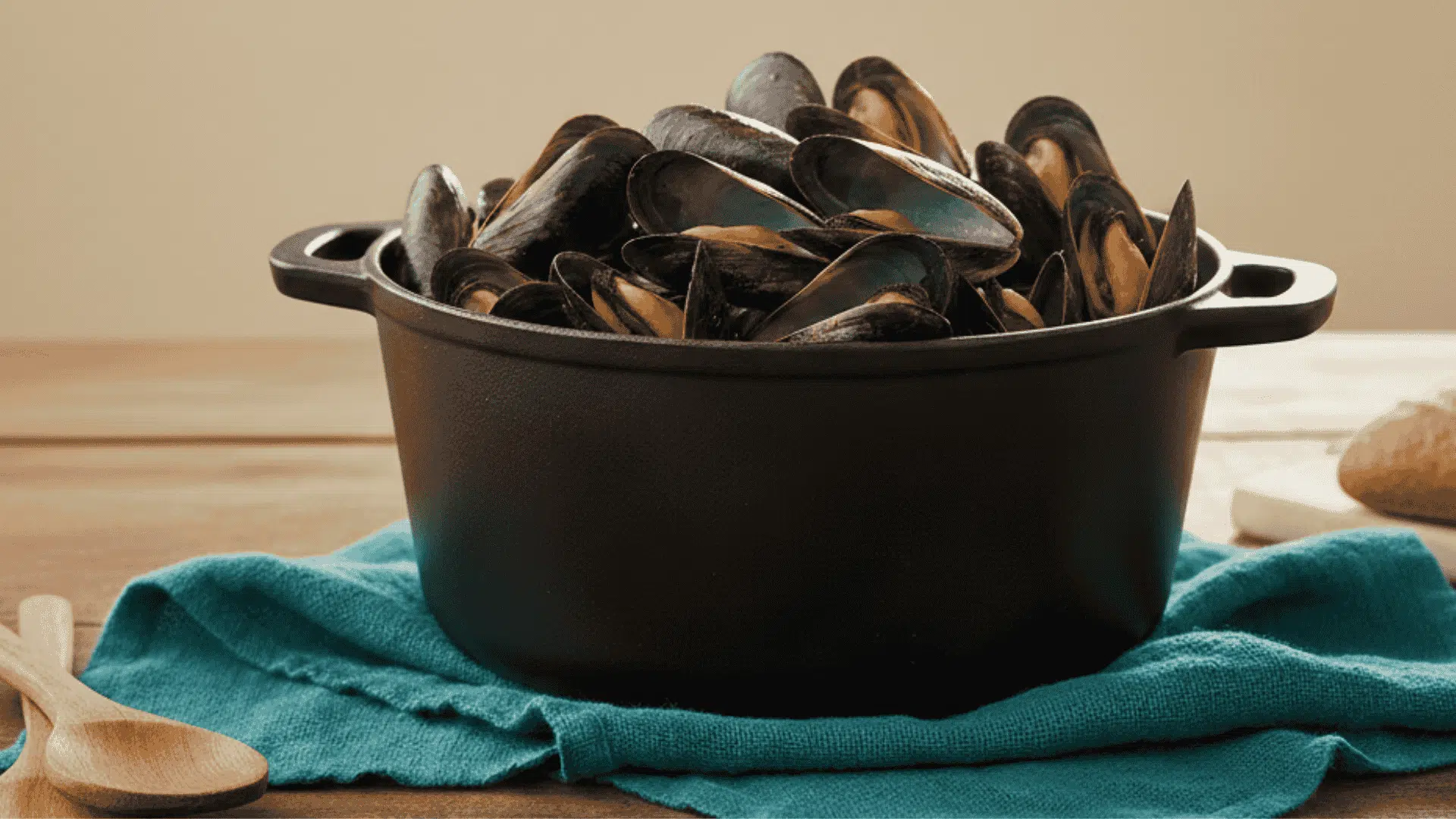
Mussels work well for most people, especially athletes, older adults, and anyone low in iron or B12.
That said, pregnant women, people with shellfish allergies, and those with weak immune systems should avoid them.
Always check with your doctor if you’re unsure.
Mussel allergies fall under shellfish allergies, which can be quite serious.
Symptoms range from mild skin reactions to severe breathing problems. I’ve been lucky never to have a reaction, but I know people who have.
If you notice itching, swelling, or discomfort after eating mussels, stop immediately and see a doctor right away.
How to Clean and Store Mussels
Properly cleaning and storing mussels makes a big difference.
Cleaning:
- Scrub the shells under cold running water firmly.
- Pull off the stringy “beard” attached to the shell.
- Discard any mussels that are already open and won’t close when tapped.
Storing:
- Keep them in a bowl covered with a damp cloth.
- Store in the fridge and use within two days.
- Never store mussels in a sealed, airtight container.
Fresh mussels don’t last long, so the quicker you use them, the better.
My Favourite Ways to Add Mussels to my Diet
Over the years, I’ve cooked mussels in many different ways. But these two recipes are the ones I always go back to; they are quick, simple, and delicious.
Steamed Mussels in Garlic White Wine
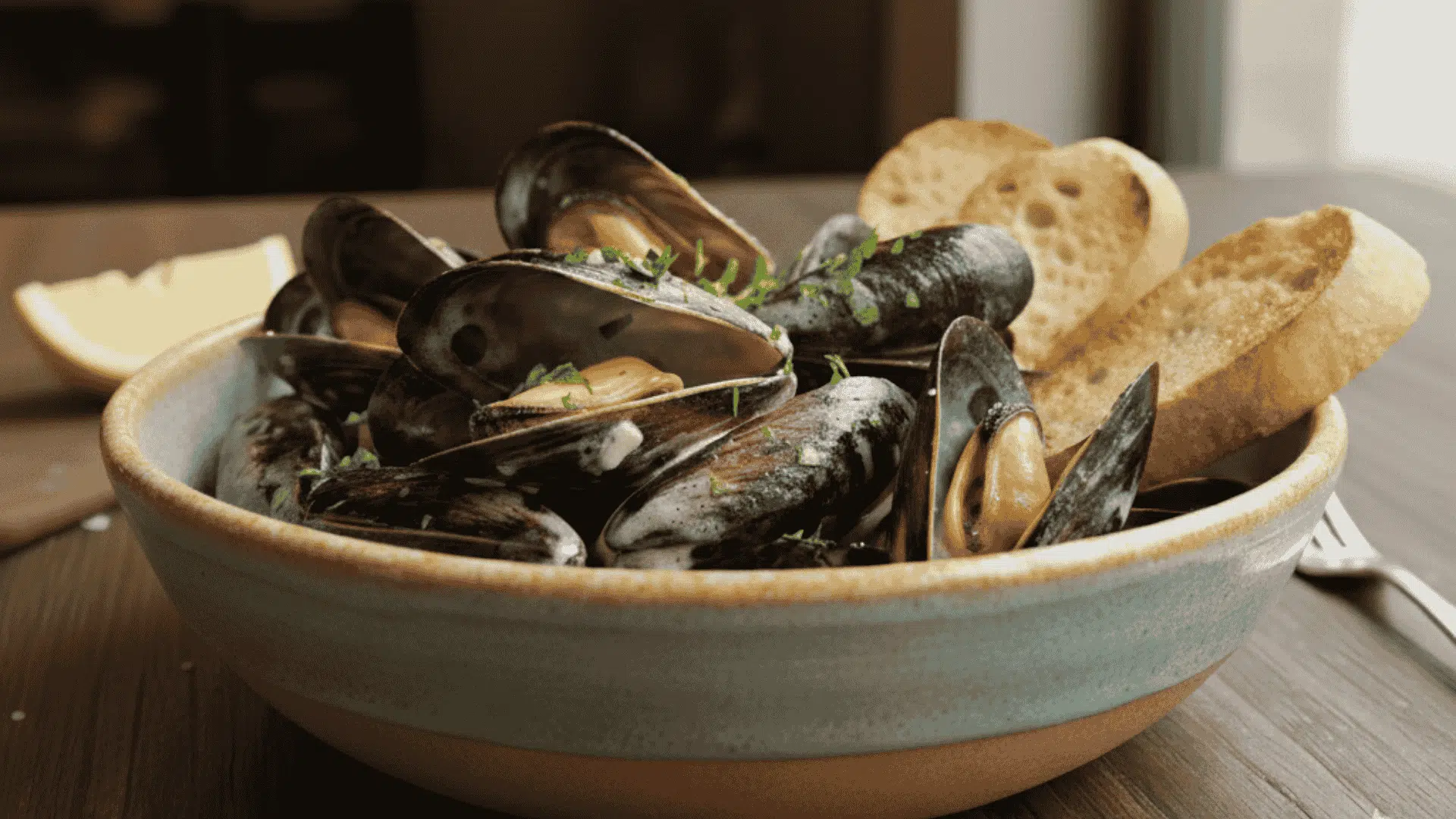
Steamed mussels in garlic and white wine is the quickest mussels recipe. Try this recipe and thank me later in the comments.
Ingredients Required:
| Ingredient | Quantity |
|---|---|
| Fresh mussels | 1 kg |
| Garlic cloves (minced) | 4 cloves |
| White wine | 1 cup |
| Butter | 2 tbsp |
| Olive oil | 1 tbsp |
| Fresh parsley (chopped) | ¼ cup |
| Salt and pepper | To taste |
| Crusty bread (for serving) | Optional |
- Servings: 2 people
- Prep Time: 10 minutes
- Cook Time: 15 minutes
- Total Time: 25 minutes
Step 1: Clean the Mussels
Scrub each mussel under cold running water and pull off the stringy beard. This takes about 5 minutes.
Discard any mussels that stay open after tapping them. This step took me a while to get right early on.
Step 2: Heat the Pan
Heat olive oil and butter together in a large pot over medium heat. This should take around 2 minutes.
Wait until the butter melts fully before moving to the next step.
Step 3: Cook the Garlic
Add the minced garlic and stir for about 2 minutes until light golden.
I used to burn the garlic by walking away. Stay close and keep stirring; burnt garlic can make the whole dish bitter.
Step 4: Add the White Wine
Pour the white wine into the pot and let it simmer for about 1 minute. The smell at this point is honestly one of my favourites.
Give it a quick stir to combine everything.
Step 5: Steam the Mussels
Add the cleaned mussels, cover the pot, and steam for 6 to 8 minutes, until all shells open.
Don’t lift the lid too early; keeping the steam trapped cooks the mussels evenly and faster.
Step 6: Finish and Serve
Sprinkle chopped parsley over the mussels and season with salt and pepper.
Serve with crusty bread on the side and enjoy while still hot.
Mussels in Lemon Garlic-Butter Sauce
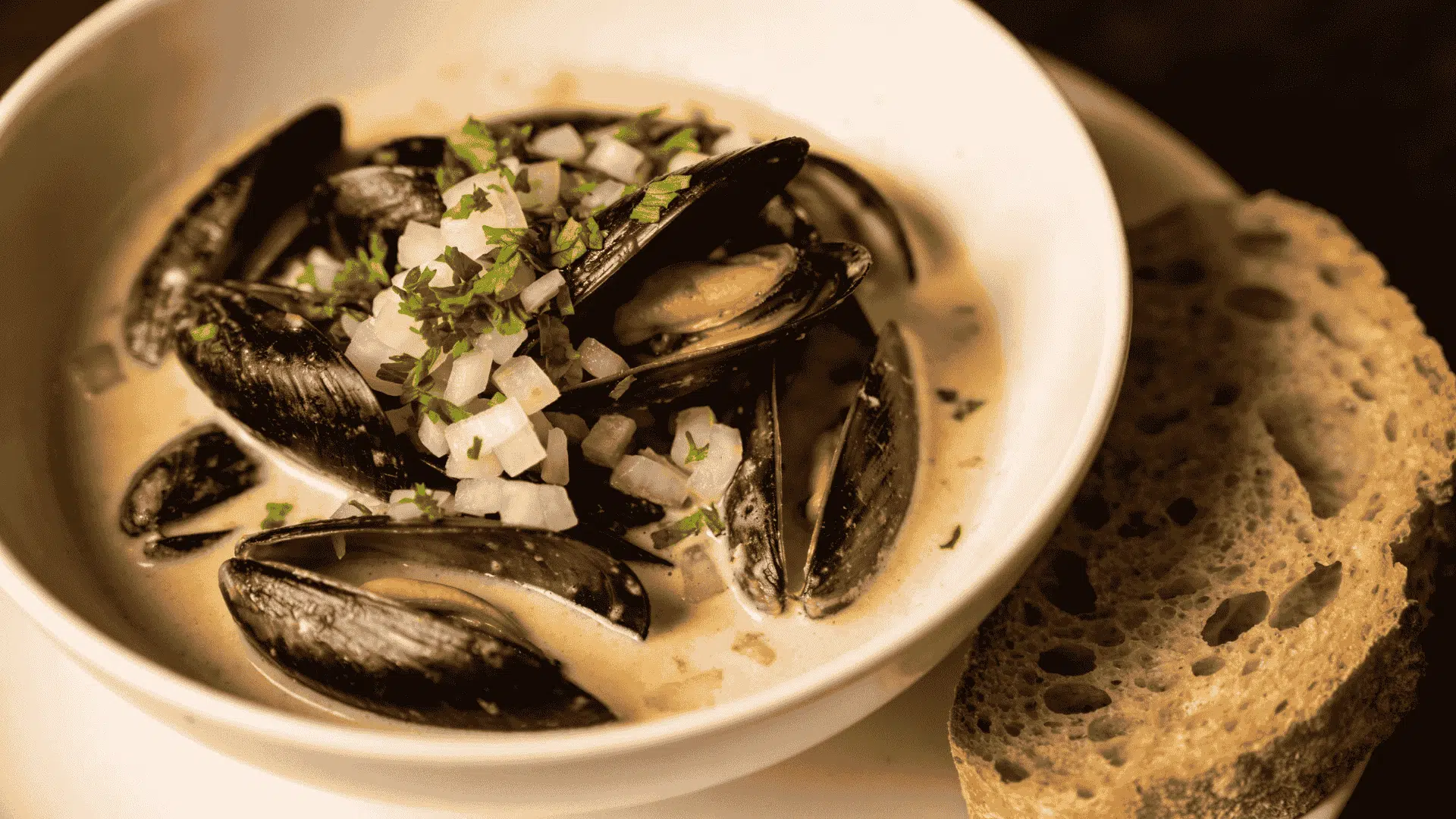
This is another recipe I keep making over and over. The lemon adds a fresh kick, making the whole dish feel lighter.
And that butter sauce is to die for.
Ingredients you’ll need:
| Ingredient | Quantity |
|---|---|
| Fresh mussels | 1 kg |
| Garlic cloves (minced) | 5 cloves |
| Butter | 3 tbsp |
| Olive oil | 1 tbsp |
| Fresh lemon juice | 3 tbsp |
| Lemon zest | 1 tsp |
| Fresh parsley (chopped) | ¼ cup |
| Chicken or vegetable broth | ½ cup |
| Salt and pepper | To taste |
| Crusty bread (for serving) | Optional |
- Servings: 2 people
- Prep Time: 10 minutes
- Cook Time: 15 minutes
- Total Time: 25 minutes
Step 1: Clean the Mussels
Follow the same steps I have given in the white wine recipe, and you’re good to go.
Step 2: Heat the Pan
Add olive oil and one tablespoon of butter to a large pan over medium heat. Give it about 2 minutes to heat up properly.
You want the butter just melted before adding anything else.
Step 3: Cook the Garlic
Add the minced garlic and stir for about 2 minutes until it softens and smells fragrant.
I prefer using freshly minced garlic instead of the jarred kind; the aroma and flavour are so much better and really come through in the sauce.
Step 4: Add the Broth and Lemon
Pour in the broth, lemon juice, and lemon zest. Let everything simmer together for about 2 minutes.
Stir well to mix the flavours before adding the mussels.
Step 5: Steam the Mussels
Add the mussels to the pan and cover with a lid. Let them cook for about 6 to 8 minutes, until all the shells open.
I once left them on too long, trying to open a shell. If a shell doesn’t open after 8 minutes, just discard it; don’t keep cooking.
Step 6: Finish with Butter and Serve
Stir in the remaining butter and toss the mussels gently to coat them in the sauce.
Top with fresh parsley and serve immediately with crusty bread on the side, and your dish is ready!
Are Mussels Sustainable for the Planet?
Mussels are one of the most environmentally friendly foods you can eat. They don’t need feed, fertilizer, or fresh water to grow.
They naturally filter and clean the water around them, which makes them good for the ocean, too.
I never really thought about the environmental side of my mussel meals until recently.
But knowing that they leave a very small carbon footprint compared to other protein sources makes me feel even better about eating them as often as I do.
Wrap Up
Mussels have been a part of my meals for a long time; they’re nutritious, affordable, and surprisingly good for the planet, too.
From supporting your heart and brain to being one of the most sustainable protein sources available, mussels really do a lot.
And now that you know how to clean, store, and eat them safely, there’s very little stopping you from giving them a proper shot.
Already a fan? Drop your favorite mussel recipe in the comments below. I’d love to try something new.
Frequently Asked Questions (FAQs)
1. Why Did Anthony Bourdain Say Not to Eat Mussels?
Bourdain warned against ordering mussels at low-quality restaurants, as they are often served well past their fresh state.
2. Are Mussels Good for the Brain?
Yes, mussels are rich in Vitamin B12 and omega-3 fatty acids, both of which strongly support memory and brain function.
3. What is the White Stuff in Mussels?
The white stuff is simply the mussel’s flesh. It is completely normal and safe to eat without any concern.