

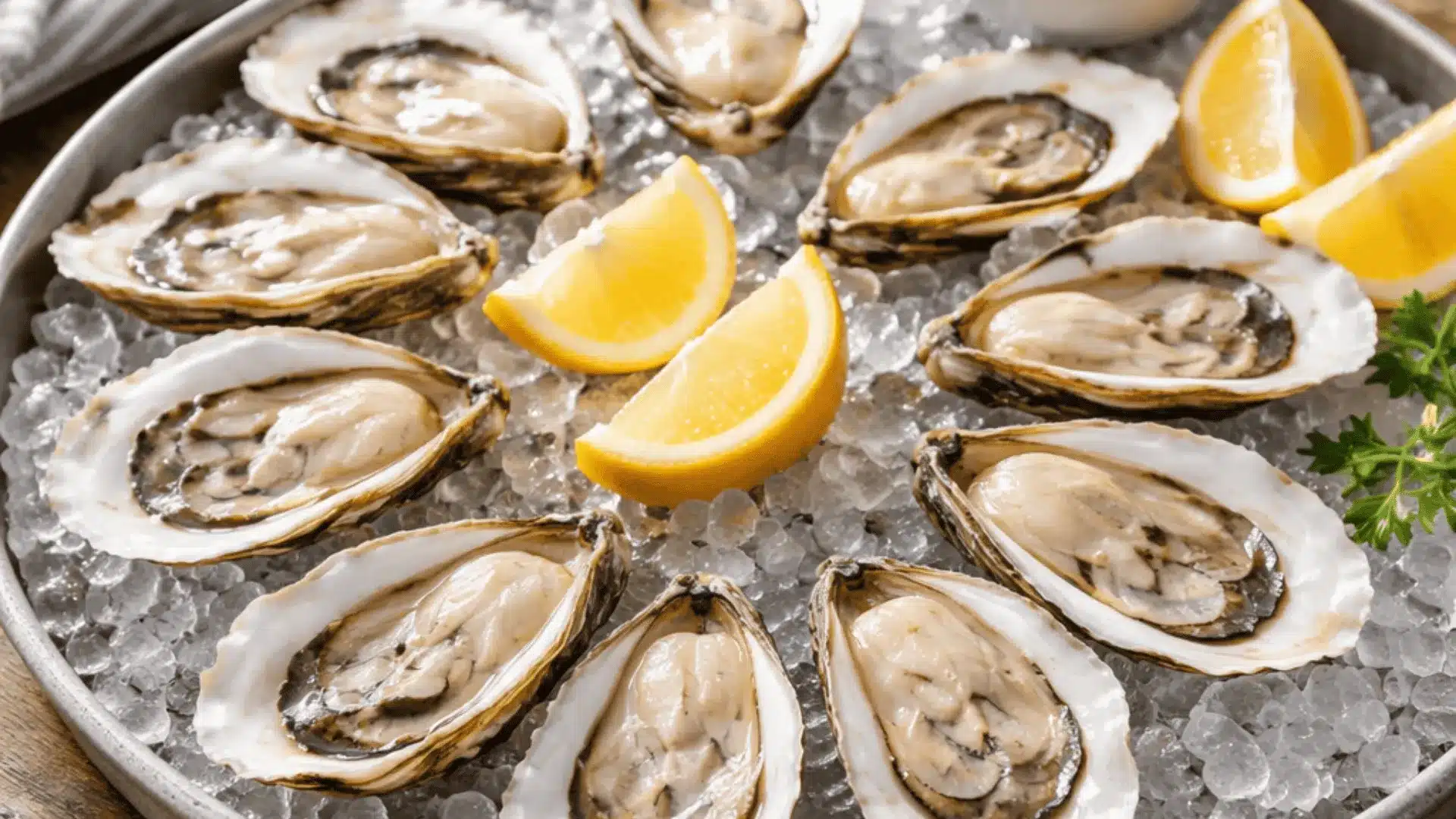
The first time I searched for oyster calories, I expected bad news.
Anything that tastes that good must be calorie-heavy, right?
But the numbers were far lower than I expected.
Once I looked into the calories in 12 raw oysters, the reality was different. They’re surprisingly light for something so filling.
It turns out oysters can feel satisfying without pushing your daily calorie limit.
The Nutrition Behind Oyster Calories (Why They Are More Than Just Low Cal)
Low-calorie does not always mean good for you.
We all know that. A bag of plain rice cakes is low in calories, too, but it won’t do much for your body beyond that.
Oysters are a completely different story. What makes oyster calories worth talking about is what comes along with them. You are not just eating something light.
You are getting nutrients your body actually needs and uses every single day.
Oyster Nutrition Facts: What You Are Actually Getting in a Serving
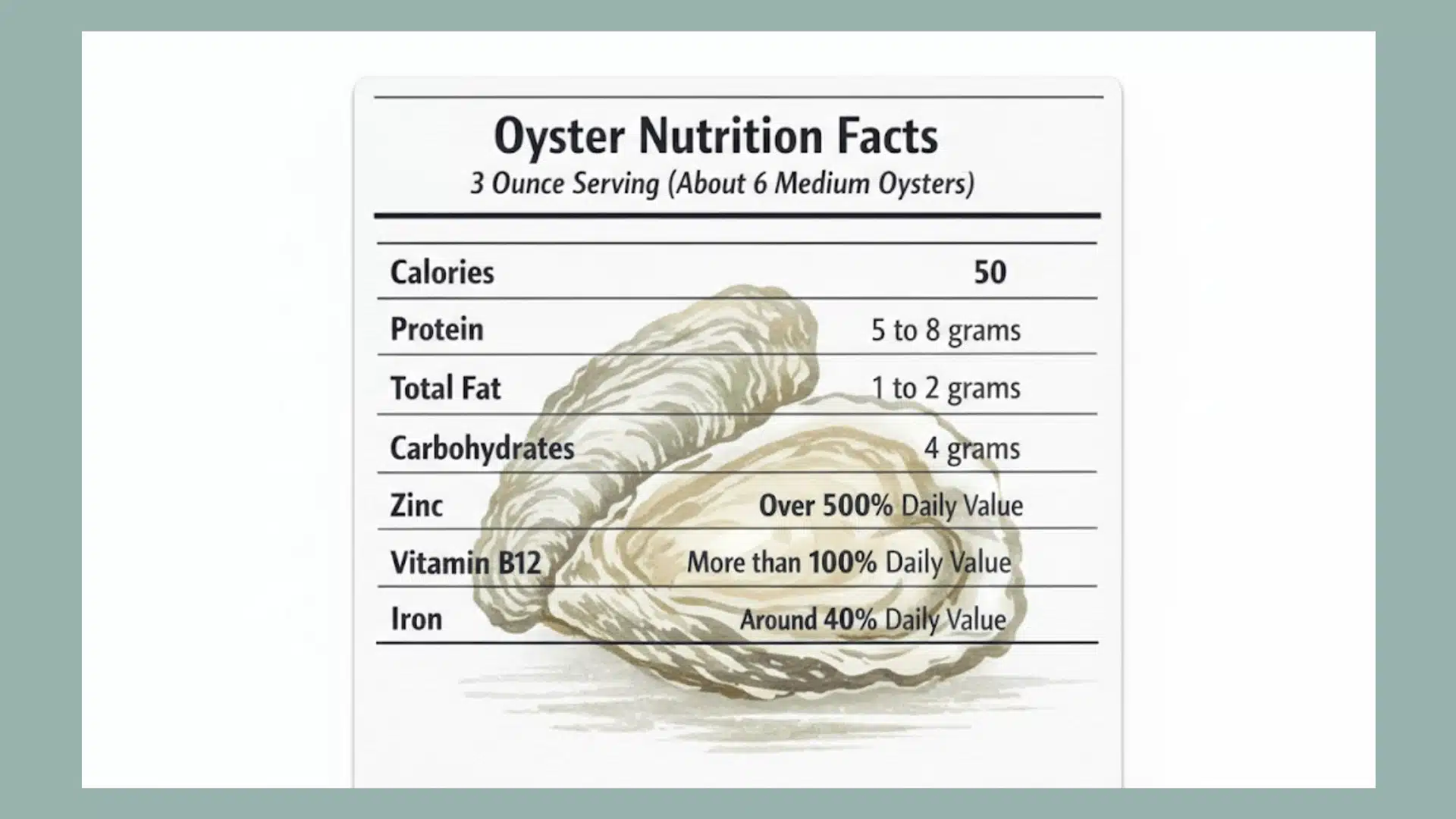
Based on data from AgClassroom, a 3-ounce serving of oysters, which is roughly 6 medium oysters, gives you this:
- Protein keeps you feeling full and supports muscle health
- Zinc plays a key role in immunity and wound healing
- Vitamin B12 supports your energy levels and keeps your nerves healthy
- Iron helps carry oxygen through your blood
- Low-fat content means you are not loading up on unnecessary fats
Let that sink in for a moment. Just 50 calories, and you are already hitting more than 500% of your daily zinc needs.
Oyster Calories: What You Should Know Before Ordering
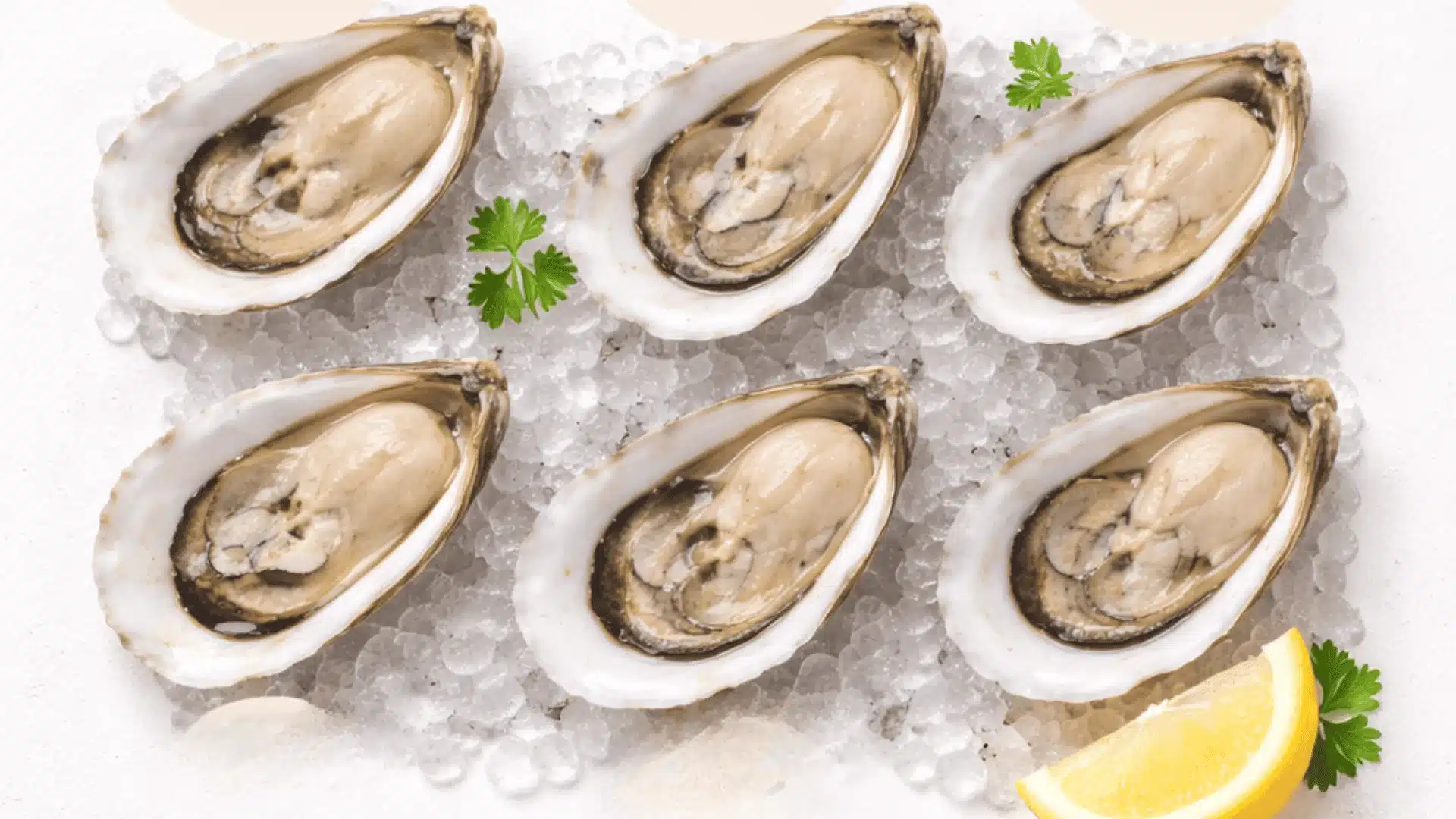
Most people assume seafood is either very light or surprisingly heavy. Oysters fall into a category of their own. They are among the lowest-calorie seafood options you can find.
And that’s not just a claim. The numbers back it up.
Here’s a quick look at what the USDA FoodData Central data shows:
- 1 medium raw oyster = about 7 to 10 calories
- 6 raw oysters = roughly 40 to 60 calories
- 3 ounces (about 6 medium oysters) = close to 50 calories
To put that in perspective:
- A single slice of bread has more calories than 6 raw oysters
- Most restaurant appetizers carry 3 to 4 times more calories
- Even a small handful of crackers beats oysters on the calorie count
So if oyster calories are this low, why do so many people assume they’re heavy?
It really depends on how they’re prepared and what you pair them with. We’ll talk more about that shortly.
Calories in 12 Raw Oysters: What Happens When You Eat a Full Dozen?
In reality, oysters are rarely eaten one at a time.
A full dozen is often the standard serving. That naturally raises the question, what does that look like in calories?
The reassuring part is that the total is still lower than many common appetizers
- 6 raw oysters = about 50 calories
- 12 raw oysters = roughly 90 to 120 calories
- Even at a full dozen, you’re staying well under 150 calories
A simple breakdown to make it easier:
| Serving | Approx. Calories |
|---|---|
| 6 Raw Oysters | 50 |
| 12 Raw Oysters | 90 to 120 |
That’s fewer calories than most side dishes sitting on the same table. A small serving of fries? That’s already 200 plus calories.
A breadbasket? Even more. So eating a full dozen raw oysters is not something you need to stress about from a calorie standpoint.
The oysters themselves are not the problem. What you pair them with is a different story, though.
Raw vs Grilled vs Fried: How Oyster Calories Change Fast
Most people miss this. The oyster itself is not what raises the calories. It is what gets added during cooking that makes the real difference.
Understand it through this simple table that explains it clearly.
| Preparation Type | Approx. Calories (6 pieces) | Added Fats | Best For |
|---|---|---|---|
| Raw | 50 | None | Weight management and calorie tracking |
| Grilled (plain) | 70 to 90 | Minimal | Heart health and general nutrition |
| Grilled (with butter or cheese) | 130 to 160 | Moderate | Occasional indulgence |
| Fried | 200 and above | High | Treat only |
A Few Things to Keep in Mind:
- Raw oysters have zero added fats and are the cleanest option on the table
- Plain grilled stays moderate as long as you keep the toppings light
- A light drizzle of lemon juice on grilled oysters keeps the calorie count low
- Fried oysters soak up oil through the breading and that is where the calories spike
- Some restaurant fried portions go even higher, depending on the batter used
Takeaway: It is not the oyster that adds the calories. It is how we cook it. So if you want to enjoy oysters without worrying about your intake, raw or plain grilled is always the smarter pick.
I Have Tried Raw, Grilled, and Fried Oysters, and Here is What I Recommend Based on Your Health Goals
Not everyone eats oysters for the same reason. Some people are watching their weight. Others care about heart health.
And some are just trying to make a smarter choice at dinner without overthinking it.
Let’s look at this through the lens of what really affects you.
For Weight Management
Raw oysters are your best friend here. They are high in protein and very low in calories.
Protein keeps you full longer, helping you avoid reaching for extra food later.
- Stick to raw or lightly cooked oysters
- Skip the heavy dipping sauces
- A squeeze of lemon is all you really need
For Heart Health
Plain grilled oysters work well here.
They give you the nutritional benefits without the extra saturated fat that comes from heavy toppings.
- Avoid loading them up with butter or cream-based sauces
- Oysters contain omega-3 fatty acids, which support heart health naturally
For High Cholesterol
Fried oysters are not your best option here. The added oils and heavy coatings can work against your goals.
- Go for raw or steamed oysters instead
- Keep added fats as minimal as possible
- Small portions work better if you are managing cholesterol levels
For Diabetes
Oysters are naturally low in carbohydrates. That makes them a practical choice for people managing blood sugar levels.
- Raw or lightly grilled oysters are the way to go
- Avoid breaded or battered versions completely
Who Should be Careful?
Oysters are not for everyone. Certain groups of people need to be a little more cautious.
- People with shellfish allergies should avoid oysters completely
- Pregnant women are advised to skip raw oysters due to food safety risks
- People with weakened immune systems should also avoid raw preparations
The FDA has clear guidance on the safety of raw shellfish. If you fall into any of these groups, it is always better to check with your doctor before adding oysters to your diet regularly.
Hidden Calorie Traps Most People Miss
Oysters on their own are light and nutritious. But the moment you sit down at a restaurant, the calories can quietly add up without you even noticing.
It is not the oysters doing the damage. It is everything around them.
Cocktail Sauce:
Most restaurant and store versions contain added sugar. Just a few spoonfuls can add 30 to 50 calories without you realizing it, especially if you keep dipping generously.
Garlic Butter:
Butter is calorie-dense. One tablespoon adds about 100 calories, and oysters are often served with more than that, which quickly turns a light dish into a heavier one.
Cheese Toppings:
Baked oysters topped with cheese may taste rich, but cheese can add 150 to 200 calories per serving, significantly raising the total calorie count of your plate.
Alcohol Pairings:
Wine, beer, and cocktails add calories that are easy to overlook. A single drink can add 120 to 200 calories, sometimes more, depending on the mixer.
Large Portions:
Restaurant platters are often larger than a standard six oyster serving. When combined with toppings and sides, the overall calorie intake can climb faster than expected.
Conclusion: So, are Oyster Calories Something to Worry About?
So are oysters healthy or just hype? The answer is pretty clear.
They are genuinely one of the better food choices you can make. The oysters themselves are not the issue.
In fact, the calories in 12 raw oysters are surprisingly reasonable for something that feels this indulgent.
What really adds up are the heavy sauces, butter, and fried coatings. When I keep it simple, oyster calories stay low, and the nutrition stays high.
Sometimes, eating smarter is not about cutting out foods.
Share it with someone who loves seafood as much as you do. They will thank you for it.
Frequently Asked Questions
1. How Many Calories are in a Single Raw Oyster?
One raw oyster has about 7 to 10 calories. That makes oysters one of the lightest seafood options available. They are low in fat and surprisingly filling for their size.
2. Are Oyster Calories Higher when Fried?
Yes. Fried oysters carry significantly more calories than raw ones.
3. Can I Eat Oysters if I am Trying to Lose Weight?
Absolutely. Raw oyster calories are very low, and the protein content keeps you full. They are a smart addition to any weight management plan without adding unnecessary calories.
4. Is Eating 12 Oysters Too Many in One Sitting?
Not at all. Twelve raw oysters add up to roughly 90 to 120 calories total.
5. What Nutrients do Oysters Provide Beyond Just Being Low in Calories?
Oysters are rich in zinc, vitamin B12, iron, and protein. A single 3-ounce serving covers more than 500% of your daily zinc needs. That is exceptional nutrition for just 50 calories.