

Stopscrolling past yet another boring pasta recipe.
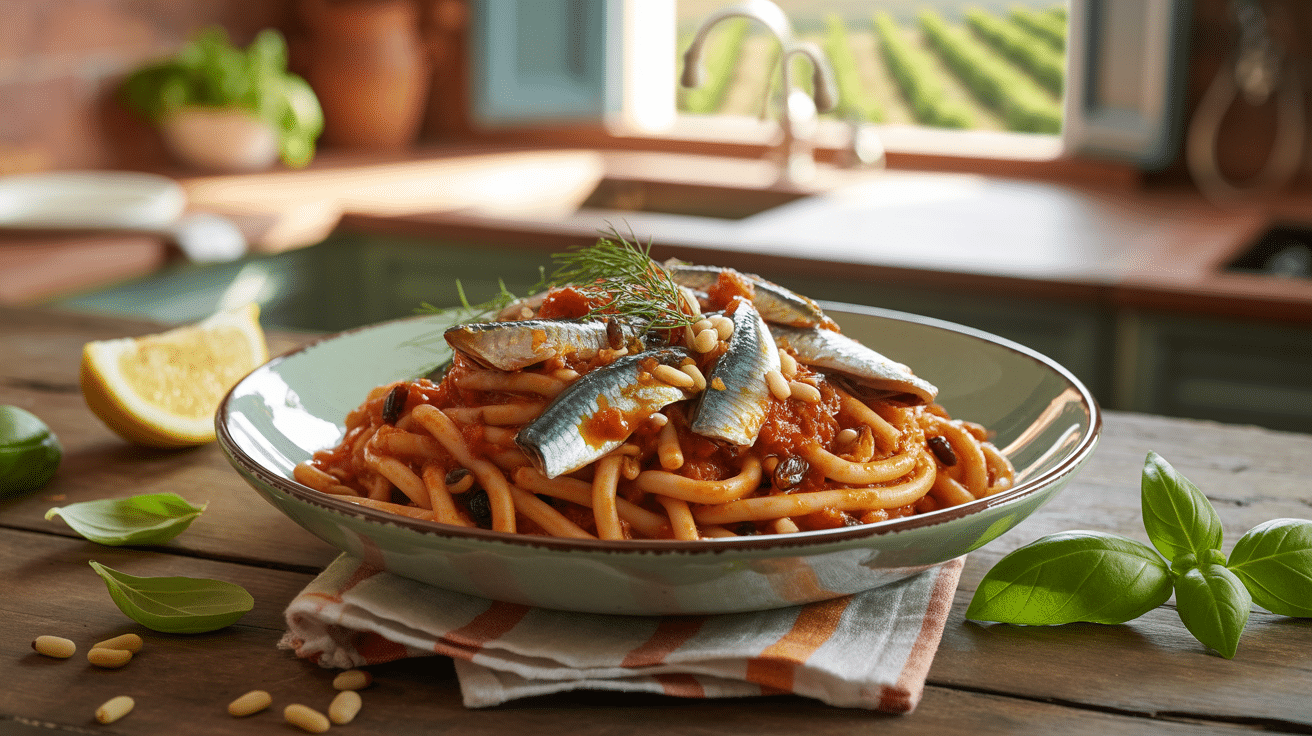
Pasta con le sarde isn’t your typical famous Italian dish; it’s bold, briny, and completely addictive.
I’m obsessed with how wild fennel, sweet raisins, and savory sardines create this crazy-good flavor combination.
I’ve cracked the code on three different approaches.
You’ll want the traditional version for Sunday dinners, the quick weeknight hack when you’re exhausted, and the show-stopping crispy-topped variation for guests.
Each brings something different to the table, but they’re all ridiculously delicious. Ready to fall head over heels?
Let’s get cooking!
Why Pasta con le Sarde Holds a Special Place in Sicilian Cuisine?
Pasta con le sarde tells the story of Sicily itself.
This dish combines ingredients from different cultures that shaped the island. Arab traders brought raisins and pine nuts.
The Greeks introduced wild fennel. Mediterranean sardines swim in local waters.
It’s a plate of history you can taste.
For Sicilians, this pasta represents resourcefulness and creativity.
Fishermen’s families created something extraordinary from simple, affordable ingredients they could easily find.
Wild fennel grows everywhere on the island. Sardines fill the nets. Every household keeps raisins and nuts in the pantry.
When I asked my friend Maria in Trapani why this dish matters so much, she said, “It connects us to our grandmothers.”
Making this pasta links Sicilian families to their ancestors. It’s comfort food that carries memories, traditions, and the essence of island life.
Nutritional Info
Sardines are rich in PUFAs, which play a critical role in reducing chronic inflammation, lowering blood pressure, and improving lipid profiles. [Source: New Medical]
I’ve always loved how nutritious this dish is; each serving provides about 430–500 calories and about 23–30 g of protein from the omega‑3‑rich sardines.
Healthy fats from the olive oil and pine nuts, plus the fennel and raisins, add a modest amount of fiber and natural sweetness.
The pasta provides my carbs for energy, while the sardines contribute calcium and vitamin D.
It’s honestly one of the most balanced meals I make, delicious comfort food that actually nourishes my body pretty well.
Clean and Prep Your Sardines Before Cooking
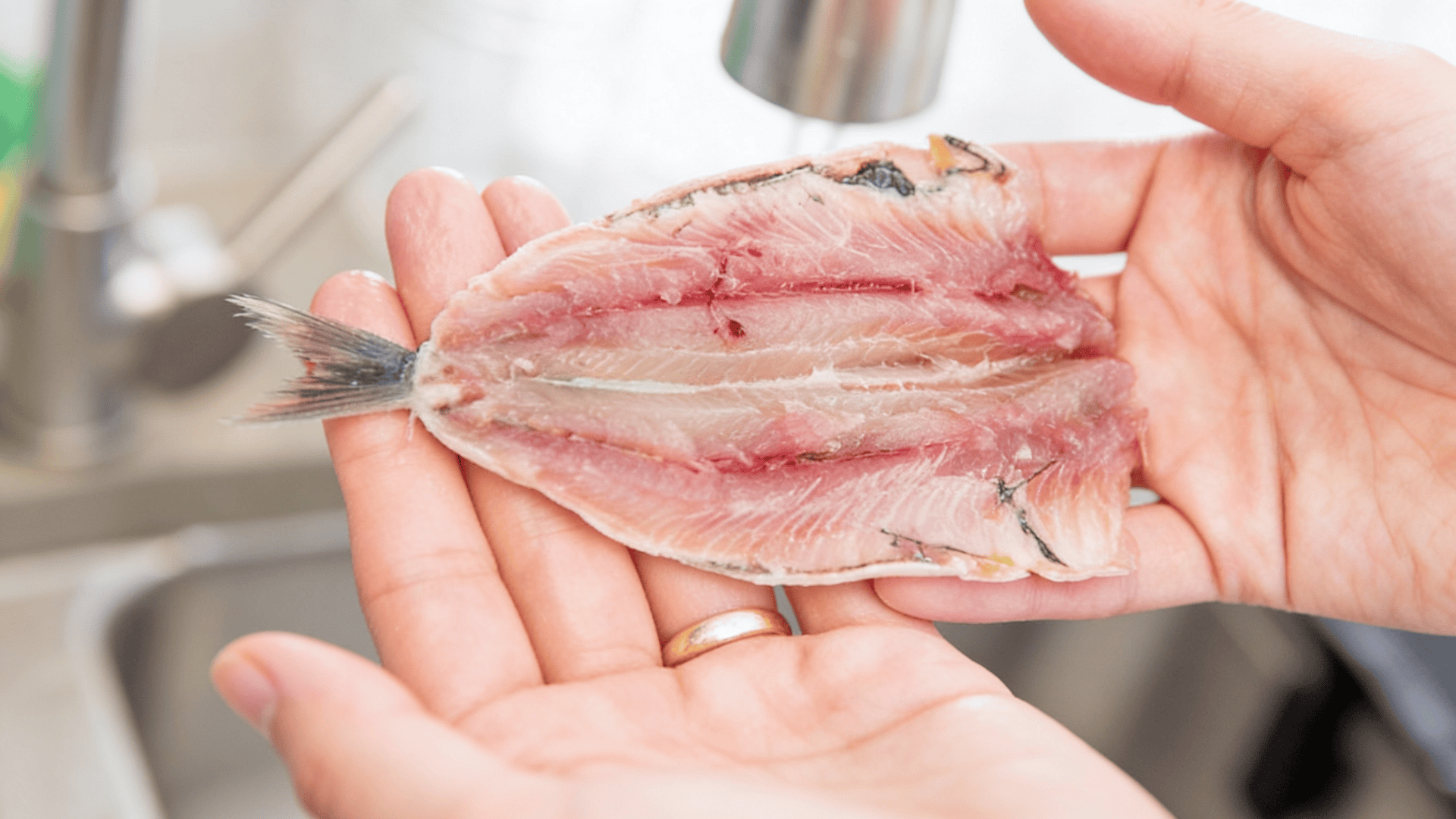
Cleaning sardines is simpler than you think once you’ve done it a few times.
The first time took me fifteen minutes per fish. Now I can clean a dozen in five minutes flat.
Here’s what works:
Step 1: Rinse the sardines under cold water first. This removes any scales and surface debris.
Step 2: Hold each fish firmly near the head. Pull the head downward toward the belly.
It comes off cleanly with the guts attached in most cases.
Step 3: Make a small cut along the belly with your fingers or a knife if the guts didn’t come out with the head.
Step 4: Remove any remaining guts and rinse again under cold water. The cavity should look clean and pink.
Step 5: Run your thumb along the spine from head to tail. This opens the fish flat like a book.
Step 6: Pull out the spine and any visible small bones. The spine lifts out in one piece if you do it gently.
Step 7: Pat them dry with paper towels. Wet sardines won’t brown properly when cooking.
Done! Now you’re ready to cook.
Pro tip: Buy sardines that smell like the ocean, not fishy. Fresh ones have bright eyes and firm flesh. If they smell strong at the market, skip them.
Wild Fennel – What it is and Substitutes?
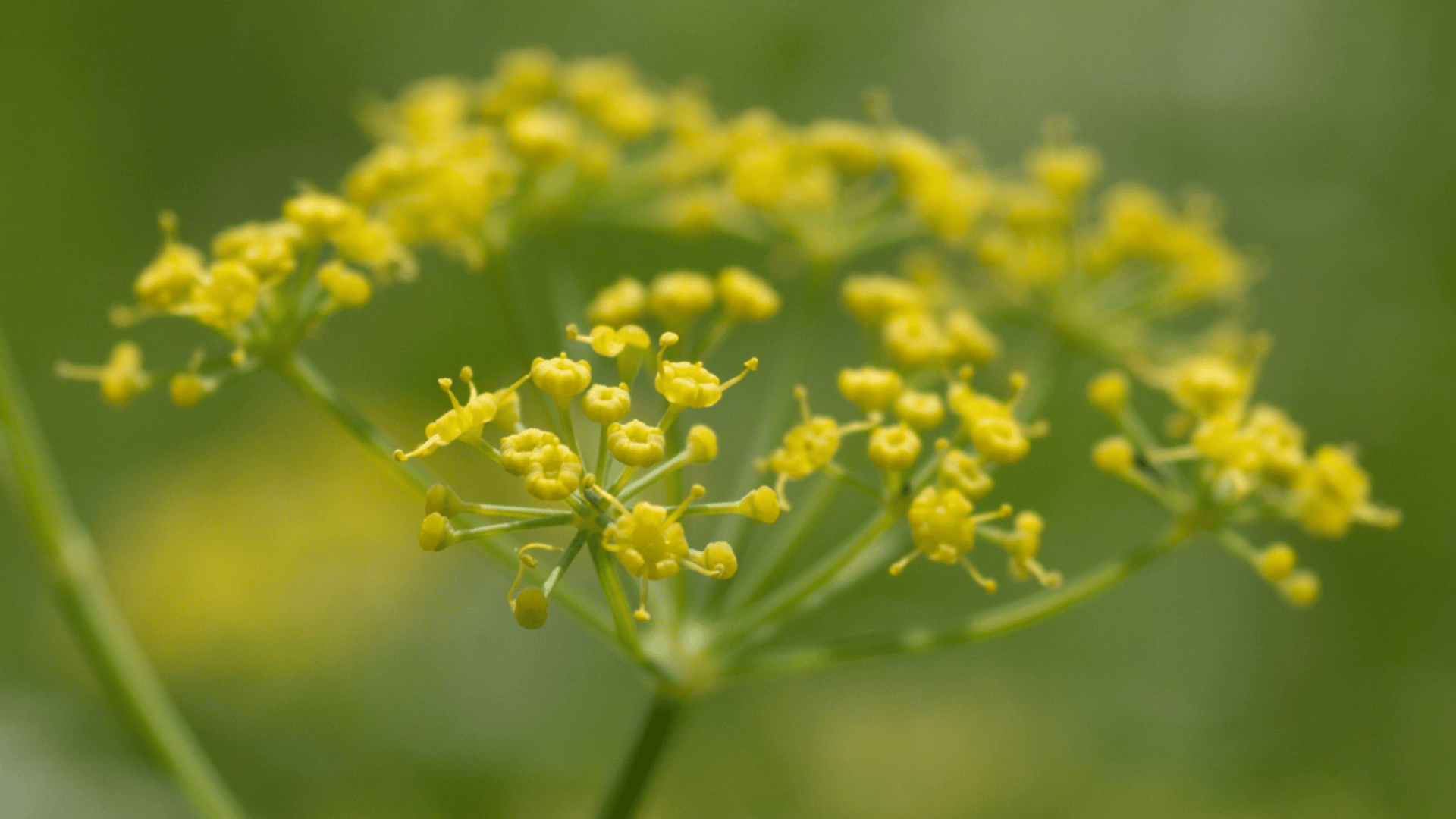
Wild fennel grows everywhere in Sicily along roadsides and hillsides. It looks different from grocery store fennel bulbs.
The fronds are feathery and bright green.
They smell like licorice when crushed. Sicilians use these fronds, not the bulb, creating the dish’s signature anise flavor.
Finding wild fennel outside Sicily is tricky. Most supermarkets don’t stock it.
Best substitute: Use the green fronds from regular fennel bulbs. They taste very similar, just slightly milder.
Second option: Fresh dill mixed with a pinch of anise seeds. Use three tablespoons of chopped dill plus a quarter teaspoon of crushed anise seeds.
What doesn’t work: Dried fennel seeds alone taste too concentrated and bitter.
Pasta Con le Sarde Variations You HAVE to Try
Each variation brings something special to the table while preserving the essence of this beloved Sicilian recipe.
From modern twists to regional secrets, these five versions will give you new ways to enjoy this classic Italian seafood dish.
Recipe 1: The Classic Sicilian Style

My grandmother taught me this exact recipe on a random summer afternoon.
A timeless Sicilian dish that blends sardines, fennel, raisins, pine nuts, and saffron for a balanced mix of sweet and savory flavors.
Prep Time: 20 minutes
Cook Time: 30 minutes
Total Time: 50 minutes
Allergy Considerations
- Fish/Seafood:Contains sardines
- Tree Nuts:Contains pine nuts
- Gluten:Contains pasta (bucatini) and breadcrumbs
- Sulfites:May be present in some raisins
Ingredients
| Ingredient | Quantity |
|---|---|
| Fresh sardines | 400 g |
| Fennel bulbs | 2 |
| Wild fennel fronds | 1 cup |
| Raisins | 50 g |
| Pine nuts | 40 g |
| Saffron threads | ½ tsp |
| Onion | 1 large |
| Olive oil | 4 tbsp |
| Pasta (bucatini) | 400 g |
| Breadcrumbs | ½ cup |
| Salt and pepper | To taste |
Step-by-Step Instructions
Step 1:
Heat olive oil in a large pan over medium heat. Add the chopped onion and sauté for 5-7 minutes.
The onion should turn translucent and golden at the edges.
You’ll smell a sweet aroma when it’s ready. Stir occasionally to prevent the pan from burning.
Step 2:
Add sliced fennel bulbs and chopped fronds to the pan. Cook gently for 8-10 minutes until the fennel softens and becomes tender.
It should bend easily when you press it with a spoon. The fronds will wilt and darken slightly.
Nonna always said the fennel should smell like the Mediterranean coast when it’s ready.
Step 3:
Stir in the cleaned sardines, breaking them lightly with a wooden spoon.
Cook for 3-4 minutes until they turn from shiny to matte. Don’t overcook them or they’ll get mushy and fall apart completely.
The flesh should look opaque and flake easily when pressed. You’ll see them change texture quickly.
Initially,I used to overcook the sardines; overcooking them wouldmake them completely disintegrate into mush.
So, don’t be like me, watch carefully and remove from heat as soon as they turn opaque.
Step 4:
My grandmother taught me to bloom the saffron separately.
Soak saffron threads in two tablespoons of warm water for five minutes first.
Add soaked raisins, pine nuts, and saffron water to the pan. Mix everything well to create a fragrant sauce.
The saffron will turn your sauce golden yellow. Cook for another 2-3 minutes. Everything should smell sweet and rich.
Step 5:
Cook the pasta in salted boiling water until al dente, about 8-9 minutes. Save one cup of pasta water before draining it.
Toss the pasta into the sauce with half a cup of the cooking water.
The starchy water helps the sauce coat each strand beautifully. Mix everything together for 1-2 minutes.
Step 6:
The breadcrumb topping was her signature touch, crisped in the same pan she’d used for decades.
Toast breadcrumbs in a dry pan for 2-3 minutes until golden and crunchy.
Serve the pasta hot, topped with toasted breadcrumbs. Season with salt and pepper to your taste.
The breadcrumbs add a nutty crunch that contrasts perfectly with the soft pasta.
Eat it immediately while it’s still warm
Recipe 2: The Tomato Richness
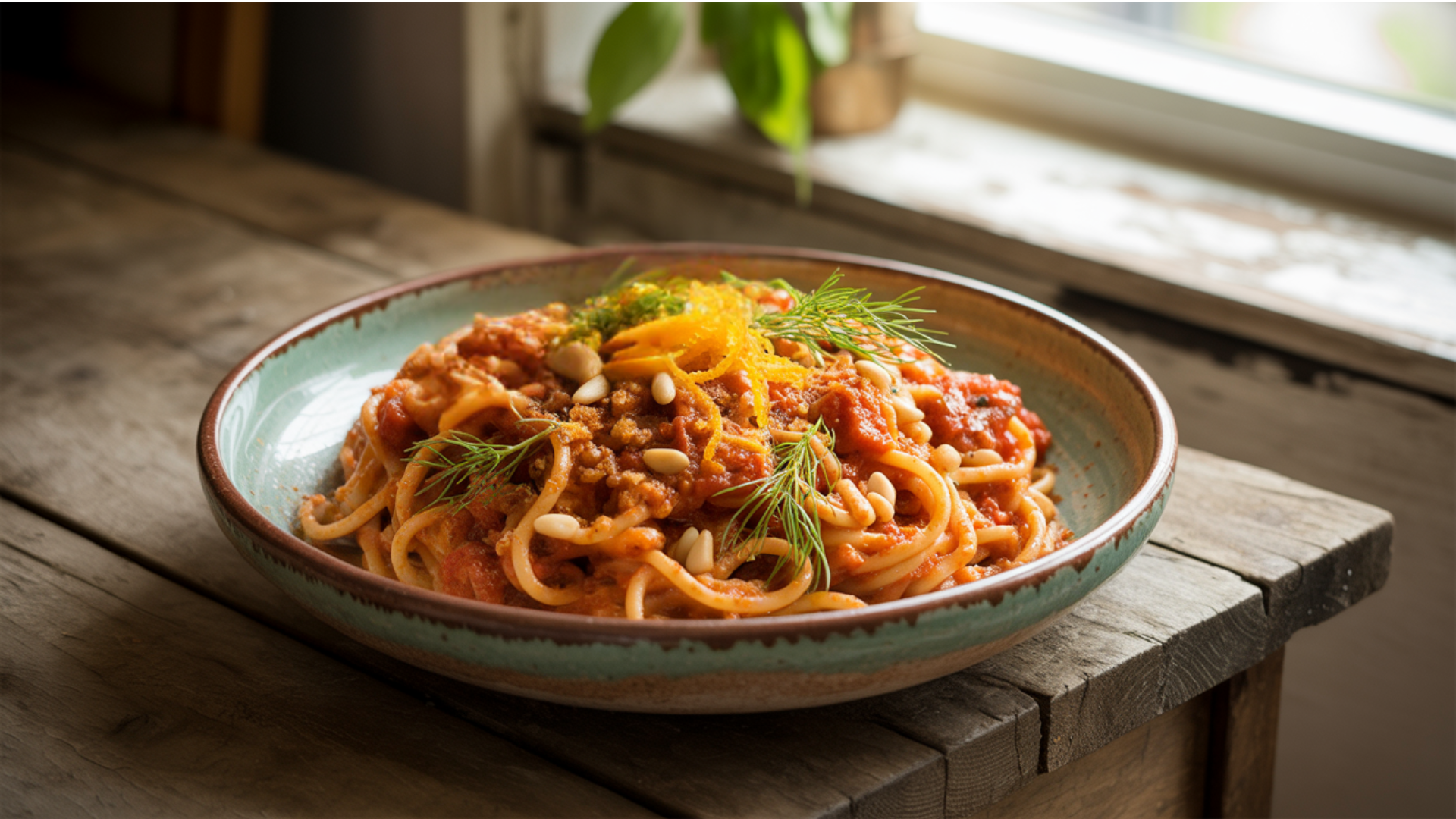
I learned this version from a fisherman’s wife in Catania who made it every Friday for her large family.
A tomato-based version that softens the fishy edge, creating a rich, family-friendly sauce without losing traditional Sicilian roots.
Prep Time: 15 minutes
Cook Time: 25 minutes
Total Time: 40 minutes
Allergy Considerations
- Gluten:Contains pasta (linguine) and breadcrumbs
- Allium:Contains garlic and onion
Ingredients
| Ingredient | Quantity |
|---|---|
| Fresh sardines | 400 g |
| Tomato passata | 400 g |
| Onion | 1 medium |
| Garlic cloves | 2 |
| Olive oil | 3 tbsp |
| Fresh basil | A handful |
| Pasta (linguine) | 400 g |
| Salt and pepper | To taste |
| Breadcrumbs | ½ cup |
Step-by-Step Instructions
Step 1:
Heat olive oil in your pan over medium heat. Add the chopped onion and sliced garlic.
Sauté for 4-5 minutes until the garlic turns golden and fragrant. Don’t let the garlic burn, or it’ll taste bitter.
The onion should soften and become translucent. Your kitchen will smell wonderful now.
Burning the garlic is the most common mistake people make (including me), and it ruins the entire dish with a harsh, bitter flavor.
Step 2:
Pour in the tomato passata and stir everything together for at least 10 mins.
You’ll see the sauce darken and reduce as it cooks. Bubbles should pop gently on the surface.
The sauce will coat the back of your spoon when ready. Stir occasionally.
Step 3:
Add the cleaned sardines to your tomato sauce.
Cook them gently for 3-4 minutes, stirring carefully so they don’t break apart completely. The sardines will flake slightly but should stay in chunks.
The tomato will turn the fish a reddish color. The sauce will now smell sweet and savory together.
Step 4:
Season the sauce with salt and pepper to your taste.
Remember, the sardines are already salty, so go easy on the salt at first.
Taste and adjust as needed. Add a pinch of sugar if your tomatoes taste too acidic.
This balances the flavors perfectly. Let everything simmer together gently.
Step 5:
Cook your pasta in salted boiling water until al dente, about 9-10 minutes for linguine.
Save one cup of pasta water before draining it. Add the pasta directly to the sauce in your pan.
The pasta will finish cooking in the tomato sauce and soak up all that rich flavor. Mix well.
Step 6:
The basil always went in at the last second – her cardinal rule for keeping it bright green.
Tear fresh basil leaves and add them just before serving.
Toast breadcrumbs in a dry pan for 2-3 minutes until golden. Serve the pasta hot with breadcrumbs on top.
The fresh basil adds brightness that cuts through the rich tomato.
This version works great for people who find plain sardines too strong
Recipe 3: Couscous Fusion Variation
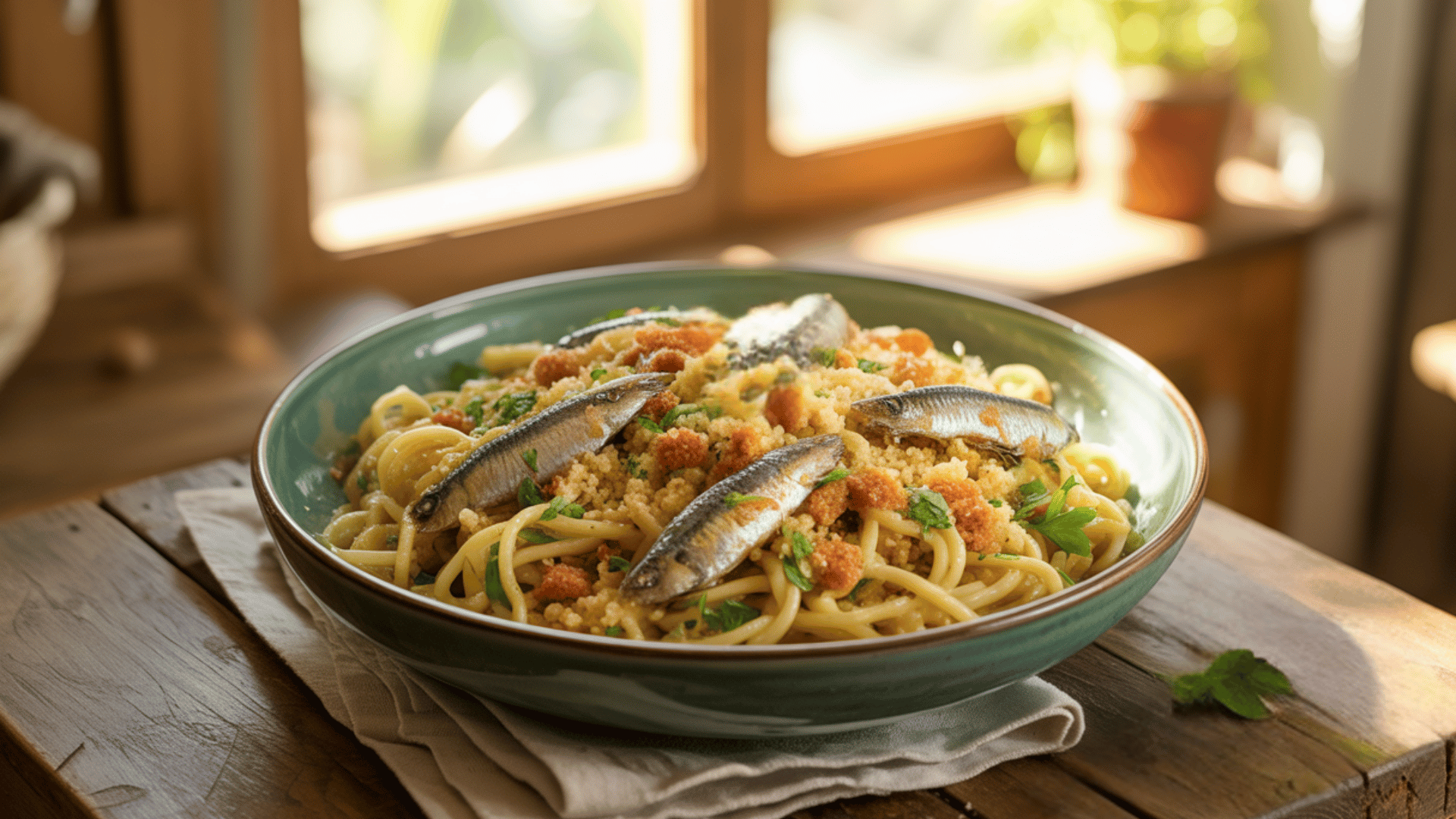
A neighbor shared this fusion with me, beautifully blending his North African roots with Sicilian tradition.
Prep Time: 15 minutes
Cook Time: 20 minutes
Total Time: 35 minutes
Allergy Considerations
- Gluten:Contains couscous (made from wheat)
- Tree Nuts:Contains pine nuts
- Sulfites:May be present in some raisins
Ingredients
| Ingredient | Quantity |
|---|---|
| Fresh sardines | 350 g |
| Couscous | 300 g |
| Fennel bulbs | 1 |
| Raisins | 40 g |
| Olive oil | 3 tbsp |
| Onion | 1 medium |
| Lemon juice | 2 tbsp |
| Pine nuts | 30 g |
| Salt and pepper | To taste |
Step-by-Step Instructions
Step 1:
Pour boiling water over the couscous in a large bowl using a 1:1 ratio. Cover it tightly with a plate or plastic wrap.
Let it sit for exactly 5 minutes. The grains will absorb all the water and fluff up perfectly.
Don’t peek while it’s steaming or you’ll lose heat.
Step 2:
Heat olive oil in your pan over medium heat. Add the chopped onion and sliced fennel. Cook them for 6-8 minutes, stirring occasionally.
The fennel should soften and turn slightly golden at the edges. The onion will become translucent and sweet.
Your kitchen will smell like anise and caramelized onions now.
Step 3:
Add the cleaned sardines to your pan with the fennel mixture.
Cook gently for 3-4 minutes until the sardines turn opaque. They should flake easily when you press them with your spoon.
Be gentle so they don’t break apart completely. The sardines will cook quickly in the hot pan with vegetables.
Step 4:
Stir in the raisins and pine nuts. Cook everything together for another 2 minutes.
The raisins will plump up slightly from the heat and moisture. The pine nuts will warm through and release their nutty aroma.
This creates the sweet-and-savory balance that makes this dish special. Mix gently.
Step 5:
Fluff your couscous with a fork first to separate all the grains.
He’d fold everything together with his hands, claiming that forks bruise the fish too much.
The couscous will absorb the flavors from the oil and fish. Mix until everything is well combined.
Adding too much water to the couscous will make it soggy and mushy. I did this the first time I made pasta con le sarde and immediately regretted it.
Stick to the 1:1 ratio and don’t be tempted to add extra liquid.
Step 6:
The lemon squeeze was his finishing touch, always fresh, never bottled.
The acidity brightens all the flavors and cuts through the richness. Taste and adjust salt and pepper as needed.
Serve this version warm or at room temperature.
It works perfectly for summer meals when you want something lighter than pasta
Common Mistakes that Might Sabotage Your Pasta Con Le Sarde
I’ve made pasta con le sarde dozens of times. And I’ve messed it up more than I care to admit.
Let me help you avoid the rookie errors.
- Overcooking the sardines: They turn mushy and fall apart. Cook them just until opaque, about 3-4 minutes.
- Skipping the pasta water: The starchy water helps the sauce cling to your pasta. Always save one cup before draining.
- Using too much fennel: It overpowers everything else. Start with less than you think you need.
- Forgetting to toast the breadcrumbs: Raw breadcrumbs taste bland and pasty. Toasting adds crunch and nutty flavor in just 2-3 minutes.
- Adding cheese: Traditional Sicilian cooking never mixes cheese with fish. It clashes with the sardines, ruining the balance.
- Cooking the raisins too long: They turn into hard little rocks. Add them near the end so they stay plump and sweet.
Conclusion
Now you have three incredible ways to make pasta con le sarde at home.
Each variation brings something unique to your kitchen while honoring Sicily’s culinary heritage.
My advice? Start with the classic version first.
Then experiment with the others based on your taste preferences.
This Italian seafood dish proves that simple ingredients can create extraordinary meals when cooked with care and respect for tradition.
Frequently Asked Questions (FAQs)
Can I Use Canned Sardines in These Recipes?
Yes, canned sardines work fine when you’re short on time. Fresh ones taste better and have better texture. But canned versions still deliver good flavor.
How Do I Store Leftover Pasta Con Le Sarde?
Store leftovers in an airtight container in your fridge for up to two days. Reheat gently in a pan with a splash of water.
Can I Make This Dish Ahead of Time?
Make the sauce ahead and refrigerate it. Cook fresh pasta when you’re ready to serve. The sardines taste best when freshly combined with hot pasta.
What Wine Pairs Well with Pasta Con Le Sarde?
A crisp white wine works perfectly with this dish. Try Sicilian Grillo or Vermentino. The acidity cuts through the richness of the sardines.