

When talking about high-protein foods, the usual names always come up: chicken, eggs, and maybe Greek yogurt. Shrimp rarely leads the list.
I used to overlook it too. It always felt like something you add for flavor, not something you rely on for real nutrition.
But the more I paid attention to what was actually on the plate, the more I realized there was more to it than I assumed.
If you’ve never really looked closely at the protein content of shrimp, this might change how you see it.
Let’s take a closer look together.
Nutrition Facts of Shrimp
Before I decide if a food deserves a place in my regular meals, I always look at the full nutrition breakdown.
Here is what shrimp actually provides per serving:
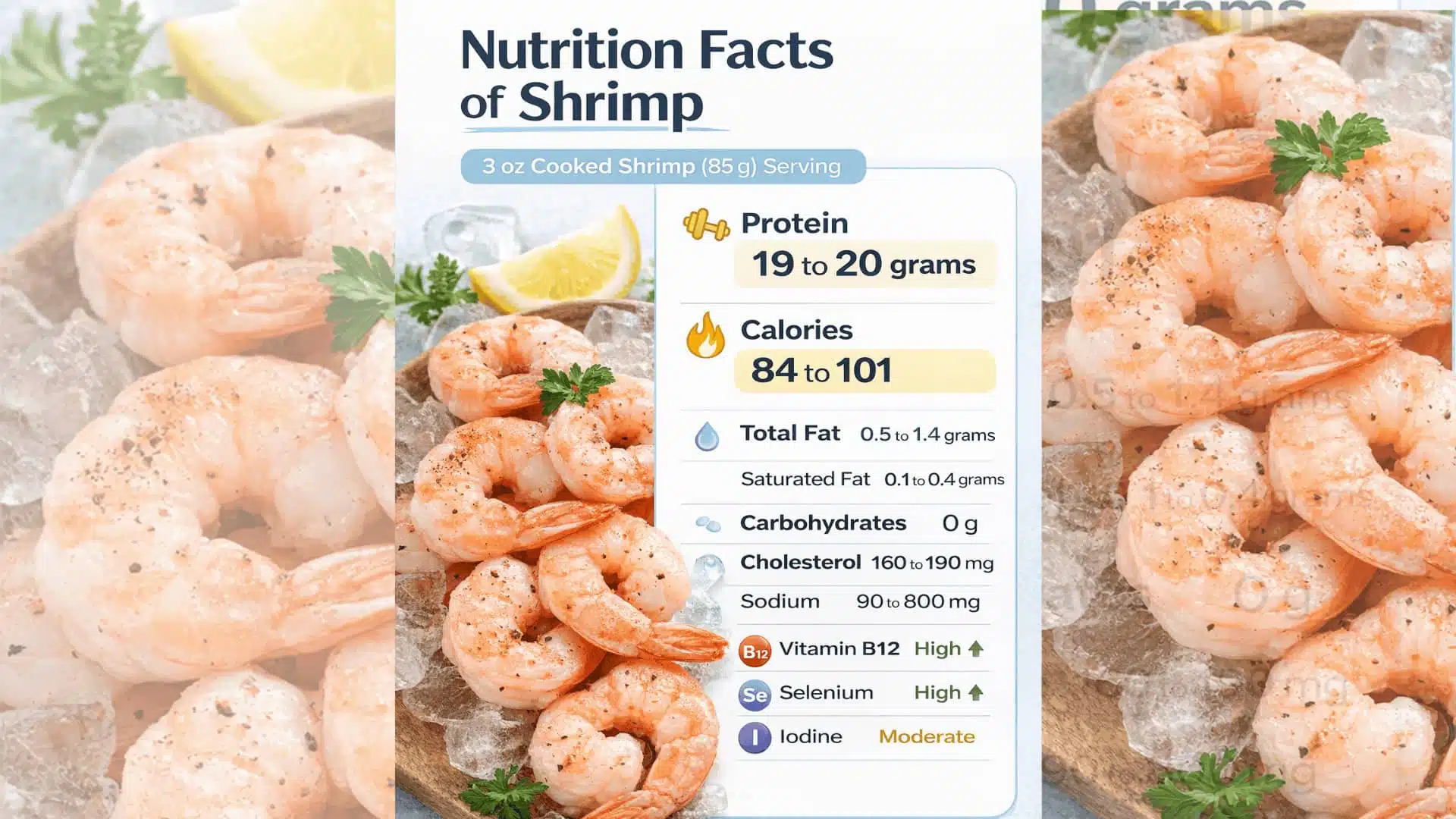
ALT TEXT: nutrition fact information of shrimp
Shrimp is especially rich in:
Vitamin B12, which supports nerve function and red blood cell formation
Selenium, which plays a role in antioxidant defense and immune support
Shrimp also contains astaxanthin, an antioxidant responsible for its pink color.
Overall, shrimp provides a high amount of protein with relatively few calories and minimal fat.
Does Shrimp Have Protein?
Yes, shrimp contains a solid amount of protein.
Shrimp is an animal-based seafood, which means it provides complete protein. That means it contains all nine essential amino acids your body cannot produce on its own.
These amino acids help repair muscles, build tissues, support hormones, and maintain immune health.
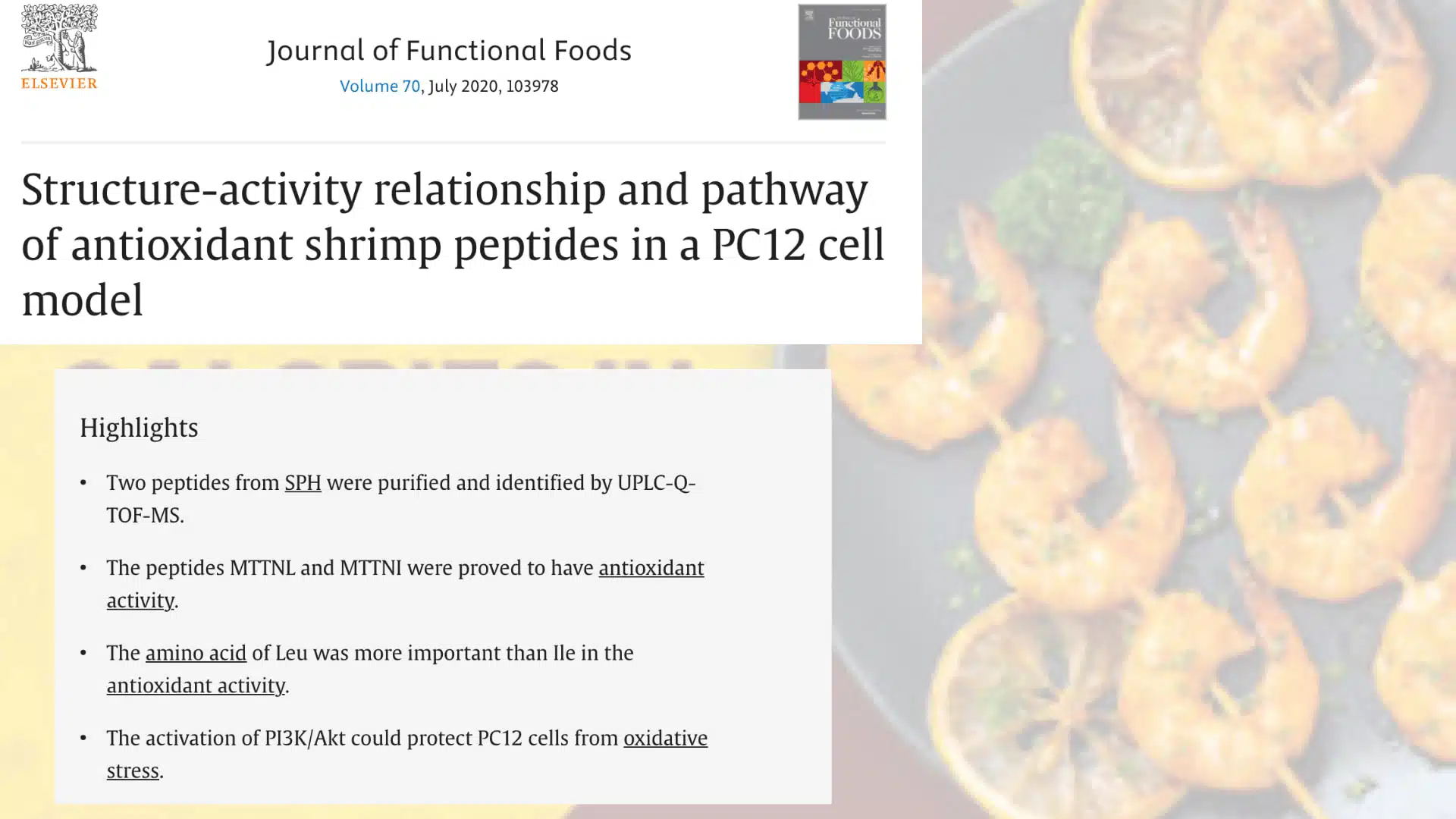
Scientific reviews discussing shrimp protein quality and amino acid composition confirm this as well. One detailed review can be found on ScienceDirect.
What surprised me most was how concentrated shrimp protein actually is compared to its size.
It may look small on the plate, but nutritionally it delivers much more than expected.
Protein in Shrimp: Is it Really a Good Protein Source?
According to USDA FoodData Central, a 3-ounce serving of cooked shrimp provides about 19 to 20 grams of protein. That is very close to what you get from a similar serving of chicken breast.
Per 100 grams, raw shrimp contains about 20 grams of protein. Cooked shrimp contains about 24 grams of protein.
The difference occurs because cooking removes water, thereby concentrating nutrients.
Shrimp also contains very little fat, zero carbohydrates, and around 84 to 100 calories per 3-ounce serving. Most of its calories come directly from protein.
Differences in Protein Content Between Cooked and Raw Shrimp
This confused me at first. Why does cooked shrimp show more protein per 100 grams than raw shrimp?
The answer is water loss during cooking. Let’s understand this through the table:
| Factor | Raw Shrimp | Cooked Shrimp |
|---|---|---|
| Serving Size | 3 ounces | 3 ounces |
| Protein Content | Around 18 grams | Around 20 grams |
| Calories | Around 75 calories | Around 84 calories |
| Water Content | Higher | Lower |
| Fat Content | Minimal | Minimal |
| Best Cooking Method | N/A | Boiling or steaming |
Why Does the Protein Change?
When you cook shrimp, water evaporates from the flesh. As water leaves, the protein becomes more concentrated in the same serving size.
That is why cooked shrimp has slightly more protein than raw shrimp per ounce
How Shrimp Compares to Other Protein Sources
To see where shrimp stands, I compared it with other common proteins we eat every day. Take a look:
| Food | Serving Size | Protein | Calories |
|---|---|---|---|
| Shrimp | 3 ounces | 19 to 20 grams | 84 to 100 |
| Chicken Breast | 3 ounces | 21 grams | 128 |
| Salmon | 3 ounces | 17 grams | 177 |
| Egg | 1 large | 6 grams | 70 |
Shrimp provides nearly the same protein as chicken but with fewer calories. Compared to salmon, it contains less fat while still offering strong protein content.
What Does Research Say About Shrimp Nutrition?
When I looked at peer-reviewed research, shrimp turned out to offer more than just protein grams.
Studies show shrimp provides highly digestible, complete protein.
Research also highlights the presence of antioxidants, including astaxanthin, as well as selenium and vitamin B12.
Health Benefits and Risks of Shrimp
Like any food, shrimp has advantages and considerations.
Benefits
Supports Muscle Maintenance
The complete protein in shrimp provides essential amino acids that help maintain and repair muscle tissue.
Helps with Fullness
Protein increases satiety. When I include shrimp in a meal, I tend to stay fuller longer than with low-protein meals.
Low Calorie Density
Shrimp provides a strong amount of protein without a large calorie load.
Provides Key Micronutrients
Vitamin B12 supports nerve health and energy metabolism. Selenium supports immune function and antioxidant defense
Risks
Dietary Cholesterol
Shrimp contains cholesterol. A 3-ounce serving provides around 160 to 190 milligrams. However, shrimp is low in saturated fat, which plays a larger role in raising blood cholesterol for most healthy individuals.
Shellfish Allergy
Shrimp is one of the more common food allergens. Anyone with a shellfish allergy should avoid it completely.
Sodium in Processed Products
Pre-cooked or packaged shrimp may contain added salt. Checking labels helps avoid unnecessary sodium intake.
How I Include Shrimp in my Diet
A lot of people buy shrimp once, cook it plain, and never think about it again.
But there are so many easy ways to make shrimp a regular part of your meals.
Start With How You Cook it
Keep it simple. Boil it, steam it, or grill it. These methods take less than five minutes and keep all that good protein intact.
I personally love grilled shrimp because it picks up flavor really well without needing much oil or seasoning.
Throw it Into What You Already Eat
You do not need new recipes. Just add shrimp to what you already make.
Pasta, rice bowls, salads, soups, and wraps. Shrimp fits into all of them.
It absorbs whatever flavors you cook it with, so it never feels out of place.
Prep it Once, Eat it All Week
Cook a big batch on Sunday. Store it in the fridge and use it across your meals for up to three days.
This is honestly one of the easiest ways to keep your protein intake consistent without spending time cooking every single day.
Watch What Goes on the Plate With it
Shrimp is light and clean on its own. Pair it with whole grains and vegetables to make it a complete meal.
Skip the heavy sauces and deep frying if you want to keep things nutritious and balanced
Does Shrimp Have Cholesterol?
Yes, shrimp contains cholesterol.
But research shows that saturated fat has a stronger impact on blood cholesterol levels than dietary cholesterol alone for most healthy individuals. Shrimp is naturally low in saturated fat.
For most people without existing heart conditions, moderate shrimp intake can fit into a balanced eating pattern.
Final Thoughts
Shrimp may not look like a protein powerhouse at first glance. I did not see it that way either.
But once I looked at the data and compared it with other protein sources, the picture became clear.
With close to 20 grams of protein per small serving, low calories, zero carbohydrates, and important micronutrients, shrimp deserves more attention than it usually gets.
Sometimes the foods we overlook turn out to be surprisingly efficient.
Frequently Asked Questions
1. How Much protein is in 3 Ounces of Shrimp?
A 3-ounce serving of cooked shrimp provides about 19 to 20 grams of complete protein. It is low in calories and contains almost no carbohydrates, making it an efficient source of protein.
2. Is Shrimp a Complete Protein Source?
Yes, shrimp is a complete protein because it contains all nine essential amino acids. These amino acids support muscle repair, immune function, tissue growth, and overall body maintenance.
3. How Many Shrimp Equal 20 Grams of Protein?
Roughly 12 to 15 medium-sized cooked shrimp, which equals about 3 ounces, provide about 20 grams of protein, depending on the shrimp’s size and cooking method.
4. Does Shrimp Have More Protein Than Chicken?
Shrimp provides slightly less protein per serving than chicken breast, but it contains fewer calories and less fat, making it a lean and efficient protein alternative.