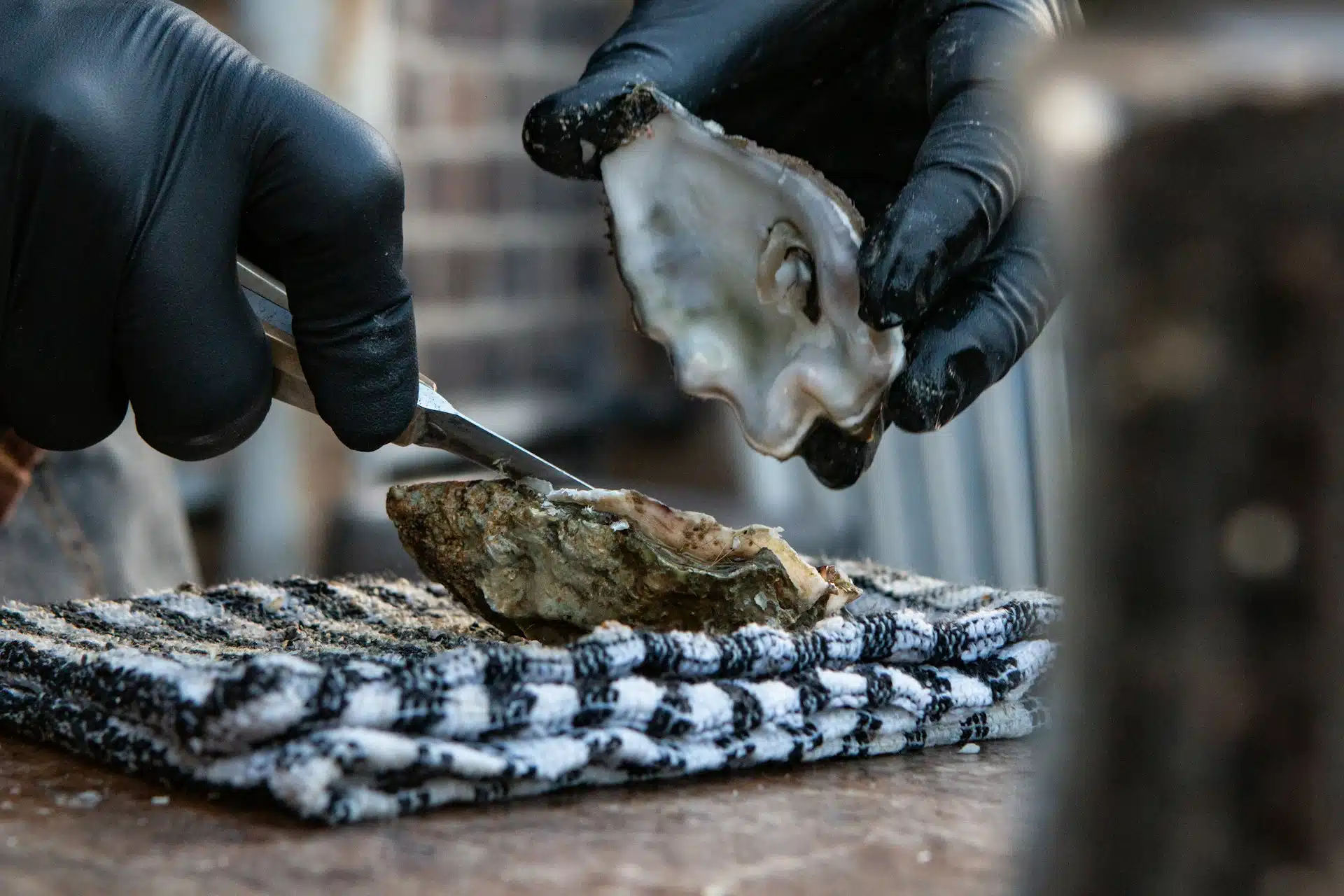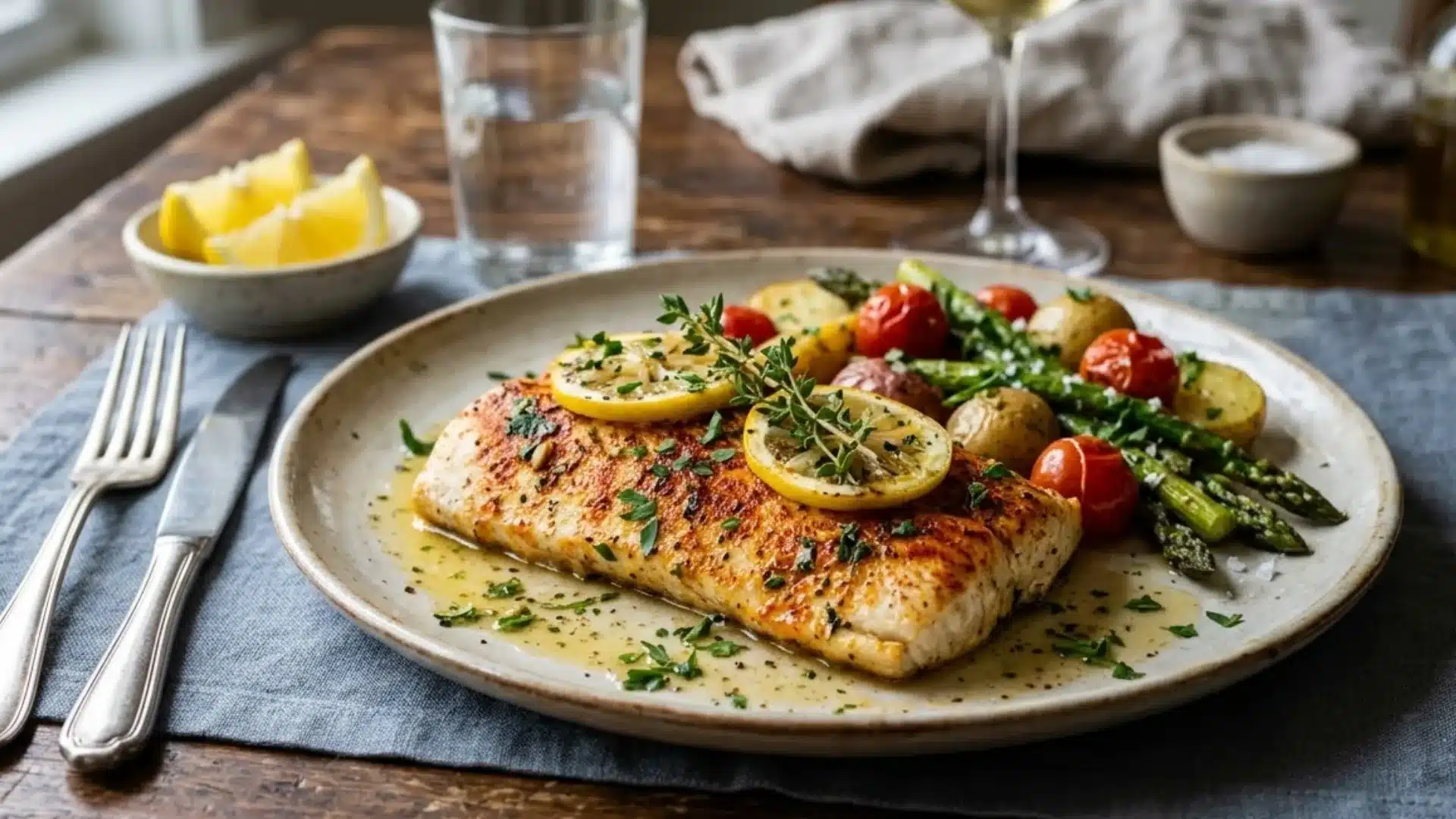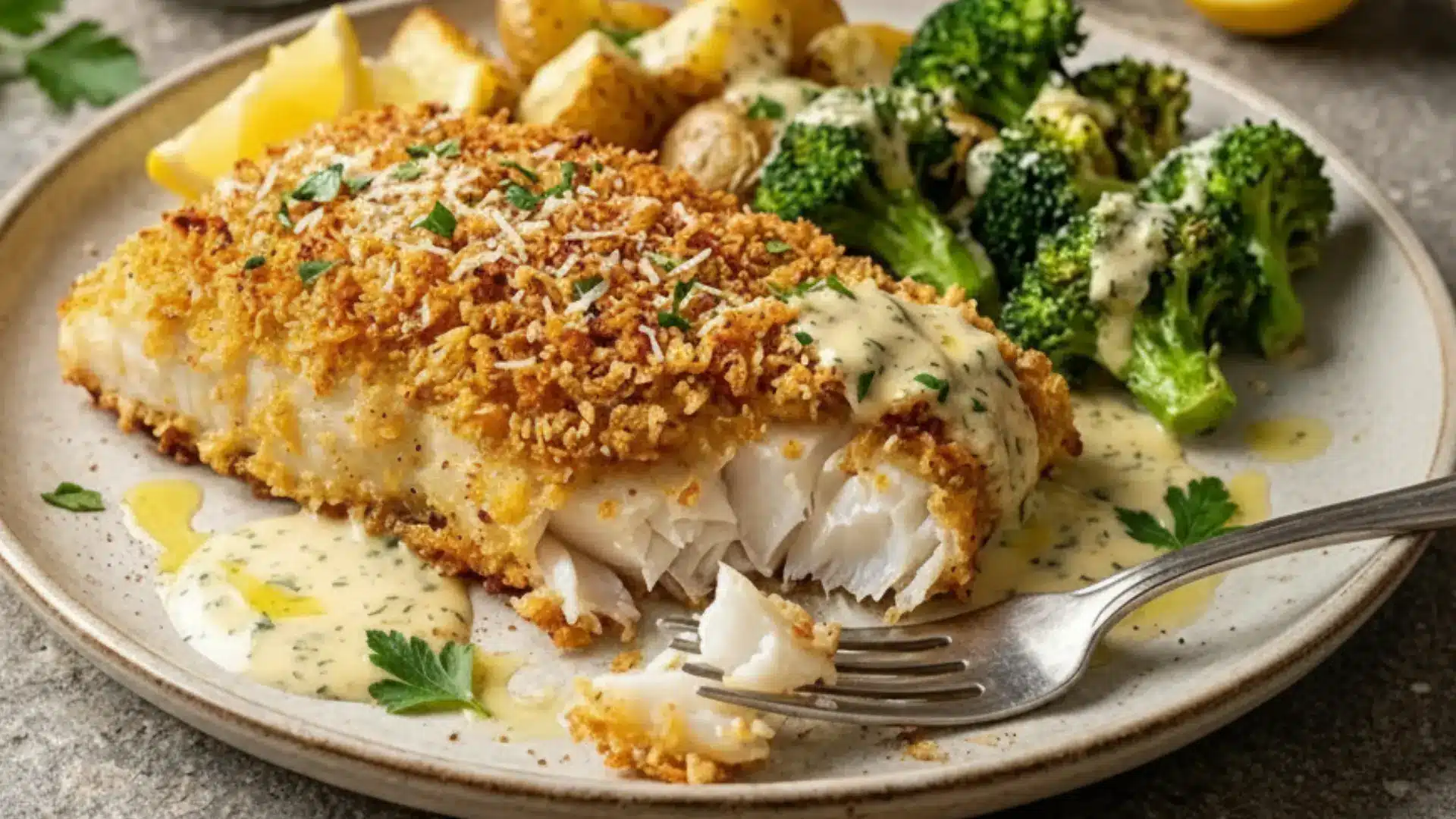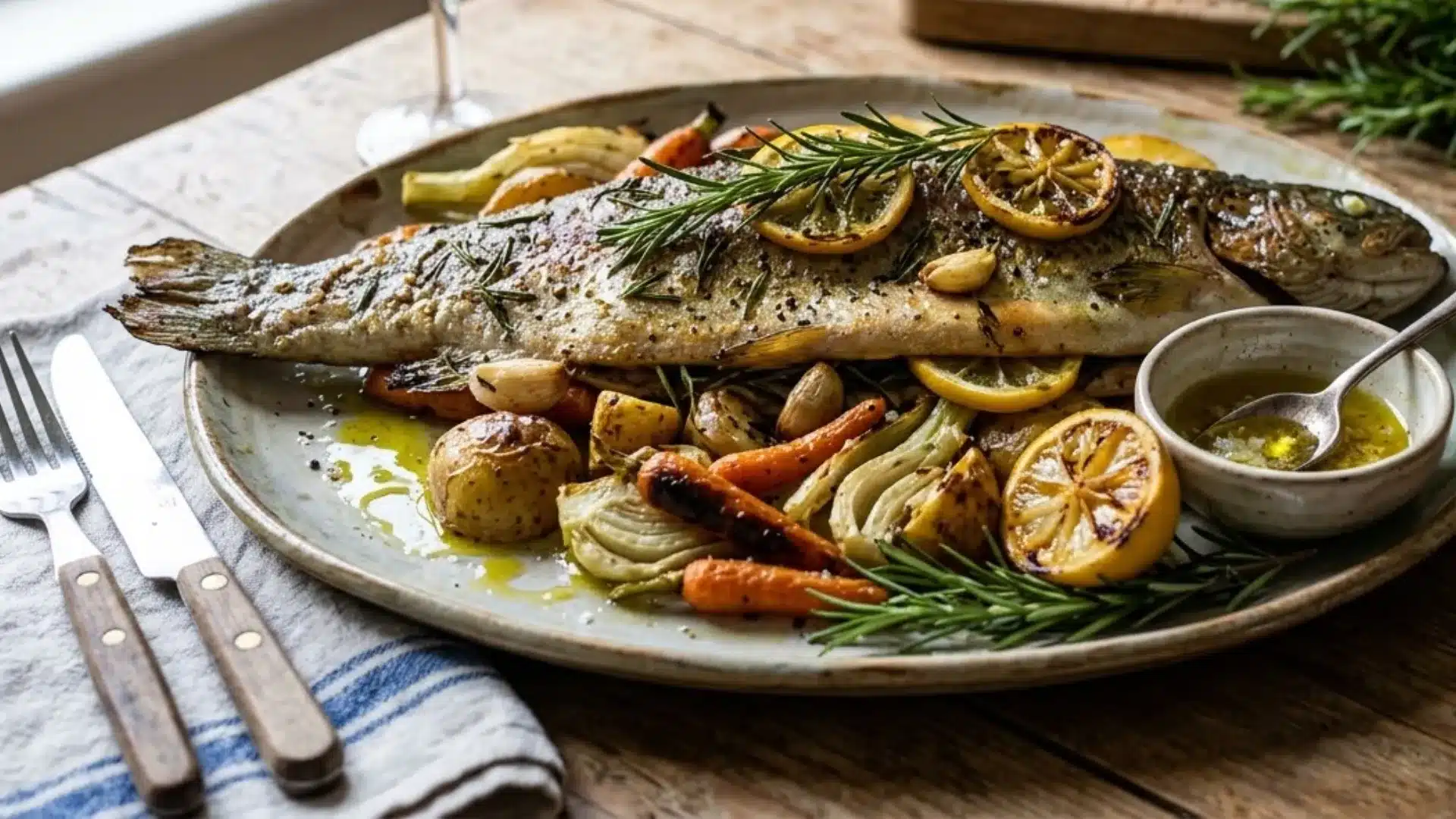


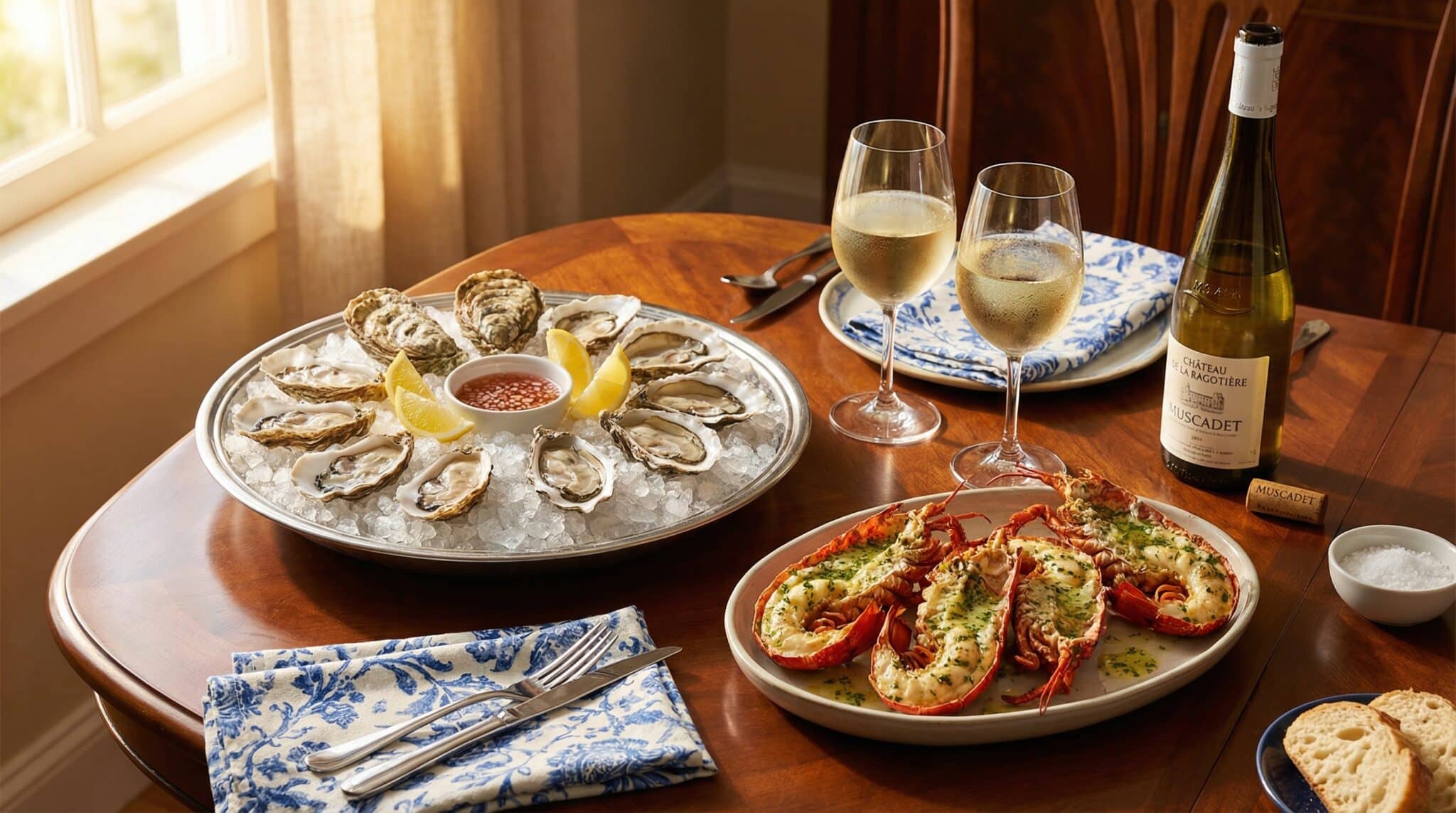
You know that moment when you set out a gorgeous platter of oysters or a big buttery lobster situation… and then you take a sip of wine and it’s like the bottle showed up dressed for a totally different event?
Yeah. That.
Most of us (me included) have done the “any white wine that’s already cold” method. And listen—sometimes it works fine. But “fine” is what I say about a beige cardigan, not about a seafood dinner I paid good money for (or lovingly overcooked while panicking).
The good news: pairing wine with shellfish is not hard. You just need a few simple rules, and you need to remember one very annoying truth:
You’re not pairing wine with shellfish. You’re pairing wine with the way you cooked it.
(The sauce is the boss. The pan has opinions. Etc.)
The only 3 rules you need (seriously)
1) Match the “weight”
Think of it like volume. Delicate shellfish = delicate wine. Rich, buttery, breaded, creamy shellfish dishes = wine with a little more oomph.
If your wine is yelling and your oyster is whispering… everyone loses.
2) Acidity is basically lemon in a glass
That bright, mouthwatering zing in a wine? It cuts butter, lifts brine, and keeps fried food from feeling like a nap. It’s the cleanup crew for your palate. (Bless.)
3) Pair the sauce, not just the sea
A plain steamed clam is a totally different creature than a clam bathing in cream sauce. Same clam. Different life choices.
If you remember nothing else, remember this: pair the sauce, not just the sea.
My cheat sheet: what to pour with what (without spiraling)
If you want the quick and dirty version, here you go:
- Raw oysters: Muscadet, Chablis, Champagne
Crisp, briny friendly, no weird flavor wrestling.
- Mussels: Muscadet, Albariño, Sauvignon Blanc
Works with that sweet briny thing mussels do, and it plays nice with white wine broths.
- Clams (especially with pasta): Pinot Grigio, Vermentino, Albariño
Light, fresh, doesn’t bulldoze delicate flavor.
- Shrimp: Sauvignon Blanc, dry rosé, off dry Riesling (if spicy)
Shrimp is a chameleon—pair to the seasoning.
- Lobster: Chardonnay (unoaked or oaked depending on butter levels), Champagne
It can handle body because lobster is basically luxury in food form.
- Crab: Chablis, unoaked Chardonnay, Champagne
Clean and bright so the sweet crab meat gets to be the star.
- Scallops: Chardonnay or Champagne
Raw = lean and crisp; seared = you can go a little fuller.
Now let’s talk about the part that actually makes or breaks everything…
Cooking method: the plot twist in every pairing
Shellfish is a blank canvas. Your cooking method is the paint. (And sometimes the paint is “garlic butter,” which I support wholeheartedly.)
Here’s how I choose a bottle based on what’s happening in the pan:
Raw + chilled: go super crisp, no oak
This is where Muscadet shines—bone dry, high acid, kind of mineral-y in a “licked a seashell but in a classy way” vibe.
Also great: Chablis and Albariño.
If you’re doing oysters, Champagne is never a bad idea. (Financially? Maybe. Spiritually? Never.)
Steamed: match the broth
- White wine / garlic / herbs: Sauvignon Blanc is great (Loire Valley or New Zealand—both bring that citrusy snap).
- Want the shellfish to do all the talking? Pinot Grigio can be delightfully “neutral” (and yes, neutral can be a compliment).
Fried: bubbles, bubbles, bubbles
Fried seafood + sparkling wine is one of life’s unfair advantages.
Go with Champagne, Cava, or Prosecco—the bubbles cut through oil like a tiny scrub brush for your tongue. If you don’t want bubbles, go very crisp: Sauvignon Blanc.
Grilled: you can handle a little more structure
Char and smoke can take a slightly bigger wine without collapsing into sadness.
Try:
- Dry rosé (especially Provence style)
- Vermentino
- A fuller Chardonnay if you’re into it
Also: sparkling rosé with a grilled seafood spread is a crowd pleaser that makes you look like you have your life together.
Butter/cream sauce: bring in the Chardonnay (yes, really)
When butter shows up, you need a wine that won’t get shoved into a locker.
- Oaked Chardonnay is great with buttery lobster or creamy scallops.
- Unoaked Chardonnay/Chablis if you want body but still crisp.
- Viognier can be lovely with creamy, richer seafood too.
Spicy shellfish: you need a little sweetness (don’t panic)
If you’re doing Cajun shrimp, Thai curry mussels, or anything with real heat, your best friend is off dry Riesling. The touch of sweetness calms the fire, and the acidity keeps it from tasting syrupy.
(And yes, Gewürztraminer can be fantastic with ginger/lemongrass-y flavors if you like that aromatic thing.)
Two tiny “serve it right” tips that matter more than they should
1) Cold wine is your friend (but not arctic)
Aim for 45-50°F for whites/rosé. Translation: fridge cold is good, but let it sit out about 10 minutes before pouring so it actually tastes like something.
2) You don’t have to spend a fortune
Some of the best shellfish wines are happily affordable:
- Muscadet: usually ~$12-18
- Albariño: often ~$15-20
- Cava: frequently under $15
You can eat fancy without spending like a cartoon villain.
Three wine mistakes that will absolutely ruin your night
1) Tannic red wine with shellfish
Tannins + shellfish can go metallic and weird fast. That big Cabernet can make your scallops taste… not great. Save the reds for steak night.
2) Heavy oak with delicate shellfish
Oaky vanilla toast flavors can steamroll briny, clean seafood. Keep the big oaked Chardonnay for butter heavy dishes like Dungeness crab dinner ideas, not raw oysters.
3) Sweet wine (unless it’s spicy food)
Sweet + shellfish usually = the seafood disappears. Off dry works with heat. Dessert sweet with oysters is a crime I cannot support.
Okay, now go be a pairing genius
Here’s your simplest takeaway: keep it crisp for raw/steamed, go bubbly for fried, go fuller for butter/cream, and grab off dry Riesling when things get spicy.
And if you’re at a restaurant and want to sound effortless, just say:
“I’m having the shellfish—can you recommend something crisp and bright?”
(If you want to be extra specific: mention Chablis or Albariño and watch how fast you get treated like you own matching linen napkins.)
Now go pour something cold, squeeze a lemon over whatever you made, and know how long leftovers keep and let your shellfish have its main character moment.