

I remember the first time I saw those tiny, dark fish on a pizza. And honestly, I had no clue what they were.
Anchovies.
Most of us have heard the name. Some people love them. Others won’t touch them.
But what exactly are anchovies? Where do they come from? And why do they create such strong reactions?
Let me walk you through everything I’ve learned about these small but powerful fish.
So, What are Anchovies?
Anchovies are small, oily fish from the Engraulidae familythat live in saltwater environments.
These fish are tiny. They grow between 2 to 10 inches long.
There are over 140 different species. You’ll find them in oceans all around the world. They feed on plankton and other tiny organisms.
The European anchovy is the type most people eat.
Here’s something that surprised me. Fresh anchovies taste mild and slightly sweet. Not what you’d expect, right?
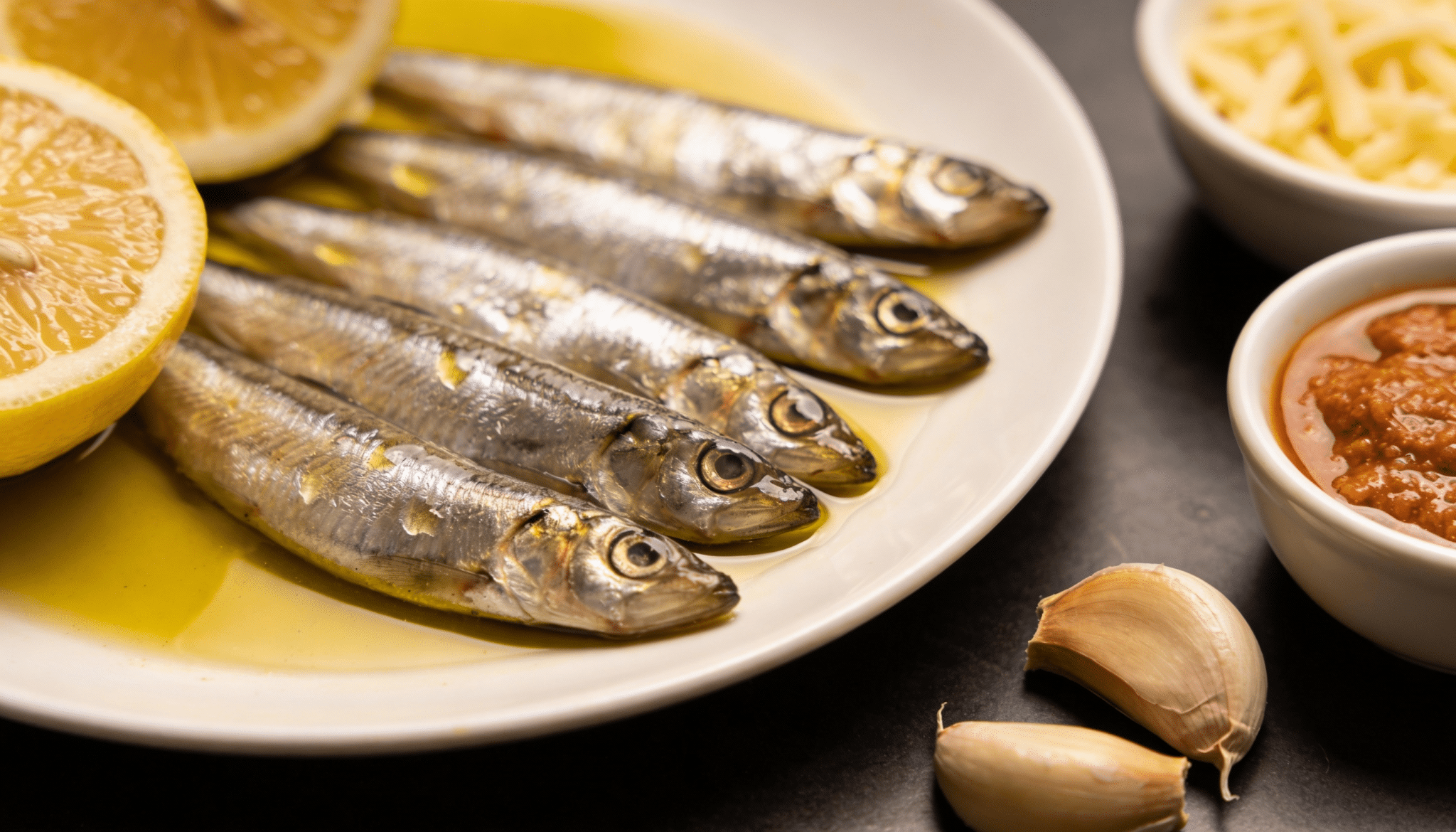
But most of us don’t eat them fresh. We know them in their preserved form. Some are salt-cured. That’s what gives them that strong, salty punch. Others come packed in oil.
The preservation process completely changes their flavor.
Characteristics of Anchovies
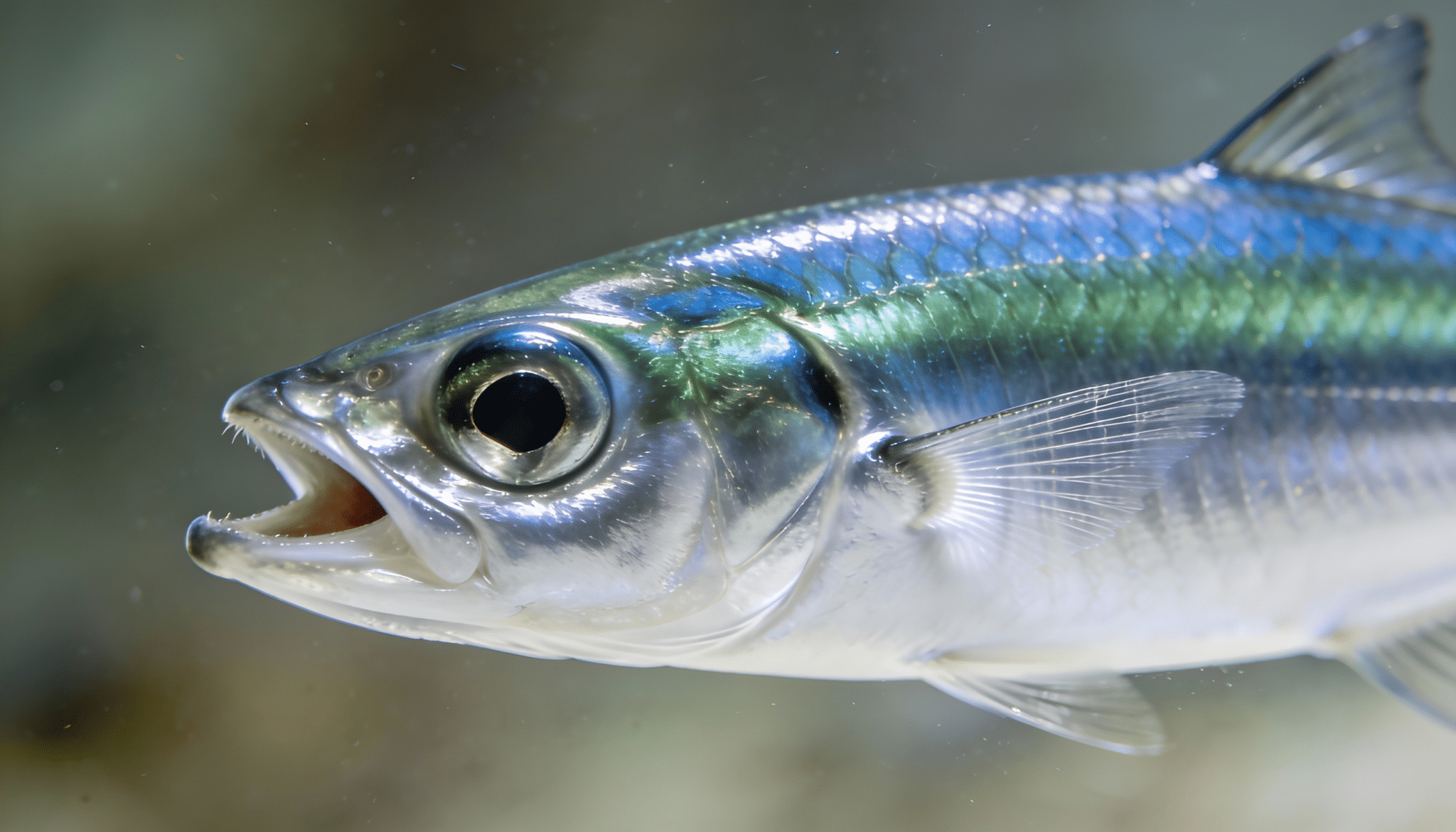
Anchovies have streamlined, silvery bodies with blue or green tints on top and white undersides.
Their large mouths extend past their eyes, and they sport a single dorsal fin along their backs, helping them move quickly through water and feed efficiently.
You’ll find anchovies in temperate and tropical oceans worldwide. They prefer coastal waters and shallow seas, rarely venturing deeper than 400 feet.
The Mediterranean Sea, Black Sea, and both Atlantic and Pacific coasts host large populations.
Anchovies are social creatures that travel in massive schools. And this protects them from predators like tuna, seabirds, and dolphins.
How are Anchovies Prepared and Preserved?
Fresh anchovies don’t last long, so preservation is key.
The most common methods include:
Salt-Curing
- Fishermen clean the fish and remove heads
- Layer them with sea salt in barrels
- Press under heavy weights for several months
- This draws out moisture and creates that signature bold, umami-rich flavor
Oil-Packed Anchovies
- Fish undergo initial salt curing
- They’re rinsed thoroughly and filleted
- Stored in olive oil or vegetable oil
- Offers a gentler, mellower taste than salt-cured
Other Preservation Methods
- Anchovy paste blends the fish with oil and seasonings into a smooth spread
- Sun-dried anchovies create crispy snacks or stock ingredients
- Some are marinated in vinegar for a tangy flavor
Each preservation method changes the flavor, giving you different options for cooking and eating.
Why do Anchovies Taste so Strong?
I’ve noticed something interesting about anchovies. Fresh ones taste completely different from the preserved kind.
Fresh anchovies are mild. They have a slightly sweet flavor. Some people even call them delicate.
So why do most anchovies taste so strong?
It’s all about preservation.
Salt-cured anchovies pack an intense punch. The curing process concentrates the flavor. You get that deep, salty taste.
I tried one straight from the tin once. Worst idea ever. Had to grab water immediately. Now I know better; these things need to be mixed into food, not eaten alone.
Oil-packed anchovies are different. They’re still salty and savory. But the oil softens the intensity. The flavor becomes smoother, easier to handle.
Here’s how I think about it. Preserved anchovies are like sardines, but stronger. More concentrated.
The preservation method transforms them completely.
Different Types of Anchovies
Not all anchovies are the same, so let me break down the main types you’ll come across.
European Anchovies
These are the most common ones. You’ll find them in Mediterranean dishes. They’re the standard anchovies on pizzas and in Caesar salads.
Most canned anchovies in stores are European anchovies.
Spanish Anchovies (Boquerones)
Spain does anchovies differently. Boquerones are white anchovies marinated in vinegar.
They taste milder than the salt-cured ones. Less intense. Some people prefer them because they’re not as salty.
Italian Anchovies
Italy produces some of the finest preserved anchovies. They’re usually salt-cured and packed in oil.
Italian anchovies tend to have a richer flavor. The curing process is traditional and careful.
Oil-Packed vs. Salt-Packed
I made a mistake here once. I grabbed salt-packed anchovies thinking they’d be the same as the oil-packed ones I usually buy.
They weren’t.
Salt-packed anchovies come whole. You need to rinse and fillet them yourself. They have the strongest flavor. Way stronger than I expected.
Oil-packed ones are ready to use. They’re already filleted. The oil makes them softer and less salty.
Now I always check the label before buying. Each type works better for different dishes.
Dishes You Can Make from Anchovies
Anchovies work magic in the kitchen, often without anyone knowing they’re there.
1. Caesar Salad Dressing
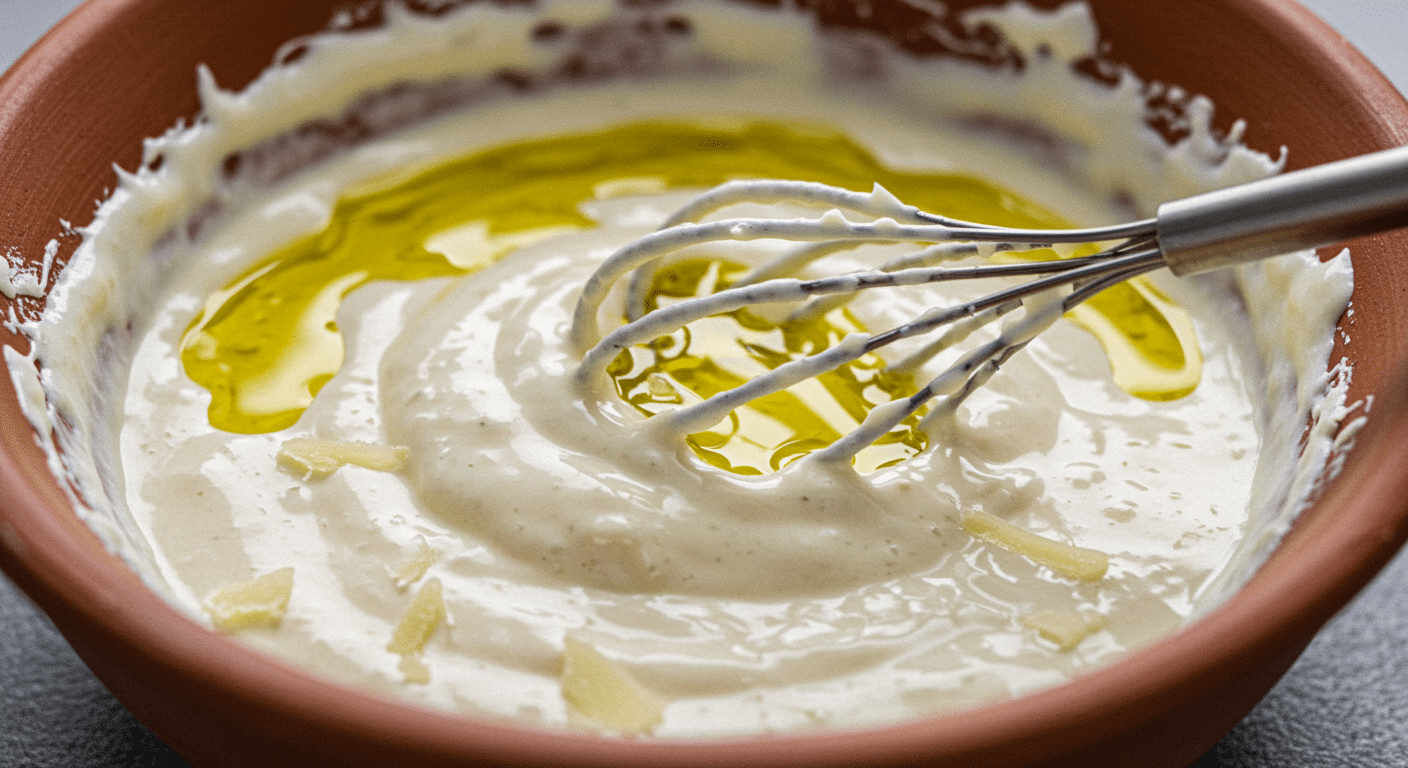
This dressing gets its rich taste from anchovies.
I made this for a friend who swore she hated anchovies. She finished her entire salad and asked what made the dressing taste so good. When I told her, she didn’t believe me at first. Now she makes it at home too.
Prep Time:5 minutes
Total Time:5 minutes
Ingredients
- 4-5 anchovy fillets (oil-packed)
- 2 garlic cloves
- 2 tablespoons lemon juice
- 1 teaspoon Dijon mustard
- 1/2 cup grated Parmesan cheese
- 1/2 cup olive oil
- Black pepper to taste
Cooking Instructions
I mash the anchovies and garlic together first. Use a fork. Make it into a paste.
Add the lemon juice and mustard. Mix well.
Stir in the Parmesan cheese.
Slowly pour in the olive oil while whisking. The dressing will get creamy.
Add black pepper.
The anchovies melt completely into the dressing. You won’t taste fish. Just a savory depth that makes people ask for the recipe.
2. Anchovies Pizza
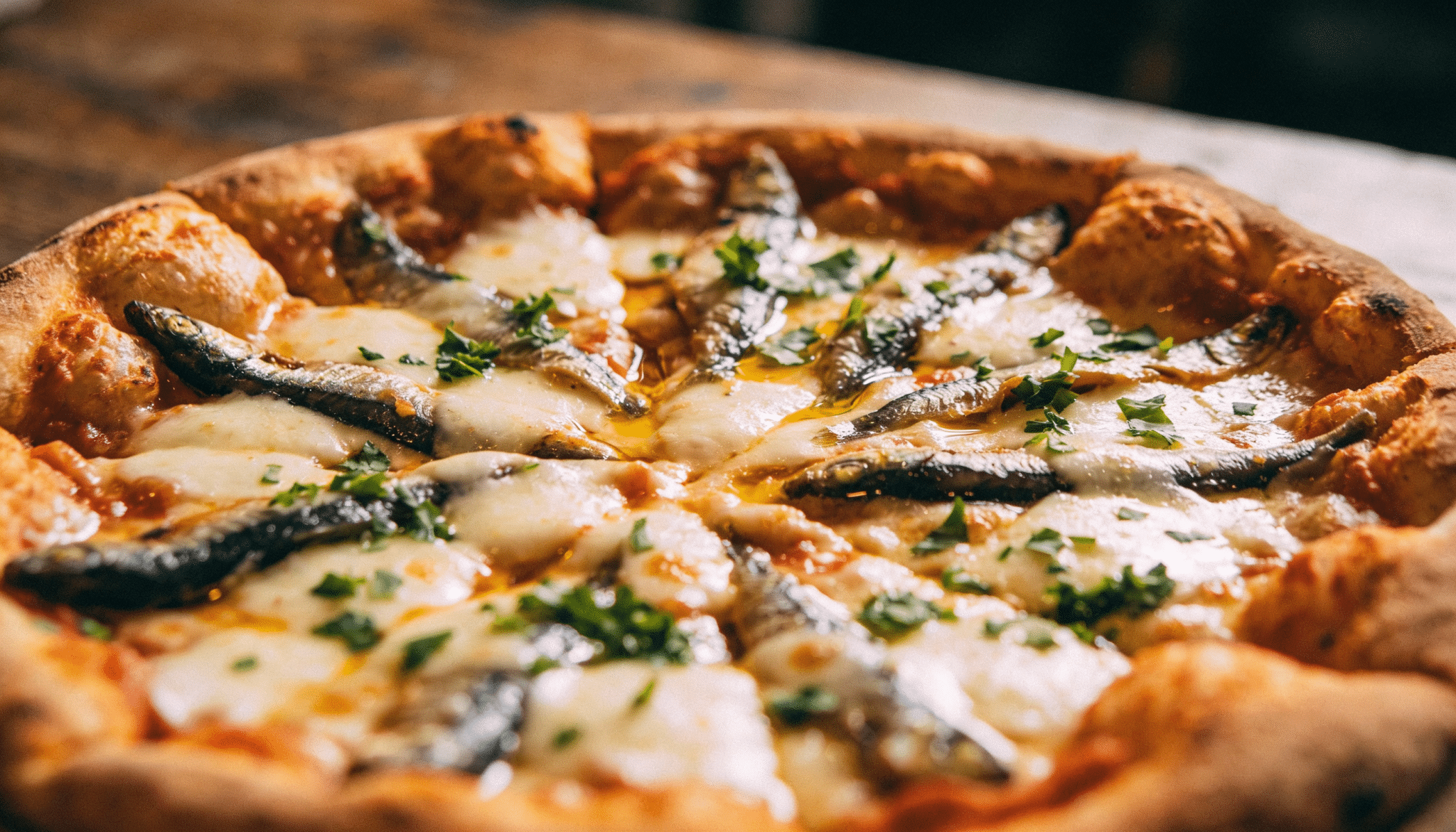
Some people pick them off. I pile them on.
Prep Time:15 minutes
Total Time:30 minutes
Ingredients
- 1 pizza dough (store-bought or homemade)
- 1/2 cup tomato sauce
- 1 cup shredded mozzarella
- 8-10 anchovy fillets
- 1/4 cup sliced black olives
- 1/4 red onion, thinly sliced
- 1 tablespoon capers (optional)
- Olive oil for drizzling
Cooking Instructions
Preheat your oven to 475°F.
Roll out the pizza dough on a floured surface.
Spread the tomato sauce evenly. Leave about half an inch around the edges.
Add the mozzarella cheese.
Lay the anchovy fillets on top. Space them out. I usually do 2-3 per slice.
Tip: Don’t add too many anchovies your first time. I got excited once and covered the entire pizza. It was way too salty. Start with fewer. You can always add more next time.
Add the olives, red onion, and capers if you’re using them.
Drizzle a little olive oil over everything.
Bake for 12-15 minutes. The crust should be golden. The cheese should bubble.
The oven heat softens the anchovies. They add a salty, briny bite that balances the cheese perfectly.
Find more anchovy pizza recipes here: 4+ Recipes to Choose From
3. Bagna Cauda
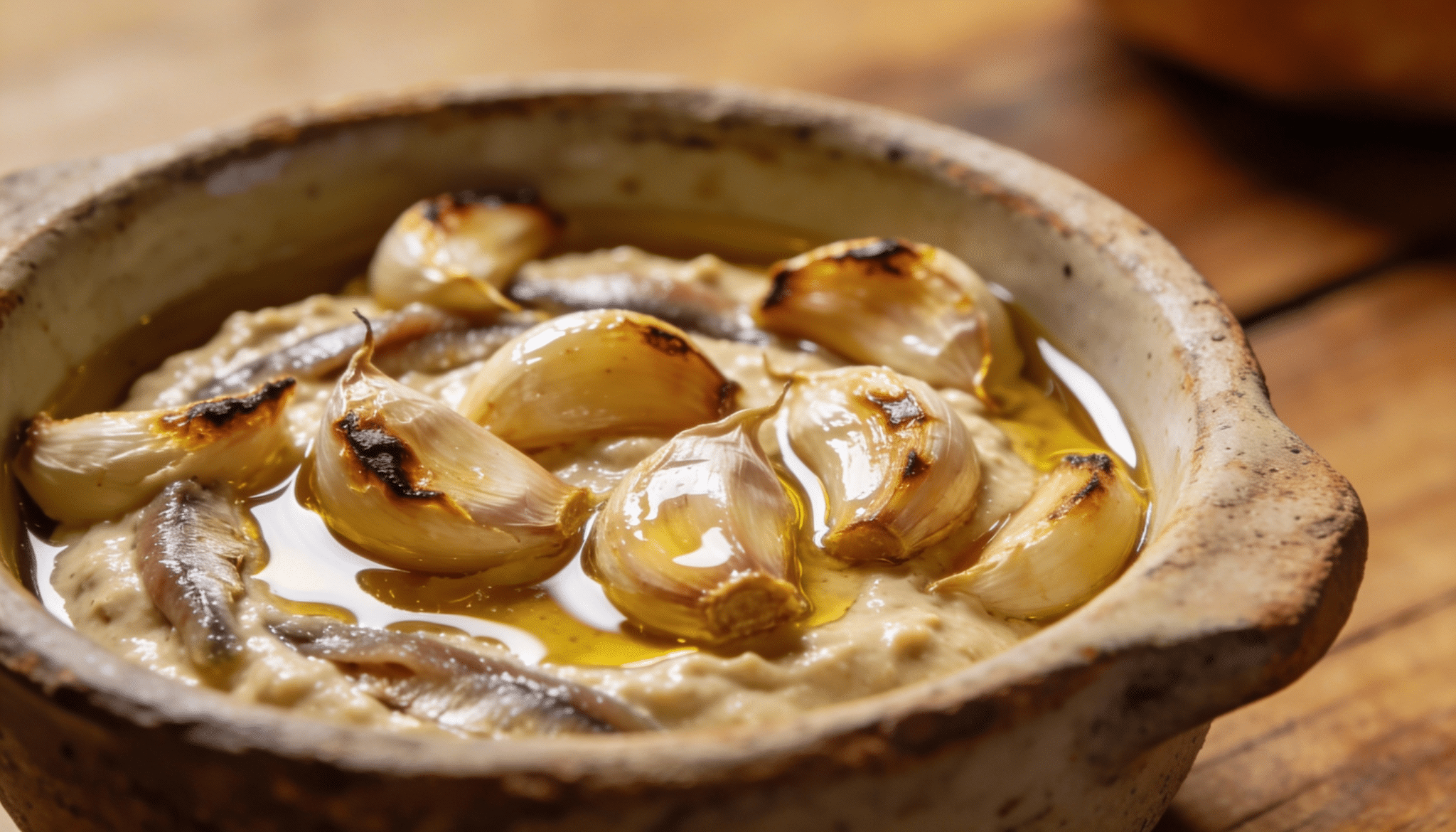
This is a warm Italian dip. I first tried it at a friend’s house and couldn’t stop eating it.
Prep Time:5 minutes
Total Time:15 minutes
Ingredients
- 10-12 anchovy fillets (oil-packed)
- 6 garlic cloves, minced
- 4 tablespoons butter
- 1/2 cup olive oil
- Fresh vegetables for dipping (carrots, bell peppers, celery, cauliflower)
- Crusty bread, sliced
Cooking Instructions
Put the butter and olive oil in a small saucepan. Use low heat.
Add the minced garlic. Let it cook for 2-3 minutes. Don’t let it brown.
Add the anchovies. Stir constantly. The anchovies will start to break down. They’ll melt into the oil and butter.
Keep stirring until you have a smooth sauce. This takes about 5-7 minutes.
Transfer to a serving bowl. Keep it warm.
Serve with raw vegetables and bread for dipping.
The anchovies dissolve completely. What you get is a rich, savory dip that’s perfect for sharing.
Are Anchovies Healthy?
Here’s what you get per 3-ounce (85g) serving.
| Nutrient | Amount | Benefit |
|---|---|---|
| Calories | 111 | Low-calorie protein source |
| Protein | 17g | Builds and repairs muscles |
| Omega-3s | 1.4g | Heart and brain health |
| Calcium | 147mg | Strengthens bones |
| Iron | 2.6mg | Prevents anemia |
| Vitamin B12 | 4.2mcg | Boosts energy levels |
| Selenium | 36mcg | Supports the immune system |
| Sodium | 2,900mg | Very high (salt-cured) |
Omega-3 fatty acidsreduce inflammation, protein supports muscle growth, and vitamins boost overall health.
Salt-cured anchovies contain extremely high sodium levels, which can spike blood pressure.
Always rinse cured anchovies before using them, if blood pressure concerns you.
Can you Eat Anchovies on Their Own?
Yes, you can definitely eat anchovies straight from the tin or plate. In Mediterranean countries, people enjoy them solo all the time. Oil-packed anchovies work best for eating directly.
Best to try them on crackers, toast, or alongside cheese and olives for a simple appetizer.
If you’re new to anchovies, start with oil-packed types.
Buying Good Quality Anchovies at the Store
Check the label first. Good anchovies list simple ingredients. Fish, salt, and oil. That’s it. Avoid anything with preservatives or weird additives.
Glass jars are better than tins. You can see what you’re getting. The fish should look whole, not mushy or broken.
Spanish and Italian brands are usually reliable when it comes to buying good quality anchovies. They cost more, but the quality shows.
And don’t forget to look at expiration date. Fresh matters, even with preserved fish.
Don’t go for the cheapest option. Trust me on this. Good anchovies are worth the extra dollar or two.
Are Anchovies and Sardines the Same?
Nope. They’re not the same fish.
I used to think they were. Just different sizes, right? Wrong.
Both are small and oily. Both come in tins. That’s where the similarities end.
Sardines are bigger. Usually around 6 inches or more. Anchovies are tiny, maybe 2-4 inches tops.
The taste is totally different as well.
Sardines are mild enough to eat straight from the can. I’ve done it plenty of times. But anchovies? Way too salty for that. They’re meant to flavor your food, not be the main event.
Sardines vs Anchovies
| Feature | Anchovies | Sardines |
|---|---|---|
| Size | 2-4 inches long | 4-8 inches long |
| Flavor (fresh) | Mild, slightly sweet | Mild, buttery, less fishy |
| Flavor (preserved) | Intensely salty, strong umami | Milder, balanced saltiness |
| Texture | Soft, dissolves easily | Firmer, meatier |
| Best used for | Sauces, dressings, pizza toppings | Eating straight, on crackers, salads |
| Price | Generally cheaper | Usually more expensive |
| Omega-3 content | High | Very high |
| Sodium levels | Very high (when cured) | Moderate to high |
Both fish offer nutrition, but sardines are easier to eat on their own, while anchovies are flavor enhancers.
Also Read: How to Eat Sardines – 21 Best Ways to Choose From
Tips on How to Buy and Store Anchovies
Making the right choices at the store and storing them properly keeps anchovies fresh and flavorful.
Buying Tips
- Check expiration dates on tins and jars
- Look for anchovies packed in olive oil for better quality
- Choose glass jars to see the fish’s condition
- Buy salt-packed for intense flavor
- Fresh anchovies should smell like the ocean, not fishy
- Go for reputable brands from Spain, Italy, or Portugal
Storage Tips
- Unopened tins last 1-2 years in the pantry
- Once opened, transfer to airtight containers
- Keep oil-packed anchovies completely submerged in oil
- Add extra olive oil if needed to cover them
- Store in the refrigerator for up to 2 months
- Salt-cured varieties stay fresh longer when kept in salt
- Fresh anchovies must be used within 1-2 days
- Anchovy paste lasts 6 months refrigerated after opening
Wrapping It Up
Anchovies aren’t really my thing when eaten straight from the tin. But I’ve found they can do something special when I use them in cooking.
They add this savory depth I can’t quite get from anything else. That’s why I always keep some around now.
If you see anchovies on a menu or at the store, maybe give them a try.
I’d suggest starting small. Mix a little anchovy paste into your pasta sauce. Or let a few fillets melt into your salad dressing.
You might end up liking them more than you thought.
Because I know I did.
Frequently Asked Questions (FAQ’s)
1. Are Anchovies Raw Fish?
No. Most anchovies you buy are cured in salt or preserved in oil. Fresh anchovies exist, but they’re rare in stores.
2. What Fish is Closest to Anchovies?
Sardines are the closest. Both are small, oily fish. But sardines are bigger and taste milder than anchovies.
3. Does Tuna Eat Anchovies?
Yes. Tuna eat anchovies in the wild. Anchovies are a common food source for larger fish like tuna.
4. What is the Healthiest Canned Fish to Eat?
Sardines and salmon are healthiest. They’re high in omega-3s and low in mercury compared to other canned fish.