
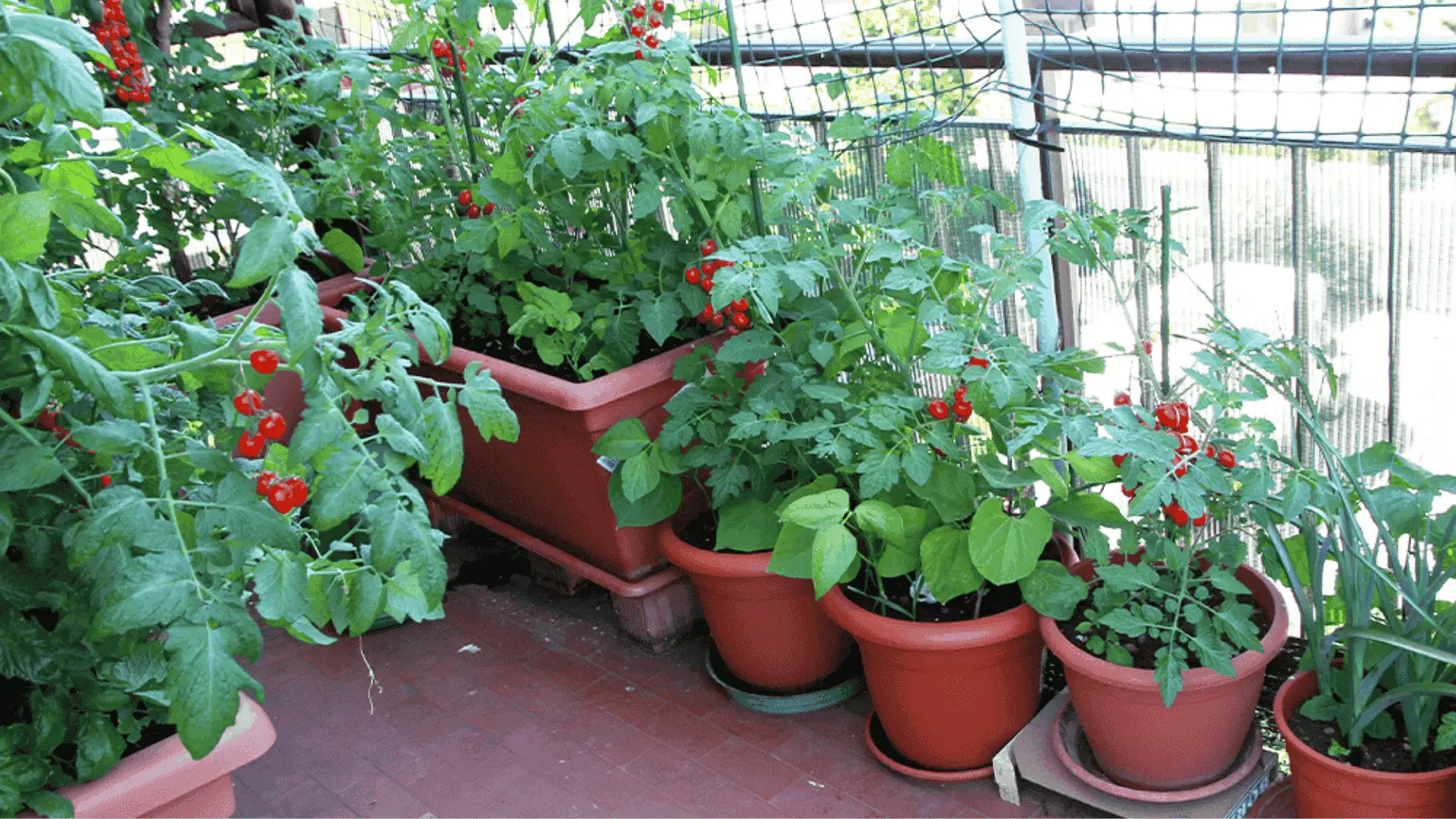
The first tomato from my balcony pot was small, lopsided, and the best thing I’d eaten all summer.
It was small, a little uneven, but I grew that. On a balcony. In a pot. That moment changed how I think about growing food at home. I don’t have a garden.
I have a balcony, a few pots, and just enough sunshine to make it work.
And over time, I’ve figured out which vegetables actually thrive in containers and which ones just waste your time.
In this blog, I’ll share the best vegetables to grow in pots, based on what I have tried and grown.
If you have a balcony or patio, you have everything you need to get started.
What Kind of Soil is Best for Growing Vegetables?
Picking the right soil made a real difference for me.
I realized this after my first batch of pot-grown vegetables barely survived the season. Regular garden soil is too heavy for pots. It effectively blocks drainage, suffocating vegetable roots rather than allowing them to spread.
What actually works?
A good quality potting mix. It’s lighter, drains well, and gives roots the room they need to grow.
I also mix in some compost. It feeds the plants naturally and keeps the soil from drying out too fast.
Get the soil right first. Everything else gets a lot easier after that.
Container Vegetable Gardening
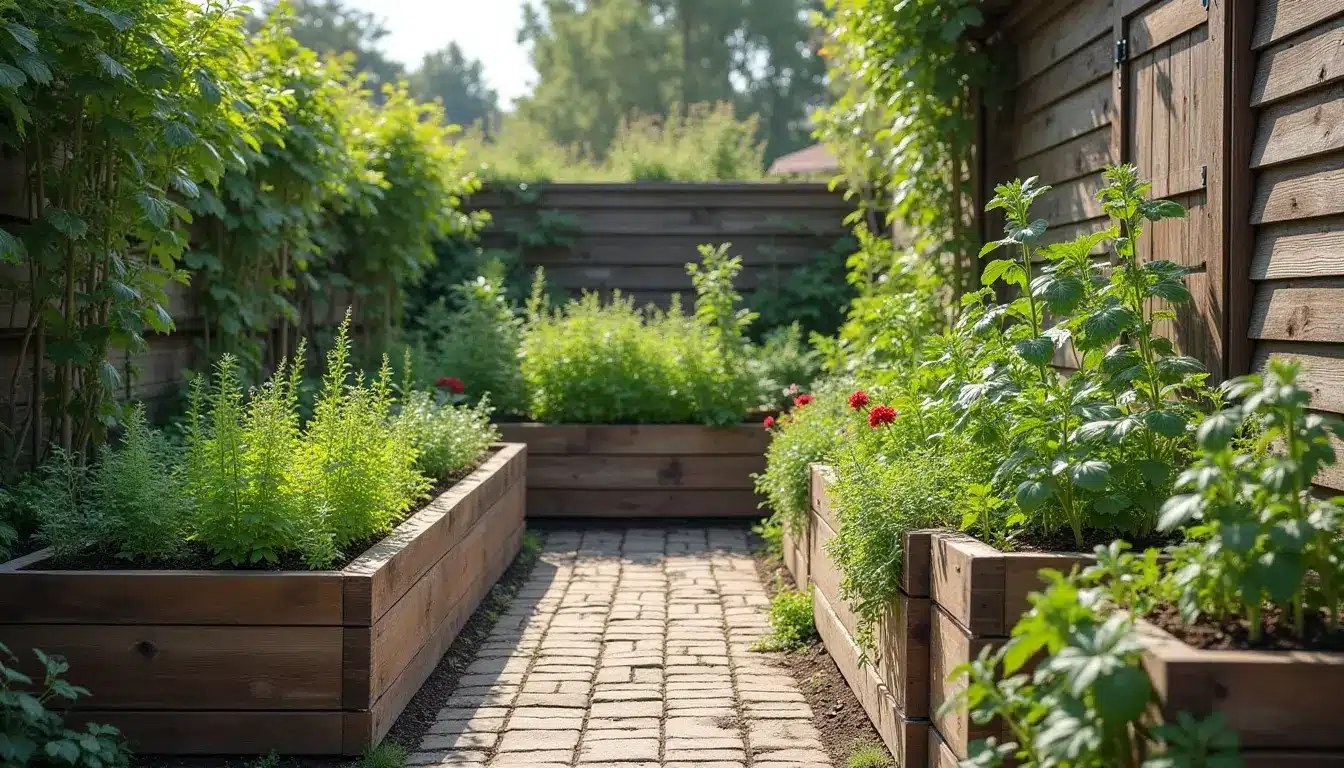
alt text: A garden with wooden planters displaying an array of plants for container vegetable gardening
Container vegetable gardening means growing vegetables in pots, boxes, or other containers rather than in the ground. It works perfectly for small spaces, such as balconies and patios.
You control the soil, the sunlight, and the water. It’s specific, flexible, and great for beginners.
Container Vegetable Garden Layout
Planning your layout matters more than you think. I place taller plants like tomatoes at the back.
Shorter ones like lettuce sit at the front. This way, every plant gets enough sunlight. Group pots close together but leave some breathing room between them.
A little planning upfront saves a lot of trouble later.
What Kind of Container Should You Use?
Choosing the right container is simpler than it sounds. Here’s a quick breakdown:
| Container Type | Best For | Key Benefit |
|---|---|---|
| Terracotta Pots | Tomatoes, Peppers | Good drainage |
| Plastic Pots | Lettuce, Herbs | Lightweight, affordable |
| Fabric Grow Bags | Root vegetables | Excellent air circulation |
| Window Boxes | Herbs, Salad greens | Space-saving |
| Wooden Crates | Multiple vegetables | Deep root space |
Benefits of Growing Vegetables in Pots
Growing vegetables in pots comes with more perks than most people expect.
- Full control over soil quality: You pick the soil. No compromise on nutrients or drainage.
- Easy to move around: Shift your pots to follow the sun or avoid bad weather.
- Less weeding involved: Container gardens attract far fewer weeds than traditional garden beds.
- Fewer pest problems: Pots keep many common ground pests away from your vegetables.
- Grow year-round indoors: Move pots inside during winter and keep harvesting through cold months.
- Water goes exactly where needed: No wastage. Every drop reaches the roots directly.
- Great for beginners: Starting small in containers builds confidence without feeling too crushed.
How to Choose a Suitable Location
Location can make or break your container garden.
I always look for a spot that gets at least 6 hours of direct sunlight each day. My balcony faces south, and that has worked really well. Keep pots away from strong winds.
Good air circulation helps, but strong gusts can quickly damage your plants.
Best Vegetables to Grow in Pots
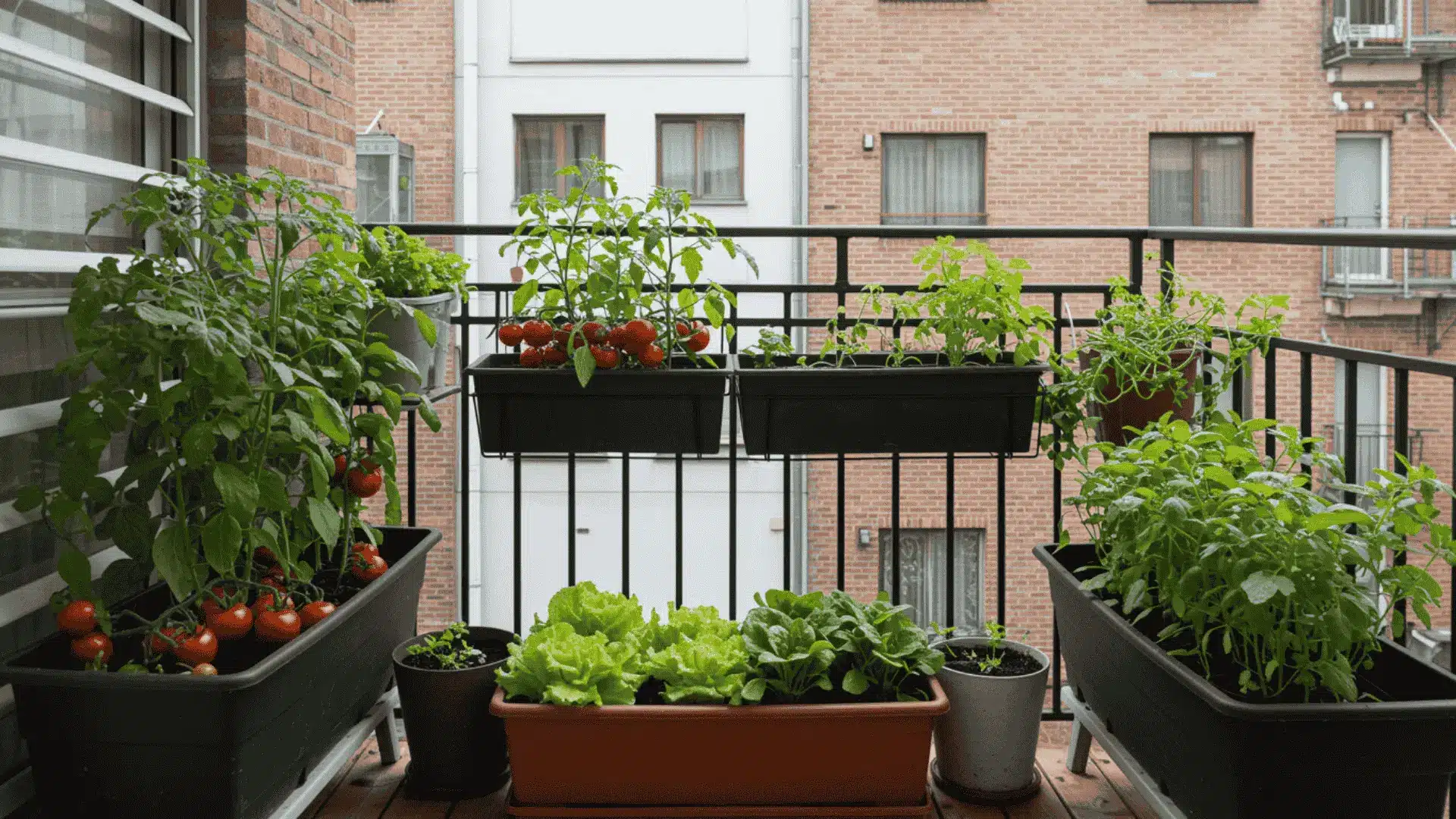
alt text: A balcony container garden with lush tomato plants, bright green lettuce, and leafy herbs growing in various pots
You don’t need a big garden to grow fresh vegetables. These are my top picks for pots.
1. Tomatoes
Tomatoes are one of the best vegetables to grow in pots. I grow mine in large 5-gallon containers.
They need full sun and regular watering. Choose compact varieties like Cherry or Roma for the best results. They produce well and fit perfectly on a sunny balcony or patio.
2. Peppers
Peppers love hot weather and plenty of sunshine. A medium-sized pot works well for most varieties. They take a little patience but reward you with a generous harvest.
I keep mine on the sunniest part of my balcony throughout summer for the best results.
3. Lettuce
Lettuce grows fast and doesn’t need deep pots.
A shallow container works perfectly. I harvest outer leaves regularly, and the plant keeps producing. It prefers cooler temperatures, making it great for spring and autumn growing.
Perfect for windowsills and small outdoor spaces alike.
4. Spinach
Spinach is quick to grow and doesn’t demand much space. A wide, shallow container suits it perfectly.
It prefers cooler weather and partial shade during hot months.
I sow seeds directly into the pot and start harvesting fresh leaves within a few weeks.
Tip: Always use potting mix instead of garden soil in containers. It drains better and gives roots the space they need to grow properly.
Easy Vegetables to Grow in Pots
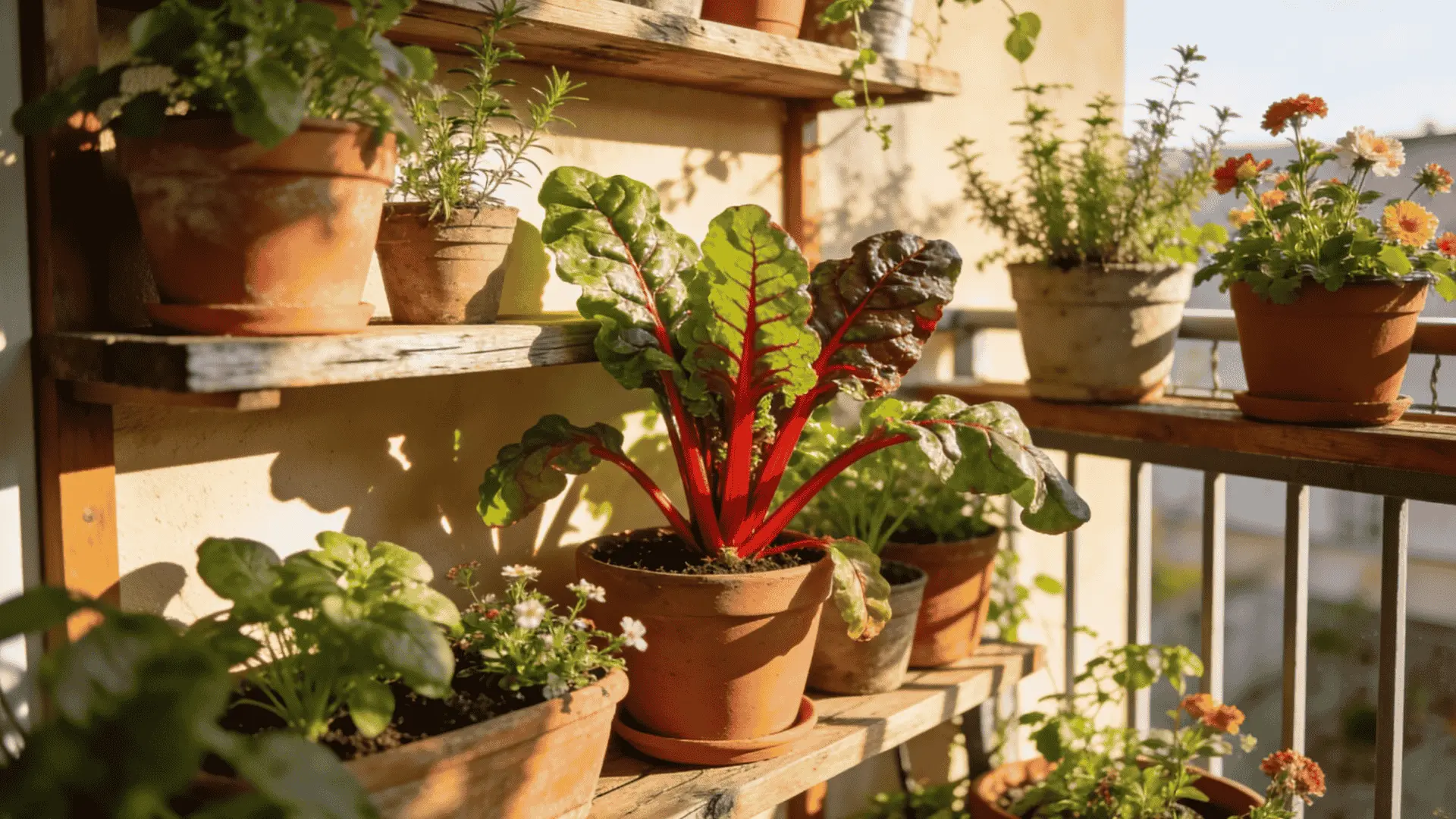
alt text: A sunny balcony with potted herbs and flowers on wooden shelves creating a cozy urban container garden
If you’re just starting out, these vegetables are forgiving, fast, and genuinely satisfying to grow.
5. Radishes
Radishes are one of the easiest and fastest vegetables to grow. They’re ready to harvest in as little as three weeks. A small, deep pot works well.
I grow them between other plants to make the most of my balcony space without any extra effort.
6. Green Onions
Green onions barely need any attention. A small pot by the window works perfectly.
I cut what I need, and they keep growing back. They don’t need deep soil or strong sunlight.
A great low-maintenance option for beginners who want quick results without much fuss.
7. Kale
Kale is tough and reliable. It handles cooler temperatures well and continues to produce leaves for months.
A medium pot with good drainage is all it needs. I grow it through autumn and into early winter on my balcony. It’s one of those plants that rarely disappoints.
8. Swiss Chard
Swiss chard is colourful, nutritious, and easy to manage in pots.
It grows well in medium containers and tolerates both sun and partial shade. I love how it brightens up my balcony while still giving me fresh greens to add to my meals every week.
Tip: Water your pots in the morning to help plants absorb moisture early and reduce root rot risk.
9. Beans (Bush Variety)
Bush beans are compact and perfect for containers. They don’t need staking like climbing varieties.
I plant them in a wide pot, and they produce well in the summer. They need regular watering and good sunlight.
A clear vegetable that delivers a solid harvest every single time.
Best Vegetables to Grow in Buckets
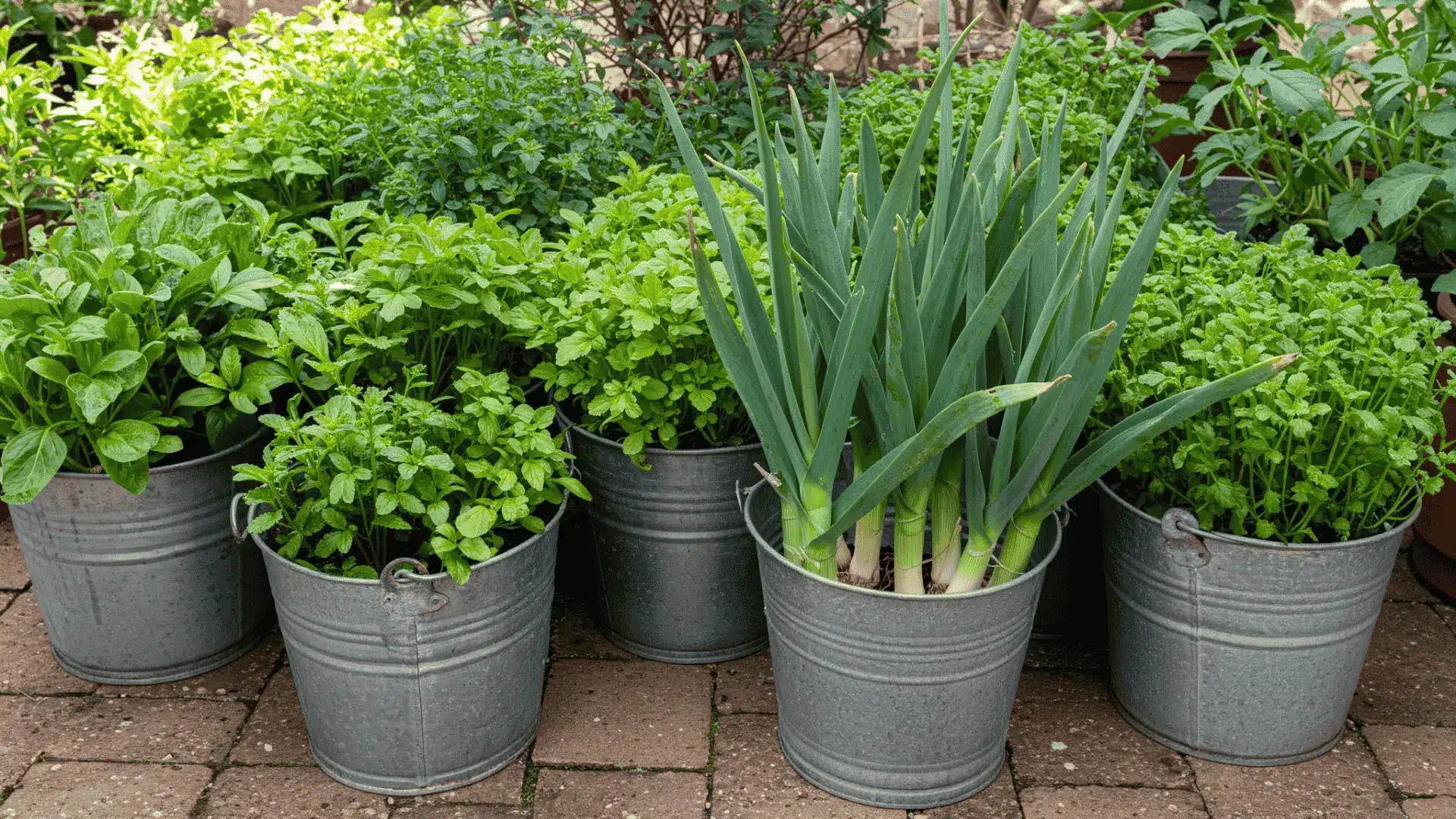
alt text: Buckets repurposed as planters sit on a sunny stone patio, for home vegetable gardening
Buckets are deeper than most pots, making them ideal for vegetables that need more root space.
10. Potatoes
Potatoes grow brilliantly in buckets. I fill a large bucket halfway with soil, plant the seed potatoes, and keep adding soil as the plant grows. It’s called hilling, and it greatly increases your harvest.
At the end of the season, just tip the bucket over and collect them.
11. Carrots
Carrots need depth, and buckets give them exactly that.
I use deep buckets filled with loose, well-draining potting mix. Shorter varieties like Chantenay work best in containers. They take around 70 days to mature, but the wait is worth it.
Home-grown carrots taste far better than store-bought ones.
12. Beetroot
Beetroot does really well in deep buckets. It needs loose soil to form properly shaped roots. I sow a few seeds per bucket and thin them out as they grow.
They don’t need much maintenance beyond regular watering. Both roots and leaves are edible.
13. Turnips
Turnips are underrated container vegetables. They grow well in deep buckets and don’t need much fuss.
I sow seeds directly and thin them once they sprout. They prefer cooler weather and mature fairly quickly.
A solid choice if you want something different from the usual options.
Tip: Drill extra drainage holes in your buckets’ bottoms to prevent waterlogging, a common cause of container vegetable failure.
14. Leeks
Leeks grow well in deep buckets with rich soil. They take a little longer to mature, but are worth the wait. I plant them in groups and keep the soil consistently moist.
They handle cooler temperatures well, making them a great option for late-season container growing on a patio.
Best Vegetables to Grow in Pots Outside
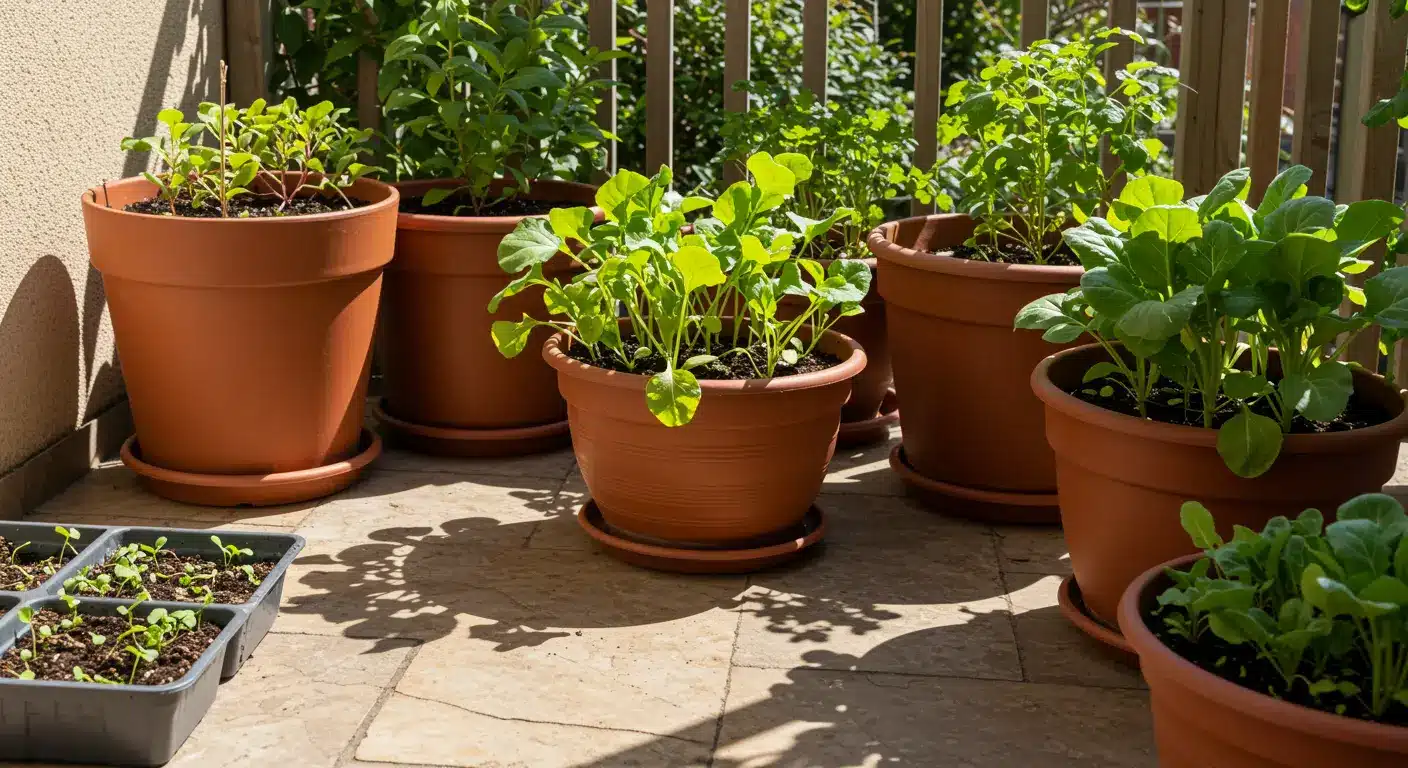
alt text: Outdoor patio featuring various lush vegetable plants and herbs growing in rustic terracotta and ceramic pots
These vegetables thrive in outdoor conditions and perform well in containers on patios and balconies.
15. Zucchini
Zucchini is a surprisingly good container vegetable. It needs a large pot and plenty of sun.
I grow one plant per container because they spread out quite a bit. One plant is enough.
Water them consistently, and they reward you with a steady harvest throughout the hotter months.
16. Cucumber
Cucumbers thrive outside in sunny spots. I grow mine in large pots against a wall where they get maximum sun.
They need a small trellis for support. Water them regularly, and they produce well. Freshly picked cucumbers from the balcony taste completely different from anything you buy in a shop.
17. Eggplant
Eggplant loves heat and sunshine, making it perfect for an outdoor patio setup.
I grow mine in a large dark-coloured pot that absorbs warmth. It needs consistent watering and feeding. The plant looks great too, with its purple fruits hanging from the stems.
A real talking point on any balcony.
18. Peas
Peas are great for outdoor pots with a small trellis or bamboo frame. They prefer cooler weather and do well in spring. I sow them early, and they climb quickly. Regular picking encourages more pods to form.
Fresh peas straight from the pod are one of the best things about container growing.
Tip: Place outdoor pots on wheels or pot feet to make moving easier and improve air circulation underneath, keeping roots healthier in wet weather.
19. Broccoli
Broccoli grows well in large outdoor containers. It needs a deep pot and consistent moisture.
I grow it during cooler months when it performs best.
It takes a bit longer than some vegetables, but the harvest is worth it. One head per pot is usually the most practical approach for balconies.
20. Cabbage
Cabbage does surprisingly well in large outdoor pots.
It prefers cool weather and needs regular watering. I grow compact varieties that don’t take up too much space.
Keep an eye out for caterpillars, as they love cabbage leaves. A simple net cover solves that problem quickly and keeps the plant protected.
21. Cauliflower
Cauliflower needs a large, deep pot and cool growing conditions. It’s a little more demanding than other vegetables but very rewarding. I grow it in autumn when temperatures drop.
Keep the soil always moist and feed regularly. When the head forms, tie the outer leaves over it to keep it white.
Best Vegetables to Grow in Pots Indoors
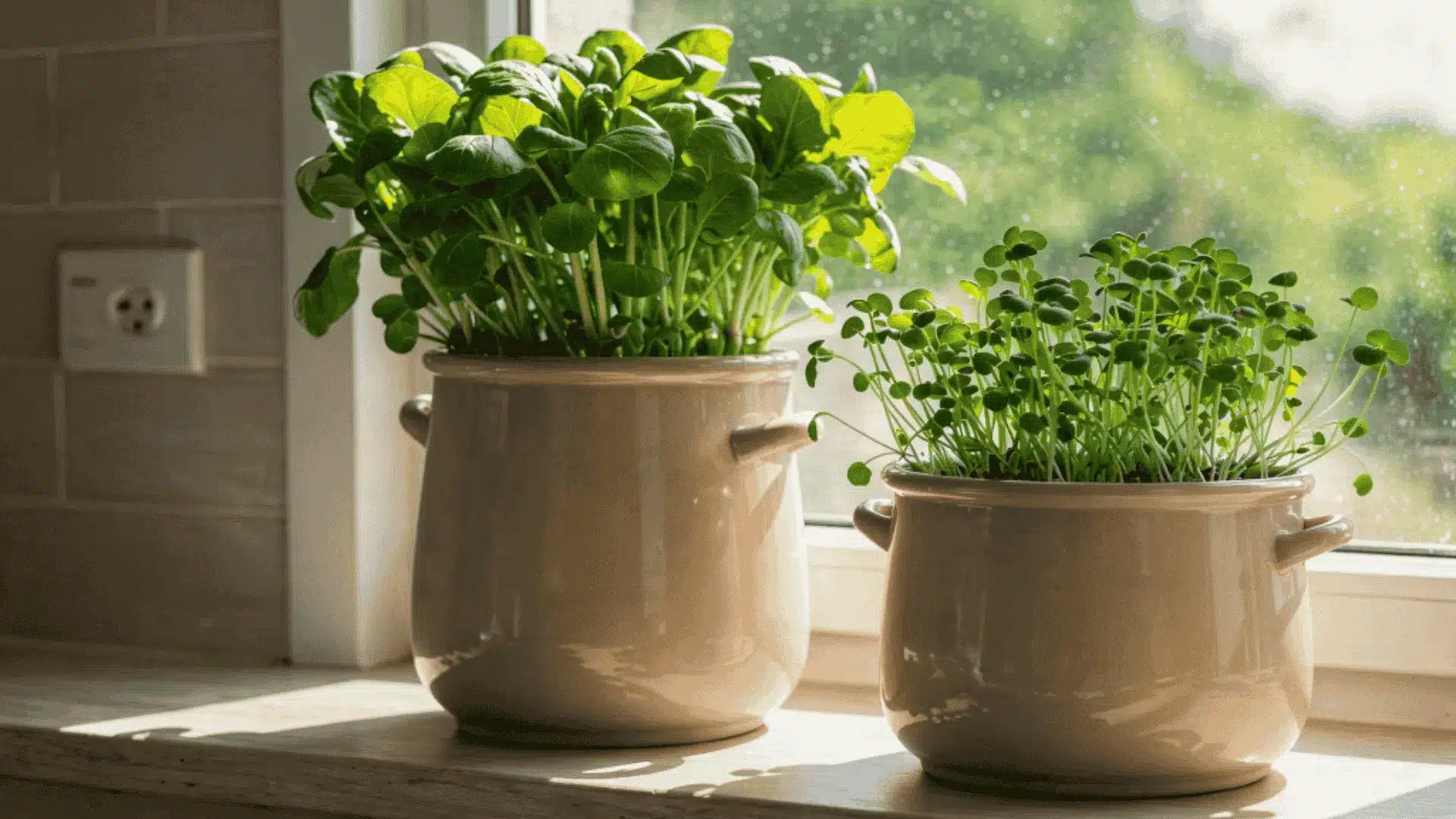
atl text: Two ceramic pots filled with lush green leafy vegetables sit on a sunlit wooden windowsill in a bright kitchen
No outdoor space? No problem. These vegetables grow well indoors with the right light and care.
22. Herbs (Chives)
Chives are one of the easiest indoor vegetables to grow. A small pot on a sunny windowsill is all they need.
I snip them regularly, and they keep growing back. They add great flavour to meals and look neat indoors.
A genuinely low-effort plant that earns its spot on any windowsill.
23. Microgreens
Microgreens are ideal for indoor cultivation, thriving in shallow trays and ready to harvest in about 2 weeks.
I grow them on my kitchen counter near a window. No special equipment needed.
They’re packed with nutrients and add a fresh crunch to salads, sandwiches, and everyday meals.
Tip: Rotate indoor pots regularly to ensure equal light on all sides, preventing leaning and promoting balanced growth.
24. Garlic
Garlic grows well indoors in a deep pot. I plant individual cloves just below the soil surface and place the pot near a bright window. It doesn’t need much attention.
Green shoots can be used like chives. Full bulbs take longer but are worth growing at home.
25. Baby Carrots
Baby carrot varieties work well in deep indoor pots. They need loose soil and a spot with plenty of light.
I use a grow light during the winter months to keep them going. They take around 60 days to mature. Pulling out your first indoor-grown carrot is genuinely one of the most satisfying moments.
26. Arugula
Arugula grows quickly indoors and doesn’t need intense sunlight. A medium pot near a bright window works well.
I start harvesting outer leaves within three weeks of sowing. It has a peppery flavour that works brilliantly in salads.
It’s one of the fastest and most rewarding indoor vegetables to grow.
27. Mustard Greens
Mustard greens grow quickly and thrive in indoor containers. They favor cooler temperatures and indirect sunlight.
I plant them in wide, shallow pots and harvest often to promote continuous growth. These greens add a sharp, slightly spicy flavor and can be harvested earlier than expected.
28. Pak Choi
Pak choi grows well indoors in medium pots, preferring cooler, indirect light, making it ideal for year-round growth.
Seeds are sown directly and thinned as they grow. It matures in about 45 days and is great for stir-fries and soups.
Tip: Feed indoor vegetable pots with liquid fertiliser every two weeks to keep them healthy and productive, as indoor plants can’t extract nutrients from the ground.
29. Spring Onions
Spring onions are perfect for indoor growing; they thrive in small pots with the tiniest care. I keep a pot on my windowsill, snipping them as needed.
They regrow after cutting, making one sowing last longer. A practical, space-saving veggie for any indoor space.
30. Dwarf French Beans
Dwarf French beans grow well indoors in large pots near a bright window.
They don’t need staking and stay compact. I water them regularly and feed them every couple of weeks.
They produce well even indoors and are ready to harvest within about 60 days of sowing. A great indoor option.
31. Celery
Celery can grow indoors in a deep pot with consistent moisture. It needs bright light and regular watering.
I grow it near my sunniest window. It takes about 130 days to fully mature. But having fresh celery at arm’s reach in the kitchen makes it completely worth the wait.
32. Watercress
Watercress grows well indoors in shallow containers with plenty of moisture.
I keep the soil consistently wet, almost waterlogged. It prefers indirect light and cooler indoor temperatures. It grows fast and is ready to harvest within a few weeks.
A nutritious, easy-to-grow indoor green that most people overlook entirely.
33. Endive
Endive grows well in medium indoor pots. It prefers cooler temperatures and indirect light, making it well-suited to indoor conditions.
I harvest outer leaves regularly, and the plant keeps producing.
It has a slightly bitter flavour that works well in salads. A reliable indoor vegetable worth trying.
34. Turnip Greens
Turnip greens grow faster than the roots and do well indoors. I grow them in wide, shallow containers near a bright window. They’re ready to harvest in about 30 days.
The leaves are tender and nutritious. If you want quick results from an indoor pot, turnip greens are a smart choice.
35. Sorrel
Sorrel is a perennial leafy green that grows well in indoor pots. It comes back year after year with very little effort.
I keep mine in a medium pot near a window. It has a tangy, lemony flavour that works great in soups and salads. A long-lasting and rewarding indoor plant.
Tips for Aftercare of Grown Vegetables
- Water consistently, but never let pots sit in standing water.
- Feed plants with liquid fertiliser every two weeks.
- Remove dead or yellowing leaves straight away.
- Check for pests regularly, especially under the leaves.
- Repot plants that have outgrown their containers.
- Top up soil if it shrinks or compacts over time.
- Pinch off flower buds on leafy greens to extend their life.
- Clean pots thoroughly before replanting a new batch.
Key Takeaway
Growing vegetables in pots is genuinely one of the most rewarding things I’ve done with a small balcony space.
You don’t need much, just the right container, decent soil, and a little consistency. Start with one or two vegetables.
See what works for you and build from there.
Small spaces can yield more than expected; you just have to start.
Pick one vegetable from this list today and get it growing. You might surprise yourself with what a few pots can do.
Frequently Asked Questions (FAQ’s)
1. What Vegetables to Plant in August and September?
Lettuce, spinach, kale, radishes, and pak choi grow well then.
2. What Vegetables Can be Grown in A 5-Gallon Bucket?
Tomatoes, peppers, potatoes, carrots, and beans all do well.
3. Is it okay to Plant Plants in October?
Yes, cool-weather vegetables like kale and spinach grow fine then.
4. What is the 30 70 Rule of Gardening?
Fill pots 30% compost and 70% potting mix for best results.