From quick meals to gourmet plates — discover stories that make you fall in love with seafood.
From quick meals to gourmet plates — discover stories that make you fall in love with seafood.


Dive deep into your areas of interest
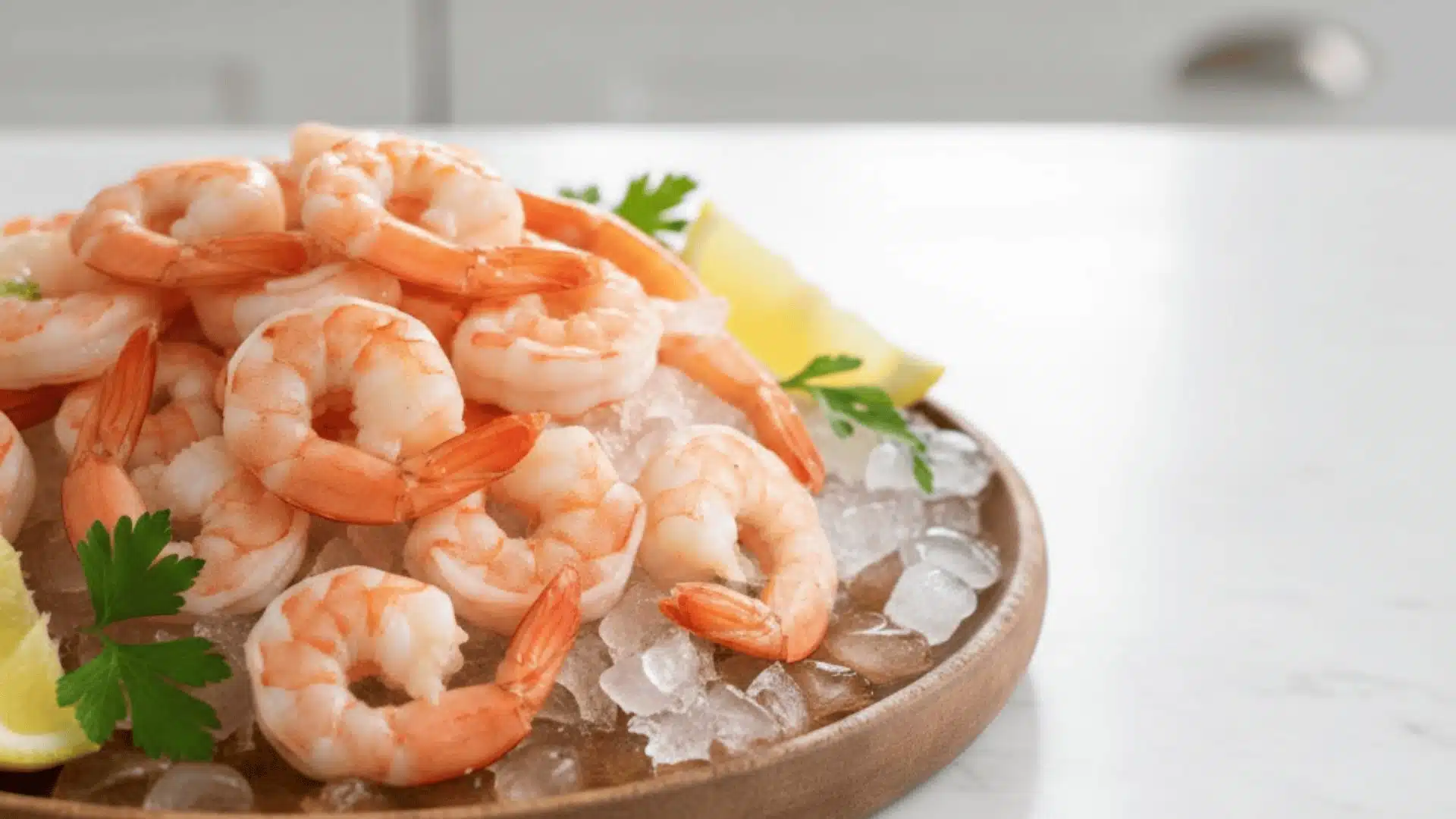
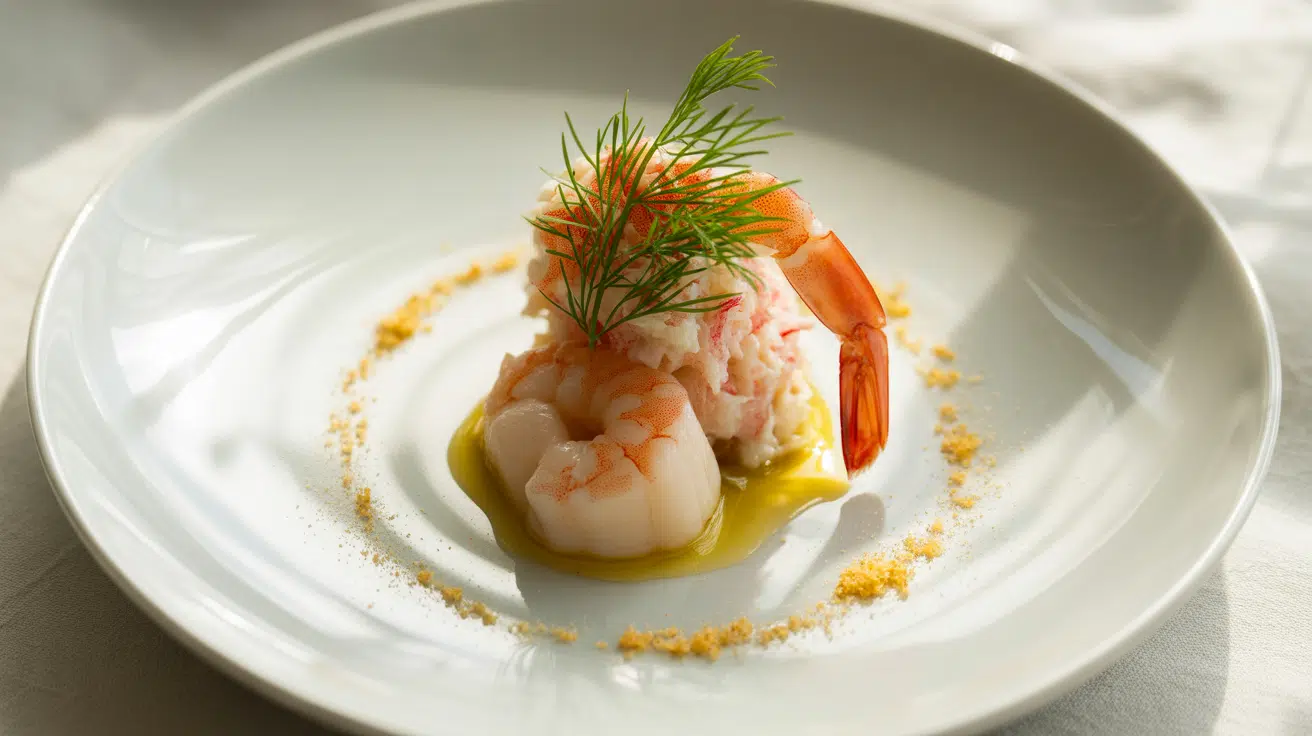
When talking about high-protein foods, the usual names always come up: chicken, eggs, and maybe Greek yogurt. Shrimp rarely leads the list. I

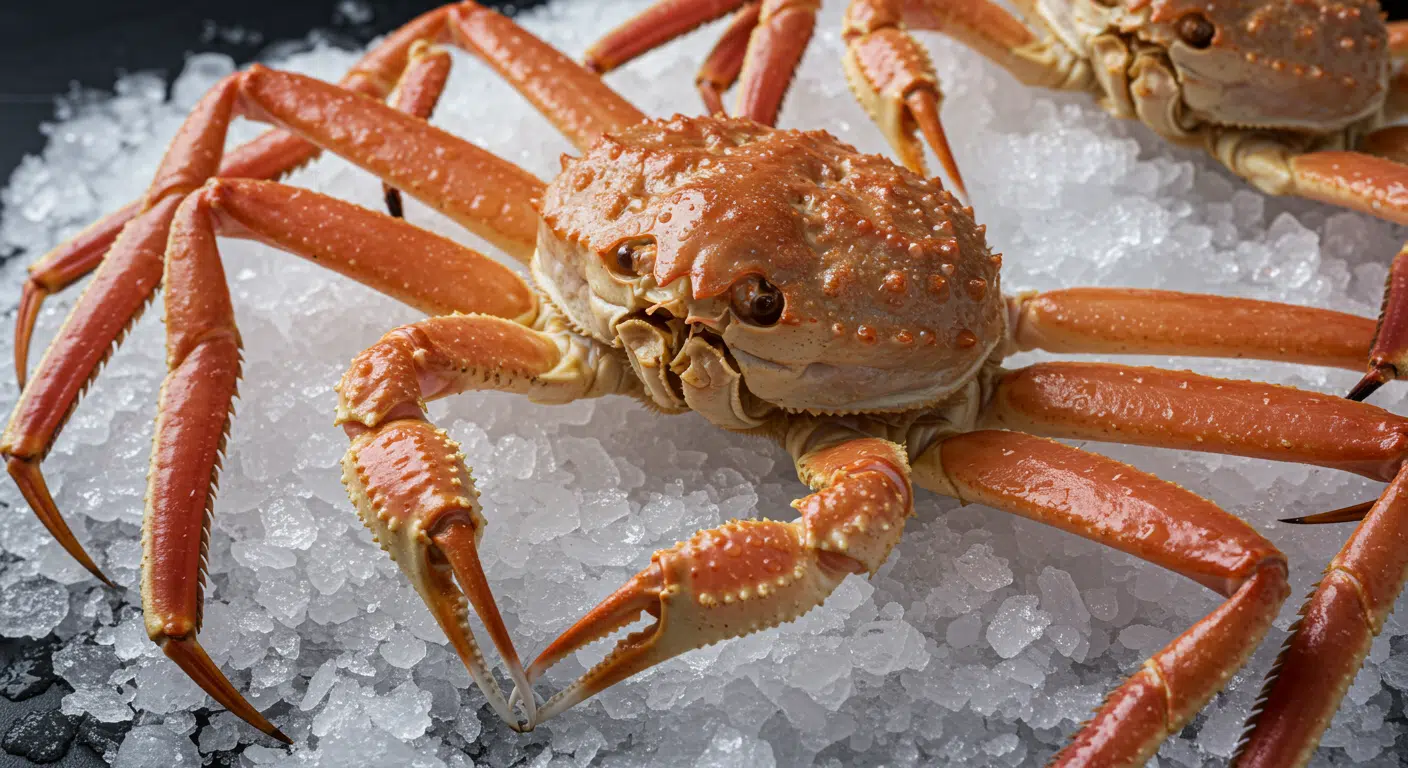
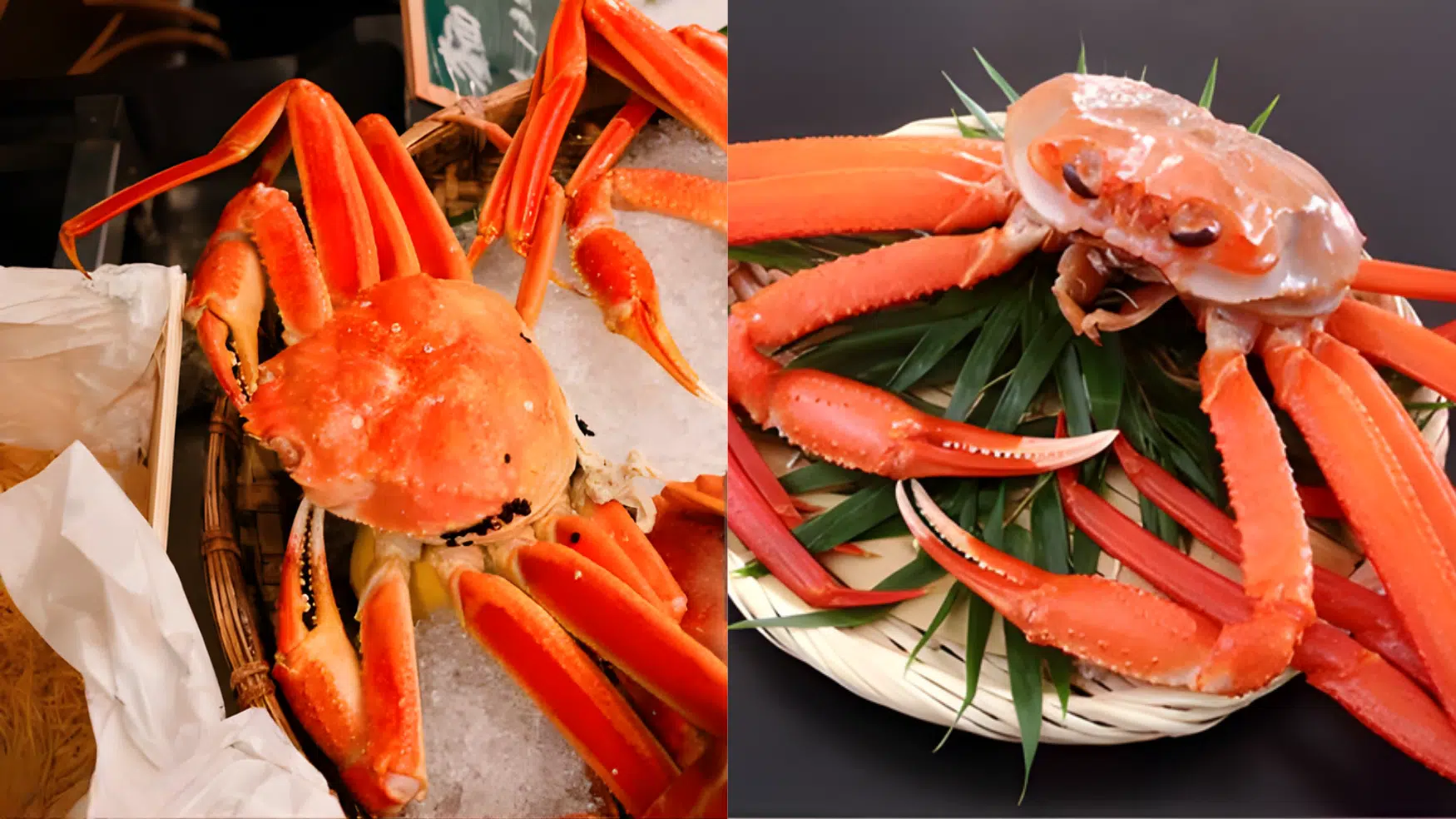
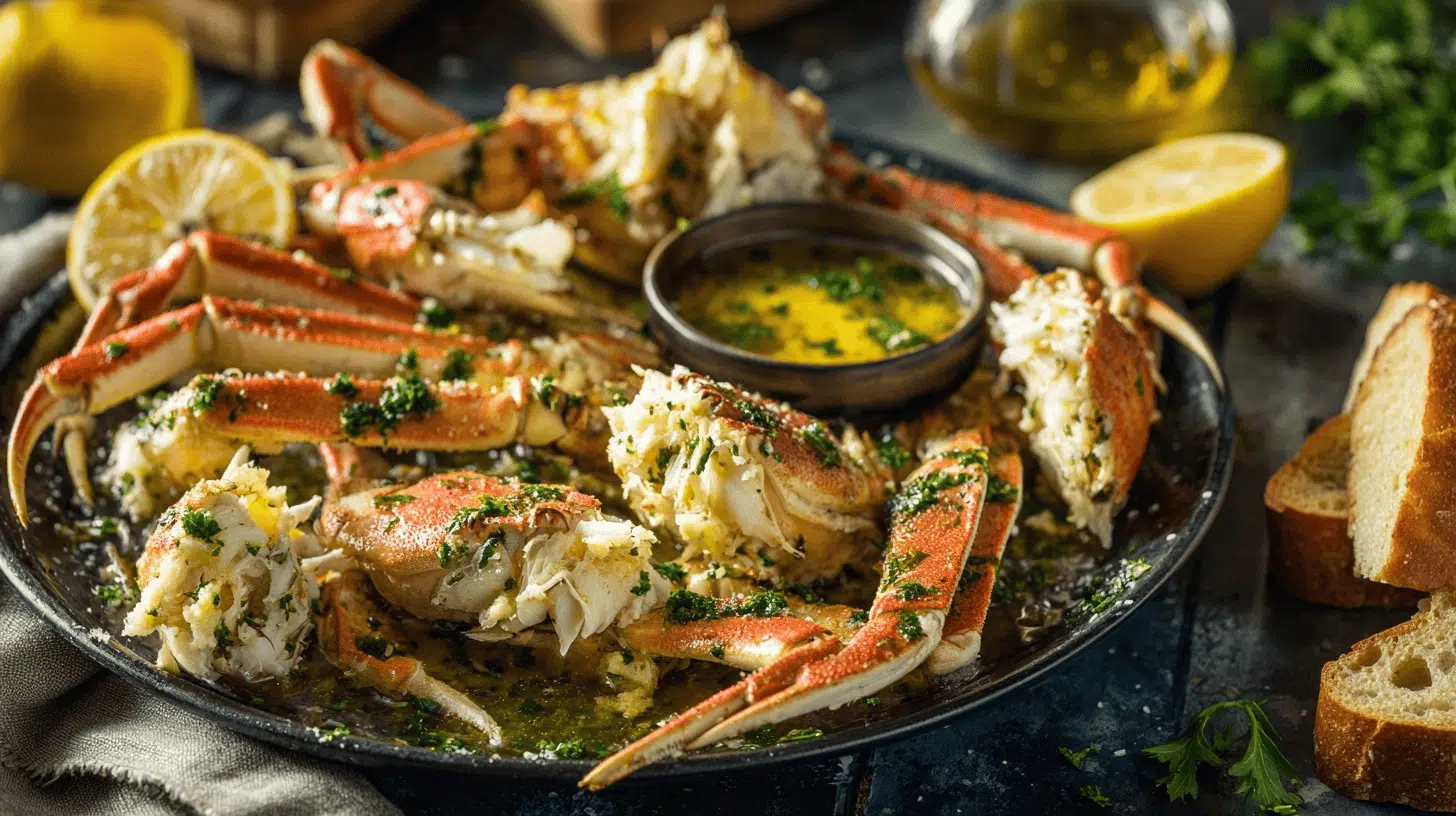
Crab has cholesterol. So does chicken. So does your morning egg. But not all cholesterol works the same way in your body. People
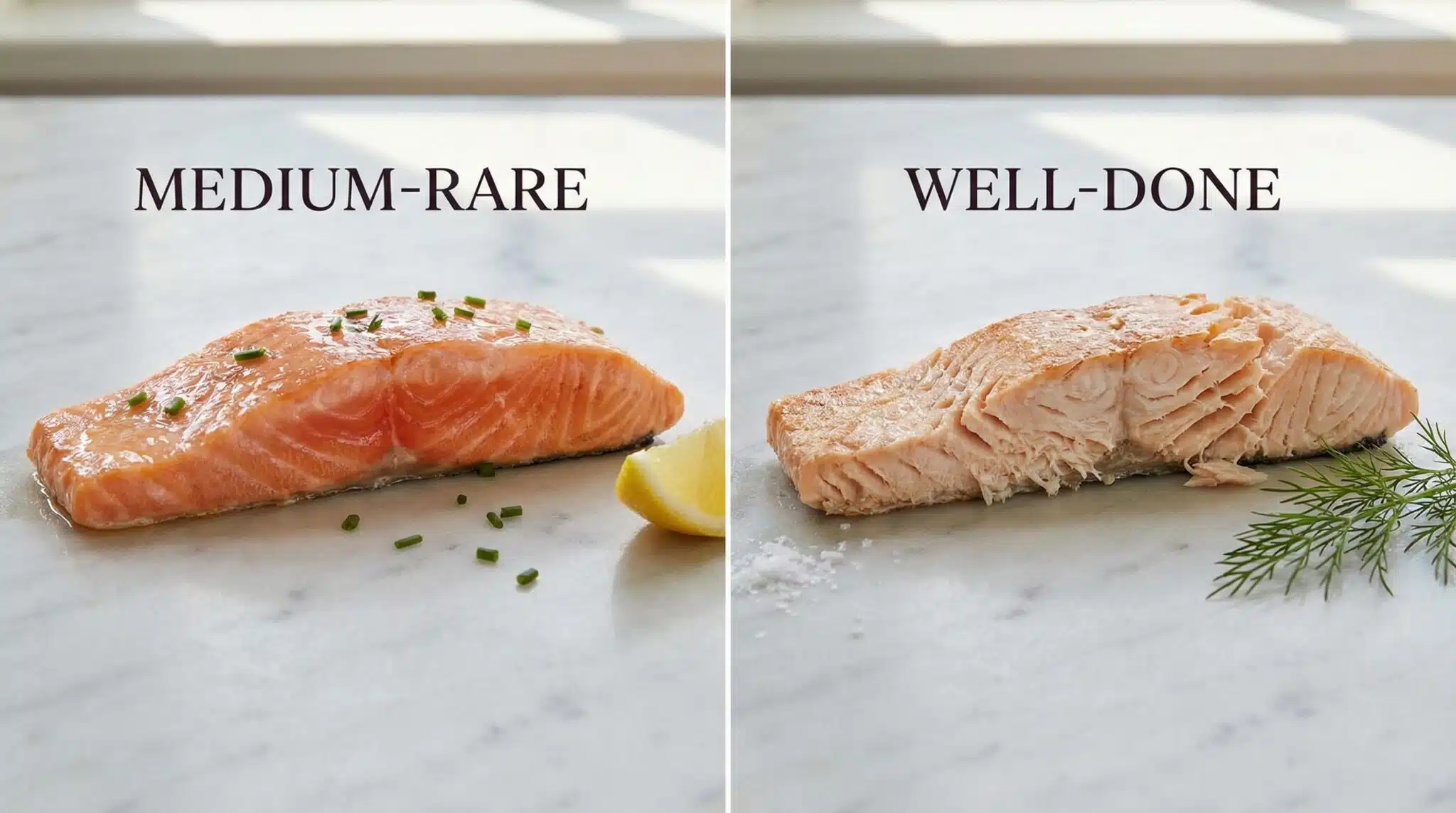
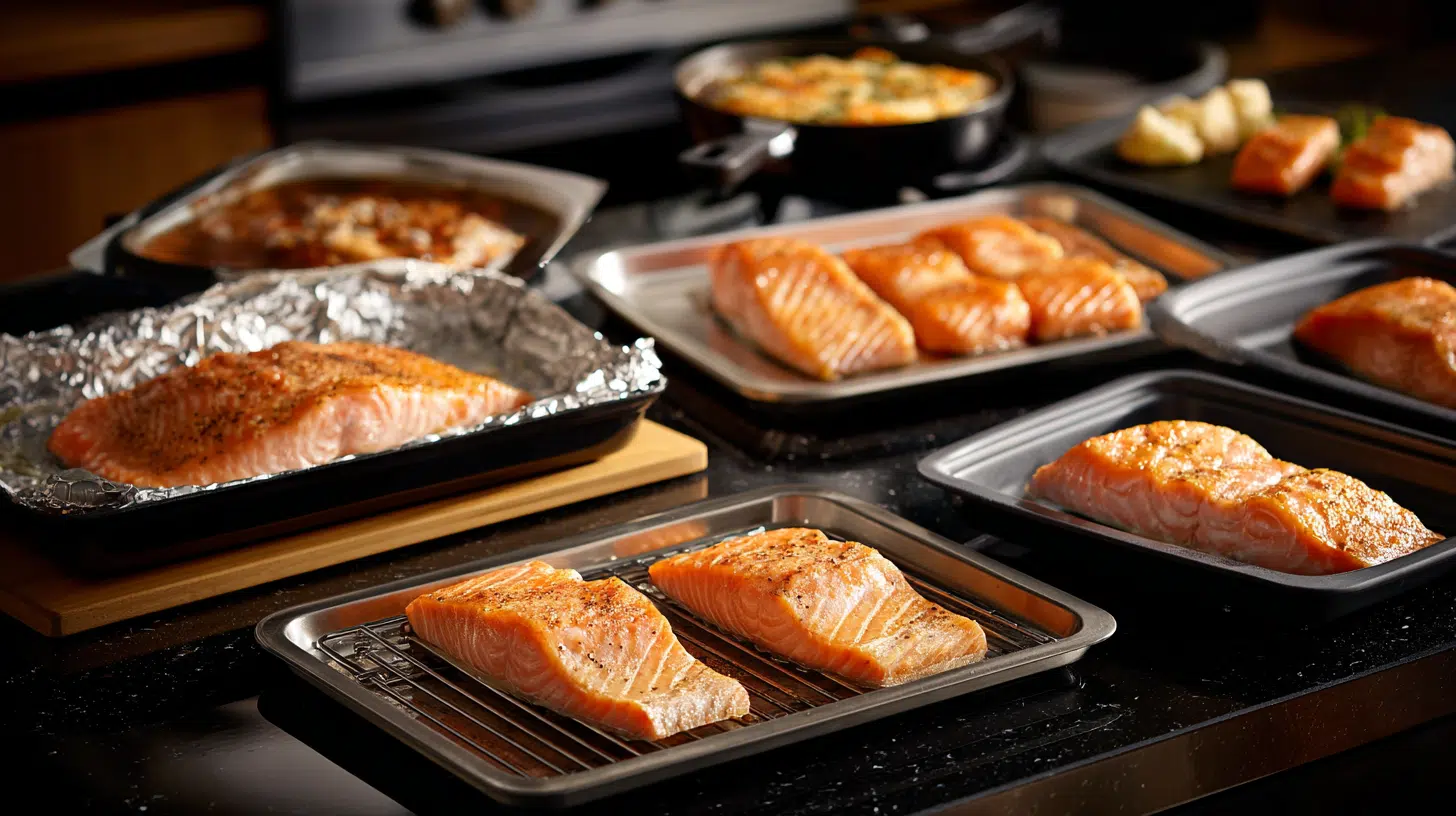
Salmon is the most dramatic protein in my kitchen. Chicken will forgive you. Pot roast will basically raise itself. Salmon? Salmon will go
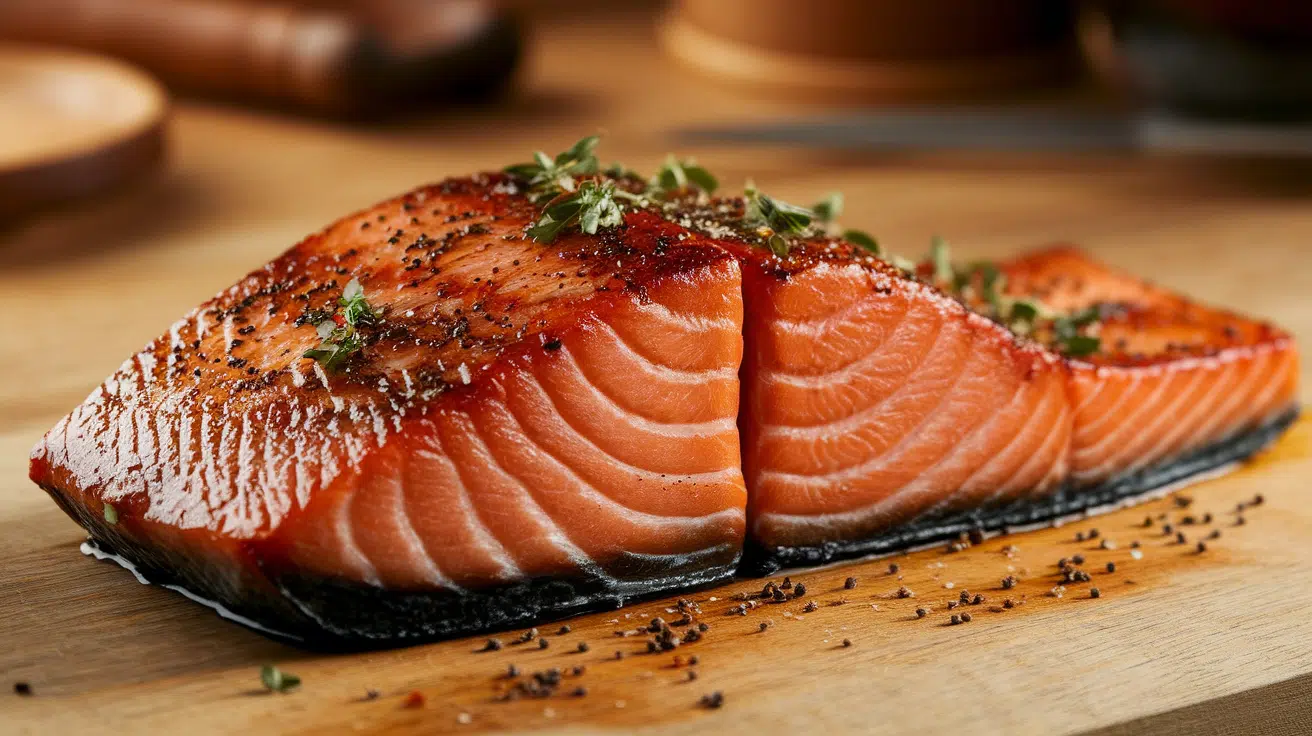
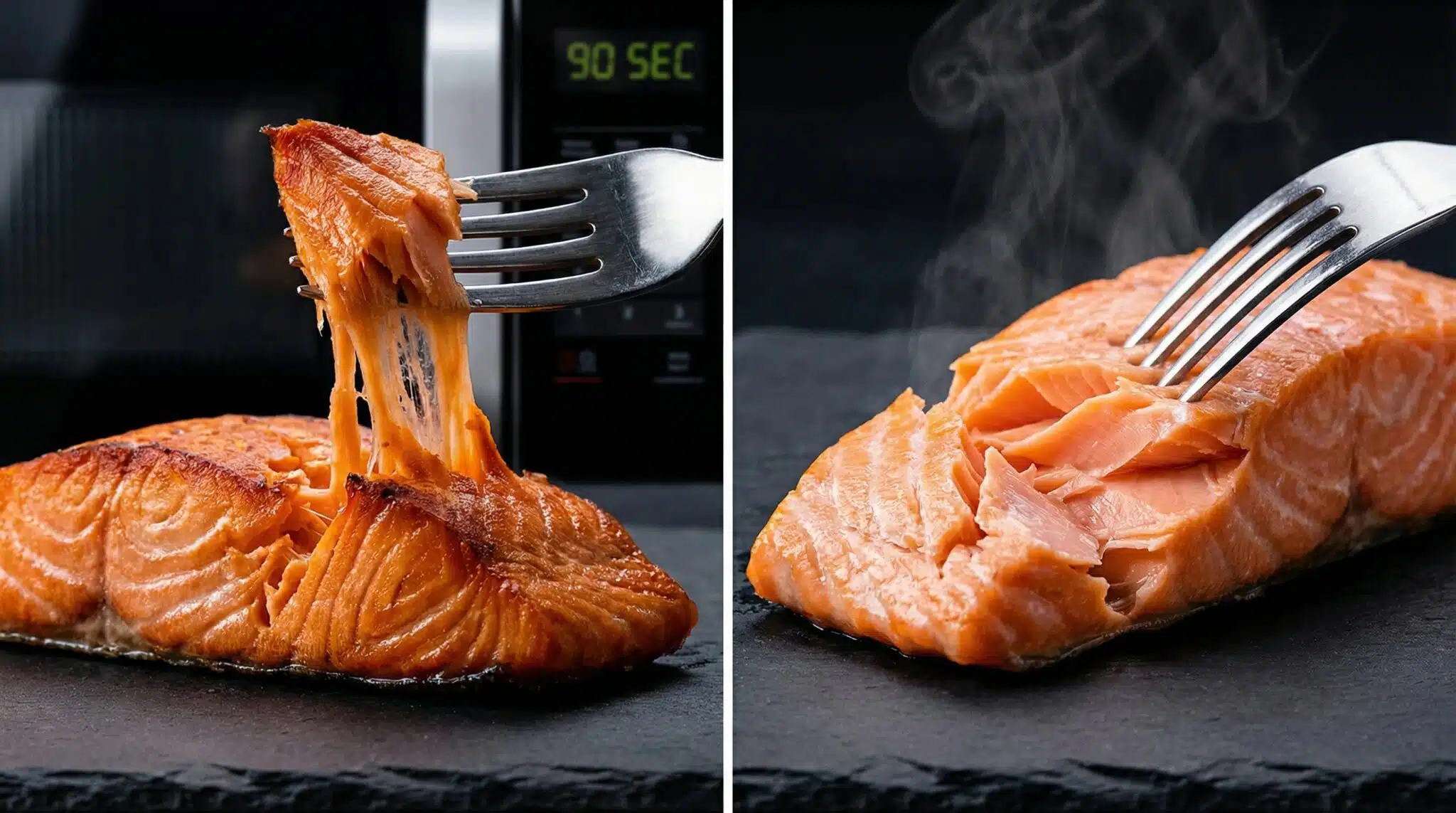
When you cook salmon, it’s like watching a magic trick happen right in your kitchen! The raw fish starts out deep pink. Then,

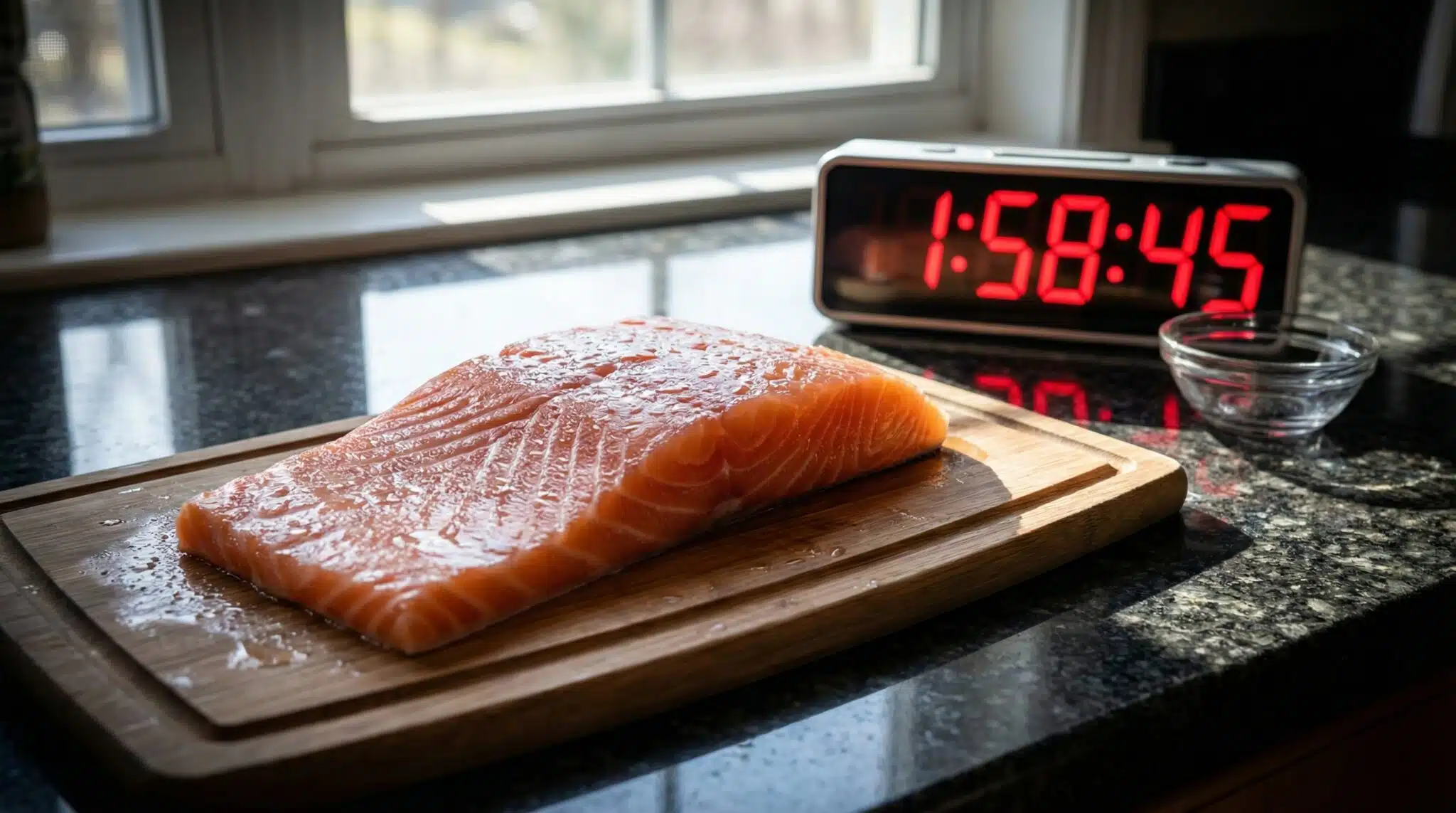
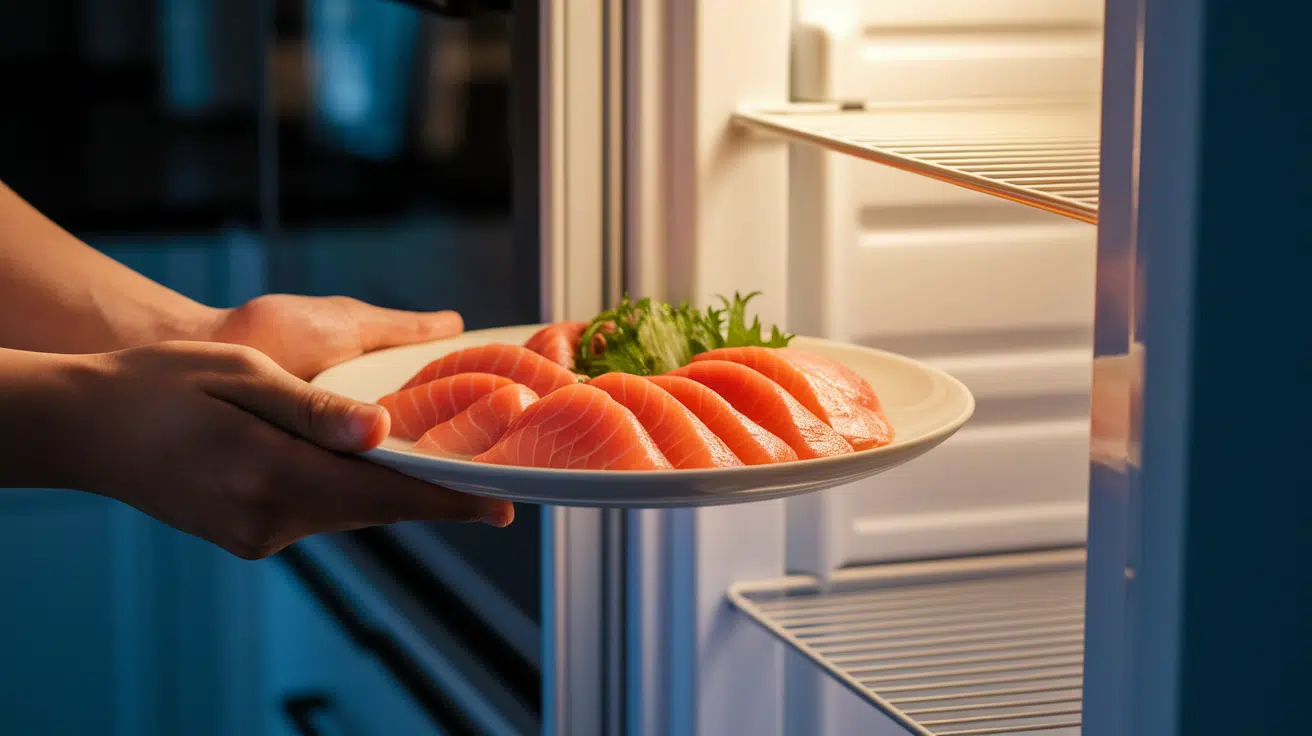
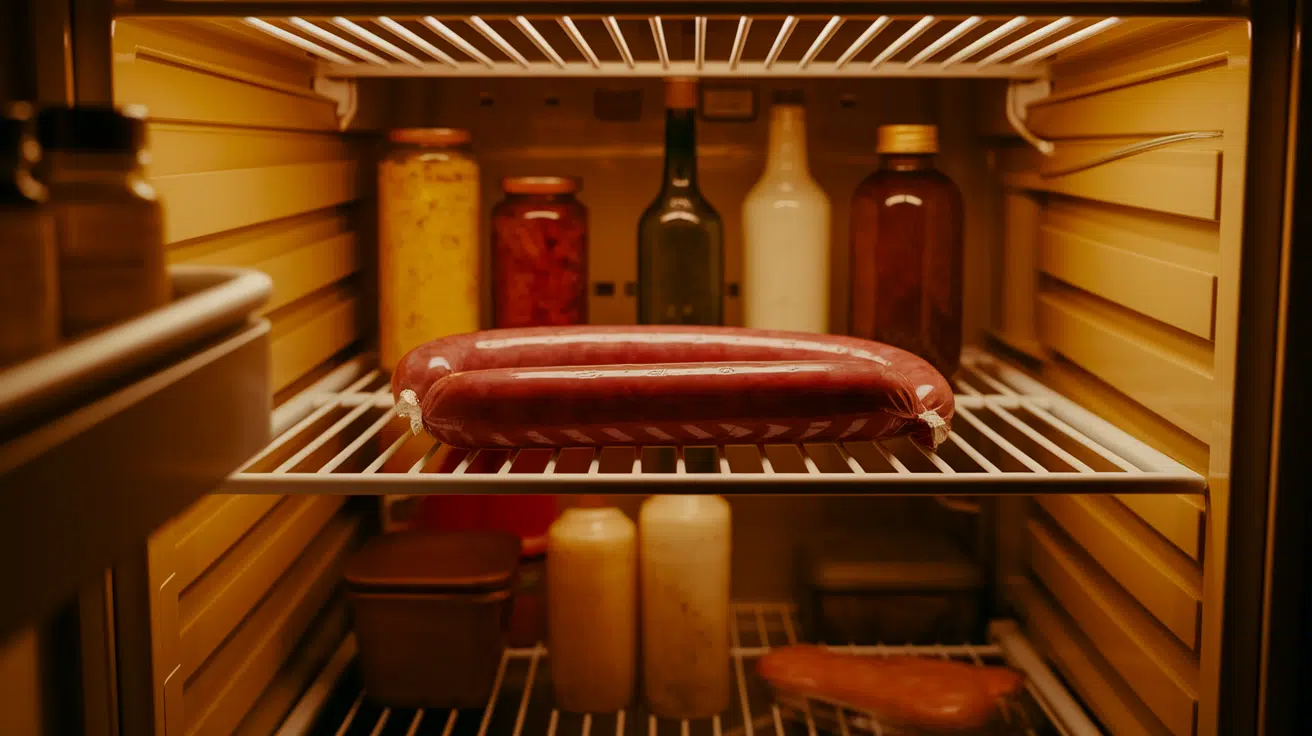
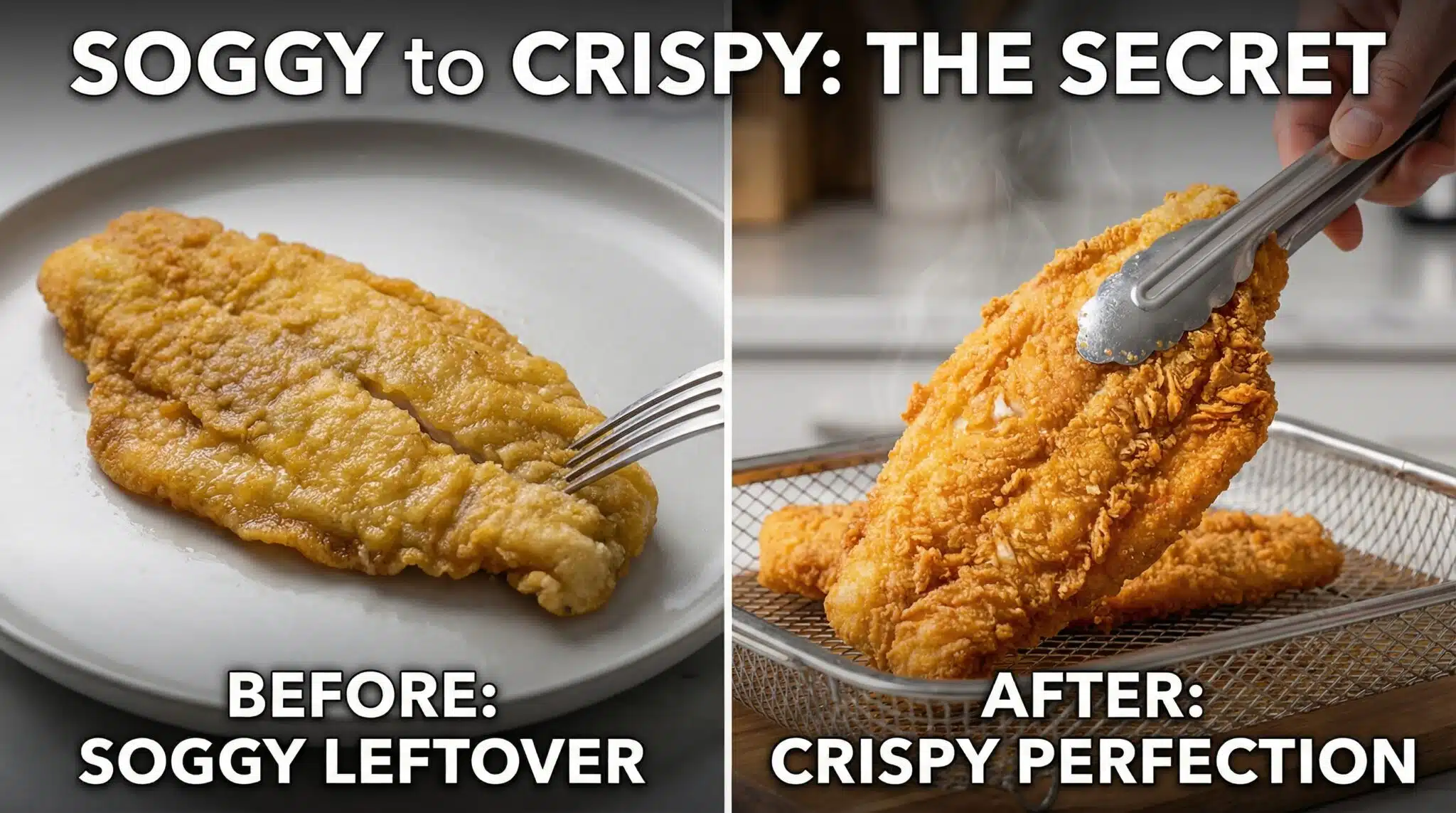
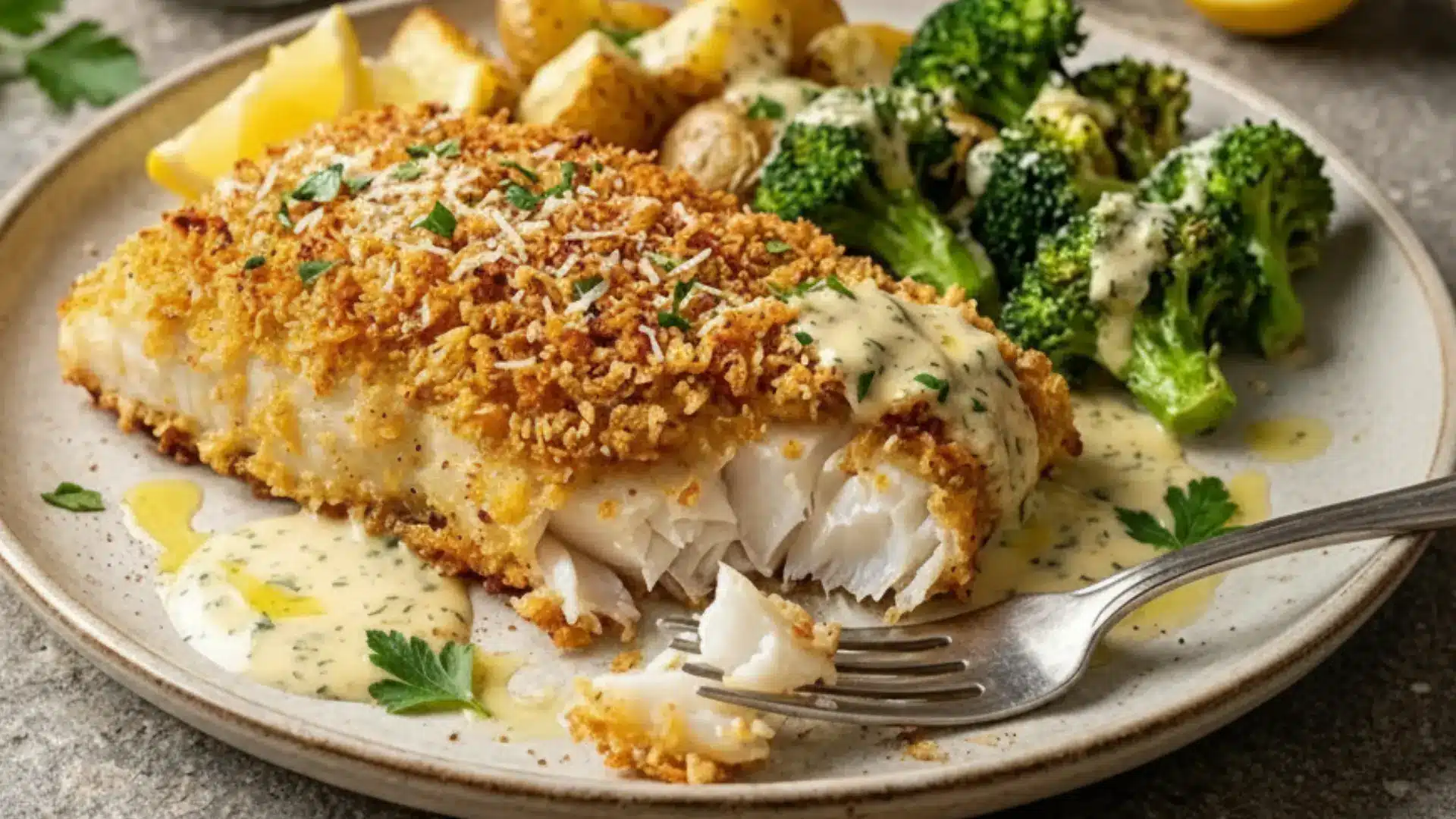
Leftover fish is the ultimate fridge mystery, right? One minute you’re thinking, “Oooh, salmon salad for lunch,” and the next minute you’re staring into the...

Keep the flavor going with more seafood insights and cooking inspiration.
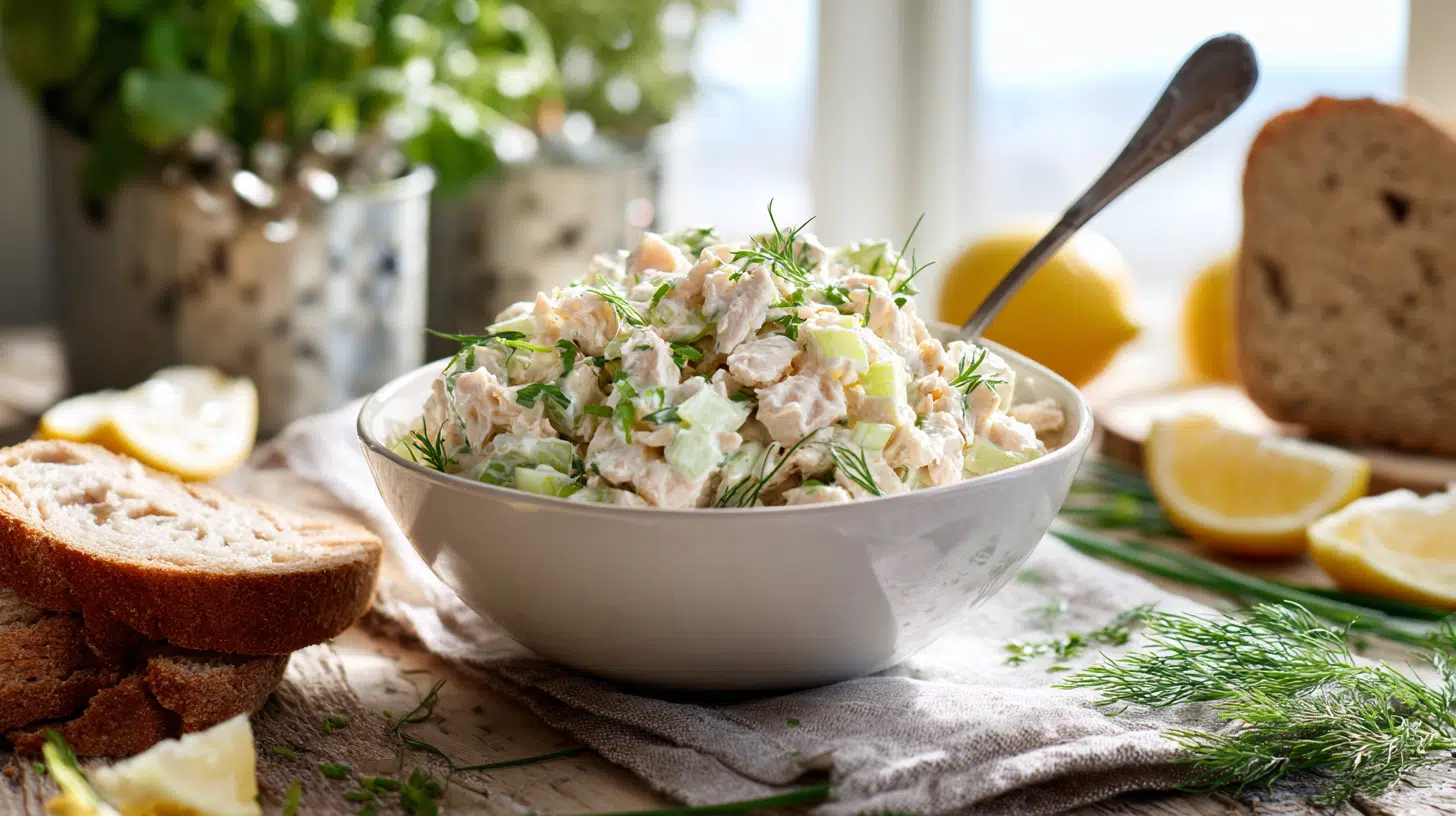
Making a quick lunch shouldn’t feel like a chore. You’re staring at your empty pantry, stomach growling, wondering what you
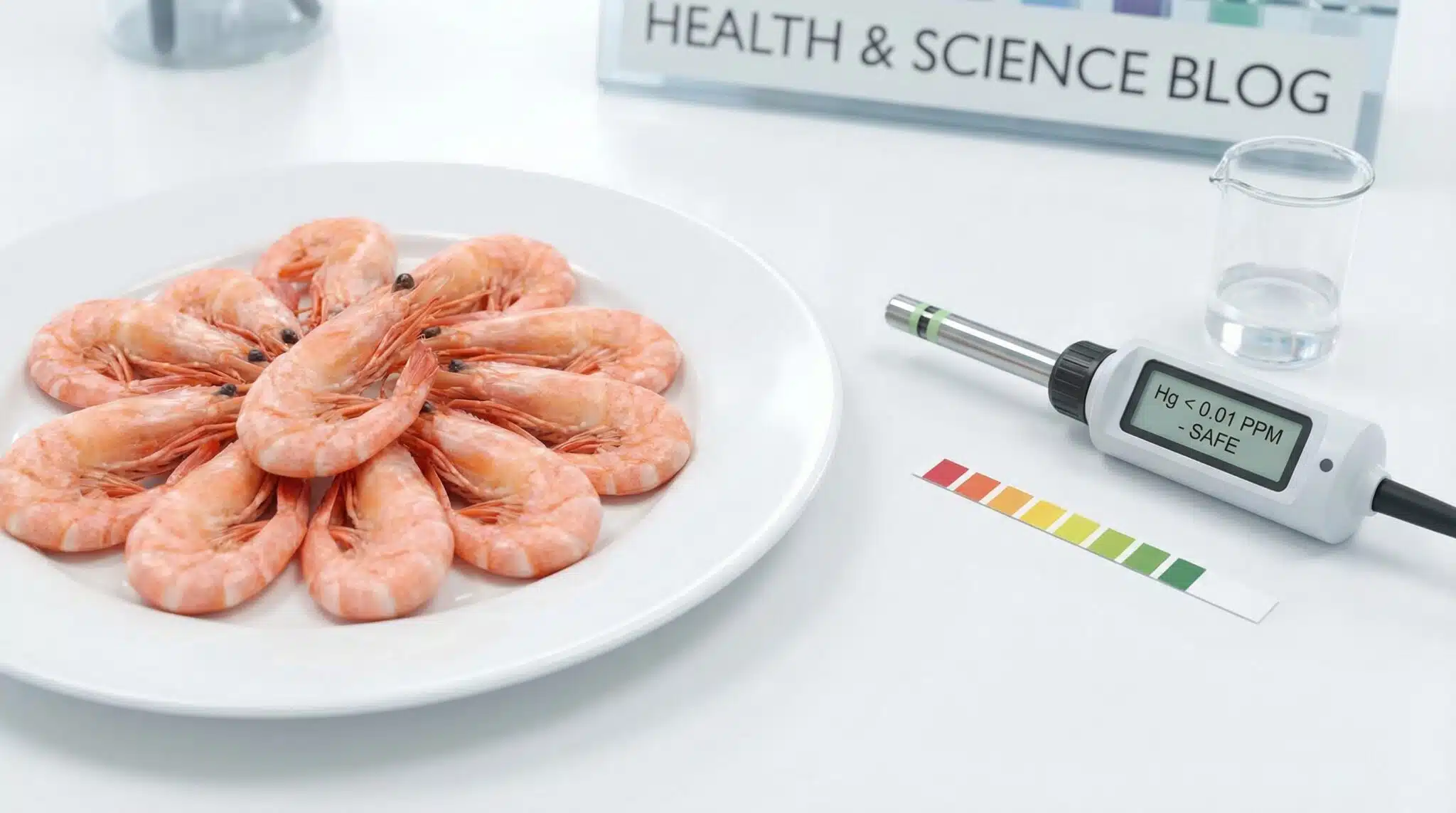
Mercury in Shrimp: Why It’s Safer Than You Think (and Why I Keep a Bag in My Freezer at All
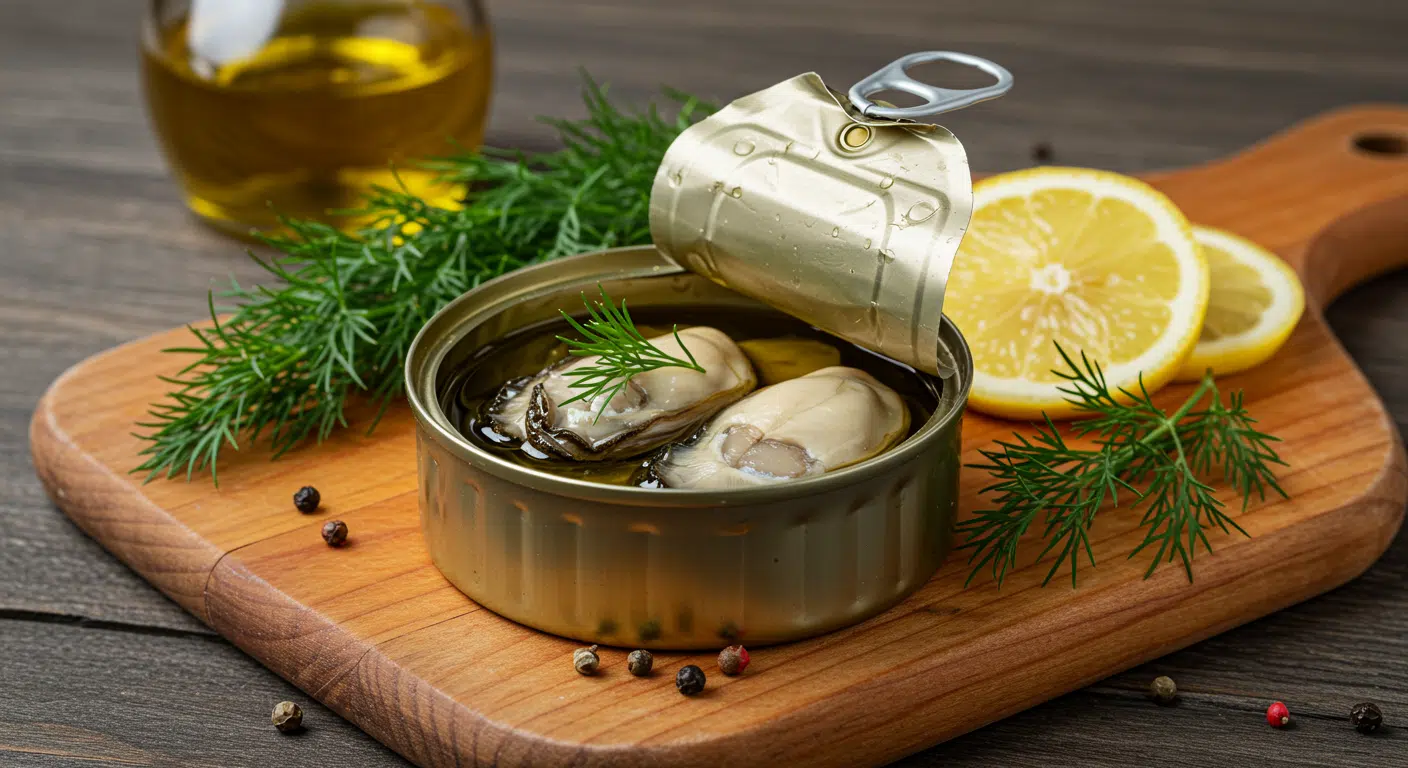
Let me tell you about my first thoughts on smoked oysters. It was November 2024, and I was at Whole
Let me tell you about my first thoughts on smoked oysters. It was November 2024, and I was at Whole Foods staring at a tiny can of Crown Prince smoked oysters. You know those tiny cans sitting on the shelf next to the sardines? I’d walk right past them. I figured anything that comes in a can and lasts for
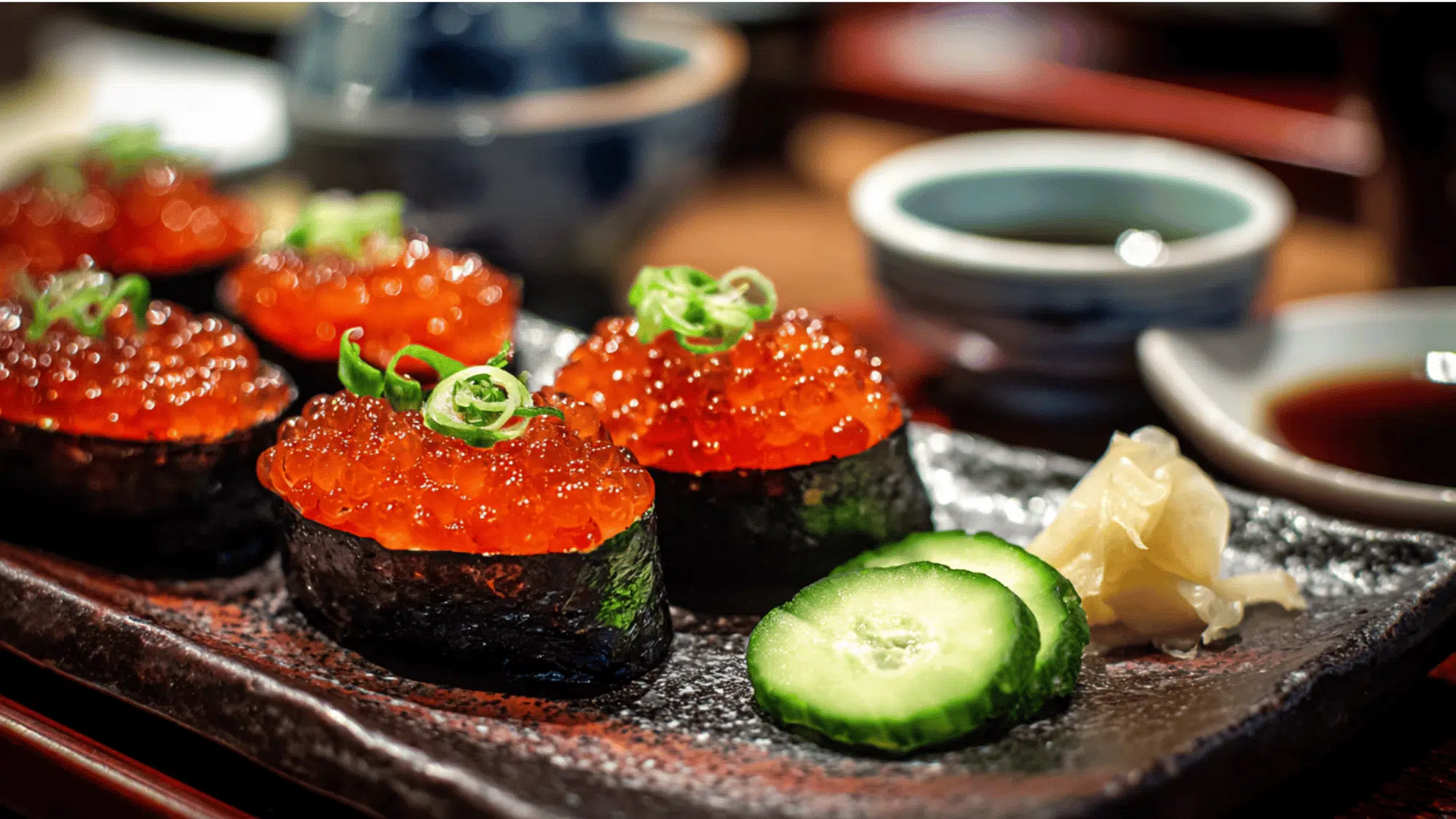
When you eat sushi, you might see bright orange balls on top. Those are called ikura, or salmon eggs. They look like tiny beads and are full of flavor. When you bite into them, they pop in your mouth and taste salty, just like the ocean. Moreover, they are fun to eat, and they make your sushi look super fancy. Let’s find out why these little orange eggs are so popular in Japanese food! Tobiko: The Golden Jewels of Sushi
Mercury in Shrimp: Why It’s Safer Than You Think (and Why I Keep a Bag in My Freezer at All Times) If the words “mercury in seafood” make you picture your dinner glowing in the
More tips, recipes, and stories await
More tips, recipes, and stories await
Everything you need to cook, organize, and live better.
Dive into deliciousness with fresh seafood recipe inspiration.