


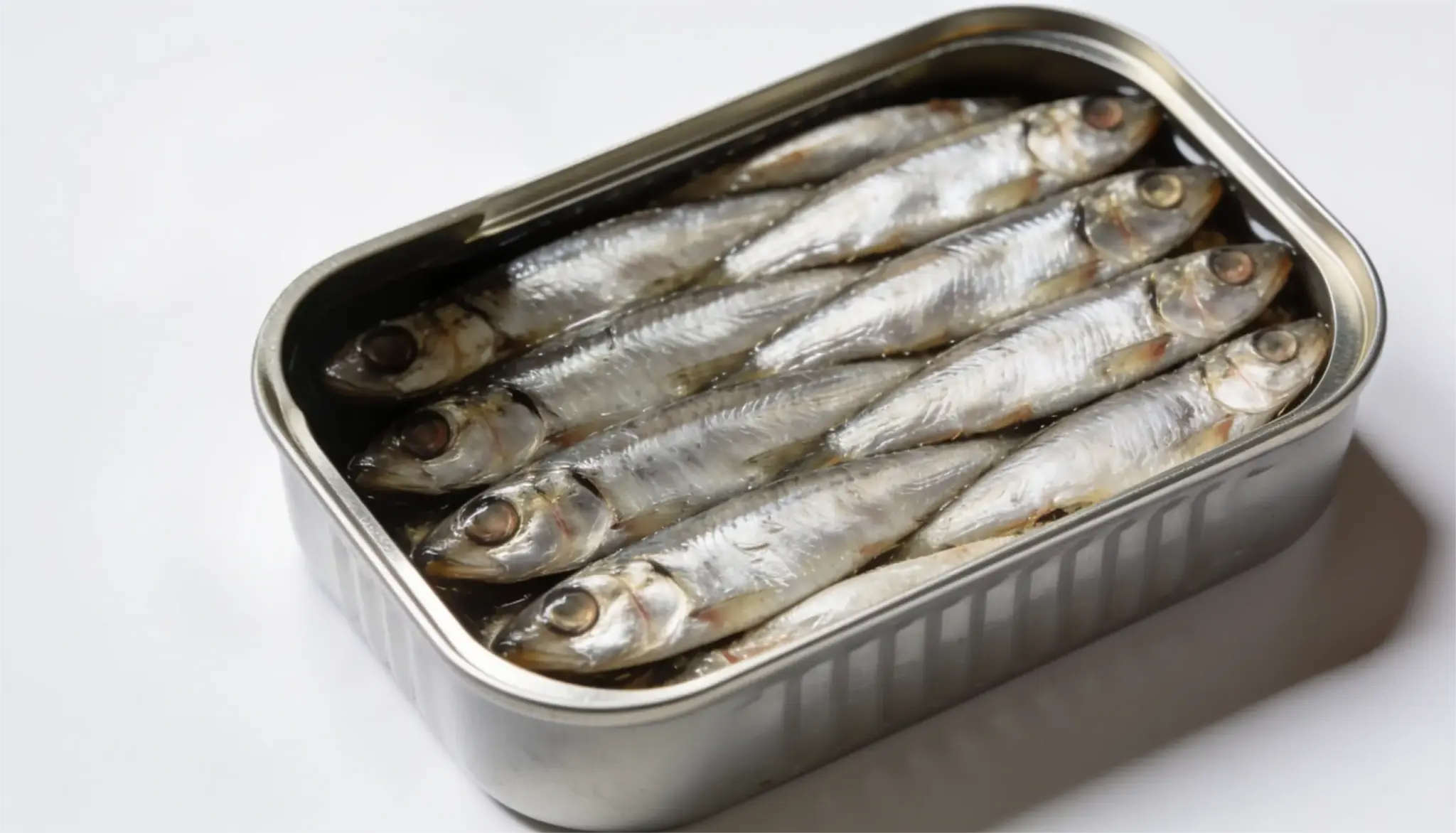
A tiny tinned fish has somehow become one of the most talked-about health foods around.
But are sardines good for you?
Your daily omega-3 needs are met with quick, easy recipes.
So before you scroll past the sardine aisle again, stick around to understand whether they live up to the hype or fall flat.
Keep reading.
Are Sardines Good for You?
That question gets asked a lot online. These tiny fish carry a surprisingly big load of nutrients in a small package.
A single serving brings omega-3 fats, calcium, protein, and vitamin D to the table.
Sardines also have low mercury levels since they feed only on plankton. They even offer vitamin B12, which helps keep your energy steady
There’s more going on here than a salty smell and a humble little can on the shelf.
Benefits of Sardines
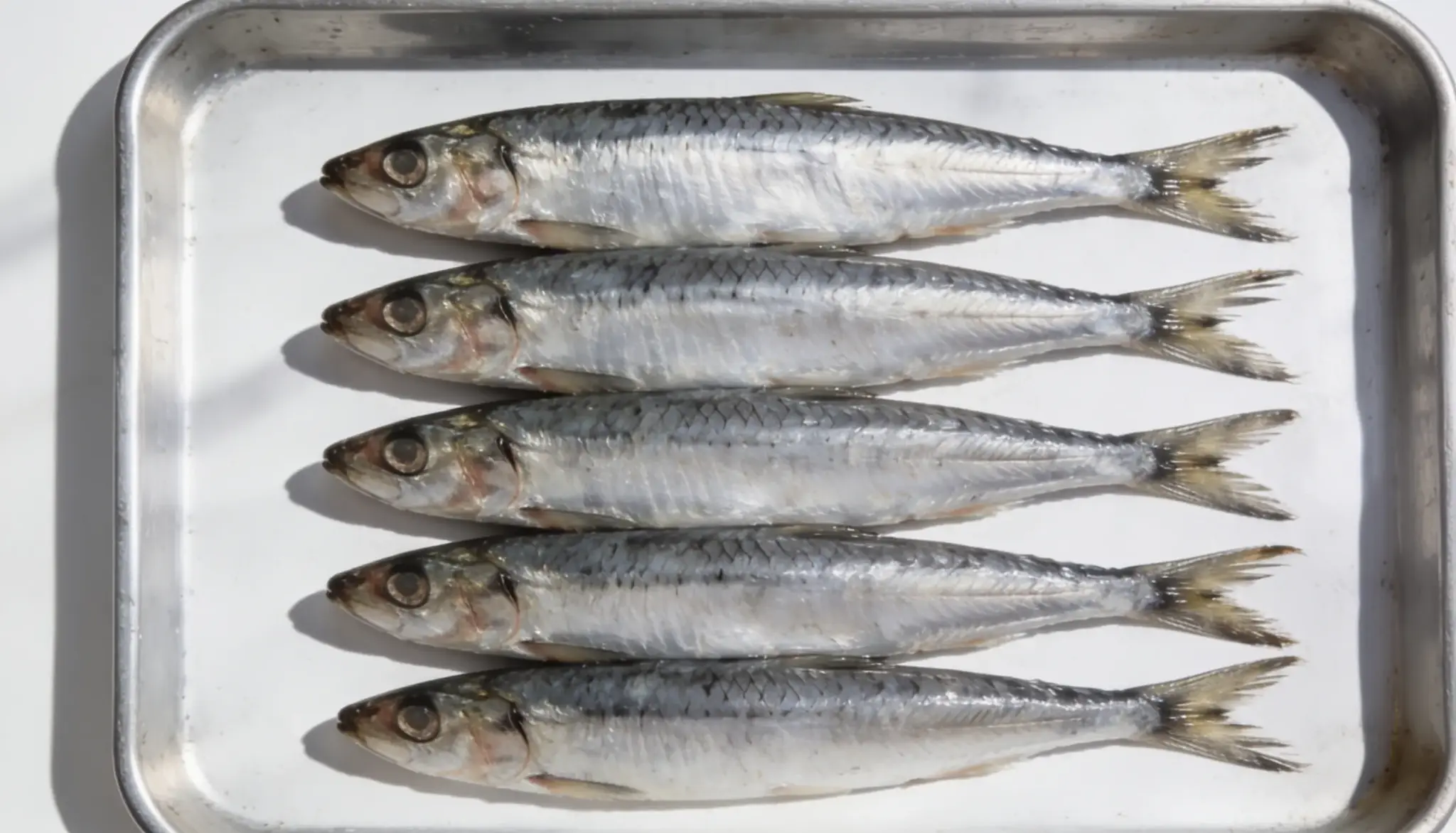
Sardines might be small, but they bring some good perks to your plate. These are the main reasons people give these little fish a second look.
Heart support
The omega-3 fats in sardines help lower triglycerides and blood pressure. They also reduce inflammation and lower the risk of blood clots, which helps keep your heart working with a little less strain.
Stronger bones
Sardines hold calcium, vitamin D, and phosphorus all in one bite. These three minerals team up to keep your bones dense and sturdy, which matters more as the years go by.
Brain and mood help
Those same omega-3 fats support healthy brain function and may lift your mood. Some research links them with a lower risk of anxiety and low spirits over time.
Quality protein
A single serving can carry more than 20 grams of complete protein. Your body uses it to repair muscle, build fresh cells, and keep you feeling full long after the meal.
Low in mercury
Since sardines feed only on plankton, they hold far less mercury than bigger fish like tuna. That makes them a safer pick when you want seafood without the extra worry.
Steady energy
Sardines are a strong source of vitamin B12. This vitamin keeps your nerves healthy, supports red blood cell production, and helps your body convert food into daily energy.
How Much Omega-3 is in Sardines?
Sardines hold a lot of healthy fat for such a small fish. It comes as EPA and DHA, the two forms your body uses for the heart and brain.
- Combined EPA and DHA: Roughly 1 to 2 grams in a single serving.
- EPA: Around 400 to 500 milligrams.
- DHA: Around 600 to 750 milligrams.
- Daily target: Groups suggest only 250-500 milligrams per day.
So one small serving easily clears the common daily goal, often with plenty to spare. The exact number varies slightly depending on the species and whether the fish are in oil or water.
Sardines vs Fish Oil Supplements: Which is Better?
Both promise a solid dose of omega-3, so it makes sense to wonder which one earns the spot in your routine.
One comes as a quick capsule, the other as a small fish on your plate.
| Feature | Sardines | Fish Oil Supplements |
|---|---|---|
| Omega-3 source | Whole food, easy for the body to absorb | Concentrated oil in a capsule |
| Extra nutrients | Calcium, vitamin D, protein, B12, iron, zinc | Mostly just EPA and DHA |
| Calcium for bones | Yes, with edible soft bones | None |
| Protein | More than 20 grams per serving | Almost none |
| Mercury level | Low, since they feed only on plankton | Low, but depends on the brand |
| Cost | Budget-friendly per can | Varies, often pricier over time |
| Convenience | Ready to eat from the can | Quick to swallow, no prep |
| Taste and effort | Salty, fishy, needs eating | No flavor, just a pill |
A fish oil capsule gives you omega-3 and a can of sardines provides those same fats, plus calcium, protein, vitamin D, and a handful of other minerals your body can use.
Can Sardines Replace Fish Oil Supplements?
Yes. A fish oil capsule gives you EPA and DHA and not much else.
A can of sardines provides those same omega-3 fats, plus protein, calcium, vitamins D and B12, and a handful of minerals.
Your body tends to absorb nutrients well when they come from real food rather than a single pill.
Two servings of sardines a week can supply the omega-3 most people need.
Still, some folks with allergies or special diets may lean on supplements instead, but for most healthy eaters, sardines do the job and feed you, too.
Are Canned Sardines Healthy?
The canning process locks in the omega-3 fats, so you get nearly the same heart and brain perks as fresh ones.
The soft, edible bones are a quiet bonus, since they pack a good dose of calcium into every bite. You also keep the protein, vitamin D, and B12 that make these fish worth eating.
The one thing to watch is salt, because canned versions can run high in sodium.
Choosing types packed in water or with no added salt helps keep that in check. Beyond that, they stay low in mercury and easy on the wallet.
For a quick, shelf-stable meal, canned sardines earn their keep.
Possible Downsides of Sardines
Sardines bring plenty of good to the table, but they are not a perfect fit for everyone. You need to keep a few things in mind before you stock the pantry.
- High in sodium: Canned types can be salty. Pick water-packed or no-salt-added cans.
- Purines: Sardines can raise uric acid levels, so go easy if you have gout or kidney stones.
- Fish allergy: Some people react to fish, with symptoms from mild rashes to serious swelling.
- Strong taste and smell: This one is not about health, but the bold, fishy flavor turns some people off.
If you have gout, kidney concerns, or a known fish allergy, a quick word with your doctor clears things up before sardines become a regular habit.
So, are Sardines Good for You?
After all the facts, the answer is a pretty easy yes for a lot of people. These small fish pack omega-3s, calcium, protein, and vitamin D into one cheap little can.
A couple of servings a week can meet your omega-3 needs and support your heart, bones, and brain.
That matters because few foods give you so much value for so little money or effort. Just keep an eye on the salt, and check with a doctor if you have gout or a fish allergy.
Frequently Asked Questions (FAQs)
1. Is it Okay to Eat Sardines Daily?
For most people, yes. Sardines are low in mercury, so eating them daily is fine. Just watch the salt and pick lower-sodium cans.
2. Are Sardines Better for You than Tuna?
In many ways, yes. Sardines carry more omega-3 and far less mercury than tuna, plus extra calcium from their soft, edible bones.
3. What are the Top 3 Healthiest Fish?
Dietitians often point to sardines, salmon, and mackerel. All three are high in omega-3 fats, low in mercury, and easy to find.