


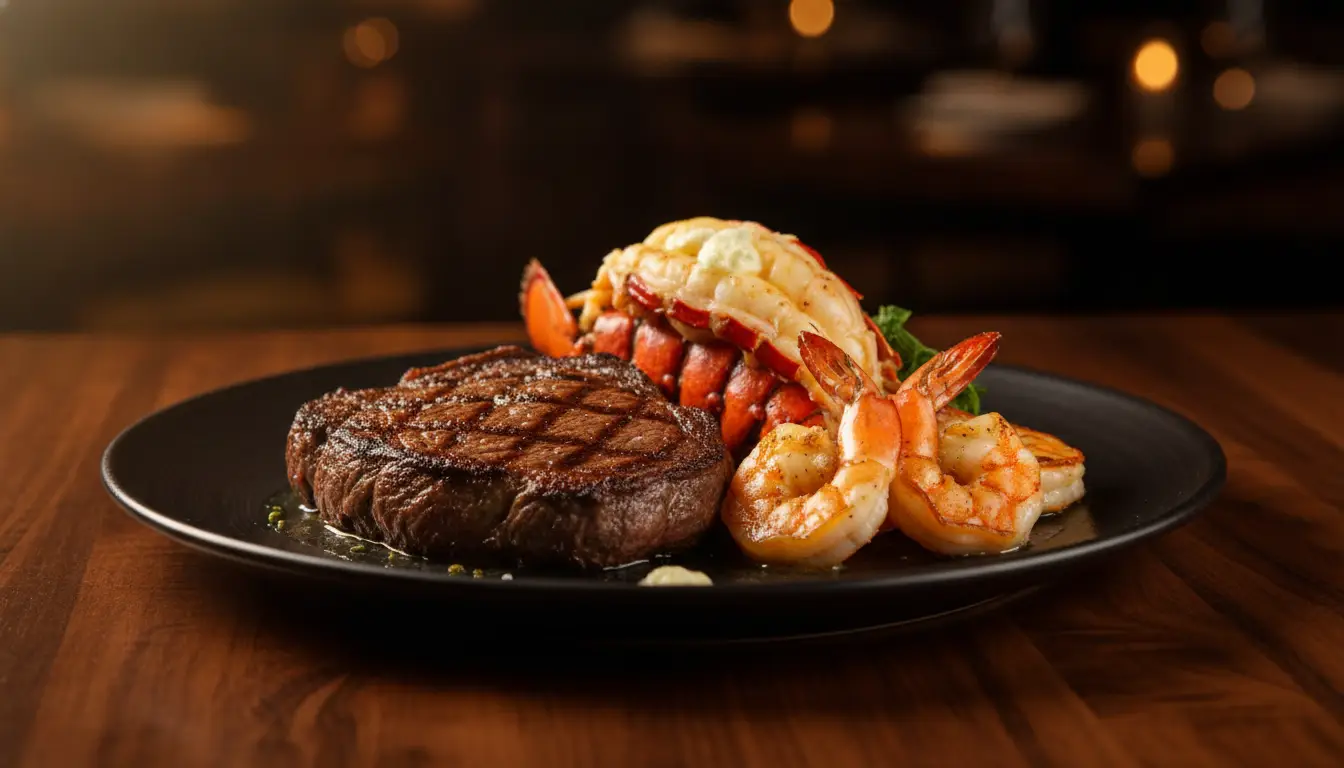
When people think about a steakhouse, thick-cut ribeyes, filet mignon, and perfectly marbled beef usually come to mind first. Seafood is often viewed as a secondary option, something ordered by the person who skipped the steak. That assumption misses an important detail. Many of the country’s top steakhouses are just as serious about seafood as they are about beef. In fact, some serve oysters, lobster, shrimp, scallops, and fresh fish that rival what you would find at restaurants devoted entirely to seafood. There are good reasons for that, and understanding them can help you make better choices the next time you sit down for dinner.
Fresh Ingredients Matter
One of the biggest reasons steakhouses excel at seafood is their commitment to premium ingredients. Restaurants that invest heavily in top-grade beef usually follow the same philosophy with everything else on the menu. They cannot afford to disappoint guests by pairing an expensive steak with average seafood, so they work with trusted suppliers who deliver fresh products consistently.
Quality restaurants also have the purchasing power to source seafood from respected fisheries and distributors. Fresh oysters, cold-water lobster, jumbo shrimp, and seasonal fish arrive several times each week, sometimes daily, depending on the restaurant’s location and volume. High turnover means ingredients rarely sit around for long, which benefits every seafood dish served. Another advantage is consistency. Experienced chefs understand that seafood is less forgiving than beef. Proper storage, careful handling, and precise cooking temperatures all affect the final product. Restaurants known for quality tend to maintain strict standards from delivery through service.
Perfect Surf and Turf
Few meals have earned legendary status like steak and shrimp. The combination works because the rich flavor of beef pairs naturally with the sweet, delicate taste of seafood. It creates contrast without overwhelming the palate, giving diners the best of both worlds on one plate.
Steakhouses have spent decades refining surf and turf offerings because customers continue to order them. That experience pays off in the kitchen. Chefs know exactly how long to grill a steak while preparing shrimp, lobster tails, or scallops so everything reaches the table at its ideal temperature.
Many steakhouses also use cooking techniques that enhance seafood rather than masking it. Simple seasoning, clarified butter, fresh herbs, garlic, and lemon allow the natural flavors to stand out. Instead of relying on heavy sauces, the focus stays on freshness and careful preparation. The result is a menu where seafood complements the restaurant’s signature steaks instead of feeling like an afterthought. Diners enjoy more variety without sacrificing quality.
Experienced Kitchens Deliver Results
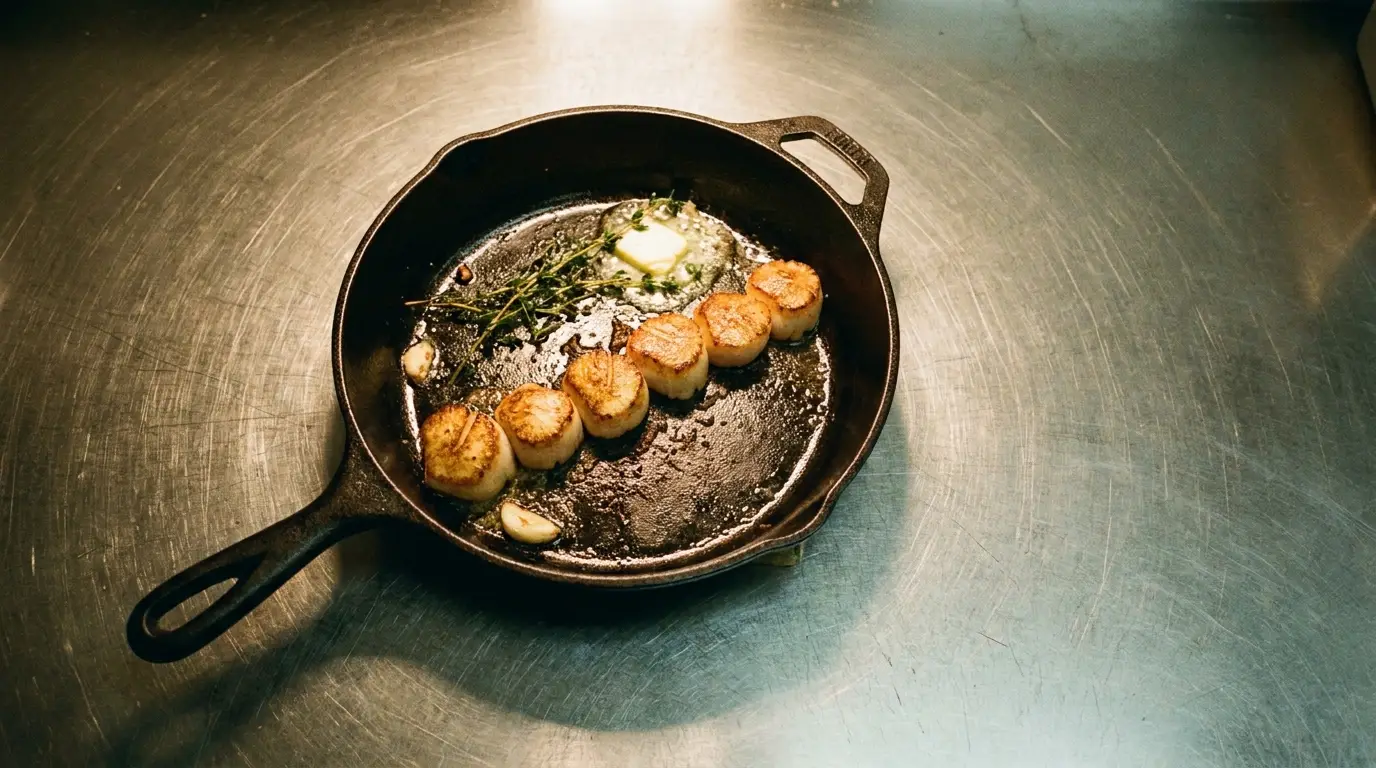
Running a successful steakhouse requires precision, and those same skills translate exceptionally well to seafood preparation. Timing is everything when grilling steaks to different temperatures, and seafood demands even greater attention because overcooking can happen within minutes.
Professional kitchens invest in experienced chefs who understand both proteins. They know how to sear tuna without drying it out, caramelize scallops while keeping the center tender, and grill lobster until it remains juicy instead of rubbery. That level of knowledge develops through repetition and careful training.
Steakhouses also tend to use equipment that supports excellent seafood cooking. High-temperature broilers, quality grills, and professional sauté stations allow chefs to prepare different seafood selections without compromising texture or flavor. Another benefit is menu flexibility. Seasonal fish specials, oyster selections, crab legs, and shellfish platters give guests more choices throughout the year. Regular menu updates encourage repeat visits while allowing restaurants to feature seafood that is freshest during each season.
High Standards Across the Menu
One hallmark of a respected steakhouse is consistency. Guests expect every course to meet the same standard, from appetizers through dessert. That expectation extends naturally to seafood. Whether someone orders chilled oysters before a steak or chooses grilled salmon as the main course, restaurants with strong reputations understand that every plate reflects their brand. Whether you’re at one of the best steakhouses in Omaha, D.C. or New York, diners generally expect outstanding service, premium ingredients, and careful preparation from start to finish.
That commitment often includes house-made sauces, fresh vegetables, scratch-made sides, and wine pairings selected to complement both beef and seafood. Rather than separating the menu into specialties, successful steakhouses focus on delivering excellence across every category. Many also maintain relationships with regional seafood suppliers who understand the restaurant’s expectations. Reliable sourcing makes it easier to offer consistently fresh selections throughout the year while adapting to seasonal availability.
More Than Just Great Steaks
The reputation of steakhouses has expanded well beyond exceptional beef, and today’s diners benefit from that evolution. Restaurants continue raising their standards because guests increasingly expect complete dining experiences instead of a single standout dish.
Seafood has become an important part of that equation. Fresh ingredients, skilled chefs, careful sourcing, and years of refining classic pairings have helped many steakhouses become excellent destinations for seafood lovers as well. Whether you crave lobster, oysters, scallops, shrimp, or fresh fish, there is a good chance your favorite steakhouse serves them with the same attention to detail found in every perfectly cooked steak. Choosing seafood at a quality steakhouse is rarely a compromise. More often, it is another opportunity to enjoy ingredients prepared by professionals who understand that great dining begins with exceptional products and finishes with careful execution.