



If you spend time on this site swapping notes on the best way to poach a fillet or debating whether crab deserves a place on a heart-healthy plate, you already know seafood is more than a Friday night treat. For many of our readers, the kitchen is where health decisions actually get made, one meal at a time. That’s especially true for active seniors and the adult children helping them cook, because the questions that come up most often aren’t about fancy plating. They’re about staying strong, staying energized, and knowing which piece of fish or handful of shrimp actually delivers the nutrition an aging body needs.
Protein is at the center of that conversation, and it works differently in a body over 65 than it did decades earlier. Muscle naturally breaks down faster with age, a process called sarcopenia, and the body becomes less efficient at using protein to rebuild that tissue. This means older adults often need more protein per meal than younger adults, not less, even though appetite and portion sizes tend to shrink over time. Seafood happens to be one of the most efficient ways to meet that need, since it packs a high amount of usable protein into a relatively small, easy-to-chew, easy-to-digest serving.
Energy levels and muscle strength are deeply connected for older adults, which is why nutrition is only one piece of a bigger puzzle. Movement, sleep, hydration, and pacing all play a role too, and readers who want the fuller picture can review 10 energy boosting strategies that every senior should know for a well-rounded look at staying active later in life. Food is the foundation, though, and seafood is one of the most practical foundations available, especially for anyone who finds red meat harder to digest or poultry a little dry and effortful to chew.
Why Seafood Protein Matters for Active Seniors: Understanding Your Body’s Changing Needs
Current nutrition science has actually raised the bar on how much protein older adults should eat. According to High Protein Foods to Eat in Older Age, the Dietary Guidelines for Americans, 2025-2030 recommends that older adults eat about 1.2 to 1.6 grams of protein per kilogram of body weight, which is notably higher than previous guidance and reflects current research on muscle preservation in aging. For a 150-pound adult, that works out to roughly 82 to 109 grams of protein a day, ideally spread across three meals rather than loaded into one.
That distribution detail matters more than most people realize. The body can only use so much protein at once to build and repair muscle, so a single 40-gram serving at dinner does far less good than 30 to 40 grams spread across breakfast, lunch, and dinner. Seafood fits naturally into that pattern because it cooks quickly, requires minimal preparation, and rarely leaves someone feeling heavy or sluggish afterward, which matters for anyone managing a smaller appetite or a slower metabolism.
Best Seafood Choices for Maximum Protein and Energy: A Beginner’s Selection Guide
Not all seafood delivers protein in the same amount, and knowing the basic numbers makes grocery shopping much less overwhelming. Salmon, tuna, shrimp, and other common options each bring a slightly different protein count, texture, and price point to the table, so there’s room to rotate based on budget and preference without sacrificing nutrition. Shellfish in particular tends to be underestimated, even though it holds its own quite well against fish, as explored in more detail in protein in shrimp.
| Seafood or Guideline | Protein Amount |
| Recommended daily protein for active seniors | 1.2-1.6g per kg of body weight (roughly 30-40g per meal) |
| Salmon (3 oz serving) | 22g |
| Tuna and similar fish (3 oz serving) | 20-22g |
| Shrimp and shellfish (3 oz serving) | 15-20g |
| Recommended weekly seafood intake for adults | 8 ounces per week |
Fewer than 20 percent of adults currently hit that eight-ounce weekly target, according to the Dietary Guidelines for Americans, which suggests most people have room to add a serving or two without overhauling their whole diet. The longevity data backs up the effort involved. Older adults with higher omega-3 levels from regular seafood consumption live an average of 2.2 years longer than those who rarely eat fish, based on 2023 research from the Seafood Nutrition Partnership.
Building Your First Protein-Rich Seafood Meals: Simple Recipes and Timing Strategies
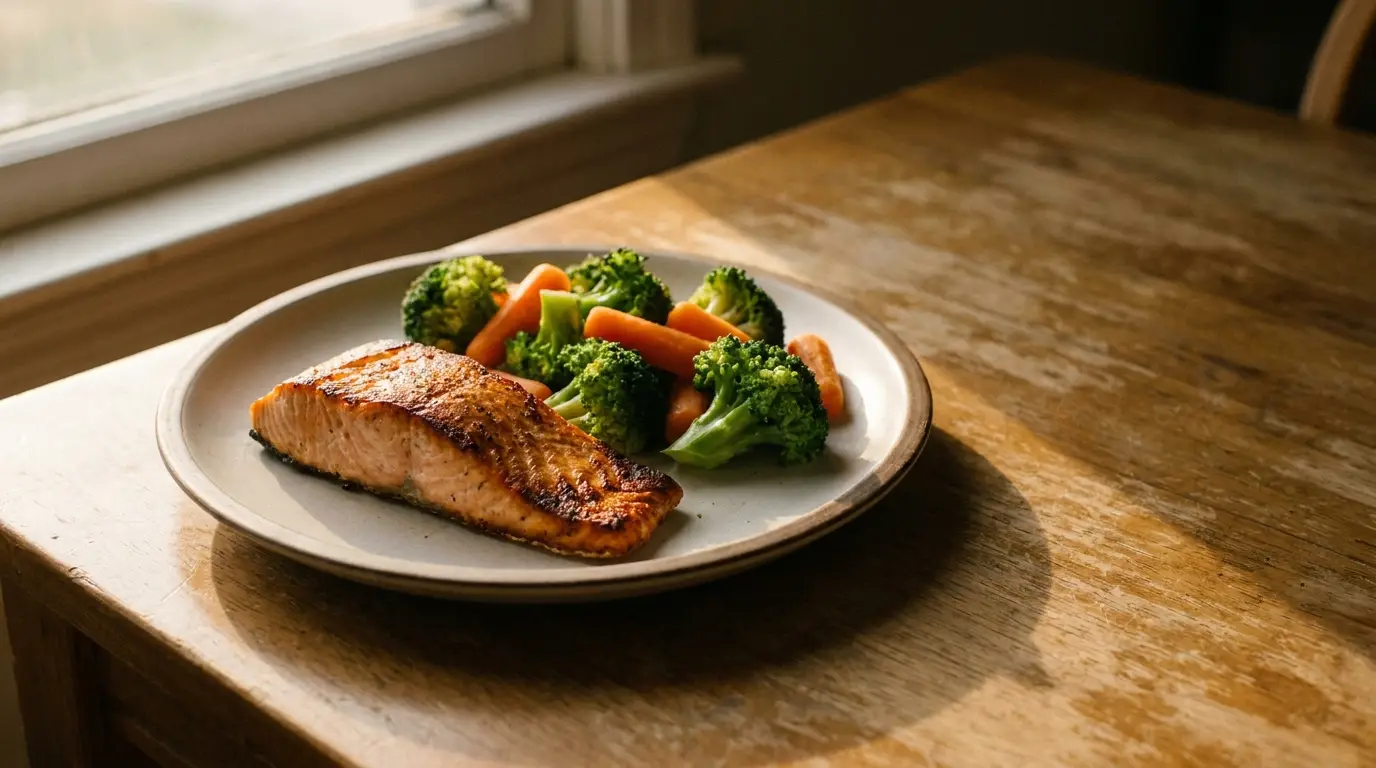
Getting started doesn’t require culinary training. A baked salmon fillet with steamed vegetables, a shrimp stir-fry over rice, or a simple tuna salad with olive oil and lemon each deliver a substantial protein dose in under 30 minutes of prep and cook time. Beginners often do best starting with pre-portioned frozen fillets or peeled shrimp, since they remove the guesswork around cooking times and reduce the chance of overcooking, which is the most common reason people give up on cooking fish at home.
Timing matters just as much as the recipe itself. Eating a protein-rich seafood meal earlier in the day, rather than saving all the protein for dinner, helps the body use it more efficiently for muscle maintenance and sustained energy through the afternoon. A Norwegian cohort study tracking fish consumption over 21 years found that consistently high intake was associated with a 41 percent lower risk of pre-frailty, reinforcing that the habit matters more than any single perfect meal.
Storage, Safety, and Smart Shopping: Making Seafood Convenient for Your Lifestyle
Practical barriers, not lack of interest, are usually what keep people from eating more seafood. Fresh fish can feel intimidating to store, and there’s a real fear of spoilage or foodborne illness, which is a legitimate concern for older adults whose immune systems may be more sensitive. Buying frozen seafood is often the smartest beginner move, since it locks in freshness at the point of catch and can be thawed in small portions exactly when needed, cutting down on waste and last-minute grocery trips.
A few habits make seafood a lasting part of a routine rather than an occasional experiment. Keeping a stock of frozen shrimp, salmon portions, and canned tuna on hand means a protein-rich meal is always within reach, even on low-energy days when cooking from scratch feels like too much. Reading sell-by dates carefully, storing fresh seafood on ice in the coldest part of the refrigerator, and cooking it within a day or two of purchase all reduce risk significantly. With a little practice, these small habits turn seafood from an occasional indulgence into a dependable, energy-supporting staple.