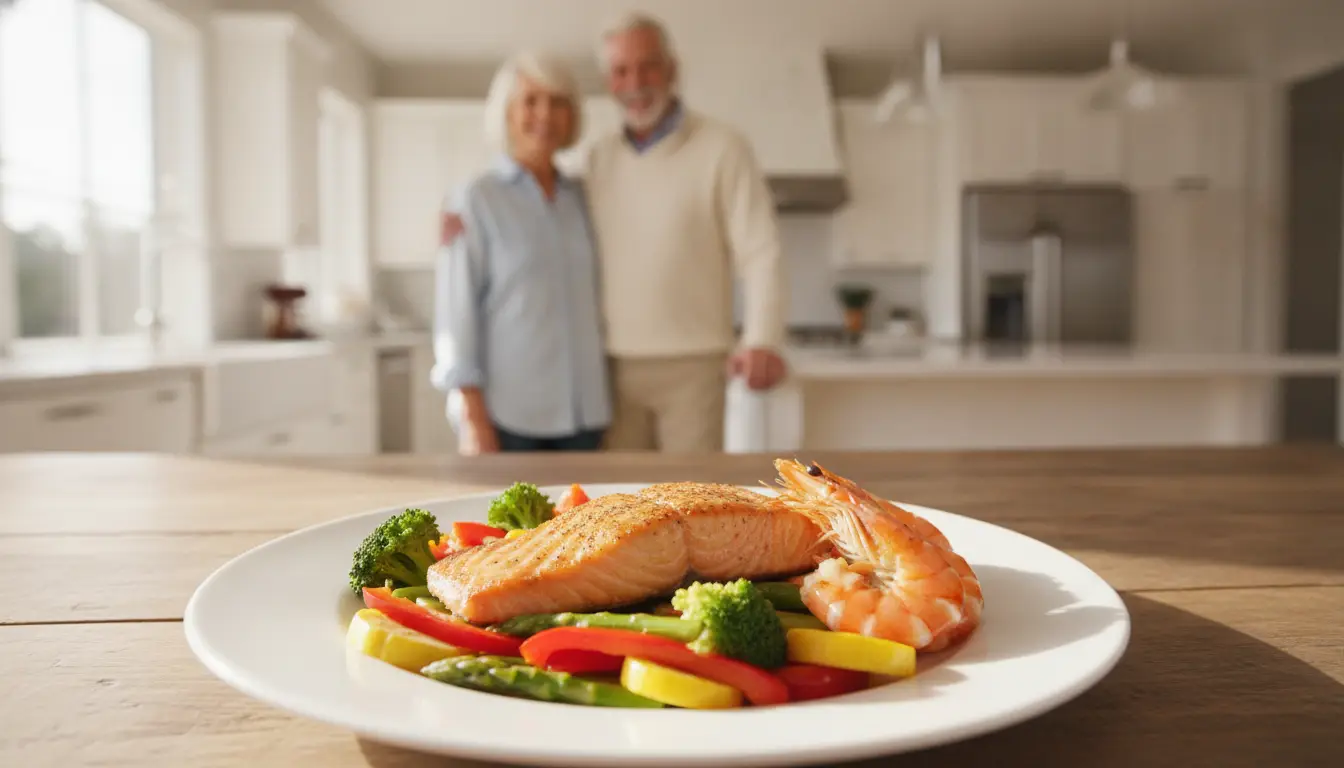



Healthy routines often sound simple until they meet real life. Drink more water. Move every day. Plan balanced meals. Stretch before bed. Take a walk after dinner. Prep snacks. Sleep earlier. Remember supplements. Schedule workouts. Make time for rest.
None of these habits is complicated on its own. The hard part is keeping them visible when the day gets full. A person may know exactly what helps them feel better, yet still forget the habit, skip the plan, run out of groceries, lose momentum, or feel overwhelmed by the number of “good choices” they are supposed to make.
That is why so many people look for simple apps to support healthier living. They are not always looking for more information. They are looking for less friction.
The best simple life app reviews should not only ask whether an app has a clean design or a long feature list. They should ask a more practical question: does this tool make daily routines easier to continue when life is busy, imperfect, and unpredictable?
A truly useful health routine app does not make wellness feel like another job. It helps people remember what matters, simplify repeated decisions, and return to their habits without shame when a day does not go according to plan.
Simplicity Is Not the Same as Having Fewer Features
A simple app is not always the one with the fewest buttons. Sometimes it is the one that understands what the user is trying to do and removes the steps that do not matter.
For example, a hydration reminder can be simple if it fits naturally into the day. It becomes annoying if it sends notifications at the wrong time, ignores workouts, or treats every missed reminder like a failure.
A meal planning tool can be simple if it helps someone reuse favorite meals, build a grocery list, and plan around busy nights. It becomes complicated if every week starts from a blank screen.
The same is true for fitness, sleep, stretching, meal prep, and mindfulness apps. The most useful tools reduce repeated thinking. They do not ask the user to rebuild the same habit system over and over.
Good simplicity feels like relief. It lets people say, “I know what to do next,” without needing a long setup, a perfect schedule, or a burst of motivation.
Healthy Routines Need Context
A routine is only useful if it fits the person’s real life. A 25-minute strength workout may be perfect for one person and unrealistic for another.
A meal prep plan may work for someone who likes cooking on Sundays but fail for someone who travels, shares a kitchen, or shops several times a week.
A morning routine may sound inspiring until school drop-off, early meetings, or caregiving responsibilities enter the picture. This is where many wellness apps fall short. They offer templates, but the user has to do the work of adapting them.
Better routine support starts with context: time, energy, preferences, household needs, food habits, workout style, reminders, and the situations that usually interrupt the plan.
A walking habit may need a rainy-day backup. A meal plan may need a “too tired to cook” option. A sleep routine may need different versions for weekdays and weekends.
Healthy habits do not fail only because people lack discipline. They often fail because the system was never shaped around the person’s life.
The Best Tools Support the Return, Not Just the Streak
Streaks can be motivating, but they can also make people feel like one missed day ruins everything.
Real wellness needs a softer kind of consistency. People get sick. Work runs late. Family needs attention. Travel changes routines. Hormones, stress, weather, mood, and energy all affect what is realistic.
A good app should help someone return to a habit without making them feel behind.
That might mean offering a lighter version of the routine, reminding the user of their usual pattern, suggesting a smaller next step, or helping them adjust the plan for the rest of the week.
If someone misses two workouts, the tool should not imply that the week is lost. It should help them choose the next reasonable movement session.
This matters because long-term health is built through returning, not through never missing.
The most supportive tools do not only celebrate perfect streaks. They make it easier to restart.
Personalization Should Go Beyond Preferences
Many apps ask for preferences during setup: goals, age range, activity level, dietary style, reminder times, or favorite workout types. That is helpful, but it is only the first layer of personalization.
The deeper layer is adaptation.
Does the tool remember which meals someone repeats? Does it notice that shorter workouts are more realistic on weekdays? Can it help create a grocery routine around the foods the person actually buys?
Can it turn a recurring problem, such as skipping lunch or forgetting evening stretching, into a small system?
This is where a personal AI agent can become more useful than a fixed template. Macaron, for example, is built around the idea that a person can describe a need in natural language and create a lightweight mini app around it.
Someone could say they want a simple routine helper for weekday lunches, gentle strength workouts, or evening wind-down habits, and the support can be shaped around that specific pattern rather than a generic plan.
The point is not to make health more technical. It is to make the support more personal.
A Good Routine App Reduces Decision Fatigue
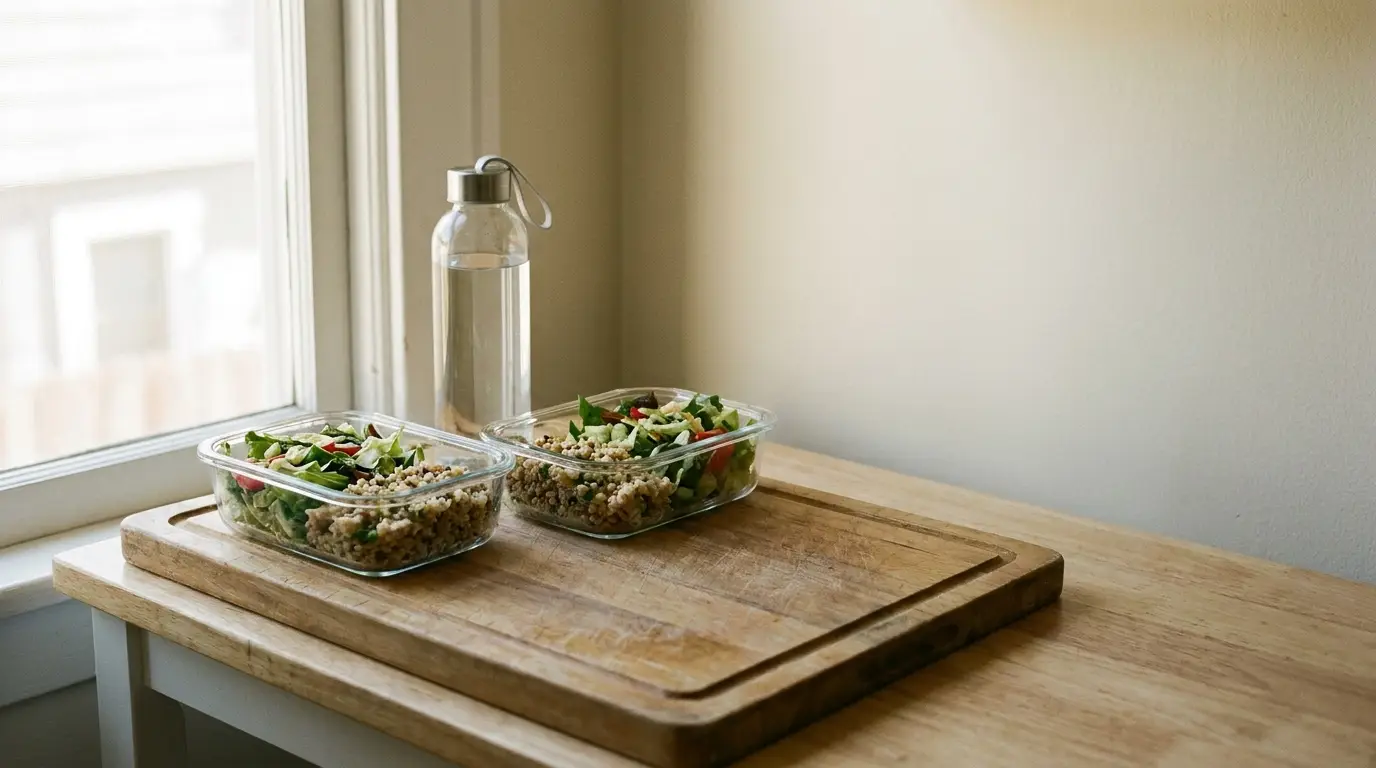
Many healthy habits are not hard because the action is difficult. They are hard because the decision keeps repeating.
What should I eat for lunch? Should I work out today or tomorrow? What can I make with what is in the fridge? Did I already take a walk? What is a quick stretch I can do before bed? Should I prep snacks now or later?
These small decisions add up.
A useful tool helps remove some of that mental clutter. It might save favorite meal combinations, suggest a short workout based on available time, turn leftovers into lunch ideas, remind someone to refill a water bottle before an afternoon slump, or keep a short list of backup dinners.
This kind of support is not dramatic. It is practical.
The right app does not need to redesign someone’s life. It can simply reduce the number of times they have to pause and figure out the same thing again.
Notifications Should Feel Helpful, Not Bossy
Notifications can support healthy routines, but they can also become noise.
A reminder that arrives at the wrong time is easy to ignore. A reminder that sounds judgmental can create resistance. A reminder that repeats too often becomes background clutter.
The best reminders feel timely and respectful.
They might nudge someone before their usual walk time, remind them to start dinner prep before the evening rush, suggest a lighter workout after a busy day, or prompt them to pack lunch before leaving the house. The wording matters too. A reminder should feel like support, not criticism.
Healthy routines are easier to maintain when tools work with the user’s rhythm instead of interrupting it.
A good app should allow people to adjust reminders as life changes, not force the same schedule forever.
Small Systems Beat Big Resolutions
Big health goals can be inspiring, but small systems are usually what make them happen. A goal might be “eat more balanced meals.”
A system is keeping three easy lunch options available. A goal might be “move more.” A system is scheduling two strength sessions and one backup walk.
A goal might be “sleep better.” A system is setting a phone cutoff, preparing tomorrow’s clothes, and choosing a realistic bedtime cue. Apps are most helpful when they turn goals into repeatable systems.
That may look like a weekly grocery rhythm, a rotating meal list, a short mobility routine, a habit tracker with flexible targets, or a reminder system that matches real energy levels.
These systems do not need to be complicated. In fact, the simpler they are, the more likely they are to survive. Health improves when helpful actions become easier to repeat.
Simple App Should Make You Trust Yourself More
Some wellness tools make people feel dependent on the app. They tell users what to do but do not help them understand their own patterns. A better tool helps someone notice what already works.
Maybe morning workouts are unrealistic, but lunchtime walks happen easily. Maybe meal prep fails when it requires full recipes, but ingredient prep works.
Maybe strict bedtime goals create stress, but a short wind-down cue helps. Maybe reminders are useful during the week but unnecessary on weekends. These insights matter because they build self-trust.
The goal of a simple life app should not be to control every healthy choice. It should help people see their own routines more clearly, adjust with less guilt, and build habits that feel sustainable.
Good technology should make the user feel more capable, not more managed.
What to Look for Before Choosing a Routine App
A useful health routine app should answer a few practical questions.
Does it fit the way you actually live? Can it support small habits instead of only big transformations? Does it let you adjust routines when life changes?
Does it reduce decisions instead of adding more? Does it help you return after missed days? Does it allow enough personalization to feel relevant?
The answers matter more than the number of features. A beautiful app that creates pressure may not help much. A simple tool that supports one or two habits consistently may be far more valuable.
The best routine support is often quiet. It helps in the background. It keeps useful actions visible. It reminds without nagging. It adapts without making everything complicated.
Healthier Living Should Feel More Livable
Healthy routines are not supposed to make life smaller. They are supposed to help people feel better inside the life they already have.
That means the best tools are not the ones that demand perfection. They are the ones that help people build repeatable support around meals, movement, rest, hydration, planning, and recovery.
A good app can be part of that support, but only if it respects real life. It should help people simplify, personalize, adjust, and return. It should make daily health feel less like a performance and more like a practice.
The most useful routine is not the one that looks impressive on a screen. It is the one you can actually live with.