


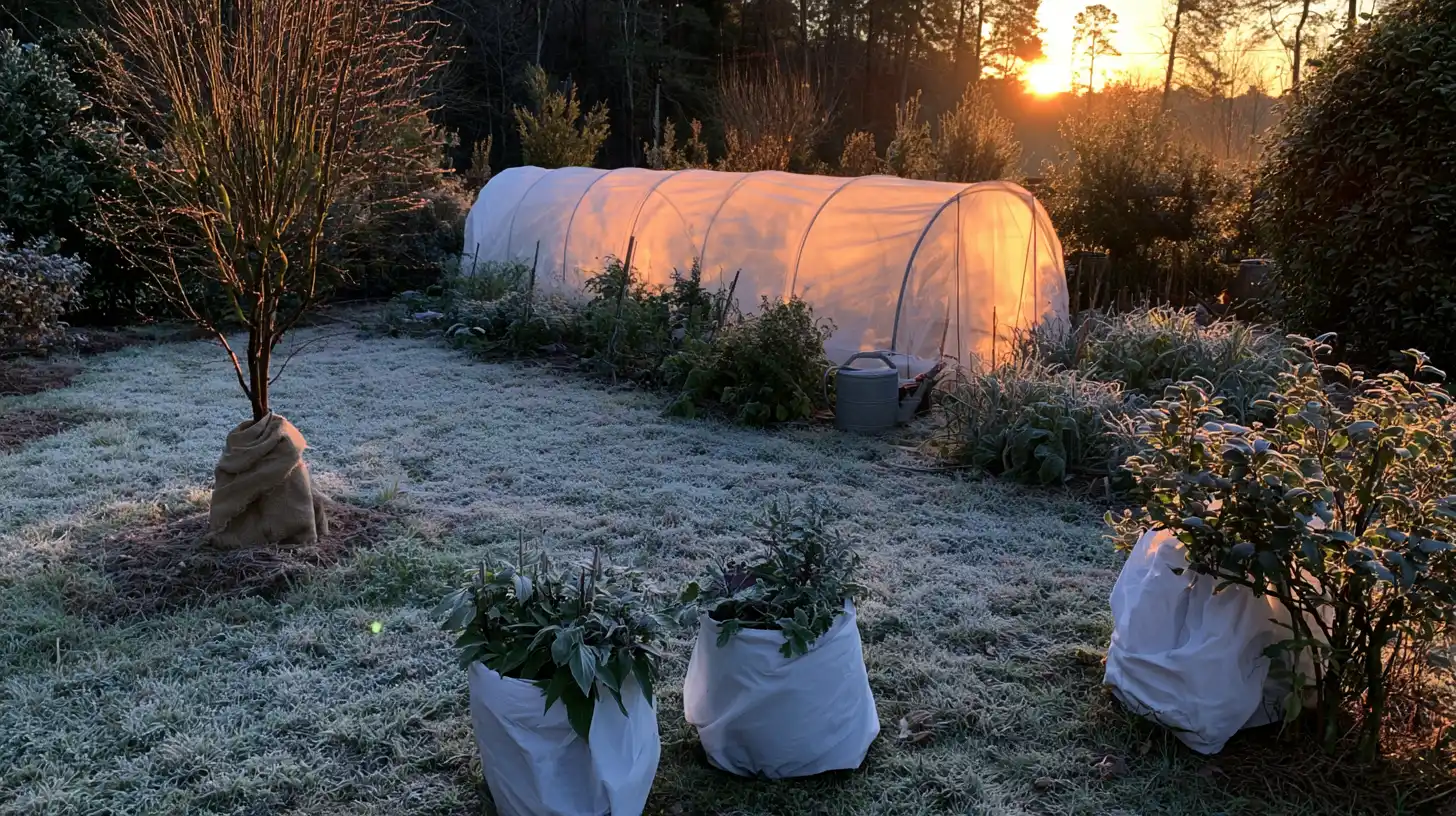
Cold weather can arrive quickly and expose plants to frost before they have time to adjust.
Flowers, vegetables, herbs, and other frost-sensitive plants are often the first to show damage after a chilly night.
Protecting them does not always require expensive equipment; simple methods such as using plant covers, applying mulch, or moving containers to a sheltered location can reduce the effects of freezing temperatures.
Taking action before frost develops gives plants a better chance of staying healthy and continuing to grow when warmer weather returns.
Signs Your Plants Have Frost Damage
Frost damage can show up soon after a cold night, though some signs take longer to appear. Check leaves, flowers, stems, and new growth for any change in color, feel, or firmness.
- Wilted Leaves: Leaves may droop or feel limp after a freeze, especially on new, tender growth that hasn’t hardened yet.
- Black or Brown Foliage: Damaged leaves often turn dark brown or black, most often along the edges, tips, or parts left open to the cold.
- Water-Soaked Leaves: Hurt leaves can look wet or see-through, since the cold breaks down the tiny parts inside the plant.
- Damaged Flowers and Buds: Frost hits flowers and new buds hard, and they may turn dull, wilt, or fall off the plant entirely.
- Soft or Damaged Stems: Young stems and shoots can turn soft, dark, or limp after too much time spent in the cold.
- Delayed New Growth: A plant hurt by frost often grows slower afterward, as it works to heal and send energy to healthy parts first.
How to Protect Plants from Frost?
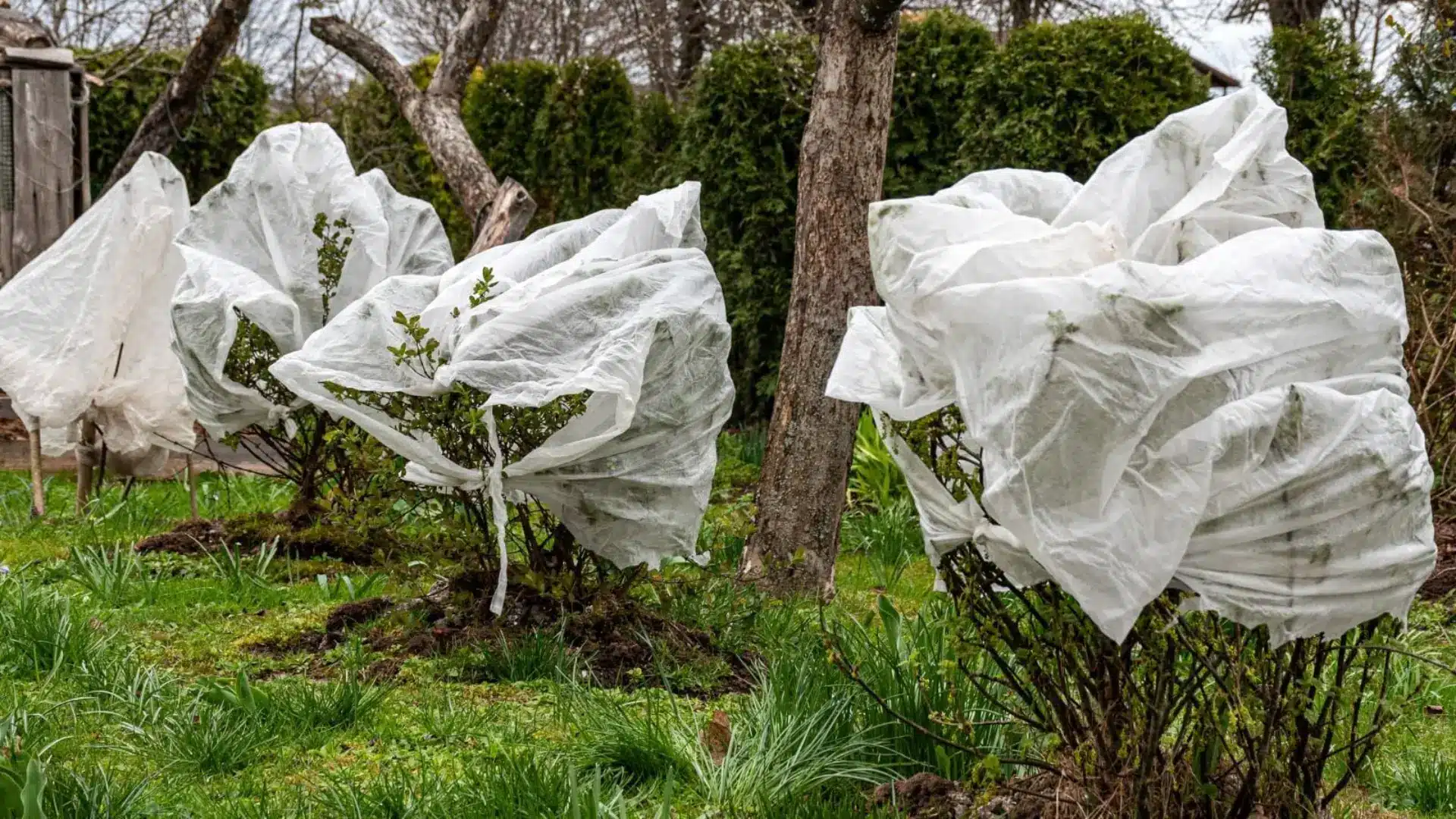
Cold weather preparation is often enough to reduce frost damage in home gardens.
A few preventive measures taken before temperatures fall can protect sensitive plants and improve their ability to recover after a cold night.
Step 1: Water the Soil Before Frost
Water the soil during the afternoon so it has time to absorb moisture before temperatures fall.
Moist soil stores more heat than dry soil and gradually releases it overnight, creating a slightly warmer environment around plant roots.
Avoid wetting the leaves because standing water can freeze in colder conditions.
Step 2: Choose the Right Covering Material
Select breathable materials such as frost cloth, burlap, lightweight blankets, or old bed sheets to protect plants from freezing temperatures.
These coverings trap heat rising from the soil while still allowing air to circulate.
Plastic should not touch plant leaves because it can transfer cold and increase the risk of frost damage.
Step 3: Cover Plants Before Sunset
Place protective covers over plants before the temperature begins to drop in the evening.
Covering them early traps the warmth stored in the soil and provides better overnight insulation.
Make sure the entire plant is covered, especially if frost is expected to last until morning.
Step 4: Secure the Cover Properly
Extend the cover all the way to the ground and secure the edges with bricks, stones, garden stakes, or other heavy objects.
A tightly secured cover prevents cold air from entering underneath and keeps the material in place during windy weather.
Step 5: Remove Covers the Next Morning
Remove plant covers after temperatures rise above freezing and daylight begins to warm the air.
Leaving covers on for too long can trap excess moisture and limit airflow.
Early removal also allows plants to receive sunlight and return to their normal growing conditions.
Best Materials for Covering Plants
The right covering material helps trap heat around plants while reducing exposure to cold air.
Breathable fabrics work best because they provide insulation without trapping excess moisture.
| Material | Best For | Notes |
| Frost Cloth | Long-lasting frost protection | Designed for repeated outdoor use. |
| Bed Sheets | Light frost | Easy to use and available in most homes. |
| Blankets | Short periods of freezing temperatures | Best for larger plants or shrubs. |
| Burlap | Shrubs and young trees | Allows airflow while reducing cold exposure. |
| Cardboard Boxes | Small plants | Quick solution for overnight frost. |
| Buckets or Plant Covers | Seedlings and potted plants | Simple option for temporary protection. |
Keep covers from touching the leaves whenever possible to improve frost protection.
Different Ways to Protect Plants from Cold Weather
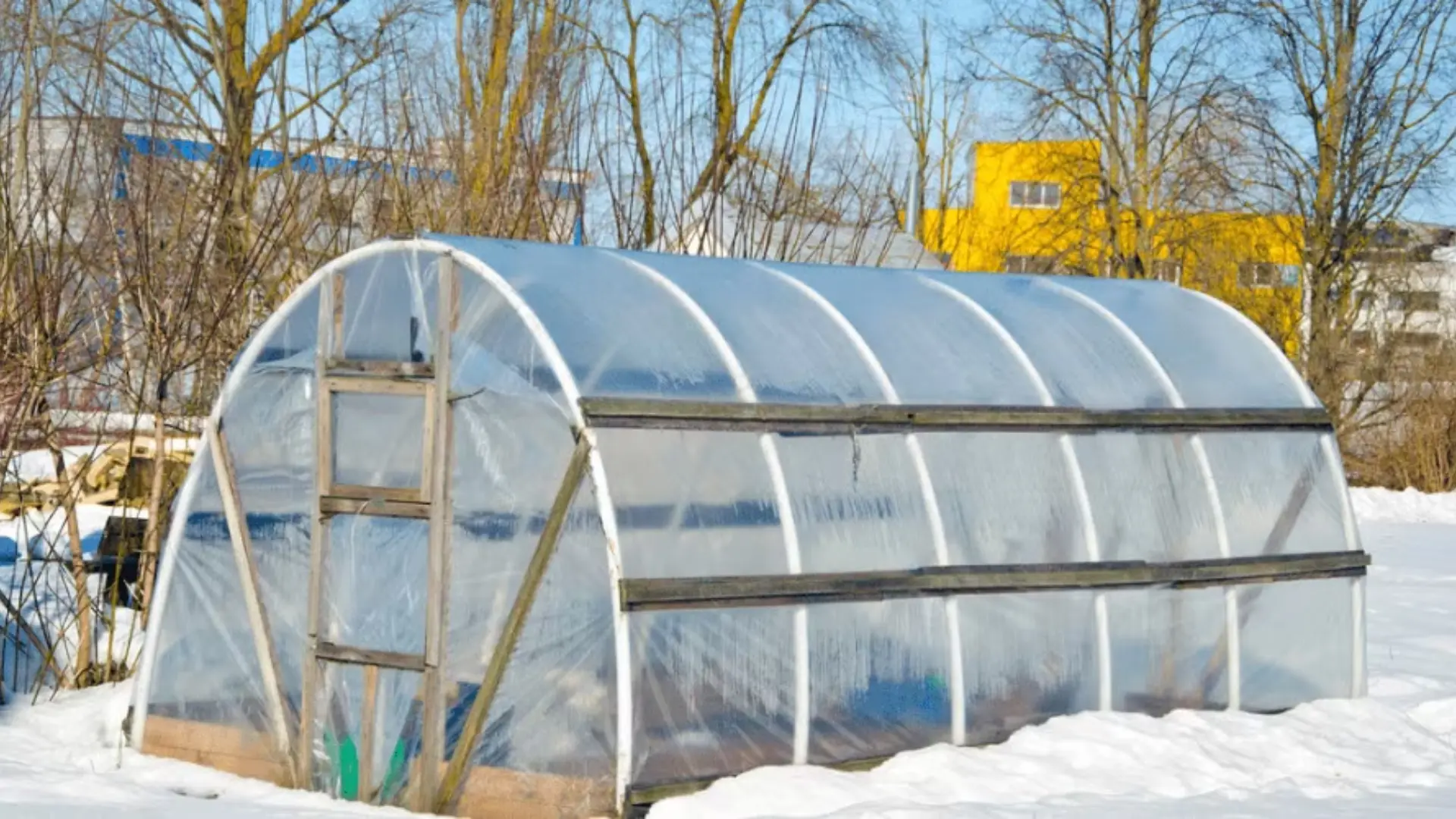
Plant covers are not the only way to reduce frost damage.
A combination of soil protection, proper watering, and shelter for vulnerable plants can improve their ability to withstand freezing temperatures and recover more easily when the weather warms.
1. Apply Mulch Around Plants
Spread a 2–4 inch layer of organic mulch around the base of your plants before cold weather arrives.
Mulch insulates the soil, helps protect roots from freezing temperatures, reduces moisture loss, and limits sudden temperature changes that can stress sensitive plants.
2. Move Container Plants
Plants growing in containers cool down much faster than those planted in the ground because their roots are exposed on every side.
Moving pots into a garage, greenhouse, covered porch, or another sheltered location provides extra protection during frosty nights.
3. Group Potted Plants Together
Keeping potted plants close together creates a slightly warmer environment by reducing their exposure to cold air and wind.
Place the most frost-sensitive plants in the center of the group, where the surrounding containers provide additional insulation.
4. Use Cold Frames or Cloches
Cold frames and garden cloches create a protected space that traps warmth while shielding plants from frost and cold winds.
They are especially useful for vegetables, herbs, seedlings, and other young plants that need extra protection during colder months.
5. Water Plants Before a Frost
Water the soil during the afternoon before frost is expected so it has time to absorb moisture before temperatures fall.
Moist soil stores heat during the day and releases it gradually overnight, helping protect plant roots from freezing conditions.
6. Frost Cloth
Frost cloth keeps in warmth while still letting air and moisture pass through the fabric.
Lay it over plants before it gets cold outside, and hold down the edges near the ground to trap heat overnight and through the coldest hours.
7. Emergency Frost Protection
If frost shows up out of nowhere, grab clean sheets, thin blankets, cardboard boxes, or other light cover you have on hand right away.
Put it over the plants before temperatures drop, then take it off the next morning once things warm up again.
8. Create Mini Greenhouses Using Cloches
Cloches build a small covered space around each plant, blocking cold wind and frost from reaching the leaves.
They work well for seedlings, herbs, vegetables, and other small plants that only need short-term cover during a cold snap.
9. Row Covers and Hoop Tunnels
Row covers stretched over hoops shield several plants at once under one single layer of protection. These work great for vegetable beds and seedlings, holding in warmth while still letting light and air reach the plants underneath.
10. Heat-Retaining Areas
Place plants that get hurt easily near walls, fences, or other spots that block cold wind from hitting them directly.
Areas that catch sun during the day tend to stay a bit warmer once night falls and temperatures drop.
11. Wrap Sensitive Plants and Containers
Wrap plants, pots, or other containers in breathable material to cut down on cold air hitting them directly overnight. Container plants need this extra layer most, since their roots have far less shelter than plants growing in the ground.
12. Use Wind Protection
Cold wind pulls heat away fast and makes frost damage worse than it would be otherwise.
Fences, screens, bushes, or a simple barrier can block wind around delicate plants without shutting off all airflow completely from the area.
13. Use Heat Sources
On especially cold nights, a safe outdoor heat source placed carefully nearby can add some extra warmth to the area.
Follow the instructions on the label, keep it far from anything that can catch fire, and never leave it unattended.
14. Add Protective Layers
A layer of mulch around the base of a plant helps keep the soil warm and protects roots from sudden overnight temperature swings. Just keep the mulch a little away from the stem so air can still move through freely.
15. Protect Young Seedlings
Young seedlings struggle the most in cold weather since their soft tissue can’t handle much freezing without damage.
Cover them ahead of frost, use cloches or row covers, and move any potted seedlings somewhere sheltered when possible during a cold night.
16. Frost Protection Sprays or Anti-Frost Products
Some sprays claim to protect plants from frost, but how well they work depends on the plant and the specific product used.
Read the label closely, and treat these as an extra step, not a full replacement for real cover.
Which Plants Need Protection During Frost?
Not all plants respond to frost in the same way. Tender flowers, vegetables, herbs, and tropical plants can suffer damage when temperatures fall below freezing.
Cold-hardy vegetables and well-established plants usually tolerate a light frost without extra protection.
Plants That Usually Need Protection: Tomatoes, Peppers, Basil, Cucumbers, Citrus Trees, Petunias, Geraniums, Potted Tropical Plants, etc.
Plants That Often Tolerate Light Frost: Kale, Spinach, Carrots, Broccoli, Brussels Sprouts, Garlic, Onions, Established Shrubs, etc.
Plants grown in containers are more vulnerable to frost because their roots are exposed to cold air on all sides.
Moving pots to a garage, covered porch, or another sheltered location before temperatures drop provides extra protection and helps reduce the risk of frost damage during cold nights.
If you’re unsure, cover tender and newly planted plants. Container plants also need protection because their roots are more exposed to freezing temperatures.
Plant-Specific Frost Protection
Not all plants handle cold the same way, so what they need for cover changes too. Plants that grow best in warm weather usually need cover earlier and need it more often.
Tomatoes
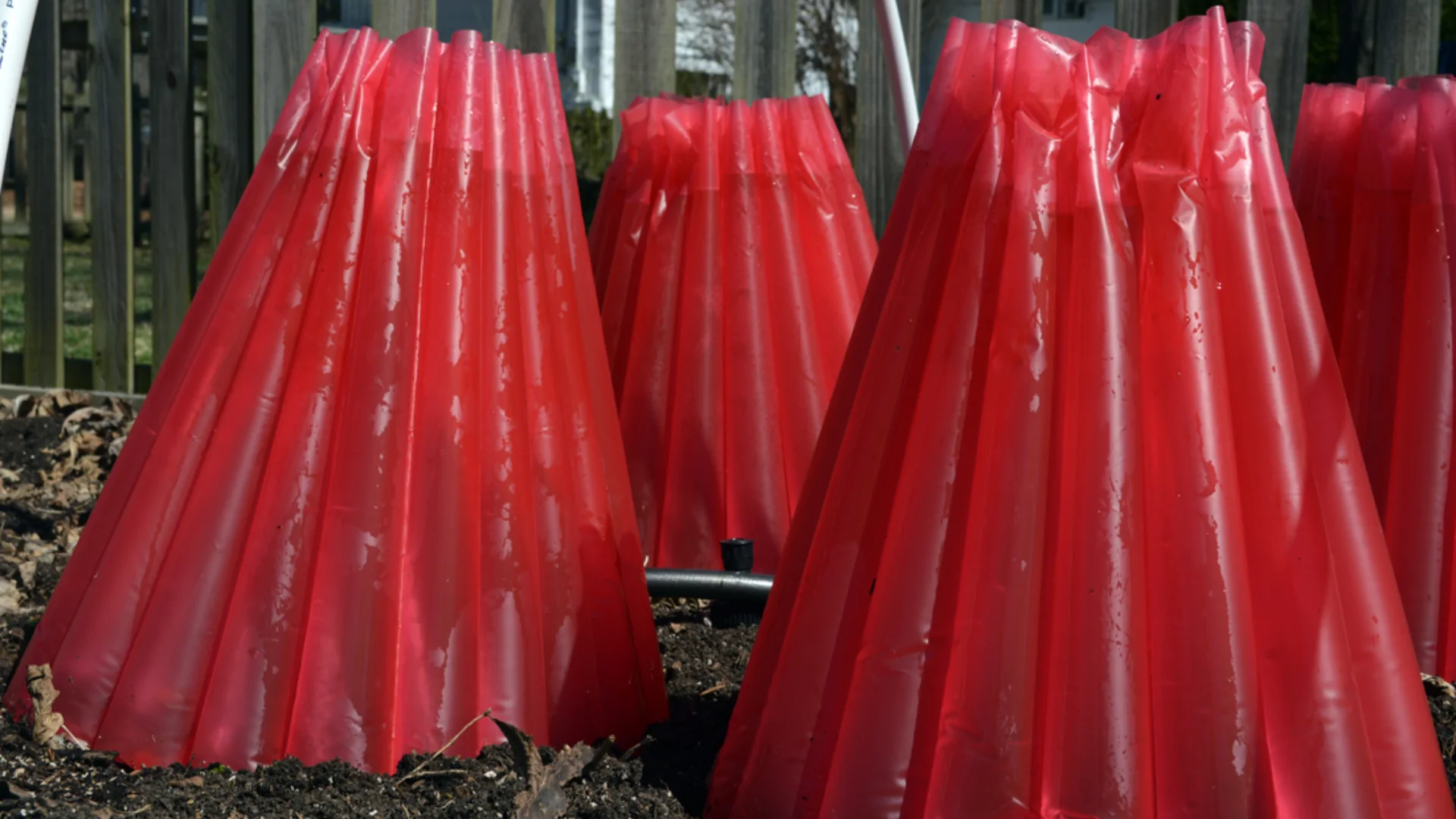
Tomatoes really don’t handle frost or freezing well at all, even for a short period.
Cover them the night before it gets cold using frost cloth, a blanket, or anything else that lets air through. Hold the edges down near the soil.
Peppers
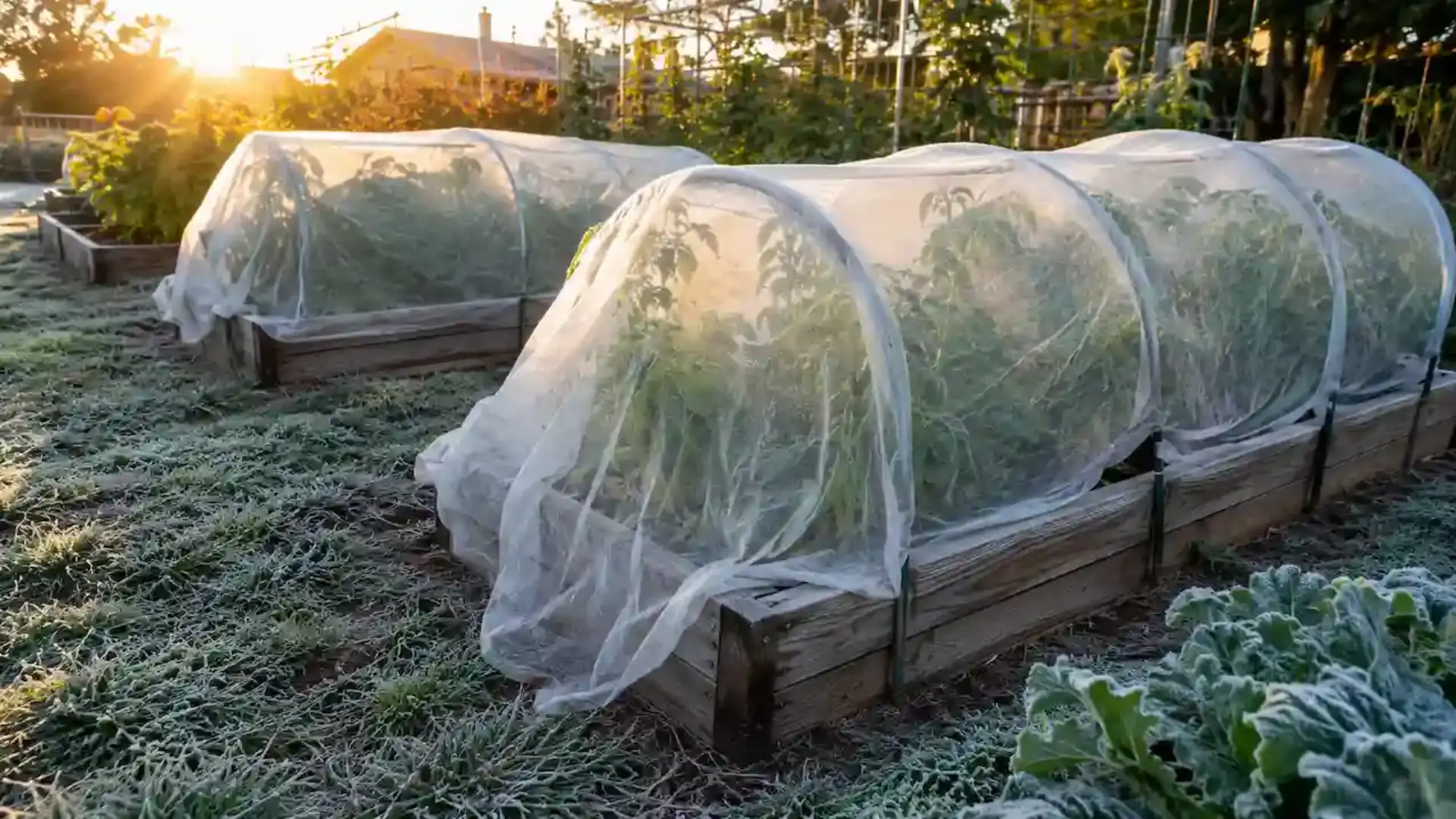
Peppers grow best in warm weather and can get hurt once temperatures near freezing outside.
Use frost cloth to cover them at night, or move potted peppers to a covered spot before the cold weather actually sets in for the season.
Cucumbers
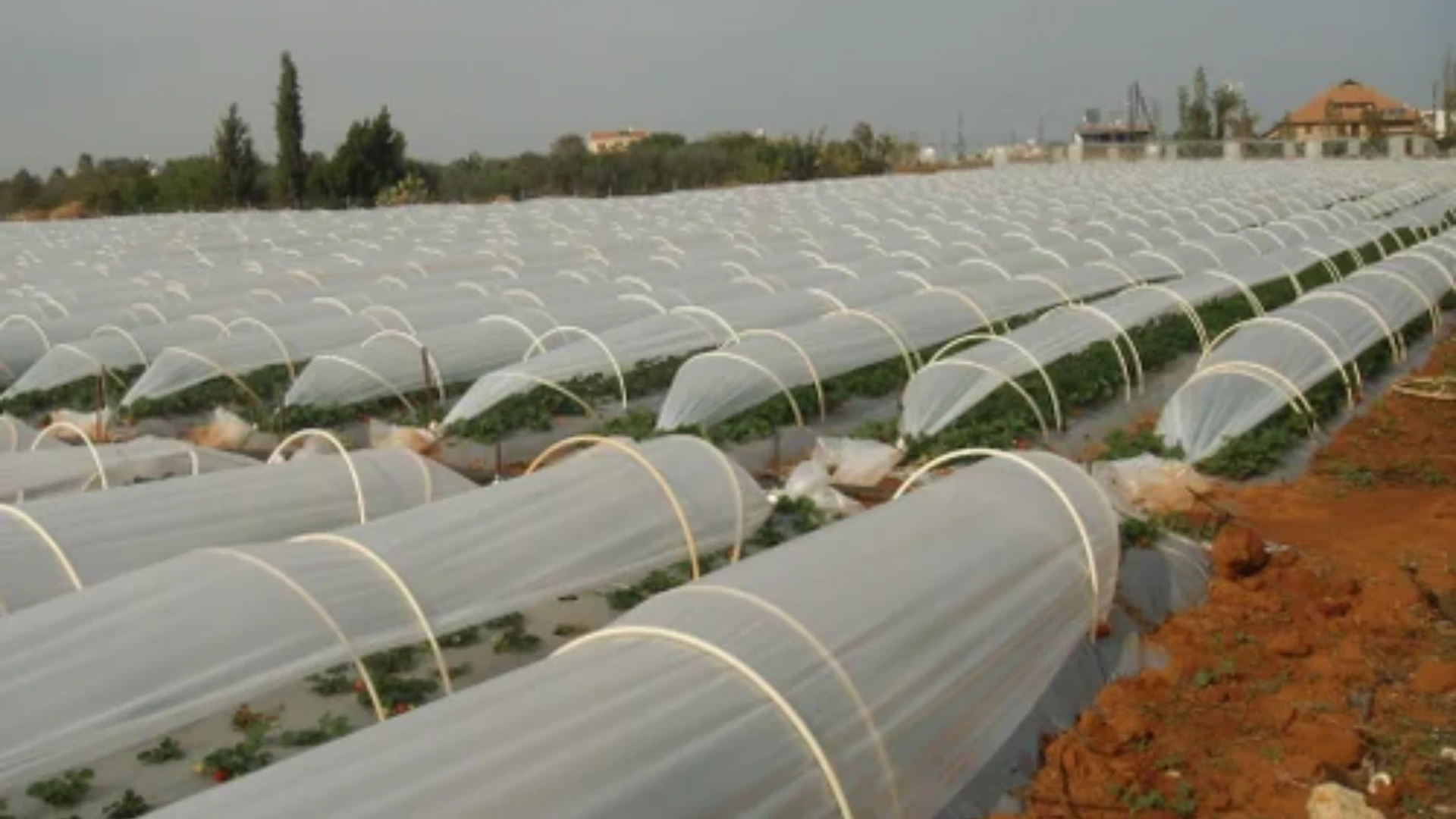
Cucumbers don’t like cold weather at all, especially while the plants are still young and tender.
Put row covers, cloches, or frost cloth over them on cold nights, then take the cover off once it warms up and growing conditions return to normal.
Lettuce
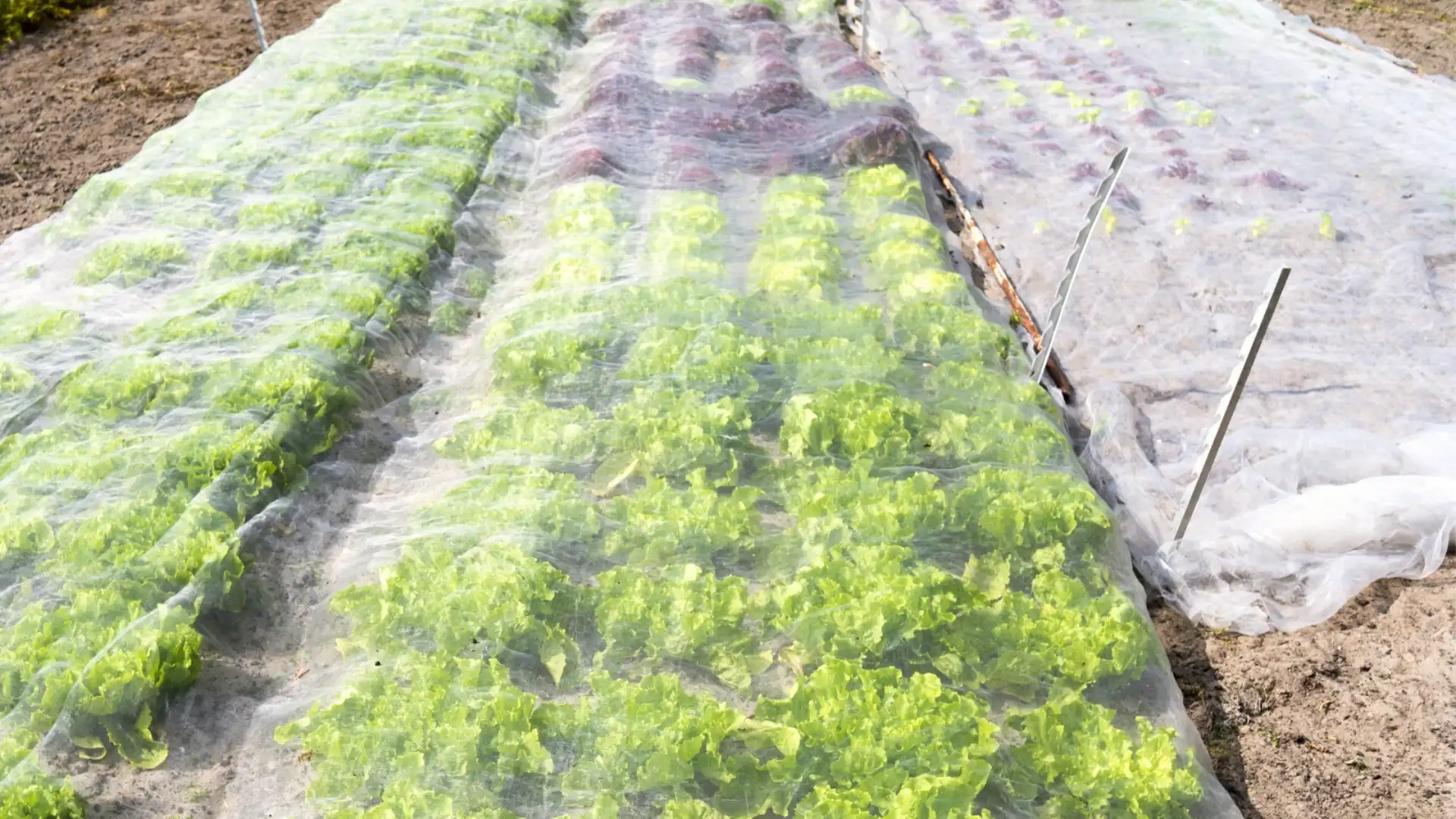
Lettuce handles a light frost better than most warm-season plants growing nearby in the garden. Still, young lettuce plants do better with some added cover during cold weather.
Row covers cut down on frost exposure while still letting light and air reach the plant.
Beans
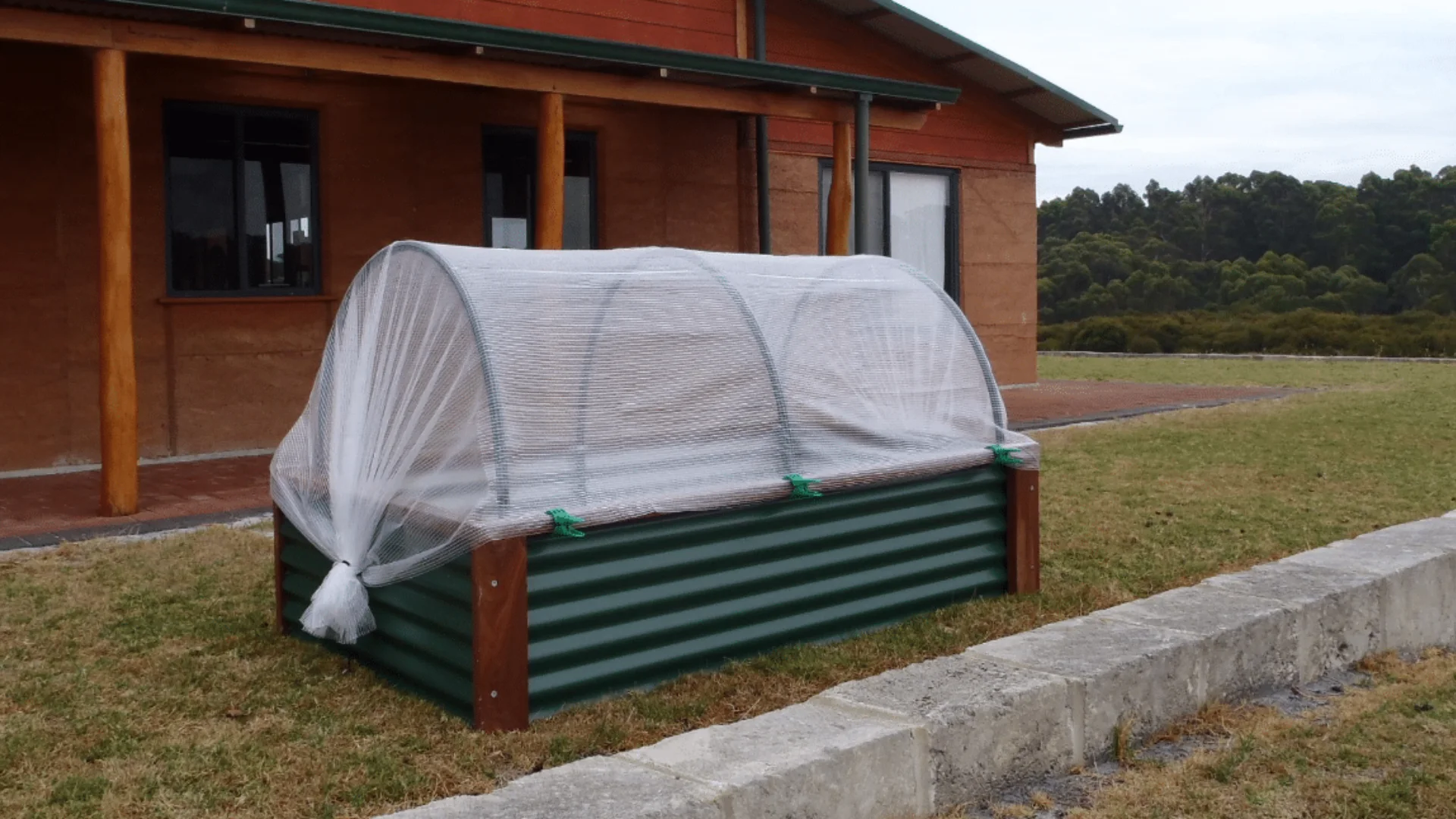
Beans struggle with frost, especially early on while the plants are still small and growing.
Cover young bean plants with frost cloth or row covers before it gets cold outside, then remove the cover once warmer weather returns to the area.
What to Do After Frost Damages Your Plants?
Plants hurt by frost can often bounce back once the weather warms up again. Cutting or feeding them too soon can add more stress, though. Give the plant a few days to show signs of life first.
Then clear away growth that’s clearly dead and protect it from any frost still to come.
- Wait several days before pruning to see what recovers on its own.
- Look for healthy buds or new growth showing signs of life.
- Keep the soil a bit moist, but don’t overwater a stressed plant.
- Remove growth that’s clearly dead once the damage is fully clear.
- Hold off on fertilizing until new, healthy growth starts to show.
- Cover the plant again if another frost looks likely soon.
Difference Between Frost vs. Freeze
Frost and freezing temperatures can both damage plants, but they affect gardens in different ways.
Knowing how each condition develops makes it easier to decide when to use plant covers or other protective measures.
Frost:
- Forms when temperatures near the ground fall to 32°F (0°C) or below, allowing ice crystals to develop on plant surfaces.
- Usually, it damages leaves, flowers, and tender new growth first.
- Many plants recover if they are covered or protected before frost develops.
Freeze:
- Occurs when air temperatures remain at or below 32°F (0°C) for several hours, exposing the entire plant to freezing conditions.
- Can damage stems, roots, fruit, and the entire plant if freezing temperatures continue.
- Extended freezing conditions may cause permanent damage or kill frost-sensitive plants despite protective measures.
Should You Cover Your Plants Tonight?
Plant covers are not necessary every time the temperature drops, but frost can damage many garden plants in a single night.
Check the overnight forecast before deciding.
Tender vegetables, herbs, flowers, tropical plants, and young seedlings usually benefit from extra protection when freezing temperatures or frost are expected.
In contrast, many hardy plants can tolerate light frost without additional covering.
Cover Your Plants If
- Temperatures are expected to fall to 32°F (0°C) or below during the night.
- A frost or freeze warning has been issued for your area.
- Your garden contains tender vegetables, herbs, flowers, or tropical plants.
- Young seedlings or recently planted flowers are growing outdoors without protection.
You May Not Need to Cover Plants If
- Overnight temperatures remain safely above the freezing point.
- You are growing frost-hardy crops such as kale, spinach, or Brussels sprouts.
- Plants are already protected inside a greenhouse, cold frame, or another sheltered structure.
Conclusion
Frost can damage tender plants in just one cold night, but timely protection greatly reduces the risk.
Covering sensitive plants, watering the soil before freezing temperatures, applying mulch, and moving container plants to sheltered locations all provide extra protection during cold weather.
Checking the forecast before temperatures drop also helps you prepare for frost.
Regular attention during colder months keeps many flowers, vegetables, herbs, and young plants healthier, allowing them to recover more easily and continue growing when warmer conditions return.
Frequently Asked Questions (FAQs)
1. Can Frost-Damaged Plants Recover?
Yes, many recover with proper care and warmer temperatures.
2. Can Indoor Plants Be Affected by Cold Windows?
Yes, cold drafts and windows can stress indoor plants.
3. Is It Safe to Fertilize Plants Before a Frost?
Avoid fertilizing, as it encourages vulnerable new growth.