

Gaming often means long stretches of concentration and quick decisions. Whether someone plays competitive multiplayer titles, sprawling role-playing games or card games like online blackjack, what they eat can make a real difference to how they feel during a session. Skill comes from practice, but good eating habits help keep energy and focus steady, especially over longer sessions.
Why Nutrition Matters
It’s easy to fall into the habit of relying on processed snacks, sugary drinks and convenience food. They give a quick boost, but the energy crash that follows makes it harder to stay focused. Balanced meals, enough water and nutrient-rich food provide steadier energy throughout the day.
Athletes pay attention to their diets to perform well, and gamers can benefit from the same approach.
Starting the Day with a Balanced Breakfast
A strong gaming nutrition plan starts with breakfast. After a night’s sleep, the body needs fuel to replenish energy stores and prepare for the day ahead. A breakfast that combines complex carbohydrates, protein, and healthy fats can help create a stable foundation for sustained energy.
Meals such as oatmeal with fruit, wholegrain toast with eggs, or Greek yogurt with berries provide a gradual release of energy rather than the rapid spikes associated with sugary cereals or pastries. This can help maintain concentration and productivity throughout the morning and into later gaming sessions.
Choosing the Right Carbohydrates
Carbohydrates are often misunderstood, but they remain one of the body’s primary energy sources. The key is choosing quality carbohydrates that provide lasting fuel instead of temporary bursts of energy.
Complex carbohydrates such as oats, brown rice, sweet potatoes, quinoa, and wholegrain bread digest more slowly than heavily processed alternatives. This gradual digestion helps maintain stable blood sugar levels, reducing the likelihood of fatigue and helping gamers stay focused for longer periods.
When incorporated into regular meals, these foods provide reliable energy without the crashes often associated with sugary snacks and drinks.
The Importance of Protein
Protein should play a central role in a gamer’s eating plan. In addition to supporting muscle maintenance and recovery, protein helps promote fullness and can reduce the urge to snack excessively throughout the day.
Excellent protein sources include lean poultry, fish, eggs, dairy products, beans, lentils, and tofu. Including a quality source of protein in each meal helps create a balanced diet and contributes to more stable energy levels.
Protein-rich meals can also help gamers avoid the distractions that often come with hunger during long gaming sessions.
Foods That Support Brain Function
Gaming draws on memory, strategy, reaction speed and concentration, and some foods contain nutrients linked to healthy brain function.
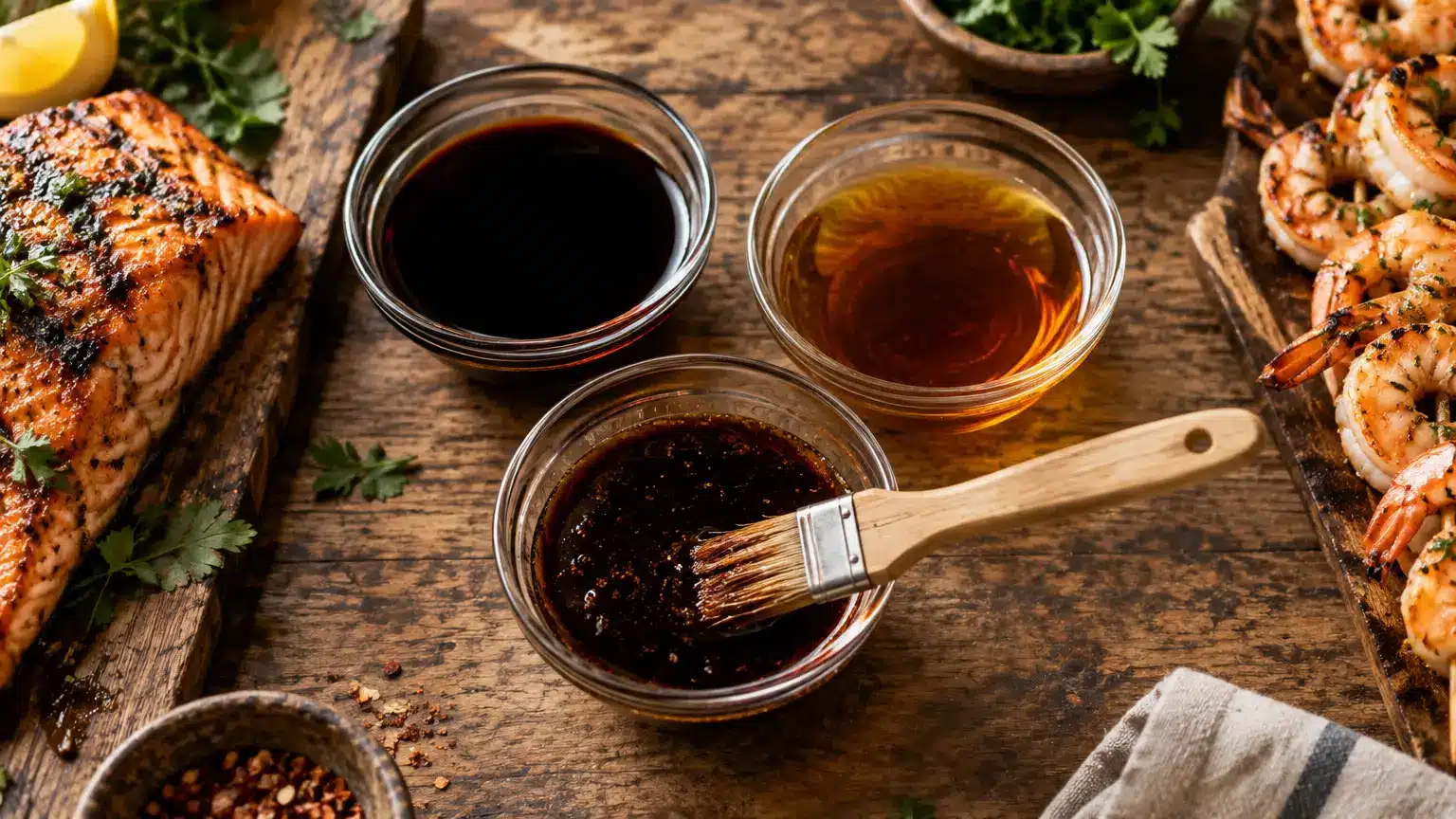
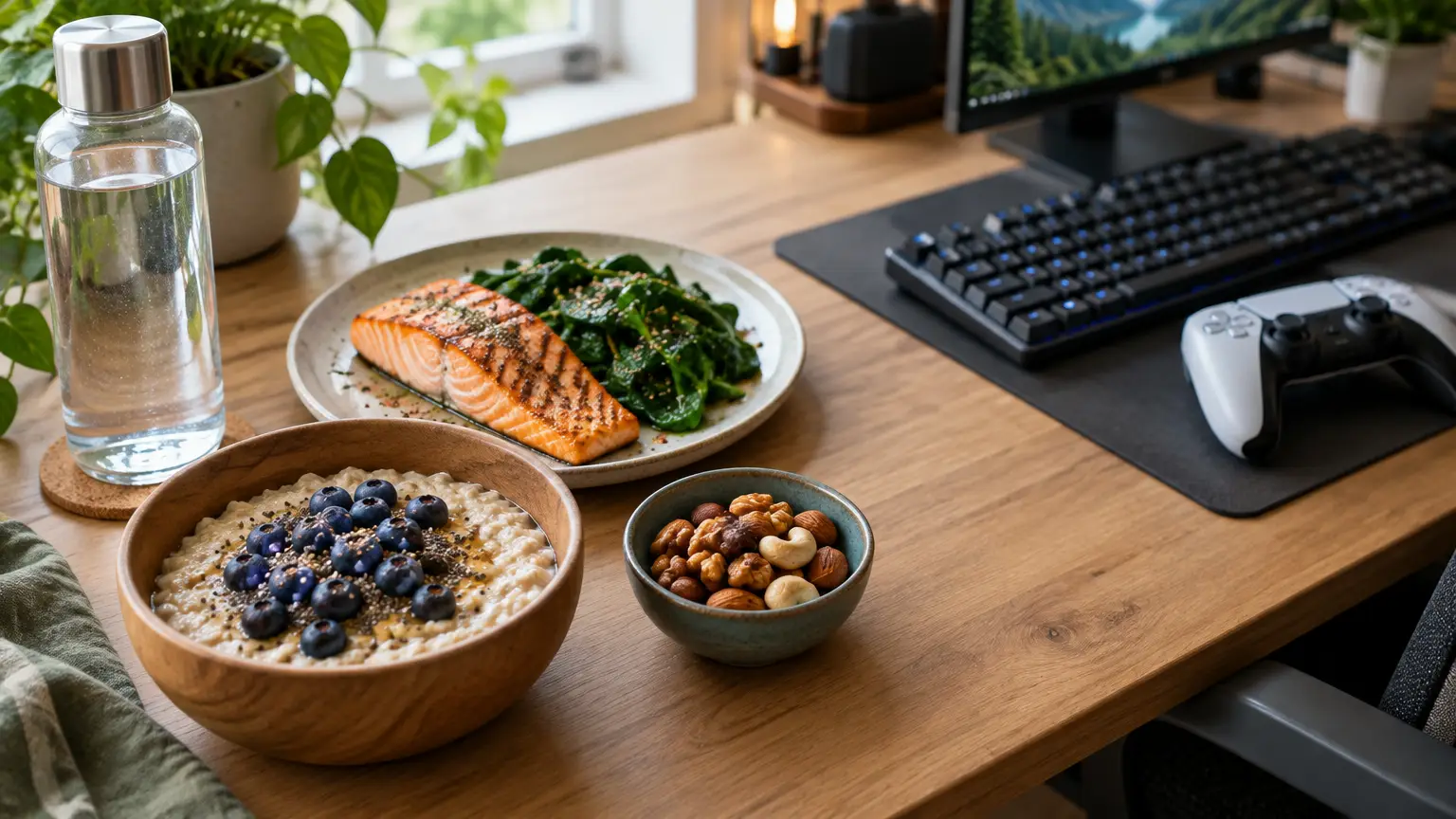
Fatty fish such as salmon, tuna, and mackerel are rich in omega-3 fatty acids, which are important components of brain health. Blueberries are valued for their antioxidant content and are often included in discussions surrounding mental performance. Nuts and seeds provide healthy fats, vitamins, and minerals, while leafy greens such as spinach and kale offer a variety of nutrients that contribute to overall wellbeing.

Including these foods regularly can help create a diet that supports both physical and mental health.
Staying Properly Hydrated
Hydration is one of the most overlooked aspects of gaming performance. Even mild dehydration can contribute to headaches, fatigue, and difficulty concentrating.
Many gamers become deeply engaged in gameplay and forget to drink enough fluids during the day. Keeping a water bottle nearby can serve as a helpful reminder to stay hydrated. Water should remain the primary beverage choice, although low-sugar electrolyte drinks may occasionally be useful during particularly long sessions.
Developing strong hydration habits can support comfort, focus, and overall performance.
Smarter Snacking During Gaming Sessions
Snacking is often part of the gaming experience, but the type of snack consumed can make a major difference. Traditional gaming snacks such as crisps, sweets, and highly processed foods often contain large amounts of sugar, salt, and unhealthy fats.
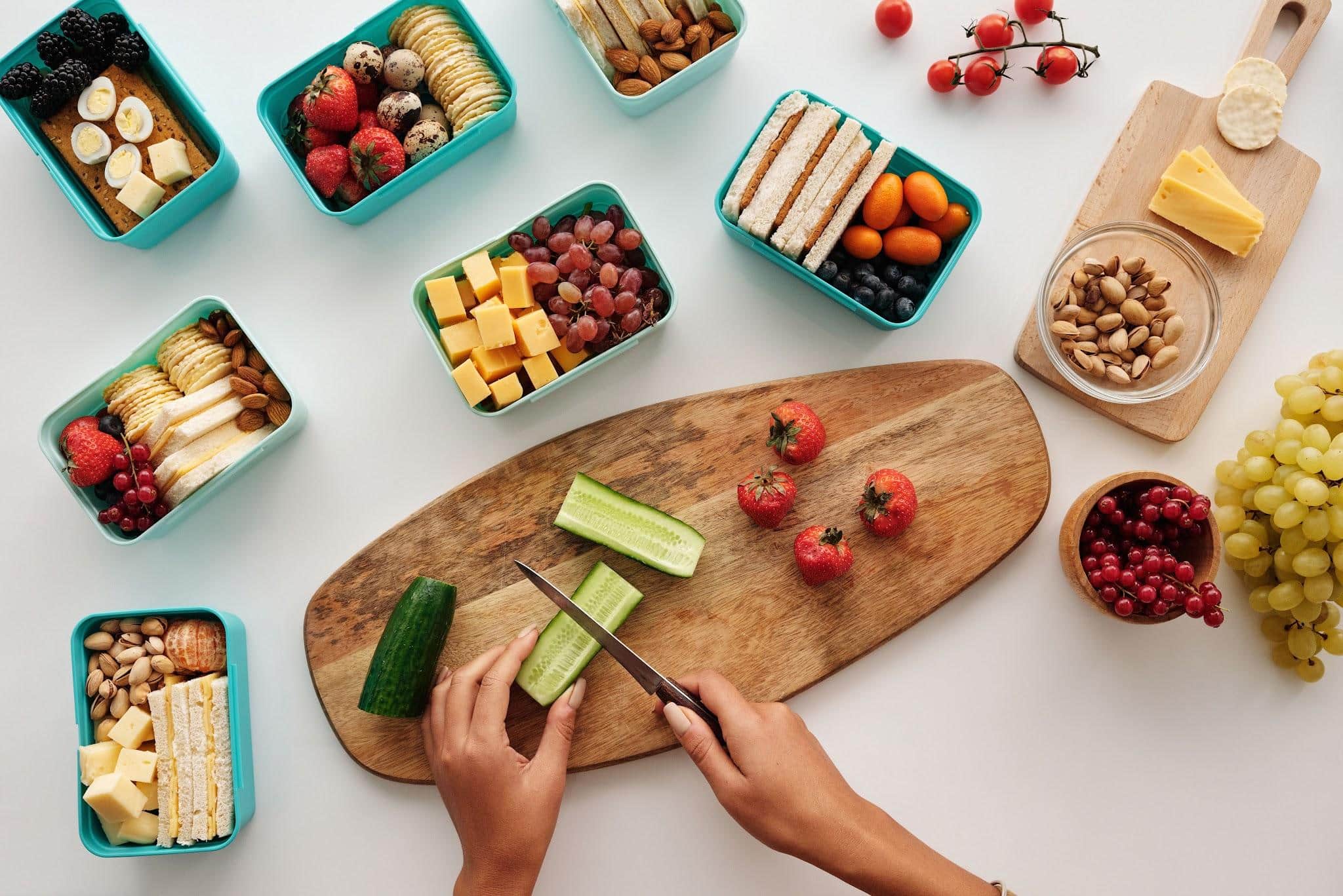
Healthier alternatives include fruit, mixed nuts, yogurt, air-popped popcorn, and vegetables paired with hummus. These options provide valuable nutrients while helping to maintain more stable energy levels.
Choosing healthier snacks can also help reduce excessive calorie consumption without sacrificing convenience.
Managing Caffeine Intake
Coffee, tea, and energy drinks are common choices among gamers seeking an extra boost of alertness. When consumed in moderation, caffeine can help improve focus and concentration.
However, excessive caffeine intake may contribute to restlessness, anxiety, disrupted sleep, and energy crashes later in the day. Energy drinks deserve particular attention because they often combine high amounts of caffeine with significant levels of sugar.
The goal is to use caffeine in moderation rather than depending on it for energy.
Timing Meals Around Gaming Sessions
Meal timing can play an important role in maintaining comfort and concentration. Eating a balanced meal before gaming provides the body with a steady supply of energy and can reduce the temptation to reach for unhealthy snacks.
Meals containing protein, vegetables, healthy fats, and complex carbohydrates tend to provide longer-lasting satisfaction. During gaming sessions, lighter snacks are often preferable to large meals that may cause sluggishness. After gaming, a nutritious meal can help replenish energy stores and support recovery.
Creating a consistent eating schedule can improve both overall health and gaming comfort.
The Role of Fruits and Vegetables
Fruits and vegetables should form the foundation of any healthy eating plan. They provide essential vitamins, minerals, fibre, and antioxidants that support numerous bodily functions.
Bananas, apples, oranges, berries, carrots, broccoli, bell peppers, and leafy greens are all excellent additions to a gamer’s diet. They can be incorporated into meals or enjoyed as convenient snacks throughout the day.
Increasing fruit and vegetable intake is one of the simplest ways to improve nutritional quality.
A Practical Daily Eating Approach for Gamers
A balanced daily eating plan might begin with a nutritious breakfast, followed by a lunch that includes lean protein and whole grains. Healthy snacks can help maintain energy between meals, while dinner should include vegetables, quality protein, and slow-release carbohydrates.
This approach provides steady energy throughout the day and supports both physical health and mental performance without relying on sugar-heavy convenience foods.
Plan Ahead
Doing well at games takes more than mastering the controls or learning strategy. Nutrition, hydration, sleep and general wellbeing all affect focus and consistency. Prioritizing whole foods, drinking enough water, getting enough protein and eating plenty of fruit and vegetables are simple habits that support the hobby.
Small changes in what you eat every day add up over time, helping you stay energized and focused every time you sit down to play.