

A trip through Japan is a feast for your senses, but if you’re a food lover, it’s the taste of the ocean that truly makes the experience unforgettable. Japan’s connection with seafood is deeply woven into its culture, history, and daily life.
From the buzzing energy of city fish markets to the quiet dedication of a sushi master by the coast, Japan offers an incredible food adventure centered around the freshest catches from the sea. Planning your trip with seafood in mind opens up a whole world of regional flavors, seasonal treats, and meals you’ll never forget.
This guide will help you plan your own seafood-focused exploration of Japan. We’ll point out key places, must-try dishes, and handy tips to make your food travels smooth and delicious. Get ready to dive deep into a world where every meal tells a story of the ocean, especially in a Hokkaido seafood paradise.
Why Japan Is a Seafood Lover’s Paradise
Japan isn’t a seafood paradise by accident; it’s all thanks to its geography and culture. As an island nation with a long, winding coastline stretching for thousands of miles, it’s surrounded by waters rich in nutrients where warm and cold currents meet.
This unique marine environment supports an incredible variety of fish and sea life. And for centuries, the Japanese people have been perfecting the art of catching, preparing, and truly appreciating this bounty.
Seafood’s cultural importance is everywhere you look. It’s a staple for celebrations, daily meals, and the country’s most famous culinary export: sushi. But the appreciation runs much deeper. The idea of shun (旬) means ingredients should be eaten when they’re at their absolute best, bursting with flavor.
This philosophy is applied with almost religious passion to seafood, meaning the menu can change dramatically from one month to the next. In spring, you might find sparkling firefly squid (hotaru ika), while winter brings rich yellowtail (buri) and creamy sea urchin (uni). This dedication to seasonality ensures every meal is a snapshot of a specific time and place, offering a taste experience that simply can’t be copied.
Navigating Tokyo’s Seafood Scene
For many travelers, the adventure kicks off in Tokyo, a massive city that’s the heart of Japan’s seafood trade. The city is home to the world-famous Toyosu Market, which took over from the legendary Tsukiji Market.
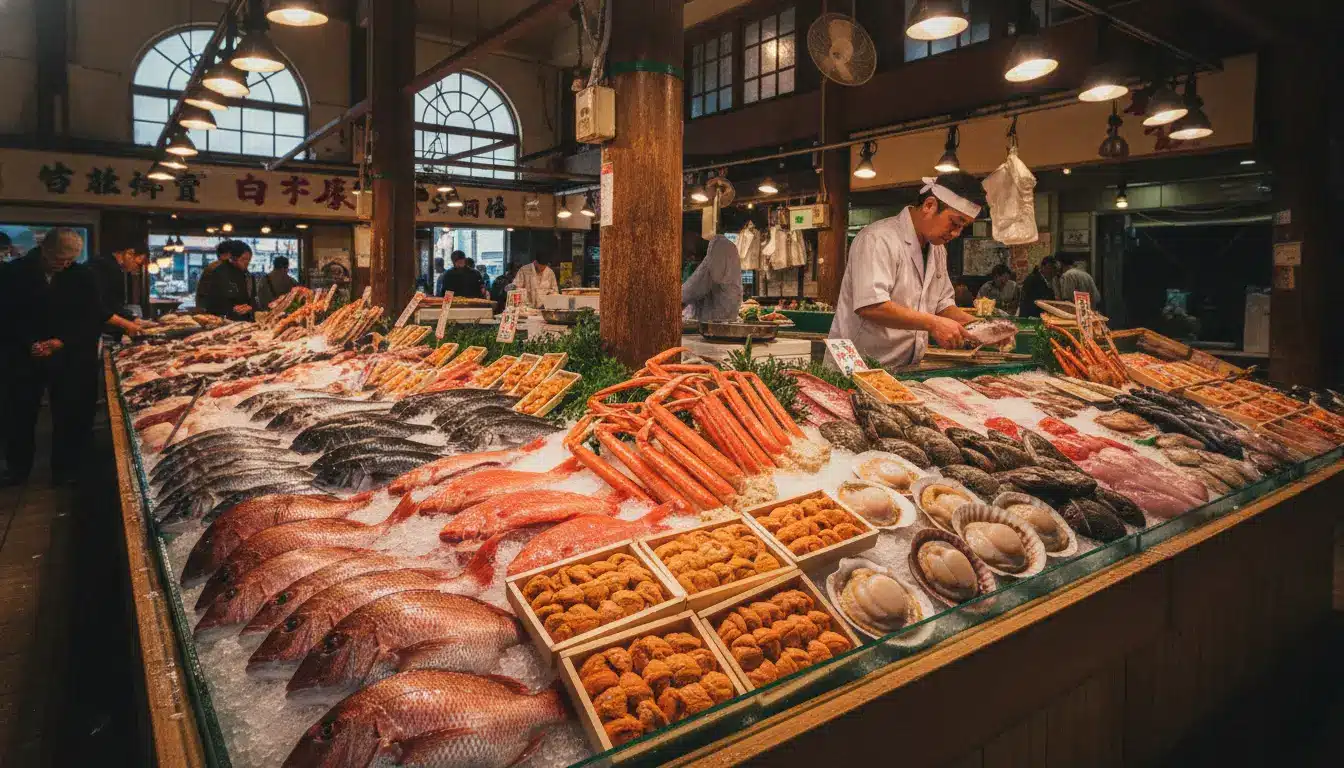
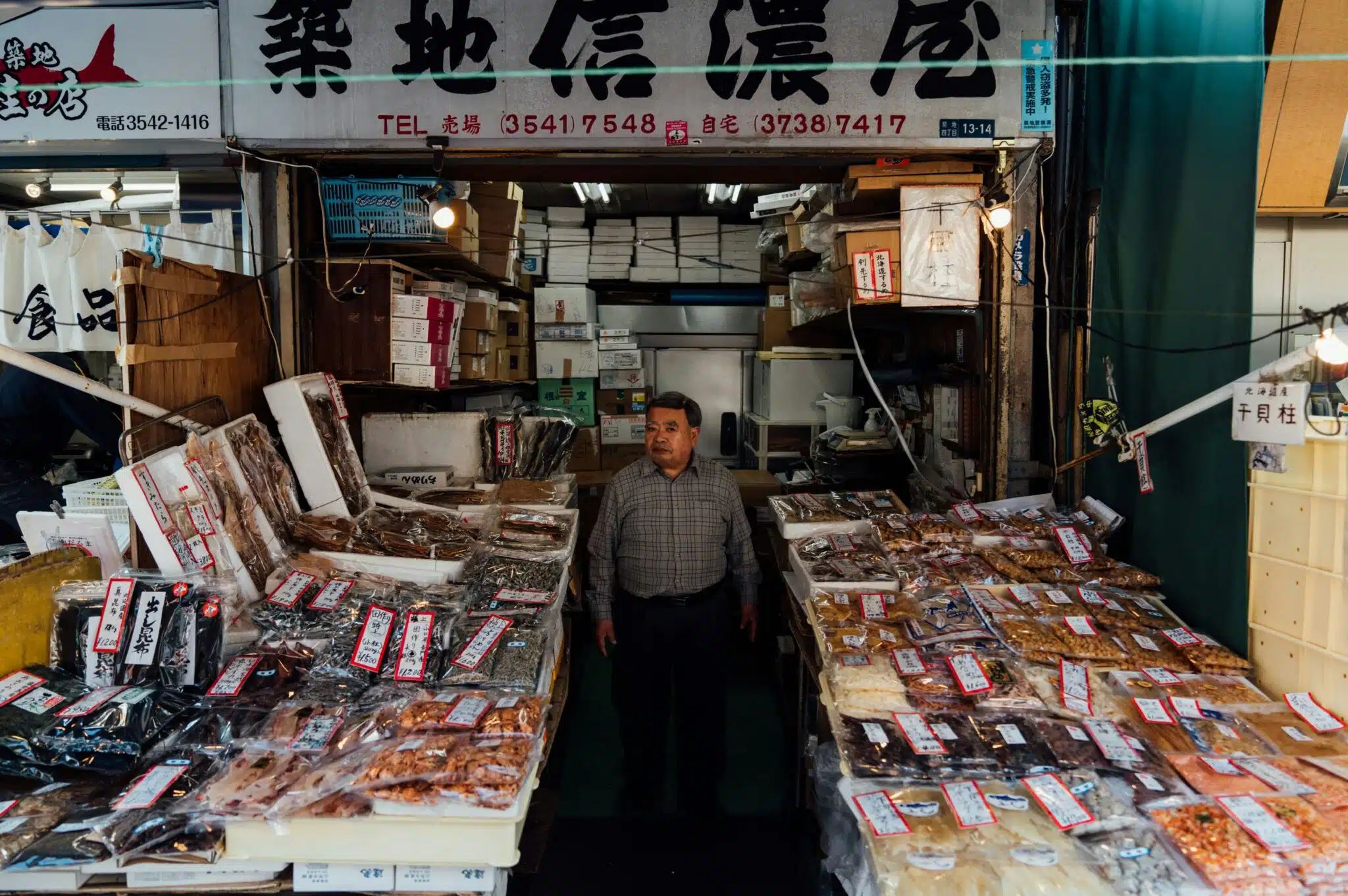
While the inner market’s tuna auction is now a bit more organized, the outer markets around both Toyosu and the old Tsukiji site are still a wonderfully chaotic maze of food stalls, small restaurants, and shops selling everything from fresh oysters to dried seaweed. Spending a morning here is a must for any food-focused visitor.
You can try charcoal-grilled scallops, tamagoyaki (rolled omelet), and, of course, some of the freshest sashimi bowls you’ll ever have.
Navigating a city as huge as Tokyo takes some planning, especially when you’re trying to hit several food spots. The public transit system is incredibly efficient, with stations like Shinjuku acting as massive hubs connecting tons of train and subway lines. One practical tip for travelers is to handle your luggage smartly.
Dragging suitcases through crowded markets or onto packed trains is a real pain. If you have a few hours to kill between checking out of your hotel and heading to the airport, consider storing luggage near Shinjuku Station. This frees you up to enjoy one last food excursion without being weighed down, making it easy to grab a final sushi meal or explore a neighborhood unencumbered.
Beyond Sushi: Exploring Regional Seafood Specialties
While Tokyo offers a taste of everything, Japan’s real seafood gems are often found in its diverse regions. Each area has its own local specialties, fishing traditions, and unique preparations that go way beyond what you might find in a typical sushi restaurant. Venturing outside the big cities rewards you with authentic flavors and a deeper connection to the local food culture.
The northern island of Hokkaido is famous for its cold, clear waters, which produce some of the country’s best seafood. It’s especially known for:
- Sea Urchin (Uni): Hokkaido uni is legendary for its sweet, creamy texture.
- Crab (Kani): You’ll find several kinds, including the giant king crab (tarabagani) and the hairy crab (kegani), often just boiled and served with a splash of vinegar.
- Scallops (Hotate): Fresh scallops, served as sashimi or grilled with butter and soy sauce, are a must-try.
Further south, the Tohoku region offers its own incredible bounty. A seafood adventure in Ishinomaki or exploring the Sanriku Coast shows a deep connection to the ocean. This area is known for oysters, sea squirt (hoya), and some of the best mackerel in the country.
By exploring Northeastern Japan’s culinary traditions, you support local communities while discovering flavors you won’t find anywhere else. On the opposite coast, facing the Sea of Japan, cities like Kanazawa are famous for snow crab (zuwaigani) in the winter and sweet shrimp (amaebi).
Tips for Visiting Fish Markets and Restaurants
Engaging with Japan’s seafood culture is an interactive experience, and knowing a few basics can make your market and restaurant visits even more enjoyable. At a fish market like Tsukiji’s Outer Market or Kuromon Ichiba in Osaka, it’s best to arrive early in the morning when things are bustling, and the food is at its freshest.
Be aware of your surroundings, as workers are often moving quickly with carts and equipment. Many stalls offer ready-to-eat items, so come with an empty stomach and be ready to graze.
When you’re dining out, especially at a traditional sushi counter, a little etiquette goes a long way.
- Trust the Chef: If you’re at a good restaurant, ordering omakase (chef’s choice) is the best way to experience the day’s finest ingredients.
- How to Eat Sushi: It’s fine to use your hands to eat nigiri sushi. Dip the fish side, not the rice side, into the soy sauce to keep the rice from falling apart.
- Wasabi and Ginger: The chef will usually put the right amount of wasabi in the nigiri. The pickled ginger (gari) is meant to be eaten between pieces to cleanse your palate, not as a topping.
- Don’t Be Afraid to Ask: If you don’t recognize something, politely ask the chef what it is. Most are proud of their offerings and happy to explain.
Seasonal Catches: When to Go for the Best Bites
Timing your trip to line up with the peak season for certain seafood can take your culinary experience from great to absolutely amazing. The Japanese concept of shun is your best guide. While you can find excellent seafood all year, certain months bring specific delicacies to the forefront.
- Winter (December-February): This is the season for rich, fatty fish that have stored up energy for the cold. Look for yellowtail (buri), flounder (hirame), and pufferfish (fugu). It’s also prime time for many types of crab and oysters.
- Spring (March-May): As the waters warm, you’ll find more delicate flavors. Clams like asari, red sea bream (tai), and tiny firefly squid (hotaru ika) are at their best.
- Summer (June-August): Summer is the peak season for sea urchin (uni) in many parts of Japan, especially Hokkaido. It’s also a great time for horse mackerel (aji) and abalone (awabi).
- Autumn (September-November): Fall brings back richer flavors. Pacific saury (sanma), often simply salted and grilled, is an autumn icon. Salmon roe (ikura) is also at its peak, bursting with savory flavor.
Planning your itinerary around these seasonal peaks can lead you to regional festivals and special dishes that are only available for a few weeks each year.
The Global Influence of Japanese Seafood
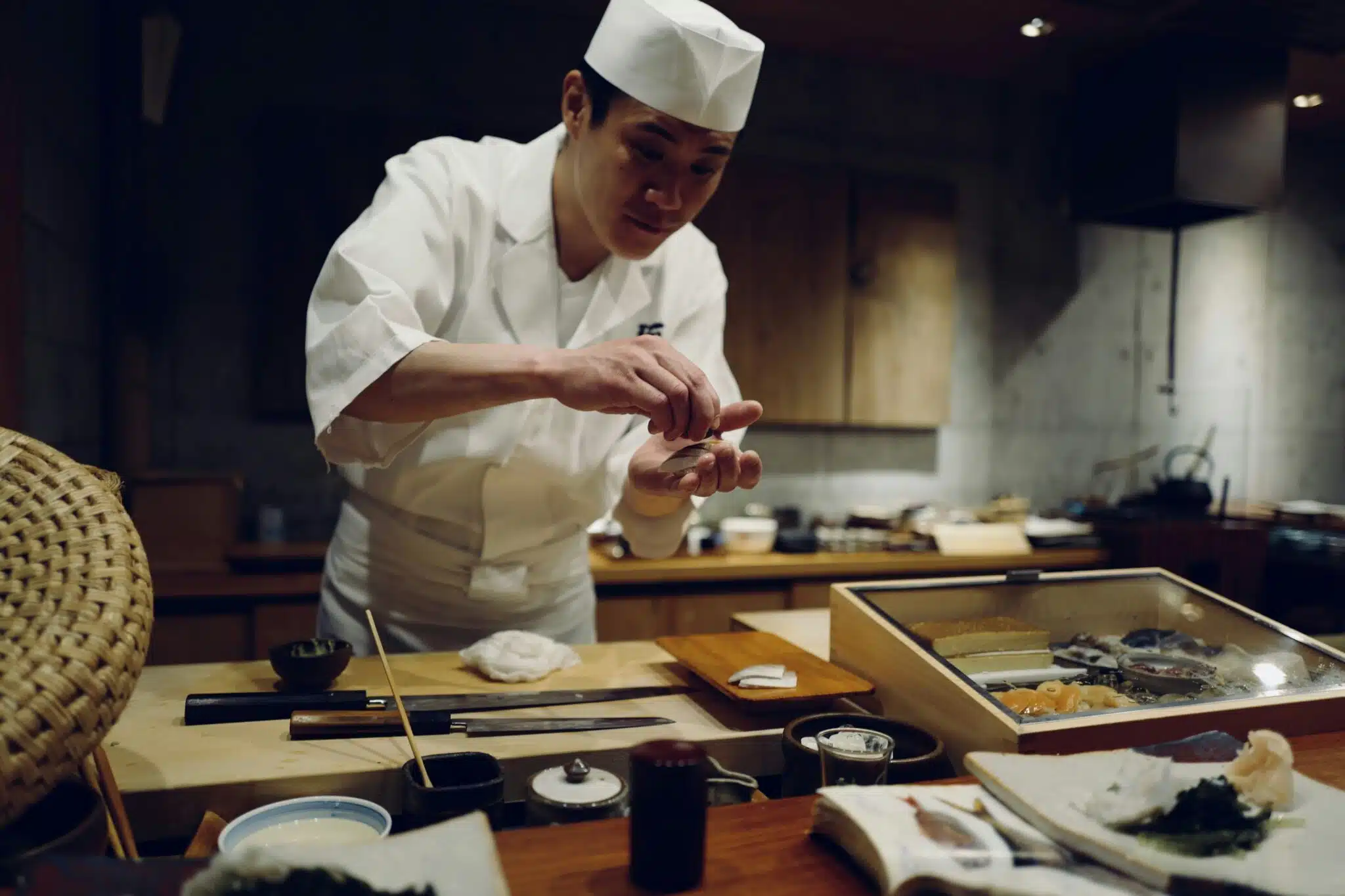
The techniques and ideas behind Japanese seafood preparation have had a huge impact on cuisines all over the world. The focus on freshness, precise knife skills, and simple preparations that highlight an ingredient’s natural flavor has inspired chefs globally. From high-end sushi counters in New York to seafood restaurants in London, the influence is clear.
This global appreciation has led to interesting collaborations, such as the global fresh fish program developed by renowned Chef Masaharu Morimoto for a major cruise line. This initiative aims to bring sustainably sourced, high-quality seafood prepared with Japanese sensibilities to diners on the open sea. It’s proof of how the principles of Japanese cuisine have a universal appeal that goes beyond borders.
A food trip to Japan is more than just a vacation; it’s an education in how an entire culture cherishes the ocean’s gifts. Each meal tells a story of a specific place, a specific season, and centuries of tradition.