

Casino games have borrowed imagery from almost every corner of popular culture. Ancient temples, fantasy kingdoms and glittering cities are familiar territory, but one theme has proved particularly persistent: fishing and the sea. Fish swim across reels, fishermen chase the biggest catch, while crabs, lobsters and other marine creatures regularly become characters or symbols.
At first, seafood might seem an unusual match for casino entertainment. Look a little closer, though, and the connection makes sense. Fishing already comes with its own language of anticipation, discovery and the possibility of an unexpectedly memorable catch, giving game designers plenty of material to work with.
Fishing Already Has the Structure of a Story
Part of the attraction comes from something every angler understands: nobody knows exactly what will happen after the line enters the water. There may be a long wait, several small catches or the fish that becomes the story told for years afterwards.
That uncertainty has helped fishing become a familiar storytelling device far beyond the activity itself. Expressions such as “big catch” and “something biting” are immediately understood, even by people who have never spent a morning holding a fishing rod.
Game designers can use those associations without explaining them. Show a fishing boat, a rod and a stretch of open water, and the basic idea is already clear. The player understands that something is waiting beneath the surface.
Fish, Lobsters and Crabs Make Memorable Symbols
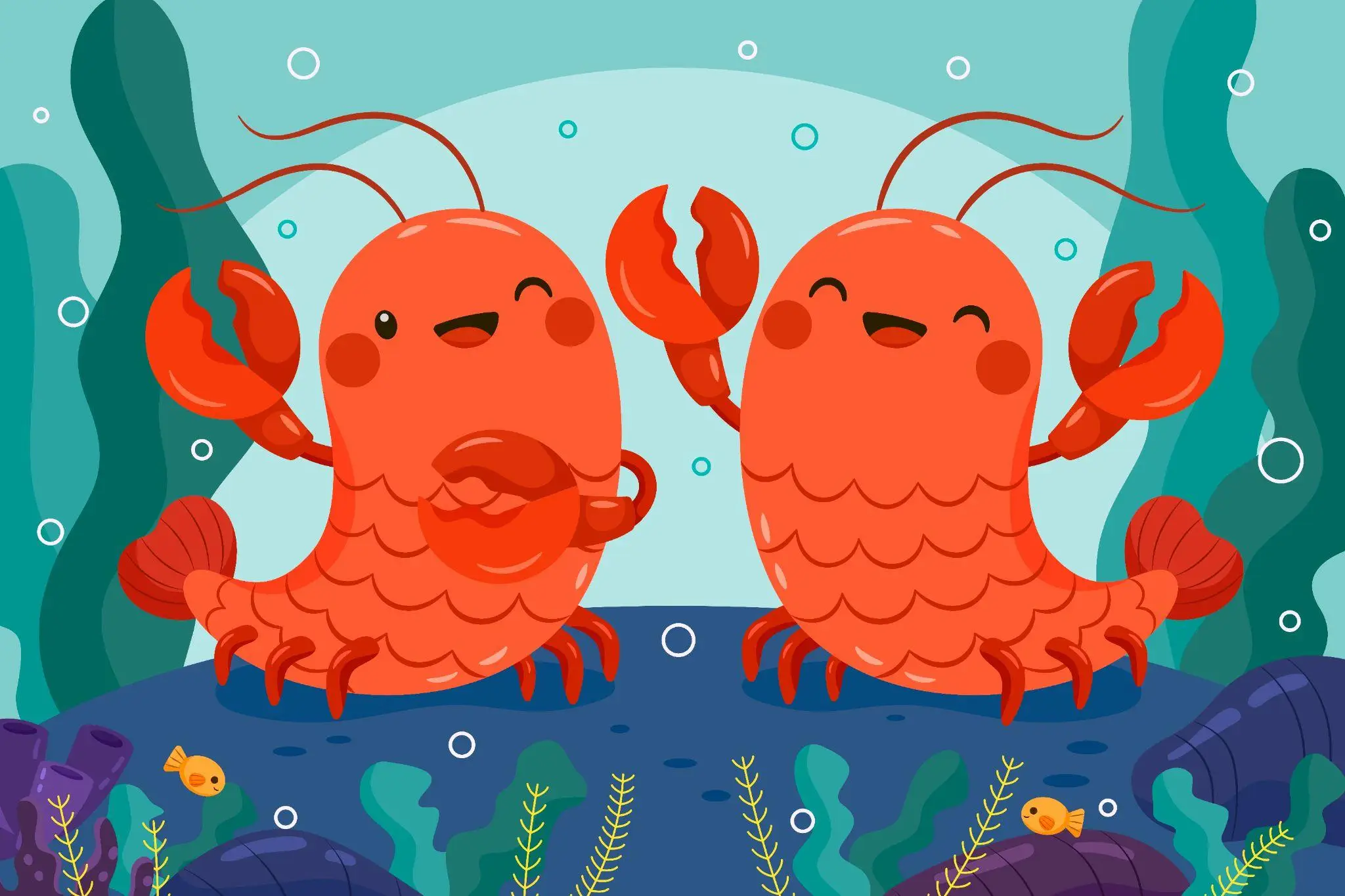
Seafood also works well visually. Tropical fish offer bright colours and unusual shapes, while crabs and lobsters have distinctive silhouettes that remain recognisable even when heavily stylised.
That flexibility is useful on a small game screen. A realistic lobster can become a cartoon character, a crab can be given an exaggerated personality, and a fish can range from a simple symbol to the centrepiece of an entire underwater scene.
Designers can also change the atmosphere without abandoning the theme. A sunny lake produces a relaxed fishing-trip aesthetic, while rough seas and commercial crab boats create something far more dramatic. Underwater settings can move in another direction again, using coral, bubbles and vivid marine life to build a colourful fantasy world.
The Big Catch Translates Easily Into Casino Games
These ideas are particularly visible in fishing-themed casino titles. When betting on mrq, players can encounter seafood imagery in games including Fishin’ Reels, where fish and lobsters appear among the symbols, while the fisherman and “Big Catch” features extend the fishing idea into the gameplay itself.
The same theme can be interpreted very differently elsewhere in the catalogue. Slingo Deadliest Catch takes inspiration from commercial crab fishing, incorporating crabs, boats and fishing zones into features with names including Crab Grab, Crab Fishing and Crab Hunt.
MrQ also lists Slingo Lucky Larry’s LobsterMania and Slingo Shark Week, demonstrating how broadly designers can stretch the basic marine theme. The attraction is therefore not limited to one particular fish or style of fishing. The sea provides an entire library of recognisable ideas.
Seafood Can Shift the Mood of a Game
Not every seafood-themed game needs to create the same feeling. That may be one reason the category has lasted.
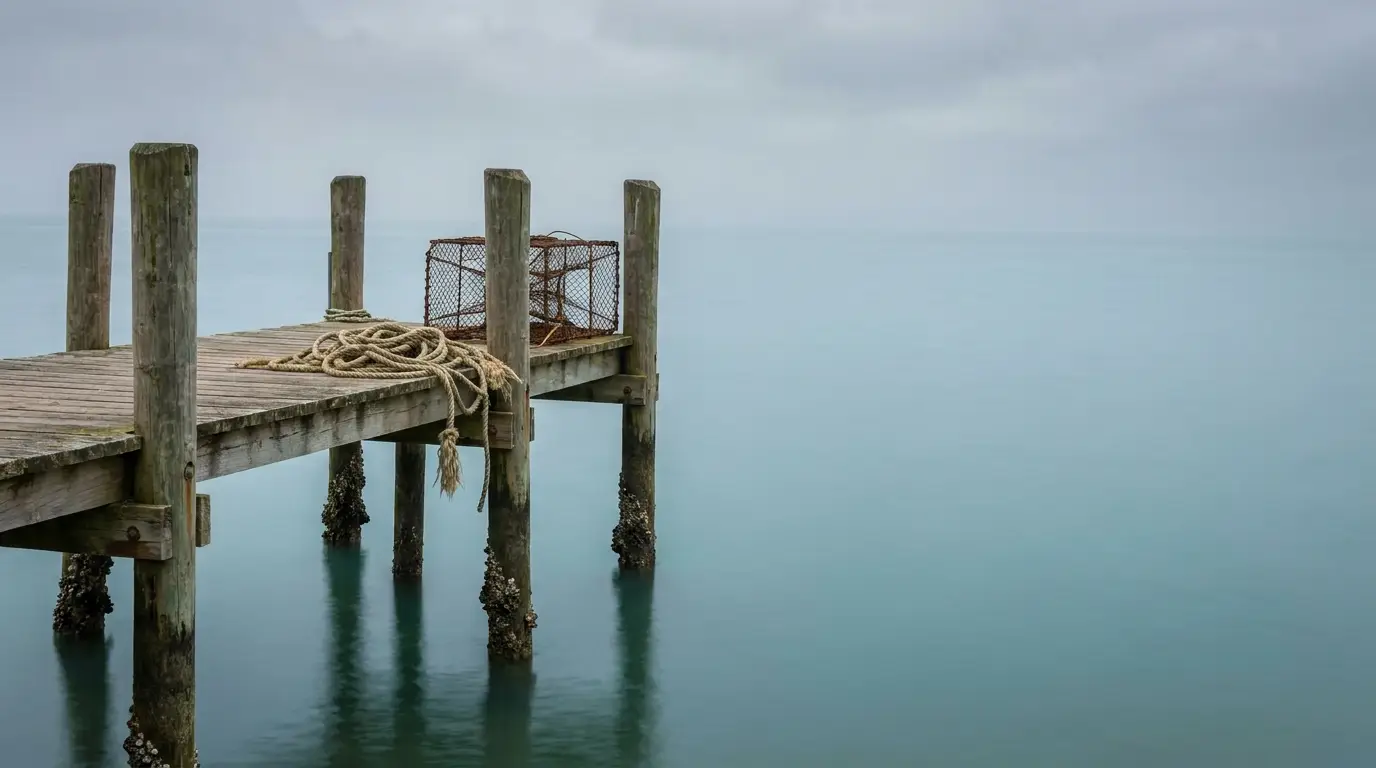
Fishing from a quiet lakeside can suggest leisure and summer holidays. A lobster character can push a game towards humour, while sharks immediately introduce danger. Commercial crab fishing brings boats, storms and working at sea into the picture.
Even the location changes the visual possibilities. Designers can move from a wooden pier to a tropical reef, a fishing village, an icy ocean or the deck of a working vessel without leaving the broader theme.
This range helps seafood imagery avoid becoming a single visual cliché. Two games can both involve fishing yet look completely unrelated.
Fishing Has a Much Deeper Cultural History
The effectiveness of these themes is also rooted in the long relationship between people and the water. Fishing is not an entertainment invention, and its imagery carries associations built over thousands of years.
The Western Australian Museum, for instance, traces fishing in the region from ancient Nyoongar methods to modern lobster, prawn and crab industries. Its Hooked on Fishing gallery presents fishing through equipment, photographs and community traditions, showing how the activity has influenced both livelihoods and coastal culture.
That history helps explain why fishing imagery feels so immediately understandable. Nets, boats, hooks, traps and catches have appeared in communities around the world for generations. Game designers are drawing from a visual tradition that existed long before digital entertainment.
The Seafood Theme Works Beyond Realism
Accuracy is rarely the main objective when seafood enters game design. Fish may be oversized, lobsters may behave like people, and an underwater landscape can contain combinations of creatures that would never share the same habitat.
That exaggeration is part of the fun. Marine animals have unusual forms that lend themselves well to character design, particularly when artists emphasise claws, eyes, fins or teeth. The result can move comfortably between cute, comic and intimidating.
The ocean also provides a convenient background for fantasy. Treasure chests, shipwrecks and mysterious depths can sit alongside fish and shellfish without feeling out of place. Designers can therefore begin with something familiar and gradually move into a world that is entirely imaginary.
A Familiar Theme Still Needs a Fresh Treatment
Popularity creates its own problem. Once fishing becomes a familiar casino motif, simply adding a fisherman and several fish symbols is unlikely to make a new game distinctive.
The better designs develop a specific identity around the theme. Some lean into the peaceful side of recreational fishing, while others focus on deep-sea adventure or the tougher atmosphere of commercial fishing. Humour, animation and character design can create further differences.
Seafood offers an especially broad palette because there is no single image that defines it. Lobsters, crabs, sharks, colourful reef fish and fishing boats can all lead in different creative directions.
The Sea Keeps Giving Designers Something to Work With
Trends in games change quickly, yet fishing continues to resurface. Its durability comes partly from familiarity and partly from variety. The idea of making a catch is simple to understand, while the ocean surrounding it offers almost unlimited possibilities for characters, settings and stories.
Seafood plays a surprisingly important role in that visual vocabulary. A lobster can be comic, a crab can become part of an adventure, and a colourful fish can instantly brighten a reel. Add boats, fishermen and underwater landscapes, and designers have enough material to create experiences with completely different personalities.
That may be why fishing themes remain so common in casino games. Long before they appeared on digital screens, the sea and its catch already carried stories of patience, uncertainty and discovery. Games simply found another way to tell them.