

There is a particular kind of hunger that makes cooking feel much harder than it is: you are tired, nothing is obviously ready to eat, and every recipe seems to begin with chopping six ingredients. That is when takeout becomes the default.
A better solution is not a refrigerator full of identical meal-prep containers. It is a small collection of foods that can become a real meal in about 15 minutes. The best choices require little preparation, combine easily with other staples, and offer enough variety that convenience does not become boring.
Keep a Freezer Protein That Does Not Need a Recipe
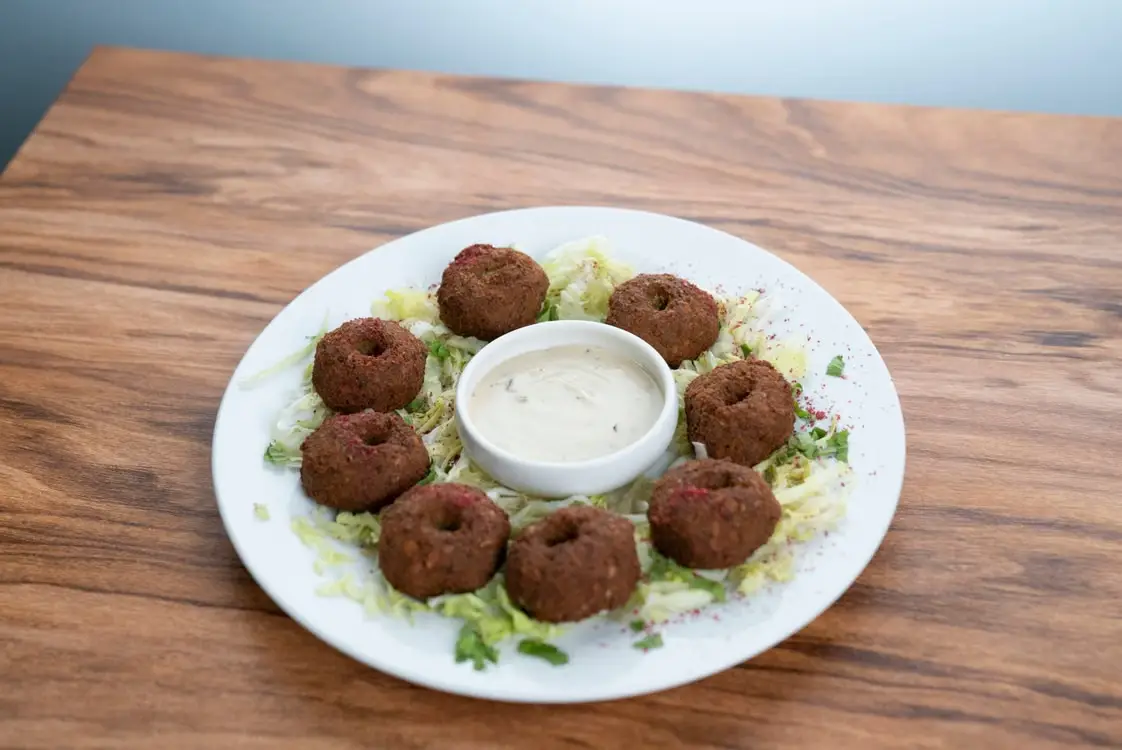
The freezer is most useful when it contains foods that can move directly into a meal without lengthy thawing or preparation. Fully cooked proteins are particularly helpful because they remove one of the slowest parts of making dinner. Falafel is a good example: it can be heated and added to pita, salads, grain bowls, or snack plates without mixing and shaping chickpea batter from scratch.
For a Mediterranean-style option, frozen falafel by Hafle Foods is fully cooked and designed to be heated from frozen, making it practical when you want a plant-based component without starting another cooking project. Pair warm falafel with pita, vegetables, hummus or tahini, and dinner can come together from several ready-to-use parts.
The larger principle is simple: keep at least one freezer protein that can change roles depending on what else is available.
Build a Shelf That Rescues Empty-Fridge Nights
A useful pantry should produce dinner even when fresh groceries are running low. Canned beans, lentils, tuna, tomatoes, broth, pasta, rice, couscous, and shelf-stable sauces provide building blocks that can wait until needed.
The trick is choosing foods that connect. Chickpeas can join a salad, pasta dish, soup, or quick bowl. Canned tomatoes can support pasta sauce, beans, or soup. Couscous cooks quickly and makes an easy base for vegetables and protein.
Do not stock ingredients merely because they last. Stock ingredients you already know how to combine. A pantry full of unfamiliar “emergency foods” is surprisingly easy to ignore.
Use Eggs to Turn Leftovers Into Dinner
Eggs earn their place in an easy-prep kitchen because they can turn odds and ends into something intentional. Vegetables and cheese can become an omelet. Leftover rice can become fried rice. A fried egg can make toast, grains, or roasted vegetables more substantial.
Eggs can also reduce food waste. A handful of spinach, half an onion, leftover herbs, or cooked potatoes may not look like a meal independently, but they can all find a place in a scramble or frittata.
Give Frozen Vegetables a Permanent Parking Spot
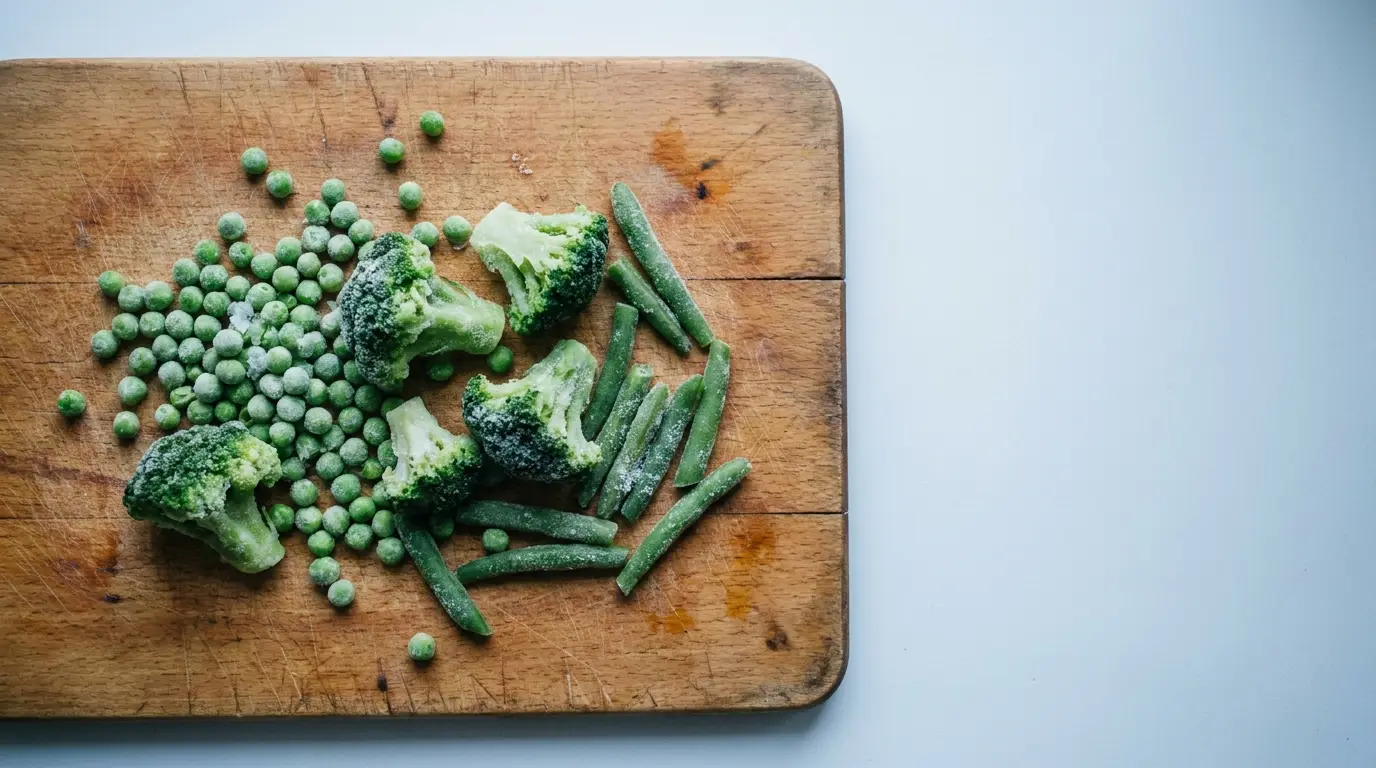
Fresh vegetables are wonderful until Thursday arrives and Sunday’s ambitious produce purchase starts losing its appeal. Frozen vegetables solve a different problem: availability.
Keep varieties suited to meals you actually make. Peas work in pasta, rice, soups, and curries. Frozen spinach disappears easily into eggs or sauces. Broccoli, cauliflower, green beans, and mixed vegetables can quickly become sides or bowl components.
They also eliminate washing and chopping on busy evenings. That matters because convenience is often determined by small points of friction.
Frozen vegetables do not need to replace fresh produce. Their job is to make sure “I have no vegetables” is less likely to derail dinner.
Keep a Fast Carbohydrate Within Reach
A quick meal becomes easier when something is ready to carry sauces, vegetables, and protein. Keep several flexible options so dinner does not depend on one ingredient.
Pasta and couscous are dependable pantry choices. Tortillas turn leftovers into wraps or quesadillas. Bread provides toast, sandwiches, and quick pizzas. Microwaveable grains help when cooking rice from scratch would take longer than you want to wait.
Think of these foods as meal architecture rather than an afterthought. They provide the base that turns several small ingredients into one coherent plate.
Create a Two-Minute Flavor Shelf
Convenience food often becomes repetitive because people focus on the main ingredient and forget the finishing touches. A small collection of sauces and condiments can make the same basic foods taste completely different.
Hummus, tahini, pesto, salsa, mustard, hot sauce, yogurt-based sauces, curry pastes, and salad dressings are useful examples. Choose a few that fit flavors you already enjoy.
Add low-effort finishing ingredients such as lemons, pickles, olives, grated cheese, nuts, seeds, or fresh herbs. Acidity, saltiness, heat, creaminess, and crunch can make a bowl assembled from leftovers feel complete.
Plan Three Assembly Meals Before Shopping
Meal planning becomes easier when every dinner does not have to be a recipe. An assembly meal is simply a combination of prepared or quickly cooked components that work together.
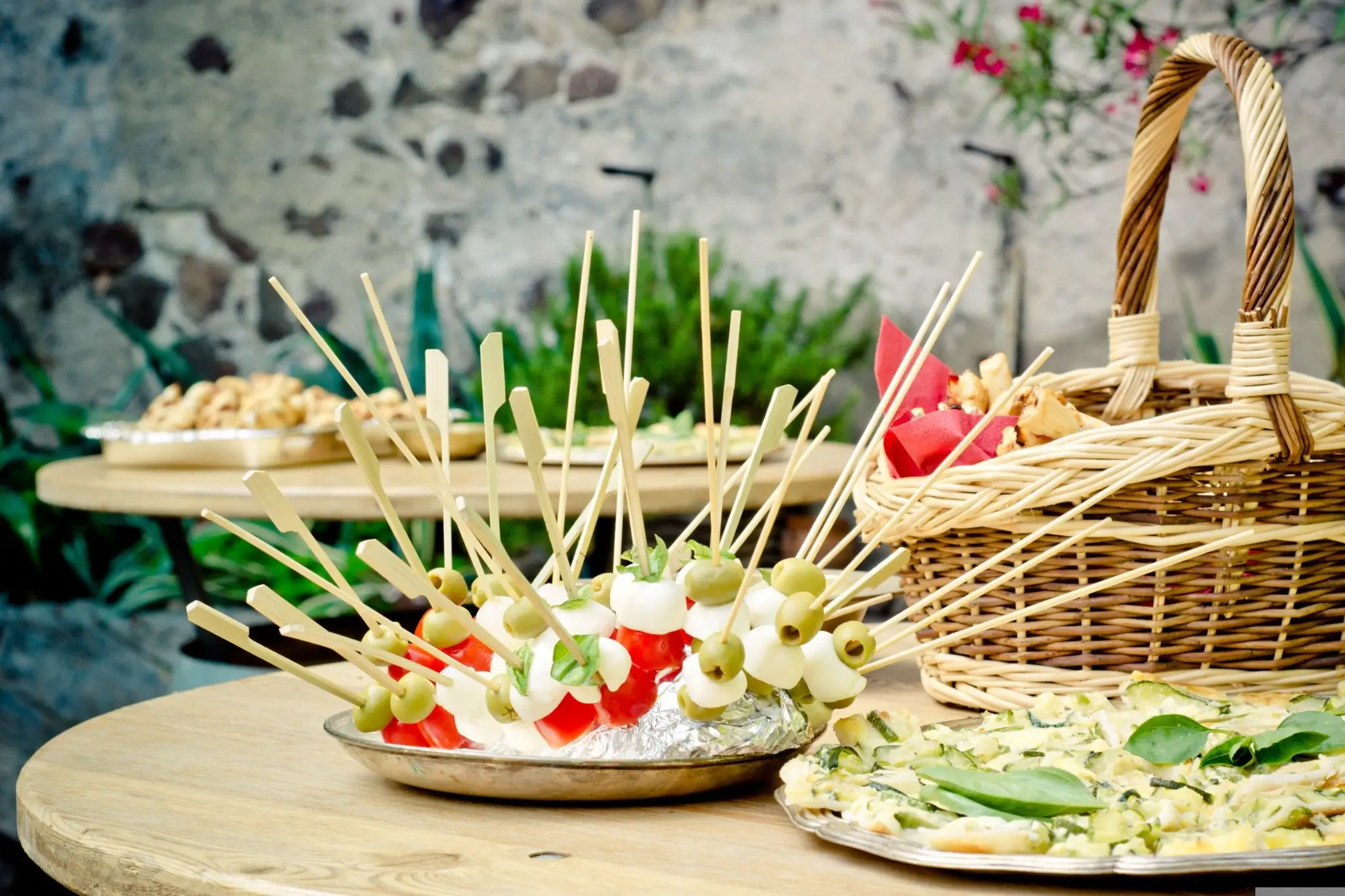
One night might be a Mediterranean plate with pita, falafel, cucumber, tomatoes, hummus, and olives. Another could be a grain bowl with rice, frozen vegetables, an egg, and sauce. A third might be quesadillas with beans, cheese, salsa, and salad.
Choose three such meals before shopping, then look for overlapping ingredients. The same cucumber can work in a pita one night and a bowl the next. Cheese can serve breakfast, sandwiches, and quesadillas.
Keep a Backup Meal for the Night Everything Goes Wrong
Every household needs one dinner that requires almost no decision-making. This is for the delayed commute, late meeting, missed grocery trip, or evening when cooking simply is not happening.
Choose something your household genuinely likes and keep the ingredients reserved for it. It could be frozen soup and bread, dumplings with vegetables, pasta with jarred sauce, a freezer meal, or eggs and toast.
Replace the ingredients as soon as the backup gets used. Otherwise, the emergency meal quietly disappears before the night you really need it.
A good backup dinner is less about culinary ambition than preventing an inconvenient evening from becoming an expensive one.
Organize the Kitchen by Minutes, Not Categories
Most kitchens are arranged by type: cans together, grains together, frozen foods together. That is logical for storage, but it does not always help when you are hungry.
Create a mental map based on time. Know which foods can be eaten immediately, which need five minutes, and which can be ready in 15. Keep frequently paired ingredients easy to find.
It also helps to maintain a short list of meals you can make without a recipe. Put it on the refrigerator or in your phone. When energy is low, deciding what to cook can feel harder than the cooking itself.
The best easy-prep kitchen is not the one with the most convenience products. It is the one where foods have obvious jobs. A freezer protein anchors a meal. Pantry staples fill gaps. Frozen vegetables add volume. Quick carbohydrates provide a base, and sauces create variety.
With those pieces in place, dinner stops depending on whether you have energy for a full cooking session. You still get to cook when you want to; you simply no longer have to start from zero every time you are hungry.