


Fish-based condiments add salt, savory depth, and a richer finish to food without requiring a long list of seasonings. They work especially well in seafood dishes because a small amount can strengthen the natural flavor of fish, shellfish, broth, marinades, and dipping sauces.
Anchovy-based fish sauce is one of the most familiar examples, but it is not the only style available. Some products also combine an anchovy fish sauce base with other flavor profiles, including salmon flavor. Understanding how these condiments work makes it easier to choose the right one for cooking, seasoning, or serving at the table.
Why Do Fish-Based Condiments Add So Much Flavor?
Fish-based condiments add concentrated salty and savory notes that spread through a dish in small amounts. This makes them useful when a recipe tastes flat even though it already contains enough salt.
The effect is different from adding table salt alone. A fermented fish condiment brings several flavor elements at once, including saltiness, umami, aroma, and the deeper character created during fermentation.
This is why fish sauce appears in many types of cooking. It can support seafood without making the dish taste strongly of fish sauce when used in the right amount.
For everyday cooking, the main question is not simply whether to use fish sauce. It is what role the sauce needs to play in the finished dish.
Anchovy-Based Fish Sauce Works Best as a Deep Seasoning Base
Anchovy-based fish sauce is useful when a dish needs strong savory depth throughout the cooking process. Its concentrated flavor makes it suitable for broths, marinades, braised dishes, stir-fries, and sauces.
Anchovies are naturally small, flavorful fish, and they have a long history of being used in preserved and fermented condiments. Once the fermented liquid is added to food, its flavor can blend with garlic, chili, ginger, citrus, sugar, herbs, and other seasonings.
The goal is usually not to make the dish taste like anchovies. The sauce acts more like a seasoning layer.
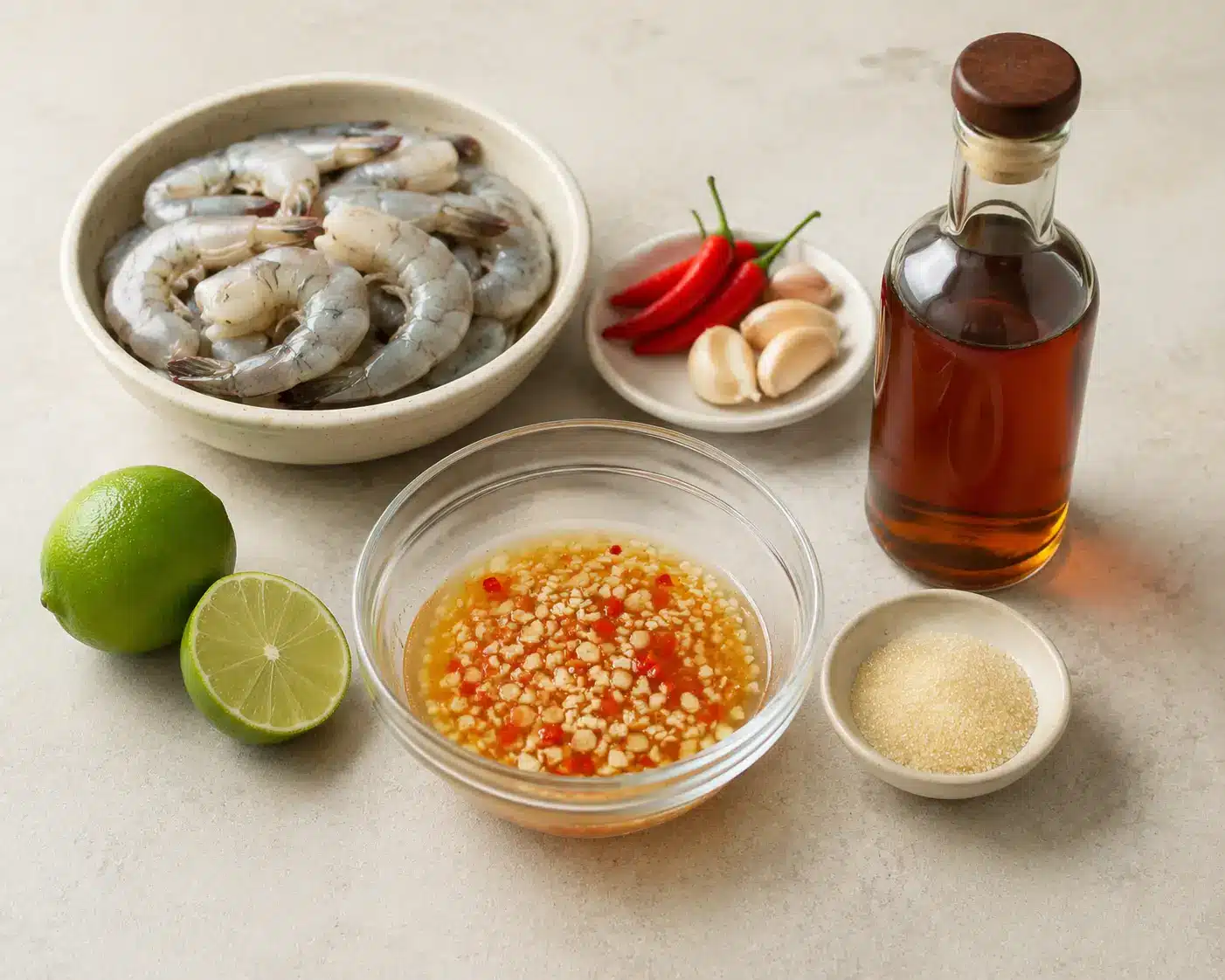
For example, a seafood marinade may contain lime juice, garlic, a little sugar, and fish sauce. The acid gives brightness, while the fish sauce adds salt and savory depth. The same idea works in a broth, where the sauce can make the base taste fuller without adding another heavy ingredient.

When a recipe needs this deeper seasoning role, a concentrated Vietnamese anchovy fish sauce can be used across marinades, stir-fries, broths, braised dishes, and other savory preparations.
When Should You Add Anchovy Fish Sauce?
Add anchovy-based fish sauce during cooking when you want its flavor to become part of the whole dish.
In soups and broths, add a small amount after the main liquid has developed some flavor. In marinades, mix it with the other seasonings before adding fish, shrimp, chicken, or meat.
For stir-fries, fish sauce works best when it has enough time to mix with the other ingredients but does not sit alone in a very hot pan for too long.
Start with a small amount and taste before adding more. Fish sauce is concentrated, so adding too much at once is harder to correct than adding another small splash later.
Salmon-Style Fish Sauce Can Offer a Softer Flavor Direction
Salmon-style fish sauce can provide a lighter seafood character when the condiment is designed for direct dipping or gentle seasoning. However, shoppers should check the ingredient label because the term does not always mean that salmon itself is the fermented base.
For example, CHIN-SU salmon fish sauce is made with anchovy fish sauce extract and salmon flavor rather than fermented salmon as the main ingredient. Its product page positions it for dipping, seafood, grilled foods, marinades, pasta, stir-fries, and braised dishes.
That distinction matters because two bottles with different flavor names may still share the same basic fermented fish foundation.
A lighter fish sauce profile can be useful when you want the condiment to stay noticeable at the table rather than disappear completely into a cooked dish.
Where Does a Lighter Fish Sauce Fit Best?
A lighter fish sauce profile works well with foods that already have delicate flavors.
Good examples include grilled white fish, shrimp, rice dishes, steamed seafood, fresh vegetables, and simple dipping sauces.
Try combining fish sauce with ingredients such as:
- Lime or lemon juice for acidity.
- Fresh chili for heat.
- Ginger for warmth.
- Garlic for a stronger savory note.
- Sugar for balance.
- Water when the sauce needs a softer concentration.
The final mixture can be used as a dip or a light dressing instead of a heavy sauce.
How Can Fish Sauce Improve Seafood Marinades?
Fish sauce gives seafood marinades salt and savory flavor without adding much volume. This makes it useful when the marinade also contains liquid ingredients such as citrus juice, vinegar, or oil.
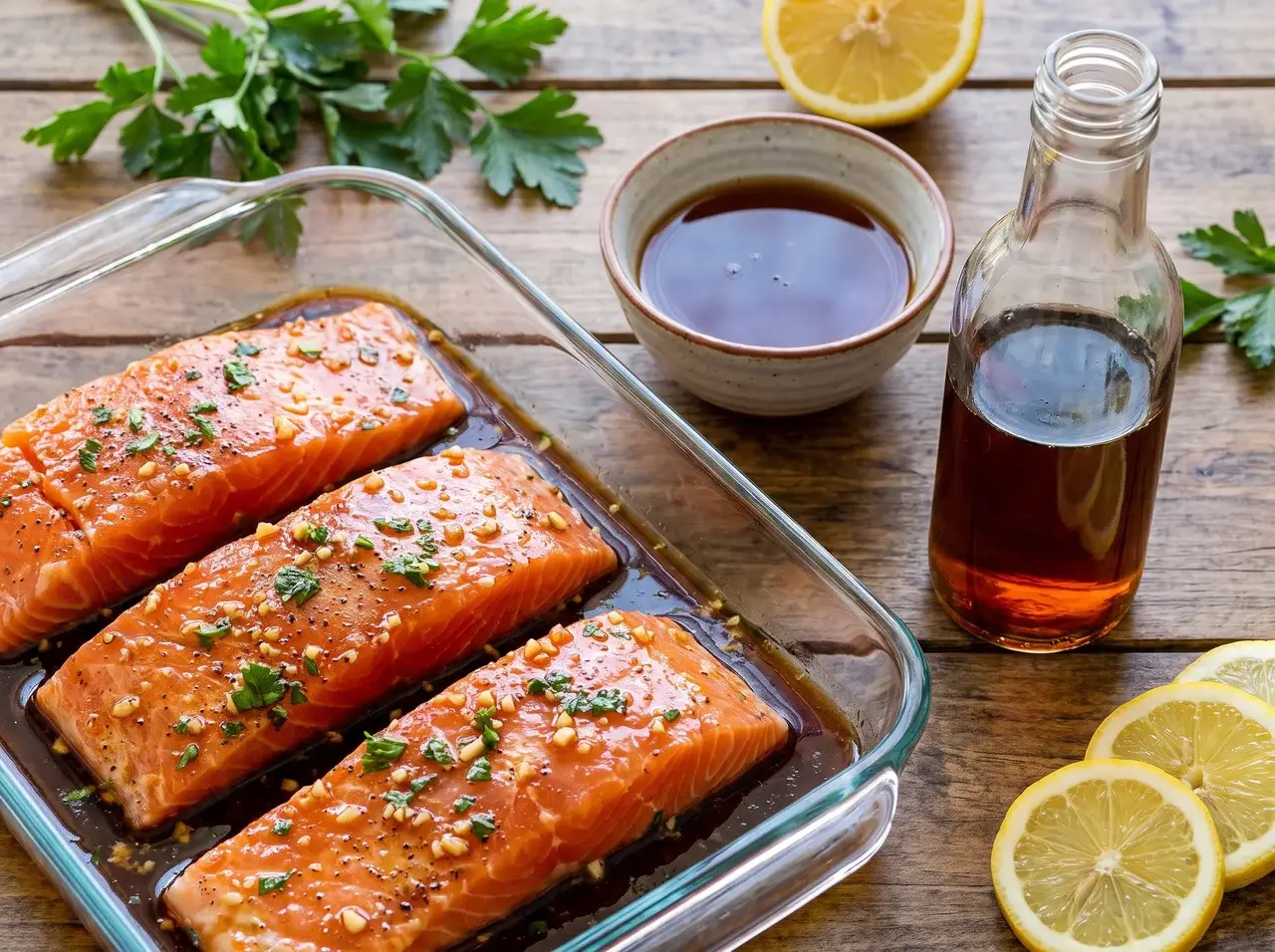
A simple marinade can combine fish sauce with garlic and lime. A sweeter version can add a small amount of sugar or honey, while a warmer version can include ginger and chili.
Fish sauce is especially useful in marinades for firm seafood that can handle stronger seasoning, such as salmon, shrimp, tuna, and thicker white-fish fillets.
The amount matters. Seafood often has a more delicate structure than beef or pork, so a strongly salted marinade can overpower it. Use enough sauce to season the surface without turning the marinade into the main flavor of the fish.
Can Fish Sauce Be Used in Pasta and Western-Style Cooking?
Yes. Fish sauce can work in pasta, tomato sauces, roasted vegetables, and other dishes outside Southeast Asian cooking. Its job in these recipes is usually to strengthen savory flavor rather than give the finished food a clear fish-sauce taste.
A small amount can support:
- Tomato-based pasta sauce.
- Garlic and butter seafood pasta.
- Roasted vegetables.
- Seafood chowder.
- Pan sauces for fish.
- Savory rice dishes.
This works because the condiment can become part of the background flavor when used in a small amount.
The same principle applies to anchovies themselves. Many cooks use anchovies in sauces because they dissolve and add depth without remaining as visible pieces of fish. Fish sauce provides a similar seasoning function in liquid form.
How Should You Choose Between Different Fish Sauce Styles?
Choose fish sauce according to how you plan to use it, not only by the fish or flavor named on the bottle.
For a cooked dish that needs deeper seasoning, look for a sauce with enough intensity to remain noticeable after it mixes with broth, vegetables, seafood, or meat.
For direct dipping, a softer and more balanced profile may be easier to use without much additional preparation.
Check four details before choosing a bottle:
- Ingredients: Identify the actual fish base and any added flavors.
- Intensity: Consider whether the sauce is designed for cooking or table use.
- Serving style: Decide whether you will cook with it, marinate with it, or serve it as a dip.
- Dish type: Match the condiment to strong or delicate ingredients.
The label provides more useful information than the product name alone.
What Foods Pair Well With Fish-Based Condiments?
Fish-based condiments pair best with dishes that benefit from extra salt, umami, and seafood-friendly savory notes.
Seafood is an obvious match, but the range is wider than grilled fish alone. Common pairings include shrimp, salmon, white fish, squid, rice, noodles, vegetables, chicken, and grilled meats.
The condiment can also connect different flavors within one recipe. In a spicy seafood dish, it can link chili with sweetness and acidity. In a mild broth, it can add depth without making the soup heavier.
For this reason, fish sauce is more useful as a flexible seasoning than as a sauce reserved for one specific dish.
How Much Fish Sauce Should You Use?
Start with a small amount, taste the dish, and increase the fish sauce in stages. The correct quantity depends on the sauce concentration, recipe size, and other salty ingredients already in the food.
A dipping sauce may require more fish sauce because the condiment is part of the main flavor. A soup, pasta sauce, or marinade may need much less because the fish sauce is only one seasoning among several.
Also check whether the recipe already contains salty ingredients such as soy sauce, salted butter, stock, cheese, or preserved seafood.
Adding several salty ingredients without tasting between steps can make the final dish difficult to balance.