

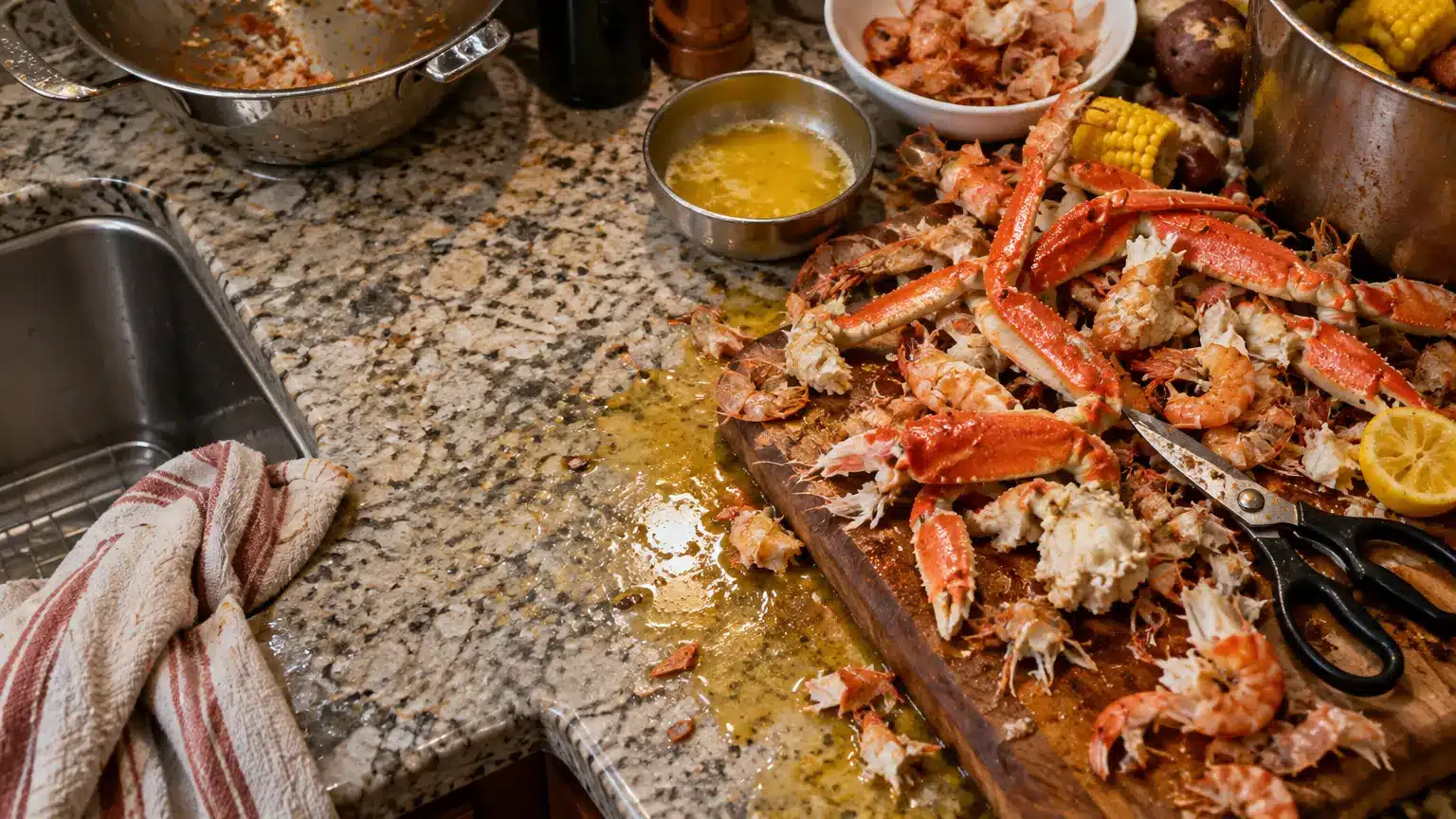
Last summer, I hosted a crab boil for eight people. Halfway through, I needed to check how long the snow crab should stay in the pot. I grabbed my phone, and my butter-and-Old-Bay fingers smeared the screen so badly it wouldn’t register a single tap. I ended up unlocking it with my knuckle, and dinner was a few minutes late.
That boil made something clear to me. Chicken you can move around with tongs, and pasta barely needs your hands at all. Seafood is different. It wants you to peel it, crack it, pry it open, and pull bones out of it with your fingers. After years of cooking it at home, I’ve accepted that seafood is the messiest thing I make. I’ve also found a few ways to keep the mess from taking over the whole kitchen.
What Makes Seafood So Messy
It isn’t just one thing. Seafood brings several kinds of mess to the counter at once:
- Shells and exoskeletons. Crab, lobster, and shrimp all come wrapped in hard, sharp casings that crack unpredictably and send bits flying.
- Scales. If you’ve ever scaled a whole fish in an open sink, you know they end up on the backsplash, the faucet, and your eyebrows.
- Liquid. Oysters, clams, and mussels hold briny liquid that spills the second you open them.
- The smell. That fishy odor comes from compounds that form as seafood breaks down, and it clings to skin, cutting boards, and anything else you touch. Funny enough, truly fresh fish barely smells at all, which is why I started following the FDA’s tips for choosing fresh seafood and giving every fillet a quick sniff at the counter.
The Prep That Gets Me Every Time
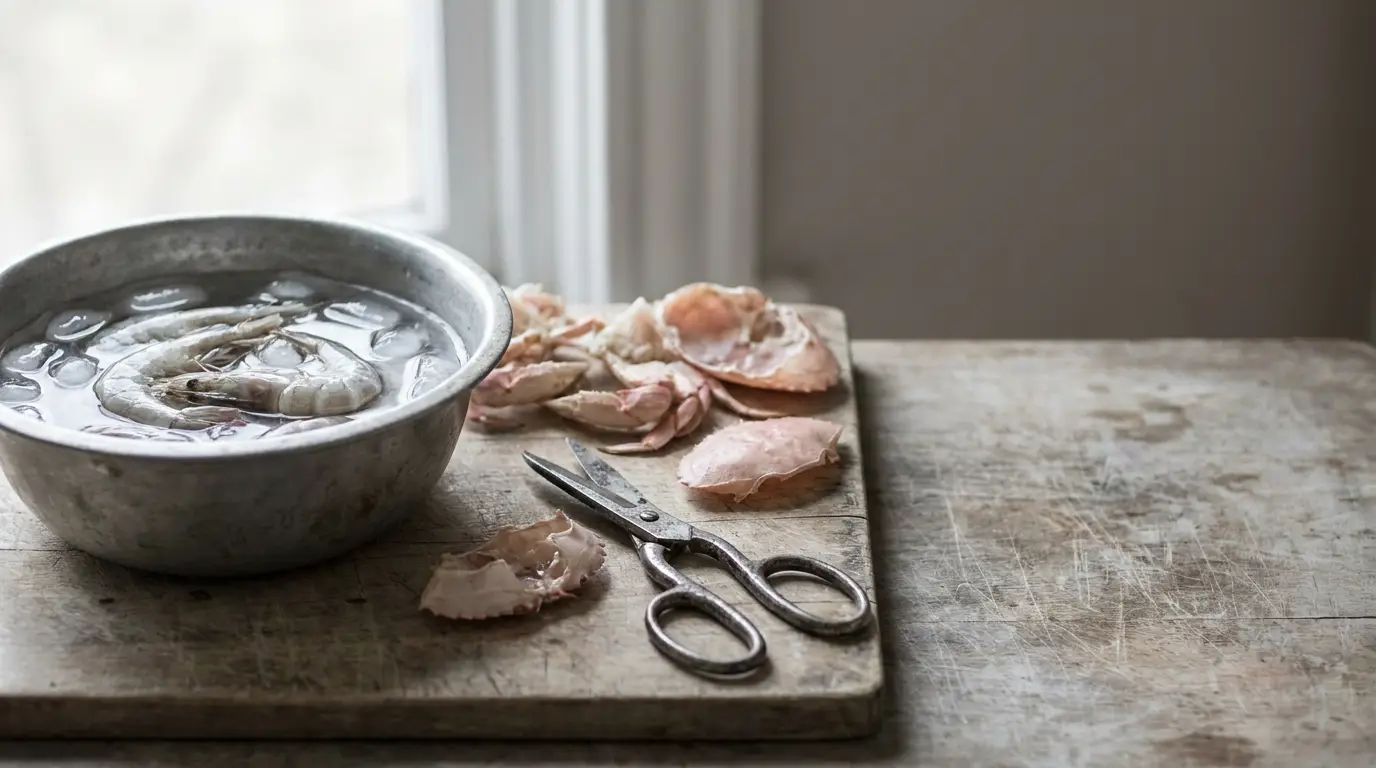
Here’s a quick look at the seafood I cook most and the tricks that have saved me the most cleanup.
Seafood | What makes it messy | What actually helps |
Shrimp | Shells, legs, and the vein | Prep over a bowl of ice water |
Crab legs | Sharp shells and butter everywhere | Kitchen shears instead of crackers |
Oysters | Brine and slippery shells | A folded kitchen towel and a proper oyster knife |
Whole fish | Flying scales and pin bones | Scaling inside a large bag or deep sink |
Shrimp
Shrimp is the gateway to seafood mess, and the price you pay for a high-protein dinner. I peel from the leg side first, then pinch the tail and pull. For the vein, I make a shallow cut along the back and lift it out with the tip of my knife. The vein is just the digestive tract, and it’s harmless, but it can taste gritty. Working over a bowl of ice water keeps the shrimp cold and gives me somewhere to rinse my fingers between each one.
Crab Legs
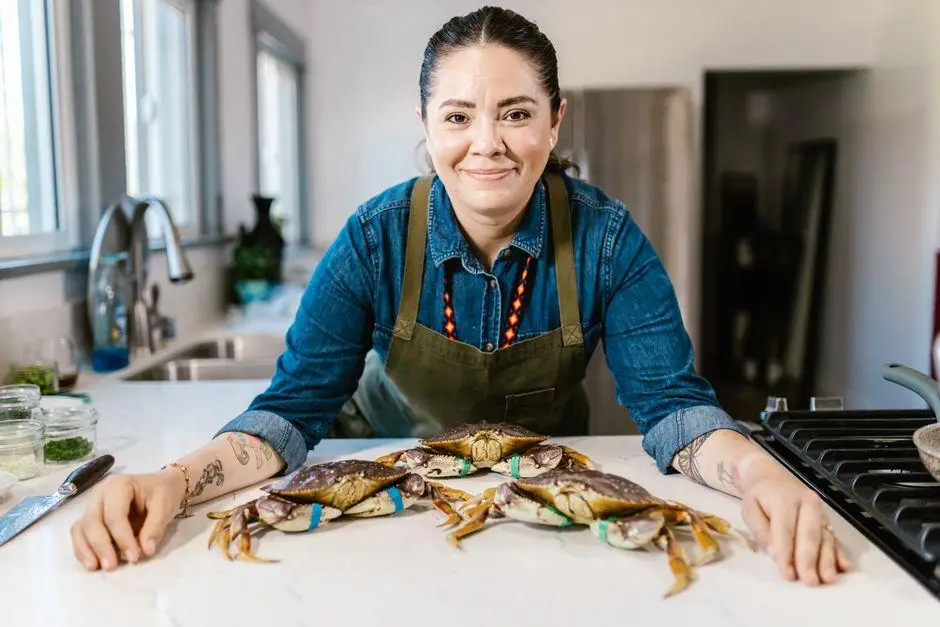
I used to use a nutcracker on a pound of snow crab clusters and wonder why shell shards ended up across the room. Now I use kitchen shears and cut straight down the flatter side of each leg. The shell opens like a zipper and the meat slides out in one piece.
Oysters
Oysters are where I’ve come closest to injuring myself. Fold a kitchen towel over the oyster, cup side down, so it holds the liquor. Slide the oyster knife into the hinge and twist it rather than pushing. The twist pops the shell without launching the knife into your palm.
Whole Fish
Scaling a whole fish is the messiest job on this list. I do it inside a large plastic bag or deep in the sink, scraping from tail to head with the back of a knife. After filleting, I run a fingertip against the grain of the flesh to find pin bones, then pull them out with clean tweezers.
How I Stopped Touching My Phone Mid-Prep
After the crab boil, I tried a few fixes. A phone stand far from the cutting board helped a little, but I still had to tap it. A zip bag over the phone worked, though it looked ridiculous and fogged up. A smart speaker on the counter was fine for music, but it couldn’t take pictures of anything.
That’s when I started wearing camera glasses in the kitchen, mostly so I could record my dad’s crab-cracking method and ask quick questions out loud without wiping butter off a screen first. Now I can snap a photo of a platter before everyone digs in, ask how long mussels need to steam, and hear the answer while my hands stay in the shrimp bowl. Everything happens by voice, so nothing I touch ends up on a screen.
Saving the Family Methods
The best seafood lessons I’ve learned didn’t come from recipes. They came from watching someone who’d done it a thousand times. My dad cracks a Dungeness crab in about four moves, and for years I couldn’t repeat it because I never wrote it down and never had clean hands to film it.
If you have someone in your family with a signature technique, record it while you can. A few things make those recordings more useful later:
- Ask them to talk through it. The why matters as much as the how.
- Record the whole process, not just the highlight. The boring setup is usually where the real tip is hiding.
- Write down measurements afterward, since “a good handful” means something different to everyone.
Cleaning Up After
The last part of any seafood night is getting the smell out of the kitchen and off your hands. Here’s what works for me:
- Hands: Rinse with cold water first, then rub with lemon juice or a paste of baking soda and water before washing with soap. Rubbing your fingers on a stainless steel spoon under running water helps, too.
- Cutting boards: I keep one board just for seafood, a habit I picked up after reading the CDC’s basic food safety steps and realizing my vegetables were sharing a board with raw shrimp. Wash it with hot, soapy water right away. For wooden boards, a scrub with coarse salt and half a lemon lifts lingering odors.
- Counters and sink: Wipe down with a diluted vinegar solution to cut the smell and any briny residue.
- Leftovers: Get them into the fridge quickly, since cooked seafood only lasts a few days even when it’s stored properly.
Seafood will always be messy, and honestly, that’s part of the fun. The trick is keeping the mess on the cutting board and off everything else.