
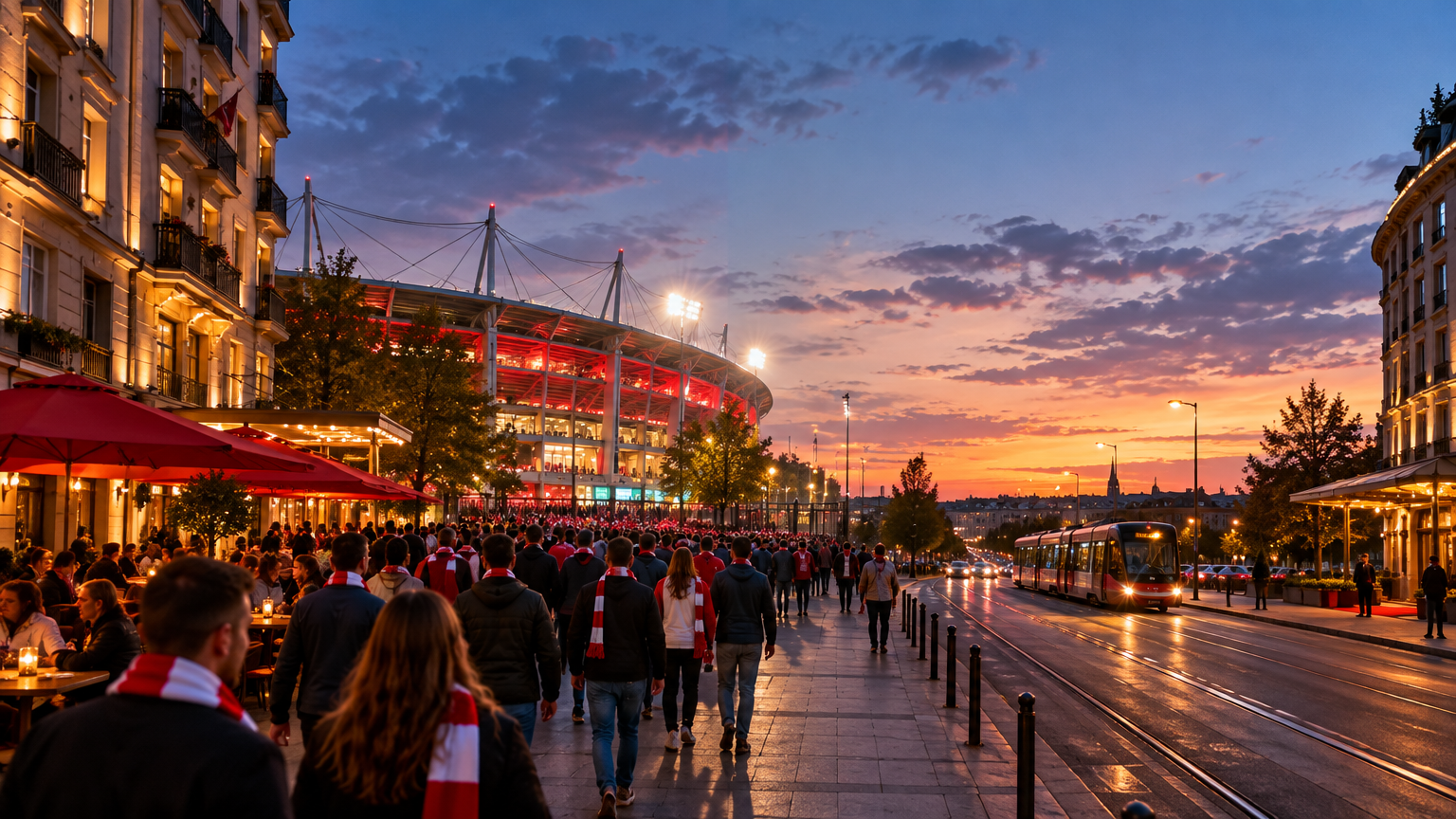
Each weekend, football fans journey to different cities for games. This activity has evolved from a traditional pastime to a powerful economic activity. The nation’s urban planning strategies focus on the game. Football tourism acts as a catalyst for completion of urban projects. This type of tourism creates job opportunities and helps develop infrastructure and other facilities. Football tournaments provide host countries with the opportunity to present their cultural sites to tourists, as games are organized in different areas of the cities.
Since wagering is legal in the countries where the tournaments are held, supporters place sports bets using online mobile applications. Prior to traveling to support their teams, many fans download the (Arabic: مراهنات اون لاين). The application offers markets on different sporting events and allows in-play bets. To augment their entertainment, supporters use mobile applications to integrate wagering with sports events. Thanks to this integration, fans, especially those travelling to different countries to watch games, are empowered to engage in football-related activities across borders.
The Urban Economic Multiplier of Matchday Tourism
Of course, the financial effect of a major game isn’t restricted to the stadium. The boom in tourism connected to a major match creates extra demand and brings extra revenue to other businesses in the city. Visiting football fans in Doha sample local food and shop in local stores. Many fans also stay in hotels in Doha. Football tourists generate additional revenue for local businesses, particularly during major tournaments and other high-profile sporting events.
Many visitors to Doha also explore nearby cities and cultural attractions, creating opportunities for hotels, restaurants, and entertainment businesses. Digital platforms have become important tools for helping tourists discover these services. The international football entertainment market also includes sports betting platforms, although their availability depends on national regulations. For example,(Arabic: موقع مراهنات كرة القدم) represents a betting-related online brand presence, but this does not establish that its services are licensed or legally available in Qatar. Local tourism businesses can instead focus on partnerships involving sporting events, cultural experiences, and interactive digital entertainment.
| Economic Dimension | Primary Beneficiaries | Direct City Impact | Long-Term Strategic Value |
| Hospitality & Dining | Hotels, cafes, street vendors | High occupancy surges and retail spending | Establishes the city as a premier destination |
| Municipal Transit | Metro networks, trams, ride-hailing | Significant fare revenue and transit usage | Accelerates permanent green transit systems |
| Cultural Attractions | Museums, traditional souqs, heritage sites | Diversified tourist spending across districts | Preserves local heritage through global interest |
| Digital Entertainment | Esports venues, technology providers, digital platforms | Increased demand for interactive entertainment and connectivity | Supports the development of a modern digital economy |

Modern Infrastructure and Stadium Regeneration
The impacts that major sporting events and associated infrastructure have on urban spaces are long-lasting. Qatar’s emphasis on the construction of sports facilities is based on the assumption that each sports venue is a seed of a larger development project to regenerate surrounding neighborhoods. Sports facilities, combined with urban development, have the potential to stimulate commercial and economic growth in surrounding areas.
New sport facilities, coupled with urban and transport development, integrate infrastructure to serve a community and improve the quality of urban spaces. Instead of becoming an empty financial burden, sports facilities enhance the urban fabric of the city and provide a wide variety of spaces to accommodate a diverse program of activities for the community. International Friendly matches and community activities provide an opportunity to showcase a city’s services and security to an international audience. The sporting events offer the potential to transform the image of a city.
- Economic Growth and Urban Renewal: Hosting sporting events facilitates a city’s capability to intensify planned developments in other transport infrastructures, such as airports and urban transport.
- Positive International Image: Organizing international sporting events provides an opportunity to improve a city’s international image.
- Diversification of Tourism and Business Sectors: Improving tourism and trade requires investing in sports facilities and related services.
- Continuous Use of Sporting Facilities: Sports facilities have the potential to serve a city or metropolitan area for many years.
Tech, Entertainment, and the Next-Gen Fan Economy
The football tourist of today is not the same as the stadium traveler of the past. Between matches, they use smartphones and other digital devices to follow football news, check statistics, and explore upcoming events. It has become commonplace for supporters to analyze player performances based on hundreds of thousands of data points using artificial intelligence and other predictive applications. For many supporters, attending a football match is only one part of the experience. Supporters also are motivated to interact with and compete against opponents in virtual/augmented reality. Many stadium hosts have responded by building interactive, digitally integrated gaming and esports complexes.
The types of entertainment offered to visiting supporters have also become more advanced and integrated with other forms of gambling and gaming. Many international football supporters combine match attendance with visits to hotels, entertainment venues, and cultural attractions. In countries where gambling is legal, some tourists also visit casino resorts or use regulated betting platforms. Qatar follows a different legal framework, with tourism focused on sporting events, hospitality, cultural experiences, and other permitted forms of entertainment. These innovations motivated and encouraged visitors to thoroughly analyze, debate, and formulate opinions and theories on performances based on technical and quantitative evaluations such as viewing matchday documentaries, analyzing and predicting outcome bets, and performing other forms of financial and gamified entertainment.
- Fan Platforms: Artificial Intelligence is making it possible to design tourist itineraries and provide supporters with statistical information and tactical data during games in real time and assistance in getting around sporting venues.
- Virtual and Electronic Sports: Traditional sporting events are being combined with electronic and virtual events. Football clubs have started adding esports events and tournaments to their existing business activities.
- Payment Systems: The increasing acceptance of online digital assets and cryptocurrencies in the industry means that in the future, it is expected that tickets to sporting events, hotel bookings, and sports bets will all be transacted using cryptocurrencies.
- Video and Immersive Technology: Other technology, including virtual and enhanced reality, is making it possible for supporters to view historical information and statistics of a sporting event or team using specialized glasses or equipment.
Cultural Diplomacy and Enduring Metropolitan Identity
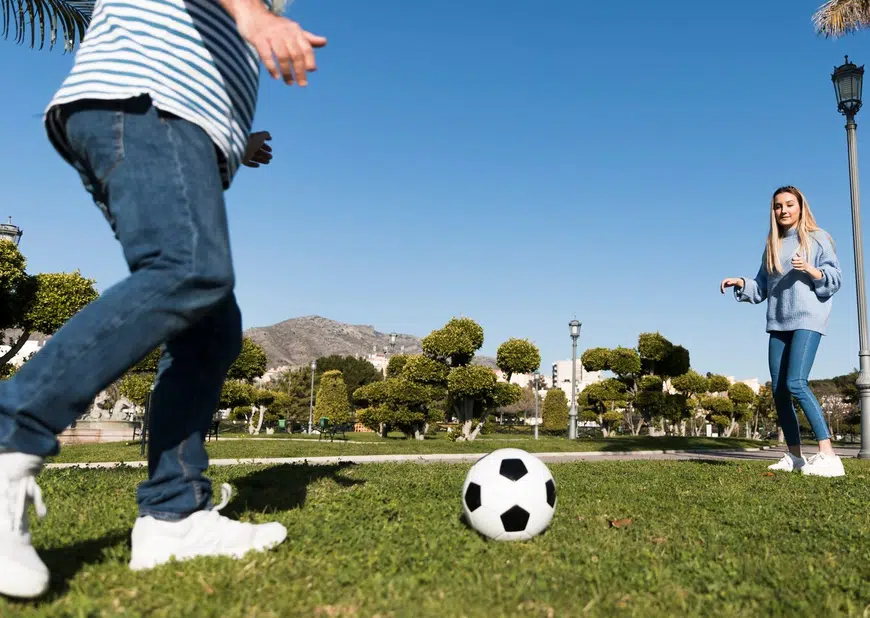
Perhaps the greatest strength of matchday tourism is the potential it holds in the field of cultural diplomacy. It can bring together people that otherwise would never communicate. When people that normally don’t engage cross the boundaries set upon them by ethnicity and nationality to partake in passionate debates over calls made by the match officials, then the diplomatic strengths of matchday tourism can be realized. Major football events give host cities an opportunity to showcase their culture, traditions, and hospitality to international visitors. These experiences can strengthen a city’s reputation as a welcoming destination for people from different backgrounds.
When people that are previously unfamiliar with a city now have the chance to comment on its facilities, services, and overall development potential, it allows the city to gain a global edge. Creating public transport and other urban infrastructure to facilitate the needs of the tourism industry brings a positive impact on urban systems. Improvements in transport, public spaces, and tourism services can make cities more attractive to both residents and visitors. When these projects support sustainability and quality of life, they can also strengthen a city’s international reputation.