
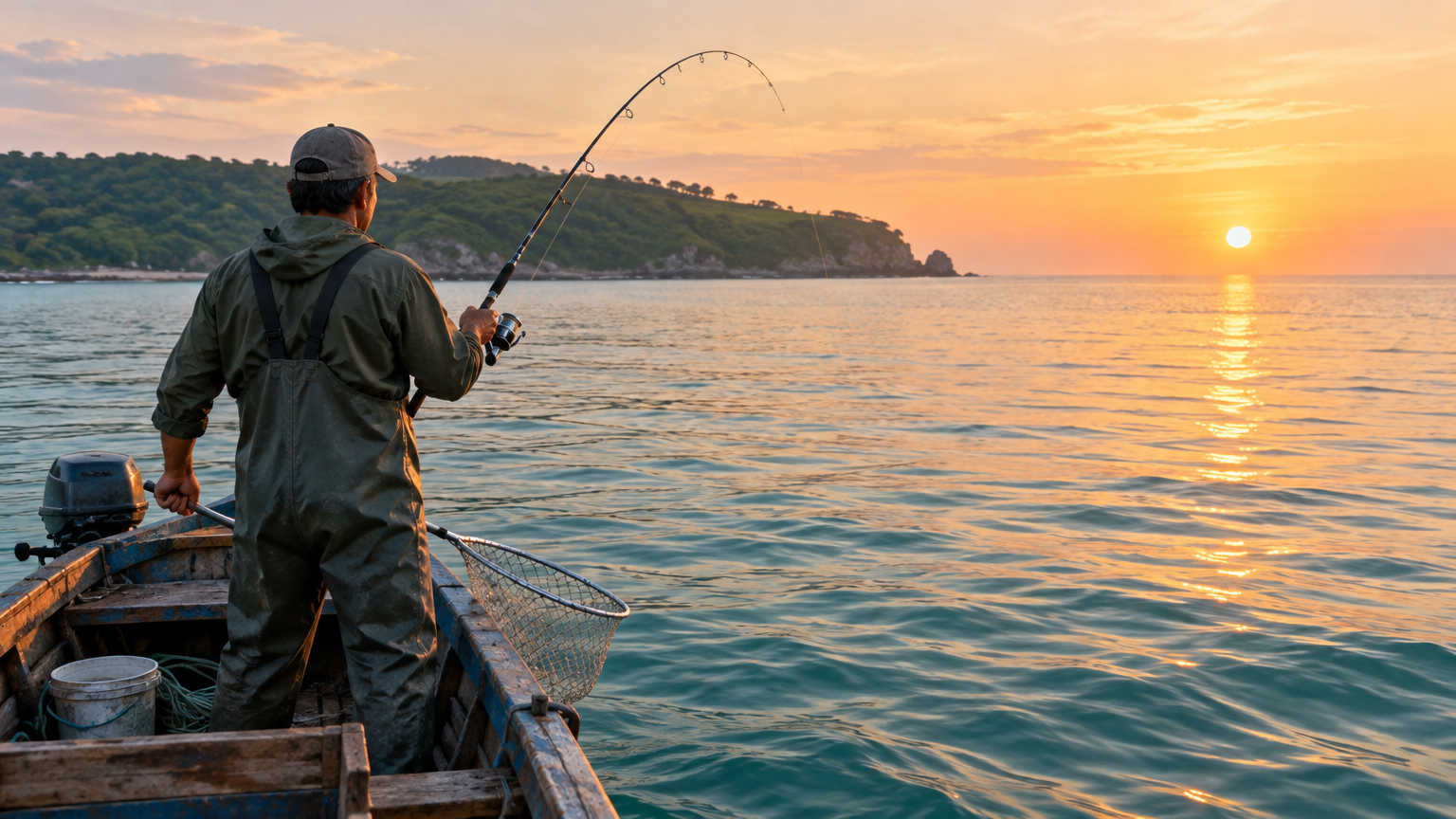
There’s something special about spending a day by the coast. Maybe it’s the quiet of an early morning, the gentle slap of waves against the hull, or simply having a solid excuse to break away from your usual routine. If you love to fish, a coastal trip gives you all of that, plus the anticipation of whatever might be waiting beneath the surface.
Of course, the best fishing trips aren’t just about what you reel in. Half the joy is checking out new stretches of coast, tracking down good local seafood, and simply getting outside. Whether you’re doing a quick weekend run or spending all day on the boat, a bit of planning up front makes a big difference.
1. Find a Coastal Destination Worth Exploring
Every fishing spot brings something different to the table. Some are built around serious time on the water, while others draw you in with quiet beaches, easygoing harbor towns, and standout seafood.
Before booking anything, get clear on what matters most for the trip. If landing a specific catch is your priority, look for waters known for that species. If you’d rather mix fishing with exploring and eating well, pick a coastal town with easy beach access, local markets, and dockside restaurants.
Timing matters too. Certain species show up more reliably during specific windows, and shifting weather can change everything fast. Checking recent fishing reports, tide charts, and seasonal patterns can save you from showing up at the wrong moment.
And honestly, talking to local anglers often beats reading a guidebook. They usually have the best read on which spots are actually producing and when the conditions line up.
2. Bring the Right Gear Without Overpacking
It’s easy to overpack when you’re gearing up for a fishing trip. Your best bet is to tailor your bag to the specific spot you’re fishing and the conditions you expect. A solid rod and reel, spare line, tackle, bait, and a couple of basic tools will handle almost everything you need on the water.
Since you’ll likely be outside for hours at a time, personal comfort matters just as much. Pack sunscreen, a good hat, plenty of water, and breathable clothing, especially if the forecast calls for heat. Don’t forget sunglasses, either; cutting down glare off the water saves your eyes in bright sun and actually helps you see what’s happening beneath the surface.
If you want eyewear that does more than just block the sun, Oakley AI sunglasses are worth a look. With a built-in camera, you can snap photos and shoot video completely hands-free, which is a huge plus when you’re trying to film a catch, take in a great coastal view, or grab a quick moment with friends without setting down your rod.
A waterproof bag is another worthwhile addition, keeping your phone, wallet, and other valuables protected from spray and unexpected splashes.
3. Know the Local Rules Before You Cast a Line
Local rules are one of the easiest things to miss when you’re fishing somewhere new. Regulations can shift a lot from one stretch of coast to the next, and assuming they work like they do back home can land you in hot water fast.
Before you cast a line, check whether you need a local license and look up any rules around protected species, minimum size requirements, and daily bag limits. Keep an eye out for restricted zones where fishing is off-limits altogether.
Weather deserves the same level of attention. Gusty winds, shifting tides, and sudden squalls can turn a calm outing rough, especially in waters you don’t know well. If you’re heading out on a boat, check the marine forecast before leaving the dock and let someone on shore know where you’re going and when you expect to be back.
Finally, treat the coast with care.Pack out all used line, hooks, and plastic waste, and keep a respectful distance from coastal wildlife. Following responsible recreational fishing practices helps protect marine habitats while allowing anglers to enjoy the experience without causing avoidable harm.
4. Don’t Miss the Local Seafood Experience
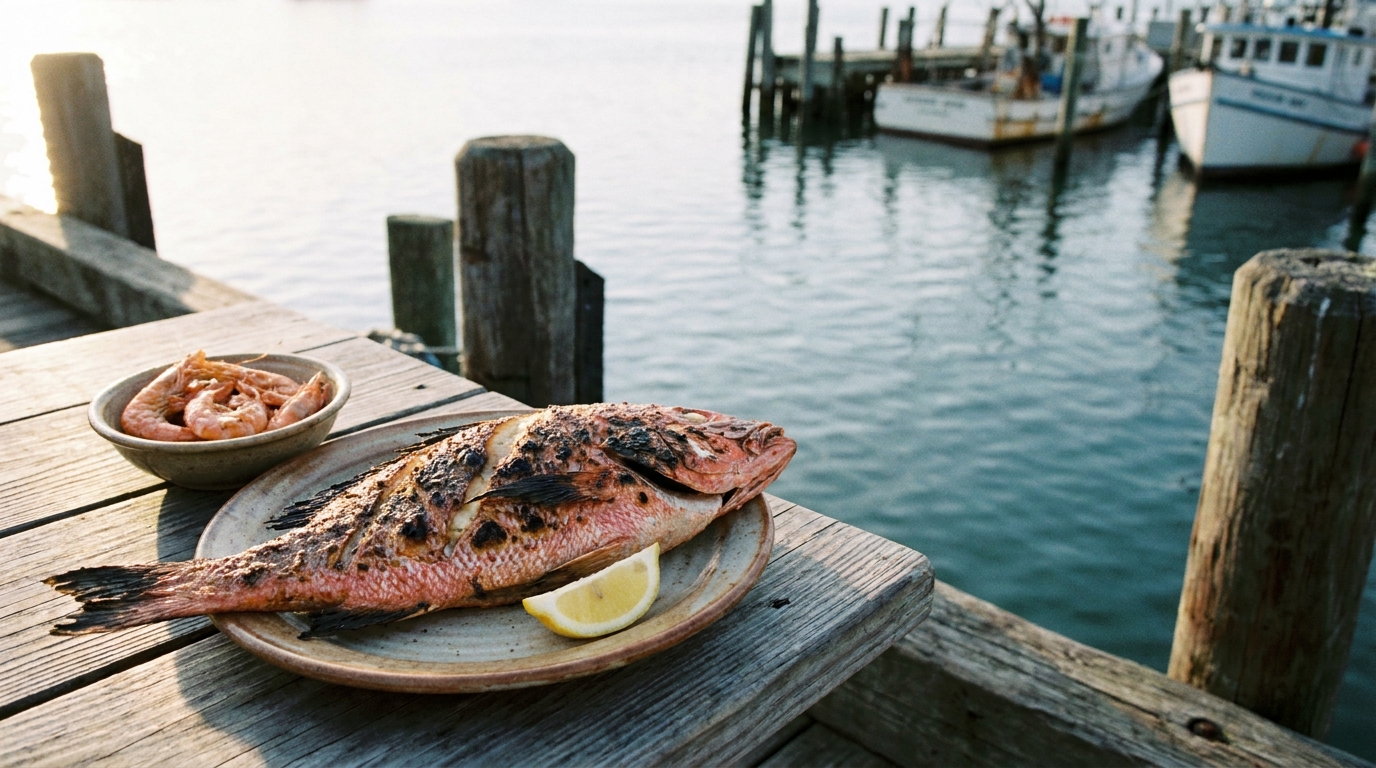
For a lot of people, some of the best moments of a coastal trip happen after the lines come in. Nothing quite beats sitting down to a good seafood meal once you’ve spent hours out by the water.
Neighborhood spots and local restaurants are usually where you’ll find the real regional flavors. Depending on where you end up, that might mean freshly grilled snapper, fish tacos, shrimp plates, oysters, or family recipes passed down for generations.
When a local fish market is close by, it’s well worth a visit. It offers a clear snapshot of what’s being landed nearby and a chance to try varieties you might not encounter at home.
Not sure what to order? Exploring some of the best saltwater fish to eat can give you a better idea of what to look for. Grouper, mahi mahi, red snapper, and yellowfin tuna are popular choices, each with its own flavor and texture.
Some are particularly good grilled, while others work better when baked or pan-seared. Trying a local specialty is a simple way to make the trip feel a little different from an ordinary weekend away.
5. Capture the Little Moments Along the Way
Ask anyone who loves to fish, and they’ll tell you the best memories rarely come down to the biggest catch. Often, it’s watching the sun rise over calm water, spotting dolphins cruising in the distance, or laughing with friends while untangling a hopelessly knotted line.
Naturally, you’ll want to capture some of those moments. Smartphones make photography easy, but taking your phone out every few minutes isn’t always practical when you’re on a boat or handling fishing equipment.
That’s one reason hands-free technology has become interesting to outdoor enthusiasts. Wearable devices offer another way to document experiences without having to stop what you’re doing.
Camera-equipped eyewear, for example, makes it easier to grab photos or short clips from your own point of view. Whether you’re showing someone how you brought a fish in or filming the view off the bow, it beats holding a camera or phone.
Still, you don’t need to record every moment. Sometimes it’s worth tucking the gear away, taking in the scene, and letting a few moments stay memories instead of footage.
6. Take Care of Your Catch
Landing a good catch is only half of it, handling it right afterward matters just as much. Fish spoil fast in the heat, especially in summer, so bring a well-stocked ice cooler and keep your catch out of direct sun while you keep fishing. If you’re taking a boat out, plan your storage and ice ahead of time so the ride back stays easy.
Make sure you know local size rules and bag limits too, since not everything on your line can legally stay in the cooler. Once you’re back on land, clean your fish promptly and chill or freeze it right away if you aren’t cooking it that night. A little care now pays off when dinner rolls around.
7. Leave the Coast as You Found It
It’s easy to get tunnel vision on fishing and miss the surroundings. Coastal areas hold fragile ecosystems, and keeping them clean is on all of us. Pack out everything you bring in: old line, bait tubs, wrappers, since even tiny scraps of plastic can hurt marine wildlife. If you’re out with kids or first-timers, model those habits early so they pick up why protecting the water matters.
You can also give back to the coastal towns that make the trip special. Stop by local seafood markets, eat at independent spots, and get to know the people who make their living on the water. Small choices like that keep both the shoreline and the local community worth coming back to.
Final Thoughts
A fishing trip doesn’t have to be complicated to stick with you. Sometimes all it takes is a good stretch of water, a bit of prep, the right gear, and a few hours away from your usual routine.
Landing a fish is definitely part of the thrill, yet the meals, the scenery, and the unexpected moments along the way carry just as much weight. Whether you’re checking out a new coastline or heading back to a familiar spot, slowing down to take it all in makes the day better. Finally, the best trips aren’t measured by the size of your catch, they’re remembered for everything that happened between your first cast and the drive home.