

For most of us, fishing is a quiet, unhurried way to spend a weekend afternoon outside. For commercial fishermen, however, it’s a demanding livelihood built on patience, grit, and a deep instinct for reading the water. The job routinely begins in the pitch dark, hours before most people have even thought about breakfast.
From gear prep and rough seas to hauling in the catch and icing it down fast, every move takes real skill. Once you see what goes into it, you never look at the seafood on your plate the same way.
1. Early Mornings and Preparation Before Departure
A fisherman’s day usually starts in the pitch dark. Depending on the season, location, and what they’re targeting, crews often leave the harbor long before the sun comes up.
The real work begins well before the boat ever leaves the dock. Fishermen inspect their gear, top off fuel, and double-check that all the essentials: rods, nets, lines, bait, coolers, and safety equipment are stowed and ready. Weather is always top of mind, too. Wind speed, swells, visibility, and incoming fronts determine where and when a crew heads out, since a sudden shift on the water can quickly turn a productive trip dangerous.
On larger commercial boats, prep also means getting everyone on the same page. Each crew member has to know their exact role, especially when operating heavy machinery or handling gear on a rolling deck. These early routines might seem repetitive, but they’re what keep things running smoothly once the boat is miles offshore.
2. Heading Out to the Fishing Grounds
Once everything is squared away, the boat heads out toward the fishing grounds: a run that might take twenty minutes or several hours offshore, depending on the operation.
Finding a productive spot takes a lot more than pointing at a map. Seasoned fishermen look at water depth, currents, surface temperatures, underwater ledges, and seasonal migration patterns to figure out where specific species are holding. Modern electronics definitely help narrow the search: GPS keeps the boat locked onto planned routes, while sonar maps the seafloor and flags fish activity below.
Even so, tech only gets you so far. Years on your home water teach you things no screen ever will, what subtle surface ripples mean, how tides shift, and when to trust your gut. Even the morning run out has its own steady rhythm: watching the shoreline fade into the haze behind you, gulls trailing overhead, and feeling the swell grow heavier beneath the hull.
3. The Work Behind Every Catch
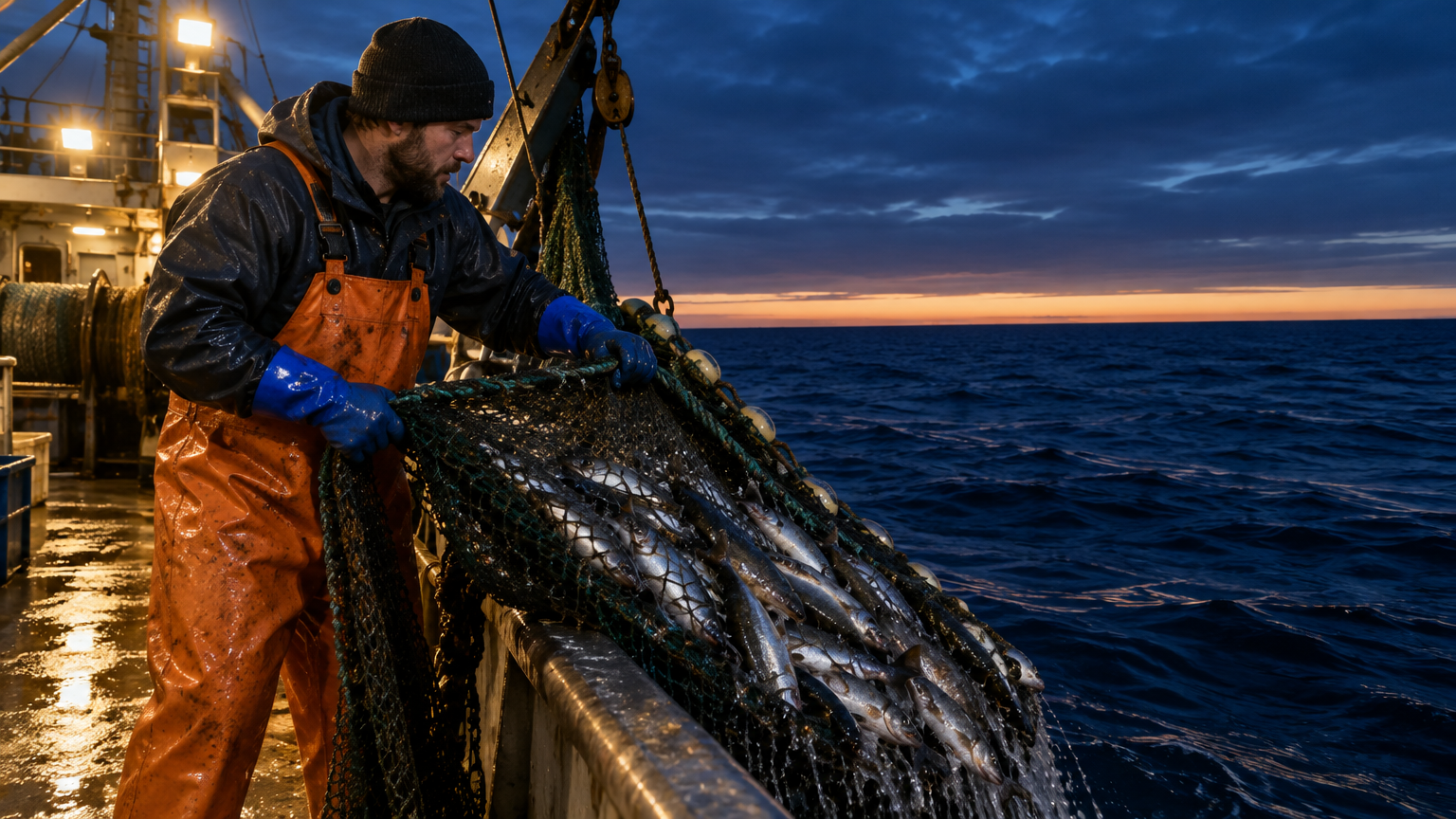
Once the boat reaches the grounds, the real work starts. Methods shift depending on the target species, the waters, and the size of the vessel. Some crews fish nets, others run longlines, set traps, or use specialized gear, each one takes its own know-how. Setting gear on the right mark can make the day, while pulling heavy nets back over the rail takes real deck teamwork.
Patience counts just as much. Fish don’t follow a timetable, so changing conditions often mean relocating, throwing out your game plan, or waiting for a better window. When you combine long shifts, repetitive physical strain, and rough weather, it wears you down fast.
Safety has to remain the top priority through it all. Slick decks, heavy gear, shifting loads, and unpredictable seas create real hazards every single day on the water. Commercial fishing safety guidelines emphasize the same fundamentals: solid training, equipment that won’t fail you, and always paying attention to what’s happening around you.
Even with the grind and the danger, though, it’s hard to beat the satisfaction of the job. Every good haul comes down to solid prep, knowing your local waters, and a crew that works together.
4. Capturing the Moments That Make Life at Sea Special
Even though fishing is mostly hard work, life on the water still delivers plenty of unforgettable moments. A fiery sunrise, unexpected marine wildlife, a big haul, or a wide-open horizon can easily stop you in your tracks.
For crews who like documenting what they see, newer gear makes capturing those moments a lot easier. Phones and handheld cameras have their place, but digging one out when your hands are full or the deck is rocking is rarely practical.
That’s where wearables offer a solid alternative. Gear like video-recording eyewear by Meta gives you a completely hands-free way to snap photos and shoot video in the middle of everyday activities. Anglers and outdoor enthusiasts can document their day without constantly having to reach for a phone.
That kind of hands-free setup comes in handy when showing how gear is rigged, catching unexpected moments out on the water, or giving friends and family a real glimpse of life on board.
Of course, filming should never get in the way of the work or pull focus from what actually matters. Safety and situational awareness always come first, especially around heavy gear or out on open water. Used responsibly, though, these tools make it easy to hold onto moments that would otherwise slip by unrecorded.
5. Sorting and Handling the Catch
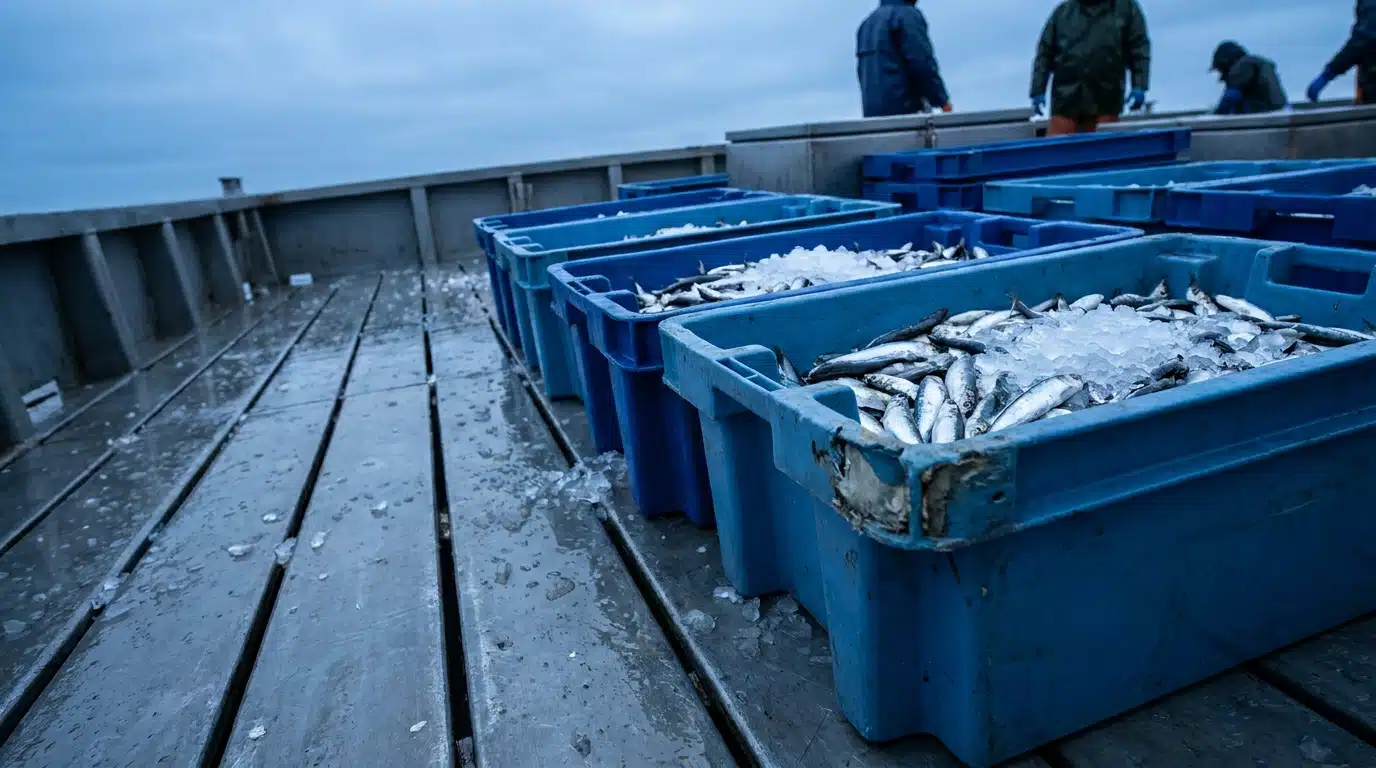
Getting fish over the rail is only half the battle. Once they hit the deck, how fast and carefully you handle them is what keeps the catch worth selling.
Depending on the species and the gear you’re running, the crew immediately starts sorting by size, type, and condition. Some fish have to be iced down right away before they spoil, while others need to be bled or gutted before going down into the hold. Keeping the cold chain tight is critical, seafood turns fast, so steady cooling slows spoilage whether a vessel runs on ice, chilled holds, or dedicated refrigeration.
A light touch matters just as much. Bruising and rough handling show up later at processing, hurting appearance, texture, and shelf life. And even when the hold is packed, crews still have to record essentials like species, weight or quantity, and harvest location. Accurate logs keep the books clean and make sure every fish can be traced down the line.
6. The Journey From Fishing Vessel to Seafood Market
Once the fishing boats head back in, the real logistics begin. Depending on what was caught and how far it has to travel that seafood can go through a few different stops before it ends up on a restaurant plate, in a grocery case, or in your kitchen.
At processing plants, workers check the catch for quality, prep it for shipping, and keep a close eye on temperatures so nothing spoils. Some of it gets packed up fresh for a quick trip, while the rest gets frozen to lock in flavor and texture for longer hauls.
Lately, people care a lot more about the story behind what’s on their plate. Most of us want to know where our seafood actually came from, when it was pulled from the water, and how carefully it was treated before it ever got to us.
Modern tracking systems help make this information easier to access. Thanks to seafood traceability systems, shoppers can follow the catch from harvest to delivery and see exactly where their food came from. That transparency builds trust in what you’re buying and highlights the crews who bring it from the water to your table.
7. The Challenges of Working at Sea
Fishing can be deeply rewarding, though it carries pressures that are hard to picture unless you’ve been on the water.
Weather is always in charge. Heavy winds, steep swells, and fast-moving storms can scrap a trip on a dime or turn routine work hazardous. Even on calm days, grueling hours and heavy physical labor wear people down fast.
Then there’s the financial side, which rarely sits still. Fuel costs, gear upkeep, sudden repairs, and shifts in where fish are actually running can swing a trip from profitable to a loss. Smaller boats and family-run outfits feel those surprises and sudden dips in buyer demand, the hardest.
Sustainability isn’t just a buzzword out there, either. Keeping stocks healthy takes careful harvesting, sticking to local rules, and paying real attention to what happens to the marine environment.
For lots of coastal towns, none of this is abstract, it’s just daily life. Families have made their living off the water for generations, passing down hard-won know-how and traditions that still steer the work today.
8. Why a Fisherman’s Work Deserves More Appreciation
Most of the time, shoppers just look at the end result: how fresh it looks, how it tastes, whether it’s healthy, or if it fits tonight’s recipe.
What’s easy to miss is everything that happens before it hits the counter. Crews put in long days rigging gear, pushing through rough water, leaning on each other, and taking care not to beat up the catch.
It takes real experience and local instinct to turn what’s out in the ocean into food on tables around the world.
Next time you’re cooking fish or shellfish, it’s worth thinking about the grind behind those ingredients. Knowing the work that went into the catch makes sitting down to eat it hit a little differently.
Final Thoughts
There’s plenty more to a fisherman’s day than cruising out on a boat and hauling in fish. It takes constant prep, practical know-how, physical grit, tight crew work, and a real feel for the water.
From early-morning checks in the dark to careful handling once the catch hits the dock, every step shapes how seafood makes it from open water to your table. New gear and technology keep changing the job, yet seasoned judgment, careful habits, and genuine respect for the sea still carry the most weight. Remembering the crews behind every catch gives you one more reason to value what ends up on your plate.