


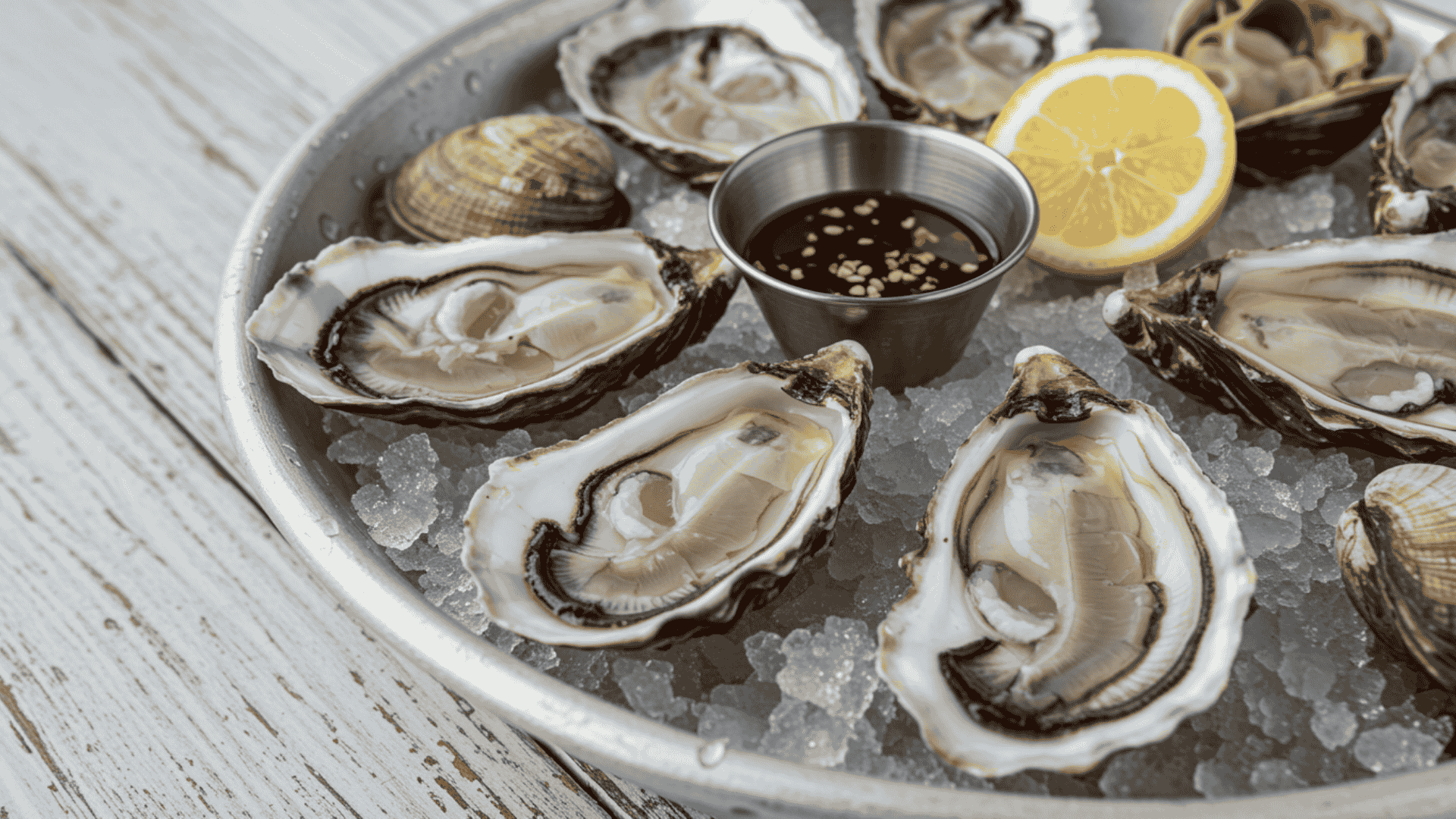
Oysters are tiny. But their nutrition profile? Not so much.
If you’ve been struggling to get enough zinc, iron, or B12 from your diet, this might be the answer you didn’t see coming.
One serving of oysters can cover more than your daily zinc needs.
In this blog, I’ll walk you through the key nutrients in oysters, what they do for your body, and also why you might want to skip them, and more.
The Varieties of Oysters
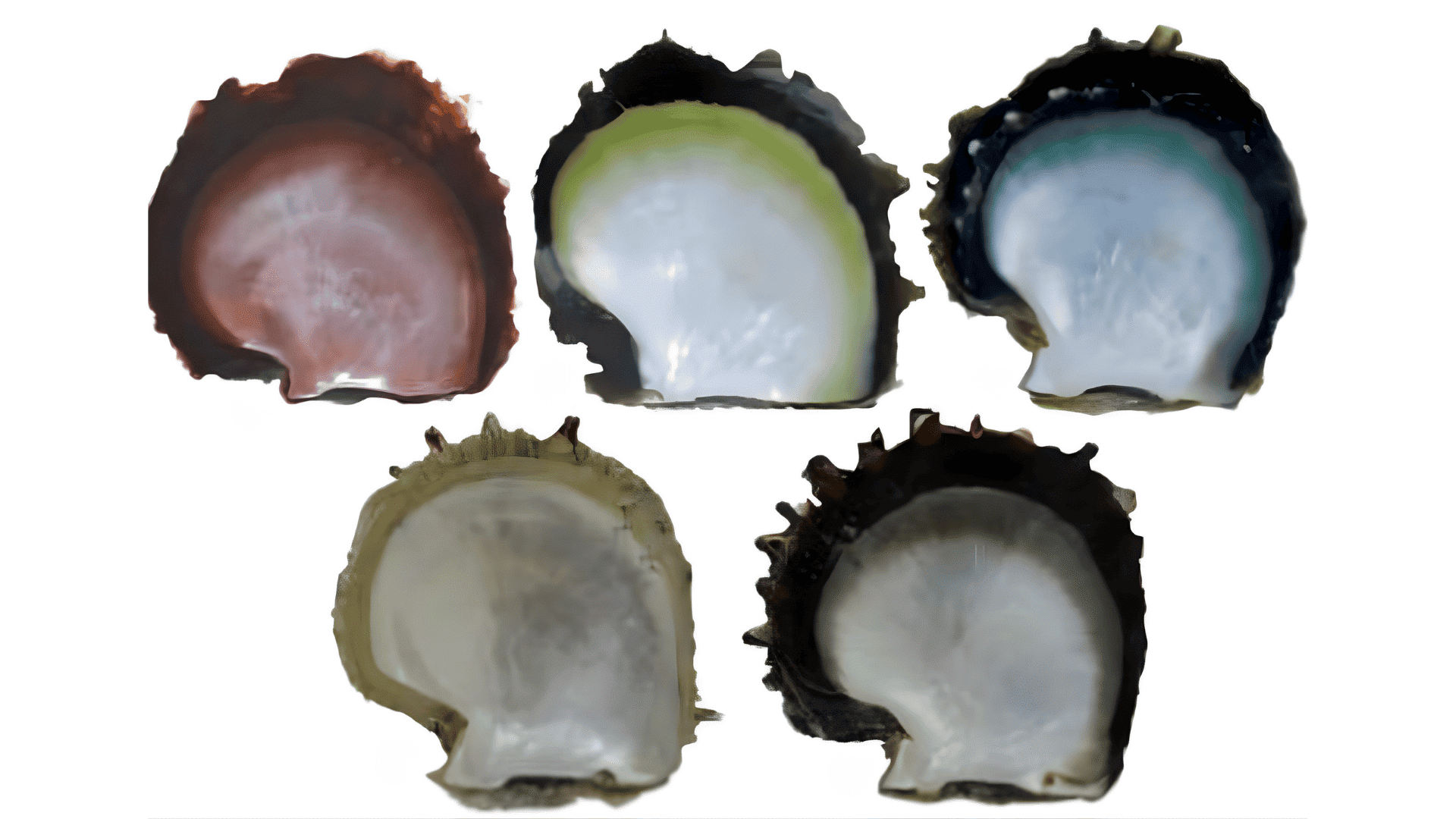
Oysters come in more types than most people realize. I’ve always found it interesting how each variety has its own unique taste and texture.
Eastern or Atlantic Oysters
I think Eastern oysters are the most commonly eaten type in North America.
They grow along the Atlantic coast and have a salty, briny flavor. Their shells are rough and oval-shaped.
The taste can vary depending on where they’re harvested.
European Flat Oysters
European Flat oysters are the ones I’d call the “classic” choice in Europe.
They have a round, flat shell and a mild, nutty flavor. They’re considered a premium variety and are often enjoyed raw.
They’re harder to find but absolutely worth trying.
Olympia Oysters
Olympia oysters are the smallest of the bunch, and I find that pretty interesting.
They’re native to the Pacific Northwest and have a sweet, coppery flavor.
They were nearly wiped out by overharvesting, but conservation efforts have helped bring them back.
Pacific Oysters
Pacific oysters are the most widely farmed oysters in the world, and for good reason.
I’d say they’re the most versatile variety out there. They have a sweet, creamy flavor with a slightly fruity finish.
You’ll find them in restaurants and seafood markets almost everywhere.
Detailed Breakdown: Oyster Nutrition Facts
Oysters vary in taste, but did you know they also vary slightly in nutrition? I find that pretty interesting
| Nutrient | Eastern/Atlantic | European Flat | Olympia | Pacific |
|---|---|---|---|---|
| Calories | 51-59 kcal | 68-70 kcal | 60-65 kcal | 72-81 kcal |
| Protein | 5.7g | 7.0-7.2g | 6.0-6.5g | 7.5-9.5g |
| Fat | 1.7-2.1g | 2.5-2.8g | 2.0-2.3g | 2.3-2.9g |
| Zinc | 37-39mg | 20-25mg | 16-20mg | 16-39mg |
| Iron | 4.6-6.7mg | 5.0-5.8mg | 4.5-5.0mg | 5.1-7.0mg |
| Vitamin B12 | 8-16mcg | 12-15mcg | 10-14mcg | 16mcg |
| Omega-3 | 0.4-0.5g | 0.6-0.7g | 0.4-0.5g | 0.6-0.8g |
Values reflect typical wild, raw data per 100g serving; actuals vary slightly by habitat and farming practices.
Health Benefits of Eating Oysters
I’ll be honest, I had no idea oysters were this good for you until I looked into it. The list of benefits is longer than I expected.
1. Heart Health
Oysters are rich in omega-3 fatty acids, and I think that’s one of their biggest wins.
Omega-3s help lower bad cholesterol and reduce inflammation.
Eating oysters regularly can support a healthier heart and lower your risk of cardiovascular issues over time.
2. Brain and Mood Support
It is interesting that what you eat can directly affect how you feel.
Oysters are packed with vitamin B12 and zinc, both of which support brain function.
They can help improve memory and focus, and even keep your mood more stable day to day.
3. Weight and Bone Benefits
Oysters are low in calories but high in protein, which makes them great for weight management.
I personally love that they keep you full without adding too many calories.
They also contain calcium and magnesium, which are essential for keeping your bones strong and healthy.
4. Immune Boost
Your immune system needs zinc to function properly, and oysters deliver more zinc per serving than almost any other food.
I think that’s worth paying attention to.
Eating oysters regularly can help your body fight off infections and recover from illness much faster.
5. Immune and Antioxidant Effects
Oysters contain selenium and vitamin E, two powerful antioxidants that protect your cells from damage.
I see this as a double benefit, you support your immune system while also slowing down cell wear and tear.
It’s a simple but effective way to protect your long-term health.
6. Liver Support
This one surprised me the most. Oysters contain taurine, a compound that actively supports liver function.
Taurine helps the liver process toxins more efficiently.
Adding oysters to your diet can be a simple and natural way to give your liver a little extra support.
Add Oystersto your Diet
Adding oysters to your meals is easier than you might think. I was surprised by how many simple ways there are to eat them.
- Eat them raw: This is my all-time favorite way. Just add a squeeze of lemon, and you’re good to go.
- Grill them: I love doing this on weekends. There is nothing better than grilled oysters.
- Add to soups and stews: This is my go-to on cold days. They bring a rich, savory depth to any broth.
- Toss into pasta: This is the most underrated way to eat oysters. Quick, filling, and genuinely delicious.
- Try oyster sauce: When I don’t have fresh oysters, this is my backup. A simple way to get that flavor into everyday cooking.
- Smoked oysters: Smoked Oysters are best when I want something quick and satisfying. They come ready to eat straight from the can and taste incredible on crackers.
Oyster Allergies
Oyster allergies are more common than most people think, and they deserve serious attention.
If you’ve ever felt unwell after eating shellfish, oysters might be the reason. It’s worth knowing the signs before you eat them again.
Oyster allergies fall under shellfish allergies, which are among the most common food allergies in adults.
I’ve come across cases where people didn’t even realize oysters were the trigger.
Symptoms can range from mild skin reactions and hives to severe reactions, including swelling, difficulty breathing, and anaphylaxis.
If you suspect an oyster allergy, I’d strongly recommend seeing a doctor before eating them again. An allergy test can give you a clear answer and keep you safe.
Why Should You Skip Oysters?
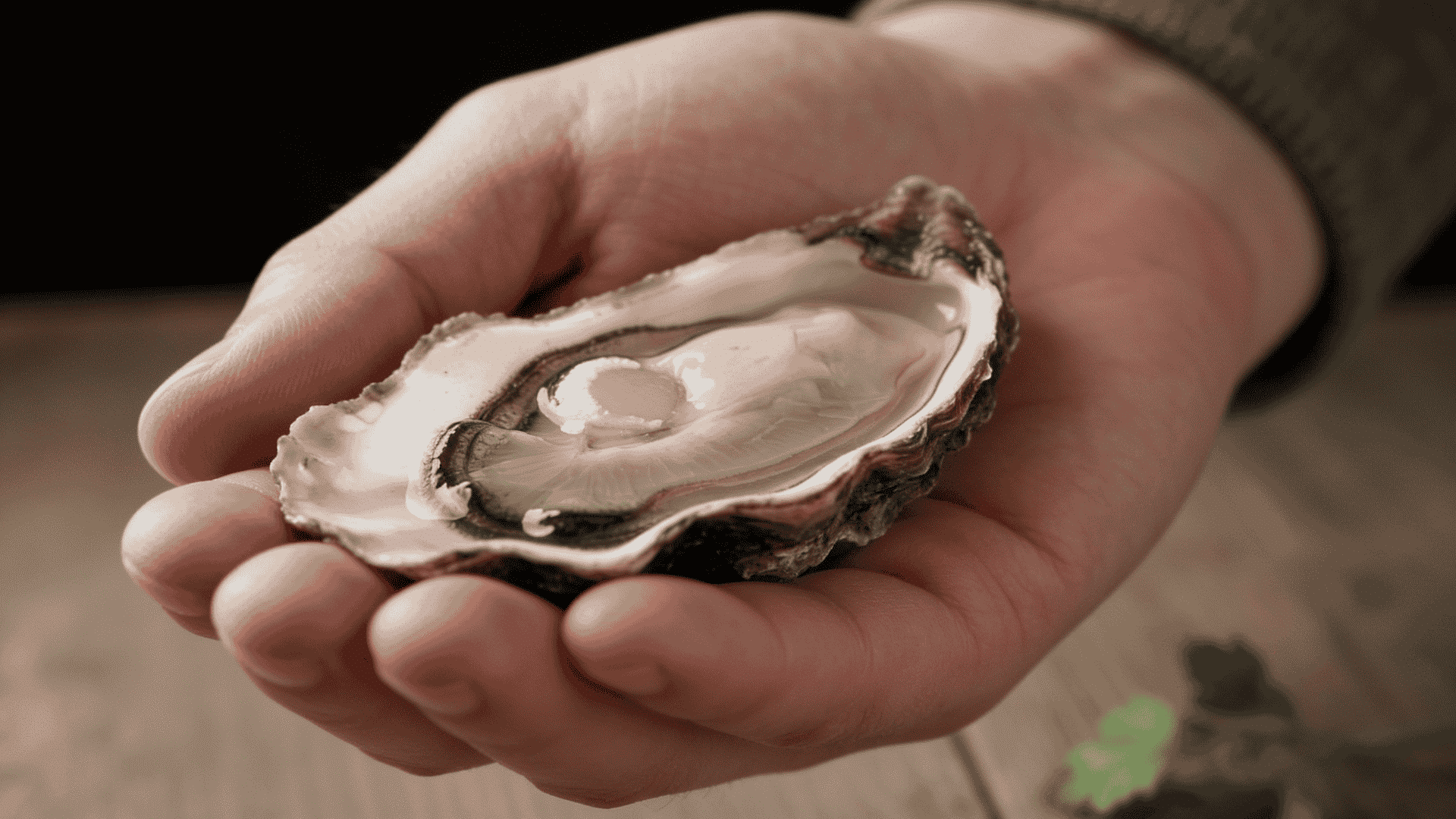
Oysters are nutritious, but they’re not the right choice for everyone. I think it’s only fair to talk about the risks, too.
Bacterial Infections
Raw oysters can carry harmful bacteria like Vibrio vulnificus. I’d be careful if you have a weak immune system.
This bacterium can cause serious illness within 24 hours of eating contaminated oysters.
Cooking them thoroughly is the safest way to significantly reduce this risk.
Mineral Toxicity
Oysters are incredibly high in zinc, and I mean really high.
Too much zinc over time can actually be toxic to your body.
Eating oysters in large amounts regularly can lead to nausea, headaches, and even interfere with copper absorption in your system.
Viral Contamination
Oysters filter large amounts of water, and that means they can pick up viruses, too.
I think this is one of the most overlooked risks.
Norovirus is commonly linked to raw oyster consumption and can cause severe vomiting, diarrhea, and stomach cramps that last for days.
Digestive Issues
Some people find oysters genuinely hard to digest, and I completely understand that.
Their high protein and mineral content can upset sensitive stomachs.
If you already deal with digestive problems like irritable bowel syndrome, eating oysters, especially raw, might make your symptoms noticeably worse.
5. Cholesterol Concerns
Oysters do contain dietary cholesterol, and that’s something I think deserves a mention.
While moderate consumption is generally fine, people with existing high cholesterol or heart conditions should be careful.
Eating too many oysters too frequently could potentially affect your cholesterol levels in a negative way.
6. Heavy Metal Accumulation
Because oysters filter water, they can absorb heavy metals like lead, cadmium, and mercury from their environment.
I find this particularly concerning for pregnant women and young children.
Regular consumption of oysters from polluted waters can lead to heavy metal buildup in your body over time.
7. Parasites and Salmonella
Raw oysters can sometimes carry parasites and Salmonella bacteria, both of which can make you seriously ill.
I wouldn’t take that risk lightly. Symptoms include fever, stomach cramps, and diarrhea.
Always buy oysters from trusted, certified sources, and cook them properly before eating.
Shuck Your Oysters Perfectly
Shucking an oyster sounds tricky, but it gets easier with a little practice cause for me it did.
The key is having the right tool, an oyster knife, and knowing where to insert it.
Start by holding the oyster flat-side up on a thick cloth for grip. Insert the knife into the hinge, twist gently until you hear a pop, then slide it along the top shell to open it.
Keep the oyster level so you don’t lose the liquid inside.
That liquid, called liquor, is packed with flavor and nutrition. Don’t waste a drop of it.
How to Clean and Store Oysters?
I always say that handling oysters the right way is just as important as cooking them well. Proper cleaning and storage keep them fresh and safe to eat.
Here’s what I personally do:
Cleaning:
- Scrub the shells under cold running water using a stiff brush.
- Carefully remove any dirt, mud, or debris from the surface.
- Never soak them in standing water, as it can kill them.
Storing:
- Keep live oysters in the fridge at 35-40°F.
- Store them cup-side down to retain their natural liquid.
- Eat them within 1-2 days for the best freshness.
To Wrap Up
Oysters are small, but the nutrients they provide are hard to beat.
I hope this blog gave you a clearer look at what they offer, from their impressive vitamin and mineral content to the real risks to be aware of.
If you’ve never tried cooking them at home, start simple. Grill a few with butter and garlic, I promise you won’t regret it.
Have a favorite way to eat oysters? Or maybe a question I didn’t cover? Drop it in the comments below. I’d love to hear from you.
Frequently Asked Questions (FAQ’s)
1. How Many Oysters Are in A Serving?
A standard serving is about six medium-sized oysters. That gives you a solid nutritional boost without overdoing it.
2. Are Raw Oysters Healthier than Cooked?
Raw oysters retain more nutrients, but cooking them reduces harmful bacteria. Both options have their own clear benefits worth considering.
3. Can Oysters Help with Zinc Deficiency?
Yes, absolutely. Oysters are the richest natural source of zinc and can help correct a deficiency quite quickly.