

Let me tell you about my first thoughts on smoked oysters.
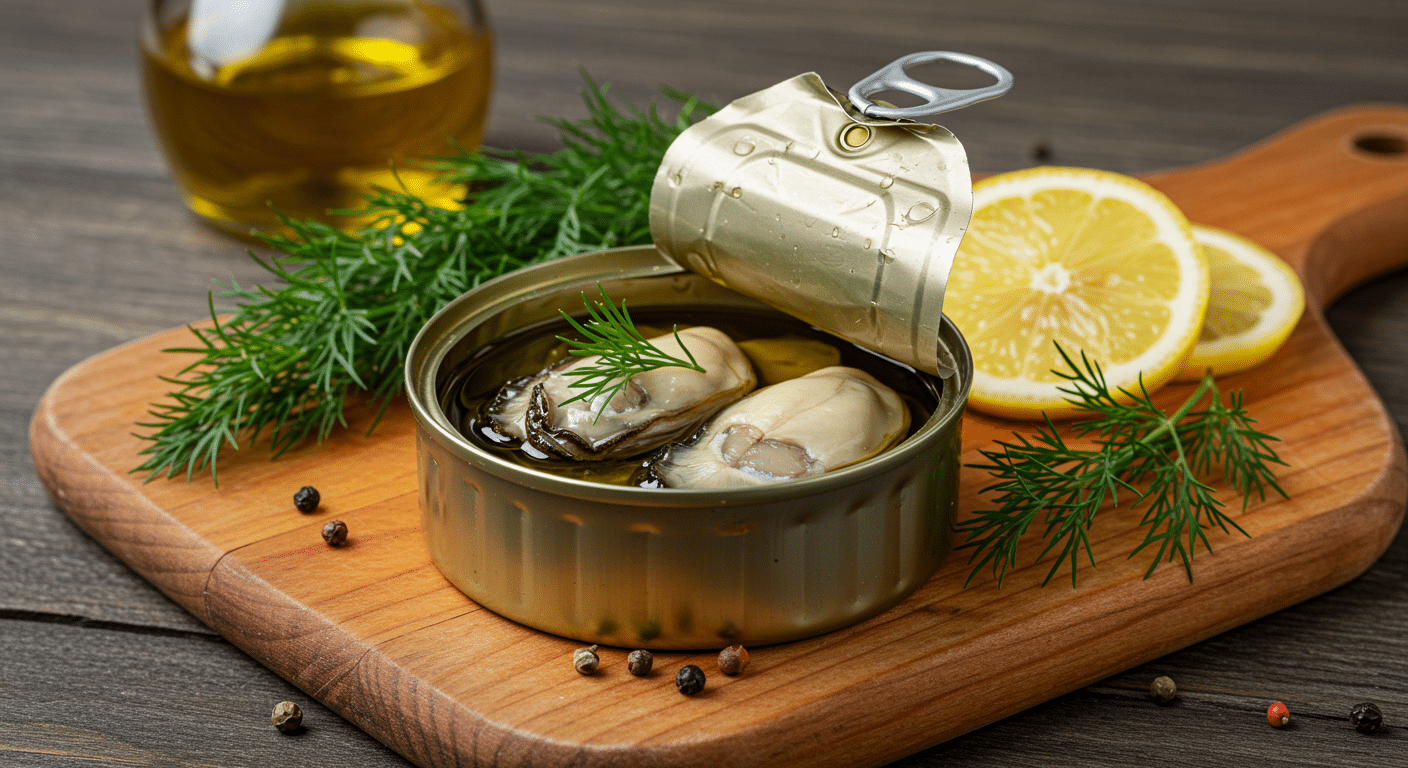
It was November 2024, and I was at Whole Foods staring at a tiny can of Crown Prince smoked oysters.
You know those tiny cans sitting on the shelf next to the sardines? I’d walk right past them. I figured anything that comes in a can and lasts for years can’t possibly be good for me.
But then a friend who’s really into health food kept raving about them.
She said they were packed with nutrients and super convenient for quick meals.
So I decided to do some digging and actually try them myself.
Turns out, I was completely wrong about smoked oysters. Sure, they’re not perfect, nothing is. But once I learned what’s really in them, I became a believer. Let me share what I found out.
What are Smoked Oysters?
Smoked oysters are fresh oysters that have been cooked and preserved through smoking.
The process gives them a rich, smoky flavor. First, the oysters are shucked and their shells removed.
They’re smoked over wood chips in a smokehouse, which adds flavor and kills bacteria.
After smoking, they’re packed in oil and sealed in cans or jars.
The smoking process changes both taste and texture.
Fresh oysters taste salty, but smoked ones have a stronger flavor. They’re firmer than raw oysters but still tender.
Are Smoked Oysters Good for You?
They’re a nutrient-dense food that provides quality protein and essential vitamins. The smoking process preserves their beneficial properties while adding flavor.
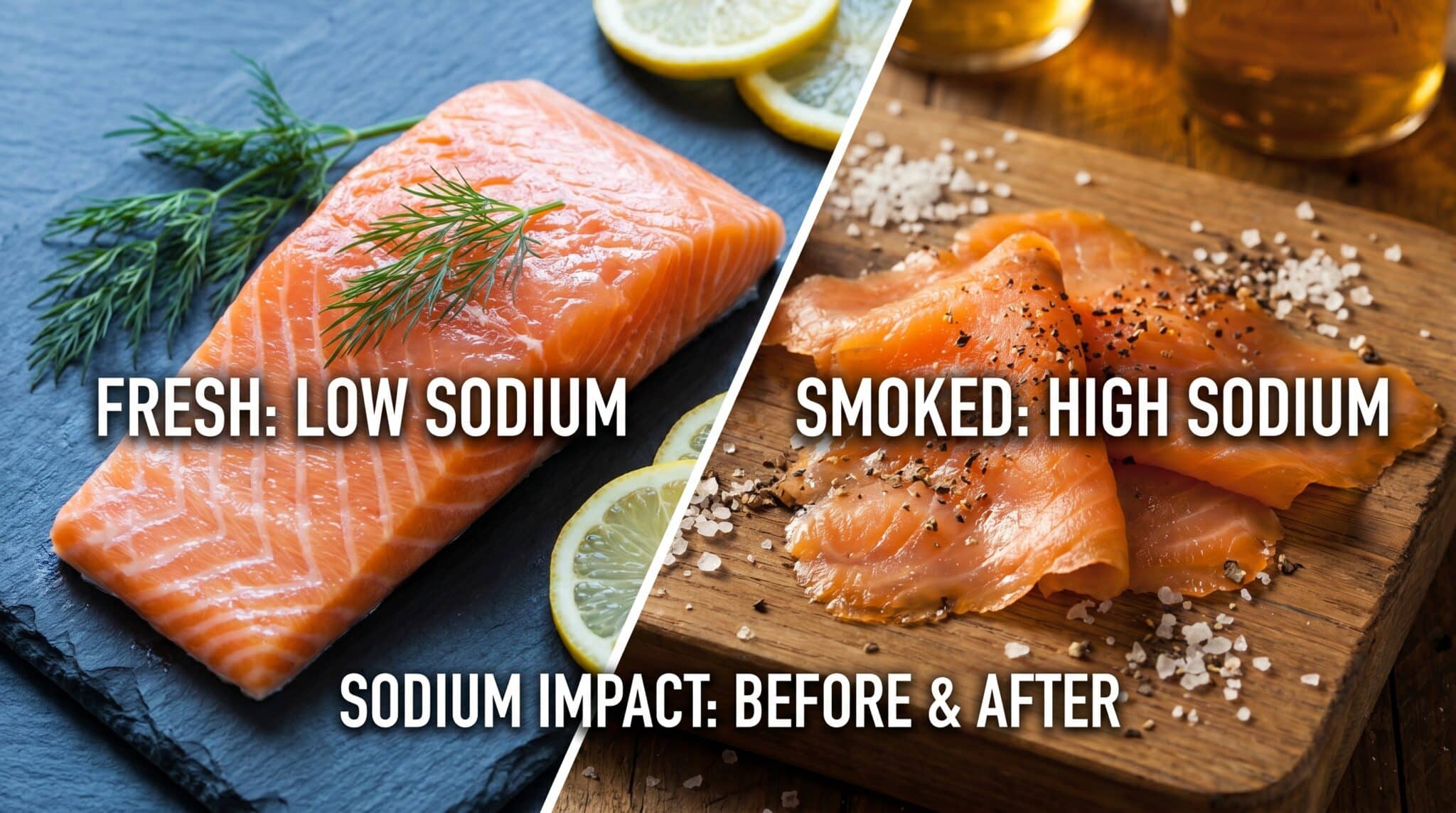
However, they have higher sodium content than fresh varieties.
If you don’t have shellfish allergies or sodium restrictions, you can enjoy them as part of a balanced eating plan.
I choose quality brands and rinse them before eating to reduce salt content.
Nutritional Value of Smoked Oysters
According to USDA FoodData Central, a 3-ounce (85 g) serving of canned smoked oysters provides impressive nutritional value. Here is the breakdown of what you get in one serving:
Protein (14g): A great boost for your muscles.
Vitamin B12 : get about 15–20 mcg, which helps your brain and energy levels. Omega-3s (0.5g) are healthy fats that are great for your heart.
Calories (140): Not bad at all for how much nutrition is inside.
Zinc content 37.9mg (345% DV)
Some sources claim that 30 mg+ of zinc may be safe, but regular intake at this level risks zinc toxicity and interferes with copper absorption and immune function.
Here’s what happens when you eat too much zinc. Your stomach gets upset. Your body can’t absorb copper properly. And copper matters for your health.
Over time, consuming excessive zinc can actually weaken your immune system. Not stronger.
| Nutrient | Amount per 3 oz | Health Role |
|---|---|---|
| Calories | 140 | Energy source |
| Protein | 14g (28% DV) | Builds and repairs muscles |
| Omega-3 Fatty Acids | 0.5g | Supports heart health, reduces inflammation |
| Zinc | 37.9mg (345% DV) | Boosts immune function, aids wound healing |
| Iron | 5.7mg (32% DV) | Carries oxygen through the blood |
| Selenium | 77.5mcg (141% DV) | Acts as antioxidant |
| Vitamin B12 | 16.4mcg (683% DV) | Supports nerve function, forms red blood cells |
| Sodium | 300-500mg (13-22% DV) | Main concern due to the smoking process |
Why Smoked Oysters Can be Good for Your Body
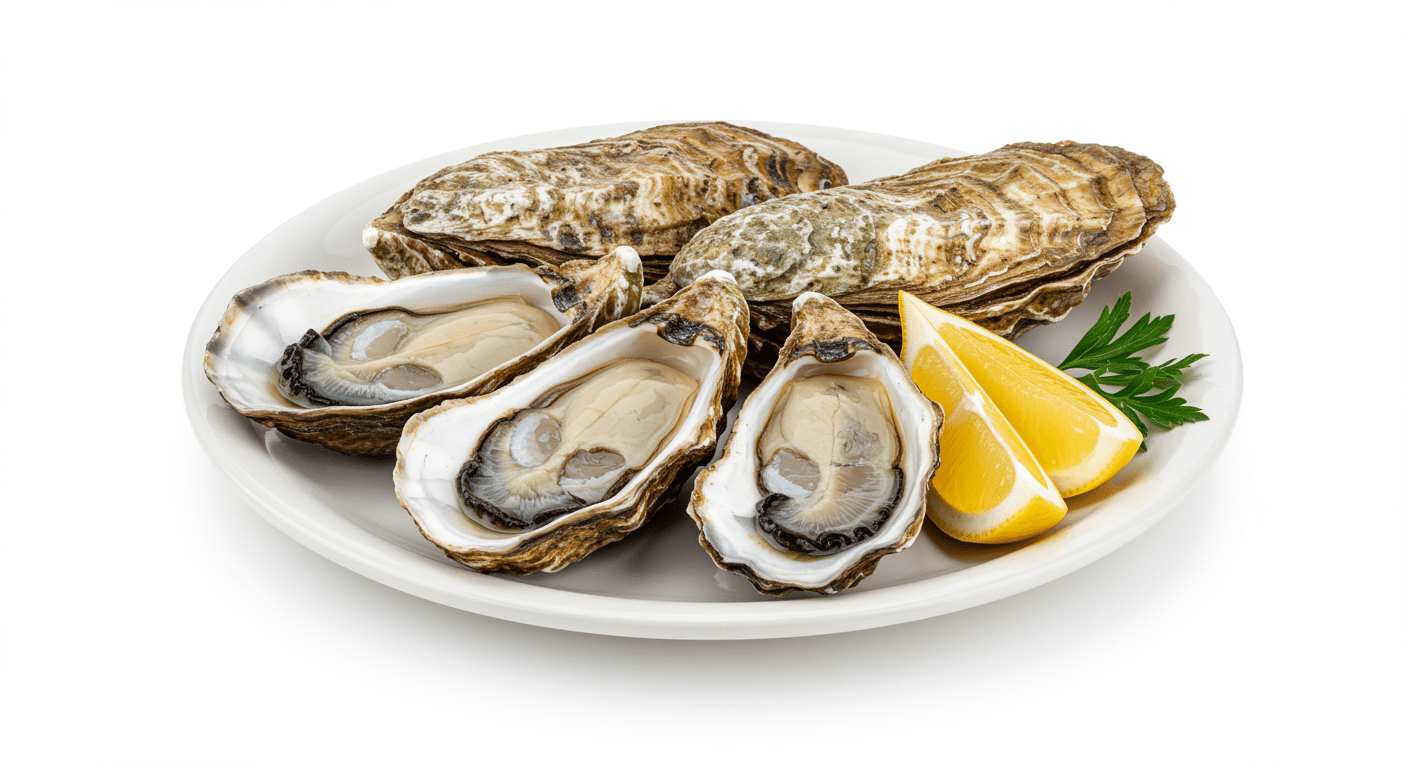
Smoked oysters offer several health benefits, as supported by various studies, when eaten in moderation.
Their nutrients support many basic body functions.
Supports Brain Function
Omega-3 fats in smoked oysters support brain health and cognitive function.
Research from the National Institutes of Health shows these fats may help with memory and slow age-related mental decline naturally
Boosts Energy Levels
Iron-rich smoked oysters help your body produce hemoglobin, which transports oxygen through the blood.
When iron levels drop, you experience tiredness and weakness. Oysters provide 32% of daily iron needs per serving.
I’ve noticed that people often compare oysters to other shellfish in terms of iron content.
While scallops’ iron content is much lower at about 0.3mg per 3-ounce serving, smoked oysters deliver nearly 20 times more iron, making them a far superior choice.
Supports Thyroid Health
Selenium in oysters maintains normal thyroid activity, which controls how your body uses energy.
With 141% of daily selenium needs, oysters help your thyroid function properly and regulate metabolism effectively.
Strengthens Bones
USDA FoodData Central confirms that oysters provide calcium and phosphorus. These work together supporting bone strength and dental health.
Adequate intake of both minerals may significantly reduce bone loss over time.
Helps Maintain Skin Health
Zinc in smoked oysters supports skin repair and healing processes. It reduces inflammation and helps skin recover from minor damage.
One serving provides more than 300% of your daily zinc requirement.
Safety Note: The FDA advises eating seafood like oysters in safe portions and choosing trusted sources, especially for people who are pregnant or have weak immune systems.
But, Are There Any Risks Involved When Eating Smoked Oysters?
Look, I’m not going to sugarcoat it; there are a few things you should watch out for.
The biggest issue is sodium content. A single tin can pack over 500mg, which adds up fast if you’re watching your salt intake.
Then there’s the potential for heavy metal contamination, especially if oysters come from polluted waters.
And if you’ve got a shellfish allergy, these are obviously off-limits.
Plus, pregnant women should be cautious since smoked seafood carries listeria risks. I always check labels and stick to reputable brands to minimize these concerns.
Some Considerations to Look for When Having Smoked Oysters:
- Smoked seafood contains tyramine that can trigger severe headaches in people taking MAOI antidepressants.
- High purine content can worsen gout symptoms and increase uric acid levels.
- May interfere with the effectiveness of thyroid medication in people with thyroid conditions.
- Small portions pack a considerable number of calories that can add up quickly when eaten frequently.
- Some canned varieties are packaged in BPA-lined cans, which may disrupt hormone balance.
- Processing facilities may handle other allergens, such as fish or crustaceans.
- Some brands add sulfites as preservatives that trigger asthma attacks in sensitive people.
- Provides no dietary fiber, so it should be paired with vegetables for digestive health.
- High phosphorus content may be problematic for people with chronic kidney disease.
Smoked vs Fresh vs Raw vs Canned Oysters: Which is Healthier?
| Type | Nutrients | Safety | Sodium | Best For |
|---|---|---|---|---|
| Raw | Highest | Low bacteria risk | Low | Healthy individuals seeking maximum nutrients |
| Fresh | High | High bacteria killed | Low to Medium | Those wanting nutrition with safety |
| Smoked | Good | High heat method | High | People prioritizing convenience and long life |
| Canned | Moderate to Good | Very High (fully cooked) | Medium to High | Long-term storage and quick meals |
Each type of oyster offers unique health advantages and drawbacks.
Raw Oysters: Maximum Nutrients
Raw oysters contain the highest levels of vitamins and minerals.
They provide the highest amounts of zinc and B vitamins.
However, they pose food safety risks from bacteria such as Vibrio. People with liver disease, diabetes, or weakened immune systems should avoid raw oysters completely.
Fresh Cooked Oysters: Balanced Choice
Steamed or boiled oysters retain most of their nutritional value and are safer to eat.
Cooking kills harmful bacteria without major nutrient loss. They contain less sodium than smoked varieties.
Freshly cooked oysters are a good option for people concerned about food safety but who want full nutrition.
Smoked Oysters: Convenient But Saltier
Smoked oysters are the safest option because they are heat-processed.
They maintain protein, omega-3s, and most minerals.
They’re shelf-stable and convenient. Smoked oysters suit people who prioritize convenience and safety over minimal sodium intake.
Canned Oysters: Long Shelf Life and Ready to Eat
Canned oysters are fully cooked and safe for everyone to eat.
They keep their protein and mineral content well. Some water-soluble vitamins may decrease during canning.
Canned oysters often contain added salt in the packing liquid. This makes sodium levels higher than those of fresh options.
They last for years in your pantry. Canned oysters work well for quick meals and emergency food supplies
Who Should Avoid Smoked Oysters
- Pregnant women: Risk of Listeria from smoked seafood can harm the baby.
- Those on blood thinners: Vitamin K content may interfere with medication effectiveness.
- People with gout: High purine levels can trigger painful flare-ups.
- Individuals with iodine sensitivity: Oysters contain iodine that may cause reactions.
- People taking zinc supplements: Combined intake easily exceeds safe daily limits.
- Those with histamine intolerance: Smoked seafood triggers headaches and digestive issues.
- Children under 5 years: Choking risk from texture and high sodium for small bodies.
Smoked Oysters VS Other Canned Seafood
Smoked oysters stand out for their zinc content. Salmon wins for omega-3s with lower sodium.
Tuna offers the leanest protein option. Sardines provide the most calcium for bones
| Seafood | Protein (per 100g) | Omega-3s | Sodium | Zinc | Calories | Key Benefit |
|---|---|---|---|---|---|---|
| Smoked Oysters | 20g | High | Very High | Extremely High | 170 | Immune support |
| Canned Tuna | 25g | Medium | Medium | Low | 130 | Lean protein |
| Canned Salmon | 22g | Very High | Low | Medium | 140 | Heart health |
| Canned Sardines | 25g | High | High | Medium | 210 | Bone health |
| Canned Mackerel | 19g | Very High | Medium | Low | 190 | Brain function |
Storing Smoked Oysters the Right Way
Proper storage keeps smoked oysters safe to eat and preserves their flavor for longer periods.
Unopened Cans
Store in a cool, dry place away from direct sunlight. They stay fresh for 2-3 years past the printed date.
I keep mine in my pantry, and they’ve always been good even after a year.
After Opening
Move leftover oysters to an airtight glass or plastic container. Keep them refrigerated and consume within 3-4 days.
Freezing Option
Place oysters in a freezer-safe container with their liquid. They last up to 3 months in the freezer, but the texture may change slightly.
I’ve tried freezing them once, and while they were still tasty, they got a bit softer than I liked.
Check Before Eating
Look for off smells, discoloration, or slimy texture. Discard the can if it is bulging, rusted, or badly damaged.
Avoid Room Temperature
Never leave open oysters out for more than 2 hours.
Bacteria multiply quickly at room temperature, causing foodborne illness. Don’t be like me because I once left a can out and later had to throw out the whole thing.
Smoked Oysters Buying Guide
I once made the mistake of buying the cheapest brand without checking the sodium content. It was incredibly salty and almost inedible.
So, the following are a few tips that’ll help you.
- Always check the expiration date first. Avoid cans with dents, rust, or bulges.
- Read the ingredient list carefully. Look for brands with fewer additives.
- Choose between olive oil and vegetable oil based on your preference. Olive oil gives you extra health benefits.
- I look for sustainable fishing certifications on the label. This helps me support responsible fishing.
- Check where the oysters come from. The country of origin matters.
- Select whole oysters over broken pieces. They look better and taste fresher.
- Compare the price per ounce to get the best value. Sometimes larger cans cost less per serving.
- I choose BPA-free cans when I can find them. This reduces my exposure to chemicals.
- Pick brands with clear nutritional information. You want to know exactly what you’re eating.
Brands I’ve Tasted and Recommend: Here Are My Top Picks:
- Crown Prince Natural Smoked Oysters in Olive Oil
- Bumble Bee Smoked Oysters
- Wild Planet Smoked Oysters
Medical Disclaimer: This blog is for informational purposes only. Consult your healthcare provider before making dietary changes, especially if you have health conditions or take medications.
Nutritional data sourced from USDA FoodData Central and peer-reviewed studies.
Conclusion
Smoked oysters deliver real nutritional value that I didn’t expect when I first tried them.
They pack high-quality protein, essential minerals, and healthy fats into every single serving. The zinc, iron, and vitamin B12 they contain help boost your immunity, energy levels, and brain function.
But here’s the thing, moderation is key.
If you have specific health conditions, talk to your doctor before adding them to your diet.
For most of us, eating smoked oysters 2-3 times per week gives us the benefits without overdoing it.
I like pairing them with fresh vegetables and whole grains for balanced meals that actually taste good.
Frequently Asked Questions (FAQ’s)
1. Should You Rinse Canned Smoked Oysters?
Rinsing removes excess salt and oil but reduces flavor. I rinse them for low-sodium diets; otherwise, I eat them as-is for taste.
2. Are Canned Smoked Oysters Good for The Liver?
They support liver function with zinc and selenium, but watch sodium intake if you have existing liver conditions like cirrhosis.
3. Do Canned Smoked Oysters Have a Lot of Cholesterol?
They contain 40-50mg per serving, which is a moderate amount. The benefits of nutrients such as omega-3s and zinc outweigh concerns about cholesterol for most people.
4. How Often Can You Eat Canned Smoked Oysters?
Eat them 2-3 times weekly to balance nutrition with sodium intake. One small can per serving works well for most people.
5. Can You Eat Smoked Oysters Straight from the Can?
Yes, they’re fully cooked and safe to eat straight from the package. I do this often, perfect on crackers or as quick protein snacks.
6. Are Smoked Oysters Good for Weight Loss?
They can help; high-protein foods keep you full. Drain the oil to reduce calories and pair with vegetables for the best results.