


Crab has cholesterol. So does chicken. So does your morning egg.
But not all cholesterol works the same way in your body. People avoid crab without really knowing why.
They hear the word cholesterol and immediately put it in the risk zone.
Most people don’t know that the cholesterol in crab behaves very differently from the kind that actually clogs your arteries. The numbers tell a completely different story.
Let me walk you through what the data actually says so you can make a smarter choice at the dinner table.
But Before, Let’s Talk About Why You Should Eat Crabs
A lot of people ask, is crab meat healthy? The answer is yes.
It’s packed with nutrients that do real good for your body. Crab is more than just a tasty seafood option. Let me walk you through some.
1. Heart Health
I used to think all seafood was the same for heart health. But crab is special.
It’s low in saturated fat and rich in omega-3 fatty acids. These healthy fats help lower bad cholesterol levels and reduce the risk of heart disease over time.
2. Immune Boost
If you want to keep your immune system strong, then eat crab. It’s a solid source of zinc and selenium.
These minerals help your body fight off infections. Eating crab regularly can give your immune system the support it needs to stay strong.
3. Blood Circulation
Good blood circulation matters more than most people realize.
Crab is rich in copper and B12, two nutrients that help your body produce red blood cells.
Better red blood cell production means better oxygen flow throughout your body. And that keeps your energy levels up all day.
4. Bone and Muscle Support
I care about staying active, and crab helps with that. It’s loaded with phosphorus and protein.
Phosphorus keeps your bones strong, while protein helps repair and build muscle tissue.
If you work out or just want to stay mobile as you age, crab is a smart food choice.
5. Brain and Vision Benefits
Crab contains omega-3 fatty acids and vitamin B12, both of which support brain function.
On top of that, the antioxidants in crab help protect your eyes and support long-term vision health, too.
Make Crab a Part of Your Diet
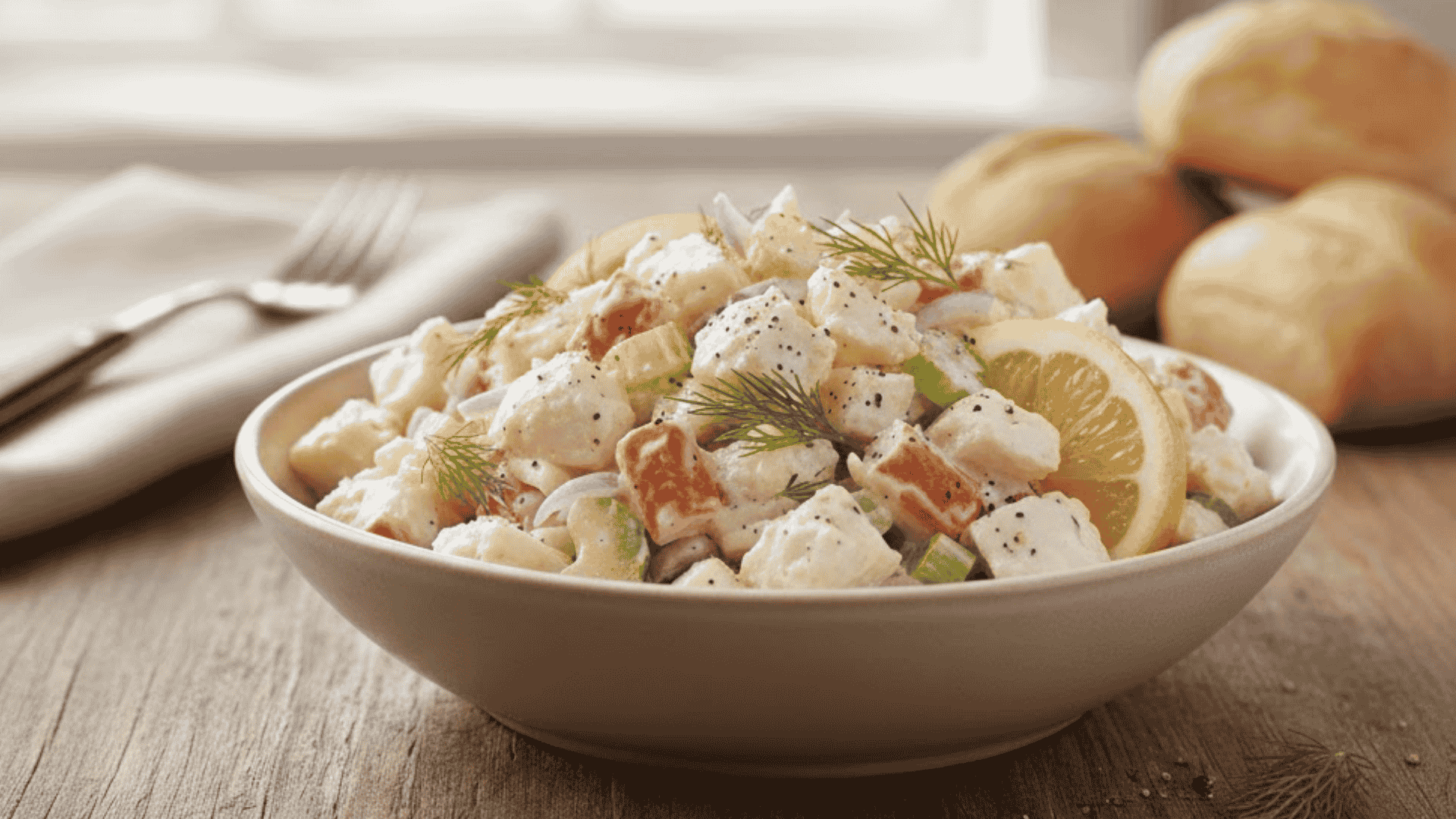
I love finding simple ways to add crab to my weekly meals.
Here are a few ways I do it:
Dungeness Crab Recipes: Steam it whole with garlic butter or toss it into a fresh pasta dish.
Crab Salads: Mix crab meat with fresh greens and a light dressing.
Crab Roll: Mix crab meat with a light mayo dressing and serve it in a toasted bun.
Soups and Stews: Add crab to a warm broth-based soup for extra protein.
Dungeness Crab Bisque: A rich, creamy soup made with Dungeness crab meat, onions, and light cream. It’s one of my personal favorites on a cold day
Is Crab High in Cholesterol?
Crab does contain cholesterol, about 80 to 100 milligrams per 3-ounce serving. That might sound like a lot at first.
But dietary cholesterol from seafood doesn’t affect your blood cholesterol the same way saturated fats do.
Crab is naturally low in saturated fat, which is the real reason behind rising cholesterol levels.
So while crab has cholesterol, it’s not the kind of food you need to fear. Eaten in reasonable portions, crab can actually be part of a heart-friendly, balanced diet without causing concern.
Are Crab Legs High in Cholesterol?
People often ask me specifically about crab legs. It’s a fair question.
Crab legs sit at the lower end of the fat spectrum compared to most seafood cuts.
A 3-ounce serving contains roughly 60 to 71 milligrams of cholesterol. That’s lower than shrimp, which clocks in at 166 milligrams per serving. Crab legs are also very low in saturated fat.
According to USDA nutrition data, crab legs consistently register the lowest cholesterol among all crab varieties.
So if you’re watching your numbers, crab legs are a safer seafood option than many other options on your plate.
Nutritional Value of Crabs
Crab is packed with nutrients, but the exact values vary by type.
The following is a quick look at the nutritional breakdown per 3-ounce serving across five popular crab types.
Health Risks of Having Crabs
Crab is healthy, but it’s not perfect for everyone. Like any food, it comes with a few things worth knowing before you eat it regularly.
High Sodium Content
I always check sodium levels in my seafood. Crab is naturally high in sodium.
King crab, for example, contains up to 911mg of sodium per 3-ounce serving. Too much sodium can raise blood pressure over time. If you have heart issues, watch your crab portions carefully.
Allergic Reactions
Shellfish allergies are among the most common food allergies out there.
If you’re allergic to shellfish, eating crab can trigger serious reactions. Symptoms can range from mild itching to severe breathing problems.
Always be careful.
Mercury Exposure
I know mercury in seafood is a real concern for many people. Crab contains low but present levels of mercury. Eating too much can slowly build up in your body and harm your health.
Pregnant women and young children should be especially cautious about portion sizes.
Digestive Issues
Some people find crab hard to digest. The high protein content can sometimes cause bloating or discomfort.
Eating crab slowly and in smaller portions can help your stomach better handle it.
If your stomach is sensitive, eating large portions of crab in one sitting may not be the best idea.
Risk for Gout
Crab is high in purines. For anyone dealing with gout, this is important to know.
Eating too much crab can raise uric acid levels in the blood, which may trigger painful gout flare-ups. If you have a history of gout, limit your crab intake and speak with your doctor first.
Cholesterol in Crab vs. Other Seafood
It is only fair to think about how crab compares to other seafood in terms of cholesterol.
Here’s a simple side-by-side comparison per 3-ounce serving to help you see exactly where crab stands.
High Cholesterol Fish to Avoid
Not all fish are the same when it comes to cholesterol.
Some carry very high levels compared to others, and eating them too often can affect you over time.
- Mackerel is rich in omega-3s but also high in cholesterol. Eat it in small portions.
- Herring is a fatty fish with notably high cholesterol levels per serving.
- Halibut contains moderate to high cholesterol, so it’s best eaten occasionally.
- Farmed catfish tend to have higher cholesterol and saturated fat compared to wild-caught fish.
- Eel is one of the fattiest fish available and has a high cholesterol content.
Quick note: How you cook fish matters as much as which fish you pick. Frying any low-cholesterol fish in butter or heavy oil can quickly cancel out its benefits.
How Much Seafood is Safe to Eat in One Day?
I always tell people that portion control is key when it comes to seafood.
It is recommended to eat at least 2 servings of seafood per week, each roughly 3.5 ounces.
For people watching their cholesterol, staying within these limits is especially important. The following are safe daily portion looks like for each type:
Limit high-mercury fish like tuna, swordfish to 2-3 oz weekly; prioritize low-mercury options (salmon, shrimp) for safe daily intake for children and preganent women.
Seafood Edition: Cholesterol Foods to Avoid
Managing cholesterol isn’t just about avoiding one food.
Some seafood options carry more risk than others, and knowing which ones to limit can make a real difference to your health.
Squid and Calamari
Squid and calamari are popular but high in cholesterol, with a 3-ounce serving exceeding 200mg, nearly double crab’s amount.
Avoid deep-fried versions to reduce fat.
Fish Roe and Caviar
Fish roe and caviar rank high in seafood cholesterol, with two tablespoons containing over 80mg.
They’re eaten in small amounts, which helps, but those managing cholesterol should be mindful of consumption.
Prawns
Prawns have cholesterol levels similar to shrimp, about 150-160mg per 3-ounce serving.
They can be overeaten, especially in starters or buffets. Keep portions small and pair with vegetables instead of heavy sauces to maintain balance.
Canned Seafood
Canned sardines and anchovies are nutritious, but many are packed in oils that increase their saturated fat content.
It raises LDL cholesterol. Choosing water-packed versions is a simple switch that makes a difference.
In my experience, people who track their seafood portions even for just two weeks start making noticeably better food choices overall.
Wrap Up
So, is crab high in cholesterol? Yes, it contains cholesterol, but that doesn’t make it a food to avoid.
If you have an existing heart condition or high cholesterol, talk to your doctor before making crab a regular part of your meals.
But for most people, enjoying crab a couple of times a week is perfectly fine.
Have you tried tracking your seafood portions before? I’d love to hear how you manage your diet in the comments below!
Frequently Asked Questions (FAQ’s)
1. Can I Eat Crab if I Have High Cholesterol?
Yes, you can eat crab in moderation. It’s low in saturated fat, which matters more than dietary cholesterol itself.
2. What Cleans Cholesterol Out of Your Body?
Fiber-rich foods, regular exercise, and drinking plenty of water help your body naturally process and remove excess cholesterol over time.
3. Does Exercise Help in Reducing Cholesterol?
Yes, regular exercise raises good HDL cholesterol and lowers bad LDL cholesterol. Even a daily 30-minute walk makes a real difference.